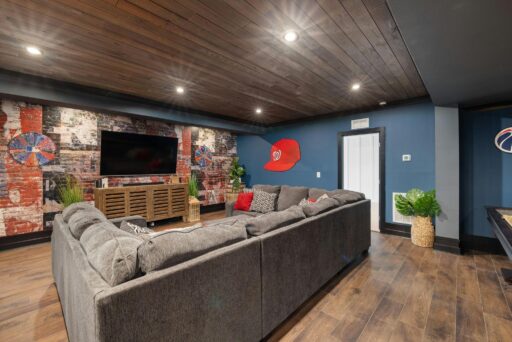
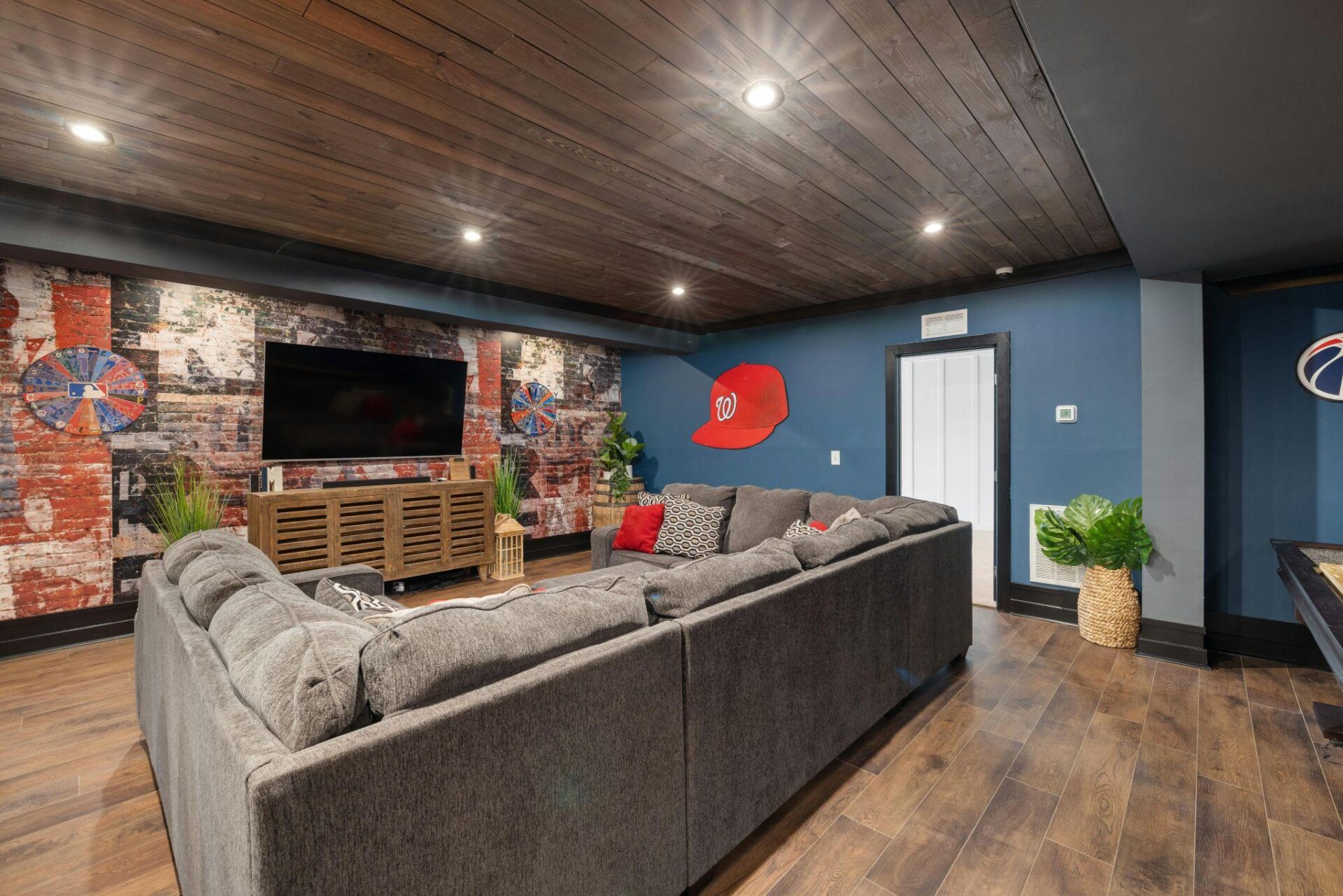

Basements get a raw deal. In most homes, they end up as glorified storage closets, packed with holiday decorations, dusty exercise equipment, and boxes nobody has opened in years. The lighting is meh, the air feels weird, and the whole vibe screams “ignored.” But here’s the thing. A basement is essentially a whole extra floor of usable space that most people are completely wasting. With some thoughtful planning, that forgotten zone can turn into one of the best rooms in the house.
A finished basement can be a chill family hangout, a real home office, a guest suite, a media room, a home gym, or even a separate rental unit that brings in monthly income. The potential is huge. The trick is approaching it with a plan instead of just buying paint and hoping for the best.
Here’s how to actually pull off a basement transformation.
Take a Real Look at What’s Down There
Before any dreaming starts, the basement needs a serious assessment. Ceiling height, foundation type, existing windows, electrical, plumbing access, all of it matters. Some basements are ready to be finished. Others have issues that need to be solved first.
Water damage and mold are the big red flags. Any sign of moisture, musty smell, staining on the walls, or efflorescence on the concrete needs to be addressed before anything else. Building a beautiful room on top of a wet basement is just setting up a slow-motion disaster.
Once the current condition is clear, planning can begin from a place of reality rather than wishful thinking.
Know when To Call in The Pros

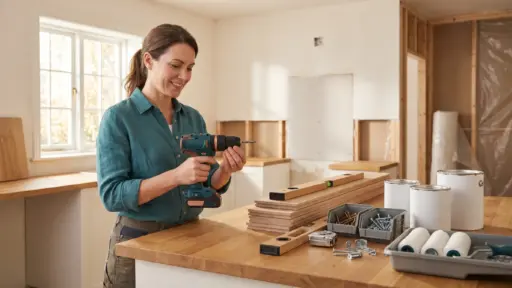
DIY has its place, but basement conversions are usually beyond the typical weekend project. Plumbing, electrical, framing, permits, code compliance, and structural questions all come into play, and getting any of them wrong can lead to serious problems down the road.
This is where good basement renovation services earn their fee. Experienced contractors know how to handle the surprises that come up once walls start opening. They can navigate local codes, pull the right permits, and make sure everything passes inspection. The result is a finished space that’s safe, legal, and built to last. Trying to save money by skipping pro help on the big stuff often ends up costing way more in the long run, especially if something has to be redone to meet code.
Plan the Layout with Intention
A great basement layout makes the space feel bigger and more useful than it actually is. A bad layout makes a large basement feel cramped and awkward.
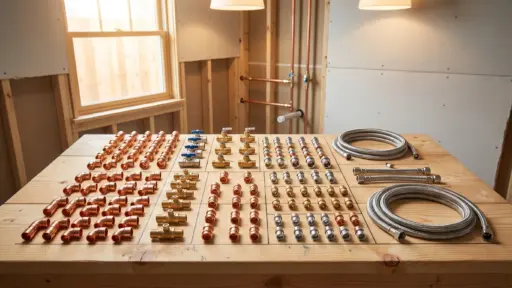
Think in zones. Maybe one corner is the lounge area, another is the home office, and another is a small bar or kitchenette. Open floor plans tend to work really well underground because they keep the space from feeling chopped up and claustrophobic. If a bathroom or kitchenette is part of the plan, get the plumbing and electrical layout sorted early. Moving pipes later is painful and expensive.
Also, think about how people will move through the space. Clear pathways. Logical flow. Furniture that doesn’t block doors or windows. The details add up to a room that feels right to be in.
Light It Up
Basements are usually starved for natural light, which is one of the main reasons they feel cold and unwelcoming. The good news is there’s a lot that can be done about it.
If the budget and structure allow, adding larger egress windows or window wells can make a huge difference. They bring in real daylight and also satisfy safety codes if the basement is going to be used as a bedroom or rental.
Artificial lighting needs to be layered. Recessed ceiling lights handle the general brightness. Pendant lights or sconces add character. Floor lamps and task lighting near seating areas give that warm, inviting glow that makes a basement feel like an actual room and not a bunker. Warm-toned bulbs almost always feel better than cool blue-white ones down there.
Insulation and Ventilation Are Not Optional
This stuff in the space will be cold in winter and clammy in summer. Without proper ventilation, the air won’t be glamorous, but it’s what makes a basement actually comfortable. Without proper insulation, stale air and humidity will build up.
Insulate the walls properly. Add a vapor barrier if the local climate calls for one. Make sure the HVAC system can actually handle the new finished space, or look into options like ductless mini-splits or supplemental units. A dehumidifier is almost always a smart investment, too, especially in older homes.
Getting this right means the basement feels just like any other room in the house, rather than that weird in-between zone that’s slightly too cold or too damp.
Choose Flooring that Can Handle Basement Life
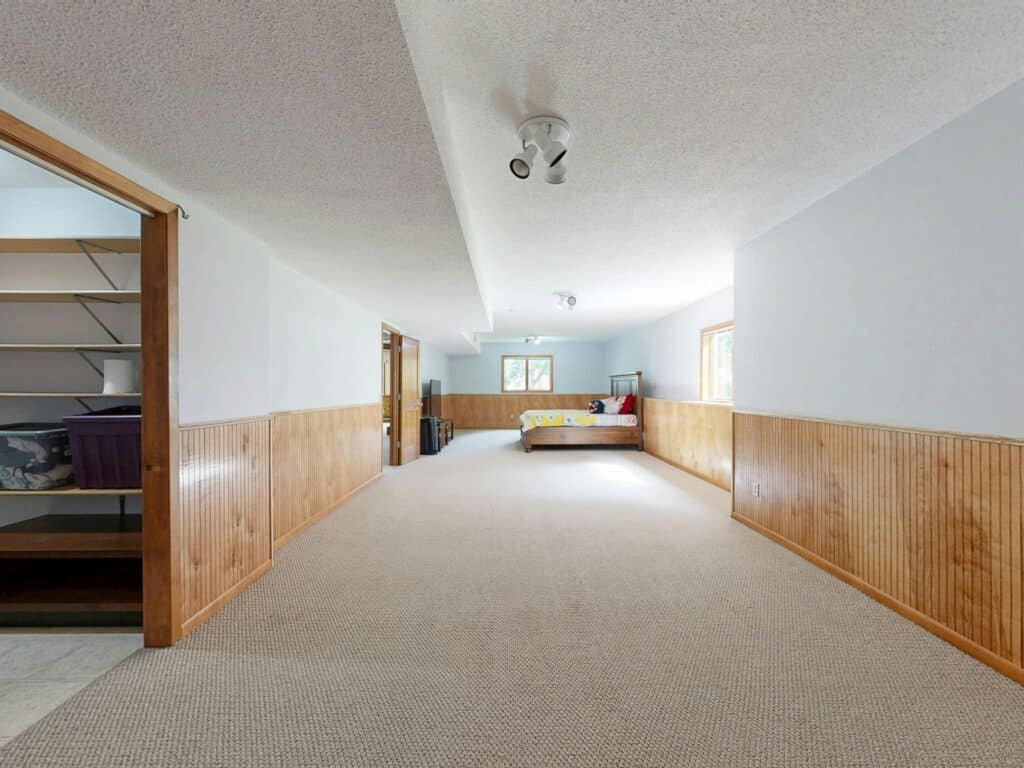
Flooring decisions matter a lot in a basement. Concrete slabs can allow moisture to seep up from below, and even well-sealed basements can occasionally have leaks. So the flooring has to be ready for that.
Luxury vinyl plank is one of the most popular choices these days, and for good reason. It’s water-resistant, durable, easy to install, and comes in styles that look surprisingly high-end. Engineered hardwood works in dry basements with the right underlayment. Ceramic tile is moisture-resistant but can feel cold underfoot.
Wall-to-wall carpet is generally not a great idea unless the basement is completely dry and ventilated, because once it gets damp, it’s basically done.
Build in Function without Sacrificing Style
Smart design choices make a basement feel intentional rather than thrown together. Built-in storage along one wall keeps clutter under control. Floating shelves provide display space without eating into the floor. Multi-purpose furniture, like a sleeper sofa, instantly turns a media room into a guest room when needed.
If the basement has any unique architectural quirks like exposed beams, brick walls, or interesting structural posts, lean into them. Painted beams, accent walls with original stone, or wrapped support columns can add tons of personality. Hiding everything behind drywall is the safe move, but sometimes those raw elements are the most beautiful part of the whole project.
Add the Personality Last
Once the bones of the renovation are in place, the fun part begins. This is where the basement stops feeling like a project and starts feeling like a real room.
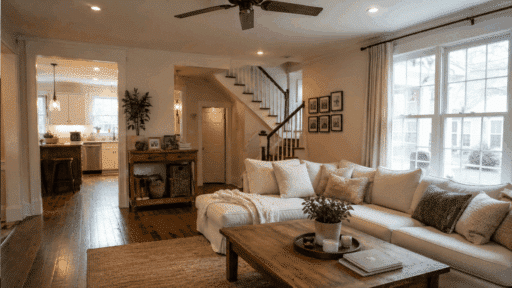
Choose a color palette that suits the vibe, whether that’s bright and modern or moody and cozy. Soft textiles like rugs, throws, and pillows add warmth and absorb echo, which can be a real issue in a hard-walled basement. Artwork, plants, and personal touches finish things off.
Greenery does especially well in basements with at least some natural light, and even fake plants can add a sense of life without any maintenance.
Consider a Separate Entrance for Maximum Flexibility
If the basement might one day be used as a rental, an in-law suite, or just a private guest space, a separate entrance is gold. Walkout basements are ideal, but exterior stairwells and basement access doors can also be added in many homes.
A separate entrance opens up so many possibilities. Long-term tenants, short-term renters, college-aged kids who want their own space, and grandparents who need a comfortable place to stay. Even if those situations aren’t on the immediate horizon, building with future flexibility in mind makes the space way more valuable.
Set a Real Budget and Stick to A Real Timeline

Basement renovations have a sneaky way of getting expensive. Surprises pop up. Materials cost more than expected. Permits add fees. Setting a solid budget at the start, complete with a 10 to 20 percent buffer for the unexpected, is just good planning.
Get detailed quotes from contractors. Compare what’s included, not just the bottom-line numbers. Build in time for the project to take longer than originally promised, because most projects do.
Sticking close to the budget and timeline is mostly about preparation. The more decisions made upfront, the fewer expensive changes happen mid-project.
Wrapping It UP
An unused basement is essentially a second chance to have a bigger home, without the cost of moving. With smart assessment, a clear plan, the right pros, and some thoughtful design, that gloomy underground storage zone can become one of the most useful and beloved rooms in the entire house.
It just takes a willingness to see the potential instead of the clutter. Because underneath every neglected basement is a whole new chapter for the home, just waiting for someone to start writing it.

Holding a Master’s in Architecture from the University of Texas at Austin, Emily Rodriguez has dedicated more than two decades to the art and science of building renovation. Starting her journey in historic preservation, she developed a profound respect for blending old with new in building design. Emily became a vital part of our team in 2019, renowned for her insightful and innovative renovation tips. She has been leading our DIY home improvement series since ever since, where she shares her wealth of knowledge in turning outdated spaces into modern havens. When not engaged in writing or consulting, Emily is a passionate advocate for heritage conservation and enjoys exploring vintage architecture, a hobby that complements her professional expertise.