

Home renovation sounds exciting at first, but it often comes with unexpected costs, delays, and stressful decisions. A simple project can quickly turn into a bigger challenge than planned.
That’s why getting the right house renovation advice matters. This blog shares practical, real-life tips that people have learned through experience.
If you’re renovating one room or the entire house, the advice below will help you plan smarter, avoid common mistakes, and make better decisions throughout the process.
Before You Start: What You Need to Know About Renovation
Before starting a home renovation, it’s important to understand what you’re getting into. Renovation projects often take longer and cost more than expected.
Many people face delays, rising costs, and last-minute changes. Planning ahead can help reduce stress and avoid costly mistakes. Create a clear budget and set aside extra money for unexpected expenses.
Research materials, designs, and contractors before making decisions. It’s also helpful to know your priorities, so you don’t overspend on less important things.
Good planning and realistic expectations can make the process smoother and more rewarding in the end.
How to Budget for a House Renovation?
Budgeting for a renovation is more than just setting a number; it’s about planning for the unexpected and making smart choices. Here are practical tips that can help you stay on track and avoid costly surprises.
- Set a realistic budget from the start and always add a 10–25% emergency fund for unexpected costs.
- Break down your budget into categories like labor, materials, permits, and contingency to stay organized.
- Know where to splurge and invest in structural work, electrical, and plumbing, since mistakes here are costly.
- Save on non-essential items like decor, fixtures, and cosmetic upgrades that can be changed later.
- Get at least 3 quotes from contractors and make sure each includes the same scope of work.
- Compare more than price check timelines, material quality, warranties, and past reviews before deciding.
Essential House Renovation Advice

Renovating a home isn’t just about design choices; it’s a path filled with unexpected challenges, lessons, and real-life experiences. Here are practical, experience-backed insights from people who’ve been through it all.
1. Set a Realistic Budget
Most people start renovations with a fixed budget, but actual costs often exceed expectations. Material prices fluctuate, labor costs rise, and unexpected issues arise.
Without a financial cushion, these surprises can delay progress and force compromises that affect the renovation’s overall quality and completion.
“Set a detailed budget. Consider all costs, including materials, labor, and unexpected expenses. It’s always wise to allocate an additional 10-20% for surprises.”- Coohom
2. Always Plan More Than You Think You Need
Renovation projects don’t always go as planned. Delays, mistakes, and doing things again are very common. Even small tasks can take longer than expected.
Planning extra time and steps ahead can help you stay calm and handle problems better when things don’t go right.
“Everything was one step forward, two back.”- Mumsnet
3. Expect Delays
Renovation timelines often take longer than expected due to weather delays, permit approvals, and supply shortages. Even simple tasks can get pushed back, so it’s important to stay patient and mentally prepared for changes.
“It took seven years, and we had to live in it. It was literally like a building site for the first 3 and a half years, and I had no kitchen at all for a year!”- Mumsnet
4. Focus on High-Impact Areas First
Kitchens and bathrooms usually add the most value to a home, making them the smartest place to start.
Instead of dividing your budget across many areas, focus on these key spaces first to see better returns and more noticeable improvements in your renovation.
“Prioritize projects based on your needs and how they will impact your daily life.” – Coohom
5. Don’t Cheap Out on Important Materials
Cheap materials may look good at first, but they often wear out or break quickly. Investing in quality items you use every day, like fixtures or flooring, helps avoid frequent repairs and saves money in the long run.
“I cheaped out on my light fixtures. I’m now slowly replacing them, which means I’m spending the money twice,” – thespruce
6. Get Everything in Writing
Relying on verbal agreements can easily lead to confusion and disagreements during a renovation. It’s important to clearly document everything, including timelines, costs, materials, and responsibilities.
Having a written contract protects both you and the contractor, helps avoid misunderstandings, and ensures the project stays on track from start to finish.
“Have a contract with clear expectations and scope of work.” – bringnachos.
7. Live Somewhere Else If Possible
Living in a home during renovation can be physically and mentally draining. Constant noise, dust, and limited access to essentials like kitchens or bathrooms disrupt daily life.
Over time, this can increase stress and frustration, making the process harder to manage without proper planning or temporary relocation options in place.
“I camped in one room for a year and washed up in the bath.” – Mumsnet
8. Think Long-Term, Not Just Trends
Trendy designs can look stylish at first, but they may not work well in everyday use. Features that are hard to clean or maintain can quickly become frustrating.
Choosing practical, functional options ensures your space remains comfortable and useful over time.
“I regret using dark grout, it looked good but wasn’t practical.” – Remodelista.
9. Expect Stress, But It’s Worth It
Renovation can take a toll on your mental and emotional well-being, especially with constant decisions, delays, and unexpected problems. However, many people feel a strong sense of satisfaction once the project is complete, making the stress, effort, and challenges worthwhile in the end.
“I thought I was going to have a breakdown at points, but honestly, it was worth it in the end!” – Mumsnet
Before & After: What Made the Biggest Difference
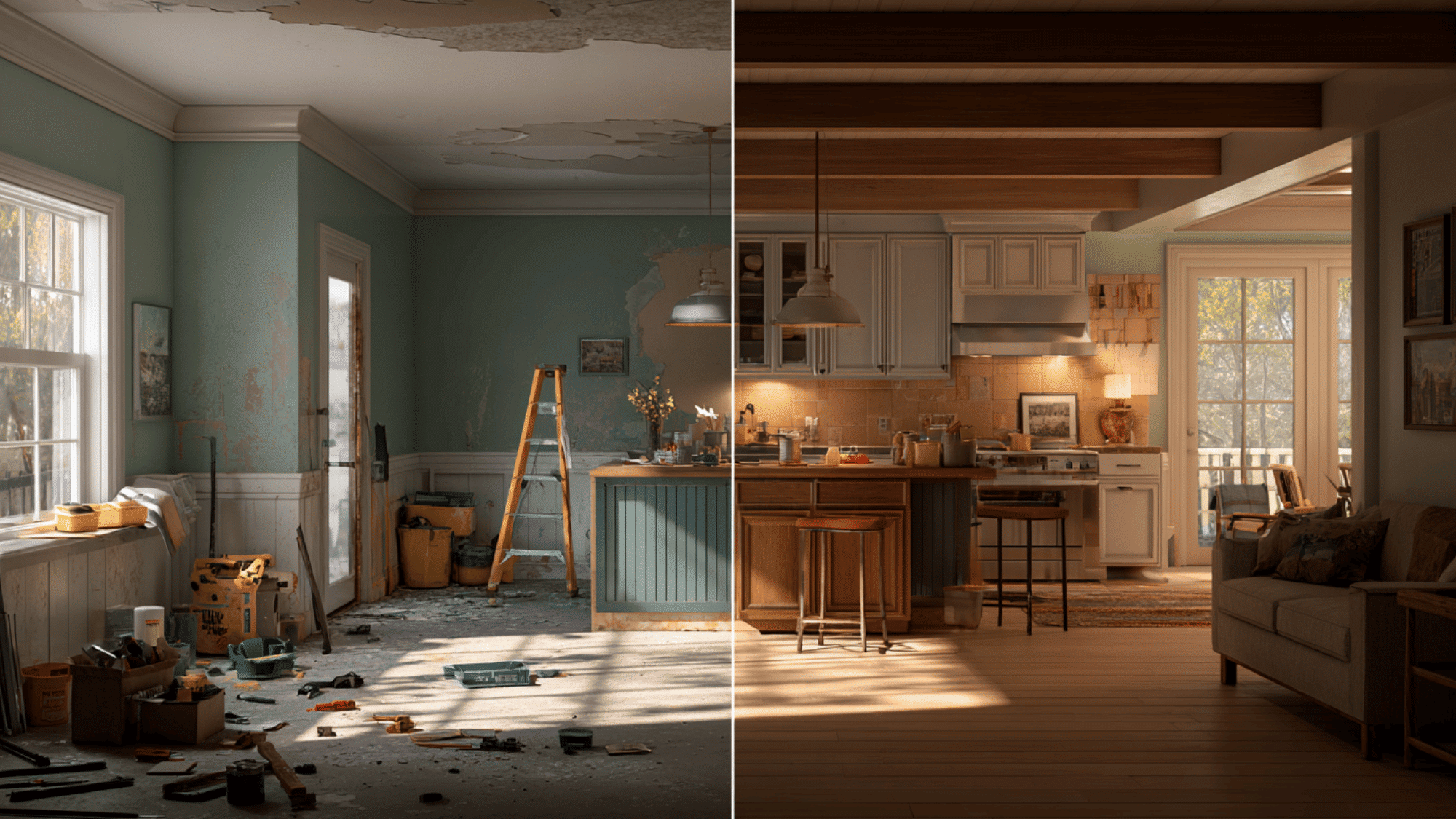
Visual changes can make a big difference without a full renovation. Simple updates like fresh paint, new lighting, or modern hardware can quickly improve a space’s appearance.
Adding mirrors can make rooms feel larger and brighter. Even small decor changes, like rugs or curtains, can refresh the entire feel.
Focus on easy upgrades that bring noticeable results without high cost or time, especially when you want a quick change.
Biggest House Renovation Mistakes to Avoid
Renovating a home can quickly go wrong if common mistakes aren’t avoided from the start. Here are the biggest renovation mistakes you should watch out for below.
- Underestimating costs: Many people plan a fixed budget, but actual costs often exceed it due to materials, labor, and hidden issues, causing stress and delays.
- Hiring based on the lowest bid: Choosing the cheapest contractor can lead to poor work quality, delays, and more expenses later to fix mistakes.
- Skipping permits: Avoiding permits may seem faster, but it can cause legal trouble, fines, or problems when selling your home.
- Changing plans mid-project: Making changes during renovation increases costs, slows progress, and creates confusion for workers.
- Not planning properly: Lack of clear planning can lead to mistakes, wasted money, and a longer renovation timeline overall
Final Thoughts
Good house renovation advice doesn’t just save you money, it saves you stress, time, and a whole lot of regret.
At the end of the day, every smart renovation comes down to planning well, spending wisely, and knowing when to call in a professional.
Every home is different, and so is every renovation project. What works for one space might not work for another.
But the basics stay the same: set a clear plan, stick to a realistic budget, and never cut corners on the things that matter most.

Holding a Master’s in Architecture from the University of Texas at Austin, Emily Rodriguez has dedicated more than two decades to the art and science of building renovation. Starting her journey in historic preservation, she developed a profound respect for blending old with new in building design. Emily became a vital part of our team in 2019, renowned for her insightful and innovative renovation tips. She has been leading our DIY home improvement series since ever since, where she shares her wealth of knowledge in turning outdated spaces into modern havens. When not engaged in writing or consulting, Emily is a passionate advocate for heritage conservation and enjoys exploring vintage architecture, a hobby that complements her professional expertise.