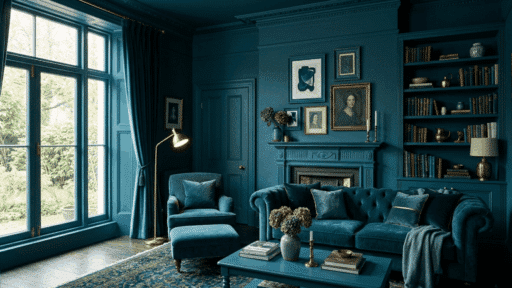
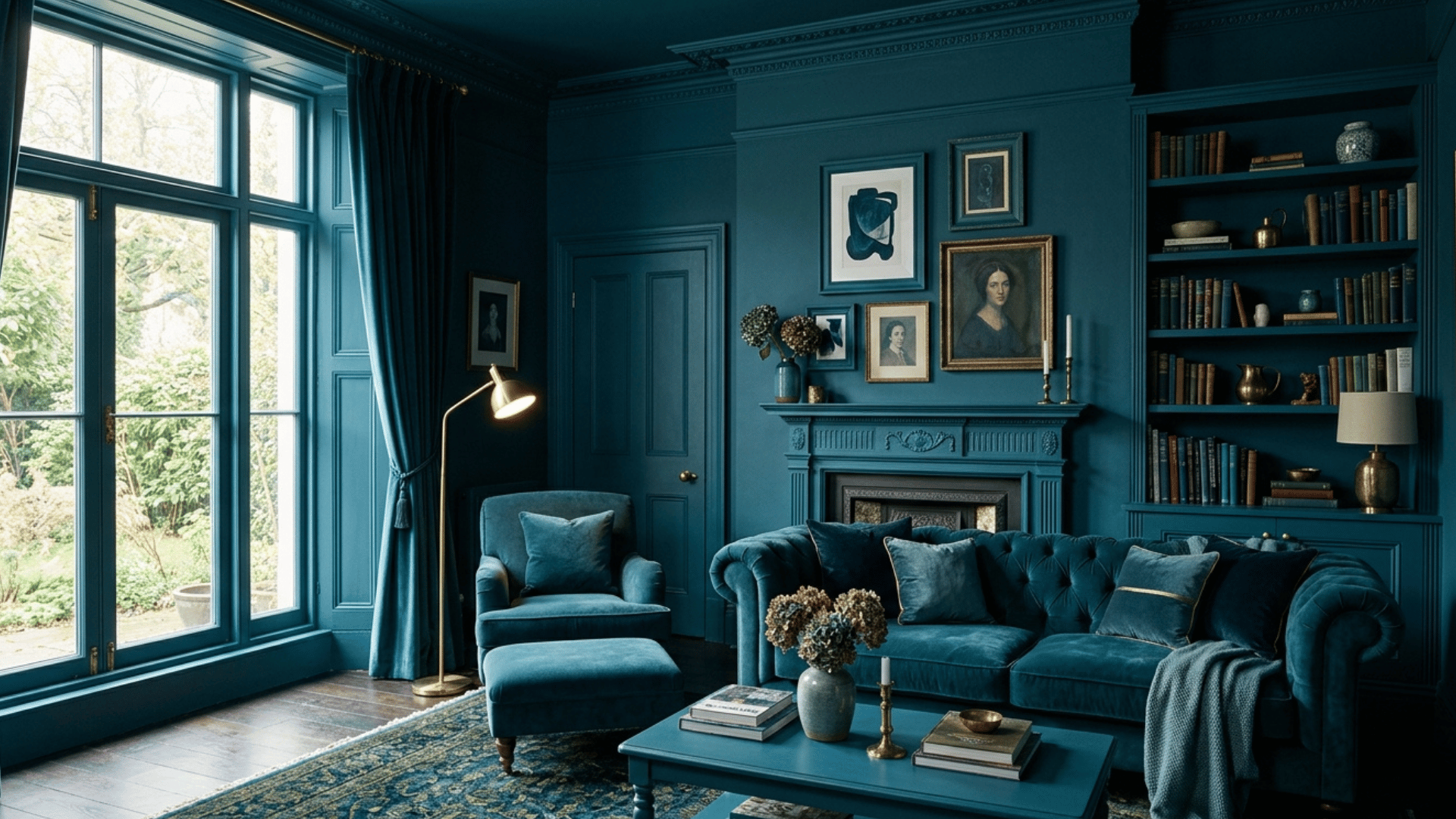

Bold home design trends are moving away from plain, safe choices and leaning more toward rich, immersive looks. One trend that’s quickly getting attention is color drenching.
Instead of using different colors for walls, ceilings, and trims, this color drenching interior design style uses one shade across the entire space. The result feels clean, cohesive, and surprisingly calming.
Many residents and designers are now trying it in bedrooms, living rooms, and even small bathrooms.
This blog breaks down what color drenching really means, why it works so well, and how to use it in real rooms without making the space feel too heavy or overwhelming.
What is Color Drenching in Interior Design?
Color drenching in interior design means using one color across almost every surface in a room. Instead of mixing different shades, the same color is applied to walls, ceilings, trims, and even doors.
In some cases, furniture and decor pieces also follow the same tone to keep the look consistent.
The goal is to create a smooth, unified space that feels calm and visually connected. This approach removes sharp contrasts, letting the color take center stage.
It’s commonly used in living rooms, bedrooms, bathrooms, and even kitchens, especially when aiming for a modern and clean feel without too many visual breaks.
Reasons Color Drenching Works So Well
Color drenching works because it simplifies the space while still making it feel rich and complete.
Using one color across surfaces creates a smooth flow, making rooms look bigger, calmer, and more visually connected without extra effort.
- Creates a Cohesive, Smooth look: Using a single color across the room eliminates visual breaks. This makes the space feel smooth and well put together.
- Makes Small Rooms Feel Bigger: When walls, ceilings, and trim blend into a single tone, the eye doesn’t stop at edges. This can make a room feel more open.
- Adds Depth without Multiple Colors: Even with a single shade, different finishes and lighting create layers. The room feels rich without needing extra colors.
- Highlights Textures and Lighting: With fewer color distractions, details like fabrics, wood grain, and light shadows stand out more clearly.
Where You Can Use Color Drenching at Home?
Color drenching is flexible and works in almost any room. It can be bold or soft, depending on the shade, making it easy to adjust to your space and comfort level.
1. Living Room
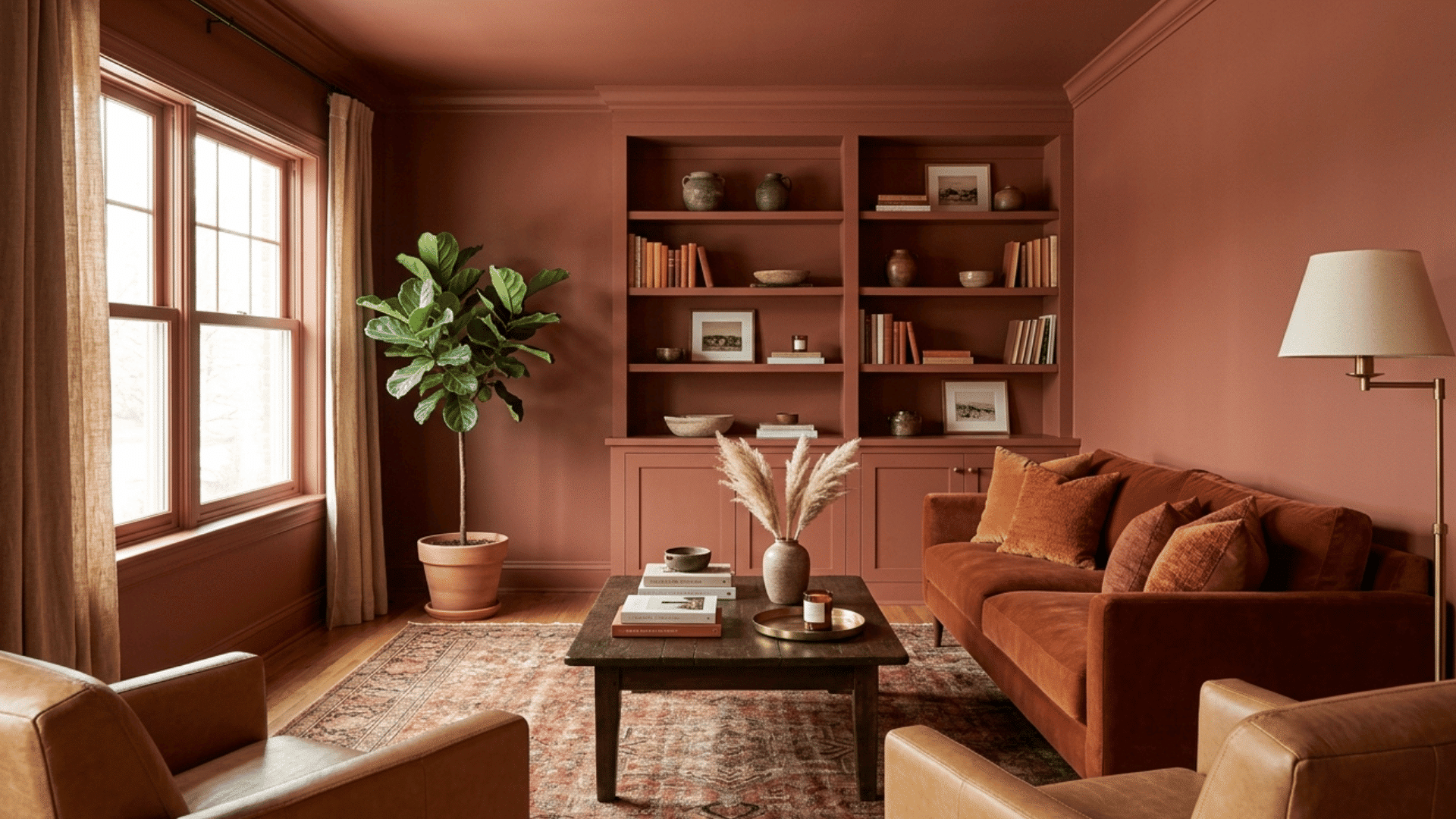
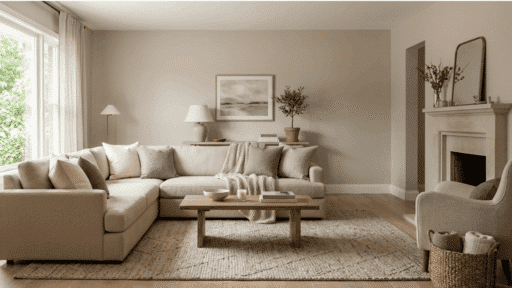
Color-drenching in the living room creates a strong, unified look. Painting both the walls and ceiling in the same shade helps the space feel connected.
Adding furniture in similar tones keeps the flow smooth and avoids visual breaks. This works well for both small and large living rooms.
Lighter shades can make the space feel open, while deeper tones add a warm and grounded feel without needing extra colors or busy decor.
2. Bedroom
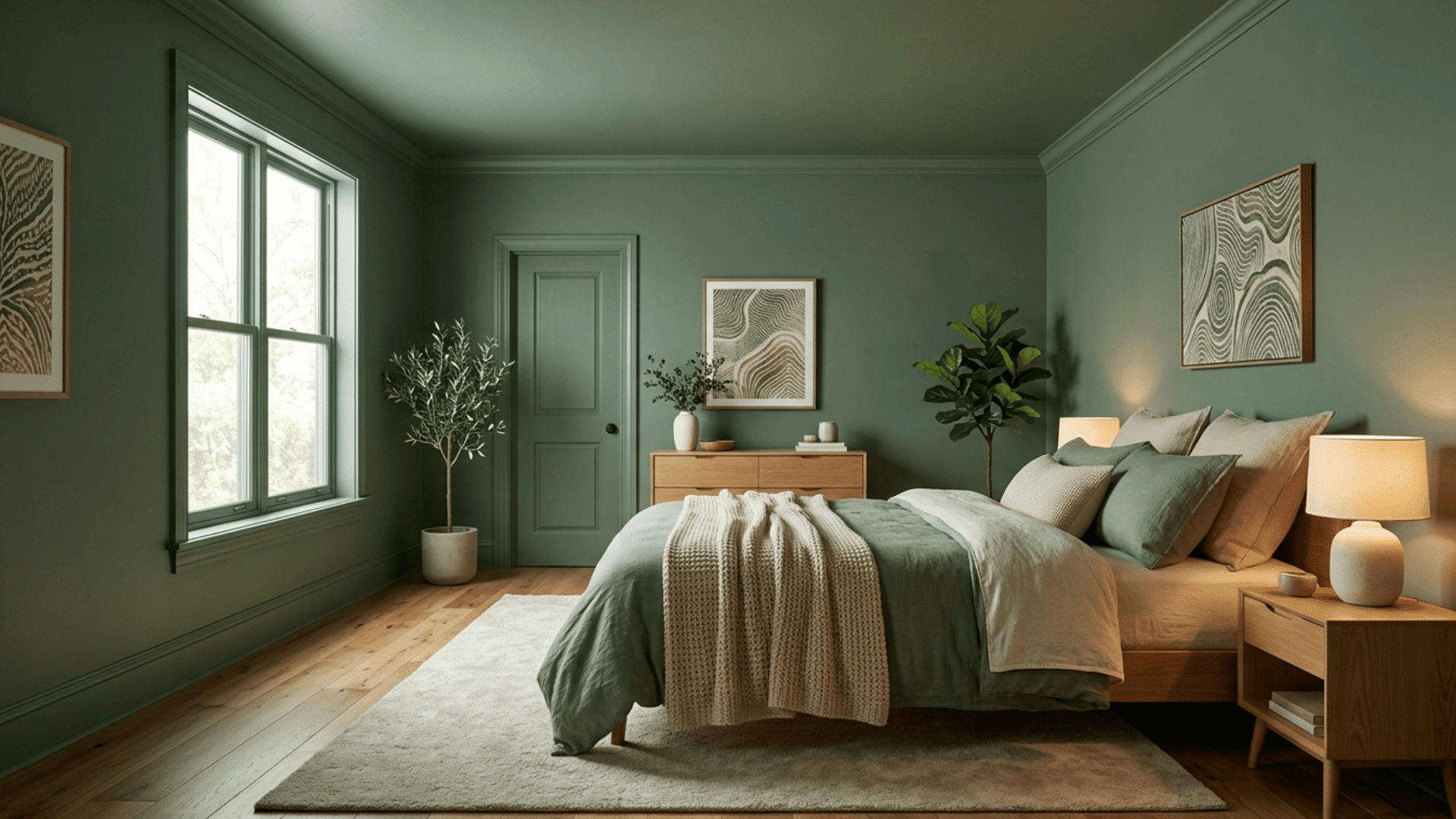
Bedrooms are ideal for color drenching because they benefit from a calm, restful feel.
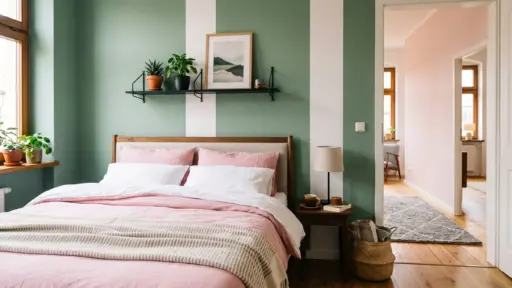
Soft tones like light beige, muted green, or pale blue can make the room feel peaceful. Darker shades like navy or deep brown can create a cozy and relaxed vibe.
Using the same color on walls, ceiling, and trims removes harsh contrasts, helping the room feel more balanced and comfortable for everyday use.
3. Bathroom
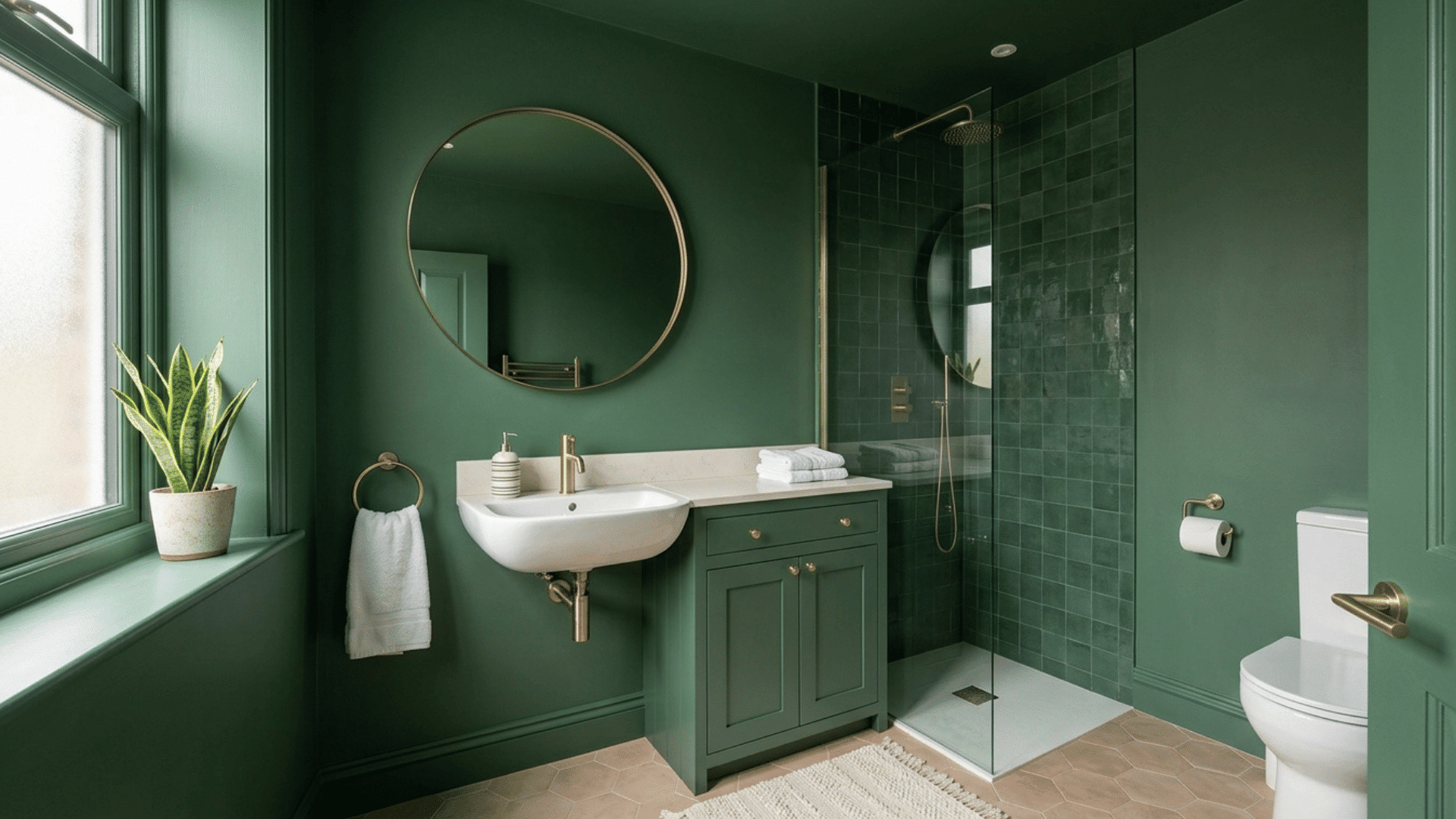
Color drenching works especially well in bathrooms, even small ones.
Using a single color across walls, ceilings, and trims can make the space feel bigger and less crowded. It creates a clean and simple look that doesn’t feel busy.
Light shades keep things fresh, while darker tones can give a bolder feel. This approach also pairs well with tiles, mirrors, and fixtures, helping everything blend smoothly.
4. Kitchen
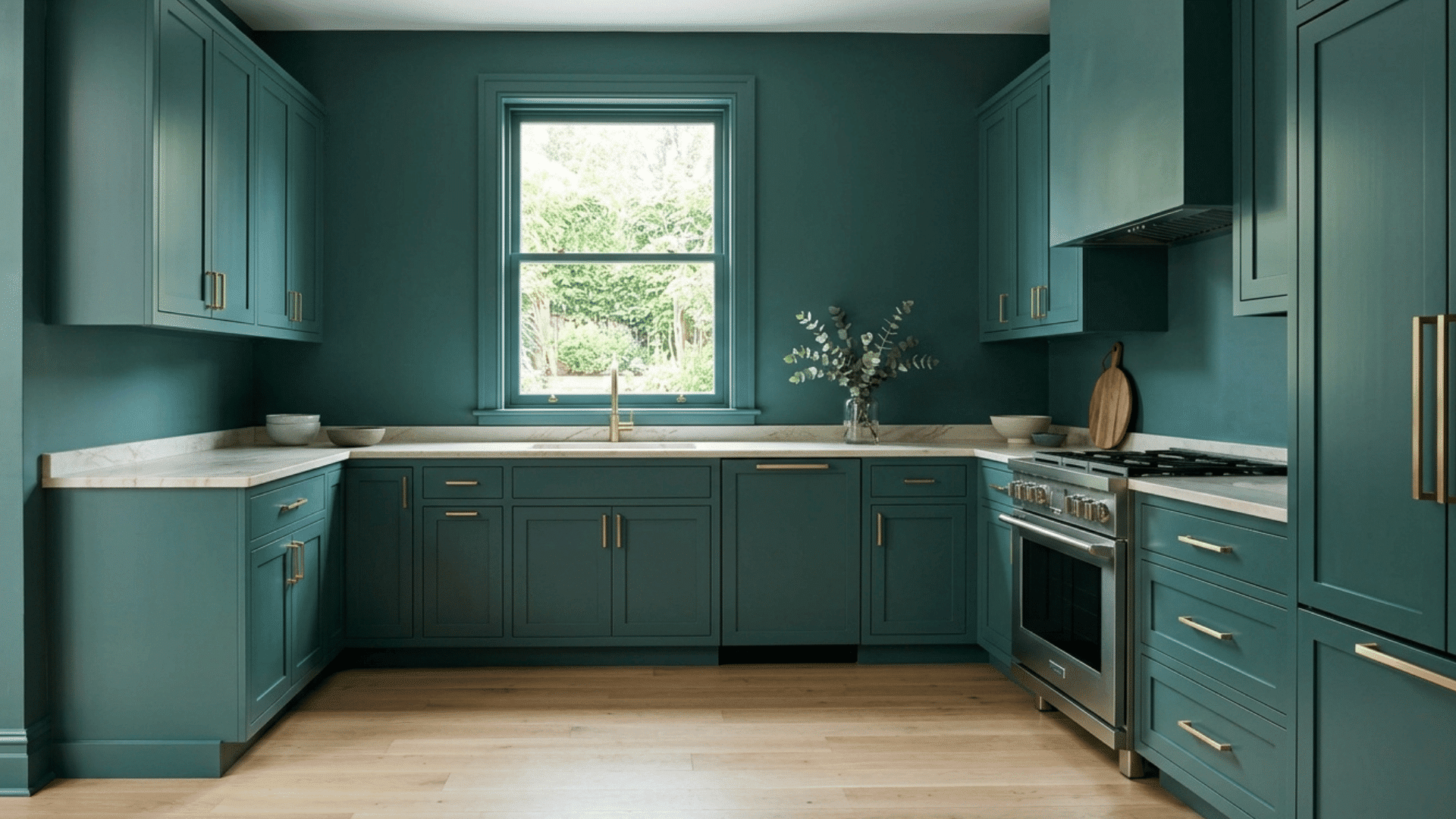
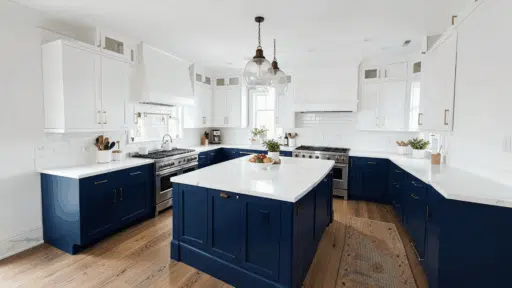
In kitchens, color drenching can create a clean, modern feel. Painting cabinets and walls in the same shade creates a smooth, cohesive look.
It works well with both light and dark colors, depending on the style you want. Light tones keep the kitchen bright, while deeper shades add depth.
This style also helps reduce visual clutter, especially in smaller kitchens where too many colors can feel overwhelming.
5. Home Office
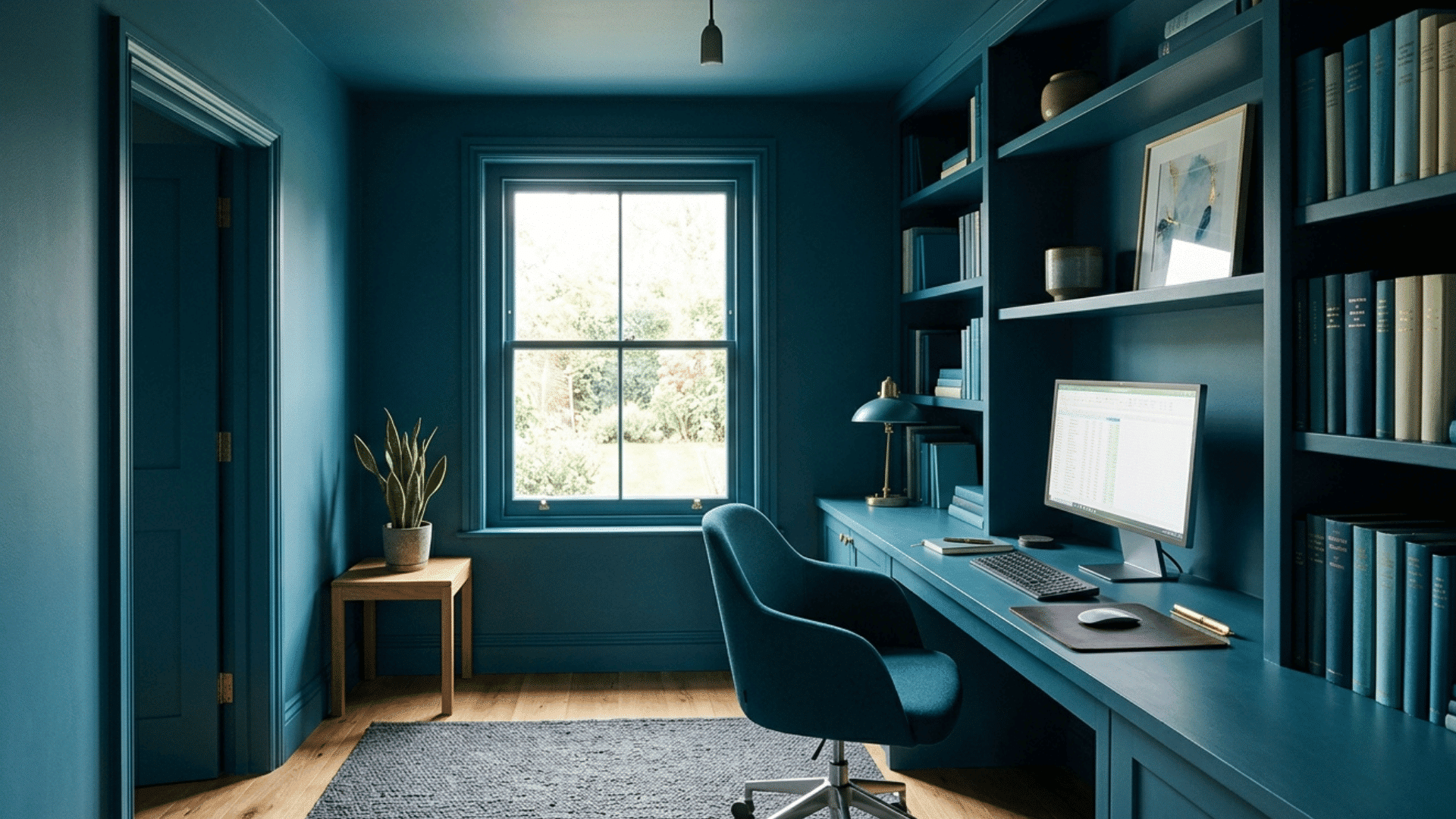
A home office can benefit from color drenching, creating a focused, distraction-free space. Using a single consistent color across walls, ceilings, and trim helps reduce visual noise.
Soft neutral shades can keep the room light and productive, while deeper tones can make it feel more grounded.
Adding simple furniture in matching or close shades keeps the space organized and easy on the eyes during long work hours.
Best Colors Suggestion for Color Drenching
Choosing the right shade is key to making color drenching work. The color you pick affects how the room feels, how big it looks, and how light moves through the space.
| Color Type | Examples | How It Feels In a Room | Best For |
|---|---|---|---|
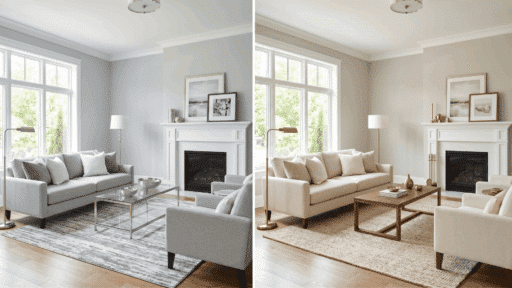
| Neutral Tones | Beige, Greige, Soft White | Light, clean, and easy on the eyes | Small rooms, beginners, low-light spaces |
| Deep Shades | Navy, Forest Green, Charcoal | Rich, cozy, and bold | Bedrooms, living rooms, larger spaces |
| Warm Tones | Terracotta, Muted Pink | Soft, warm, and inviting | Bedrooms, cozy corners, relaxed spaces |
| Choosing Tips | Based on light & size | Light colors open up space, dark colors add depth | Use light shades in small/dark rooms, darker shades in bigger or well-lit rooms |
Is Color Drenching Right for You?
Color drenching is a great choice for anyone who likes a clean and put-together look without using too many colors. It works well for people who enjoy simple design but still want a strong visual impact.
This style works best in spaces where a calm or cozy feel is important, such as bedrooms, living rooms, or small bathrooms.
It also works when you want to make a room look bigger or more connected.
In terms of budget, it can be affordable since it mainly involves paint, but the effort depends on how many surfaces you plan to cover, including ceilings, trims, and furniture for a complete look.
Color Drenching Vs Accent Walls
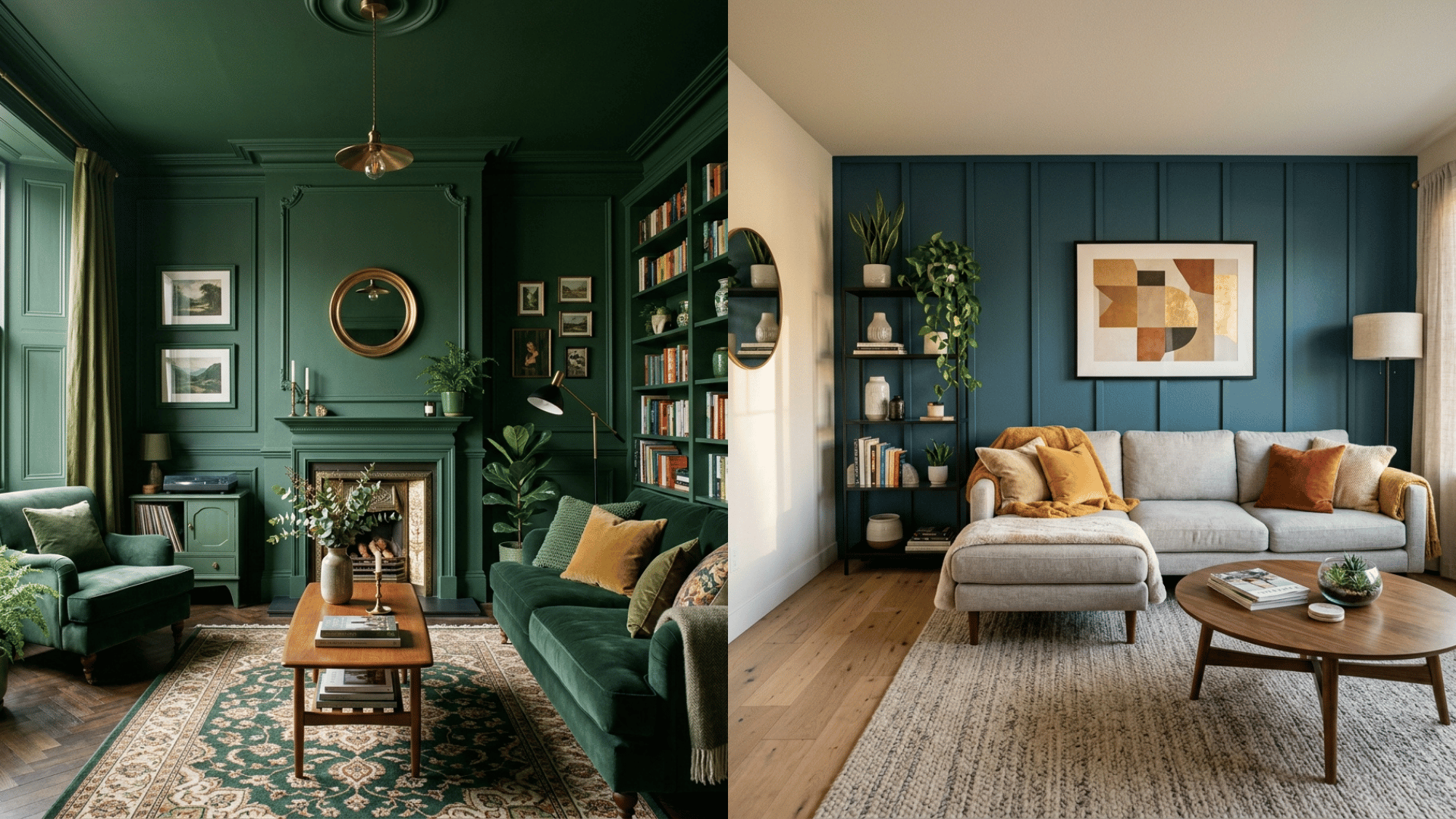
Both color drenching and accent walls can change how a room looks, but they create very different effects. Understanding how each style works can help you pick the right one for your space and design goals.
| Point | Color Drenching | Accent Walls |
|---|---|---|
| Basic Idea | Uses one color across walls, ceiling, trims, and doors | Uses one bold wall as the main focus |
| Overall Look | Smooth, cohesive, and complete | Bold, eye-catching, and more contrast-based |
| Best For | Bedrooms, bathrooms, living rooms, and cozy spaces | Living rooms, dining areas, entryways, and feature walls |
| When To Use It | Use it when you want a calm, connected, and modern feel | Use it when you want one wall to stand out |
| Room Size | Works well in small rooms because it removes visual breaks | Works better in medium or large rooms with a clear focal wall |
| Modern Home Fit | Better for a clean, updated, and designer-style look | Good, but it can feel more traditional if not styled carefully |
Final Thoughts
Color drenching is a simple way to create a clean and connected look without using multiple colors.
If you’re wondering what color drenching is, it’s about using a single shade throughout a space to make it feel smooth and complete.
This color-drenching interior design approach helps rooms feel bigger, calmer, and more put-together, while still adding depth through light and texture. It works well in many areas, from living rooms to bathrooms.
Starting with a small space can make it easier to try. With the right shade and a bit of planning, it can create a space that feels balanced and visually pleasing.

Alex Guerrero, a graduate with a Fine Arts degree from the Rhode Island School of Design, has been a visionary in the world of color and design for over 15 years. His professional journey began in the heart of the fashion industry in Milan, where he developed an acute sense for color harmonies and trends. Alex joined our team in 2018, offering fresh and innovative perspectives on color utilization in various spaces. Renowned for his ability to blend contemporary trends with timeless elegance. Outside of work, Alex is an accomplished painter and a volunteer art therapist, his artistic talents further enriching his professional insights.