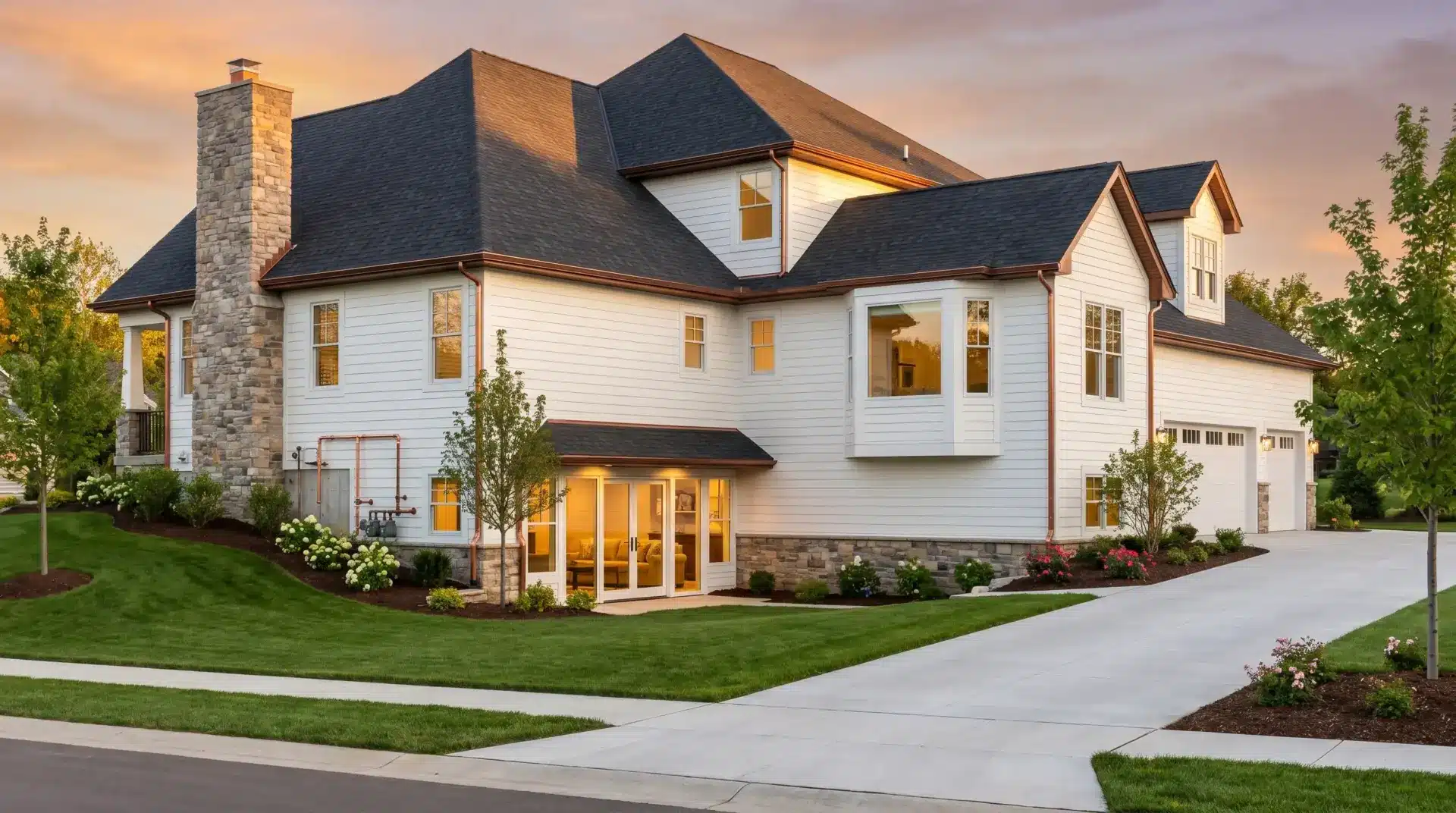

Your home is likely the single largest investment you’ll ever make. And like any investment, how you maintain and improve it has a direct impact on its long-term value , and your day-to-day quality of life. The good news is that the most impactful home improvement projects aren’t random. There’s a clear hierarchy of upgrades that consistently deliver returns, both in resale value and in how much you enjoy living in your space.
This guide covers four of the highest-impact home improvement categories: roofing, custom additions, basement finishing, and plumbing. Whether you’re preparing to sell, planning to stay for decades, or simply tired of putting off projects that have been on your list for years, here’s what you need to know.
Start With the Roof: Protection First, Value Second
If there’s one project that should never be deferred, it’s roofing. A compromised roof doesn’t just leak , it allows moisture into your walls, insulation, and framing, setting off a chain of damage that compounds quietly over time. By the time the ceiling stains appear, the underlying damage is often far worse than it looks.
From a value standpoint, a new roof is one of the most reliable returns in home improvement. Buyers and appraisers both factor roof condition heavily into their assessments, and a roof that needs replacement is one of the most common reasons deals fall apart during inspection.
The key is not waiting for visible failure. If your roof is approaching 15 to 20 years old, or if you’ve experienced significant storm activity in recent years, a professional inspection is the right starting point. A qualified roofing contractor can assess the true condition of your roof, identify vulnerabilities before they become emergencies, and help you understand whether repair or full replacement is the smarter investment given your timeline and budget.
What a roofing assessment should cover:
- Shingle condition and remaining lifespan
- Flashing integrity around chimneys, skylights, and vents
- Attic ventilation and insulation
- Gutter attachment and drainage performance
- Any signs of existing moisture intrusion
Custom Home Additions: Creating Space That Works for Your Life
There comes a point in many homeowners’ lives when the house simply doesn’t fit anymore. A growing family, a new work-from-home arrangement, aging parents moving in, or just the realization that the layout has never really worked , all of these are legitimate reasons to consider a home addition.
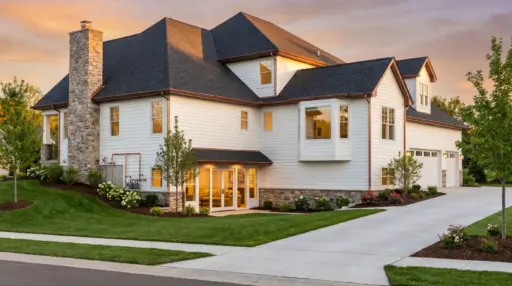
A well-designed custom home addition does something that moving can’t: it lets you stay in the neighborhood you love, keep your kids in their schools, and maintain the community roots you’ve built , while getting the space you actually need. And unlike a move, an addition lets you design exactly what you want rather than compromising with whatever happens to be on the market.
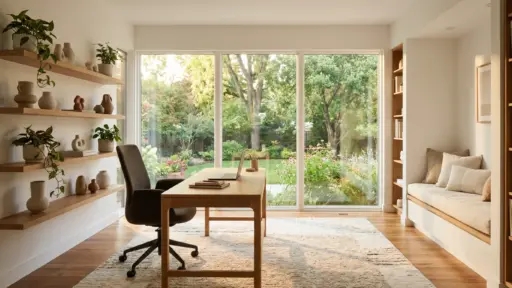
The most valuable additions tend to be those that add functional square footage in a way that flows naturally with the existing structure. Primary bedroom suites, expanded kitchens, sunrooms, and dedicated home office spaces are among the most sought-after by buyers and the most appreciated by the families living in them.
Questions to ask before starting an addition:
- What is the highest and best use of the new space for our lifestyle?
- How will the addition affect the flow and feel of the existing home?
- What are the zoning and permit requirements in our area?
- How does the projected cost compare to the expected value added?
- Are we working with a contractor who has experience with structural integration, not just new builds?
Basement Finishing: Unlocking the Square Footage You Already Own
For homes with unfinished basements, there’s an extraordinary opportunity hiding below the first floor. Finishing a basement is one of the most cost-effective ways to add livable square footage because the structural work , foundation, framing footprint, and roof , is already done. You’re essentially converting unused storage space into a fully functional part of your home.
The applications are nearly limitless: a family recreation room, a home theater, a guest suite, a home gym, a dedicated playroom for the kids, or a legal accessory dwelling unit that generates rental income. The right choice depends on your family’s needs and your long-term plans for the property.
Professional basement finishing requires more expertise than it might appear. Moisture management is the critical starting point , a finished basement built over an unaddressed moisture problem will deteriorate quickly and expensively. Proper egress, ceiling height, insulation, and electrical planning all need to be addressed before the drywall goes up. Working with a contractor who specializes in below-grade finishing, rather than a general remodeler who does it occasionally, makes a significant difference in the quality and longevity of the result.
High-value basement finishing options:
- Home office or studio with dedicated entry
- Guest bedroom and bathroom suite
- Recreation or entertainment room
- Home gym with proper flooring and ventilation
- Accessory dwelling unit for rental income or multigenerational living
Plumbing Upgrades: The Investment You Can’t Always See
Plumbing is one of those home systems that rarely gets attention until something goes wrong , and when something does go wrong, it tends to go wrong in a big and expensive way. Proactive plumbing upgrades are among the smartest investments a homeowner can make, precisely because they prevent the kind of sudden, catastrophic failures that cause the most damage.
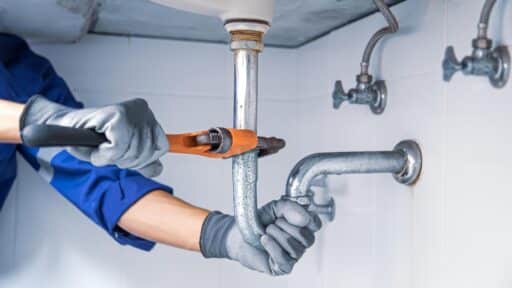
One of the most significant advancements in residential plumbing over the past decade is trenchless pipe rehabilitation. Traditional pipe repair or replacement required excavating trenches through your yard, driveway, or even interior flooring , a disruptive, expensive, and time-consuming process. Trenchless pipe rehabilitation achieves the same result , restoring or replacing deteriorated pipes , through minimal access points, preserving your landscaping and hardscaping in the process.
For older homes with aging cast iron, clay, or galvanized steel pipes, a plumbing inspection is a wise investment before undertaking any major renovation. Discovering pipe deterioration after you’ve already finished the basement or installed new flooring is a scenario worth avoiding entirely.
Signs your plumbing may need attention:
- Slow drains throughout the home (not just one fixture)
- Discolored water, particularly after periods of low use
- Unexplained increases in water bills
- Gurgling sounds from drains or toilets
- Recurring clogs that don’t respond to standard clearing
- A home built before 1970 with original plumbing still in place
How to Prioritize: A Framework for Smart Home Investment
With so many potential projects competing for budget and attention, it helps to have a clear framework for deciding what to tackle first.
Address structural and system integrity before aesthetics. Roofing, plumbing, electrical, and foundation issues should always take priority over cosmetic upgrades. A beautifully renovated kitchen loses its appeal quickly if the roof leaks on it.
Think about your timeline. If you’re planning to sell within two to three years, focus on projects with the highest and most universal return , roofing, curb appeal, kitchen and bathroom updates. If you’re staying long-term, prioritize the improvements that most improve your daily life, even if their resale return is more modest.
Don’t underestimate the value of finishing what you have. An unfinished basement, an underutilized attic, or an awkward floor plan often represents more opportunity than a full addition. Finishing and optimizing existing space is almost always more cost-effective per square foot than adding new square footage.
Hire specialists, not generalists, for complex work. Roofing, basement finishing, structural additions, and plumbing rehabilitation all have meaningful technical complexity. The contractor who does everything is rarely the best choice for any one thing.
The Bottom Line
The homes that hold their value and bring their owners the most satisfaction over time are the ones that are well-maintained and thoughtfully improved. That doesn’t mean doing everything at once , it means making deliberate decisions, starting with the projects that matter most, and working with professionals who bring genuine expertise to their craft.
Whether you’re starting with the roof, unlocking the potential in your basement, expanding your footprint with a custom addition, or finally addressing the plumbing system that’s been on your radar for years, the best time to start is before the problem forces your hand.
A well-invested home is more than a financial asset , it’s the place your family lives, grows, and comes back to. Treat it accordingly.

Holding a Master’s in Architecture from the University of Texas at Austin, Emily Rodriguez has dedicated more than two decades to the art and science of building renovation. Starting her journey in historic preservation, she developed a profound respect for blending old with new in building design. Emily became a vital part of our team in 2019, renowned for her insightful and innovative renovation tips. She has been leading our DIY home improvement series since ever since, where she shares her wealth of knowledge in turning outdated spaces into modern havens. When not engaged in writing or consulting, Emily is a passionate advocate for heritage conservation and enjoys exploring vintage architecture, a hobby that complements her professional expertise.