
Modern homes are designed for convenience. From instant hot water to multiple bathrooms and high-capacity appliances, everything is built to support a faster, more efficient lifestyle. But behind this comfort lies a system that rarely gets the same level of attention, your plumbing.
In suburbs like Modbury, where established family homes meet ongoing development, the way people use water has changed significantly over time. Higher demand, more fixtures, and evolving household habits are placing pressure on plumbing systems that were not always designed to handle it. The result is a growing gap between how homes are used and how their infrastructure performs.
A Shift in How Households Use Water
A typical household today uses far more water, and uses it differently, than it did even two decades ago. Multiple showers running in the morning, dishwashers cycling daily, washing machines handling frequent loads, these are now standard patterns.
In areas like Modbury, where many homes were built during earlier periods of suburban expansion, original plumbing systems may not have been designed with this level of demand in mind. While upgrades are often made over time, they don’t always extend to the entire system.
This mismatch creates stress points. Pipes, joints, and fixtures are required to handle higher volumes and more frequent use, increasing the likelihood of wear and failure.
The Hidden Impact of Everyday Habits
It’s not just how much water is used, but how it’s used that affects plumbing performance. Small, everyday habits can have a cumulative impact over time.
Pouring cooking oils down the sink, for example, may seem harmless in the moment but can lead to buildup inside pipes. Over time, this restricts flow and contributes to blockages. Similarly, using inappropriate cleaning products or flushing unsuitable materials can place additional strain on drainage systems.
Even water pressure plays a role. High pressure can feel convenient, delivering strong flow at taps and showers, but it also accelerates wear on pipes and fittings. Without proper regulation, this can lead to leaks or failures that develop gradually.
Why Problems Often Go Unnoticed
One of the challenges with plumbing is that issues rarely present themselves immediately. Unlike visible damage, many plumbing problems develop out of sight.
A small leak behind a wall or under a floor may persist for months before becoming noticeable. By the time signs appear, such as damp patches, mould, or structural changes, the underlying issue may already be significant.
In Modbury homes, particularly older ones, this is a common scenario. Aging materials combined with increased demand create conditions where small faults can evolve into larger problems without obvious warning.
The Role of Professional Insight
Given the complexity of modern plumbing systems and the influence of local conditions, professional assessment is often necessary to identify the root cause of issues.
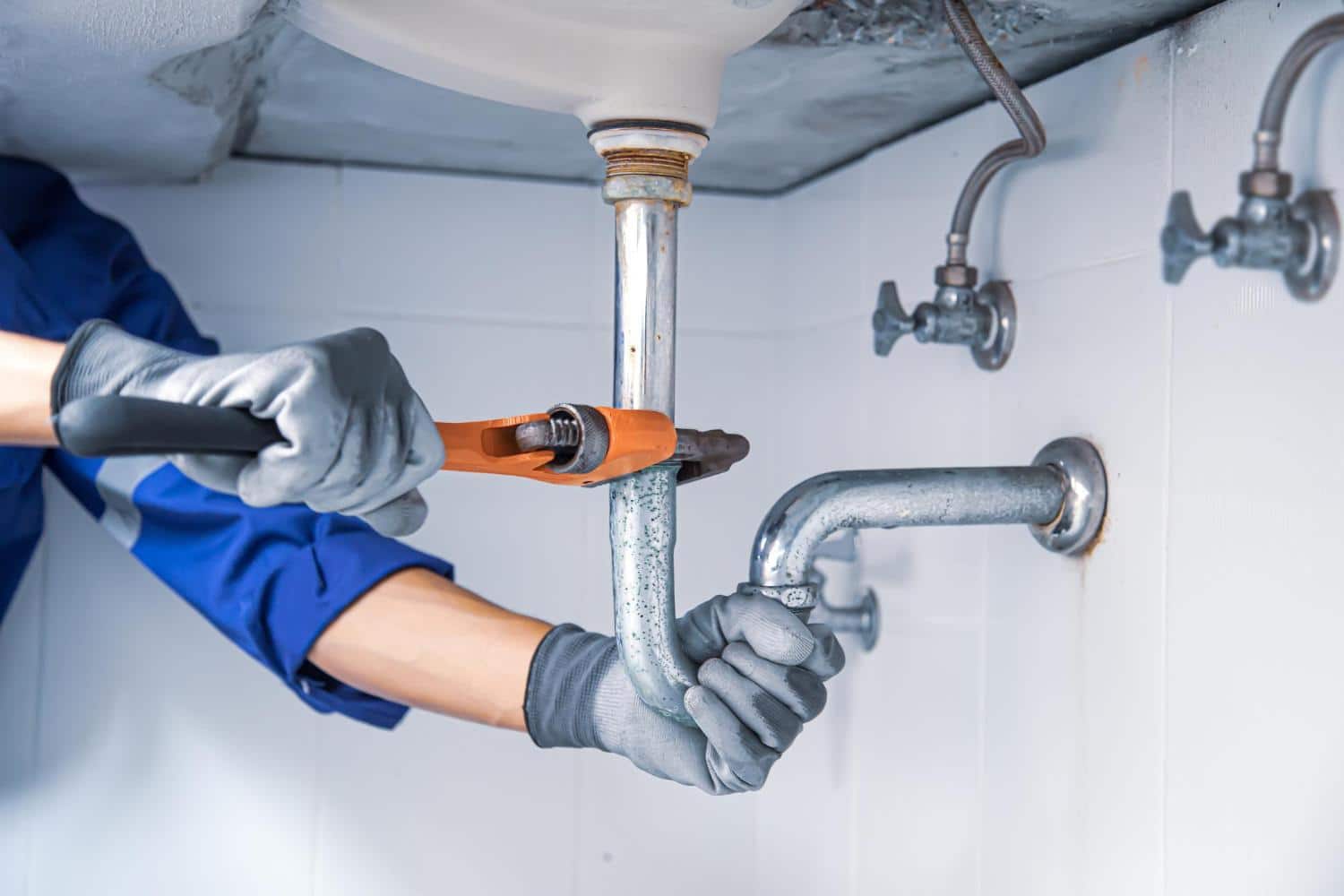
Working with a trusted plumber in Modbury provides access to experience that goes beyond surface-level fixes. Rather than simply addressing symptoms, a skilled professional can evaluate the system as a whole, identifying underlying factors that contribute to recurring problems.
This approach is particularly valuable in homes where multiple small issues appear over time. Instead of treating each one in isolation, a comprehensive assessment can reveal patterns and provide long-term solutions.
The Local Context: Modbury’s Housing Mix
Modbury’s housing landscape is diverse. Established homes, often built with materials and methods typical of their time, sit alongside newer developments designed for modern living. This mix creates a range of plumbing challenges.
Older properties may have pipes that are more susceptible to corrosion or internal buildup. Newer homes, while built with updated materials, can still face issues related to installation quality or ground movement.
South Australia’s reactive soils add another layer of complexity. As the ground expands and contracts with moisture changes, underground pipes can shift slightly, increasing the risk of misalignment or cracking over time.
Understanding these local factors is essential when assessing plumbing performance and planning maintenance.
Water Efficiency in a Changing Environment
Water efficiency is becoming an increasingly important consideration for Australian households. As usage patterns evolve and environmental awareness grows, reducing waste is both a financial and social priority.
The Australian Government Department of Climate Change, Energy, the Environment and Water highlights the importance of efficient water use in residential settings. Even minor inefficiencies, such as leaking taps or outdated fixtures, can contribute to significant water loss over time.
For homeowners in Modbury, improving efficiency is not just about lowering bills. It also aligns with broader efforts to manage resources responsibly in a changing climate.
Upgrading fixtures, repairing leaks promptly, and ensuring systems operate efficiently are practical steps that can make a measurable difference.
When Convenience Becomes a Liability
Modern conveniences are designed to make life easier, but they can also mask underlying vulnerabilities. A system that appears to function well may still be operating under strain.
For example, a home with multiple bathrooms and high-demand appliances may seem perfectly functional on the surface. But if the underlying plumbing has not been updated to match this demand, the risk of failure increases.
This is particularly relevant in homes that have undergone renovations or extensions. Adding new fixtures without upgrading the supporting infrastructure can create imbalances that affect overall performance.
Recognising this risk allows homeowners to take a more informed approach to upgrades and maintenance.
Preventative Maintenance as a Practical Solution
One of the most effective ways to manage plumbing systems is through preventative maintenance. Rather than waiting for problems to arise, regular inspections help identify potential issues early.
In practical terms, this might include checking for signs of corrosion, monitoring water pressure, and assessing drainage performance. These routine checks can reveal small faults that are easy to address before they become more serious.
Preventative maintenance also provides an opportunity to evaluate whether the system is keeping pace with current usage. In some cases, targeted upgrades can improve performance and reduce long-term risk.
A Smarter Approach to Modern Living
Convenience is one of the defining features of modern living, but it comes with responsibilities. The systems that support daily routines must be maintained and, when necessary, adapted to meet changing demands.
In Modbury, where housing diversity and local conditions create unique challenges, this approach is particularly important. By understanding how modern habits affect plumbing systems, homeowners can make better decisions about maintenance, upgrades, and professional support.
Ultimately, it’s not about reducing convenience, it’s about ensuring that the infrastructure behind it remains reliable. With the right balance of awareness and action, it’s possible to enjoy the benefits of modern living without the hidden costs that often come with it.

Holding a Master’s in Architecture from the University of Texas at Austin, Emily Rodriguez has dedicated more than two decades to the art and science of building renovation. Starting her journey in historic preservation, she developed a profound respect for blending old with new in building design. Emily became a vital part of our team in 2019, renowned for her insightful and innovative renovation tips. She has been leading our DIY home improvement series since ever since, where she shares her wealth of knowledge in turning outdated spaces into modern havens. When not engaged in writing or consulting, Emily is a passionate advocate for heritage conservation and enjoys exploring vintage architecture, a hobby that complements her professional expertise.