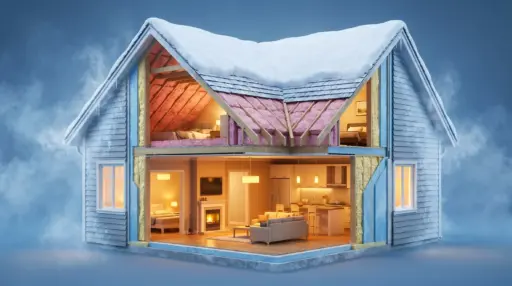


Rising utility bills often trace back to a single culprit: energy slipping out of the house before it can do its job. Warm air drifts up through ceilings, cool air leaks past wall cavities, and HVAC systems run longer to compensate. Good insulation stops that waste at the source. This guide breaks down how insulation works, which zones matter most, and what kind of savings homeowners can realistically expect.
The Science Behind Heat Transfer
Heat behaves predictably. It travels from warmer spaces to cooler ones through three routes: conduction, convection, and radiation. During colder months, indoor warmth migrates outward through ceilings and framed walls. Come summer, the pattern flips as outside heat bears down on the roof and pushes inside.
Insulation interrupts each of these pathways. Fiberglass, cellulose, and spray foam all rely on trapped air pockets that resist conductive movement. Reflective barriers handle radiant heat differently, deflecting it before it soaks into drywall or sheathing. Together, these materials keep indoor temperatures steady year-round while giving the HVAC system a much-needed break. Homeowners looking into Cincinnati Insulation Services typically begin with an attic inspection since that single area delivers the quickest payback on both comfort and energy bills.
Key Areas Where Insulation Prevents Energy Loss
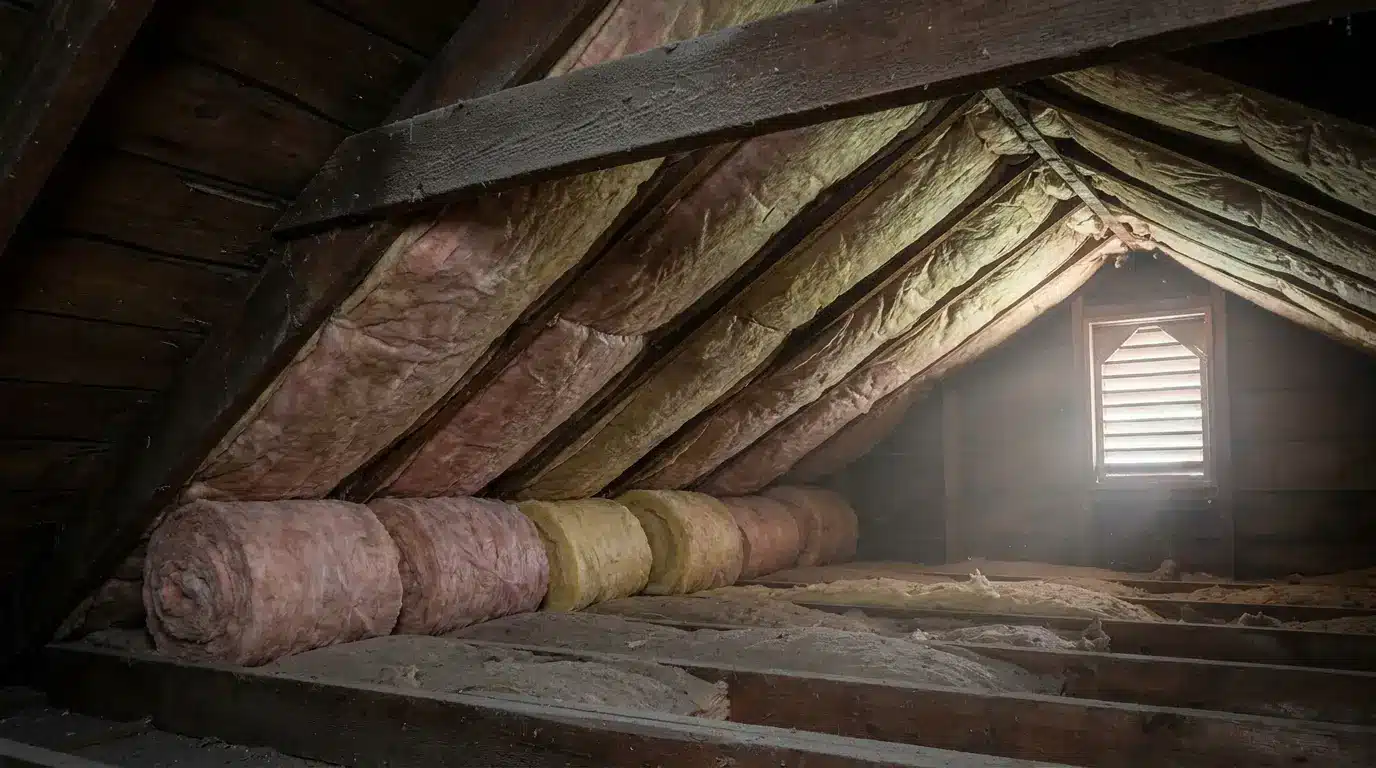
Heat doesn’t escape evenly across a house. Some zones leak far more than others, and knowing where to focus delivers the fastest return on any upgrade.
Attics and Roofs
An under-insulated attic can bleed out as much as 25% of a home’s heated air. Warm air naturally rises, and once it hits a thin ceiling barrier, it keeps going. Topping off the attic with blown-in cellulose or batt insulation often produces immediate comfort gains. A properly sealed attic also helps prevent ice dams during winter, which protects shingles and roof decking from long-term damage.
Walls and Exterior Envelope
Wall cavities contribute another 15 to 20% of total heat loss in older properties. Spray foam and dense-packed cellulose reach the tight gaps near framing, outlets, and corners that standard batts tend to miss. Pairing air-sealing with proper insulation boosts the wall’s overall R-value and locks conditioned air inside where it belongs.
Basements, Crawl Spaces, and Floors
Cold floorboards almost always point to a crawl space that needs attention. Rigid foam panels along foundation walls, combined with batt insulation between floor joists, block drafts and dampness from creeping upward. Addressing these lower areas also cuts down on moisture intrusion, which helps preserve wood framing and keeps mold from taking hold.
Measurable Benefits of Proper Insulation
Lower energy bills get most of the attention, yet the upside reaches much further than monthly savings alone.
Reduced Heating and Cooling Costs
Data from the U.S. Department of Energy shows households can trim roughly 15% off heating and cooling costs (around 11% of total energy expenses) by combining air-sealing with better insulation. For a family spending $2,400 a year on utilities, that works out to about $260 back in their pocket annually.
Consistent Indoor Temperatures
A properly insulated home evens out the hot-upstairs, cold-basement problem that plagues so many older properties. Rooms hold their temperature longer, which means less thermostat fiddling and fewer wasted cycles.
Lower HVAC Workload
When a furnace or AC runs less often, every component benefits. Filters stay cleaner for longer, compressors endure less strain, and costly breakdowns become rarer. Industry reports suggest well-insulated houses can add three to five years to the typical HVAC lifespan.
Environmental Impact
Cutting energy use shrinks a household’s carbon footprint too. Less fuel consumed at power plants translates to fewer greenhouse emissions, which supports broader climate goals without requiring any lifestyle sacrifice.
Choosing the Right Insulation Type
The right material depends on the climate zone, budget, and which part of the house needs attention. Fiberglass batts handle open attics and wall cavities affordably and install quickly. Blown-in cellulose flows around pipes, wiring, and odd angles, making it a strong pick for retrofits. Closed-cell spray foam delivers the highest R-value per inch and seals air and moisture in one step, though homeowners pay more upfront for that performance.
Qualified installers usually run a blower-door test or infrared scan first. That diagnostic step pinpoints the leakiest spots, so the investment targets problem areas instead of guesswork.
Conclusion
Insulation earns its keep in ways that go well beyond filling empty cavities. It slows heat transfer, eases HVAC strain, holds indoor comfort steady, and keeps paying dividends season after season. Focusing on attics, walls, and crawl spaces with materials suited to each zone helps homeowners cut waste while protecting their equipment for years ahead. Few home improvement projects match the long-term value of a well-planned insulation upgrade.

Holding a Master’s in Architecture from the University of Texas at Austin, Emily Rodriguez has dedicated more than two decades to the art and science of building renovation. Starting her journey in historic preservation, she developed a profound respect for blending old with new in building design. Emily became a vital part of our team in 2019, renowned for her insightful and innovative renovation tips. She has been leading our DIY home improvement series since ever since, where she shares her wealth of knowledge in turning outdated spaces into modern havens. When not engaged in writing or consulting, Emily is a passionate advocate for heritage conservation and enjoys exploring vintage architecture, a hobby that complements her professional expertise.