
You planted tulips or bought a gorgeous bouquet, and now you’re watching them fade faster than expected. It’s disappointing, especially when you were hoping they’d last a little longer.
If you are wondering how long do tulips last and what affects their lifespan, this blog can help you get the most out of every bloom.
It will break down the full lifespan of tulips from bulb to bloom, covering how long they last in the garden, in a vase, and the simple steps you can take to keep them looking fresh for as long as possible.
Do Tulip Bulbs Expire?
Tulip bulbs do not “expire” like food, but they slowly lose their ability to grow healthy flowers over time. Inside each bulb is stored energy that helps it sprout and bloom.
As months pass, especially after one year, this energy begins to weaken. If bulbs are stored in poor conditions, such as excessive heat, moisture, or no airflow, they can degrade more quickly.
This may result in weak plants, no flowers, or sometimes no sprouting at all. So, while they don’t expire suddenly, their success rate drops as they get older.
Factors that Affect Tulip Lifespan
Several factors influence how long tulips last, from the quality of the bulbs to the care they receive during growth. Let’s take a closer look at the key factors that impact their lifespan below.
- Climate plays a big role; tulips last longer in cooler regions and may struggle in warmer ones.
- Hardiness zones can affect how well tulips return each year
- Well-drained soil helps prevent bulb rot and supports healthy growth
- Poor soil quality can lead to weak plants and shorter bloom time
- Proper watering is key, as too much water can cause rot and too little can dry out bulbs
- Sunlight also plays a big role. Tulips need full or partial sunlight to grow strong and bloom well
Shelf Life of Tulip Bulbs Before Planting
Tulip bulbs can usually last 6–12 months without planting, but their strength slowly decreases over time. Freshly bought bulbs are at peak quality and are most likely to produce strong, healthy blooms.
As bulbs sit in storage, they begin to lose stored energy, which can lead to weaker flowering. Delaying planting also reduces performance, as bulbs may dry out or lose nutrients.
The best time to plant is in the fall, when cool temperatures help roots grow well.
Waiting too long increases the risk of poor sprouting, weak stems, or no flowers. After 1–2 years, planting becomes risky, and after 2 years, success is very unlikely.
How Long Do Tulips Last in Storage?
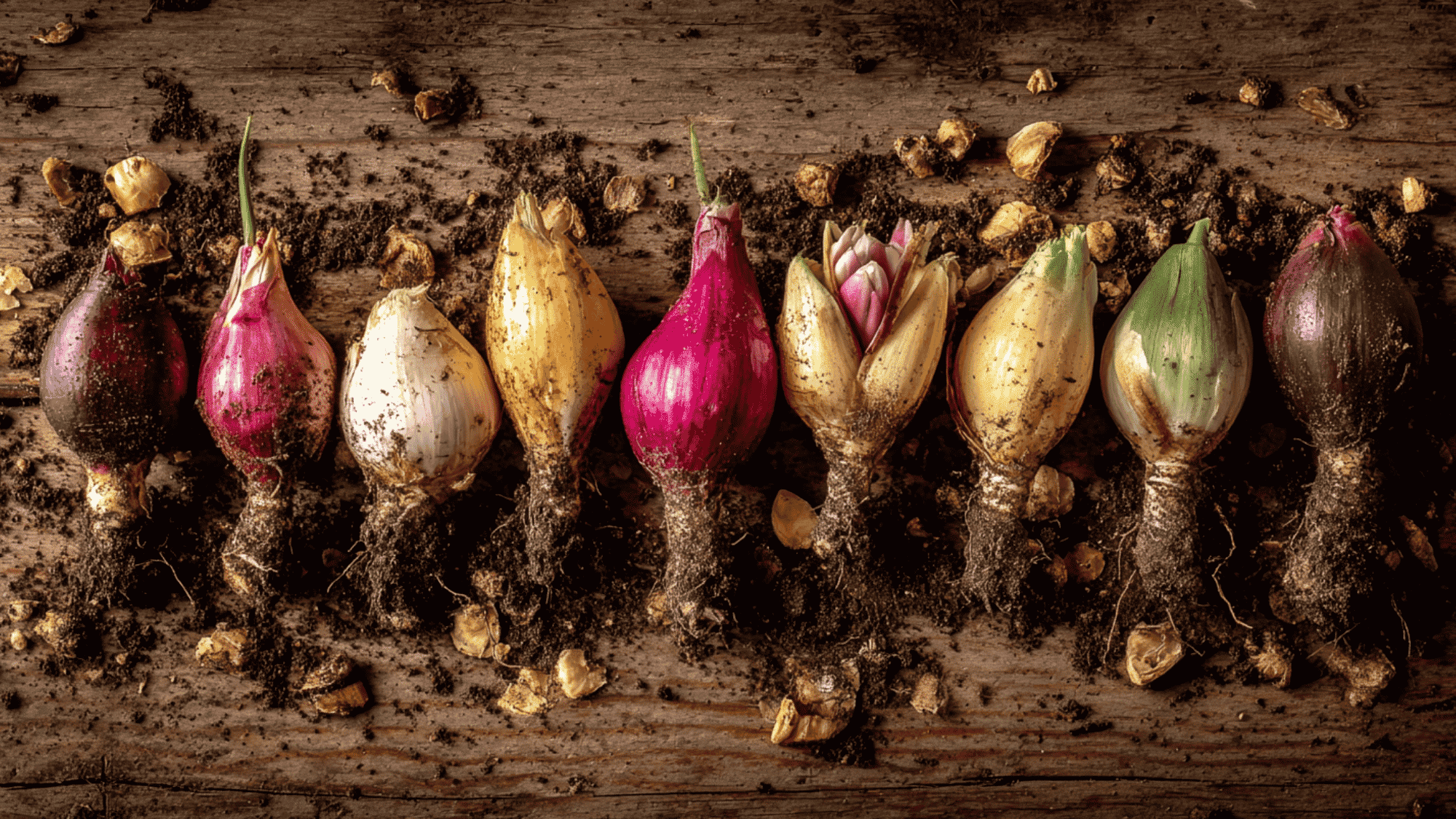
Tulips last 2 to 4 weeks in proper cold storage at 34–38°F (1–3°C). Tulip bulbs can last for a limited time in storage, and knowing their typical storage lifespan helps you plant them at the right time for healthy growth and better blooms.
Ideal Storage Conditions for Maximum Lifespan
To store tulip bulbs properly, keep them in the right environment. The ideal temperature is between 7–13°C (45–55°F), which helps preserve their quality.
Low humidity is very important because it prevents the bulbs from rotting. Store them in complete darkness or very low light to protect their natural dormancy.
Good air circulation is also essential, as it reduces moisture buildup and helps prevent mold growth. These conditions together keep tulip bulbs healthy and ready for successful planting later.
Storage Impact on Bulb Health
During storage, tulip bulbs naturally undergo a drying process, slowly losing internal moisture.
This also leads to a gradual reduction in the stored energy needed for healthy blooming. If the storage environment is too moist, the bulbs may develop rot.
On the other hand, if it is too dry, they can shrivel and become weak. Maintaining a balanced environment is key to keeping bulbs healthy and ensuring better growth when planted.
How Storage Duration Affects Bloom Quality?
Short storage usually results in strong, vibrant blooms with healthy growth. Medium storage may still produce flowers, but they are often smaller with shorter stems.
Long storage further reduces bulb performance, leading to delayed flowering or even no blooms. It is important to understand that bulb survival does not always mean good results.
Even if a bulb is alive, its flowering quality can decline significantly over time.
Signs of Good Vs Bad Tulip Bulbs
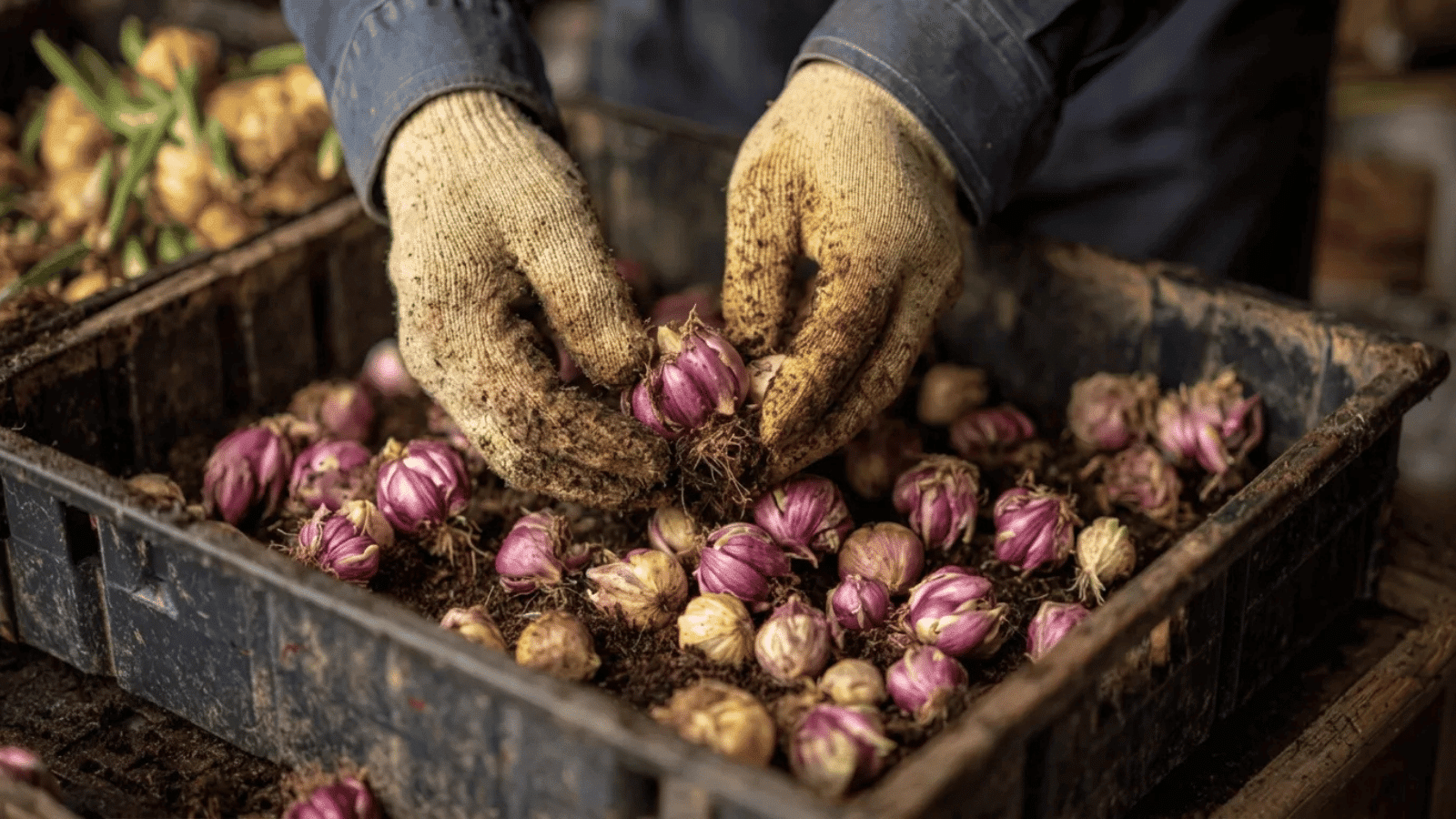
Knowing the signs of good vs bad tulip bulbs helps you quickly judge their quality before planting, so you can choose healthy bulbs and avoid poor growth or failed blooms.
| Aspect | Good Tulip Bulbs | Bad Tulip Bulbs |
|---|---|---|
| Texture | Firm and solid | Soft, mushy, or squishy |
| Mold Presence | No mold or spots | Visible mold or fungal growth |
| Smell | Neutral or earthy smell | Bad or foul odor |
| Skin Condition | Dry, papery outer skin | Damaged, wet, or rotting skin |
| Weight | Slightly heavy, feels full | Very light, hollow, or shriveled |
| Appearance | Clean and healthy-looking | Discolored or damaged surface |
How to Maintain Tulip Bulbs for Future Growth?
Proper care and handling can help tulip bulbs stay healthy and ready for the next growing season.
Here’s how to maintain them correctly for better growth and blooms.
- Choose Healthy Bulbs: Select firm, large tulip bulbs that feel solid to the touch and show no signs of mold, softness, or damage, as healthy bulbs produce stronger plants and better blooms.
- Store Before Planting: Keep bulbs in a cool, dry, well-ventilated place to prevent rot and maintain their quality until the growing season begins.
- Plant at The Right Time: Plant tulip bulbs in the fall when soil temperatures are cooler, allowing roots to establish properly before winter sets in.
- Let Leaves Die Naturally: After blooming, allow the foliage to yellow and wither on its own so the bulb can store energy for next year’s flowers.
- Avoid Early Cutting: Do not trim or remove green leaves too soon, as this interrupts the bulb’s ability to gather nutrients and can reduce future blooms.
- Dig up Carefully: If reusing bulbs, gently lift them from the soil after the foliage has died back, taking care not to damage the bulb structure.
- Store After Blooming: Clean and dry the bulbs thoroughly, then store them in a cool, dark place until the next planting season to keep them viable.
Final Thoughts
So, how long do tulips last? In a vase, roughly 1–2 weeks. In the garden, anywhere from 1–3 weeks, depending on the variety and the care you put in. Not a long time, but with the right approach, every day of that bloom counts.
The biggest factors are placement, watering, and what you do after the flowers fade. None of it is complicated, and none of it requires a green thumb. Small, consistent habits make a real difference.
Now that you know what affects tulip lifespan, getting more out of your blooms is genuinely within reach.

Holding a Master’s in Library and Information Science from the University of Illinois, Josh Clarke has dedicated more than 15 years to managing and disseminating information across various platforms. His professional journey includes significant experience as a research librarian, where he developed an expertise in sourcing and providing accurate and comprehensive answers to diverse questions. In 2018, Josh brought his rich experience to our platform, quickly establishing himself as a reliable source for general FAQs. He has been overseeing our information curation since then, combining his research skills with a flair for engaging content delivery. When not involved in information management, Josh enjoys exploring digital photography and participating in local quiz competitions, hobbies that complement his inquisitive nature and love for learning.