
Dining room sets were formerly one of the safest furniture choices you could make for your home. A table, four to eight matching chairs, a sideboard, maybe a rug underneath, and the area had a defined purpose. It was where families came for holidays, for formal dinners, and special occasions.
The notion is not gone, but it has lost some of its hold.
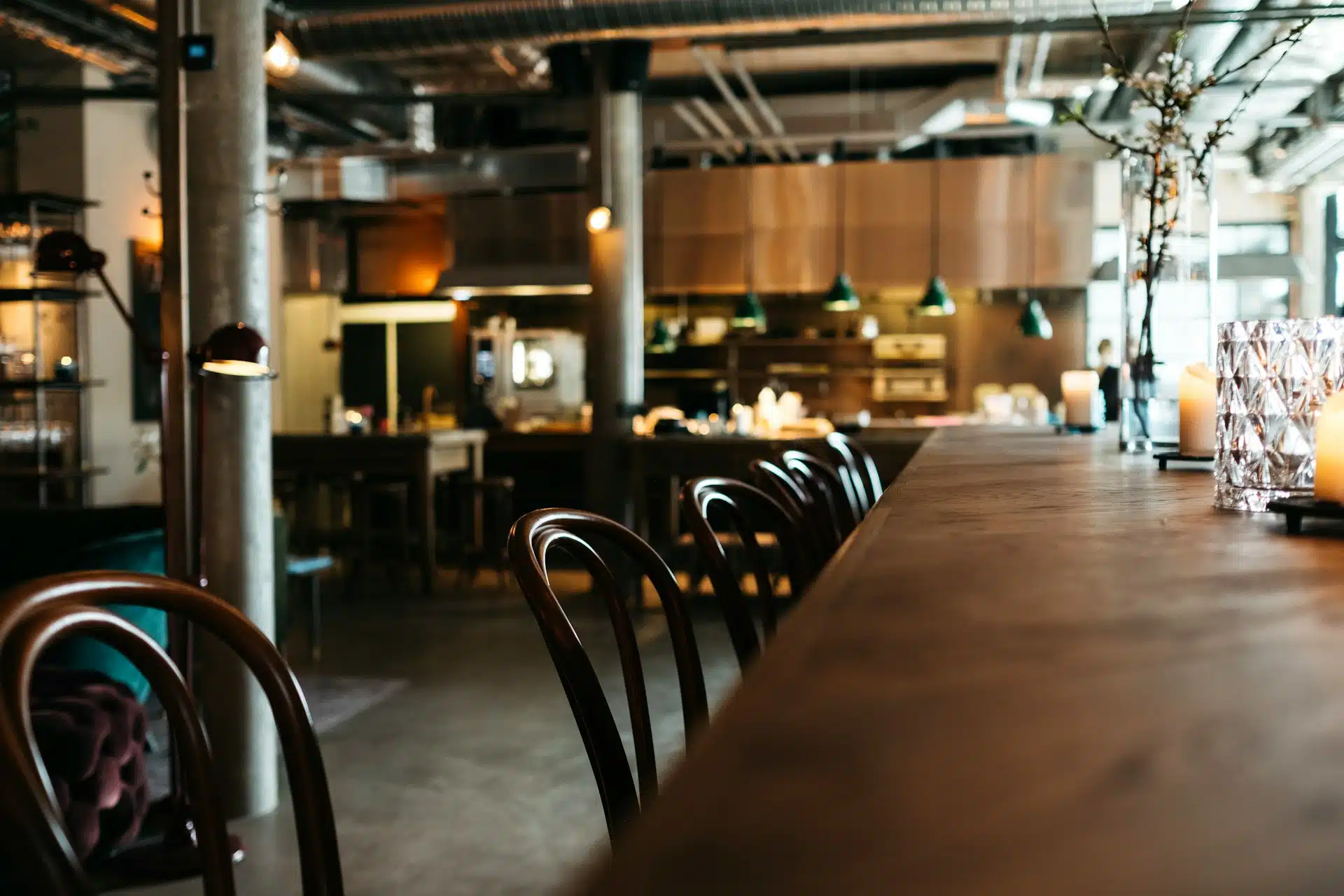
Increasingly, homeowners are designing spaces that are less formal dining rooms and more like their favorite cafe. They want compact tables and curved chairs, cushioned benches and bistro stools, small round tops and banquette corners, coffee stations and adaptable seating that works from breakfast through late-night laptop time.
This is where coffee shop furniture has started to influence home interiors in a surprisingly natural way, giving rooms a warmer, more flexible, and more lived-in feeling than traditional matching dining sets. The room is no longer organized around one formal dinner. It is organized around everyday rituals.
Interior designers knew it was coming because they understood something furniture companies were unwilling to admit: the home changed before the furniture category did.
The Formal Dining Room Lost Its Daily Job
For many years, the dining room possessed status. Even though it was rarely utilized, it gave the house a sense of completion. The matching dining set has become a symbol of stability.
Then life took a different turn.
Meals got speedier. Work moved into the house. Kitchens opened up into living areas. Families dined on islands, breakfast nooks, patios, and little tables near windows. Many homeowners began to wonder why they should devote a whole room to furniture used only a few times per year.
A conventional dining table might still be lovely, but it often reflects a lifestyle many people no longer live. Coffee shop furniture is appropriate for the way people live today. It can accommodate a fast espresso, a video call, a quiet reading session, a light supper, or a talk with a buddy.
That adaptability is why the café aesthetic feels so comfortable at home. It does not require the room to behave professionally. It allows the room to function all day.
Coffee Culture Changed the Meaning of Comfort
The modern coffee shop is not just a place to buy coffee. It has become a model for how people want rooms to feel. Warm lighting, small tables, comfortable chairs, visible materials, textured walls, soft seating, and casual movement have shaped a new design language.
People have learned to associate café furniture with ease. A small round table feels approachable. A compact upholstered chair feels personal. A wall bench saves space while making a corner feel intentional. These pieces do not demand ceremony.
That matters because comfort today is not only about softness. It is about permission. A room feels comfortable when people know how to use it without having to think too much.
Coffee shop-inspired pieces offer that kind of permission:
- Sit for five minutes or stay for an hour.
- Work, snack, read, talk, or scroll.
- Use the space alone or share it with someone else.
- Keep the room casual without making it feel unfinished.
A formal dining chair often says, “This is where dinner happens.” A café-style chair says, “This space is ready whenever you are.”
Designers Were Watching the Coffee Bar Trend First

Interior designers saw the shift through the kitchen before it showed up in the furniture section. Home coffee bars, beverage stations, espresso corners, and built-in morning zones were more popular because they gave individuals a little luxury that felt helpful every day.
As the coffee bar moved inside the home, the seating surrounding it started to shift, as well.
A homeowner who incorporates an espresso machine, open shelving, cups, under-cabinet lighting, and a stone counter doesn’t necessarily want a heavy dining set nearby. They want a café table, some relaxing chairs, a little bench, and stools to make the place feel finished.
Here is when the furniture in coffee shops started to score. This was in keeping with the new routine.
Designers know rituals. They know people create for what they repeat. If someone brews coffee every morning, looks out the window, or has a friend over for a latte, that area becomes more vital than the disused dining room.
Smaller Homes Need Furniture That Works Harder
The rise of café-inspired furniture also reflects a practical reality: many homes do not have endless square footage. Apartments, condos, townhouses, and smaller single-family homes need rooms that can serve multiple purposes.
A large rectangular dining table can dominate a room. Matching chairs can make the layout feel fixed. A sideboard may look elegant, but it can take up wall space that could be used for storage, shelving, a work zone, or a reading corner.
Coffee shop furniture is usually more adaptable. Round tables soften tight layouts. Armless chairs tuck in easily. Built-in benches use corners efficiently. Bar stools slide under counters. Small two-top tables create function without crowding the floor.
This does not mean homes are becoming less stylish. In many cases, they are becoming more thoughtful.
A compact café-style setup can make a 90-square-foot eating area feel charming instead of compromised. It can turn an empty kitchen corner into a daily-use breakfast spot. It can make a living room feel layered, social, and warm without adding bulky furniture.
The Matching Set Started Feeling Too Predictable
Another reason coffee shop furniture is making inroads is visual personality. Traditional dining room sets are all about consistency: a table, matching chairs, a consistent finish, and a clear layout. That can look sophisticated, but if the rest of the property has more personality, it can seem dull.
Cafés don’t usually work like that.
Even the most sophisticated coffee shops combine textures, materials, and seating varieties. You may notice wood tables with metal bases, cane seats next to cushioned benches, stools near a counter, and a lounge chair nestled into a corner. The result seems to have been assembled rather than purchased in one click.
Now, homeowners borrow that mix.
Rather than buying a full set of dining room furniture, they may choose a pedestal table, two comfy chairs, one bench, and a couple of stools nearby. The place feels intimate since it has a rhythm. It’s not just packed, it’s designed.
The Home Became a Third Place
The term ‘third place’ is widely used to denote social areas other than the house and the workplace. Such places can be cafes, bookstores, parks, or neighborhood gathering sites. As work, leisure, and everyday routines became increasingly intertwined, many homeowners began striving to achieve that third-place experience at home.
They want an area that feels separate from duties. A table to slow down mornings. A chair that makes the reading attractive. A coffee station turns a routine into a little ritual.
And coffee shop furnishings have emotional memory that helps generate that mood. It evokes peaceful mornings, creative labor, informal meetings, and relaxed chats. It seems sense to bring that sensation home.
This is not about re-creating a café. The appeal is gentler. It’s about taking the best of the coffee shop design – warmth, adaptability, approachability, and everyday comfort.
What This Means for Furniture Buyers
The shift does not mean dining room sets are dead. Formal dining still matters in larger homes, traditional interiors, holiday-focused households, and spaces designed for hosting. A well-made dining table will always have a place.
The change is that homeowners are becoming more selective. They are asking whether a dining set fits their real life, not just the floor plan.
For many, the better choice is a more flexible mix:
- A small round table instead of a large formal one
- Upholstered café chairs instead of stiff dining chairs
- A bench or banquette for comfort and space savings
- Counter stools that turn the kitchen into a daily gathering spot
- A coffee bar setup that supports morning routines
That is why the category feels different now. People are not only buying furniture. They are buying a lifestyle pattern.
A Softer Future for Everyday Rooms
Coffee shop furniture is winning because it better understands the modern home than a formal dining set often does. It is smaller, warmer, more flexible, and more connected to everyday rituals. It supports the way people live when no guests are coming over, no holiday table is being set, and no special occasion is planned.
Interior designers saw it coming because they were watching behavior, not just furniture trends. They saw that people wanted rooms with purpose, but not pressure. They wanted beauty, but not stiffness. They wanted a comfortable space that could accommodate coffee, laptops, snacks, conversations, and quiet time without feeling overdesigned.
The dining room set once represented the dream of a finished home. Now, for many people, the dream is different. It is a sunlit corner with a small table, a comfortable chair, a warm cup nearby, and a room that feels useful from morning until night.
That is not a downgrade from formal dining. It is a clearer reflection of how home life actually feels today.

With a Master in Architectural Studies from University of Pennysylvania, Marwa Haydar has pioneered living spaces since 2005. Her expertise, initially honed in a prestigious architectural firm, is evident in her approach to creating environments. Marwa became part of our team in 2019 and has since been a driving force in our home improvement section, known for her practical yet stylish solutions. She’s been spearheading our design workshops since then, infusing her passion for teaching into her work. In her leisure time, Marwa enjoys exploring historic architecture and is an enthusiastic pottery hobbyist, further enriching her understanding of form and texture.