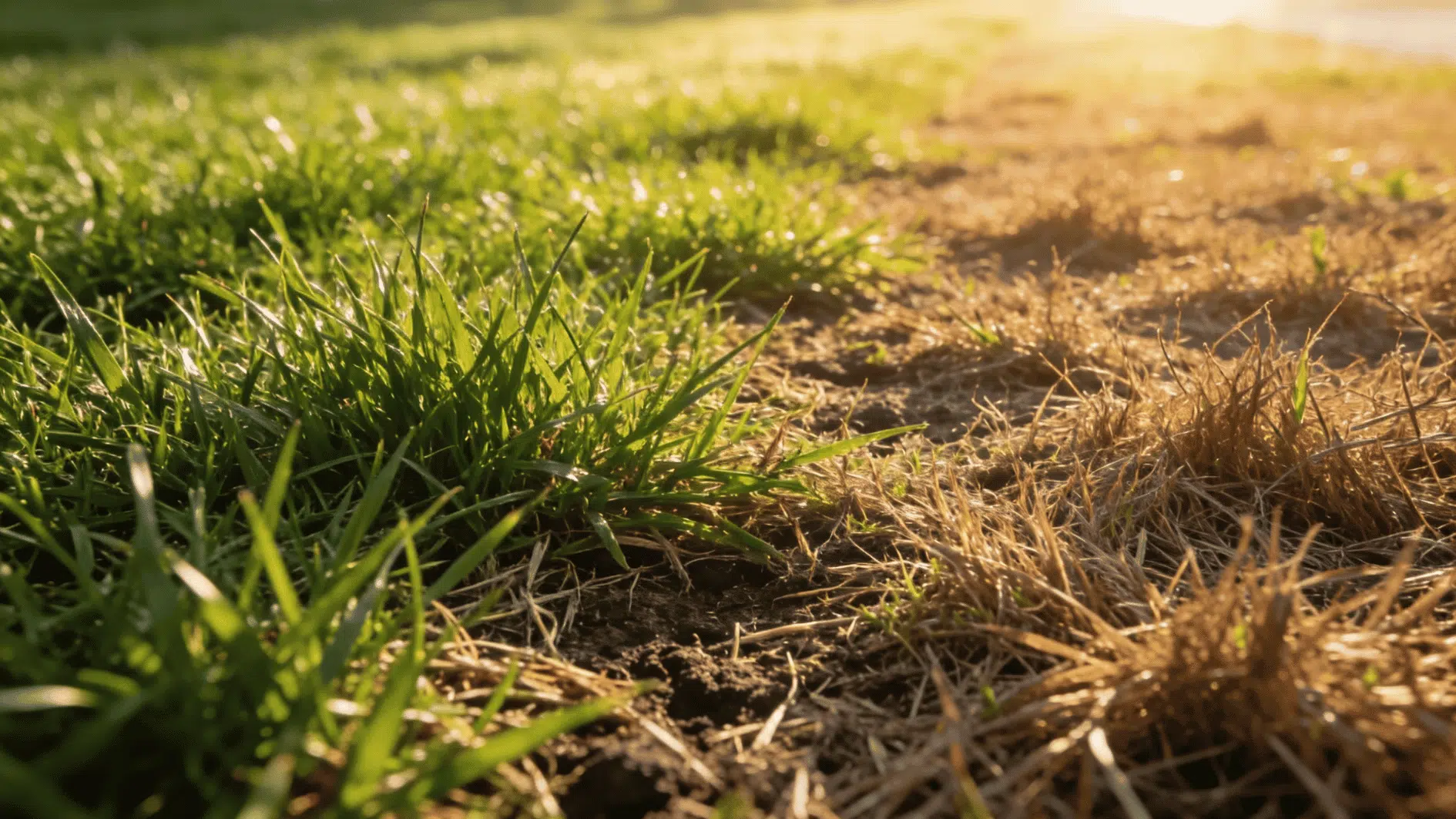

You may notice patches of brown grass spreading across your lawn, and it can be frustrating to see your once-green space lose its vitality.
Dead grass not only affects how your lawn looks but can also weaken the overall health of your yard if left untreated.
When you understand what causes grass to die, you can take the right steps without wasting time or effort. Small changes in how you care for your lawn can make a noticeable difference in preventing further damage.
This blog will help you identify them, understand why it happens, and fix the issue effectively. You will also learn how to distinguish it from dormant grass so you can avoid unnecessary repairs.
What is Dead Grass?
It refers to turf that has completely lost its ability to regrow, even when you provide proper care, such as watering or fertilizing.
It is no longer active at the root level, which means it cannot recover through seasonal changes or improved conditions.
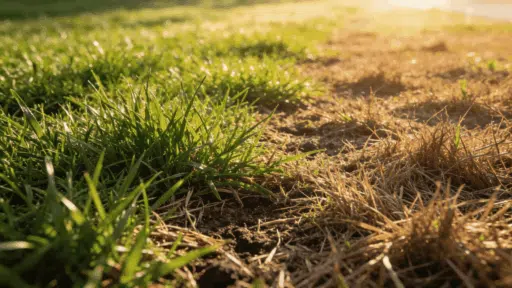
Unlike grass that is temporarily stressed by heat or lack of water, dead grass shows no signs of recovery over time. It remains dry, brittle, and lifeless, requiring you to repair or replace the affected areas to restore your lawn.
Signs Your Grass is Dead
Recognizing the signs of dead grass early can save you time and effort while helping you take the right action quickly. It also prevents the damage from spreading to the healthier parts of your lawn. Key signs to look for:
- Dull Color: Grass appears brown or gray instead of green and fresh
- No Response to Watering: Color and condition stay the same even after proper watering
- Patchy Growth: Uneven areas where grass has completely stopped growing
- Dry Texture: Grass feels brittle and breaks easily when touched
- Weak Root Hold: Grass pulls out easily from the soil with little resistance
- Lifeless Appearance: No signs of new shoots or recovery over time
Common Causes of Dead Grass
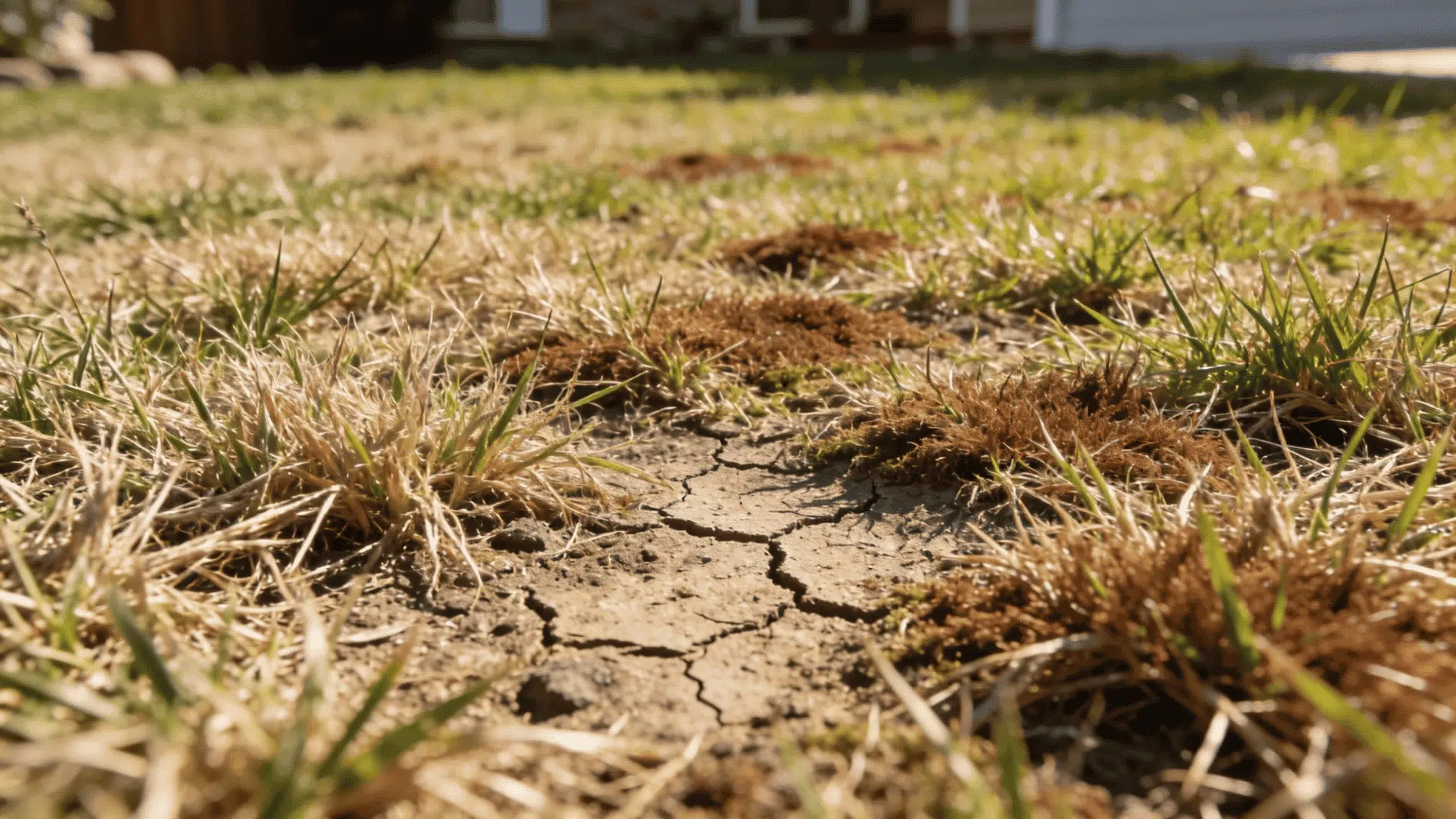
Dead grass is often the result of multiple factors rather than a single issue. Identifying the main cause helps you apply the right solution and prevent the problem from returning.
1. Improper Watering
Watering plays a critical role in lawn health, and an imbalance in either direction can cause damage.
Too little water dries out the roots beyond recovery, while too much water can suffocate them and create unhealthy soil conditions.
Maintaining a consistent watering routine ensures that moisture reaches deep into the soil. This encourages stronger root growth and reduces the risk of grass dying in patches.
2. Soil and Root Problems
Healthy soil is essential for grass to grow properly, but compacted soil can restrict airflow and limit root expansion. When roots cannot access enough oxygen and nutrients, the grass becomes weak and more prone to dying.
Over time, this leads to thinning areas that eventually turn into dead patches. Improving soil conditions through aeration or organic matter can help prevent such issues.
3. Pests and Disease
Pests such as grubs can cause serious damage by feeding on grass roots beneath the surface. This type of damage often appears suddenly, with patches of grass drying out quickly.
Fungal diseases also contribute to grass death, especially in lawns with poor drainage or excess moisture. These issues usually begin in small areas and spread if left unaddressed.
Dormant Grass Vs Dead Grass: Key Differences
Understanding the difference between dormant and dead grass helps you avoid unnecessary lawn repairs and make better care decisions.
| Aspect | Dormant Grass | Dead Grass |
|---|---|---|
| Basic Condition | Grass is alive but temporarily inactive | Grass is completely lifeless and cannot recover |
| Color | Brown or tan due to seasonal stress | Grayish or dull brown with no change over time |
| Root Strength | Roots remain strong and firmly attached to the soil | Roots are weak or decayed and detach easily |
| Texture | Slightly flexible, not overly brittle | Dry, brittle, and breaks easily |
| Response to Watering | May regain green color with proper watering | Shows no improvement despite watering |
| Seasonal Behavior | Common during cold winters or dry summers | Remains unchanged across seasons |
| Recovery Potential | Recovers naturally when conditions improve | Requires reseeding or replacement |
| Visual Pattern | Usually affects large, uniform areas | Appears in irregular, patchy spots |
Identifying Grass in Colorado & Similar Regional Conditions
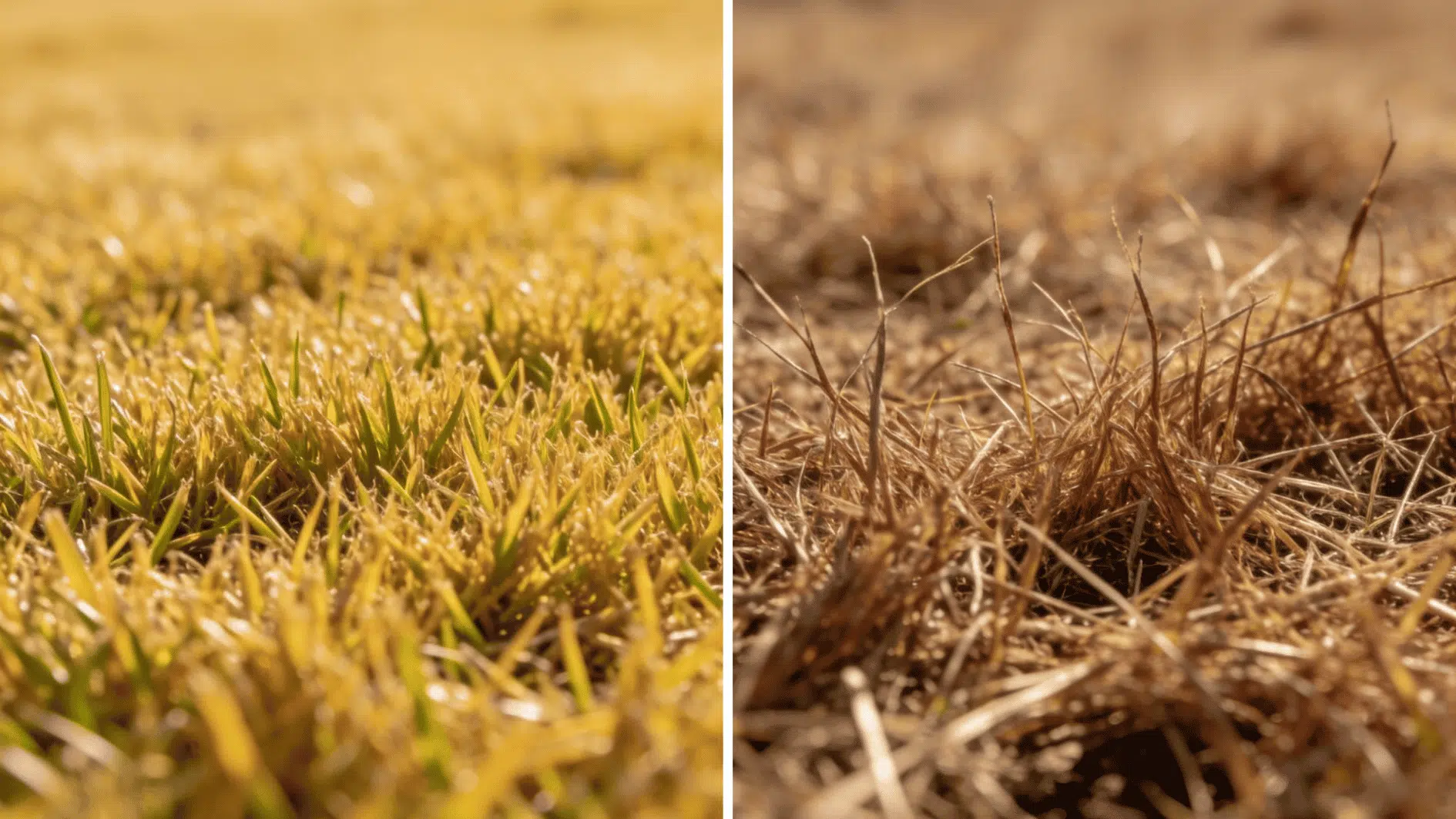
During extreme heat or cold, grass in regions like Colorado and other semi-arid and high-altitude areas, such as parts of Utah, Wyoming, and New Mexico, often turns brown due to environmental stress rather than permanent damage, but stays alive at the root level.
Factors such as low humidity, intense sunlight, cold winters, and limited rainfall trigger grass to enter dormancy as a natural survival response, in which it remains alive but conserves energy.
With watering or seasonal change, dormant grass regains its green color. Dead grass does not respond to water or weather improvement and feels brittle, gray, and loose.
Checking roots and timing helps you decide if recovery or repair is needed.
How to Revive Dead Grass ?
Fixing it depends largely on the extent of the damage across your lawn. Smaller areas can be repaired with simple methods, while larger sections may require more effort and planning.
- Reseeding Small Areas: Reseeding helps repair small dead patches and restore even growth across your lawn. Proper soil preparation and consistent moisture support healthy germination and root development.
- Replacing Large Sections: For heavily damaged areas, sod offers quick and visible results with established roots. With proper soil prep and watering, it integrates well into the existing lawn.
- Adding Nutrients to Support New Growth: Providing essential nutrients helps new grass grow thicker and stronger. Timely fertilization supports root development and improves overall lawn consistency.
- Managing Watering After Lawn Repair: New grass requires steady moisture in the early stages to establish roots. Gradually shifting to deeper watering strengthens the lawn over time.
- Improving Soil Before Lawn Repair: Preparing the soil improves airflow, nutrient access, and root growth. Adding compost and loosening soil creates a strong foundation for new grass.
Wrapping It Up
Dead grass may seem like a major setback, but with the right understanding, you can manage it effectively and restore your lawn’s health.
Paying attention to early signs and addressing the root cause helps you avoid repeated damage and unnecessary effort.
Small, timely actions can make a big difference in maintaining a strong and even lawn throughout the year.
It is especially important to distinguish between dormant and dead grass in regions like Colorado, where seasonal dryness and cold conditions are common.

With a Master’s in Landscape Architecture from the University of Virginia, Sophia Stephenson has dedicated the last 20 years to creating and maintaining vibrant outdoor spaces. Her professional journey started in landscape design, where she gained a reputation for innovative and sustainable approaches. Sophia became a part of our editorial team as a freelancer in 2019, offering a fresh perspective on outdoor living. Since 2020, she has been the chief for our outdoor design content, blending aesthetic appeal with environmental stewardship. In her leisure time, Sophia is a keen photographer, capturing the beauty of natural landscapes, a hobby that complements her professional expertise.