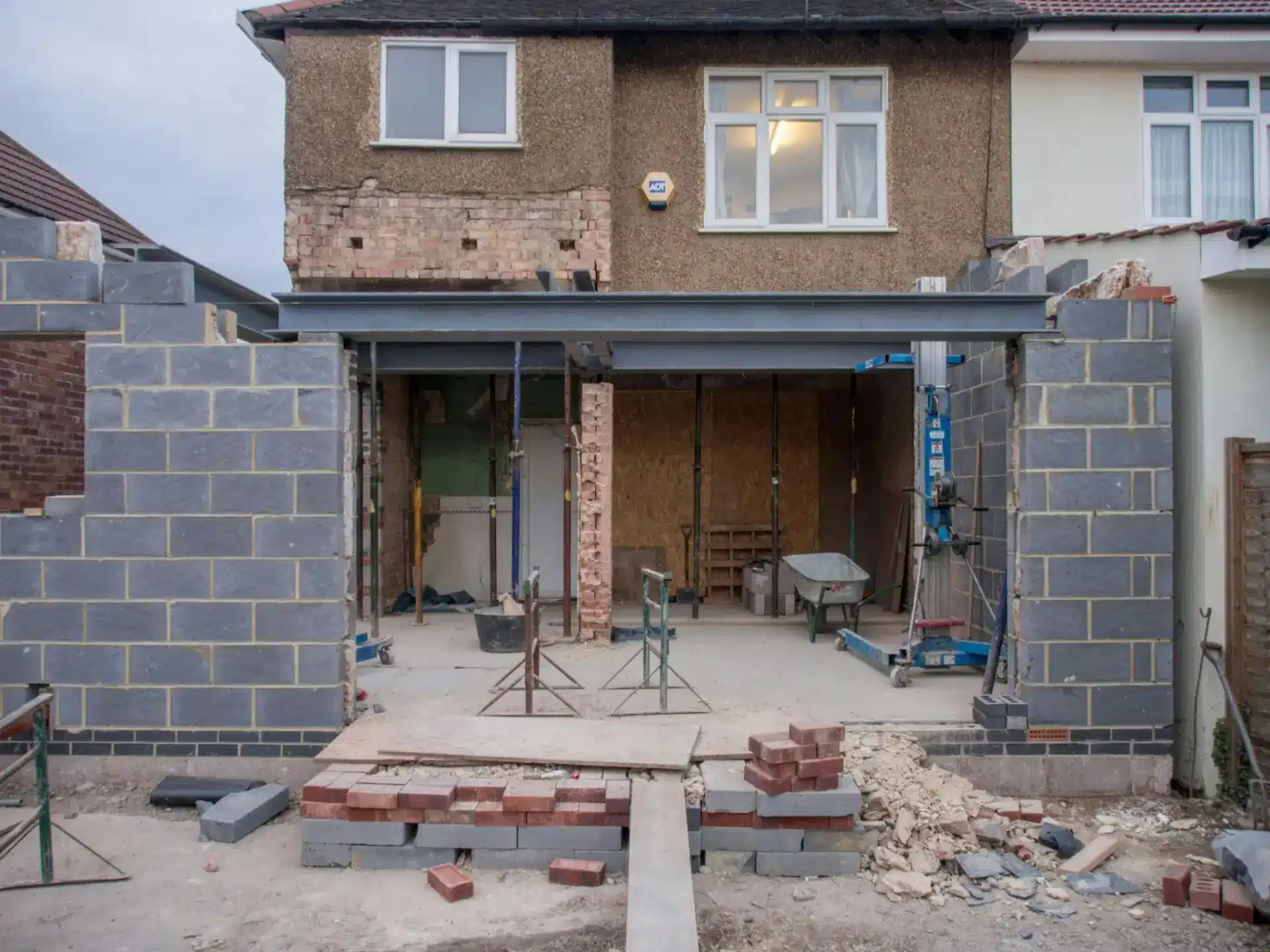

A home remodel almost always starts out fun. Fresh ideas. Pinterest boards are filling up overnight. Long kitchen-table conversations about open shelving, more natural light, and finally fixing that weird layout that’s been bugging you for years.
Then reality knocks on the door.
Maybe the first contractor quote is much higher than you expected. Maybe it’s the surprise plumbing issue hiding behind the wall. Or maybe it’s the slow realization that every little decision sets off five other decisions. What started out feeling creative starts feeling expensive in a hurry.
That shift catches a lot of homeowners off guard, honestly.
Most remodeling mistakes don’t come from anyone trying to do the wrong thing. They come from underestimating how complicated the process really is. People make rushed decisions. They get too focused on how things will look. Or they trust a timeline that was never realistic to begin with.
A successful remodel isn’t about getting everything perfect. It’s about being prepared, communicating well, and knowing where things tend to go sideways before they actually do.
Choosing Price Over Experience
Budget matters. Of course it does. But picking the cheapest bid without understanding what’s actually in it can blow up later. Some contractors come in low by leaving things out, using cheaper materials, or lowballing labor hours to win the job.
Homeowners usually don’t notice the difference until construction is already underway. That’s why hiring an experienced residential general contractor makes such a real difference during a remodel. A good contractor isn’t just coordinating workers. They’re spotting hidden risks, building realistic timelines, communicating clearly, and keeping small problems from snowballing into big ones.
That kind of experience matters more than people think. Because remodeling isn’t only about building something pretty, it’s about solving problems quickly when something unexpected pops up. And something unexpected almost always pops up.
Starting Without a Clear Scope
One of the biggest mistakes is starting demolition before the full scope of the project is locked in.
It sounds obvious. But it happens all the time.
People get excited, and they want momentum. So they start tearing out cabinets or pulling up flooring while they’re still debating finishes, layouts, or whether to move that outlet. The result is usually a chain reaction of delays and extra labor charges.
A remodel works best when the vision is complete before anyone swings a hammer.
That doesn’t mean every paint color has to be picked on day one. But the major structural and functional choices need to be settled. Moving plumbing, shifting room layouts, adding electrical, and relocating HVAC all have a huge effect on both cost and timeline.
Once work starts, changes get expensive fast. Even small revisions can create scheduling problems, incur reorder fees, or waste labor hours. The costs sneak up quietly. Then all at once.
Ignoring the Real Budget
There’s the budget homeowners want. Then there’s the budget the project actually needs.
The gap between those two numbers can be uncomfortable to look at.
A really common mistake is spending every dollar on visible upgrades and leaving nothing for surprises—like new countertops. Fancy fixtures. Imported tile. All of that feels exciting during planning. But older homes have a way of hiding problems that only show up once the walls come down.
Water damage. Outdated wiring. Structural stuff nobody saw coming.
A healthy remodel budget should always include a contingency cushion, usually 10 to 20 percent of the total project cost. It’s not wasted money. It’s protection against making panicked decisions later.
When surprises hit without any financial flexibility, homeowners tend to cut corners in the wrong places. Experienced Austin remodeling contractors often recommend setting aside a contingency fund from the start, since unexpected issues are far easier to manage when the budget has built-in flexibility.
Putting Trends Ahead of Function
Design trends move fast.
What feels current today can feel dated surprisingly quickly. That doesn’t mean trends are bad. Some of them stick around for a reason. But trouble starts when homeowners chase the look without thinking about how they actually live in the space.
A kitchen might look amazing in photos and be a nightmare to cook in. A bathroom can feel luxurious and have nowhere to put a towel.
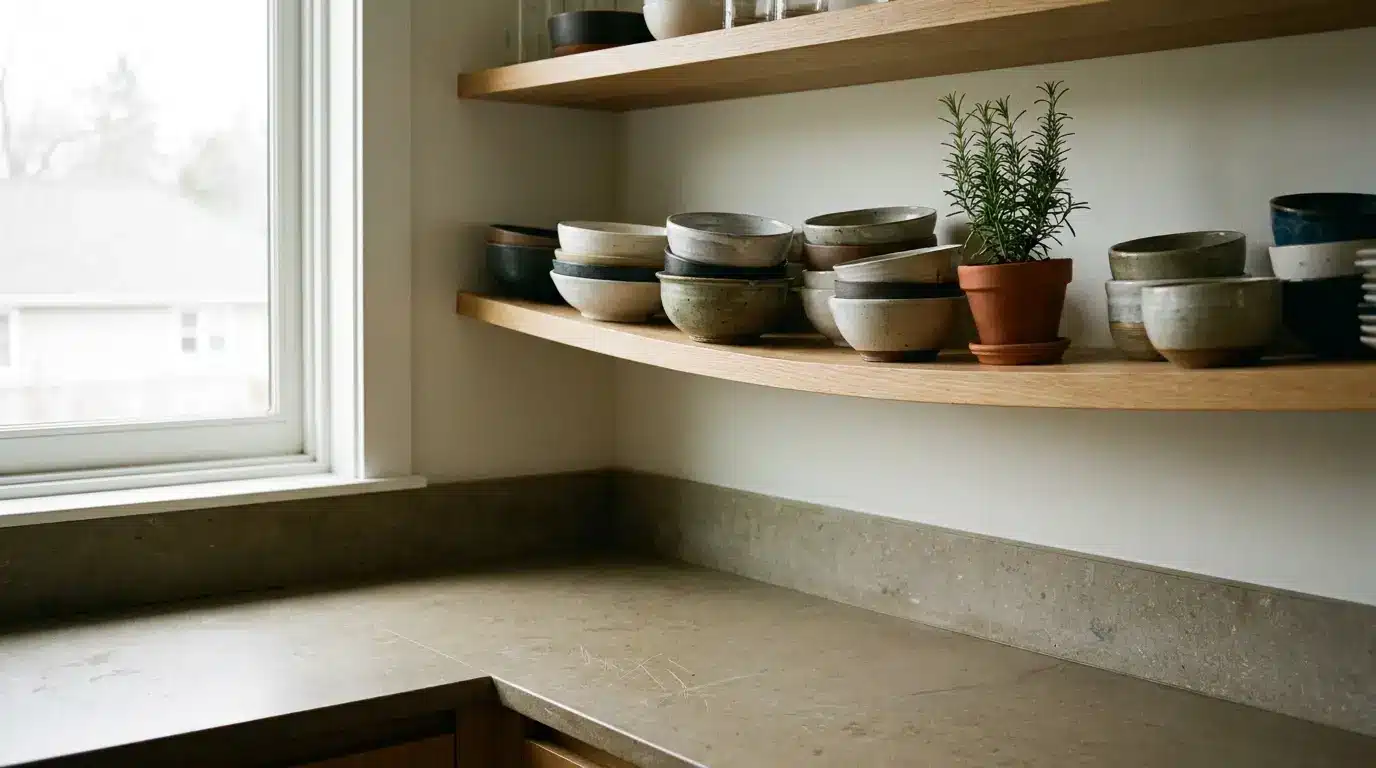
And open shelving? Looks beautiful for about five minutes before real life starts piling up on it.
That’s the part nobody really talks about.
Good remodeling decisions balance how something looks with how it’ll actually hold up to daily life. Think about traffic flow. Cleaning. Storage. Lighting at different times of day. Noise. Durability.
Eventually, the remodel stops being the exciting new thing and becomes everyday life. And everyday life is what really matters.
Underestimating the Timeline
Almost every remodel takes longer than people expect.
This is not because everyone working on it is incompetent. It’s because remodeling depends on dozens of moving pieces all lining up at the right time.
Permits. Material deliveries. Inspections. Subcontractor schedules. Weather. Product backorders.
One delay messes up everything that comes after it. Homeowners sometimes put themselves under extra stress by clinging tightly to timelines that were always going to be flexible. That frustration eats into communication and pushes people toward rushed decisions.
Patience becomes part of the deal, whether anyone signs up for it or not. The better move is to build flexibility into your expectations right from the start. A solid contractor should be upfront about where delays usually happen and keep you in the loop along the way.
Transparency matters more than perfection.
Brushing Off Communication Problems Early
Bad communication usually shows up long before a project actually falls apart. Missed calls. Vague answers. Inconsistent scheduling. Invoices that don’t quite make sense. Small things at first.
But small communication problems have a way of getting much bigger during construction. If expectations aren’t written down clearly, misunderstandings multiply fast. Then arguments about costs, timelines, or who was responsible for what get really hard to settle calmly.
That’s why a detailed contract matters so much. Every major piece of the remodel should be spelled out. Payment schedules, project scope, who’s buying what materials, estimated timelines, and how change orders get handled.
Not because anyone’s expecting a fight. But because clarity protects everyone.
Good communication builds trust during the stressful moments, too. That alone can change how the whole remodel feels.
Forgetting About Daily Life During Construction
People plan for the finished result without really planning for the disruption that comes first.
Living through a remodel is exhausting.
Dust gets everywhere. Noise starts early. The kitchen becomes off-limits. A bathroom vanishes for a while. Your routines basically dissolve for weeks or months. It wears on people more than they expect.
Especially families juggling work, school, pets, or working from home. Before construction starts, walk through the logistics honestly. Where are meals happening? Where’s the furniture going to sit? Is staying somewhere else during the worst phases actually the smarter move?
These details sound minor when you’re talking about them ahead of time. They don’t feel minor halfway through demolition when a circular saw is running at 7 a.m.
Trying to Control Every Detail
There’s a difference between being involved and micromanaging every step.
Homeowners should absolutely stay engaged. Questions are good. Oversight is good. But constantly second-guessing or making daily changes creates confusion and kills momentum.
A remodel works best when there’s trust on both sides.
That trust comes from hiring the right people, setting clear expectations early, and keeping the lines of communication open, not from supervising every nail.
Letting go a little can take a surprising amount of stress off your shoulders.
Final Thoughts
Home remodeling is emotional. It’s financial. Personal. Sometimes overwhelming.
People picture the finished kitchen or updated living room long before construction starts. They imagine holidays, quiet mornings, family dinners, and finally feeling at home in their own space again.
That vision matters. But getting there in one piece takes more than inspiration. It takes planning, flexibility, realistic expectations, and the willingness to slow down before signing off on something expensive.
The most costly remodeling mistakes usually aren’t dramatic disasters.
They’re small choices made too quickly. And avoiding them often comes down to one simple thing. Approaching the whole process with patience instead of pressure.

Holding a Master’s in Architecture from the University of Texas at Austin, Emily Rodriguez has dedicated more than two decades to the art and science of building renovation. Starting her journey in historic preservation, she developed a profound respect for blending old with new in building design. Emily became a vital part of our team in 2019, renowned for her insightful and innovative renovation tips. She has been leading our DIY home improvement series since ever since, where she shares her wealth of knowledge in turning outdated spaces into modern havens. When not engaged in writing or consulting, Emily is a passionate advocate for heritage conservation and enjoys exploring vintage architecture, a hobby that complements her professional expertise.