
How can I identify a plant for free? You probably often ask this question when spotted something unfamiliar growing in your backyard. You’re in good company — and the answer is closer than you think. Here we will reveal the 3 best free methods for plant identification, so you can name what’s growing around you confidently in seconds.
3 Free Plant Identification Methods
When it comes to plant identification, there is no shortage of free resources. The 3 most practical options are dedicated smartphone apps, illustrated field guides and botanical databases, and community-based forums where experts and enthusiasts weigh in. Each approach has different strengths, and the best choice depends on how fast you need an answer and how much detail you want.
| Method | How It Works | Best For |
|---|---|---|
| Plant identifier app | Take or upload a photo; the app matches it against a botanical database and returns the species name, description, and care notes | Fast, on-the-go identification of common and garden plants |
| Field guides & databases | Browse illustrated descriptions, regional checklists, and dichotomous keys — available in print and online | Offline use, deep learning, and identifying species in a particular region |
| Community forums | Post a photo in a dedicated subreddit, Facebook group, or iNaturalist forum; knowledgeable users confirm or suggest an ID | Unusual, rare, or regionally specific species that apps struggle with |
How to Identify a Plant From a Photo for Free
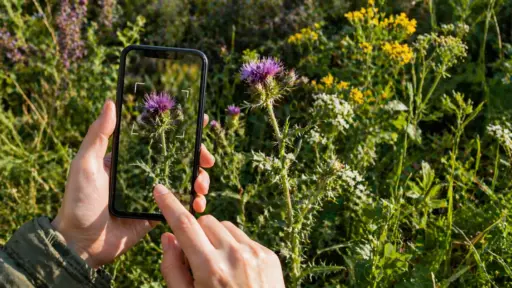
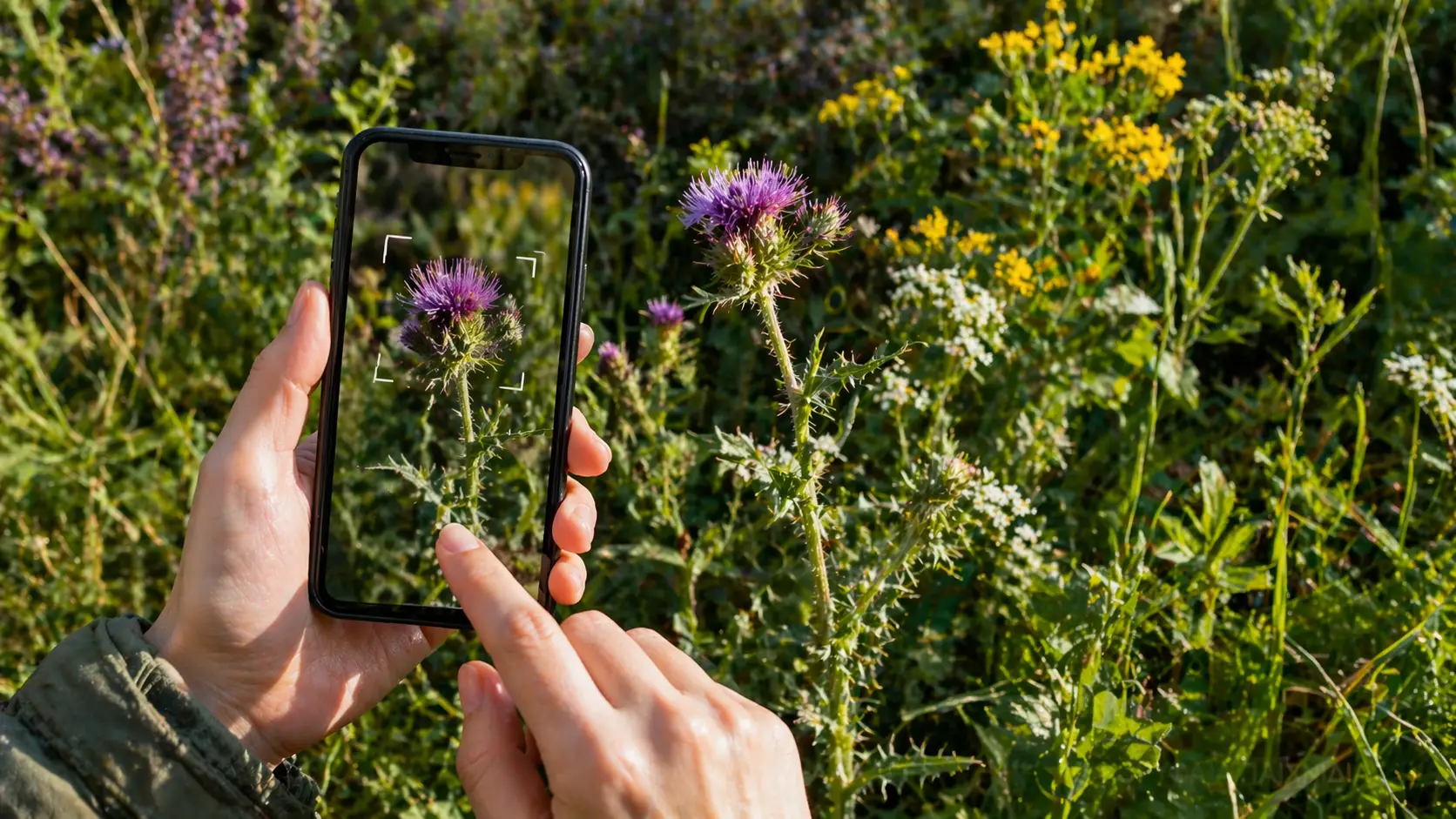
Knowing how to identify a plant from a photo has become accessible to everyone, thanks to rapid advances in image recognition technology. Modern apps like plant identifier Botan match a single snapshot against databases containing millions of labeled specimens. Then the app returns a species name and confidence score within seconds. The process requires no botanical knowledge — just a smartphone and a reasonably clear image:
- Open the app and tap the camera or identification icon on the home screen.
- Point your camera directly at the plant in good natural light, or select an existing image from your gallery.
- Submit the image — the app analyzes visual features such as leaf shape, edge pattern, stem color, and texture.
- Review the results that include species ID along with its common name, scientific name, native range, and basic plant care notes.
- Verify the match — if the confidence score is below 90%, cross-check the suggested species against a second source.
Most free apps allow unlimited identifications without an account. This makes them a practical choice for anyone wondering what plant is this at any moment.
What to Photograph for the Best Identification Result
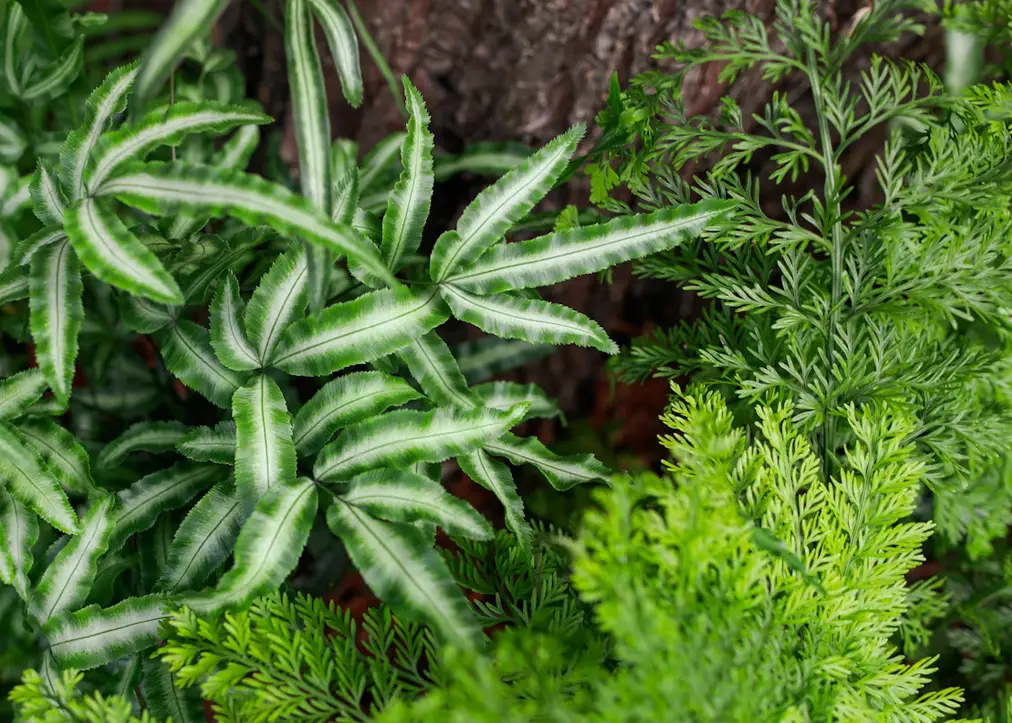
Take photos in natural daylight and capture several parts of the plant: the top and underside of a leaf, the stem, flowers, and any fruit or seed pods present. Keep the subject in sharp focus and avoid shooting into bright backlighting. A high-quality, well-lit image that clearly shows the full structure gives the identification algorithm its best chance of returning an accurate match.
The 3 Most Common Mistakes in Plant Identification
Even with a good tool in hand, small errors can lead to incorrect results. Here are the three mistakes most likely to derail an identification attempt:
- Photographing only the flower. Flowers are visually striking, but leaves, stems, and bark are often more reliable identification markers. If a flower is present, photograph it — but always include a leaf shot, too.
- Submitting blurry or poorly lit images. Apps depend on sharp visual detail. A photo taken in dim indoor lighting or through glass gives the algorithm too little to analyze. Retake the photo outdoors in diffused natural light if the first result seems off.
- Ignoring geographic context. Many species have close lookalikes that differ by region. Whenever possible, enable location access in your app, or manually cross-reference the suggested species against a regional checklist such as the USDA PLANTS Database.
Correcting these 3 habits alone can meaningfully improve your accuracy rate, particularly when working with species that closely resemble one another.
When a Free Tool Is Not Enough
Each free plant identifier tool handles the majority of everyday identification needs effectively. Still, there are situations where the free tier reaches its limits.
Plants showing discoloration, lesions, or unusual growth patterns may need a disease diagnosis feature, which most apps reserve for paid subscribers. Gardeners managing a larger collection often benefit from premium features. These include personalized care schedules, fertilization reminders, and climate-adjusted watering guidance.
If your goal is a one-off identification — say, figuring out what vine has taken over your trellis — the free version of most apps is entirely sufficient. If you are actively managing a plant collection or troubleshooting recurring problems in a garden, upgrading to a paid plan is worth considering.
Final Thoughts
Today, identifying plants no longer requires expensive books or expert-level botanical knowledge. With free specialized apps, online databases, and helpful communities, anyone can discover a plant’s name in seconds using only a photo and a smartphone. What once demanded time and training is now simple, fast, and accessible to everyone.

Jordan Mathews, who has a degree in horticulture from Texas A&M University, has been a guiding force in plant health and sustainable gardening for over 16 years. His career began with a role at a renowned botanical garden, where he deepened his understanding of plant physiology and eco-friendly cultivation methods. Jordan joined our website as a freelancer in 2020, becoming a go-to expert for readers seeking advice on nurturing diverse plant species apart from offering insights grounded in scientific knowledge and practical experience. Beyond his professional achievements, Jordan is a keen nature photographer, capturing the beauty of flora in its immensely diversified forms.