
Whether you run a busy warehouse, manage a construction project, or operate a regional farm, the way a site is laid out has a direct impact on safety and productivity.
Smart infrastructure choices protect people, assets, and operations from preventable risks.
Many businesses focus on equipment and staffing while overlooking the foundational layout decisions that quietly shape day-to-day performance.
A well-organised site reduces accidents, speeds up workflow, and supports long-term growth without unnecessary headaches.
Why Infrastructure Planning Matters
A commercial property is far more than just a piece of land or a building; it is an environment that needs to balance safety, efficiency, and cost.
Getting the basics right from the start avoids expensive retrofits later when issues become much harder to fix.
Thoughtful planning takes into account vehicle access, pedestrian movement, asset protection, and weather exposure.
Each of these elements feeds into the bigger picture of how smoothly the site will run on any given day.
Defining and Protecting Site Boundaries
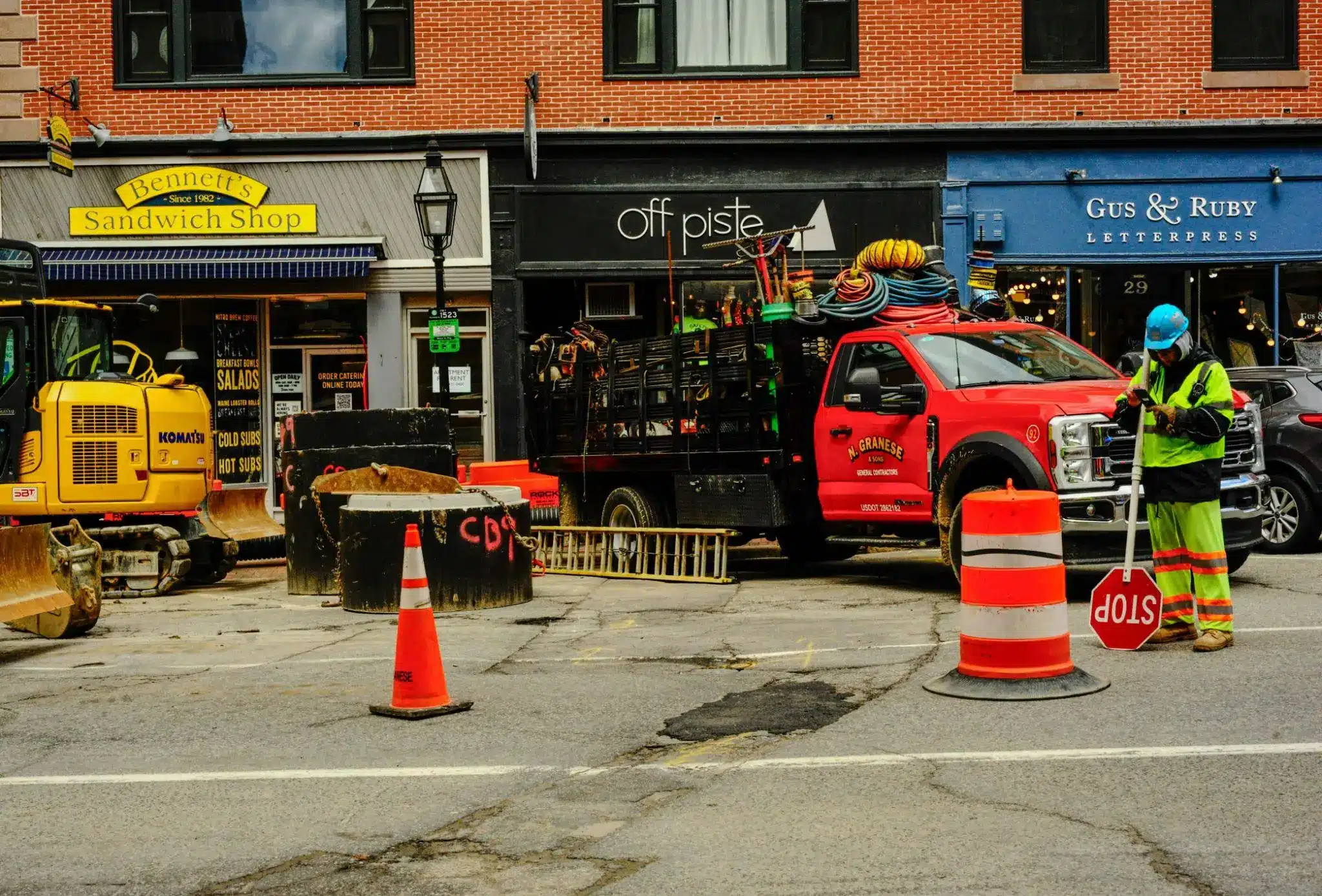
Clear boundaries are one of the simplest ways to control how a site is used and accessed. Physical barriers prevent unauthorised vehicles from entering sensitive areas while still allowing approved movement throughout the property.
Strong perimeter protection also reduces the risk of ram raid theft, accidental driveaways, and damage to expensive equipment stored on site.
Even a modest investment in physical security pays off quickly through avoided losses and fewer insurance complications.
For high-risk zones such as storefronts, loading docks, and pedestrian crossings, sturdy bollards provide a reliable physical barrier between vehicles and the assets you need to protect.
They are also useful for guiding traffic, marking restricted zones, and keeping shoppers, staff, or visitors well clear of harm.
Traffic Flow Management
Once boundaries are set, the next step is directing how vehicles move within the site each day. Clear lanes, marked turning circles, and visible signage all reduce confusion and the chance of incidents during busy periods.
Adding speed humps, wheel stops, and convex mirrors at blind corners gives drivers more information and slows vehicles down where it really counts.
These small additions can dramatically reduce on-site collisions over time without requiring major investment.
Pedestrian and Worker Safety
Sites that combine vehicles and foot traffic need careful separation between the two groups. Clearly defined walkways, painted lines, and physical barriers keep workers, visitors, and customers safe in even the busiest areas.
High-visibility surfaces and bright colour coding give people the cues they need to stay in safe zones. The cost of these measures is small compared with the consequences of a single avoidable injury.
Shelter and Storage Solutions
After site boundaries and traffic are sorted, attention turns to protecting equipment, vehicles, and stock from the elements.
Australia’s harsh sun, sudden storms, and high winds can do real damage to anything left uncovered for long.
Permanent buildings are not always the right answer because of cost, planning timeframes, and shifting operational needs.
Many businesses now use modular shelter systems that combine quick installation with proper structural performance.
Why Modular Shelter Systems Make Sense
Modular shelter kits offer a balance of strength, flexibility, and value that traditional sheds rarely match.
They go up quickly, can be relocated when needs change, and often avoid lengthy planning approval processes.
For sites that already use shipping containers, kits that turn those containers into shelters are especially efficient.
They use the existing footprint as walls and foundations, saving significant time and money during setup.
Shipping Container Shelters
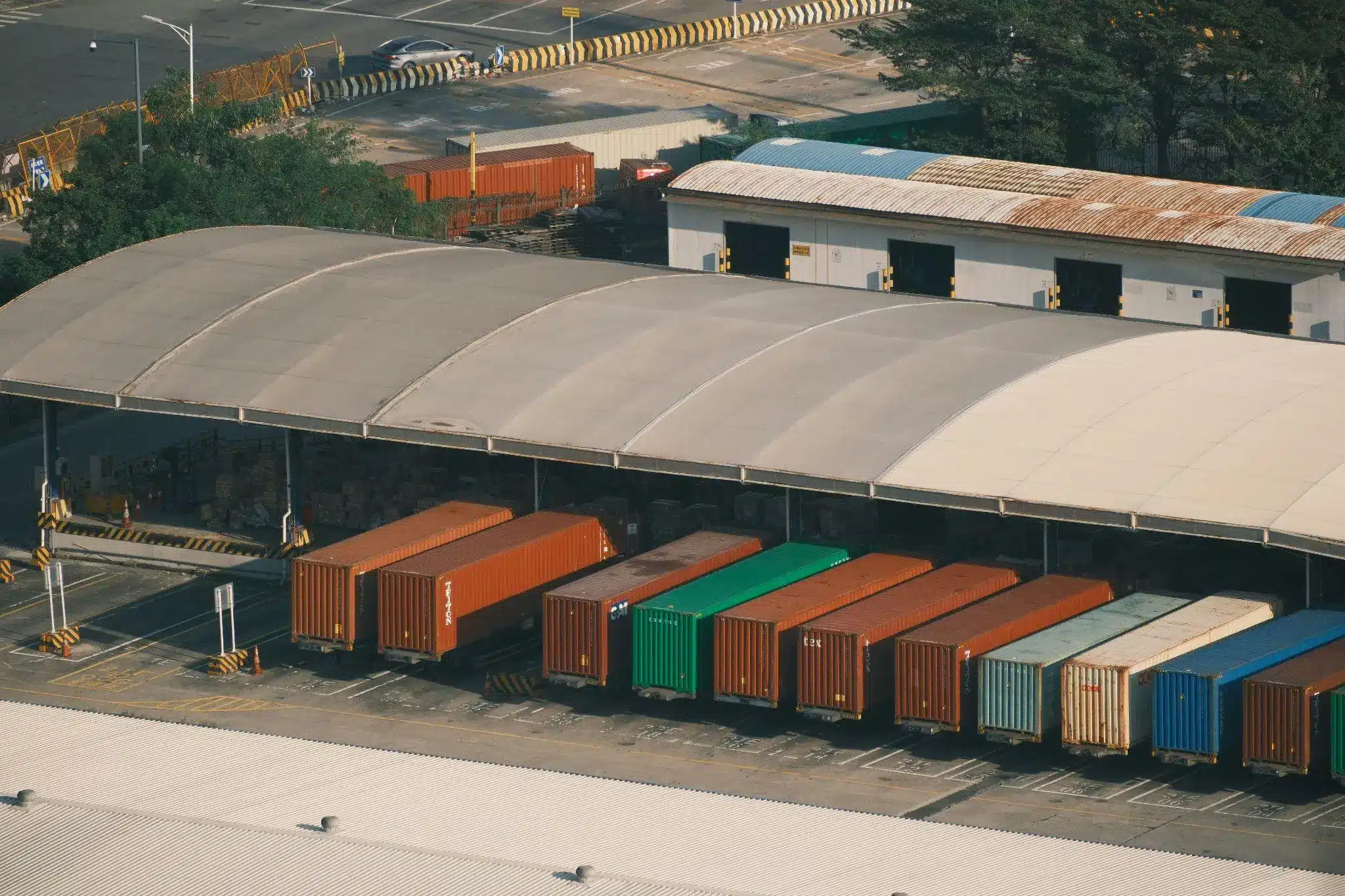
Container-based shelters have become a popular choice across construction, mining, farming, and logistics for several good reasons.
They create high clearance, all-weather coverage that is strong enough to handle trucks, machinery, hay storage, and workshop activities.
The added height between two containers creates space for vehicles, lifting equipment, and even a small office or break area underneath.
Sites can be expanded or reconfigured easily by joining additional kits side by side as the business grows.
For operators looking at this approach, it is worth taking time to compare different shipping container with roof options so the chosen system matches the loads and weather conditions of the local area.
Wind ratings, roof fabric weight, structural warranty, and ease of installation are all worth careful attention.
Choosing Durable Materials
Materials make a major difference to how long any site infrastructure lasts in Australian conditions.
Galvanised steel, stainless steel, heavy-duty PVC, and quality protective coatings all stand up to sun, rain, salt, and impact far better than cheaper alternatives.
Cutting costs on materials almost always backfires within a few seasons of regular use. The rust, fading, and structural failure that follows is far more expensive to repair than simply choosing the right product up front.
Building in Flexibility for Future Growth
A worksite that suits the business today may need to look quite different in five years. Choosing infrastructure that can be relocated, expanded, or reconfigured saves significant time and capital when the operation eventually scales up.
Removable bollards, modular shelter kits, and adjustable storage zones are all examples of this principle in everyday action. Each gives operators the option to adapt the layout without starting again from scratch.
Meeting Compliance Standards
Australian sites are subject to a range of safety and construction standards depending on industry and location.
Bollard specifications, fall protection rules, electrical safety, and structural ratings all need careful attention from the planning stage onward.
Working with suppliers and installers who understand local compliance requirements prevents nasty surprises during inspection.
It also keeps the business protected should a serious incident ever occur on the property.
Balancing Cost and Long-Term Value
The cheapest option rarely delivers the best value when it comes to commercial site infrastructure.
Quality bollards, shelters, and traffic management products may cost more up front, but typically last more than twice as long under demanding daily use.
Spreading costs across the working life of a product is a more useful way to compare paper options.
A premium item that lasts ten years usually beats a budget version that needs replacing every two or three.
Practical Tips for Site Owners
A simple walk-through of the site with safety in mind often reveals issues that were not obvious during day-to-day operations.
Bringing in fresh eyes from a supplier or independent consultant adds even more value to this process.
Regular maintenance checks, such as inspecting bollards for damage and shelter fabric for wear, also extend the life of every investment.
Small repairs done early are always cheaper than full replacements forced through later by neglect.
Final Thoughts
Setting up a safe, functional commercial site is not just about ticking compliance boxes; it is about creating an environment where work flows smoothly and risks stay low.
Each well-chosen piece of infrastructure contributes to that bigger goal in its own quiet way.
By combining smart boundary protection with reliable shelter and storage solutions, modern operators get the best of both worlds on the same property.
The result is a site that supports the business today while remaining flexible enough to adapt to whatever comes next.

Holding a Master’s in Construction Management from Purdue University, William Ray has dedicated more than two decades to studying and applying construction principles. His professional journey includes a tenure with a prominent construction firm, where he specialized in project management and building technologies. William brought his knowledge to our team, providing in-depth insights into practical construction techniques. As the leader of our beginner’s guide to building since 2019, he has a knack for breaking down intricate processes into easily digestible content. When not involved in writing or onsite consultations, William enjoys woodworking and volunteering in community building projects, which aligns with his passion for hands-on construction and community service.