Modern industrial operations are built on two non-negotiable foundations: the ability to fabricate components with exact precision and the ability to keep those operations running safely over time.
Whether it is a gas transmission pipeline, a processing facility, or a heavy manufacturing plant, neither the build quality nor the safety systems can afford to fall short.
These two demands, precision and protection, are not separate conversations. They are deeply connected across the lifecycle of every major industrial project, from the cutting floor to the field.
Why Precision Fabrication Sets the Standard
Industrial infrastructure begins with components, and those components are only as good as the processes used to create them.
Across sectors such as oil and gas, mining, civil construction, and heavy manufacturing, the difference between a part that fits and a part that fails often comes down to tolerances measured in fractions of a millimetre.
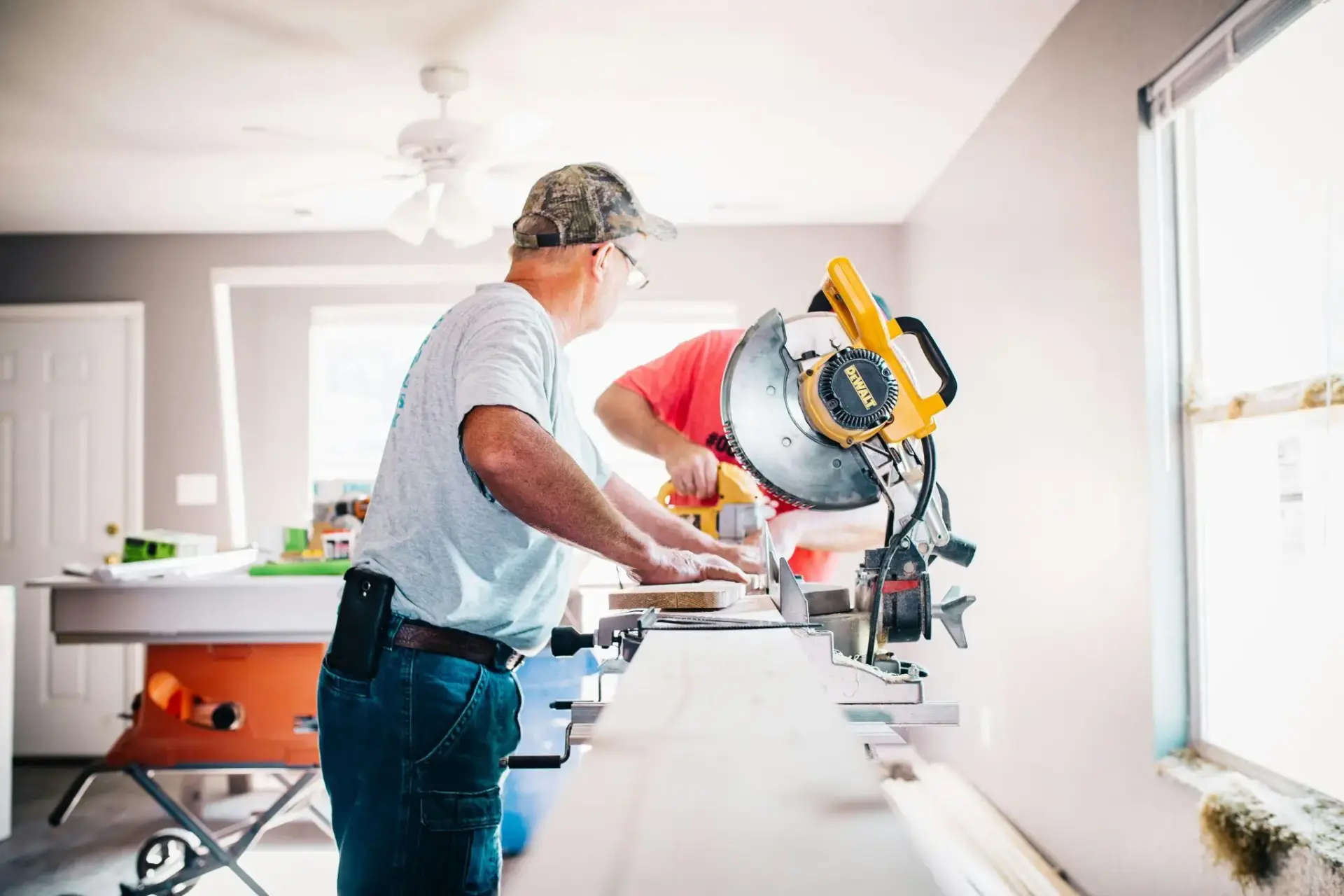
Metal fabrication sits at the heart of this challenge. Every bracket, panel, pipe fitting, support frame, and enclosure used in an industrial setting must be cut, shaped, and finished to exact specifications before anything else in the project can proceed.
Modern laser cutting technology has transformed how this is done. Where older cutting methods introduced heat stress, burring, and dimensional inconsistency, fibre laser systems deliver clean, accurate cuts with minimal thermal impact, allowing components to arrive ready to install without secondary finishing.
For industrial projects operating on tight timelines, the ability to move directly from a digital design file to a finished, ready-to-install part is a significant advantage.
Engaging a professional laser cutting service that combines advanced fibre laser machinery with ISO-certified quality processes reduces rework, shortens lead times, and gives project managers confidence that the parts they receive will perform exactly as designed.
The importance of getting fabrication right from the outset cannot be overstated in industries where component failure carries serious consequences.
A poorly cut fitting in a gas pipeline, an imprecise bracket on a processing vessel, or a substandard panel in an electrical enclosure all introduce weak points that can compromise the integrity of an entire system.
Building for the Long Term
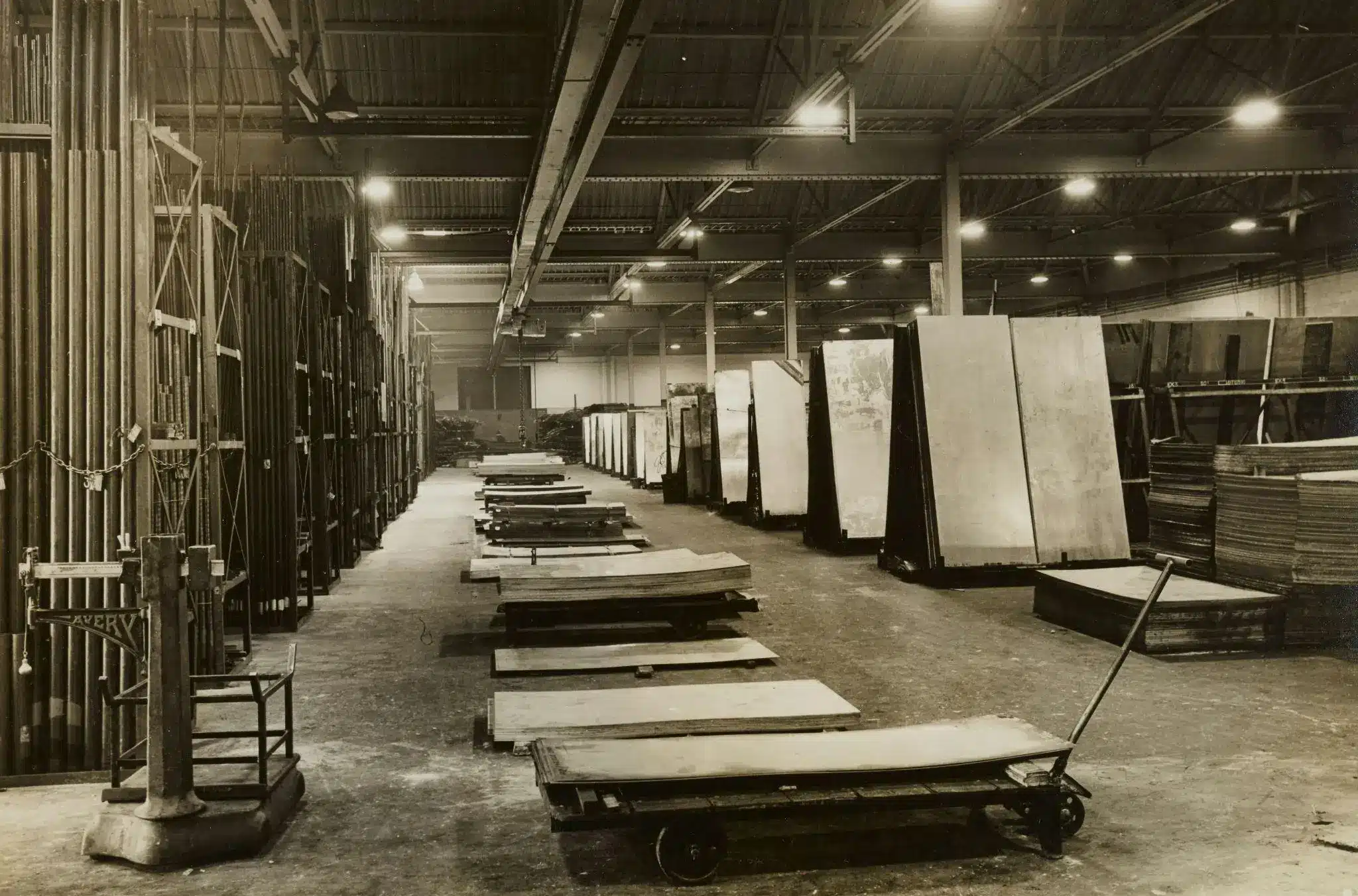
Industrial infrastructure is not built in months. It has been built for decades, and the standards applied at every stage of construction determine how reliably an asset performs across that timeframe.
This is why procurement decisions in heavy industry increasingly favour suppliers who combine technical capability with formal quality management.
ISO 9001 certification, for instance, demonstrates that a fabrication provider operates within a structured, auditable quality system, not just based on operator skill or habit.
Environmental and safety certifications such as ISO 14001 and ISO 45001 carry equal weight in industries where workplace incidents and environmental breaches carry regulatory, financial, and reputational consequences.
When an industrial project specifies fabricated components, the credentials of the manufacturer are part of the risk assessment.
Beyond certifications, the material handling capabilities of a fabrication partner matter enormously.
Industrial applications regularly demand cutting across a wide range of metals, including mild steel, stainless steel, and aluminium, often at varying thicknesses and in high volumes, with zero tolerance for dimensional drift between batches.
Safety as an Ongoing Requirement
Once fabricated components are installed and a facility becomes operational, the focus shifts from build quality to operational safety.
In gas transmission specifically, that shift is critical. Gas pipelines carry pressurised combustible products across long distances, often through remote or environmentally sensitive areas, making any form of leak a serious hazard.
The consequences of an undetected gas leak range from financial to catastrophic. Pressurised gas escaping from a transmission pipeline can ignite, cause explosive overpressure events, or result in toxic atmospheric concentrations, each of which creates risk for personnel, assets, and the surrounding environment.
Detection technology has advanced significantly in recent decades, moving well beyond basic catalytic sensors to include infrared point detectors, open-path line-of-sight systems, and ultrasonic gas leak detectors that can identify the acoustic signature of pressurised leaks before concentrations reach dangerous levels.
For operators working in gas transmission, this breadth of technology means there is no reason for any part of a pipeline system to go unmonitored.
When building or upgrading a gas transmission safety system, it pays to browse reliable gas leak detectors from a specialist supplier rather than relying on general-purpose safety equipment that may not meet the specific demands of pressurised pipeline environments.
Prodetec’s solutions for the gas transmission industry cover fixed detection systems, portable monitors, ultrasonic detectors, and flame detection technology, each matched to the particular hazards and compliance requirements of gas infrastructure operations.
Ultrasonic gas leak detectors deserve particular mention for transmission pipeline applications. Unlike concentration-based detectors that require gas to disperse to the sensor level, ultrasonic units respond to the acoustic energy produced by pressurised gas escaping through a breach, providing earlier warning and wider area coverage in open or outdoor environments.
Precision and Protection Working Together
The relationship between precision fabrication and industrial safety runs deeper than the sequence of a project.
They are interdependent disciplines that reinforce each other at every stage of an asset’s operational life.
Well-fabricated components reduce the likelihood of failures that trigger safety events in the first place.
A pipe fitting cut and joined to exact tolerances is less likely to develop micro-fractures under operational stress. A structural bracket manufactured consistently is less likely to fatigue unexpectedly.
At the same time, even the best-fabricated infrastructure needs independent monitoring. Materials degrade, seals age, ground movement affects underground pipework, and operating conditions rarely remain static over a decades-long asset lifecycle.
Gas detection systems serve as the ongoing verification layer that confirms a facility is operating as designed, not just as built.
This combination of build quality and continuous monitoring represents the mature approach to industrial risk management.
Neither element substitutes for the other; precision manufacturing lowers the baseline probability of failure, while detection and monitoring ensure that when anomalies do occur, they are identified and addressed before they escalate.
Investing in Both Sides of the Equation
Industrial operators who treat fabrication quality and safety monitoring as separate budget lines often find themselves managing preventable incidents.
Those who invest in both as connected elements of the same operational standard tend to see lower lifecycle costs, stronger regulatory compliance, and better outcomes for personnel and assets.
Investing in fabrication quality and safety monitoring as connected elements of the same operational standard tends to produce lower lifecycle costs, stronger regulatory compliance, and better outcomes for personnel and assets.
This is not a new insight, but it is one that continues to separate high-performing industrial operators from those who treat each discipline in isolation.
Selecting fabrication partners and safety technology suppliers who specialise in industrial applications is the clearest path to getting both right.
General capability is rarely sufficient when the operating environment demands consistent performance across years of continuous use, often in harsh outdoor or hazardous conditions where access for maintenance or repair is difficult, and downtime is expensive.
The two pillars of modern industrial infrastructure, precision in how components are made and rigour in how operations are monitored, are not competing priorities.
They are complementary investments that, when made together, define what it means to build and operate industrial assets that last.

Liam Bennett holds a degree in Computer Science from the University of Edinburgh and has over 15 years of experience in technology and digital innovation. He began his career in software development, focusing on user-friendly systems and backend architecture. Liam joined our platform in 2025 to lead our Tech section, where he simplifies complex topics—from smart home devices and AI tools to cybersecurity and troubleshooting tips. Known for his clear, practical advice, he helps readers navigate today’s fast-evolving tech landscape. Outside of work, Liam enjoys building custom PCs and contributing to open-source projects.