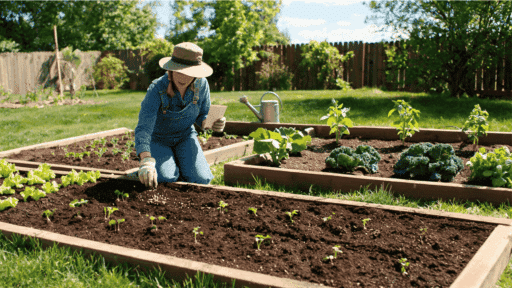
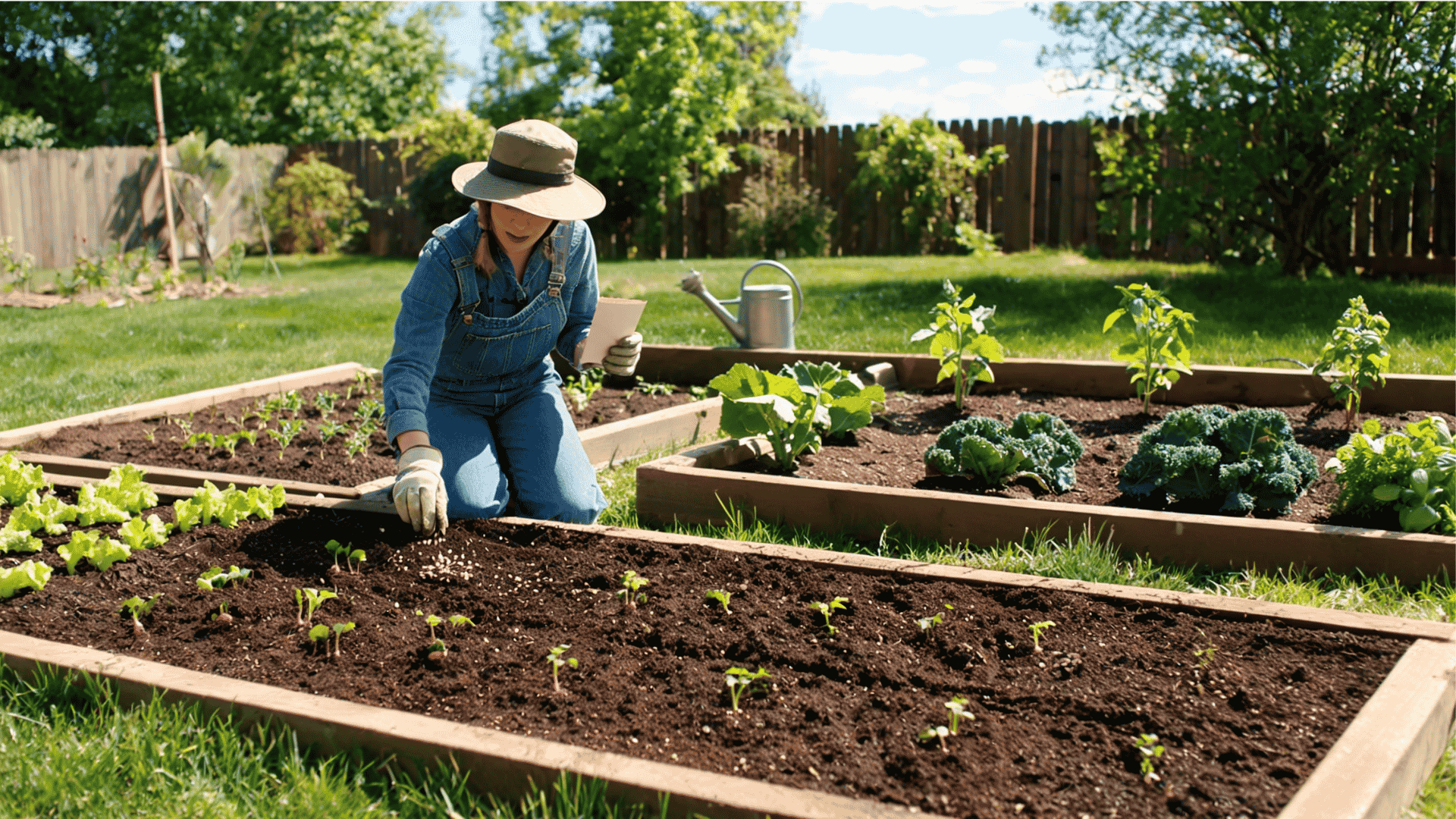

Have you ever looked at your backyard and thought, “I wish I could grow my own vegetables”, but had no idea where to begin?
Most first-time gardeners feel that way. I’ve worked with complete beginners on tiny city balconies and large suburban plots alike, and the starting point is always the same: it feels like more than it is.
Starting from scratch can seem like a lot, especially when you’re not sure what you actually need.
In this guide, I’ll walk you through it step by step: picking the right spot, preparing your soil, choosing beginner-friendly vegetables, and keeping your plants healthy all season long.
Why Veggie Garden is Worth Starting this Season
Store-bought vegetables are often picked days or even weeks before they reach your plate, which means they lose flavor and nutrients along the way.
A tomato you pick from your own vine tastes nothing like one from the supermarket shelf, and that difference alone wins most people over.
Beyond taste, a single tomato plant can give you a substantial amount of fruit over a season, and fast crops like lettuce and radishes are ready to harvest in as little as a month.
You don’t need to wait several months to see what your effort produces.
What You’ll Need Before You Start
You don’t need a garage full of tools. Here’s what you actually need for a good start:
Basic tools:
- A hand trowel
- A rake
- A watering can or watering wand
- A pair of gloves
Supplies:
- Compost or raised-bed soil mix
- Seeds or seedlings from your local garden centre
- Mulch (straw, shredded leaves, or grass clippings)
You can add more tools over time. In my opinion, this list is enough for a first garden.
Start a Vegetable Garden: The Quick 5-Step Plan
Starting a garden can feel like a lot, but it really comes down to five simple steps. Follow them in order, and you’ll have your own vegetables growing in front of you, before you know it.
Step 1: Pick a Sunny Spot
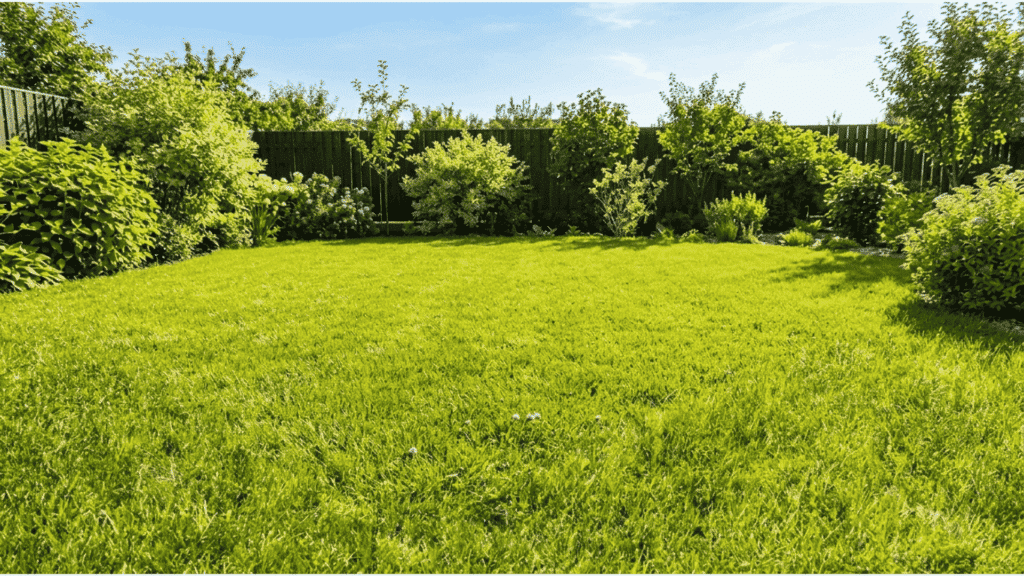
Find a flat area that gets at least 6 to 8 hours of direct sunlight every day. Sunlight is the most important thing your garden needs. No amount of good soil or water can make up for too much shade.
My suggestion: Pull up a chair and sit in the spot you’re thinking about. Check on it a few times during the day to see how much sun it actually gets. Sometimes the front yard gets far more sun than the back.
A few other things worth checking in your chosen spot:
- Close to a water source: You’ll be watering regularly, so don’t put your garden far from a hose.
- Away from large trees: Tree roots compete with vegetables for water and nutrients.
- Some wind protection: A spot sheltered from harsh winds helps young plants get established.
Step 2: Choose Your Garden Style and Size
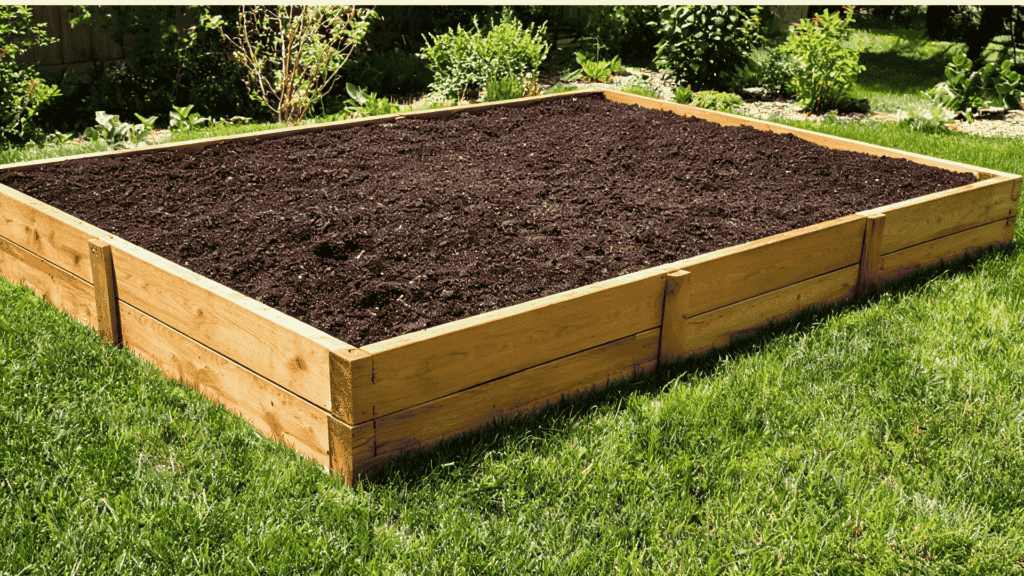
You have three main options to choose from:
- In-ground garden: Dig directly into your yard. A 10×10 ft plot is manageable for a beginner.
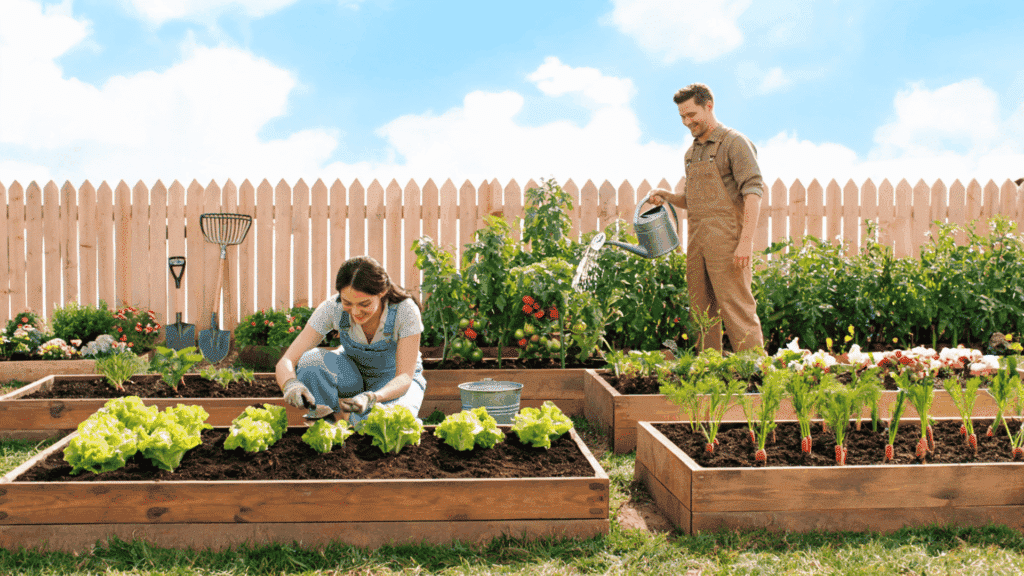
- Raised bed: A wooden frame filled with soil. A 4×4 ft or 4×8 ft bed is a great starting point.
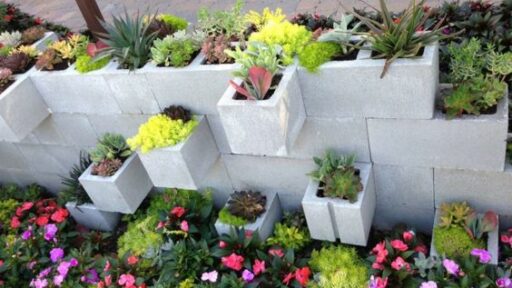
- Container garden: Pots and planters on a patio or balcony. Works well when space is limited.
A small, well-kept garden gives you better results than a large one that gets out of control.
Step 3: Prepare Your Soil
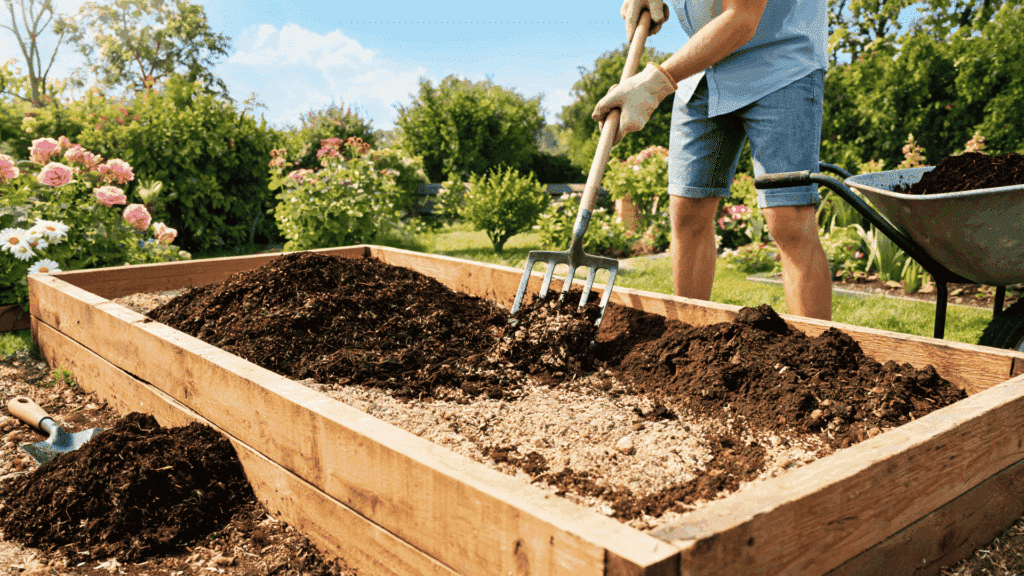
Mix in organic compost or a quality raised-bed mix before planting. It enriches the soil with essential nutrients and also improves its structure, helping your plants establish strong roots and grow vigorously.
Avoid pressing the soil down hard. Plants need loose, airy soil so their roots can spread easily and access water and nutrients efficiently.
Lightly firm the soil only enough to remove large air pockets, but keep it soft and crumbly to encourage healthy root development.
Well-prepared soil also improves drainage and prevents waterlogging, which is especially important for young seedlings.
Step 4: Pick Easy Beginner Vegetables
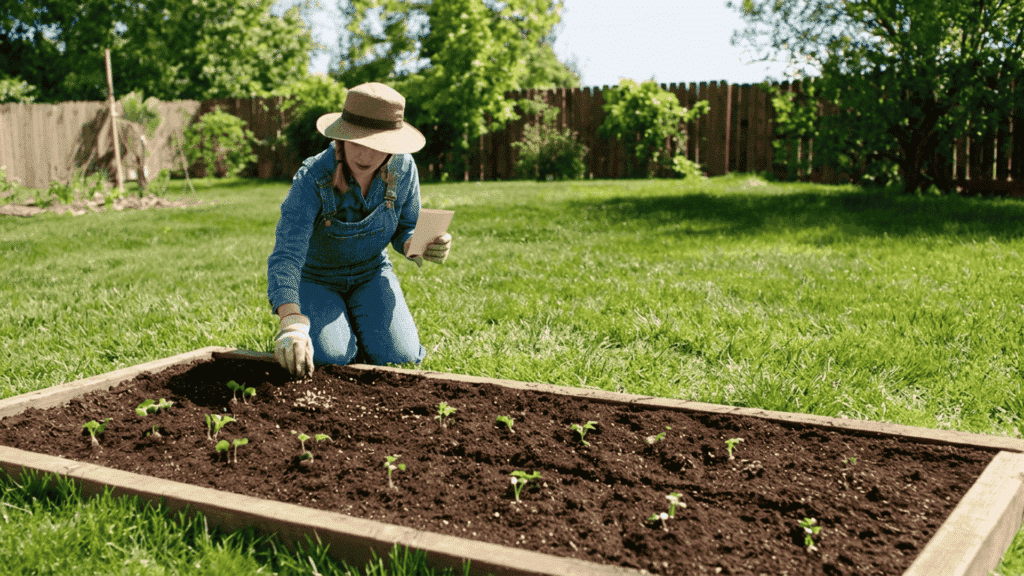
Start with vegetables that grow well even with a little neglect.
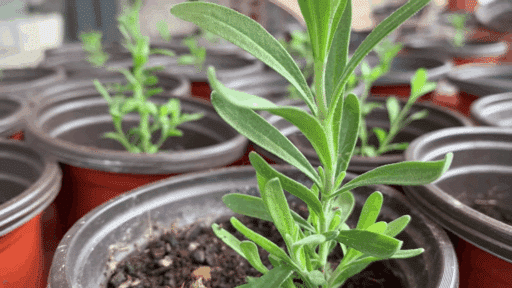
Grow from seeds: Lettuce, radishes, green beans, kale, carrots
Grow from starter plants: Tomatoes, zucchini, peppers, and herbs like basil and parsley. Most importantly, grow what you actually eat. There is no point growing kale if no one in your house likes kale.
Step 5: Plant at the Right Time
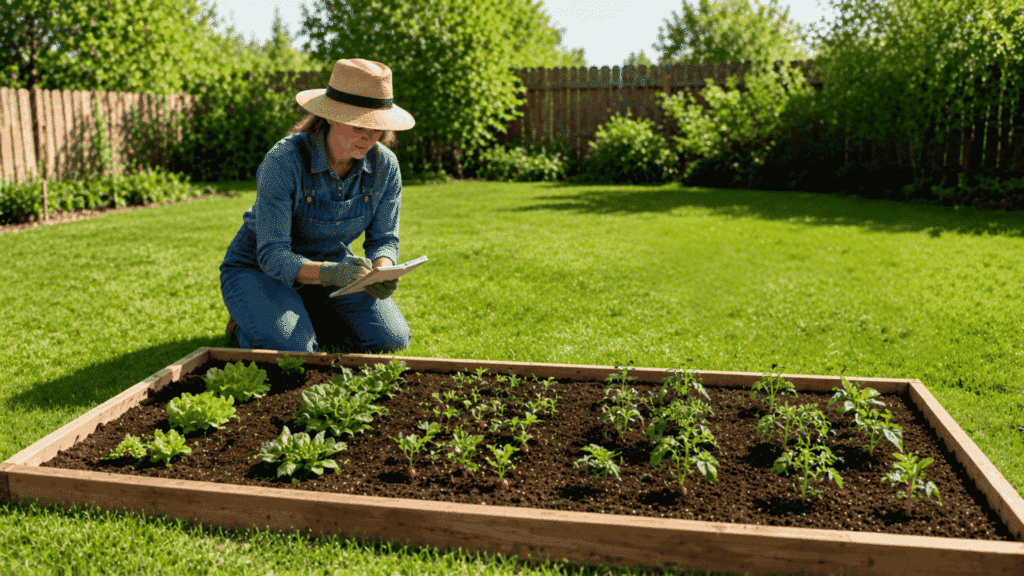
Cool-weather crops, such as lettuce, spinach, and radishes, can be planted in early spring when the soil is starting to warm up but temperatures are still relatively mild. These vegetables tolerate light frosts and do well in cooler conditions, so they’re a good choice for getting a head start.
Warm-weather crops, like tomatoes, peppers, and zucchini, are more sensitive to frost and need to wait until after the last expected frost in your area.
Seed packets usually guide your region, but local gardening resources or apps can give more precise information. Planning around frost dates helps ensure healthy, productive plants from the start.
Gardening Options for a Small Space
You don’t need a lot of room to grow vegetables. Some very productive gardens fit on a small city patio or balcony.
Container Gardening
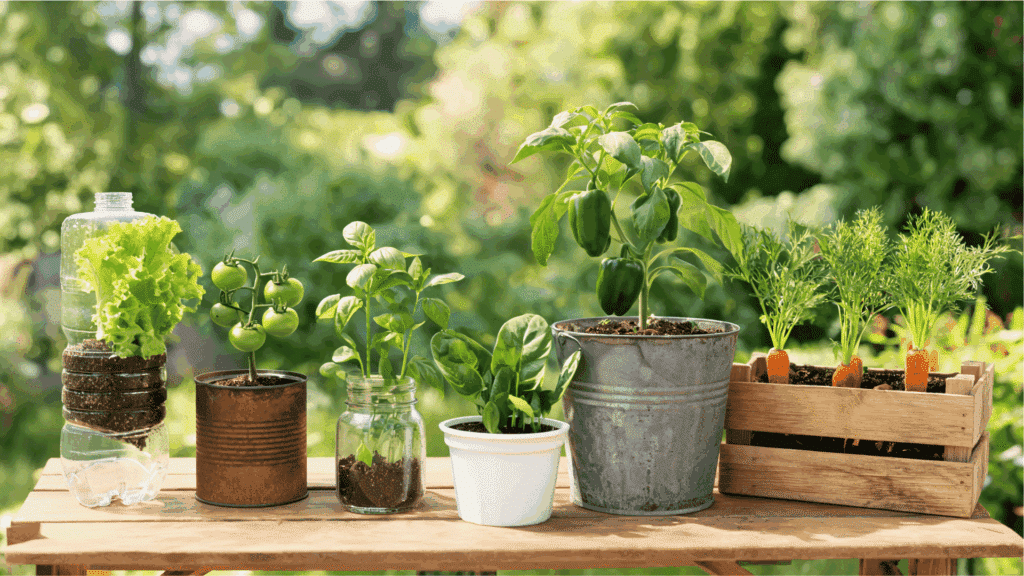
Almost any vegetable can be grown in a pot or container, as long as it’s big enough.
A lot of urban gardens I’ve worked on started with nothing more than two or more containers on a balcony, and they produced more veggies than people expected.
Tomatoes, peppers, lettuce, herbs, and even cucumbers do well in containers. Use a pot that is at least 12 inches deep, and make sure it has drainage holes at the bottom.
Community Garden Plots
If you live in an apartment or have no outdoor space, look into a community garden nearby. Many cities offer shared plots you can rent by the season.
Avoid large plants like corn, pumpkins, or watermelon in small spaces. They take up a lot of room and don’t produce much per square foot compared to other options.
Seeds vs. Starter Plants
One of the first choices every new gardener faces is choosing to grow vegetables from seeds or buy young plants from a nursery.
Each option has its own trade-offs, so let’s compare them side by side.
Growing from Seeds
Seeds give you the widest variety and the lowest cost, at the price of time. Weigh the pros and cons below:
| PROS | CONS |
Much cheaper than starter plants | Takes more time, since you wait for seeds to sprout |
A wider variety of choices is not available at local garden stores | Some seedlings can fail early from damping off, a fungal issue common in wet conditions |
Some vegetables, like carrots, radishes, beans, and peas, grow better when sown directly in the soil | You’ll need to thin out seedlings once they come up |
Growing from Starter Plants (Seedlings)
Starter plants take the guesswork out of those first few weeks, but they come with their own limits. Here’s how they stack up:
| PROS | CONS |
The plant is already growing when you buy it | More expensive than seeds |
Less chance of early failure | Fewer variety options at local garden centres |
A practical choice for slow-maturing vegetables like tomatoes and peppers | Limited control over how the plant was raised |
Watering, Mulching, and Weeding
Planting is just the start; keeping your vegetables healthy is what brings a real harvest. Here’s how to handle the three tasks that matter most in the weeks ahead.
1. How to Water
Most vegetable plants need about 1 inch of water per week, either from rain or from you.
- Water in the morning: Watering at night keeps the soil wet too long and can bring on disease.
- Water the soil, not the leaves: Wet leaves can lead to fungal problems and, in strong sun, leaf scorch.
- Water deeply: Push your finger into the soil after watering. If only the top inch is wet, water longer. You want moisture to reach 4 to 6 inches down.
A watering wand lets you direct water straight to the base of each plant.
2. Use Mulch
A 2 to 3-inch layer of mulch between your plants keeps weeds down, holds moisture in the soil, and keeps soil temperature steady during hot days.
Use shredded dry leaves, straw (not hay, since hay contains seeds), or grass clippings.
3. Pull Weeds Early
Small weeds are much easier to pull than large ones. A short walk through your garden a few times a week, pulling weeds while they’re still small, is all it takes to keep things under control.
Fertilizing Your Plants
If you planted in compost-rich soil, your plants may do fine without extra fertiliser, at least early in the season.
In most gardens I’ve worked in, good compost alone carries plants well through the first half of the growing season. Over time, nutrients get used up.
Simple organic options:
- Compost top-dressing: Spread a thin layer around the base of your plants once a month.
- Worm castings: Gentle on plants and good for soil health when mixed in.
- Fish emulsion or seaweed liquid: Dilute in water and apply every few weeks during the growing season.
Too much fertilizer, especially nitrogen, pushes plants to grow lots of leaves but very little fruit.
Common Beginner Mistakes
These are some very common mistakes that you need to take care of to grow a healthy vegetable crop:
1. Starting with a garden that’s too big: A large garden quickly becomes more work than most beginners expect. Stick to a 4×4 or 4×8 raised bed, or a 10×10 in-ground plot, for your first season.
2. Planting in too much shade: If your chosen spot gets fewer than 6 hours of direct sunlight per day, move the garden.
3. Skipping soil preparation: A little time spent on soil prep before planting saves a lot of frustration later.
4. Overwatering: More plants fail from overwatering than from drought. Let the top inch of soil dry out between waterings. Soggy roots lead to root rot.
5. Expecting fast results: Some vegetables take 60 to 90 days from planting to harvest. Most of the work happens underground before you see it above the surface.
Best Beginner Vegetables To Grow by Difficulty
Some vegetables practically grow themselves, while others need a more experienced hand. Refer to this quick guide to help you pick what to plant based on your comfort level.
| Easy to Grow | Medium Difficulty | More Challenging |
| Lettuce and salad greens | Carrots | Broccoli |
| Radishes | Peppers | Spinach (bolts quickly in heat) |
| Green beans | Eggplant | Cauliflower |
| Cherry tomatoes | Arugula | Celery |
| Zucchini and summer squash | Cucumbers | Corn (needs a lot of space) |
| Kale and Swiss chard | Watermelon | Artichokes |
| Fresh herbs (basil, parsley) | Regular tomatoes | Brussels sprouts |
Stick to the easy column in your first season. Move into the medium column once you have a growing season behind you.
Final Thoughts
Growing your own vegetables is one of the most satisfying things you can do with a small patch of outdoor space or even a few containers on a balcony.
By now, you have everything you need to get started. Pick a sunny spot, fix your soil, choose vegetables you actually eat, water deeply, and keep up with weeding and mulching. That is really all it takes to get a first garden going.
Start small this season. One raised bed done well will teach you more than a large garden that gets out of hand. Each season you grow, things get easier because you know what to expect.
Give it a go this weekend, and if this guide helped you, share it with a friend who has been thinking about starting their own garden too.
Frequently Asked Questions
How Deep Should a Raised Garden Bed Be?
Aim for 8 to 12 inches deep for most vegetables. If you plan to grow root crops like carrots or parsnips, go at least 12 inches. Beds shallower than 6 inches dry out fast and restrict root growth.
Should I Water My Vegetable Crop Every Day?
No. Watering two to three times a week is better than watering a little every day. Daily watering keeps moisture near the surface, which leads to weak, shallow roots over time.
What is the Best Material for a Raised Bed Frame?
Cedar and redwood are the top picks since both resist rot naturally and can last over 10 years. Avoid pressure-treated lumber near food crops. Untreated pine is a cheaper option, but it breaks down within 3 to 5 years.
How do I Stop Pests from Eating My Plants?
Check your plants two to three times a week so you catch problems early. Knock off aphids with a strong spray of water. For rabbits and birds, a simple wire mesh or netting around the bed is the most reliable fix.
Can I Grow Vegetables with Less than 6 Hours Of Sunlight?
Yes, but stick to leafy greens. Lettuce, kale, spinach, arugula, and herbs like parsley and chives manage well with 3 to 4 hours of sunlight. Tomatoes, peppers, and cucumbers will not produce well without full sunlight.
What Month Should I Start My Vegetable Garden?
For cool-weather crops like lettuce and radishes, early spring works well. For warm-weather crops like tomatoes and zucchini, wait until after your last frost date, which falls between late April and early June for most regions.
Do I Need To Replace the Soil in My Raised Bed Every Year?
You don’t need to replace it fully. Each spring, top it up with a 1 to 2 inch layer of fresh compost mixed into the surface. If the soil looks grey or drains poorly after a few years, add a fresh batch of raised-bed mix.

With a Master’s in Landscape Architecture from the University of Virginia, Sophia Stephenson has dedicated the last 20 years to creating and maintaining vibrant outdoor spaces. Her professional journey started in landscape design, where she gained a reputation for innovative and sustainable approaches. Sophia became a part of our editorial team as a freelancer in 2019, offering a fresh perspective on outdoor living. Since 2020, she has been the chief for our outdoor design content, blending aesthetic appeal with environmental stewardship. In her leisure time, Sophia is a keen photographer, capturing the beauty of natural landscapes, a hobby that complements her professional expertise.