
Growing lavender from seed can feel slow at first, but it is a rewarding way to add color and fragrance to your garden.
I have found that starting from seed gives you more plant choices and helps you learn how lavender grows from the very beginning.
Many gardeners think lavender is hard to grow, but the process becomes much easier when you follow the right steps.
In this guide on how to grow lavender from seed, you will learn when to plant seeds, how to prepare them, the best soil to use, and simple ways to care for young plants.
You will also find tips for avoiding common mistakes that can slow growth or damage seedlings.
If you want lavender in garden beds, borders, or pots, this article will help you grow healthy plants with confidence.
Why Grow Lavender From Seeds?
Growing lavender from seed takes more time than buying young plants, but many gardeners find it rewarding.
You get to watch the plant grow from the very beginning and learn what helps it stay healthy along the way.
Another reason many people choose seeds is cost. A single packet of lavender seeds is usually much cheaper than buying several fully grown plants.
This can help if you want to grow lavender in garden beds, borders, or containers without spending too much.
Starting from seed also gives you more variety choices. Some lavender types are easier to find as seeds than as nursery plants.
That means you can pick the style, color, or size that fits your garden best.The process may take patience, but the long-term results are worth it.
Once lavender becomes established, you can enjoy fragrant blooms, helpful pollinators, and low-maintenance plants for years.
Best Lavender Varieties to Grow From Seed
Not all lavender plants grow the same way, so choosing the right variety can make things much easier.
Some types grow better in cool weather, while others prefer warm and dry areas. If you are new to growing lavender, starting with an easy variety can help you get better results.
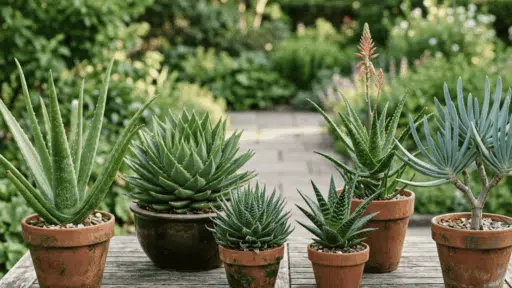
1. English Lavender: English lavender is one of the best choices for beginners. It grows well in many climates and produces a strong fragrance.
2. French Lavender: French lavender has wider leaves and a softer appearance. It grows best in warm climates and does well in pots or sunny outdoor spaces.
3. Spanish Lavender: Spanish lavender is easy to recognize because of its unique flower shape. It handles heat and dry weather well once the plant becomes established.
Picking the right lavender variety for your climate gives your seeds a much better chance to grow successfully.
When to Plant Lavender Seeds for the Best Results
Timing can make a big difference when growing lavender from seed. Most gardeners get the best results by starting seeds indoors in late winter or early spring, about 10 to 12 weeks before the last frost.
Lavender seeds grow best in temperatures between 65°F and 70°F and need plenty of light to germinate well.
Starting indoors gives you better control over warmth, moisture, and sunlight during the early stages.
Wait until frost danger has passed before moving seedlings outdoors. This helps young plants adjust more easily and continue growing without stress.
If you live in a warm climate, you may also be able to plant seeds outdoors in early spring. Still, indoor starting often leads to stronger and healthier seedlings.
Things You Would Need to Grow Lavender From Seeds
Getting your supplies ready before planting helps the process feel easier and more organized. Most of the items are simple, affordable, and easy to find.
- Lavender Seeds: Choose fresh seeds from a trusted seller for better germination results.
- Seed-Starting Soil: Use a light, well-draining mix instead of heavy garden soil.
- Perlite or Sand: Adding this to the soil improves drainage and helps prevent soggy roots.
- Spray Bottle or Small Watering Can: Gentle watering keeps seeds moist without washing them away.
- trowel
- Kitchen Paper
- Ziplock Bag
- Toothpicks
- Containers with Drainage Holes: Good drainage is important because lavender does not grow well in wet soil.
Step-by-Step Guide to Planting Lavender Seeds
Starting lavender from seed takes patience, but each stage is simple when broken into smaller steps. Following the process carefully can help you grow stronger and healthier seedlings at home.
1. Spray Water on the Kitchen Paper
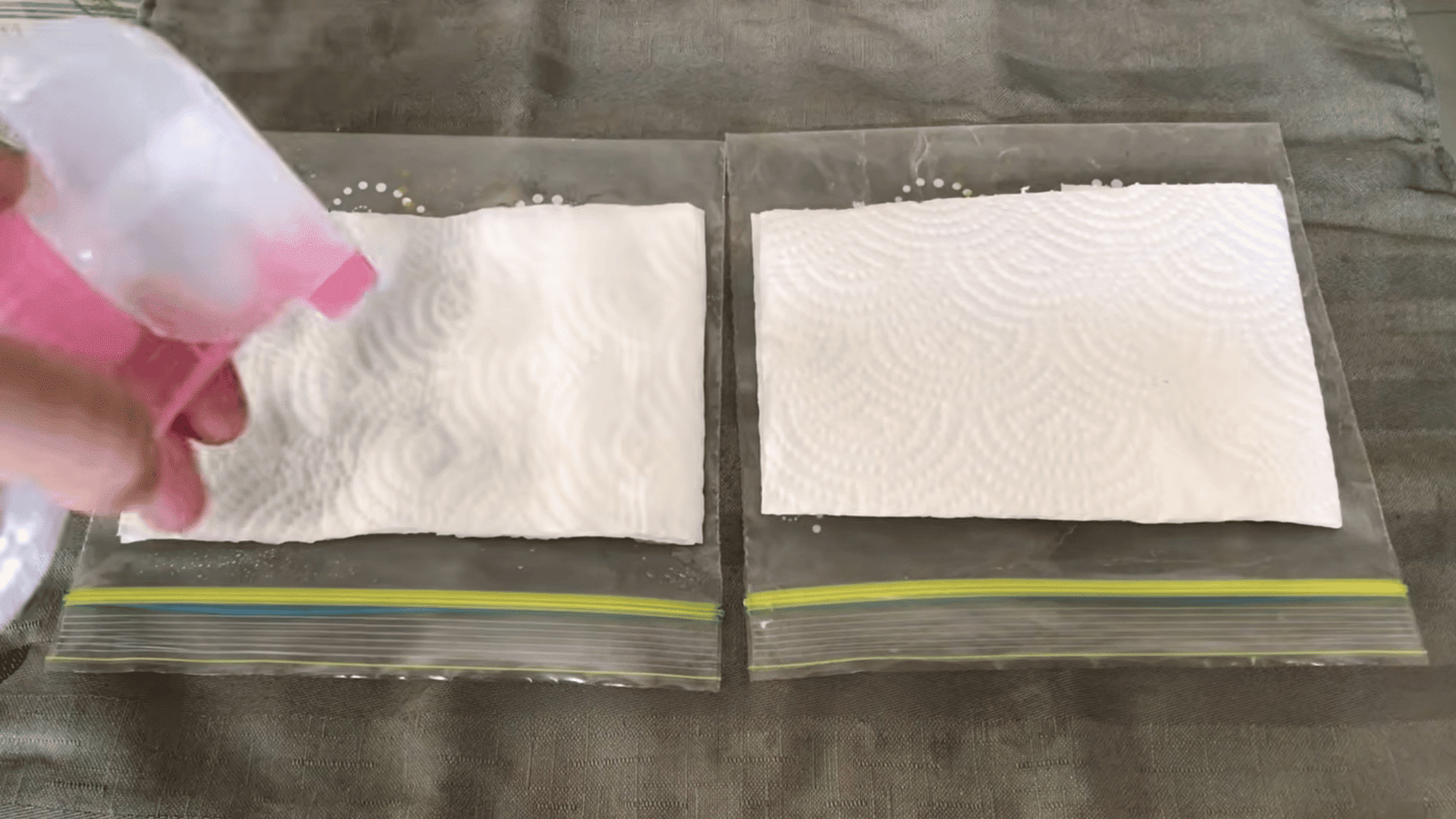
Start by lightly spraying a paper towel or kitchen paper with water until it feels damp. Avoid soaking it because too much moisture can damage the seeds before they sprout.
Spread the towel flat so the seeds have enough room later. A spray bottle works best because it keeps the moisture gentle and even.
Lavender seeds grow better in lightly moist conditions instead of wet ones. This first step helps prepare the seeds for the cold treatment that comes next and gives them a better chance to germinate evenly.
2. Spread Lavender Seeds Evenly
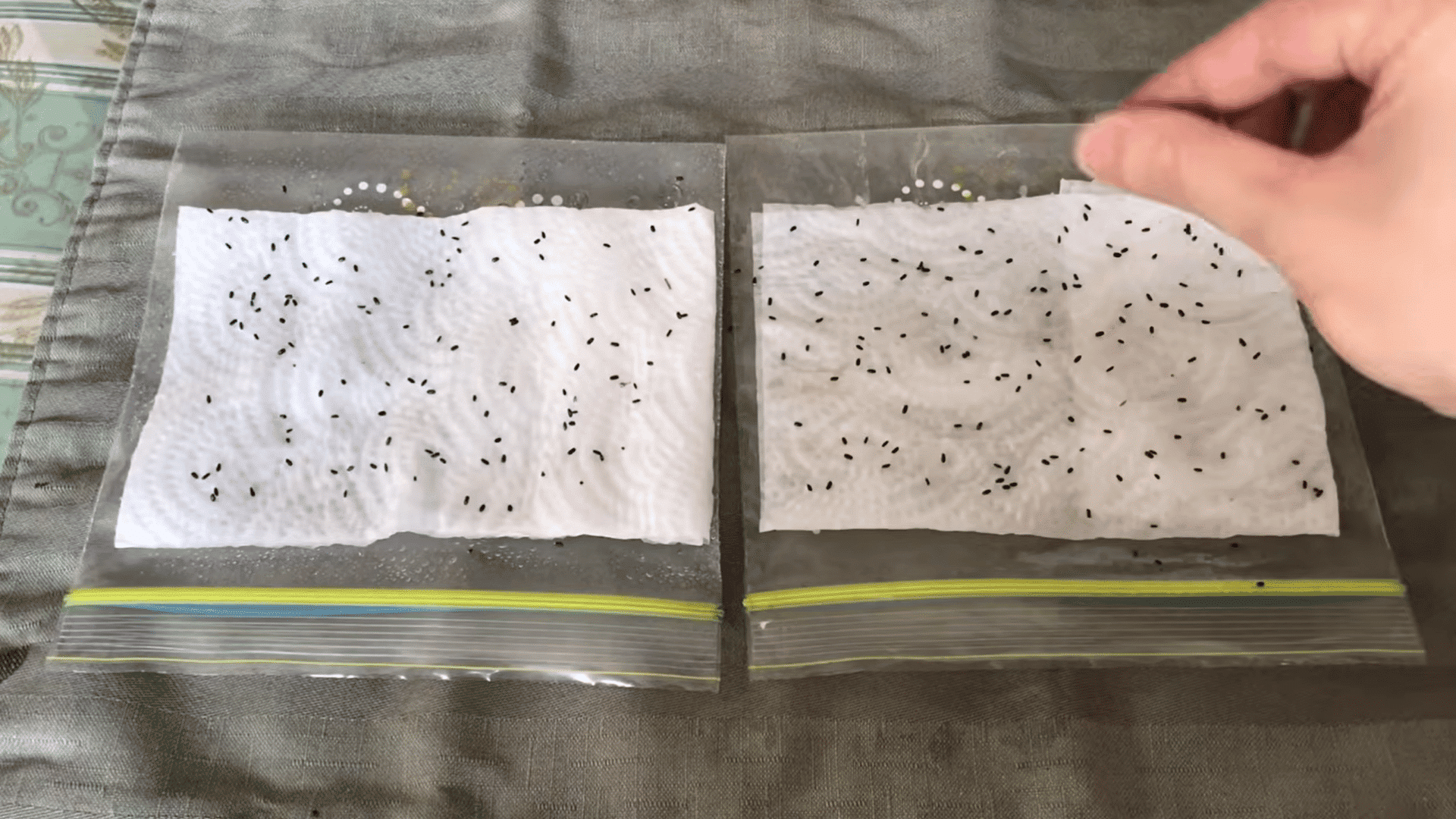
Place the lavender seeds across the damp paper towel with small spaces between them.
Try not to pile the seeds together because the sprouts can become tangled later. Spacing them out also makes it easier to move the seedlings once they start growing.
You do not need to press the seeds hard into the towel.
Just let them rest on the surface.Keeping the seeds separated helps improve airflow and reduce extra moisture buildup.
This simple step can make handling the sprouts much easier during the planting stage later on.
3. Lock the Ziplock Bags for 2–4 Weeks
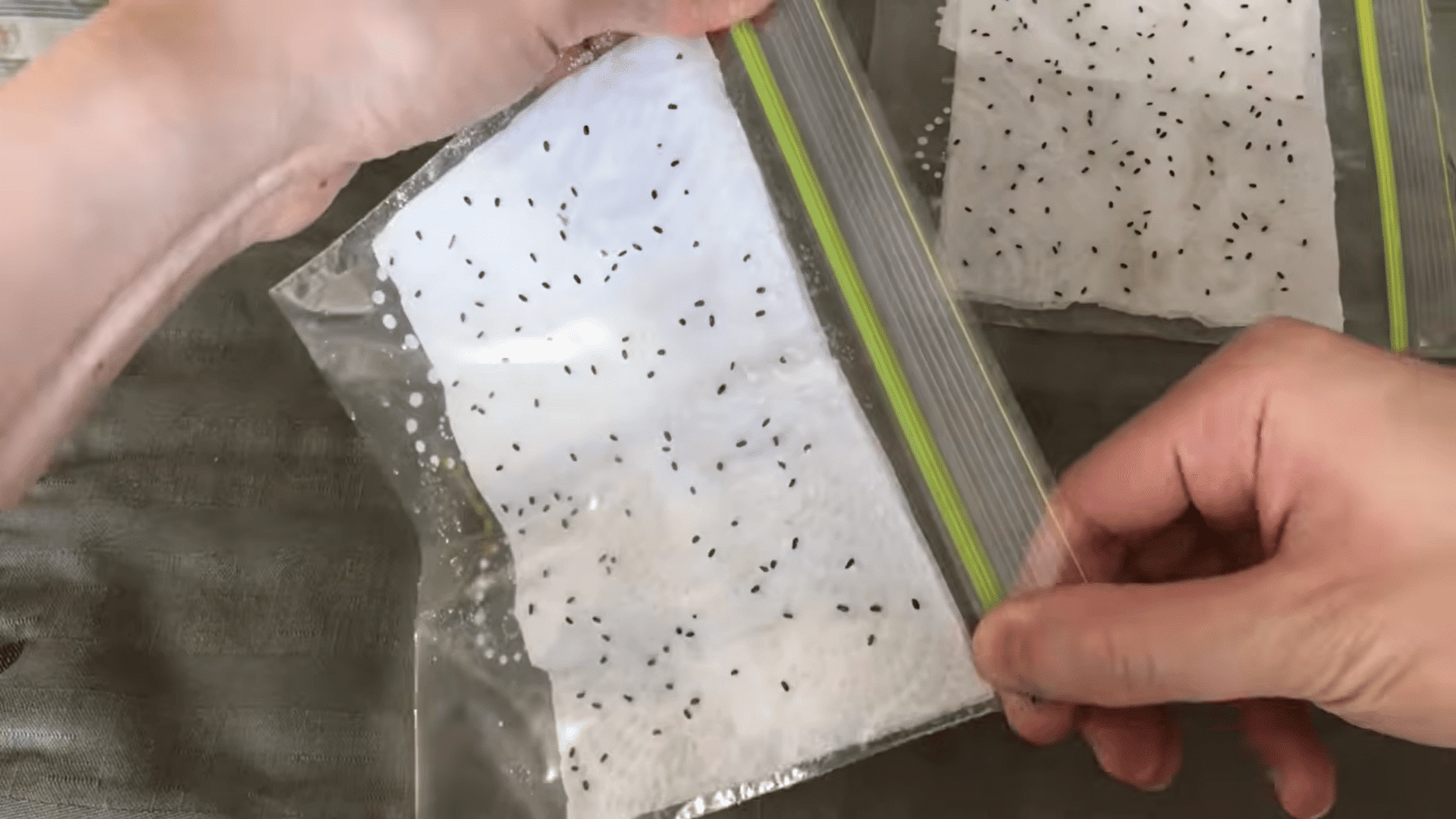
Carefully place the damp paper towel inside a ziplock bag and seal it tightly. Put the bag in the refrigerator for about 2 to 4 weeks.
This process is called cold stratification, and it helps lavender seeds break dormancy before planting.
Check the bag every few days to make sure the paper towel stays lightly damp. If it starts drying out, spray a little more water inside.
Cold stratification can improve germination rates and help seeds sprout more evenly. After a few weeks, some seeds may begin showing tiny white sprouts.
4. Pick Out the Sprouts With Toothpicks
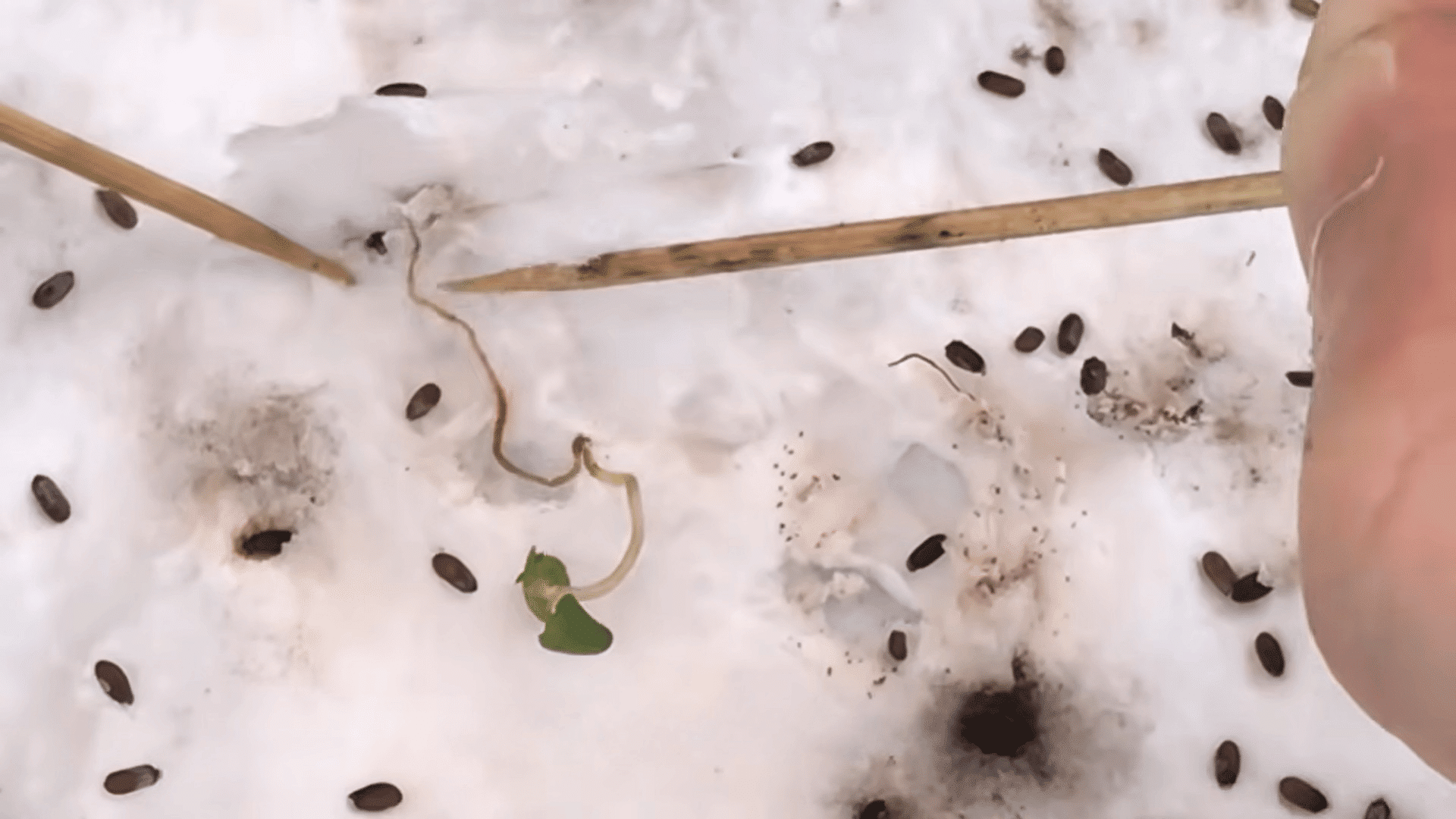
Once the seeds begin sprouting, use a clean toothpick to lift them gently from the paper towel.
Lavender sprouts are small and delicate, so handling them carefully is important. Using fingers can sometimes damage the tiny roots before planting.
Move slowly and pick up one sprout at a time. If the sprouts stick slightly to the towel, loosen them gently instead of pulling hard.
Healthy sprouts usually have tiny white roots forming. This step prepares the seedlings for moving into the soil, where they can continue growing safely.
5. Plant the Sprouts in the Container
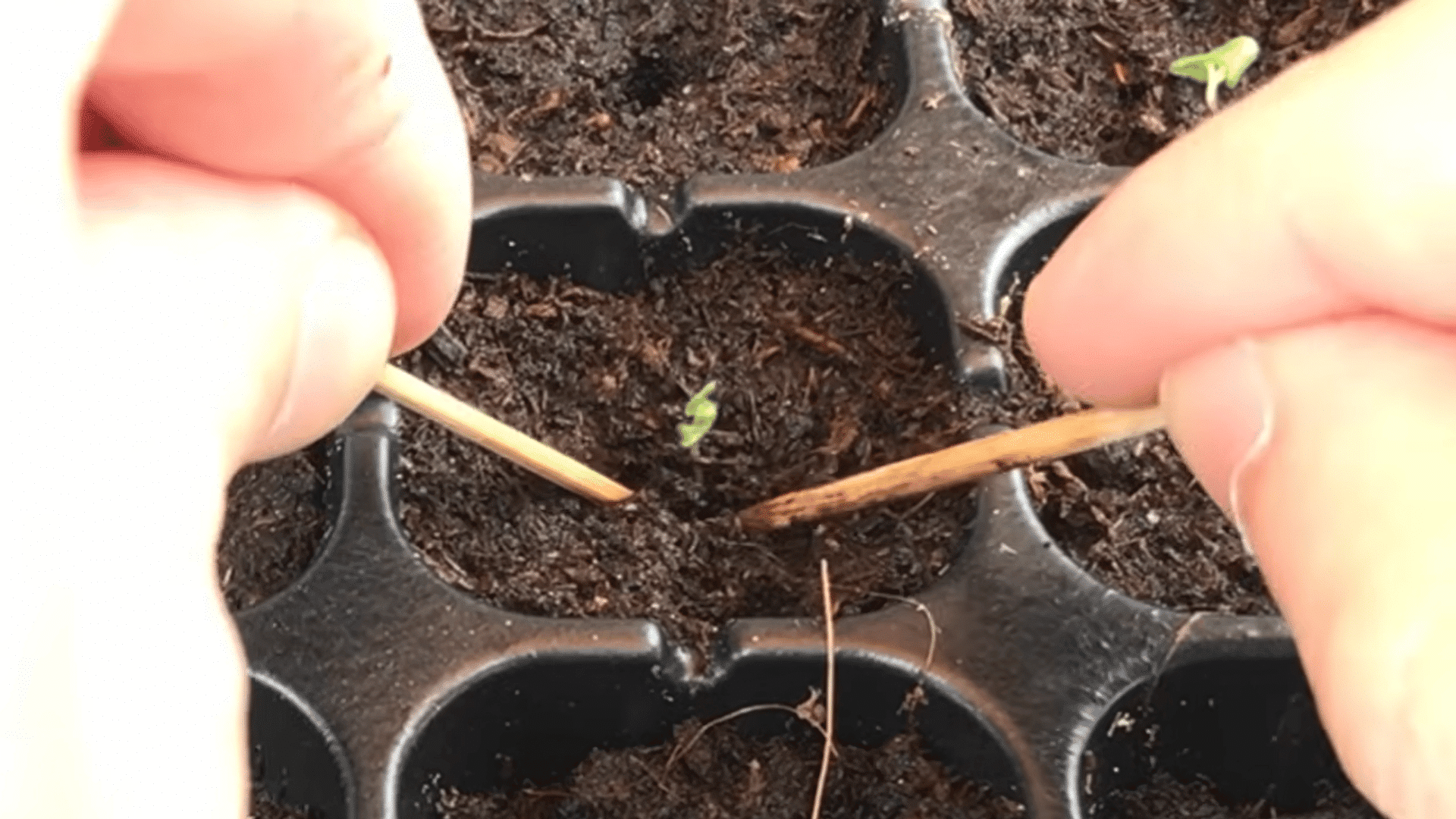
Fill small pots or seed trays with light, well-draining soil before planting the sprouts. Make a small hole in the soil and place each sprout carefully inside.
Cover the roots lightly without packing the soil too tightly. Lavender seedlings need loose soil so the roots can grow properly.
Keep some space between seedlings if you plant more than one in the same tray. Good drainage is important because lavender does not grow well in soggy soil.
After planting, place the containers in a warm, bright spot each day.
6. Add Water
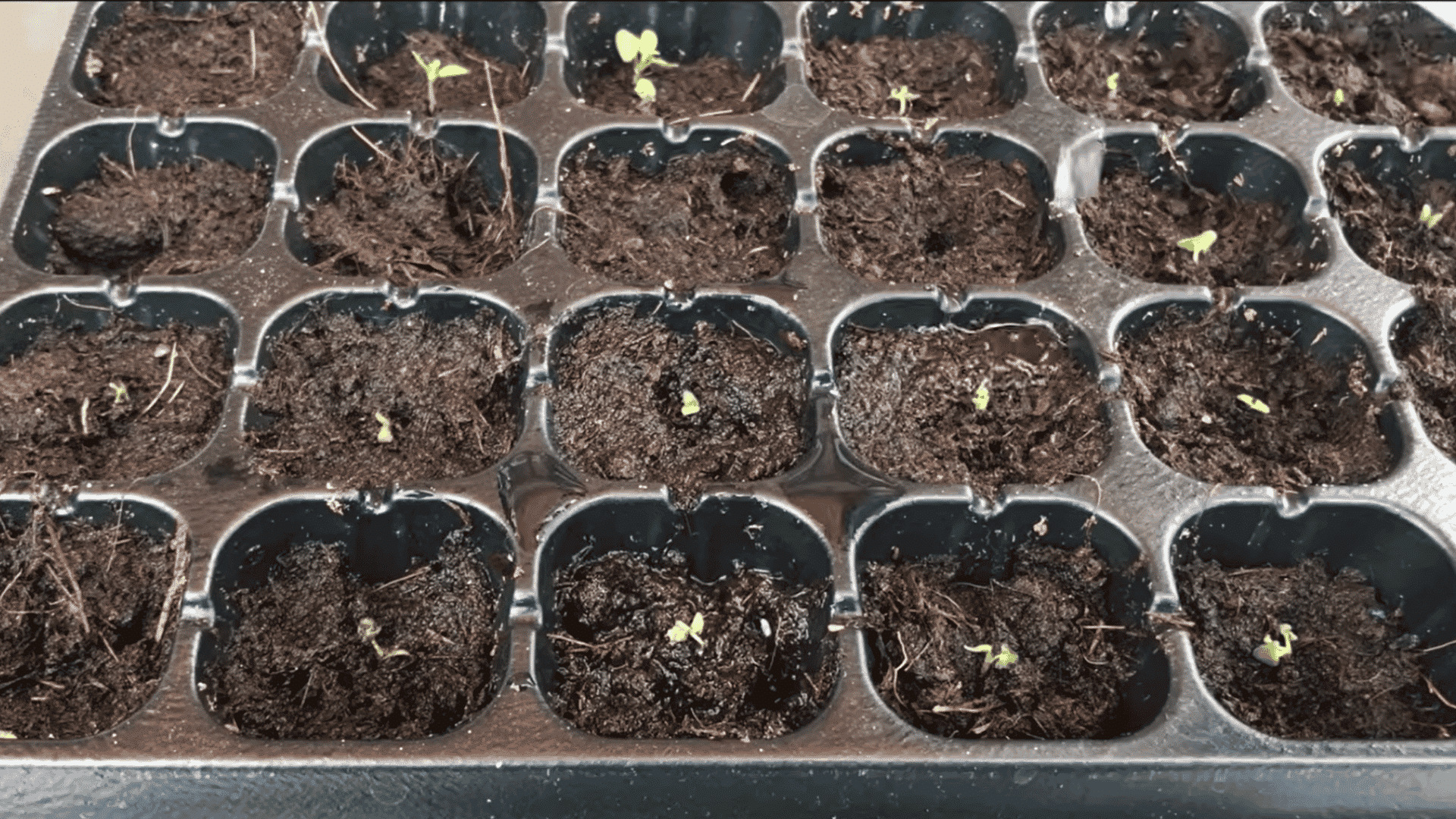
After planting the sprouts, water the soil gently so it settles around the roots. A spray bottle or small watering can works best because a strong watering can disturb the young seedlings.
Keep the soil lightly moist while the plants are still small, but avoid letting it stay wet for long periods.
Lavender seedlings do not like too much moisture around their roots. Overwatering is one of the most common problems when growing lavender from seed.
Try checking the soil often and only add water when the surface begins feeling slightly dry.
7. They Should Look Like This After 4–6 Weeks
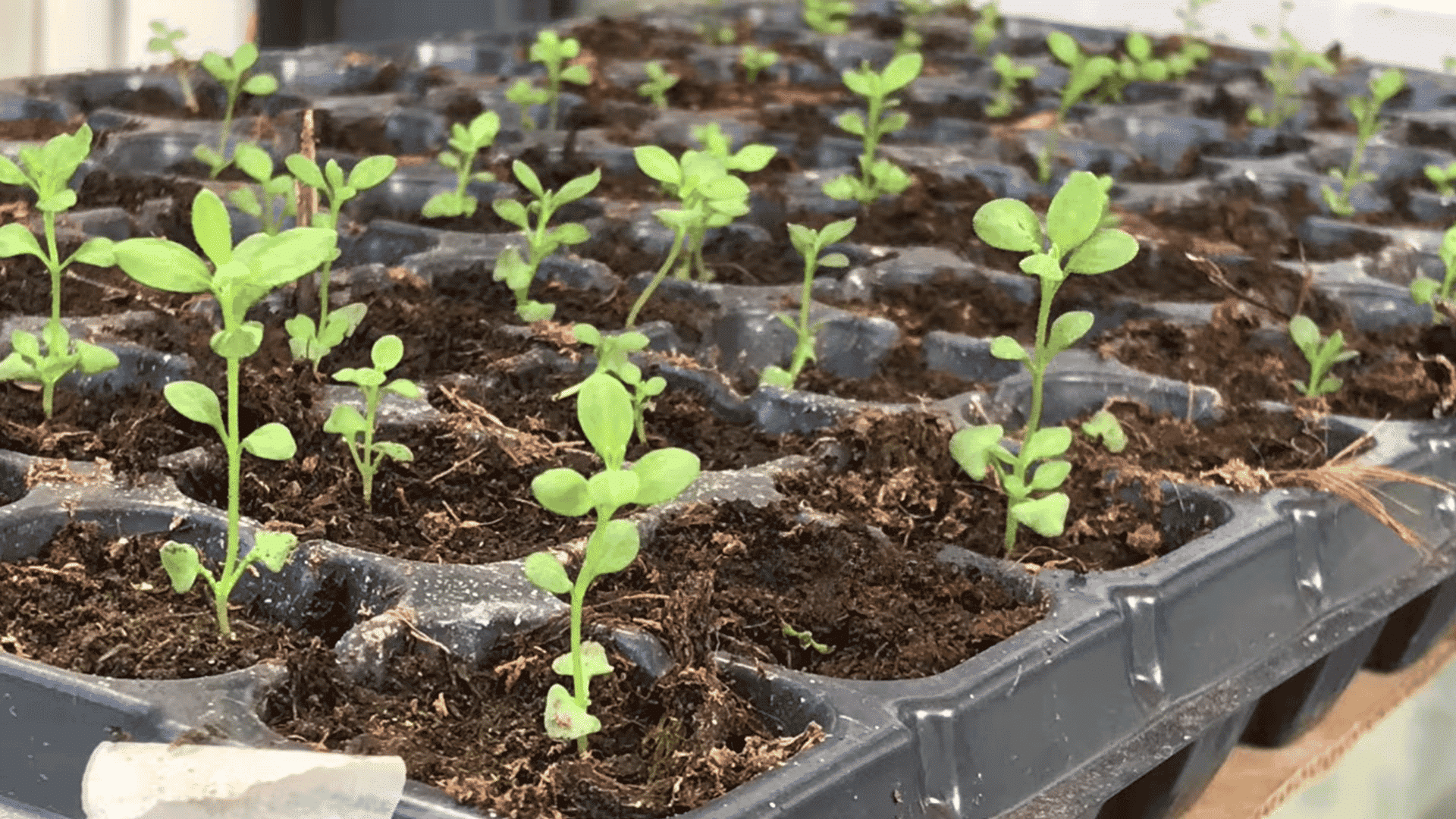
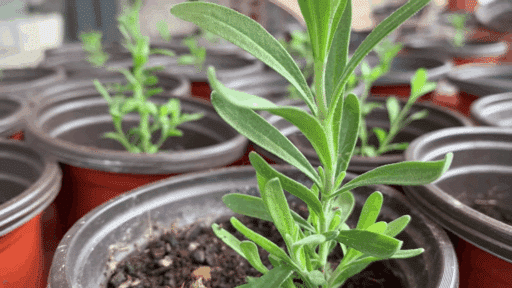
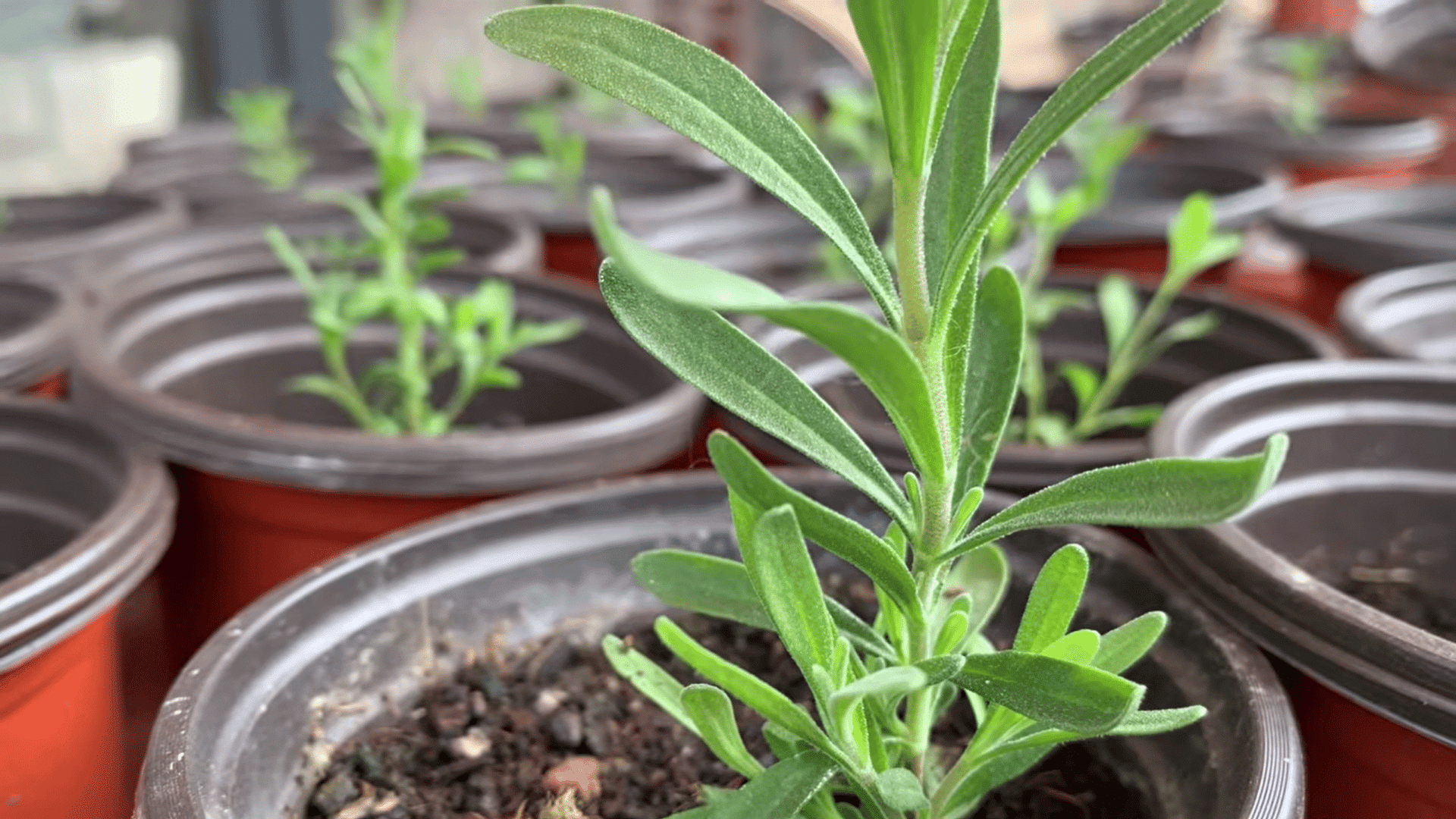
After about 4 to 6 weeks, the seedlings should look taller and healthier with several small leaves.
Growth may still seem slow at this stage, but that is normal for lavender. Keep giving the plants sunlight and steady care while the roots continue developing.
Some seedlings may grow faster than others, so do not worry if the sizes are uneven. Strong lavender seedlings usually have firm stems and healthy green leaves.
If the plants start leaning, they may need more sunlight or better airflow around the containers during indoor growing.
8. Use a Trowel to Take Out the Seedlings
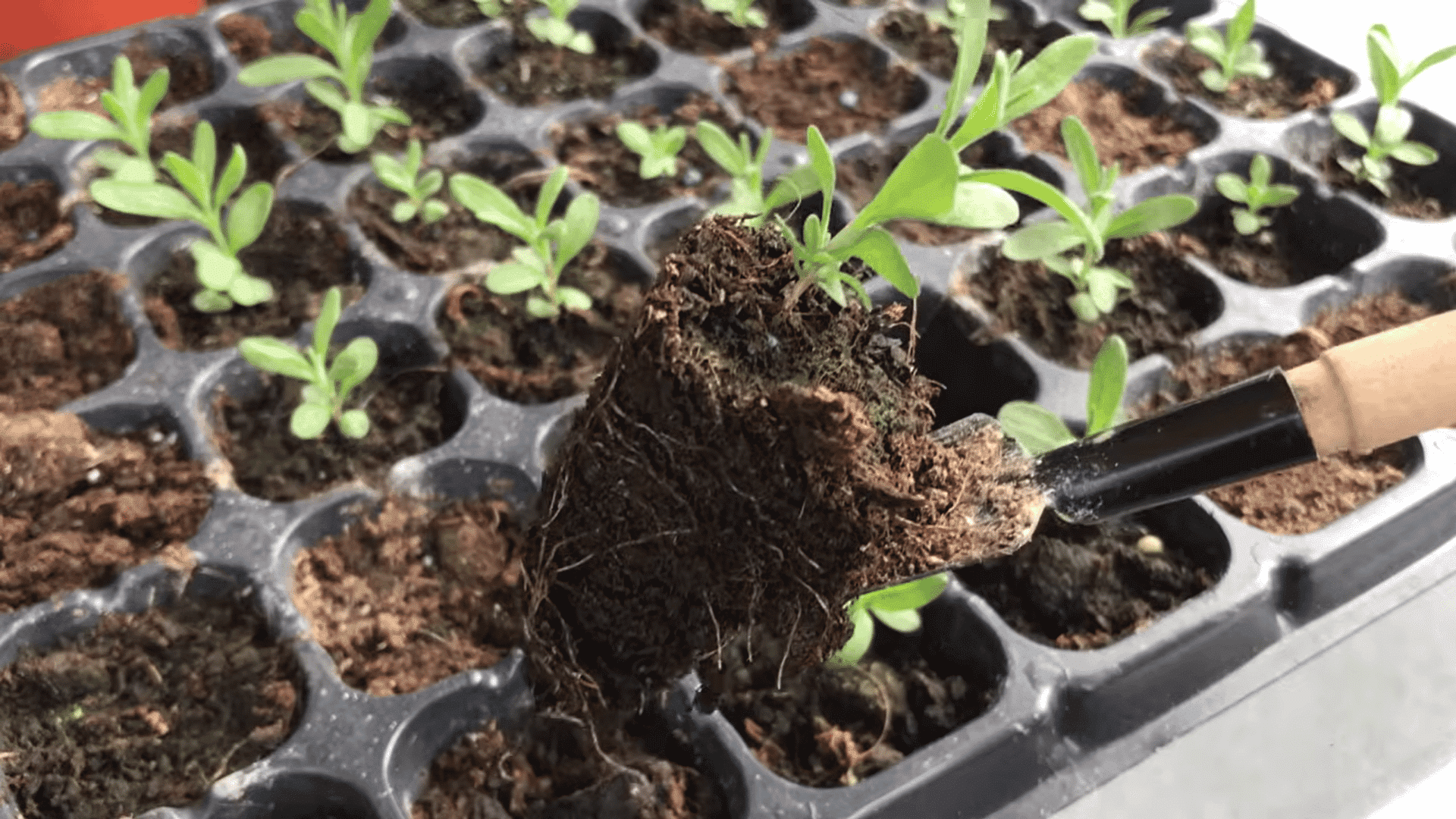
Once the seedlings become larger, use a small trowel to lift them from the container carefully.
Try keeping as much soil around the roots as possible during this step. Pulling seedlings directly by the stem can damage the plant and slow future growth.
Loosen the soil gently around the roots before lifting each plant. Healthy roots help lavender adjust better after transplanting.
If several seedlings are growing close together, separate them slowly so the roots do not break apart too much while moving them into larger containers or garden beds.
9. Transplant Into Bigger Pots
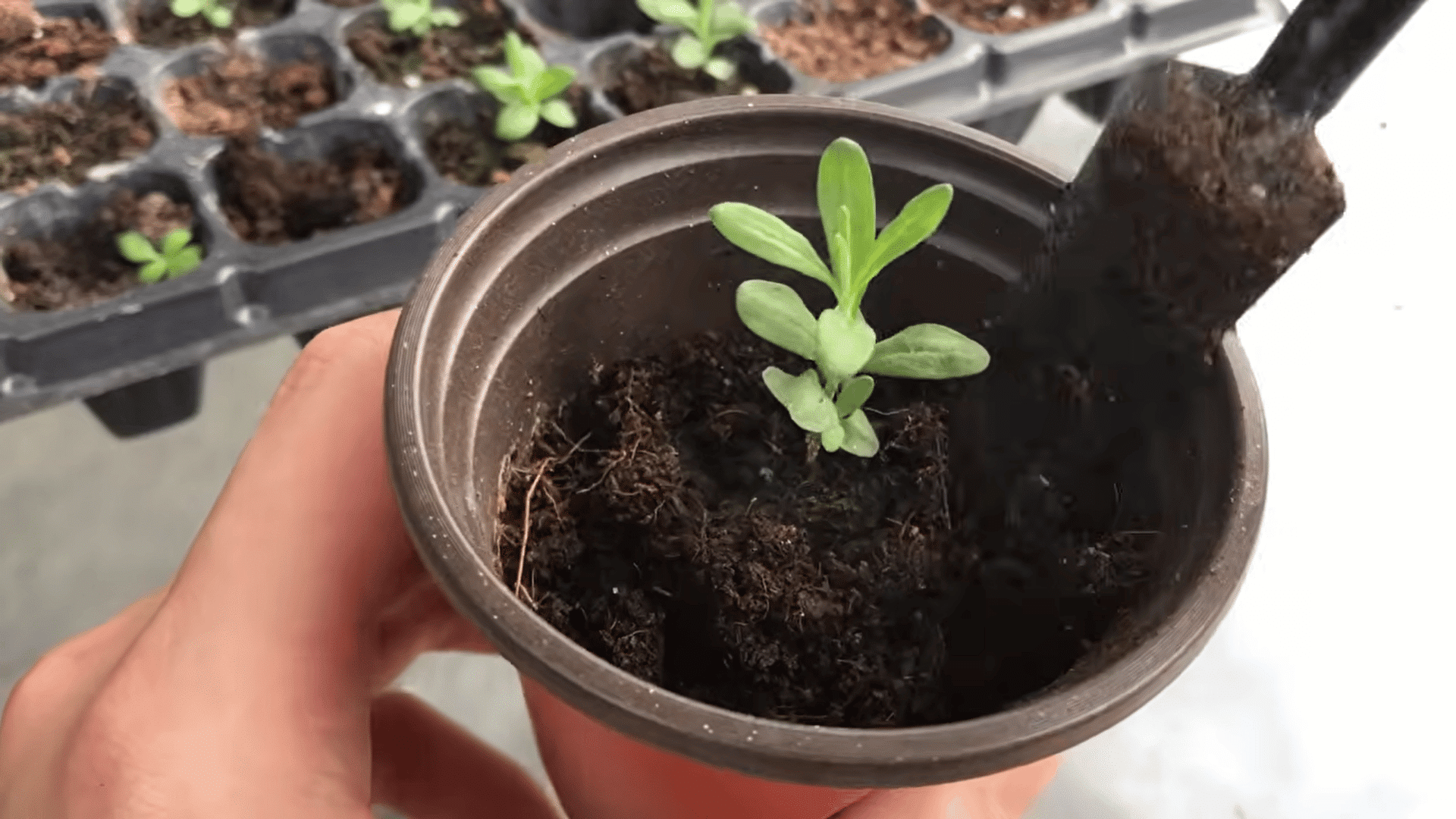
Move the seedlings into larger pots once they outgrow the smaller trays or containers.
Use fresh soil with good drainage so the plants have room to continue growing. Larger pots help the roots spread out and become stronger over time.
Place the plants at the same soil depth they were growing before. After transplanting, water them lightly and place them in a sunny area.
Lavender plants need several hours of sunlight each day for healthy growth. Give the seedlings time to adjust before moving them too often.
10. Your Plants Are Ready
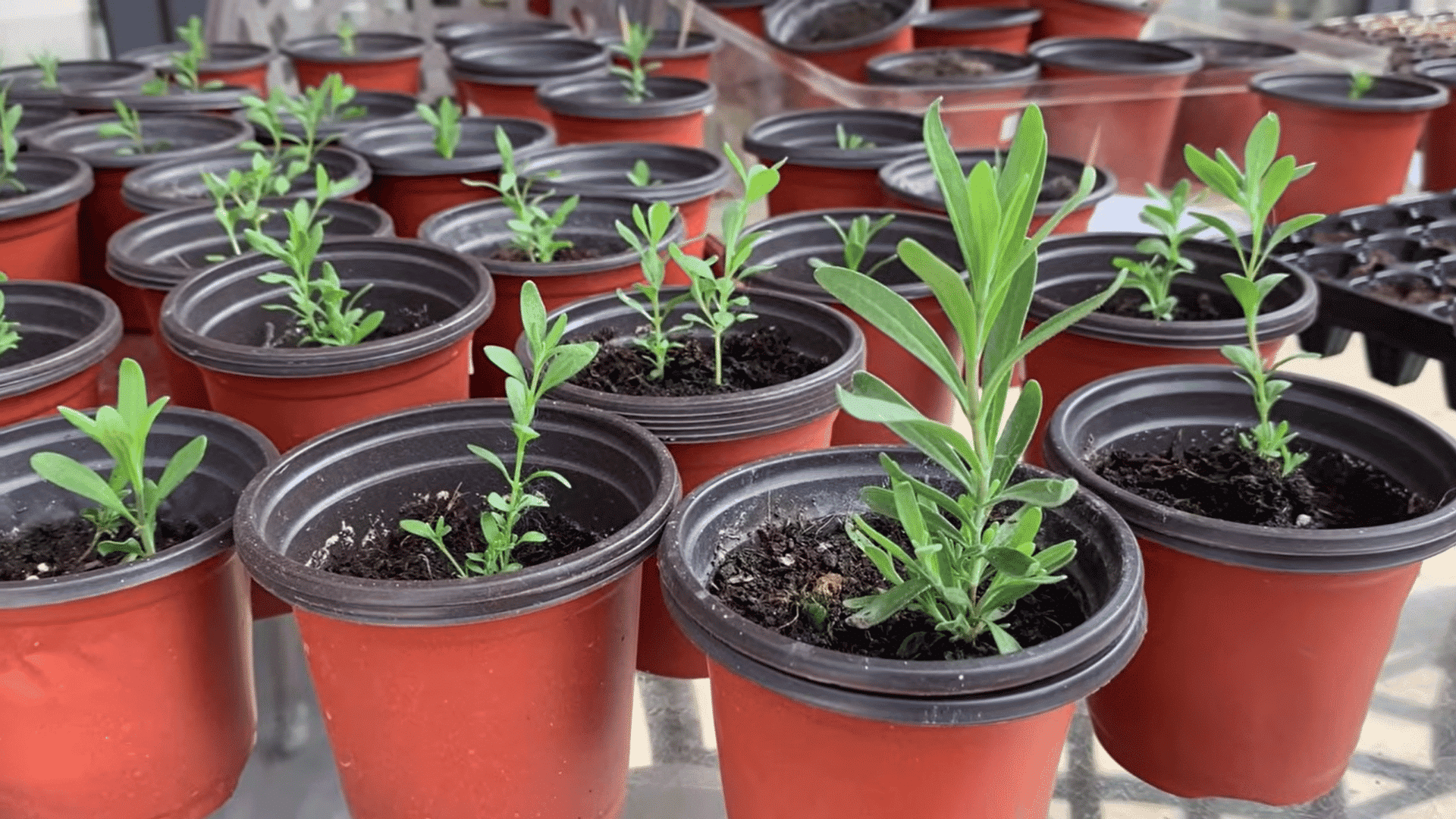
As the lavender plants continue growing, they will become stronger and easier to care for. At this stage, you can keep them in pots or transplant them outdoors if the weather is warm enough.
Continue watering carefully and avoid keeping the soil too wet. Pruning lightly later can also help the plants stay fuller and healthier.
Established lavender plants become more drought-tolerant over time.
With steady sunlight and proper drainage, your lavender can continue growing for years and produce fragrant flowers during the growing season.
Watch the step-by-step video by Grow With Matthew below to see how to grow lavender from seed from start to finish.
Common Problems When Growing Lavender From Seed
Lavender seeds can take time to grow, and small problems are common during the early stages. Most issues are easy to fix once you know what to watch for.
| Problem | Solution |
|---|---|
| Seeds Not Germinating | Keep seeds in cold stratification for 2–4 weeks and provide enough warmth and light after planting. |
| Weak or Leggy Seedlings | Move seedlings closer to sunlight or use a grow light for stronger growth. |
| Overwatering the Soil | Water lightly and let the top layer of soil dry slightly before watering again. |
| Mold on Soil or Paper Towels | Improve airflow and avoid keeping the soil or paper towels too wet. |
| Slow Growth | Be patient and continue giving steady light, warmth, and proper watering. |
| Seedlings Dying After Transplanting | Wait until the seedlings grow stronger and handle the roots carefully during transplanting. |
Tips to Care for Lavender Seedlings
Young lavender plants need steady care while their roots and stems develop. Small adjustments in light, water, and airflow can help seedlings grow stronger over time.
- Give Seedlings Plenty of Light: Lavender seedlings need several hours of bright sunlight or grow light exposure each day. Seedlings that look thin or bent usually need more light.
- Water Carefully: Keep the soil lightly moist without making it soggy. Let the top layer dry slightly before watering again.
- Improve Airflow Around the Plants: Good airflow helps lower the chance of mold and keeps seedlings healthier. Avoid placing containers too close together.
- Keep Temperatures Stable: Lavender seedlings grow better when temperatures stay steady. Try keeping them away from cold drafts or direct heat sources.
- Rotate Containers Regularly: Turn the pots every few days so all sides of the seedlings get even light and grow straighter.
- Harden Off Seedlings Slowly: Before moving plants outdoors, let them adjust to outside conditions little by little over several days.
Mistakes to Avoid When Growing Lavender From Seed
Small mistakes can slow down growth or damage young lavender plants. Paying attention to these common issues can help you grow healthier seedlings with fewer problems.
| Mistake | Why You Should Avoid It |
|---|---|
| Overwatering the Soil | Lavender roots can rot if the soil stays too wet for long periods. |
| Skipping Cold Stratification | Seeds may germinate slowly or unevenly without proper cold treatment. |
| Using Heavy Soil | Dense soil holds extra moisture and limits healthy root growth. |
| Giving Seedlings Too Little Light | Weak and stretched seedlings often occur when plants do not get enough sunlight. |
| Planting Seeds Too Deep | Lavender seeds need light contact with soil, so deep planting can stop germination. |
| Transplanting Too Early | Young seedlings can become stressed if moved before the roots are strong enough. |
| Crowding Too Many Seedlings Together | Poor airflow between seedlings can increase mold and slow healthy growth. |
At the End
Growing lavender from seed takes time, patience, and steady care, but the results can be very rewarding.
Once your plants become established, you can enjoy beautiful flowers, a calming fragrance, and a low-maintenance plant that lasts for years.
The process may feel slow at first, especially during germination, but small daily steps can make a big difference over time.
By using the right soil, giving seedlings enough light, and avoiding common mistakes, you can grow stronger and healthier lavender plants with more confidence.
Even if a few seeds do not sprout, that is a normal part of gardening and a chance to learn what works best for you.
Have you tried growing lavender from seed before? Share your experience, tips, or questions in the comments below.
Frequently Asked Questions
Can You Just Scatter Lavender Seeds?
Yes, you can scatter lavender seeds, but germination may be uneven. Lavender seeds grow better when lightly pressed into well-draining soil and given steady moisture, warmth, and sunlight during early growth stages.
What is the 8 8 8 Rule for Lavender?
The 8 8 8 rule usually means giving lavender 8 hours of sunlight, spacing plants 8 inches apart, and watering carefully. It helps support healthy growth, airflow, and root development.
Is October Too Late to Plant Lavender?
October may be too late in colder climates because young lavender plants can struggle before winter arrives. In warm regions, fall planting can still work if temperatures stay mild enough.
What Should Not be Planted Next to Lavender?
Avoid planting lavender near moisture-loving plants like mint, basil, or hostas. Lavender prefers dry, well-draining soil, while those plants usually need more water and richer growing conditions.
What Bug Does Lavender Attract?
Lavender mainly attracts helpful pollinators like bees and butterflies because of its fragrant flowers. It may also attract some small garden insects, but it is more commonly known for repelling pests.

With a Master’s in Landscape Architecture from the University of Virginia, Sophia Stephenson has dedicated the last 20 years to creating and maintaining vibrant outdoor spaces. Her professional journey started in landscape design, where she gained a reputation for innovative and sustainable approaches. Sophia became a part of our editorial team as a freelancer in 2019, offering a fresh perspective on outdoor living. Since 2020, she has been the chief for our outdoor design content, blending aesthetic appeal with environmental stewardship. In her leisure time, Sophia is a keen photographer, capturing the beauty of natural landscapes, a hobby that complements her professional expertise.