Pothos is one of the easiest houseplants to grow, which is why it has become a favorite in homes, apartments, and offices.
Its trailing vines, heart-shaped leaves, and low-maintenance nature make it appealing even for people who have struggled to keep plants alive.
Beyond its appearance, many people are interested in pothos plant benefits, including how it can improve indoor spaces and create a more relaxing environment.
It can thrive in different lighting conditions, grow quickly, and add a touch of nature to almost any room. Whether placed on a shelf, desk, or hanging basket, pothos offers a simple way to bring greenery indoors.
This guide covers the main benefits, popular types of pothos, practical uses, care tips, and common mistakes to help you get the most from this versatile plant.
What is a Pothos Plant and Why is it So Popular?
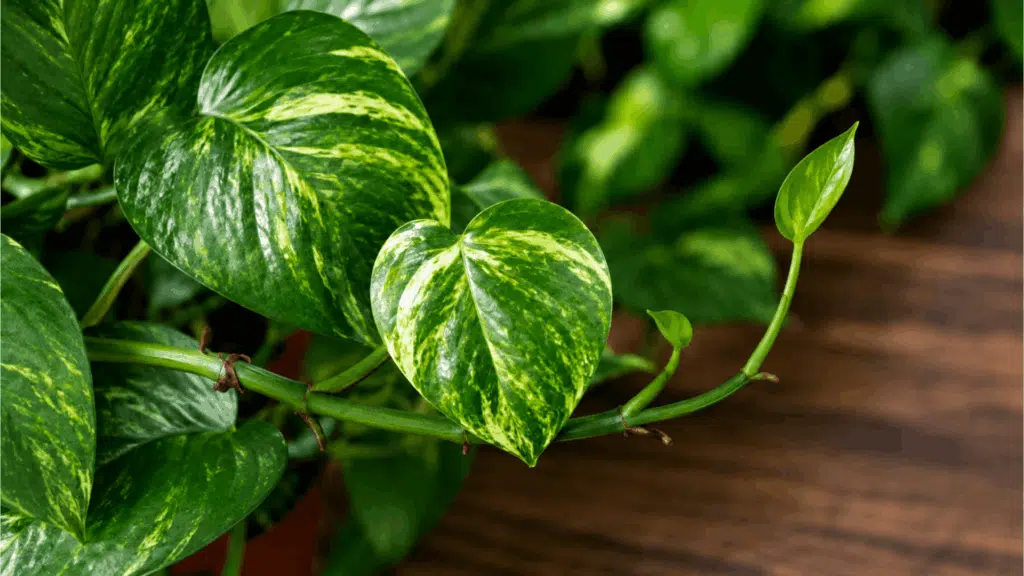
A pothos plant is a popular indoor vine known for its heart-shaped leaves and easy-care nature. It can grow in hanging baskets, pots, shelves, or even trail down bookcases.
Many beginners love pothos because it does not need perfect conditions to survive. It can handle low to bright indirect light and does not need constant watering.
This makes it a great choice for busy people, small apartments, offices, and first-time plant owners. Another reason pothos is so popular is its natural beauty.
The trailing vines can make any corner feel fresher and more inviting. With many types of pothos available, it is easy to find one that matches your home style.
Key Facts About Pothos:
- Scientific Name: Epipremnum aureum
- Plant Type: Tropical trailing vine
- Common Names: Pothos, Devil’s Ivy
- Family: Araceae
- Light Requirements: Low to bright indirect light
- Watering Needs: Water when the top inch of soil feels dry
- Pet Safety: Toxic if chewed by cats and dogs
- Lifespan: Can live for many years with proper care
The Biggest Benefits People Love About Pothos Plants
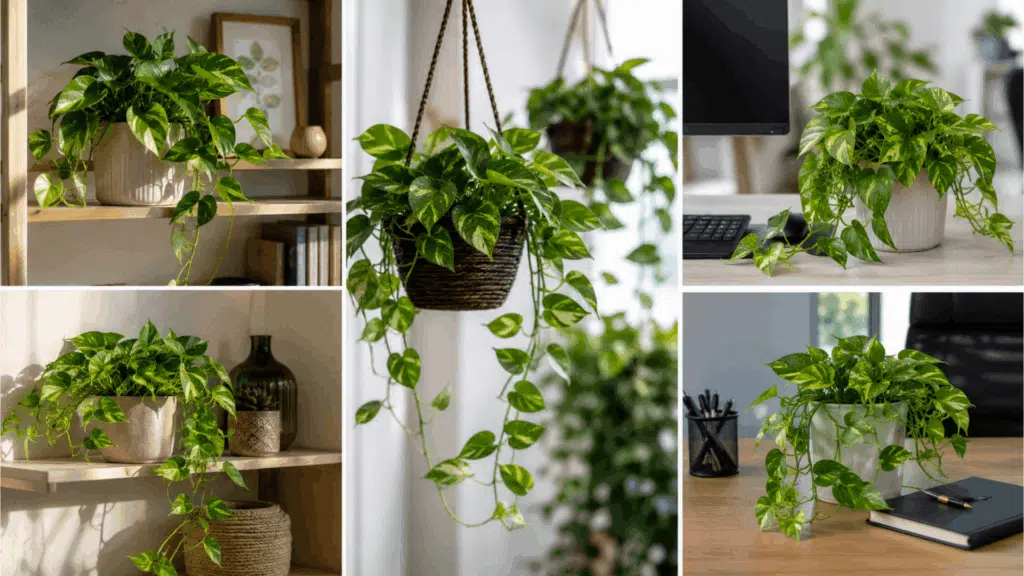
Pothos is loved because it gives a lot without asking for much in return. This plant is easy to grow, adapts well to different rooms, and adds a fresh green touch to your home.
It is also a smart choice for beginners because it forgives small care mistakes, like missed watering or imperfect light.
Many people use pothos to brighten shelves, desks, corners, and hanging planters.
It also grows fast, which makes it fun to watch over time. From small apartments to busy offices, pothos fits almost anywhere.
These pothos plant benefits make it one of the most practical and beginner-friendly houseplants you can bring indoors.
1. Easy to Grow for Beginners
Pothos is one of the easiest plants for beginners because it does not need daily attention.
It can handle missed watering, average room conditions, and different light levels better than many houseplants.
This makes it great for people who are new to indoor plants or worry about keeping plants alive. With basic care, pothos can grow steadily and look healthy.
2. Thrives in Different Light Conditions
One major pothos plant benefit is its ability to handle different light conditions.
It grows best in bright, indirect light, but it can also survive in lower light areas. This makes it useful for bedrooms, offices, hallways, and apartments with limited sunlight.
Just avoid strong direct sun, which can burn the leaves and cause fading.
3. Adds Natural Beauty to Any Room
Pothos adds natural beauty to almost any room with very little effort.
Its trailing vines and heart-shaped leaves bring color, texture, and a fresh look to shelves, desks, cabinets, and plant stands.
The plant blends easily with different decorating styles, from modern and minimalist to cozy and traditional. Even a small pothos can brighten an empty corner and make a space feel warmer, more inviting, and full of life.
4. Helps Create a Relaxing Environment
Pothos can help make a room feel calmer and more peaceful by adding a soft natural touch.
Its green leaves and trailing vines can soften plain walls, sharp corners, and busy workspaces.
Many people place pothos near desks, reading spots, or bedrooms for a fresh and gentle feel. It is an easy way to make your home feel more relaxing, cozy, and connected to nature.
5. Suitable for Small Apartments and Offices
Pothos works well in small spaces because it does not need a large floor area. You can place it on a shelf, hang it from a basket, or let it trail from a cabinet.
It is also a good office plant because it handles indoor lighting and irregular care. This makes it useful for apartments, dorms, and work desks.
6. Fast Growing and Easy to Propagate
Pothos grows quickly when it gets enough indirect light and occasional watering.
Its vines can become long, full, and beautiful, which makes the plant fun and rewarding to care for. Another great benefit is how easy it is to propagate.
You can cut a healthy stem below a node, place it in water or soil, and watch new roots grow. This makes it easy to create more plants from one.
7. Can Be Displayed in Many Ways
Pothos is easy to style because it works in many displays. You can grow it in hanging baskets, ceramic pots, wall planters, glass jars, or on open shelves.
Its vines can trail down beautifully or climb upward with support. This flexibility makes it easy to match different home styles.
Depending on the container and placement, pothos can look casual, cozy, elegant, modern, or natural.
8. Budget-Friendly Houseplant
Pothos is usually affordable and easy to find at garden centers, plant shops, and even grocery stores.
Since it grows quickly and propagates easily, one plant can turn into several over time. This makes it a budget-friendly choice for anyone who wants more greenery at home without spending too much money.
Which Types of Pothos are Best for Your Home?
Choosing the right pothos depends on your room style, light level, and how bold you want the plant to look.
Some types of pothos are bright and colorful, while others feel soft, simple, or more unique. Golden Pothos is often a good choice for beginners because it grows quickly and handles a range of conditions well.
Marble Queen and Pearls and Jade look more decorative but may need brighter indirect light to keep their patterns.
Neon Pothos is great if you want a pop of color, while Jade Pothos is simple and classic. Cebu Blue stands out with its cool blue-green leaves. Each type has its own charm, so the best choice depends on your space.
1. Golden Pothos
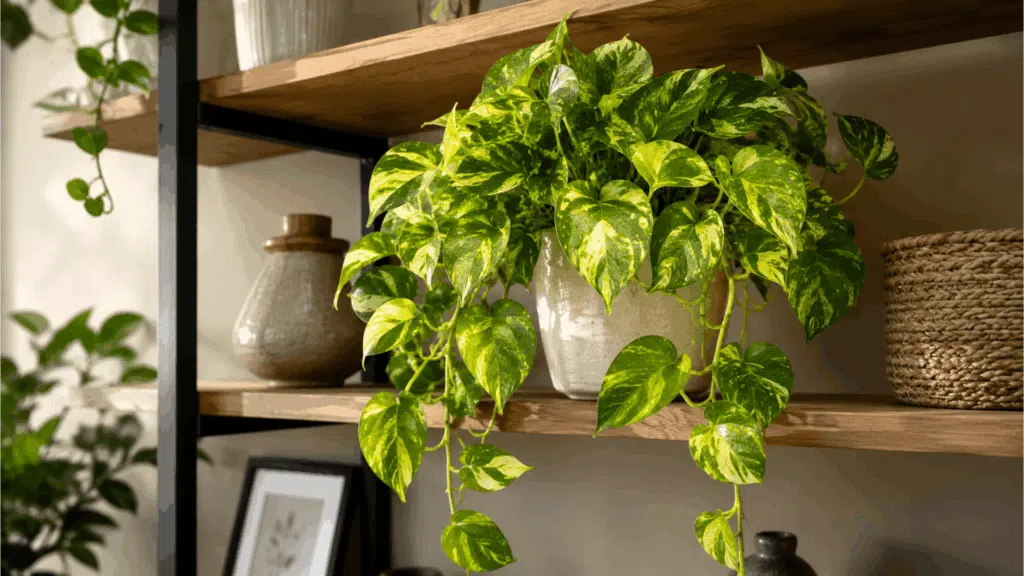
Golden Pothos is the most popular and beginner-friendly pothos variety. Its green leaves are marked with golden-yellow streaks that add color and interest to any room.
It grows quickly, adapts well to different indoor conditions, and does not require much attention.
Because it is easy to care for and widely available, Golden Pothos is often the first choice for new plant owners.
- Leaf color: Green with yellow variegation
- Best for: Beginners
- Light needs: Low to bright indirect light
- Growth: Fast and easy
2. Marble Queen Pothos
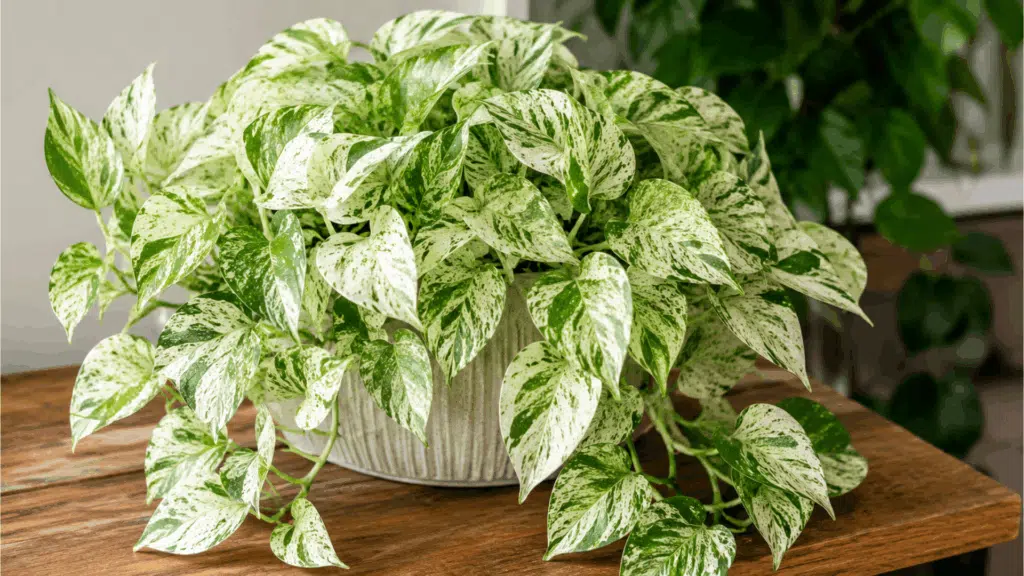
Marble Queen Pothos is loved for its striking green and creamy white variegated leaves. The beautiful patterns give it a more decorative and elegant appearance than standard pothos varieties.
It grows a bit slower because of its high variegation and prefers bright indirect light to maintain its leaf color.
This variety is ideal for bright rooms where its unique foliage can stand out.
- Leaf color: Green and creamy white
- Best for: Bright rooms
- Light needs: Bright indirect light
- Growth: Slower than Golden Pothos
3. Neon Pothos
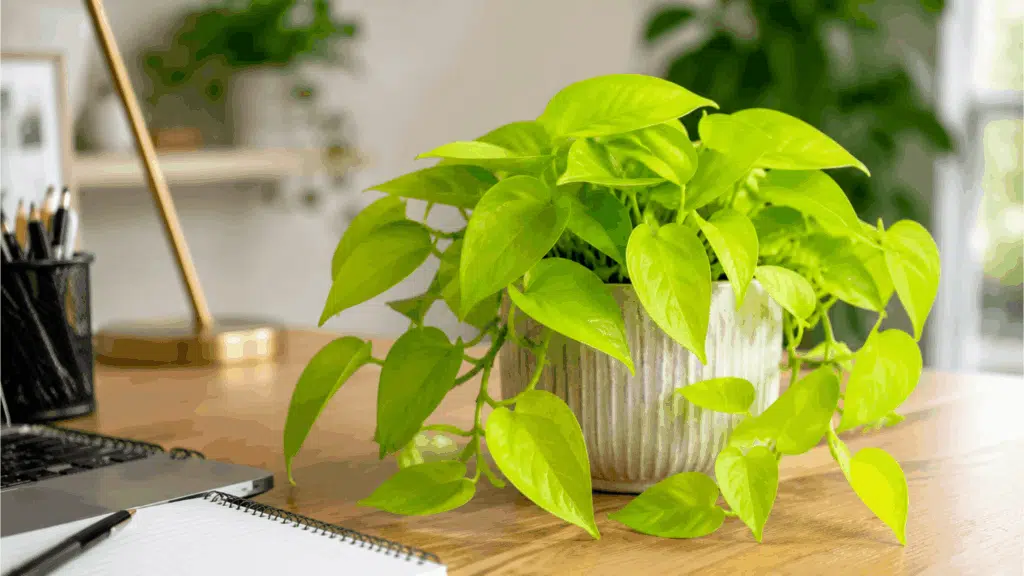
Neon Pothos is easy to recognize because of its vibrant lime-green leaves.
The bright color adds energy and freshness to indoor spaces, making it a great accent plant for shelves, desks, and plant corners.
It grows quickly under proper conditions and is just as easy to care for as other pothos varieties. Its bold color makes it a favorite among plant lovers.
- Leaf color: Bright lime green
- Best for: Colorful indoor decor
- Light needs: Medium to bright indirect light
- Growth: Fast in good light
4. Jade Pothos
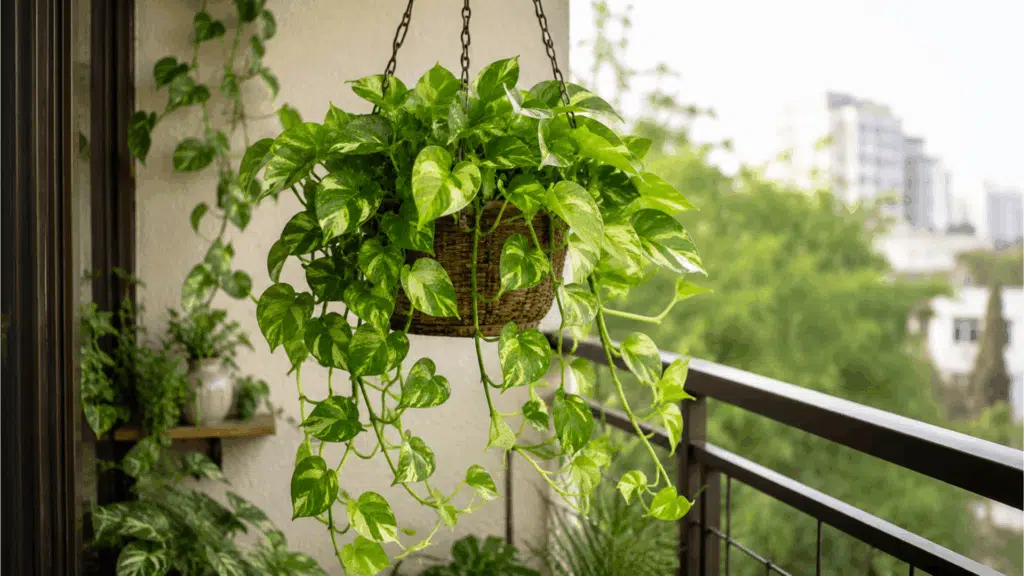
Jade Pothos features solid dark green leaves with no variegation, giving it a clean and classic appearance.
It is one of the most adaptable pothos varieties and can tolerate lower light conditions better than many patterned types.
Its simple look works well with almost any decorating style. Jade Pothos is a dependable choice for homes, apartments, and office spaces.
- Leaf color: Solid dark green
- Best for: Simple home decor
- Light needs: Low to medium indirect light
- Growth: Steady and reliable
5. Manjula Pothos
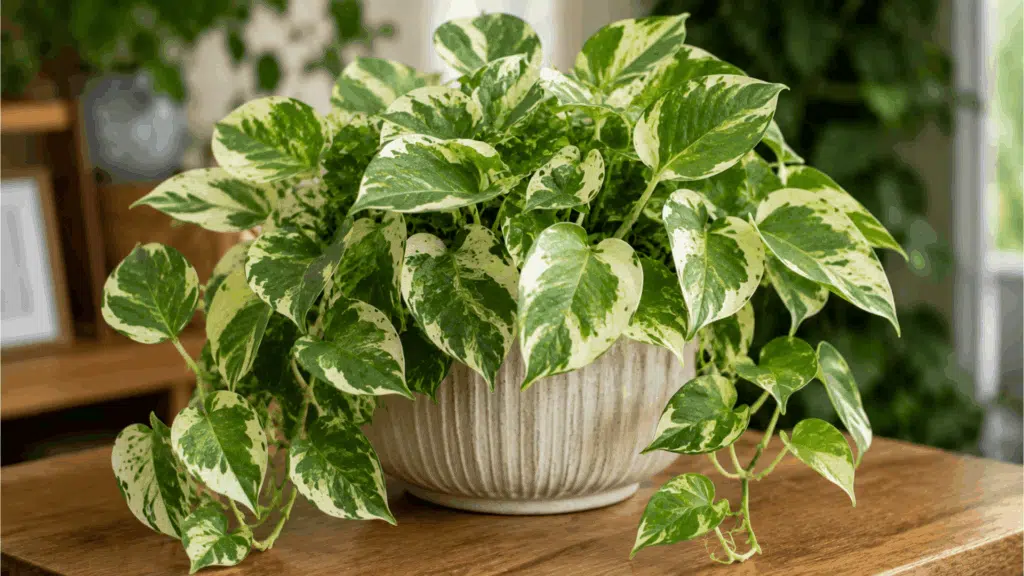
Manjula Pothos stands out with its broad, wavy leaves covered in unique patterns of green, cream, and white.
No two leaves look exactly alike, which gives the plant extra visual appeal. It grows more slowly than some pothos varieties but rewards owners with beautiful foliage.
This variety works best in bright indirect light and makes an eye-catching decorative plant.
- Leaf color: Green, cream, and white
- Best for: Decorative plant displays
- Light needs: Bright indirect light
- Growth: Slow to moderate
Here are Some Creative Ways to Decorate with Pothos Plants
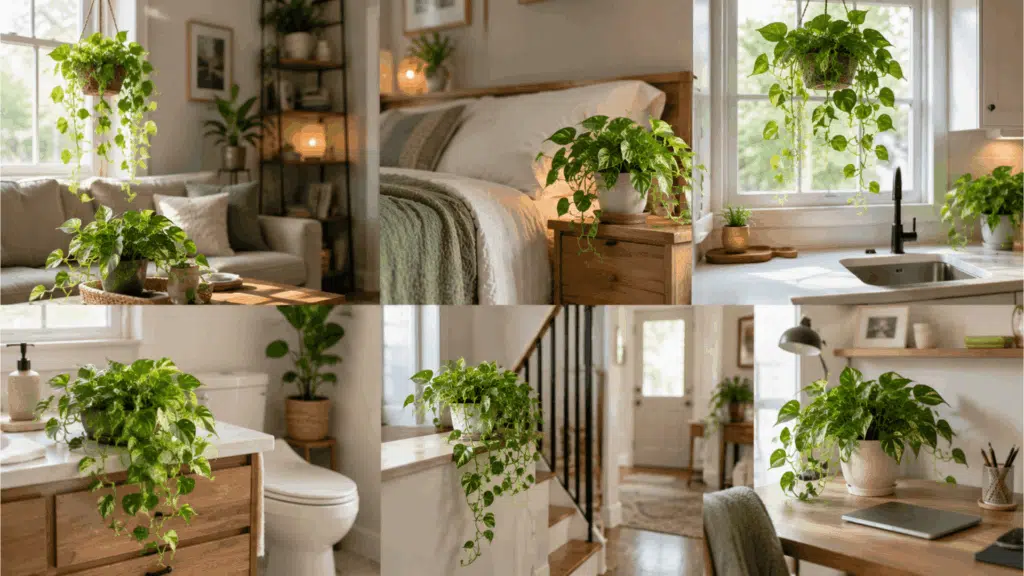
One of the best pothos plant benefits is its versatility in home décor. Its trailing vines and attractive leaves make it easy to style in almost any room.
Even if your home is modern, cozy, minimalist, or traditional, pothos can blend in naturally. It works well in small spaces and large rooms alike, adding greenery without taking up much space.
The plant can be displayed in creative ways to highlight empty corners, shelves, walls, and work areas. Here are some of the most popular ways to decorate with pothos.
- Hanging Baskets: Hanging baskets are one of the easiest ways to display pothos. The vines can trail down naturally, creating a soft and full look. This works well near windows, in living rooms, bedrooms, or covered patios. It also saves shelf and floor space, making it a smart choice for small homes, apartments, and offices.
- Floating Shelves: Floating shelves provide the perfect place for pothos to shine. As the vines grow, they can cascade down the shelf, adding texture and movement to the wall. This simple styling idea helps make empty walls feel more interesting while keeping the room organized and clutter-free.
- Bookshelves: Pothos looks beautiful on bookshelves because its trailing vines soften the appearance of books, frames, and decorative items. It can fill empty spaces between objects and add a fresh touch of greenery. This is an easy way to make a bookshelf feel warmer, more inviting, and visually balanced.
- Wall Planters: Wall planters are a great solution for displaying pothos when space is limited. They add greenery to walls without taking up floor or shelf space. The trailing vines create a living wall effect that feels stylish and modern. This idea works especially well in apartments and smaller rooms.
- Office Desks: A small pothos plant can instantly improve the look of a workspace. It adds color and life without requiring much room or maintenance. Since pothos handles indoor lighting well, it is a popular choice for office desks. It can help make work areas feel more welcoming and less plain.
- Plant Stands: Plant stands help turn pothos into a decorative focal point. Raising the plant allows the vines to trail freely, creating a fuller and more dramatic display. Plant stands also make it easier to place pothos near the right light source while adding height and visual interest to a room.
Beyond Beauty: Here are the Health Benefits of a Pothos Plant
Pothos is not a medical treatment, but it can support a healthier and more comfortable indoor space in simple ways.
Its green leaves may help freshen the look of a room and create a calmer atmosphere. Like many houseplants, pothos may also support indoor air quality on a small scale, though it should not replace fresh air or regular cleaning.
It can add slight moisture to the air through transpiration and make workspaces, bedrooms, and living areas feel more relaxing.
Many people also find that caring for plants helps them feel more connected to nature.
Just remember that pothos is toxic if eaten, so keep it away from pets and young children.
| Health Benefit | How Pothos May Help |
|---|---|
| Indoor air support | May help freshen indoor spaces on a small scale |
| Calmer mood | Green leaves can make rooms feel more peaceful |
| Slight humidity boost | Releases small amounts of moisture through transpiration |
| Better workspace feel | Makes desks and offices feel less plain |
| Nature connection | Brings a natural touch indoors |
Important Note: Pothos are toxic if ingested by pets and humans. Keep it out of reach of cats, dogs, and young children who may chew on the leaves.
Enjoying Pothos Plant Benefits Doesn’t Require Complicated Care
One of the reasons pothos is so popular is that it is easy to care for. Even if you are new to houseplants, a few simple habits can help them stay healthy and grow well.
Pothos does not require constant attention, but proper watering, lighting, and occasional maintenance can make a big difference.
The goal is to create conditions that support steady growth without overcomplicating the process.
Most pothos problems happen because of overwatering, poor lighting, or lack of pruning. Fortunately, these issues are easy to avoid once you understand the basics.
Follow the simple care tips below to keep your pothos looking full, healthy, and attractive throughout the year.
| Care Task | Simple Tip |
|---|---|
| Watering Tips | Water when the top inch of soil feels dry |
| Light Requirements | Place in bright indirect light for best growth |
| Soil and Pot Selection | Use well draining soil and a pot with drainage holes |
| Fertilizing Basics | Feed once a month during spring and summer |
| Pruning for Better Growth | Trim long vines to encourage fuller growth |
Pothos Leaves Start Changing? Here’s What it May be Telling You
Even though pothos is known as an easy houseplant, it can still show signs of stress when something is off.
The good news is that most pothos problems are simple to fix once you know what to look for. Yellow leaves often point to overwatering, while brown tips may come from dry air or inconsistent watering.
Slow growth can happen when the plant is not getting enough light. Droopy leaves usually mean the plant needs water, but soggy soil can also cause trouble.
By checking the soil, light, and drainage first, you can solve many issues before they become serious.
Small care changes can help your pothos recover and grow better.
| Problem | Easy Fix |
|---|---|
| Yellow leaves | Let soil dry before watering again |
| Brown tips | Water consistently and add humidity |
| Droopy leaves | Check if soil is too dry or too wet |
| Slow growth | Move to bright indirect light |
| Leggy vines | Prune stems and give more light |
| Root rot | Repot in fresh soil and improve drainage |
Final Thoughts
Pothos remains one of the most practical and attractive houseplants available today. Its easy care requirements, fast growth, and ability to fit into many different spaces make it a great choice for beginners and experienced plant owners alike.
Many pothos plant benefits go beyond appearance, helping bring a fresh and natural feel to homes, apartments, and offices. With several beautiful types of pothos to choose from, it is easy to find one that matches your style and space.
While it does require basic care and should be kept away from pets that may chew on it, the rewards often outweigh the challenges.
If you are looking for a low-maintenance plant that offers lasting value, pothos is a great place to start.
Pick a variety you like and give it a try today.
Frequently Asked Questions
How Often Should I Water a Pothos Plant?
Water pothos when the top 1–2 inches of soil feel dry. Most indoor plants need watering every 1–2 weeks, depending on light, temperature, and humidity levels.
Can Pothos Grow in Low Light?
Yes, pothos can survive in low-light conditions. However, it grows faster and develops fuller foliage when placed in bright indirect light.
Is Pothos a Good Plant for Beginners?
Yes, pothos is one of the easiest houseplants to grow. It tolerates occasional neglect and adapts well to different indoor environments.
Can I Grow New Pothos Plants from Cuttings?
Yes, pothos is very easy to propagate. Simply place a stem cutting with a node in water or soil until roots develop.
Why are the Leaves on My Pothos Turning Yellow?
Yellow leaves are often caused by overwatering. Poor drainage, low light, or natural aging of older leaves can also contribute to yellowing.

Veronica Lee holds a Master’s degree in Landscape Architecture from Cornell University and has dedicated more than 15 years to transforming outdoor areas into artistic and sustainable spaces. Her career took off in a renowned landscape design firm, where she excelled in creating visually stunning and environmentally responsible designs. In 2019, Veronica brought her expertise to our platform, quickly becoming a key contributor to our outdoor design and sustainability sections. As the lead of our landscape innovation series ever since joining, she has inspired readers with her forward-thinking and practical approach. When not drafting designs, Veronica enjoys pottery and participates in local conservation efforts, activities that complement her professional ethos of blending art with nature.