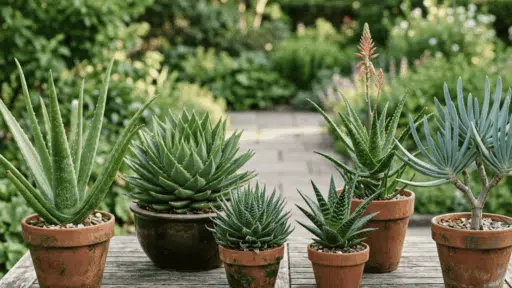
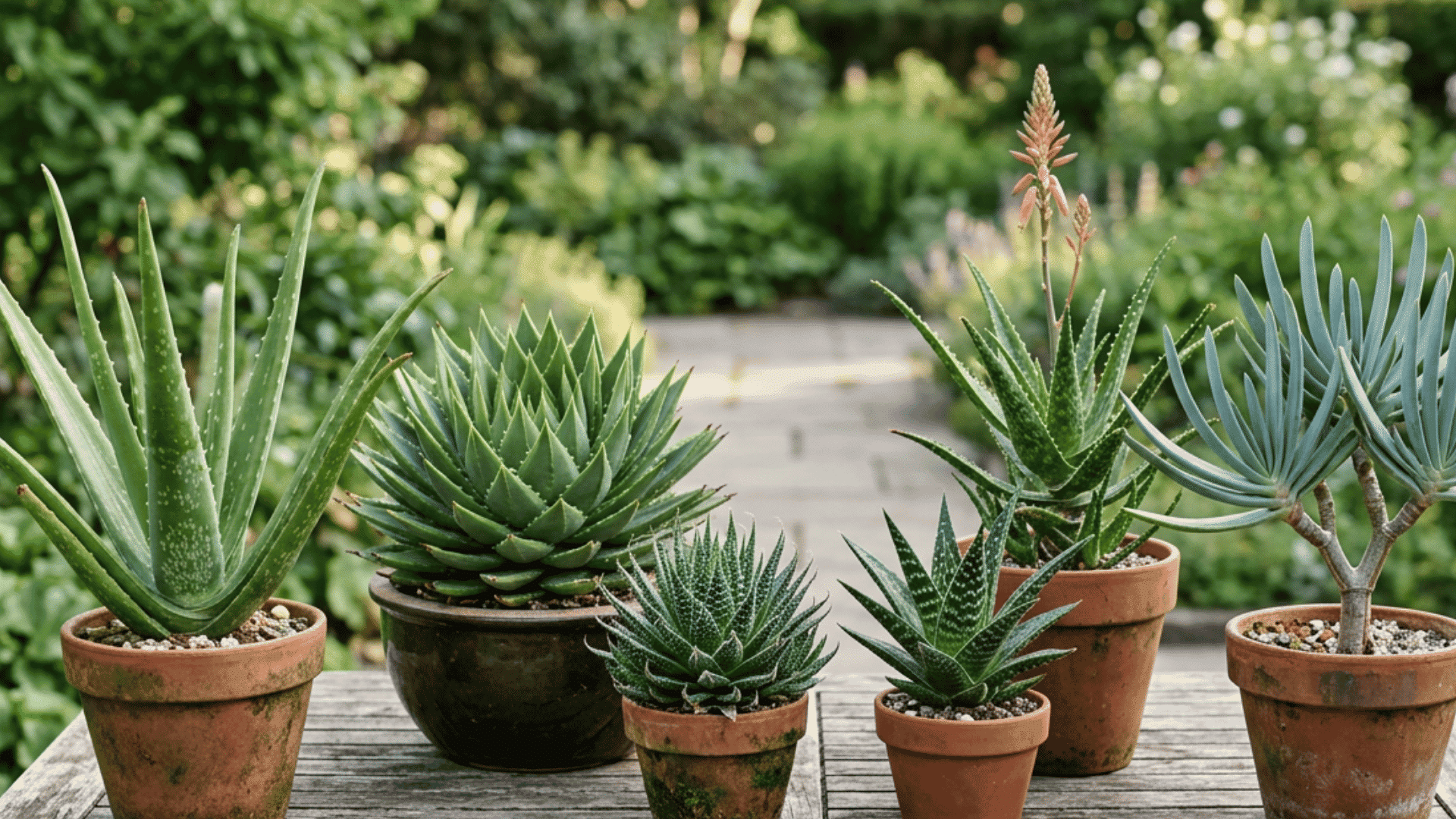

I have grown aloe plants on my windowsill for years, and I still get surprised by how wide a variety there is. Most people know aloe vera, but that is just one of hundreds.
When I first started collecting them, I had no idea that some stay small enough to fit in a teacup while others grow taller than a person.
Picking the right type of aloe plant for your home makes a real difference in how well it does. In this article, I will walk you through the most common and interesting aloe varieties you can grow.
You will learn how to tell them apart, what each one needs, and which ones work best for beginners. I have made plenty of mistakes along the way, so I want to save you some trouble.
By the end, you will feel ready to pick the right aloe for your space.
Aloe Identification Chart
Telling aloe types apart comes down to a few clear traits. This chart breaks down those key features so you can match any plant to its name fast.
| Aloe Type | Size | Leaf Color | Standout Feature | Best For |
| Aloe Vera | Medium, up to 24 inches | Gray-green | Thick gel-filled leaves | Skin care for beginners |
| Tiger Aloe | Small, 6 inches | Green with white bands | Striped, spotted leaves | Small spaces and desks |
| Lace Aloe | Small, 8 inches | Green with white bumps | Soft white teeth on the edges | Indoor pots |
| Coral Aloe | Large, 18 inches | Blue-gray | Wavy leaf edges | Outdoor gardens |
| Spiral Aloe | Medium, 12 inches | Green | Leaves grow in a spiral | Collectors and display |
| Climbing | Tall, up to 6 feet | Bright green | Sprawling, vine-like stems | Fences and walls |
| Soap Aloe | Medium, 18 inches | Green with white spots | Sap that lathers like soap | Low-water yards |
This type of aloe plant guide helps you spot the right match by size, color, and shape before you buy.
Most Popular Types of Aloe Plants
Some aloe varieties appear in homes and gardens far more often than others. Here are the ones worth knowing first, with tips drawn from years of growing them myself.
1. Aloe Vera (Aloe vera)
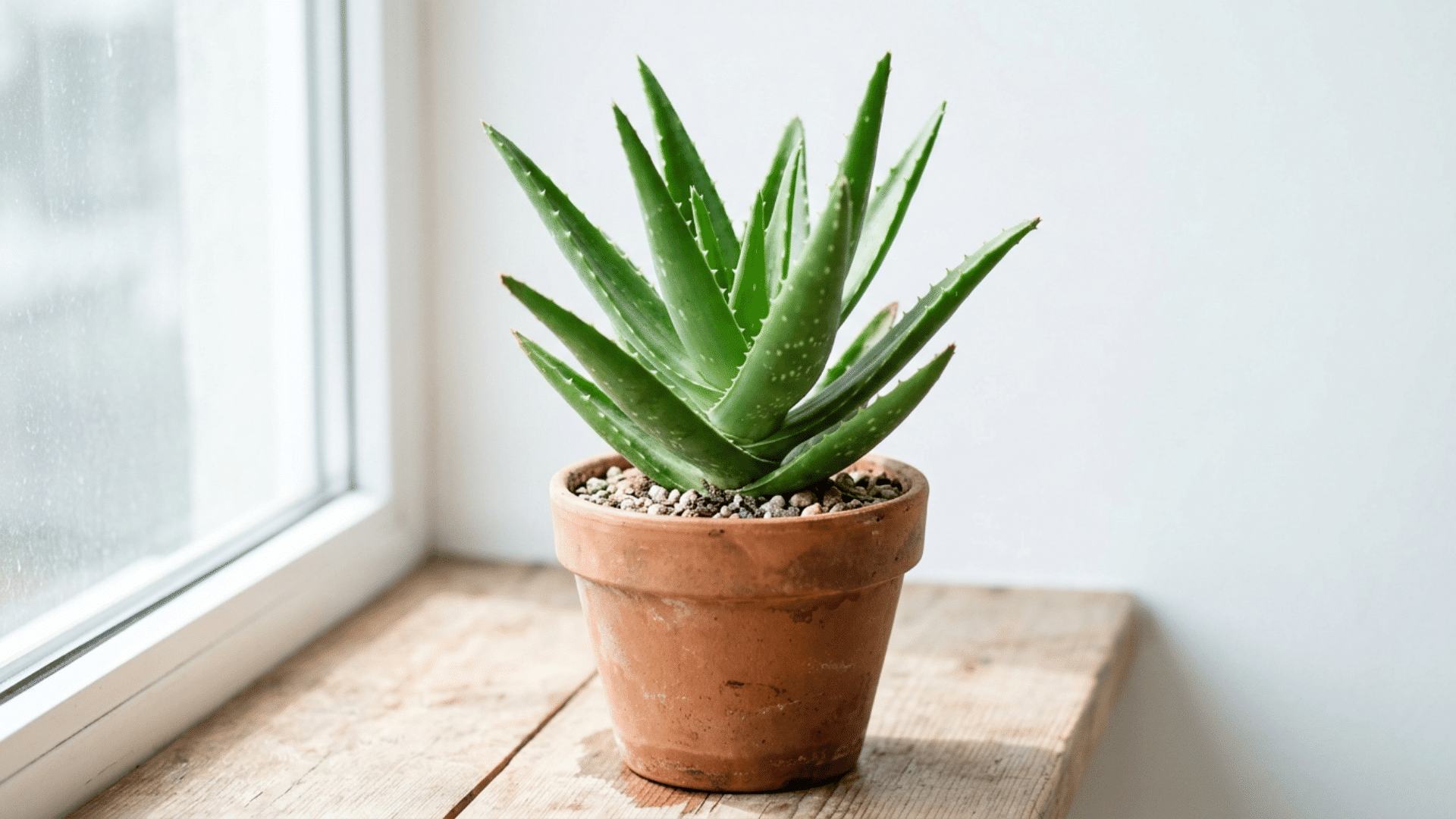
You have probably met this one already. Aloe vera sits on kitchen counters everywhere because the gel inside its leaves soothes burns and dry skin.
The plant grows fast, handles neglect well, and sends out little pups you can replant. It likes bright light and a deep drink only when the soil dries out fully. For a first-time grower, this type of aloe plant is hard to beat.
Snap off an outer leaf, slice it open, and rub the gel on a minor burn for quick relief.
2. Tiger Aloe (Gonialoe variegata)
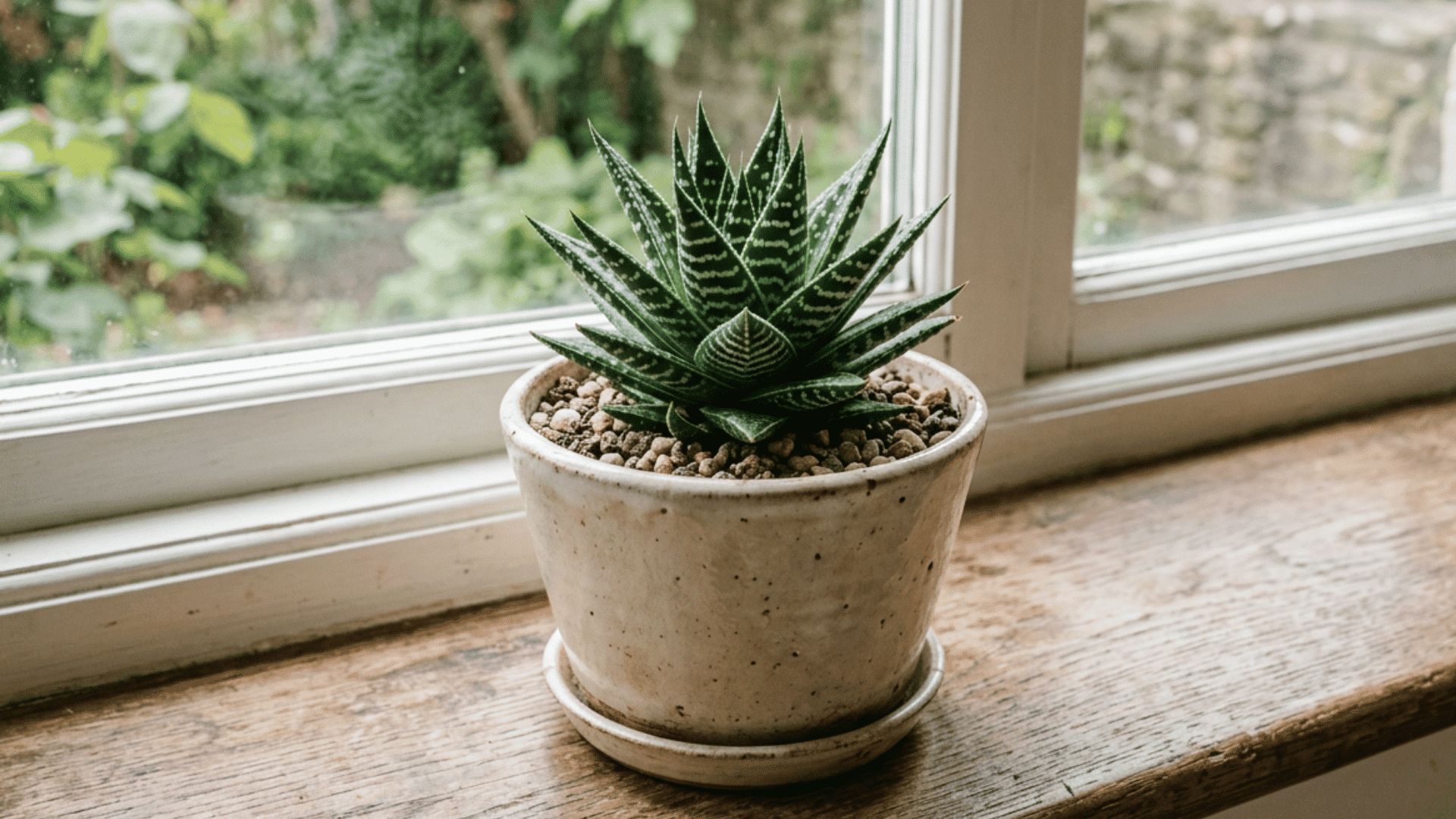
Imagine a small plant covered in white bands and spots, and you have got tiger aloe. It stays tiny, rarely passing six inches, which makes it perfect for a desk or windowsill.
The leaves form a tight rosette that twists slightly as it grows. This one tolerates lower light better than most aloes, though it still rewards you with brighter markings when it gets a few hours of sun each day.
3. Lace Aloe (Aristaloe aristata)
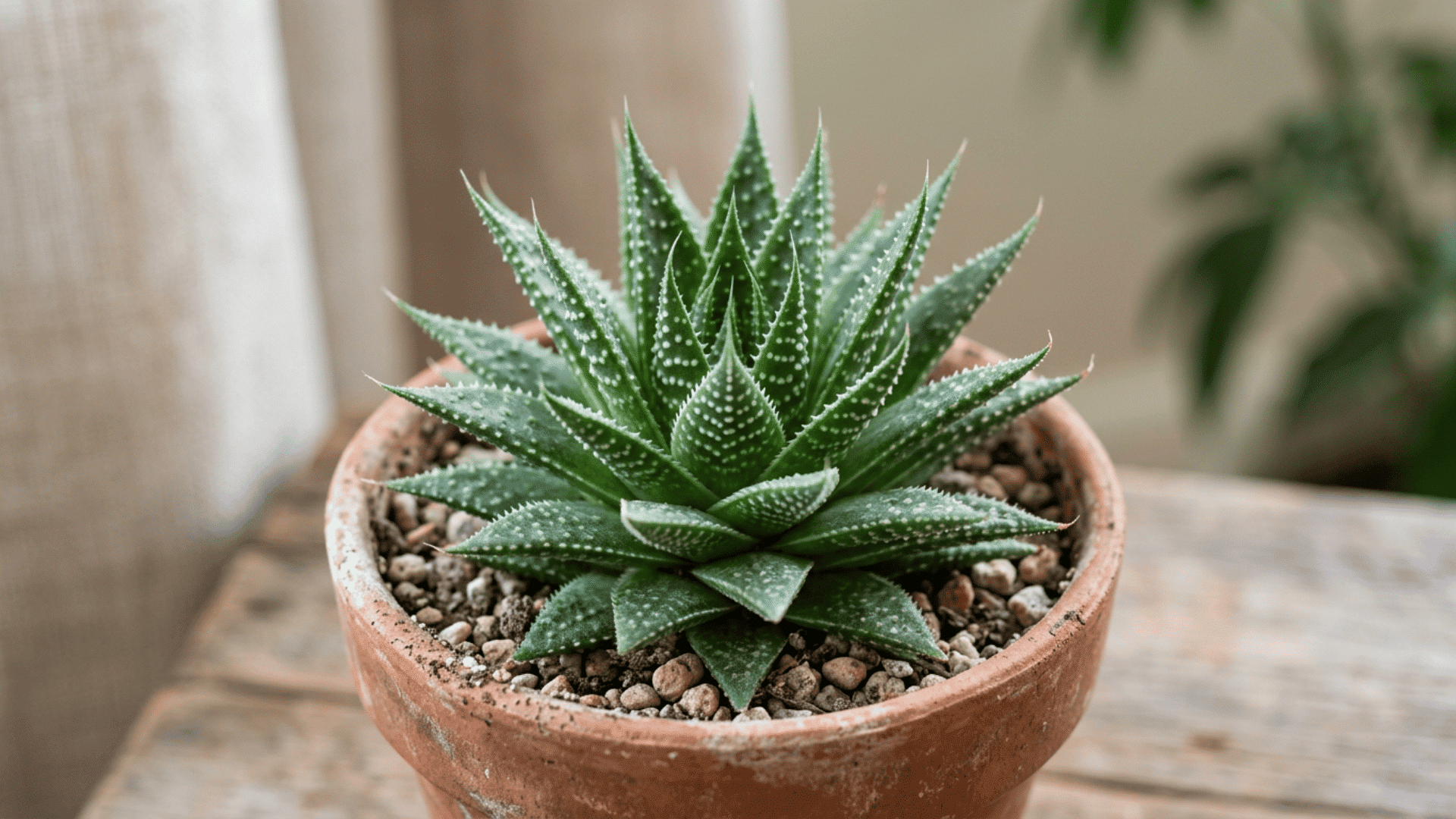
What sets lace aloe apart is the soft texture along its edges. Tiny white teeth and raised bumps cover the green leaves, giving them a gentle, almost frosted look.
It handles cold better than many aloes and works well indoors. Water it lightly, give it morning sun, and it will slowly spread into a fuller clump over time without much fuss from you.
4. Coral Aloe (Aloe striata)
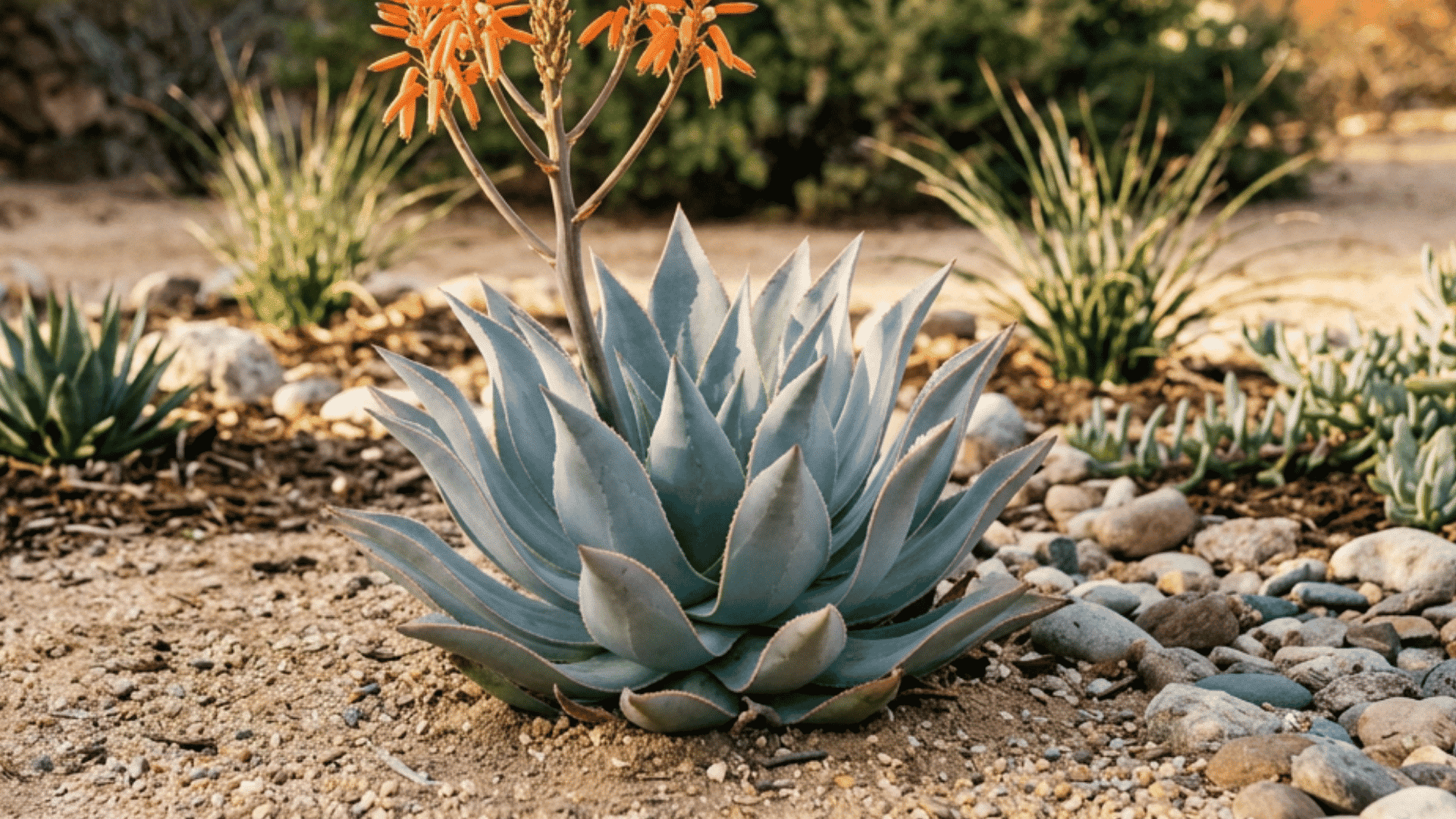
Coral aloe earns attention through its smooth, blue-gray leaves and wavy edges. Unlike spiky cousins, this one feels calm and sculptural, which is why landscapers love it.
It grows larger than indoor types, reaching about 18 inches across, and pushes up tall orange flower spikes that hummingbirds chase.
I planted one in my backyard three years ago, and it has bloomed every winter since. Give it full sun and sandy soil, and it asks for almost nothing else in return.
5. Spiral Aloe (Aloe polyphylla)
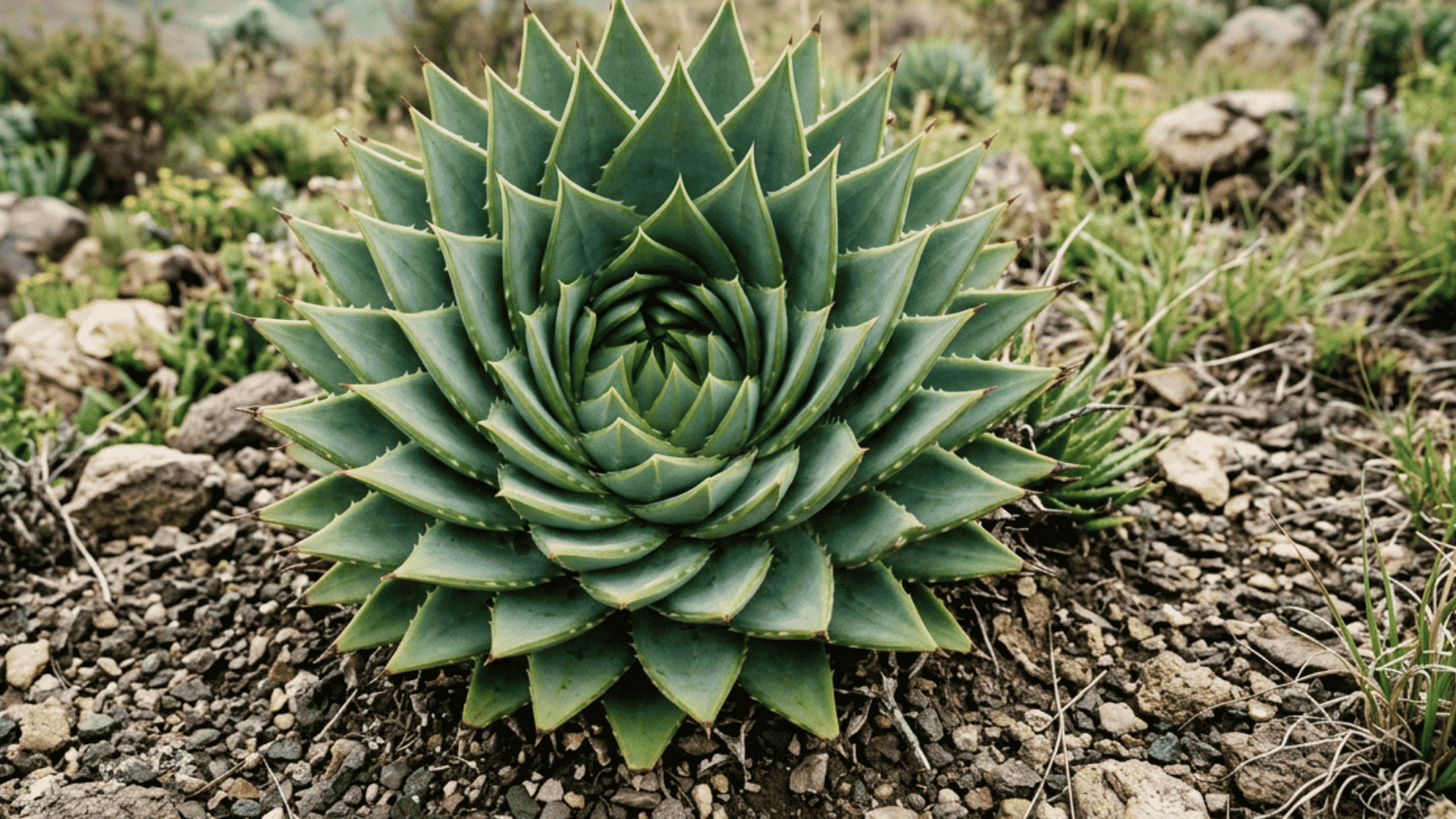
Few plants stop people in their tracks the way spiral aloe does. Its leaves grow in a perfect geometric spiral, winding either left or right as the plant matures.
It comes from the mountains of Lesotho and prefers cooler, well-drained spots. This variety takes patience because the spiral only forms once the plant is several years old.
Collectors prize it, so expect to pay more than usual.
6. Climbing Aloe (Aloiampelos ciliaris)
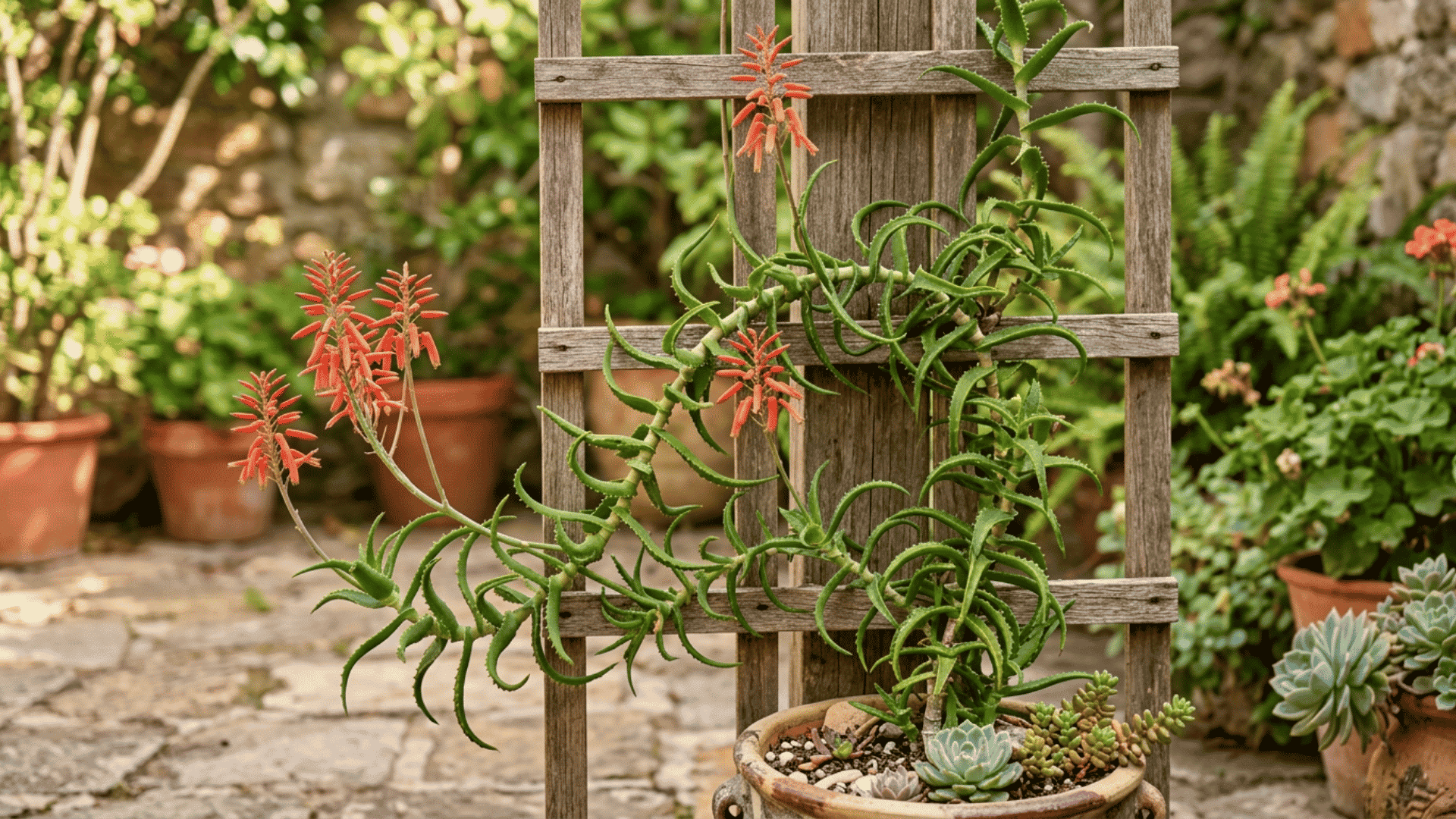
Most aloes stay low, but this type of aloe plant breaks the rule. Climbing aloe sends out long, sprawling stems that lean on fences, walls, or nearby shrubs for support.
It can stretch up to six feet given the right backing. The bright green leaves curve outward, and red-orange flowers appear in cooler months.
I trained one along a trellis on my patio, and within two seasons, it filled the whole frame. It needs more space than a pot allows, so plant it where it can roam.
7. Soap Aloe (Aloe maculata)
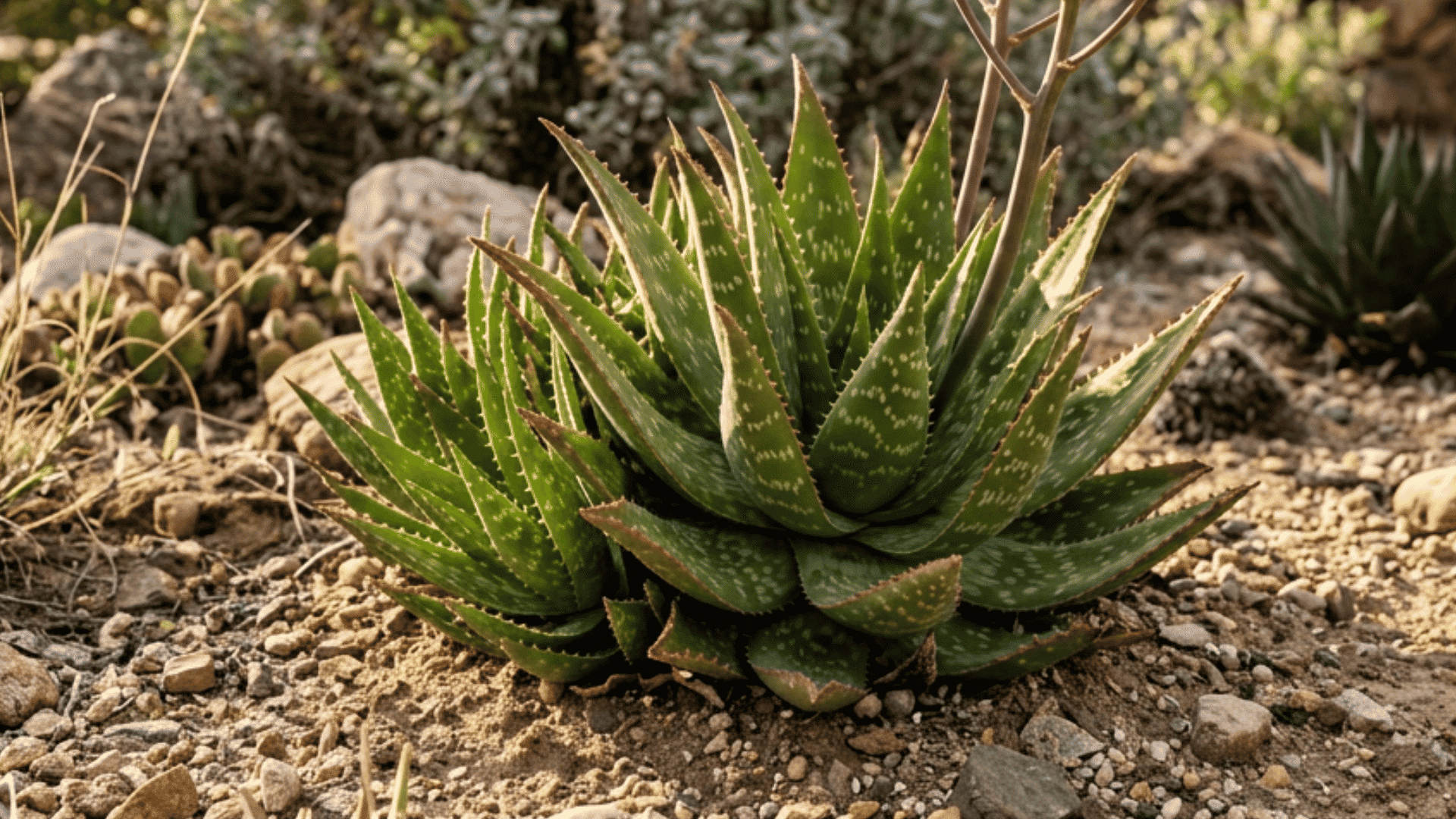
Rub a wet soap aloe leaf between your hands, and it lathers, which is exactly how it got its name. Early settlers used the sap as an actual cleanser.
The plant forms a medium rosette of green leaves dotted with white spots and edged with soft teeth. It blooms in bright orange clusters that pollinators flock to.
If you want color in a low-water yard, this one delivers season after season.
8. Krantz Aloe (Aloe arborescens)
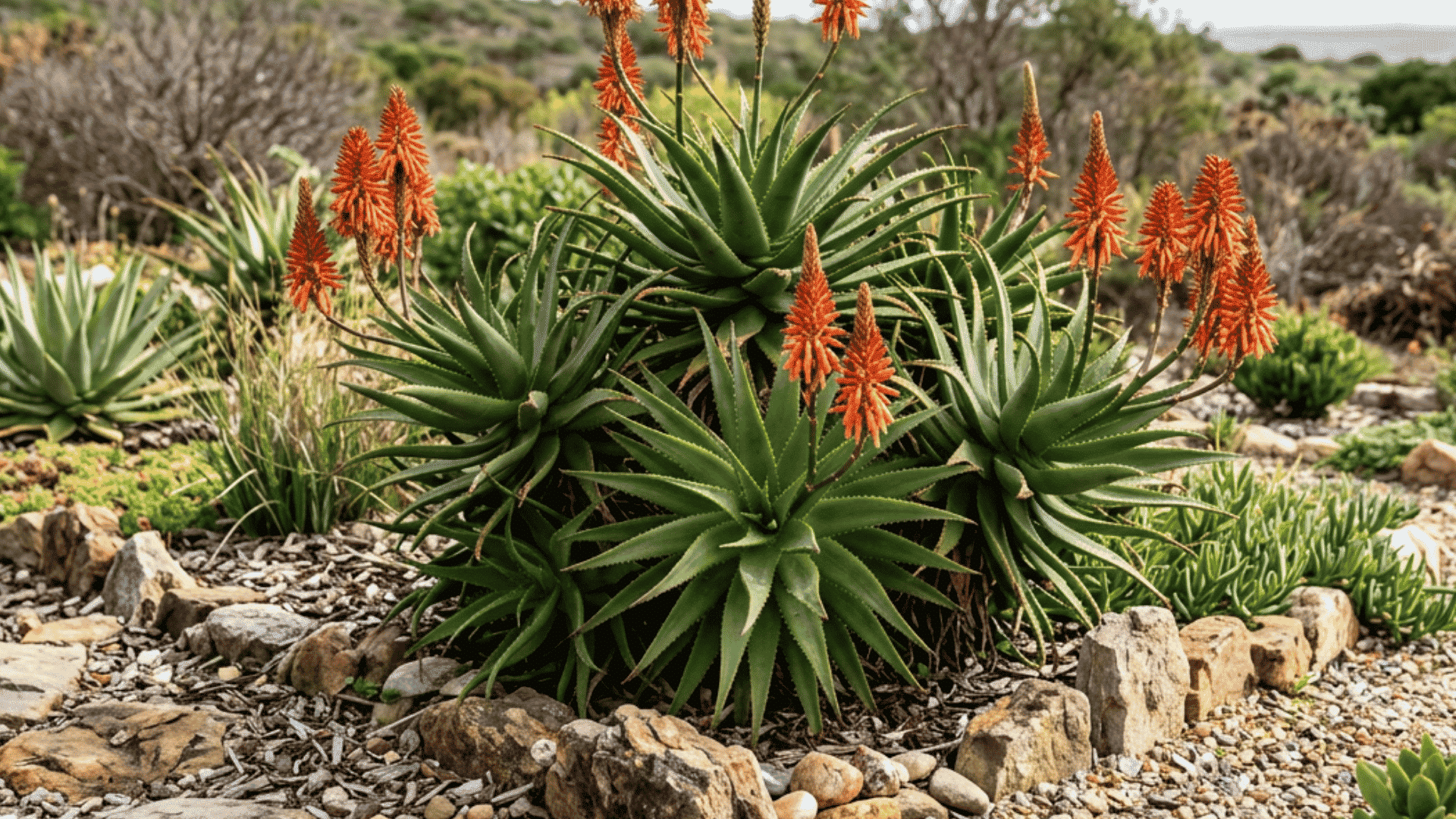
Think of krantz aloe as the friendly giant of the group. It forms thick, shrub-like clumps that can reach three feet tall and spread just as wide.
The name comes from an Afrikaans word for cliff, since it grows on rocky ledges in the wild. My neighbor uses a hedge of these as a natural border, and the winter flowers bring birds to her garden daily.
It handles coastal salt and poor soil well, making it one of the toughest aloes you can plant outdoors.
9. Short-Leaf Aloe (Aloe brevifolia)
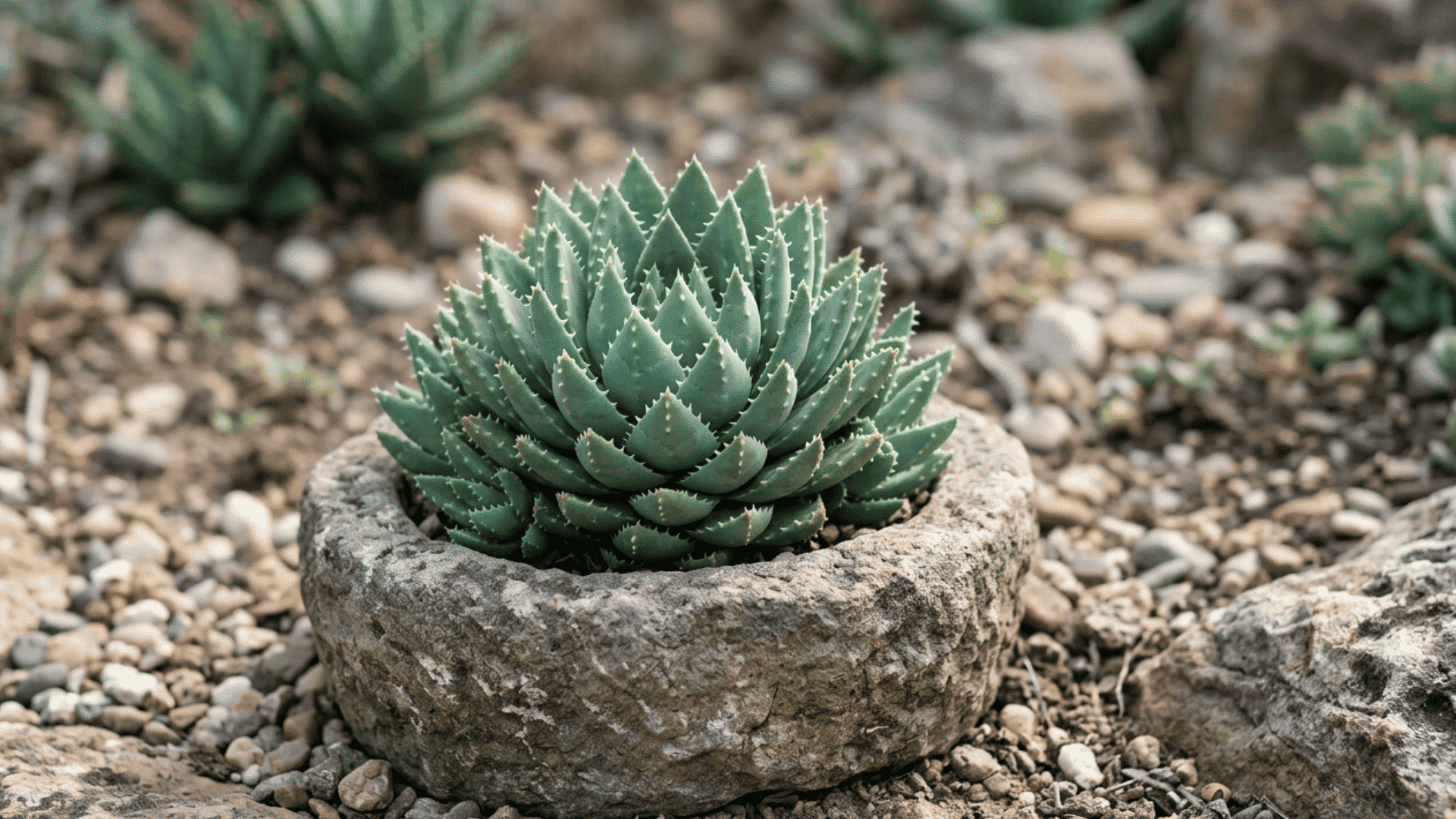
Compact and tidy, short-leaf aloe packs a lot into a small frame. Its blue-green leaves stay stubby and close together, forming a neat ball rarely taller than ten inches.
Bright teeth line the edges, and the whole plant blushes reddish in strong sun. This variety suits containers and rock gardens alike. Give it sun, skip the heavy watering, and it stays happy.
10. Cape Aloe (Aloe ferox)
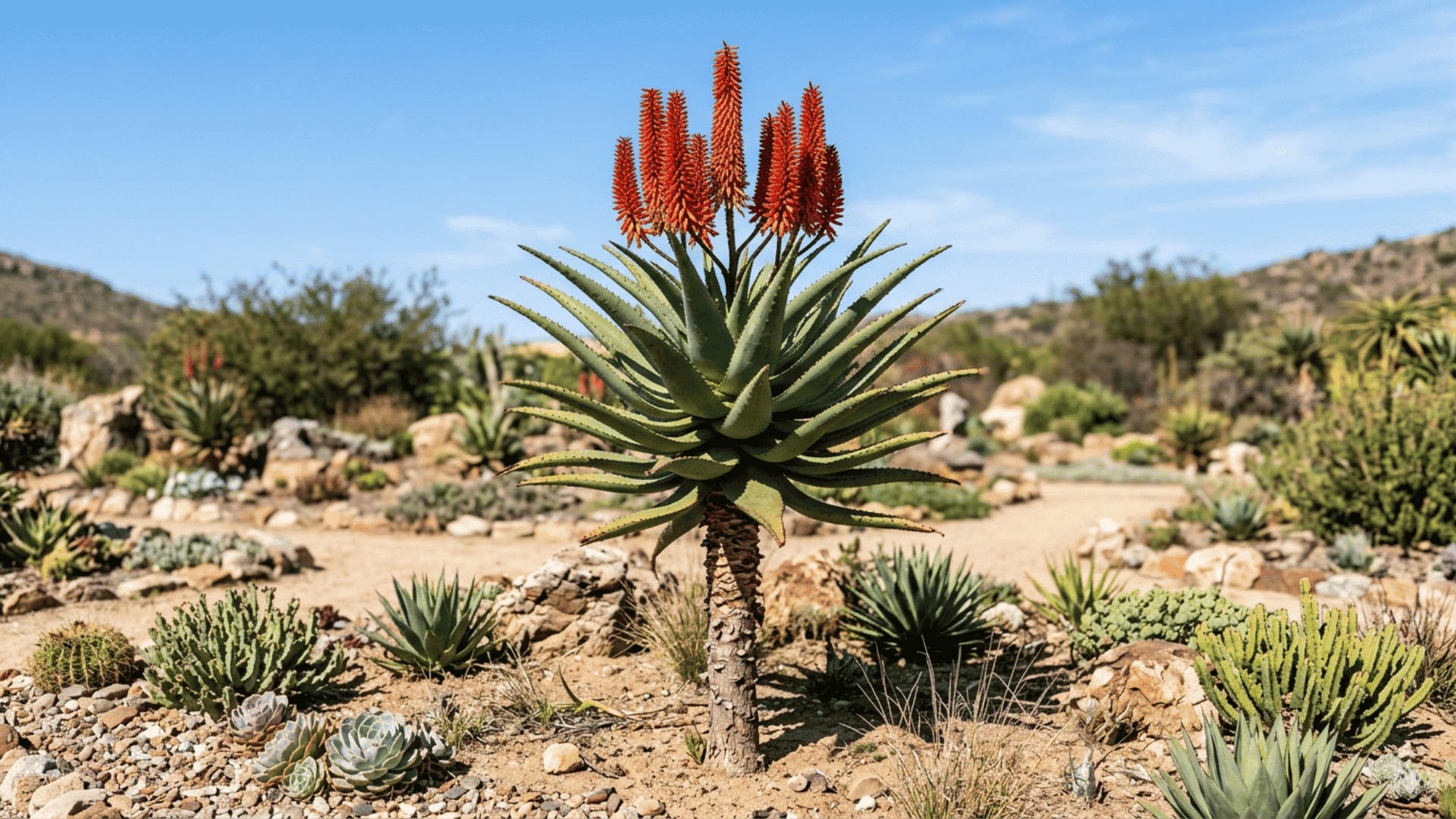
Cape aloe stands tall and single-stemmed, more tree than shrub. It can climb past six feet, topped with a dense crown of long, curved leaves.
People have harvested its bitter sap for generations as a folk remedy. This one needs room and full sun, so it fits large yards better than pots. Patience pays off because a grown Cape aloe becomes a real centerpiece.
Many of these larger aloes flower in winter, giving your garden color and feeding birds when little else is in bloom.
11. Carmine Aloe (Aloe hybrid)
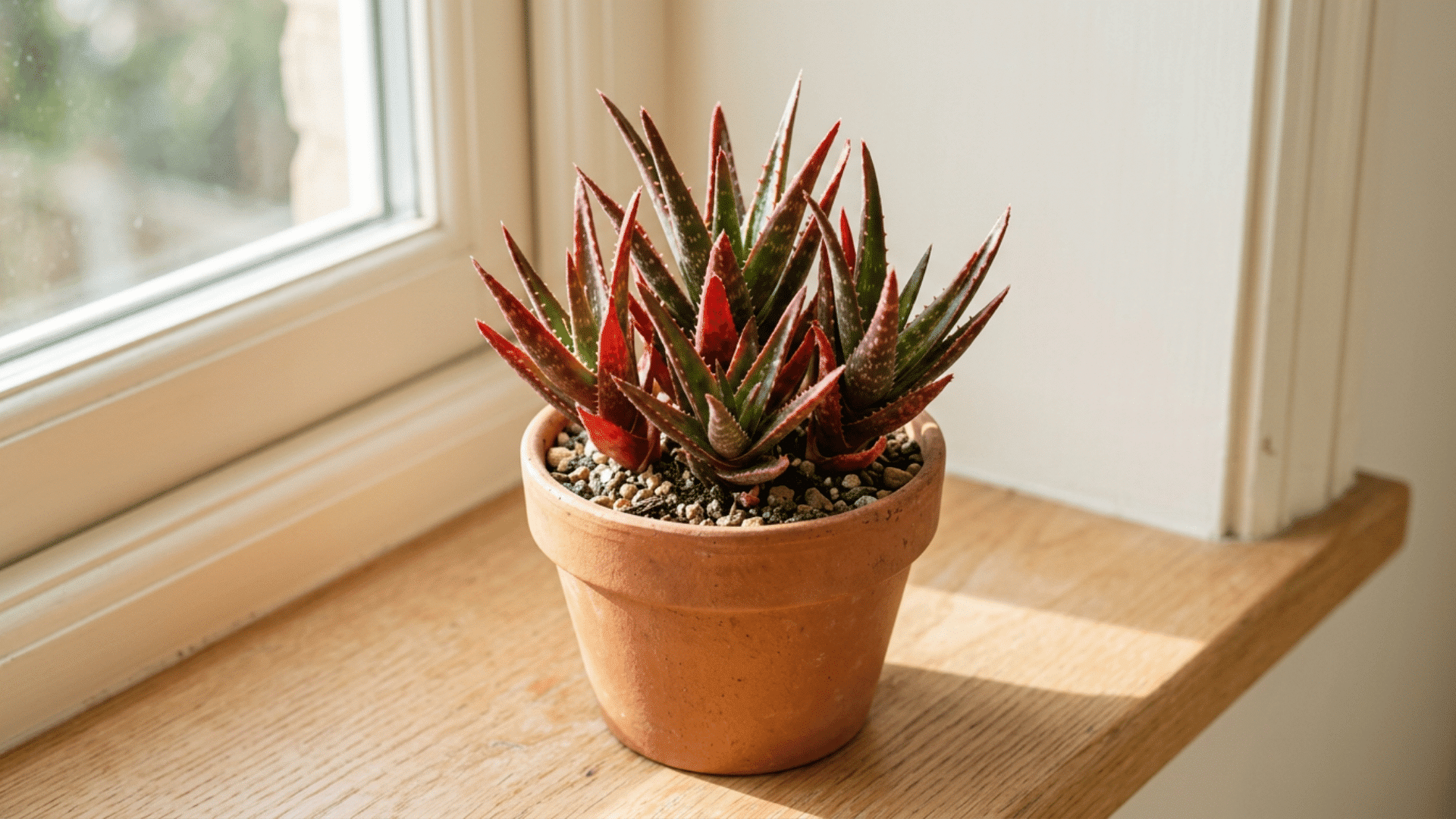
Color is the whole story with carmine aloe. Its slim leaves flush deep red when the plant gets enough sun and a little stress from cool nights.
In shade, it fades back to green, so the look shifts with the seasons. I moved mine to a sunnier ledge last spring, and within weeks it turned a rich crimson that drew comments from everyone who passed by.
The plant stays small and clumps slowly. Give it bright light and lean soil, and the color does the rest on its own.
12. Gold Tooth Aloe (Aloe nobilis)
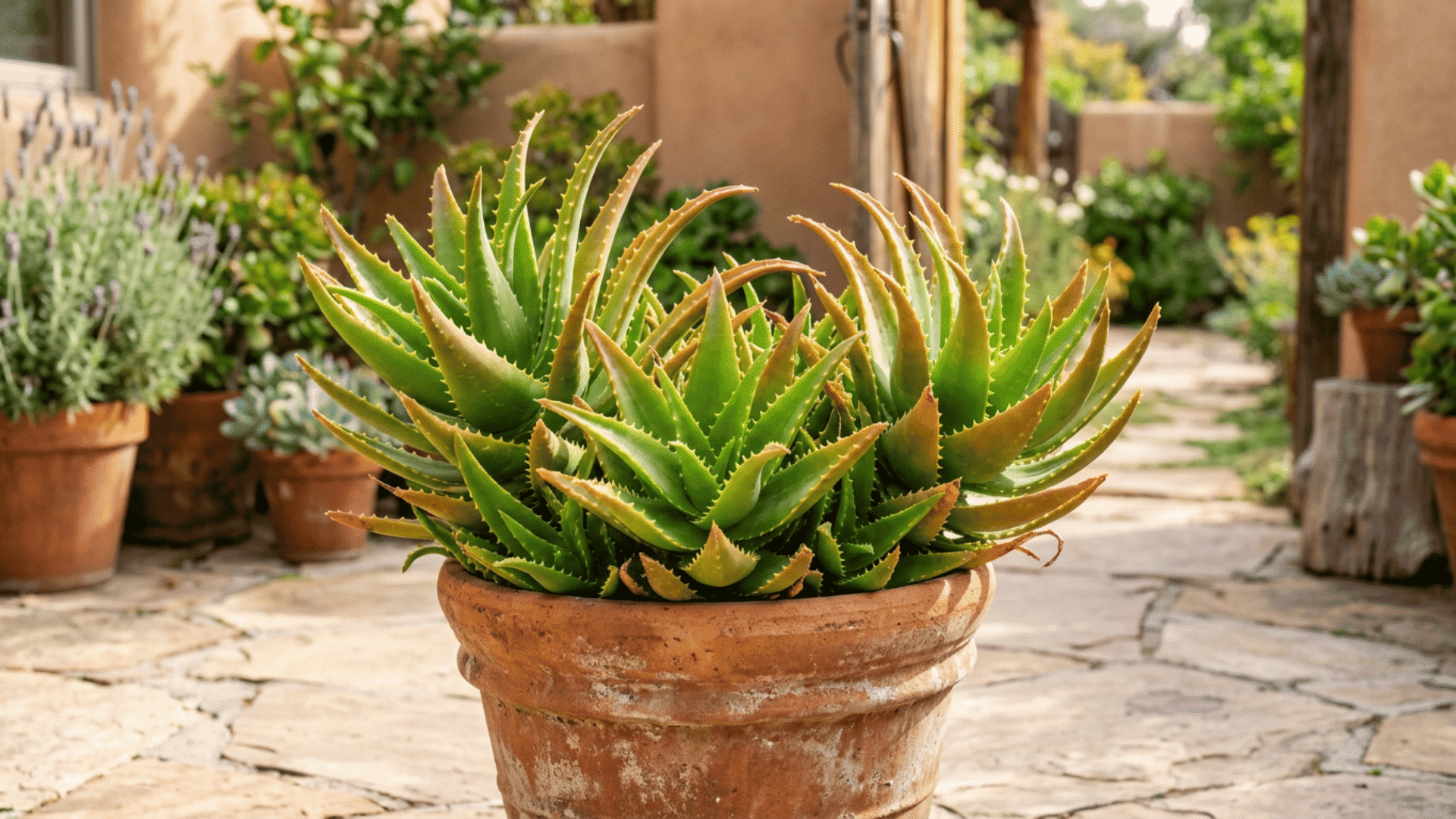
The clue is right there in the name. Gold tooth aloe lines its leaf edges with bright yellow teeth that catch the light. The leaves curve back on themselves and take on bronze tones in full sun.
It stays modest in size, making it a solid pick for pots and small beds. My friend grows a cluster of these in a terracotta planter, and the gold edges glow against the clay.
It pups readily too, so one plant soon becomes several you can share.
13. Mountain Aloe (Aloe marlothii)
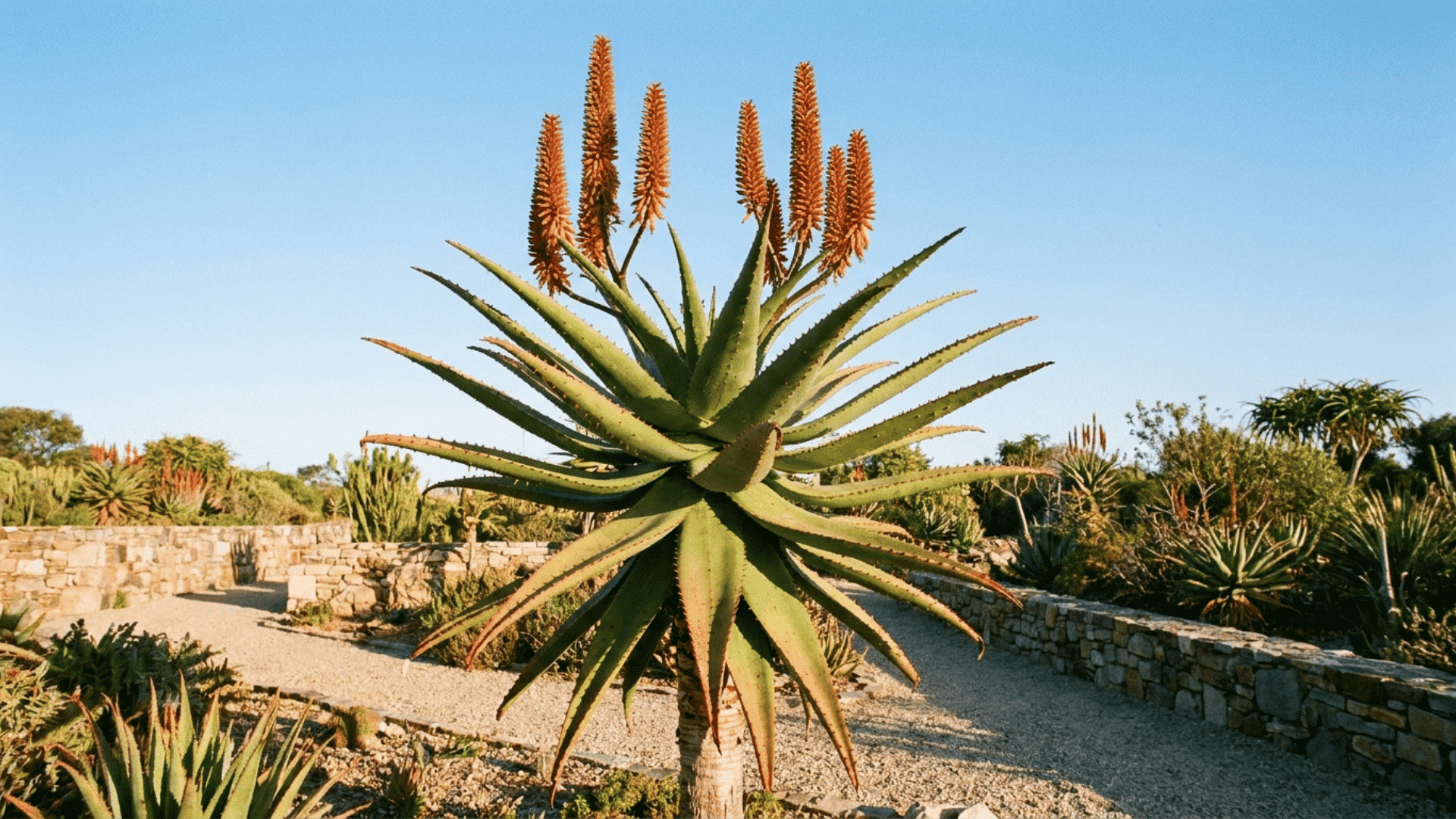
Big, bold, and built to last, mountain aloe is one of the largest single-stemmed types around. It can reach ten feet tall, with broad leaves spreading several feet wide.
The undersides carry small reddish thorns, and tall flower spikes rise above the crown each winter. I came across one anchoring a public garden bed, and it dwarfed everything near it.
This type of aloe plant needs serious space and full sun. Plant it as a standout feature rather than tucking it into a crowded border.
14. Fan Aloe (Kumara plicatilis)
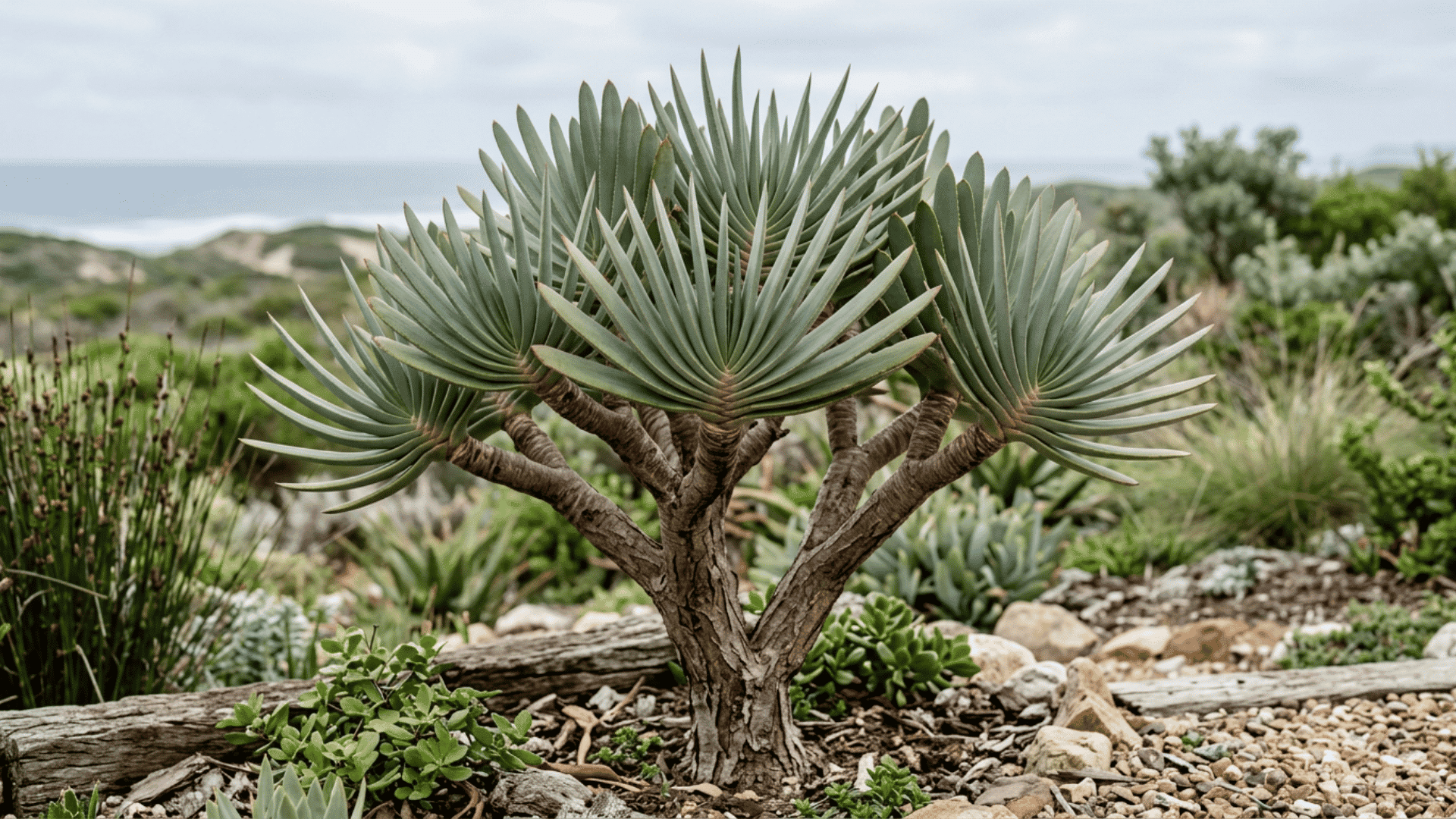
Fan aloe earns its name from the way its leaves fan out flat in a single plane, like an open hand. It grows on a branching woody stem and can form a small shrub over time.
The gray-green leaves take on a powdery coating that protects them from harsh sun. It handles coastal conditions well and rewards patient growers with a shape no other aloe quite matches.
Fan aloe is now rare in the wild, so buy yours from a reputable nursery rather than collecting from natural areas.
15. Snake Aloe (Aloe broomii)
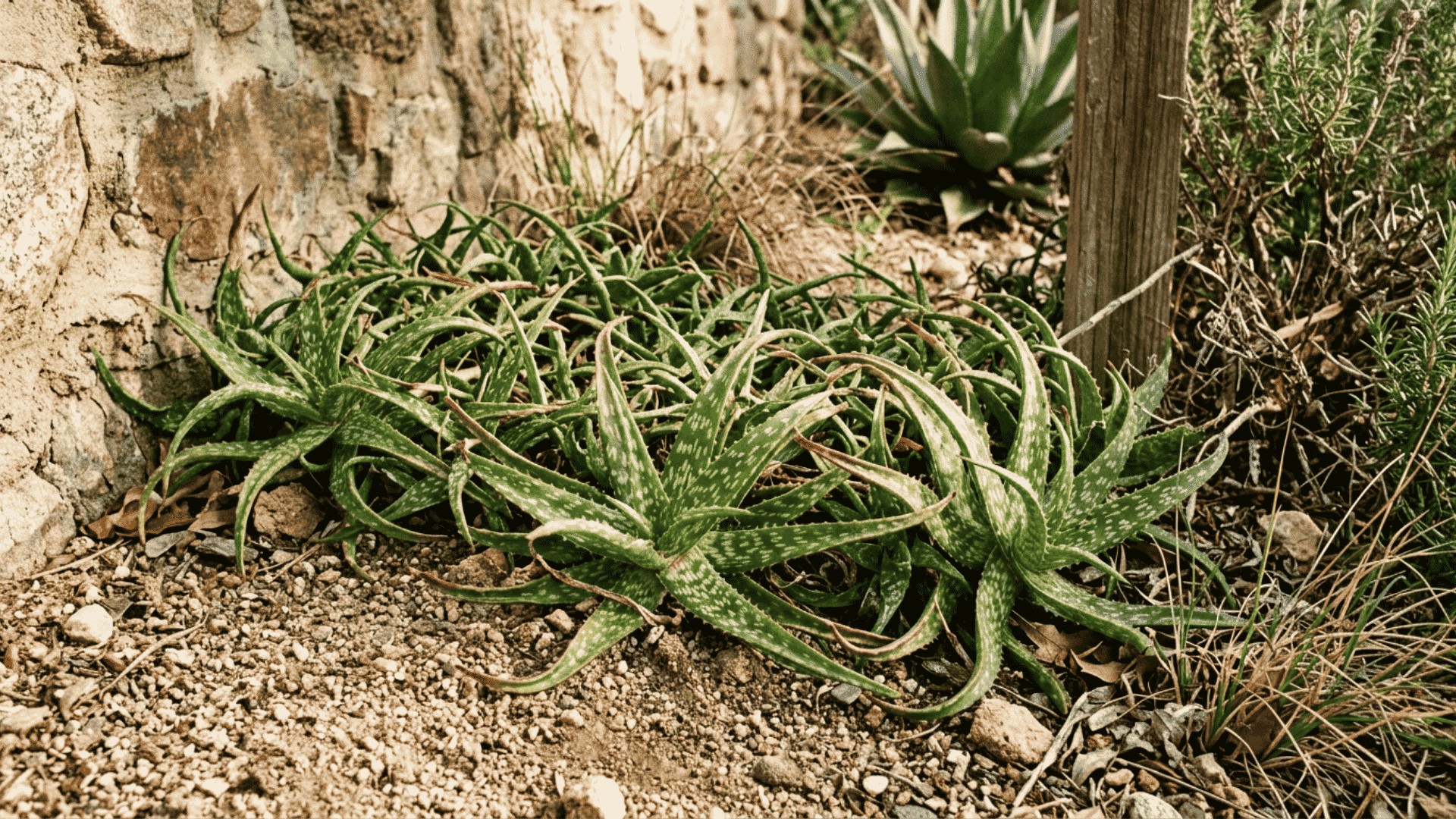
Long, slender leaves that twist and curve give snake aloe its name. It stays low to the ground and spreads through underground runners, sending up new plants nearby.
The leaves carry pale spots and a soft texture along the edges. This variety handles drought with ease and works well as ground cover where you need something tough and forgiving.
16. Partridge Breast Aloe (Gonialoe variegata)
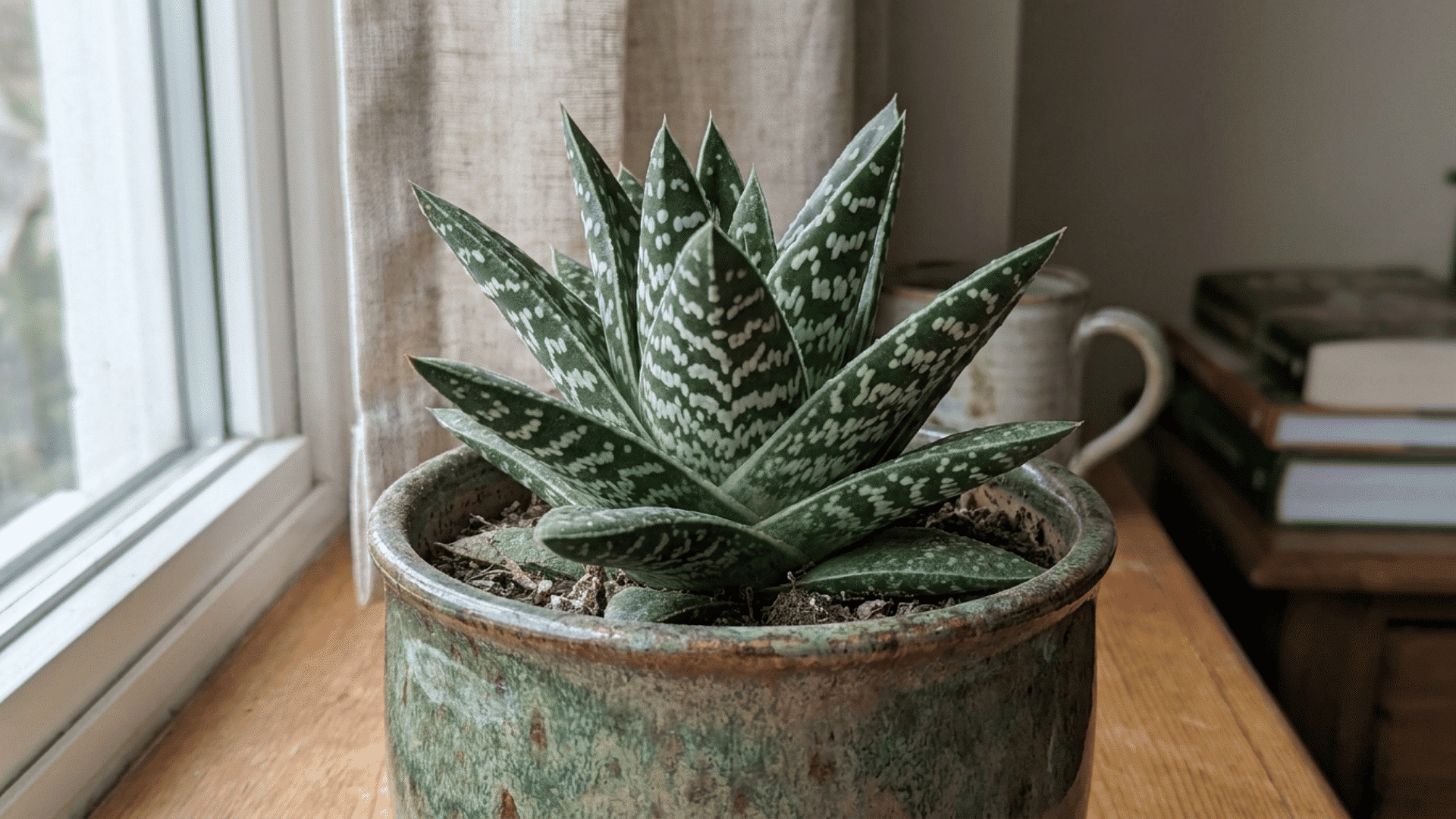
The speckled pattern on this one looks just like bird feathers, which is how it got its name. Partridge breast aloe stays small, with dark green leaves covered in white flecks that run in loose rows.
It forms a tidy rosette and pups freely, so a single plant soon spreads into a cluster. Too much harsh sun can bleach the leaves, so a spot with morning rays suits it best.
17. Van Balen’s Aloe (Aloe vanbalenii)
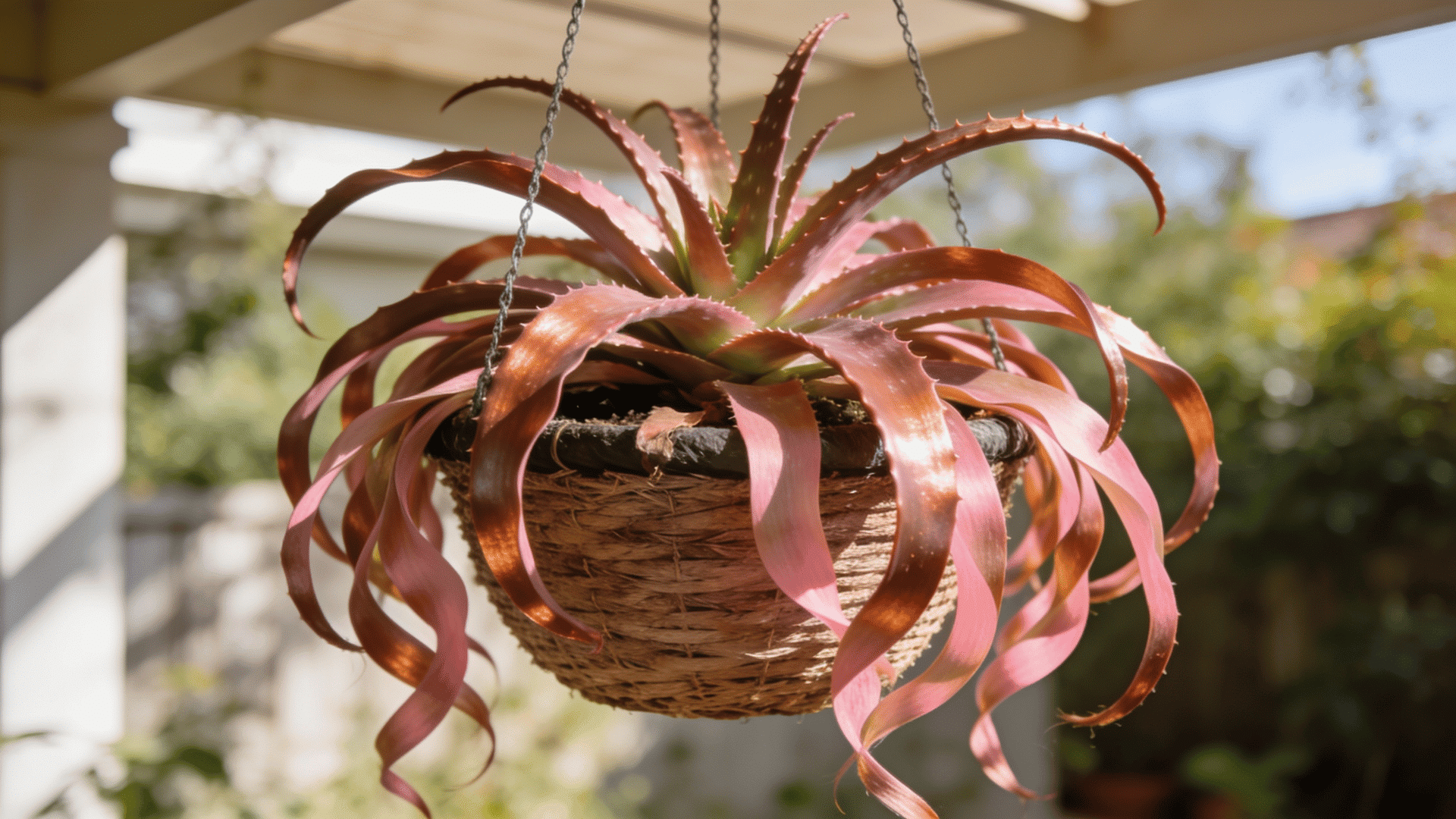
This rare variety comes from Madagascar and looks unlike most aloes you have seen. Van Balen’s aloe grows long, arching leaves that hang down like ribbons, often tinged copper or pink in good light.
It does well in hanging baskets, where the leaves can spill over the sides freely. It prefers a bit more humidity than desert types, so it suits sheltered patios and bright indoor corners.
18. Red Aloe (Aloe Cameronii)
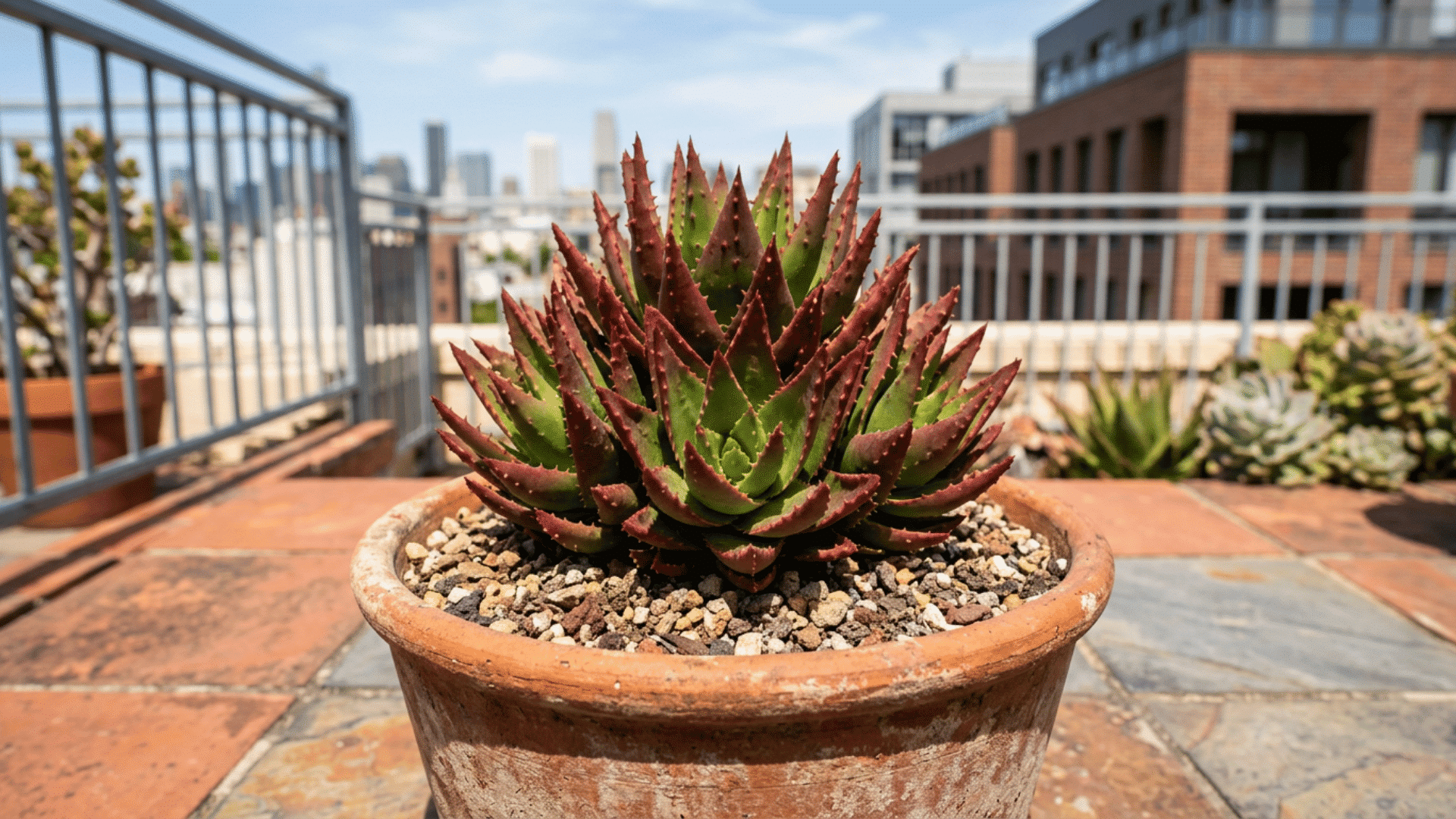
Despite the name, red aloe shifts between green and deep red depending on light and water. Stress it gently with strong sun and lean soil, and the leaves deepen into a wine shade.
It stays compact and clumps slowly into a tight mound. This type of aloe plant suits anyone who wants a living piece that changes through the year rather than staying the same.
19. Torch Aloe (Aloe Arborescens)
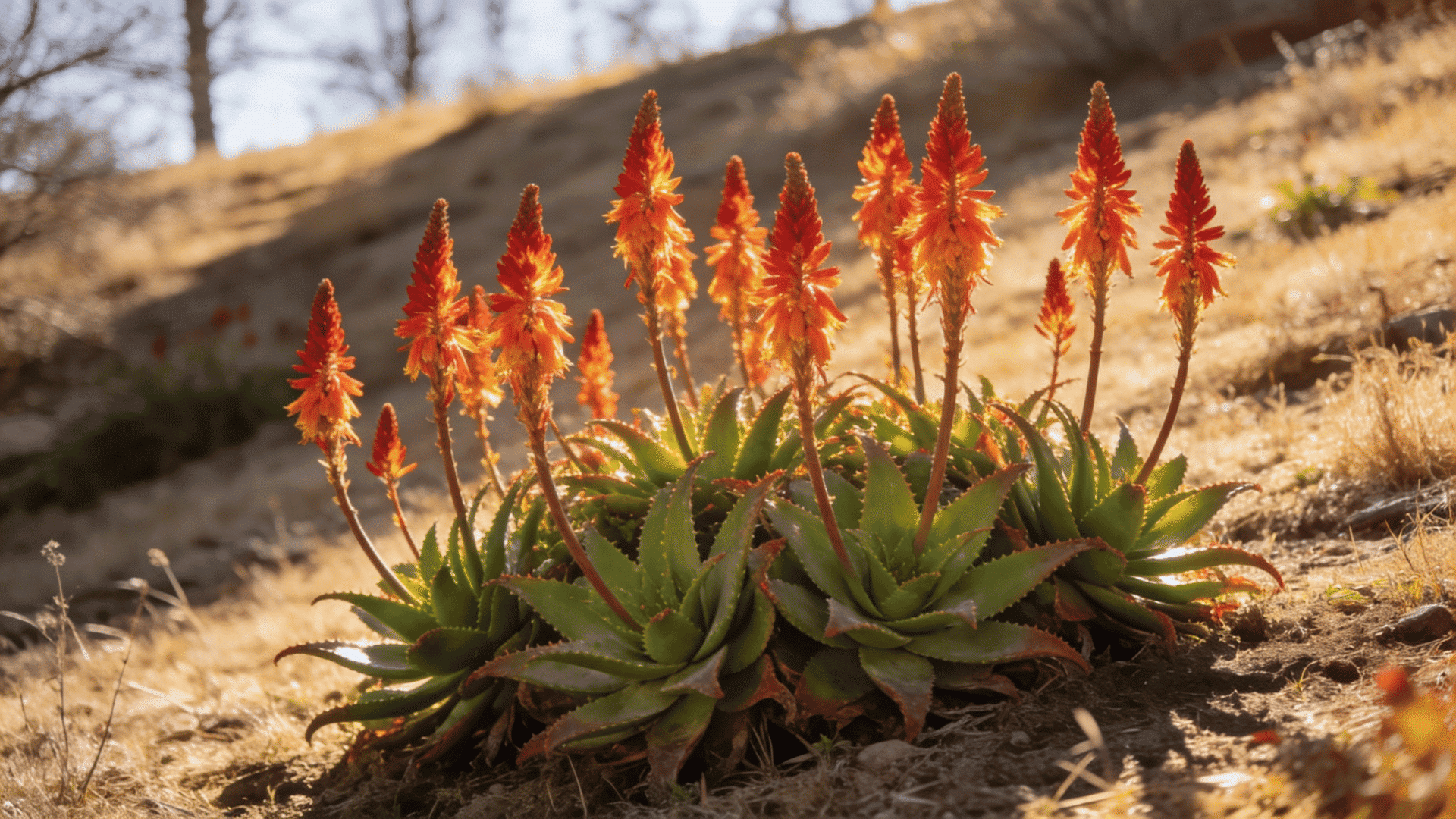
Come winter, torch aloe lights up with tall orange-red flower spikes that look like flames, hence the name. The plant itself forms clumping rosettes of toothed green leaves that handle frost better than many aloes.
It spreads steadily and makes a strong mass planting. Easy, hardy, and showy, it remains a favorite for gardeners who want low effort and high payoff.
Torch aloe is one of the most cold-tolerant types, surviving brief dips near freezing in well-drained soil.
20. Soapbark Aloe (Aloe succotrina)
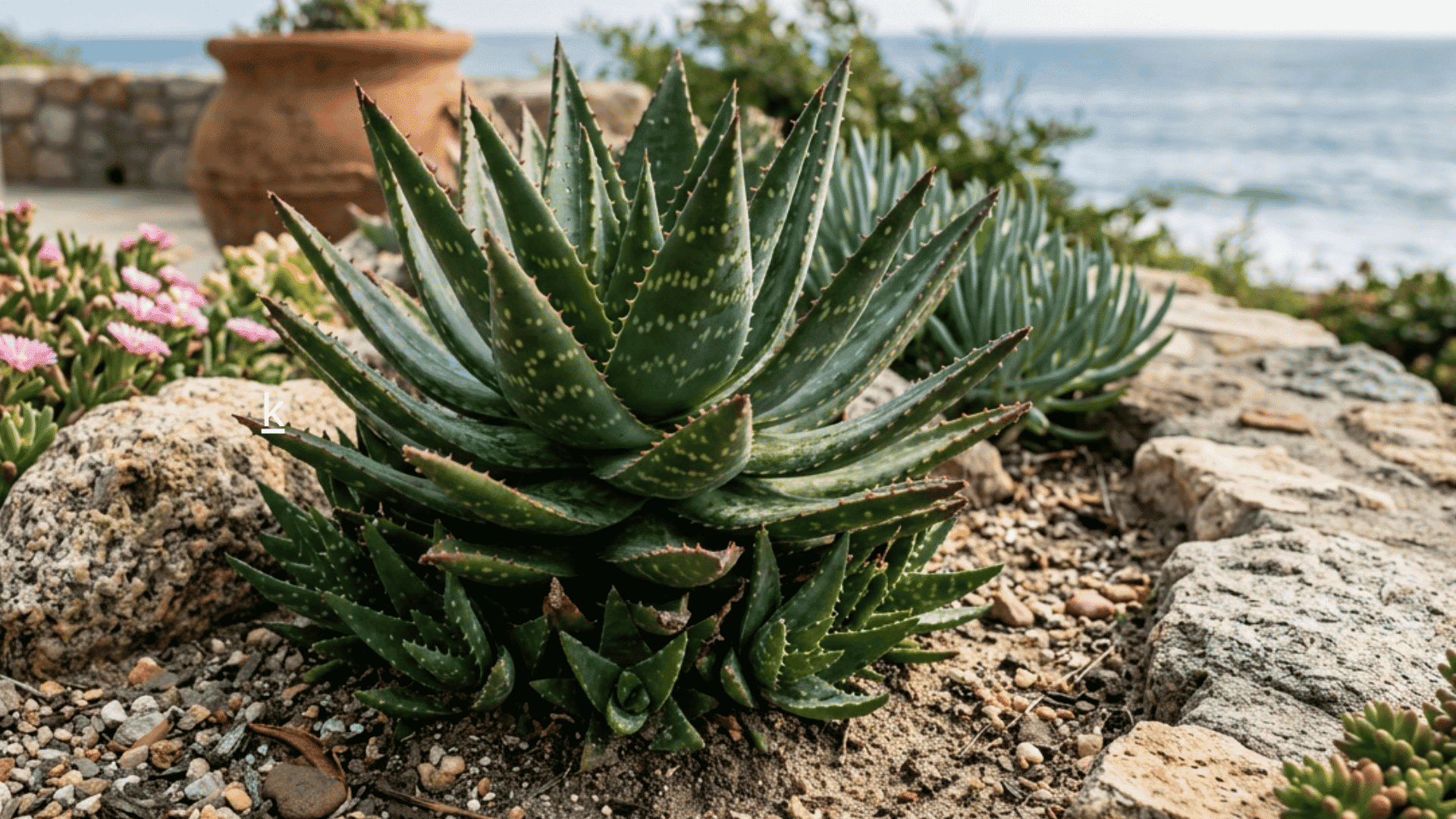
Soapbark aloe tolerates salty air and windy sites, making it good for seaside patios. It prefers full sun and very well-drained sandy soil. Water sparingly and protect from prolonged frost.
Pups form at the base and are easy to separate for new plants. They are medium-sized, 12–20 inches, and have deep green to bluish-green leaves.
They are best for coastal gardens and mixed succulent beds.
21. Jeweled Aloe (Aloe Distant Haw).
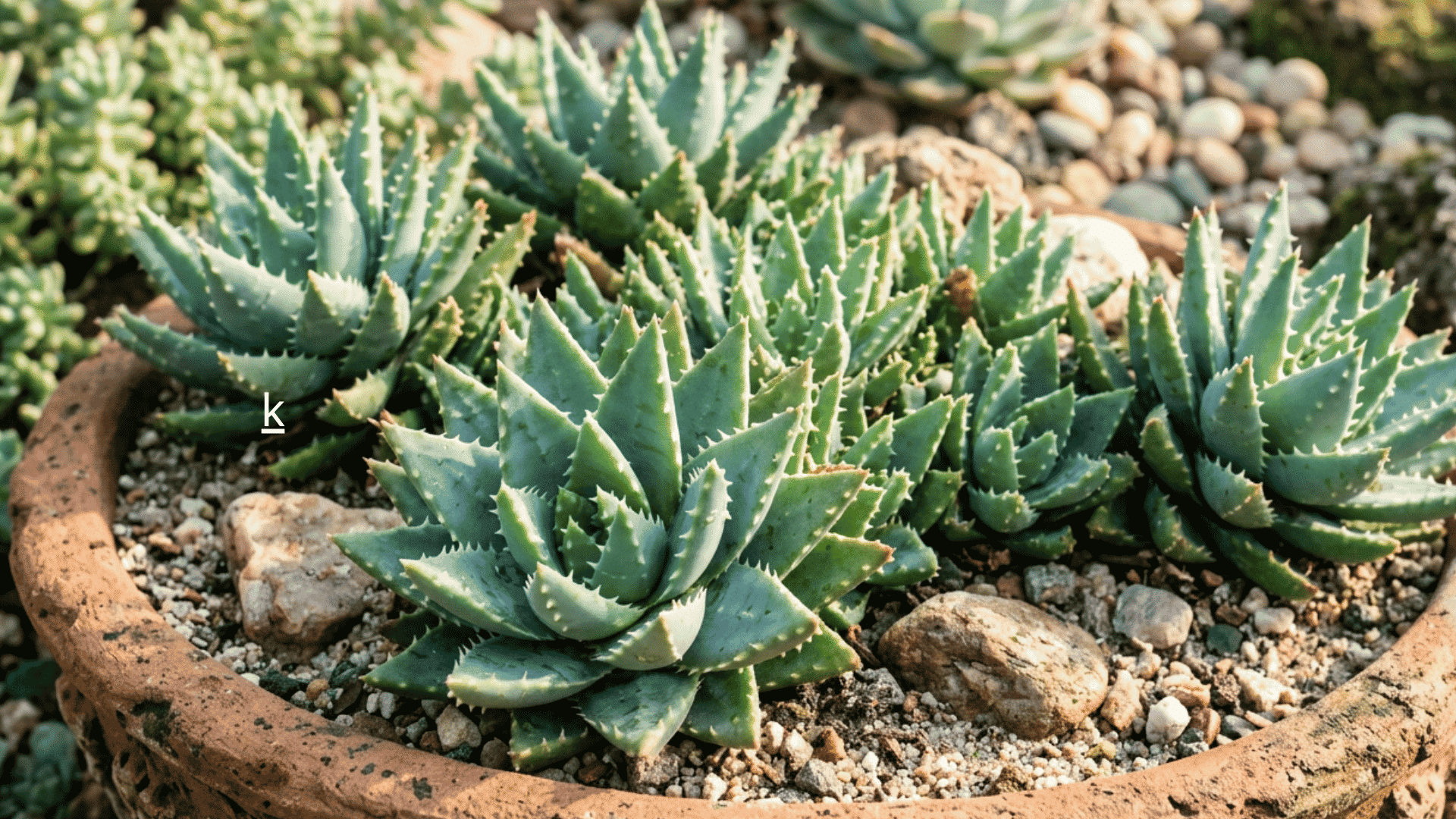
Jeweled aloe is unique for its sprawling, ground-cover style and sparkling blue rosettes. It forms decorative clusters that spread through underground runners.
Water lightly, give it morning sun, and it will slowly fill in a pot or rock garden without much fuss. Great for containers where you want a low, spreading look.
How to Care for Different Types of Aloe Plants
Most aloes share the same basic needs, with small tweaks by variety. These tips keep any type of aloe plant healthy if it lives indoors or out.
- Light: Give your aloe bright light for at least six hours a day. Indoor plants do best near a south or west window, while outdoor types handle full sun once they adjust.
- Water: Soak the soil fully, then wait until it dries out before watering again. Most aloes need a drink every two to three weeks, less in winter.
- Soil: Use a cactus or succulent mix that drains fast. Heavy garden soil holds water and rots the roots, so add sand or perlite if needed.
- Pot: Pick a container with drainage holes. Terracotta works well because it pulls moisture from the soil and dries faster than plastic.
- Temperature: Keep aloes above 50 degrees Fahrenheit. Most cannot handle frost, though hardy types like torch aloe tolerate brief cold snaps.
- Pests: Watch for mealybugs and scale on the leaves. Wipe them off with a cotton swab dipped in rubbing alcohol.
- Pet safety: With the exception of true aloe vera gel, most aloes are toxic to cats and dogs if the leaves are chewed, so keep them out of reach of curious pets.
Common Aloe Species Identification Mistakes
Even seasoned growers mix up certain aloes that look alike. This table clarifies the most common errors people make when naming aloe plant types.
| Common Mistake | Why It Happens | How to Tell Them Apart |
| Confusing aloe vera with agave | Both have thick, pointed leaves | Aloe leaves are softer, and gel-filled: agave is fibrous and stiff |
| Mixing tiger aloe with lace aloe | Both are small and spotted | Tiger aloe has white bands; lace aloe has soft bumps and teeth |
| Calling every spotted aloe vera | Spots seem like a shared trait | True aloe vera leaves are plain gray-green, not spotted |
| Labeling climbing aloe a vine | Long, sprawling stems look vine-like | It is still a true aloe, just with a leaning growth habit |
| Mistaking gasteria for aloe | Similar rosette and texture | Gasteria leaves are smoother with no teeth on the edges |
| Treating Haworthia as aloe | Both form small rosettes | Haworthia stays tiny and has see-through leaf windows |
| Assuming red color means a species | Many aloes redden in the sun | Color comes from light stress, not the plant type itself |
Checking the leaf texture, edges, and gel helps you correctly identify any type of aloe plant before you buy.
Final Thoughts
Picking the right aloe comes down to knowing what you want from it. Maybe you need gel for burns, or maybe you want a striking shape on your shelf.
Either way, there is an aloe plant that fits your space and skill level. I started with one plain aloe vera years ago, and now my windowsills are full.
Each variety taught me something new, and the mistakes only made me a better grower. You do not need a green thumb to get started.
Pick one that speaks to you, give it sun and good drainage, and let it grow.
Which aloe are you growing, or which one caught your eye here? Drop a comment below.
Frequently Asked Questions
What Should You Not Mix Aloe Vera With?
Don’t mix aloe vera with digoxin, cooling/cold-natured foods (like seafood, coconut water, citrus), acidic foods (oranges, lemons, vinegar), or herbs like rhubarb root and castor bean.
Can Aloe Vera Reduce Cholesterol?
Aloe vera may reduce cholesterol. Studies show it can lower total cholesterol by up to 15.5%, though results vary and aren’t guaranteed for everyone.
What Diseases Can Aloe Vera Treat?
Aloe has also been studied for type 2 diabetes and blood-lipid control, ulcerative colitis, psoriasis, and constipation. It should not be treated as a proven treatment for serious disease.

With a Master’s in Landscape Architecture from the University of Virginia, Sophia Stephenson has dedicated the last 20 years to creating and maintaining vibrant outdoor spaces. Her professional journey started in landscape design, where she gained a reputation for innovative and sustainable approaches. Sophia became a part of our editorial team as a freelancer in 2019, offering a fresh perspective on outdoor living. Since 2020, she has been the chief for our outdoor design content, blending aesthetic appeal with environmental stewardship. In her leisure time, Sophia is a keen photographer, capturing the beauty of natural landscapes, a hobby that complements her professional expertise.