Urban gardening is the practice of growing vegetables, fruits, herbs, flowers, and other plants in cities and towns, no matter how small the space is.
After years of working in horticulture, I have helped dozens of city dwellers turn tight balconies, rooftop corners, and narrow patios into productive growing spaces.
Doesn’t matter if you are working with a single windowsill or a shared community plot; the same core principles apply.
In this guide, I will break down the full definition of urban gardening and the core practices behind it.
I will also walk you through the methods real gardeners use every single day, from container setups to ground-level beds.
You will also learn how urban gardening connects to urban planting, which plants perform best in tight spaces, and the main types of city gardens worth knowing.
By the end, you will have everything you need to start your own garden, wherever you are.
What is Urban Gardening? A Simple Definition
In simple terms, urban gardening means growing plants in places where space is tight, such as cities, suburbs, and other crowded areas.
People use it to grow food for their own table, share with neighbors, or simply add some greenery to a small, overlooked spot.
It does not require a large yard, a big budget, or years of experience to get started. A single pot on a windowsill counts just as much as a raised bed in a backyard.
Urban gardening fits around the space and life you already have, making it one of the most open and flexible ways to grow food today.
The Key Features of Urban Gardening
Urban gardens are found inside cities and near them, fitting into tight or shared spaces that most people would not think twice about.
The space needed can range from as little as 2 square feet for a single windowsill container, all the way up to several acres for a full community farm.
The main goal behind most urban gardens is simple: to grow fresh food, bring people together, and add some green to areas that don’t have much of it.
Urban gardens can scale up or down to match whatever space and resources a grower has, from a single pot on a balcony to a shared plot serving an entire neighborhood.
The most common methods for making it all work include containers, raised beds, vertical wall planters, and hydroponic systems.
Core Practices of Urban Gardening
These practices form the base of almost every city garden, no matter the size.
- Space Assessment: Measure your space, check sunlight hours, balcony weight limits, and access to water.
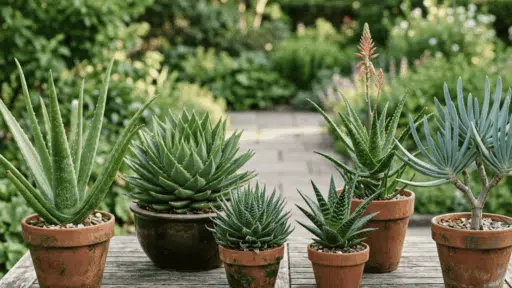
- Container Gardening: Use pots, grow bags, or containers with drainage holes for herbs, greens, and small fruits.
- Soil Preparation: Mix 60% potting soil, 30% perlite, and 10% compost for healthy container plants.
- Vertical Growing: Use wall planters, hanging baskets, or pallets to grow more plants in limited space.
- Hydroponics and Aquaponics: Grow plants in nutrient-rich water instead of soil while using much less water.
- Companion Planting: Place compatible plants together, such as basil and tomatoes, to support healthier growth.
- Composting: Turn kitchen scraps and plant waste into nutrient-rich fertilizer for your garden.
- Water Management: Check the top inch of soil and water only when it feels dry.
- Recycling and Reusing Materials: Repurpose buckets, cans, and bottles as affordable planters.
- Pollinator Gardening: Grow flowers like lavender and milkweed to attract bees and butterflies.
- Raised Beds: Use raised garden beds filled with clean soil for safer food production.
- Indoor Growing: Use grow lights to cultivate herbs, greens, and flowers indoors year-round.
- Community Participation: Join a community garden to grow plants and connect with other gardeners.
Main Types of Urban Gardening
Urban gardening is not one single method. Depending on your space, budget, and goals, there are several ways to grow food right where you live.
1. Container Gardening
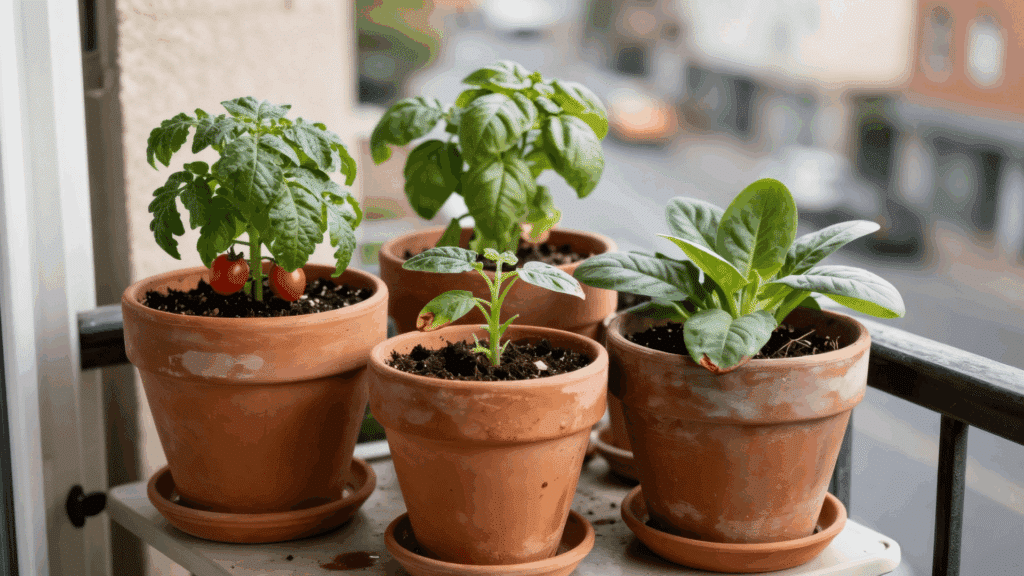
Container gardening is the easiest way for beginners to start growing plants in urban spaces. Use ceramic pots, terracotta pots, fabric grow bags, or recycled containers with proper drainage holes.
This method works well for herbs, lettuce, spinach, peppers, and small tomato varieties. It is flexible, affordable, and ideal for balconies, patios, and windowsills.
Best if: you have a balcony, patio, or windowsill and want low commitment.
2. Vertical Gardening
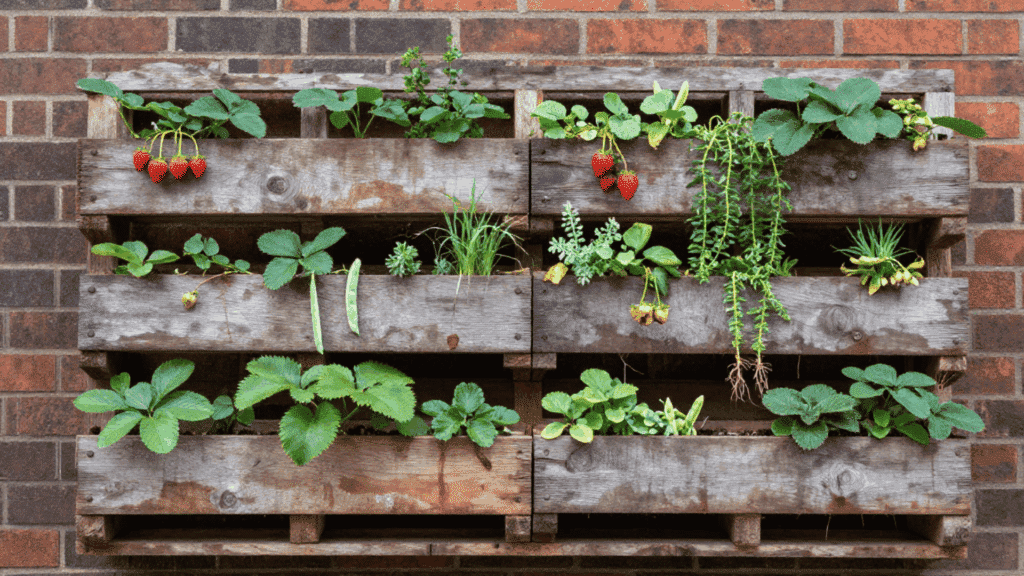
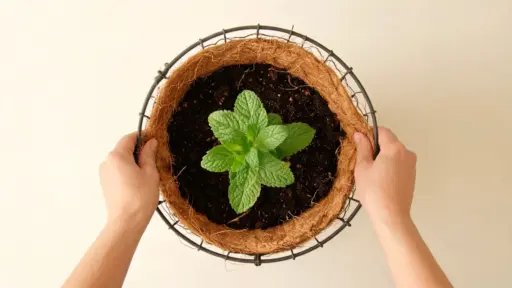
Vertical gardening helps gardeners maximize limited space by growing plants upward instead of outward. Common options include wall-mounted planters, hanging baskets, trellises, stacked pots, and shelf systems.
This growing method is expected to become a 6.8 billion dollars market by 2028. It works especially well for strawberries, beans, peas, herbs, and other climbing or compact plants.
Best if: you have wall or fence space but little floor area.
3. Hydroponics and Aeroponics
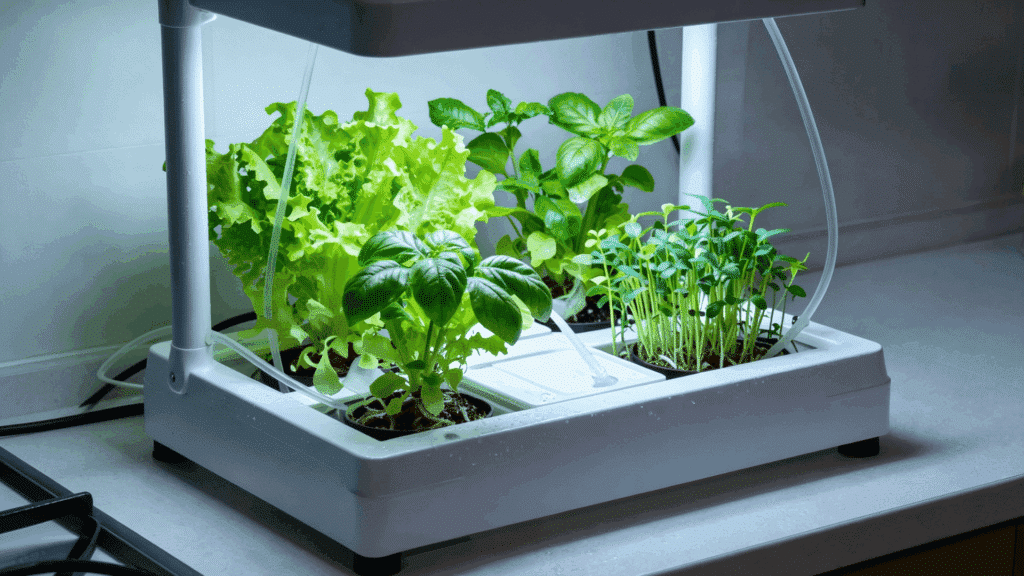
Hydroponics and aeroponics are advanced growing methods that do not require traditional soil.
Instead, plant roots receive nutrients through water or nutrient-rich mist. Some hydroponic systems, including NFT systems, can reduce water use by up to 90%.
These methods are popular in indoor farms, rooftop gardens, and urban spaces where water conservation and efficient production are important goals.
Best if: you’re indoors, want fast clean growth, and don’t mind a learning curve.
4. Community Gardens
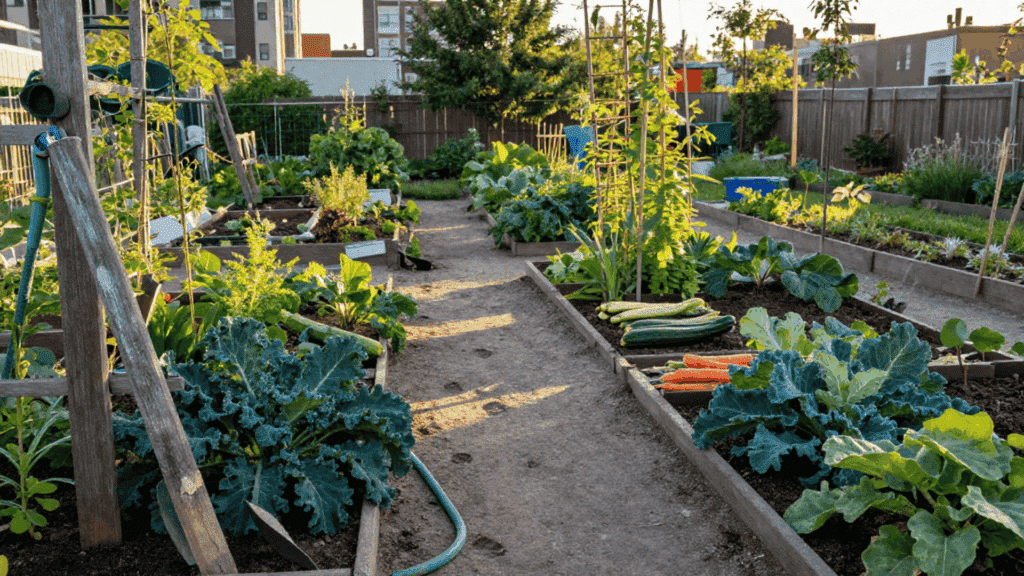
Community gardens are shared growing spaces where neighbors work together to grow vegetables, herbs, fruits, and flowers.
Around 80% of participants report stronger community connections through gardening. I have been using these community gardens for a long time.
These spaces also provide educational opportunities, fresh produce, and access to gardening for people without private outdoor areas.
Best if: you lack private outdoor space or want to garden socially.
5. Raised Beds
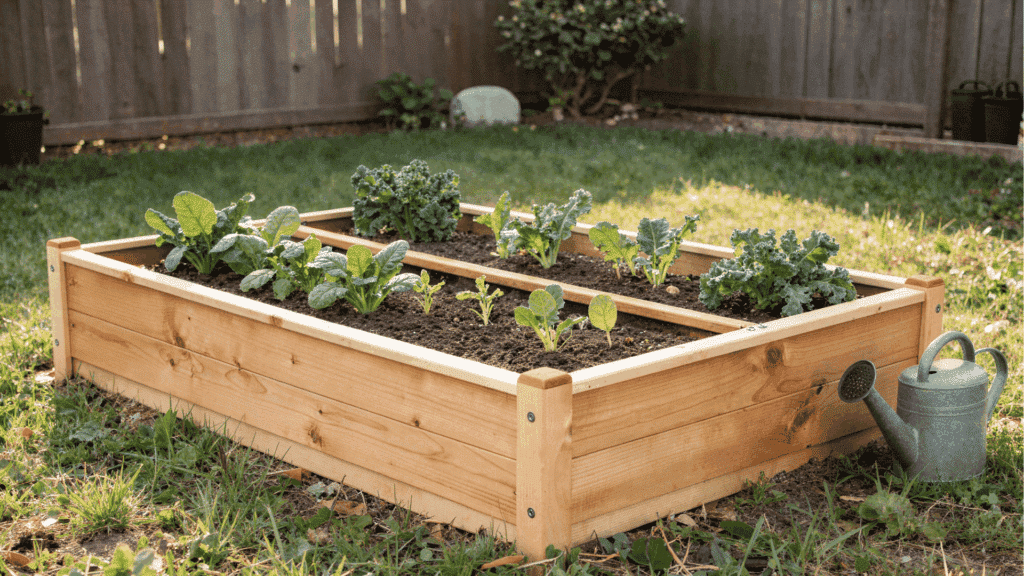
Raised bed gardening is one of the most popular urban gardening methods, used by nearly 47% of American gardeners.
Raised beds provide better drainage, cleaner soil, and improved control over growing conditions.
They are especially valuable in areas where the soil may contain contaminants. Gardeners can customize soil quality, reduce weeds, and make routine maintenance easier.
Best if: you have a small yard and want maximum control over soil quality.
6. Rooftop Gardens
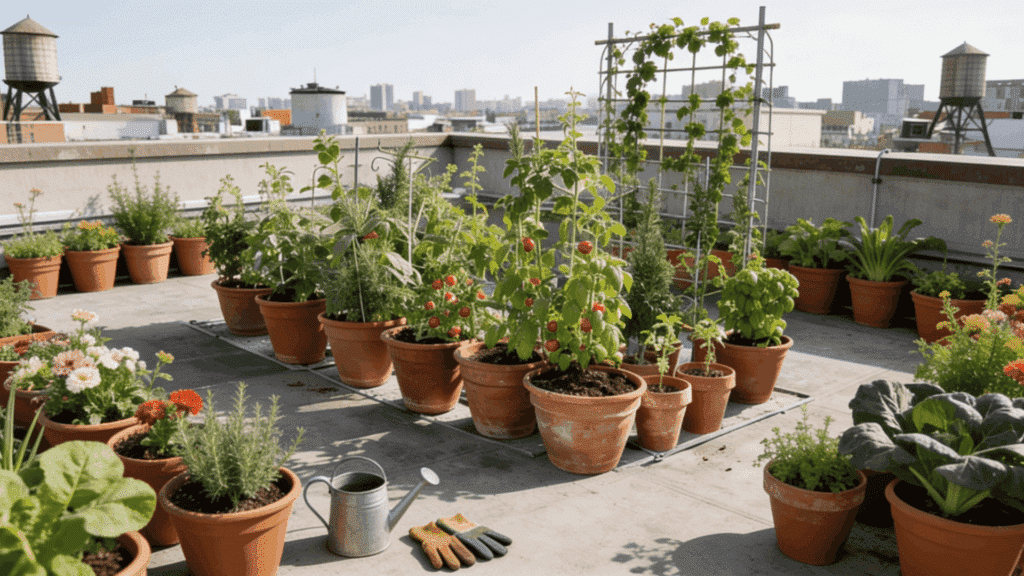
Rooftop gardens transform unused roof space into productive growing areas. They are an effective solution for cities where ground space is limited.
Most rooftop gardens receive abundant sunlight, making them ideal for tomatoes, peppers, basil, rosemary, and other sun-loving plants.
Beyond food production, rooftop gardens can improve insulation, reduce heat buildup, and create attractive green spaces within urban environments.
Best if: you have safe, permitted roof access and a sunny, wind-exposed spot.
7. Indoor Gardens
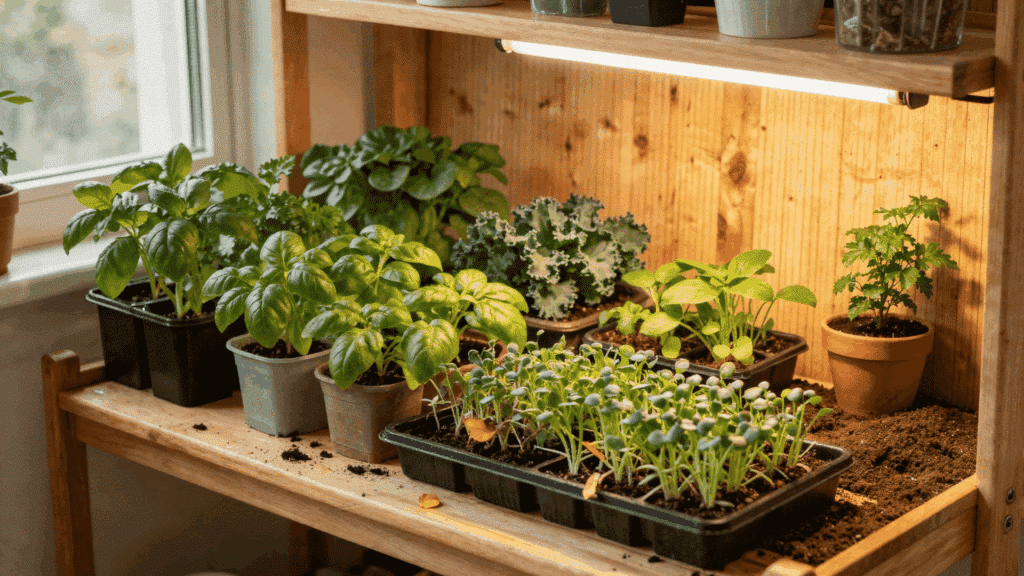
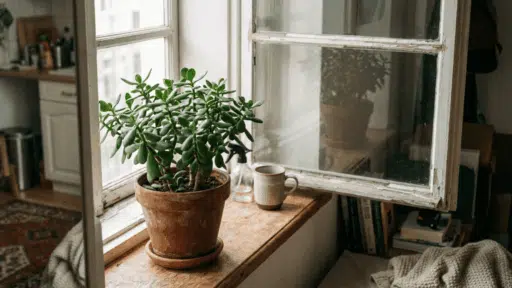
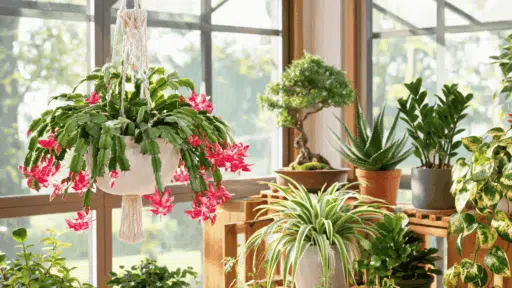
Indoor gardens allow people to grow fresh herbs, leafy greens, and ornamental plants throughout the year.
Modern grow lights make it possible to maintain healthy plant growth even in apartments with limited natural sunlight.
Popular indoor crops include basil, parsley, lettuce, kale, and microgreens. Indoor gardening is an excellent choice for city residents who lack outdoor space but still want homegrown produce.
This method is super easy, and I even use it at home.
Best if: you have no outdoor space but a sunny window or room for a grow light.
Best Plants for Urban Gardens
The right plant in the right spot makes all the difference. Here are the best choices for every urban growing method used across the world.
| Method | Best Plants | Why It Works |
|---|---|---|
| Containers | Basil, cilantro, lettuce, spinach, dwarf tomatoes, peppers | Small roots, compact growth |
| Vertical | Beans, peas, cucumbers, strawberries, nasturtiums | Climbing vines use height well |
| Hydroponics | Leafy greens, herbs, strawberries, microgreens | Fast growth, no soil needed |
| Rooftop | Tomatoes, bougainvillea, hibiscus, lemongrass, marigold | Handle full sun and wind |
| Indoor | Basil, parsley, kale, arugula, snake plant | Grow well in low light |
| Community Plots | Zucchini, kale, carrots, radishes, bush beans | Fit shared, medium-size beds |
Benefits of Urban Gardening
Growing food in a city pays off in more ways than one. Here is what urban gardening actually does for you and your community.
- Health Benefits: Working with soil and plants can support immune health and may reduce allergies over time. Many gardeners also report lower stress and a calmer mind after spending time outdoors.
- Environmental Benefits: Plants absorb carbon dioxide and release oxygen, helping improve air quality. Gardens also support bees and birds, reduce rainwater runoff, and help cool urban areas.
- Economic Benefits: Growing food at home can save a household about $ 500 per year. Gardening may also account for about 23% of grocery costs, and nearby green spaces can raise property values by up to 15%.
- Social Benefits: Community gardens help neighbors connect and work together. About 80 % of gardeners report improved social ties, and these spaces can improve food access in areas with limited grocery stores.
How to Start Your First Urban Garden
You do not need much space, money, or experience to begin. Here is how to start your first urban garden the right way.
Step 1: Assess Your Space
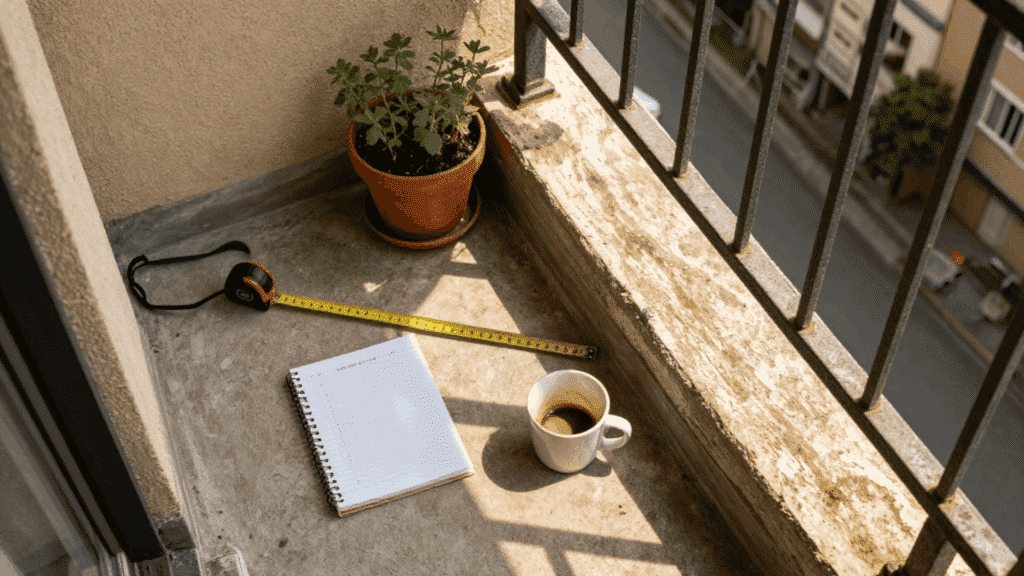
Start by measuring your space and checking how many hours of direct sun it gets each day.
Most food plants need at least 6 hours. If you plan to garden on a balcony, check the weight limit and how close you are to a water source.
Then go to the USDA website, type in your zip code, and find your hardiness zone.
This tells you which plants suit your local climate and when to put them in the ground.
Step 2: Set Your Budget and Pick a Growing Method
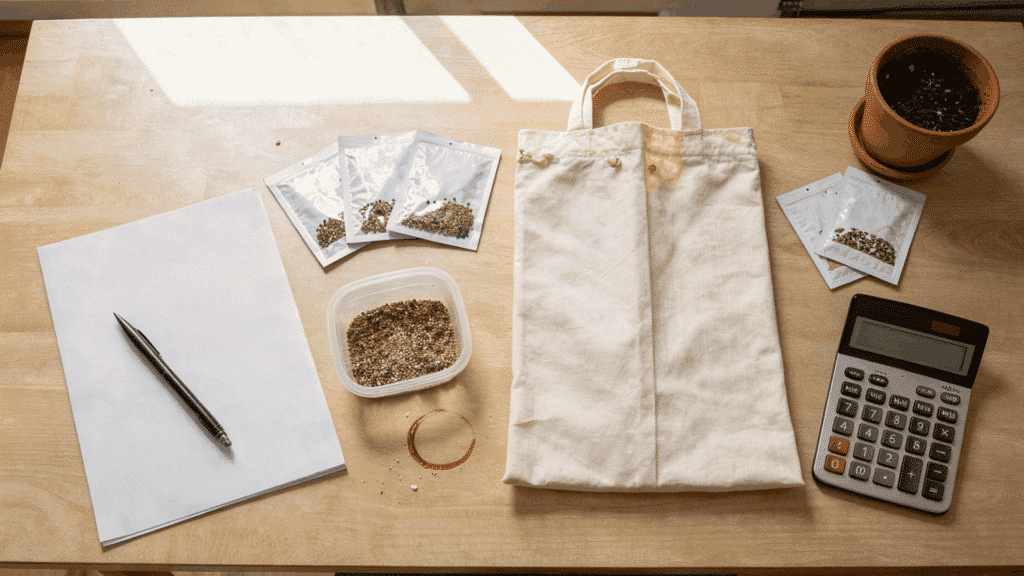
Decide how much you want to spend before buying anything.
| Setup Level | Cost | What It Includes |
|---|---|---|
| Basic | 100 to 200 dollars | Containers, soil, seeds, basic tools |
| Medium | 200 to 500 dollars | Better containers, quality soil, more plants |
| Advanced | 500 dollars and up | Hydroponic kits, smart tools, small greenhouses |
Once you have a budget, pick the method that fits your space. Containers work for balconies and windowsills.
Raised beds suit small yards. Vertical setups are good for walls. Hydroponics works well indoors when outdoor space is limited.
Step 3: Check Building Rules and Gather Your Supplies
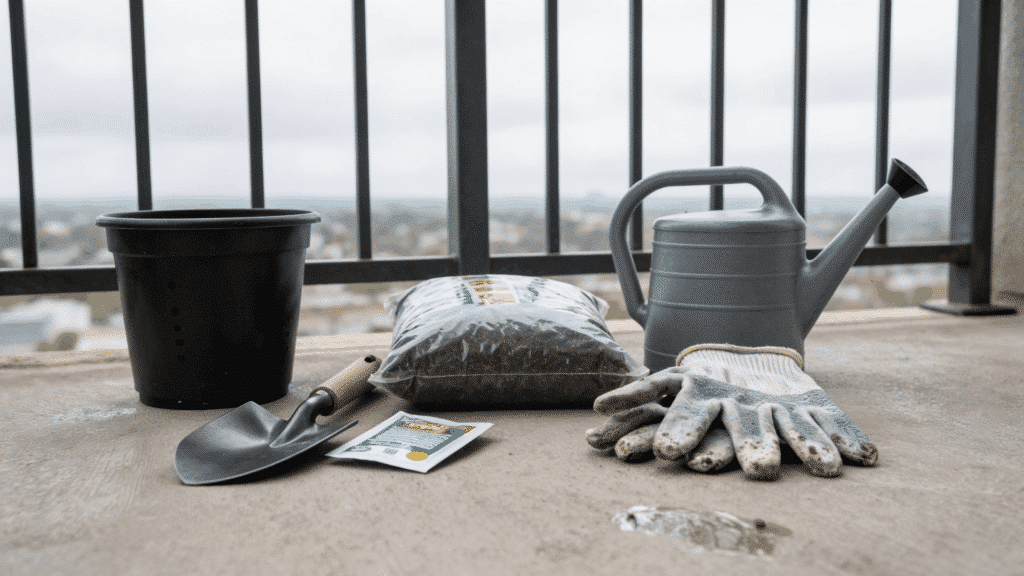
Check your lease or HOA rules. Some buildings need written approval for balcony or rooftop gardens, so a quick email to your landlord saves a lot of trouble later.
Once you are cleared, pick up the basics: containers with drainage holes, potting mix, seeds or starter plants, a small trowel, gloves, a watering can, compost, and perlite.
A basic kit runs about 100 to 200 dollars for most beginners.
Step 4: Prepare Your Soil
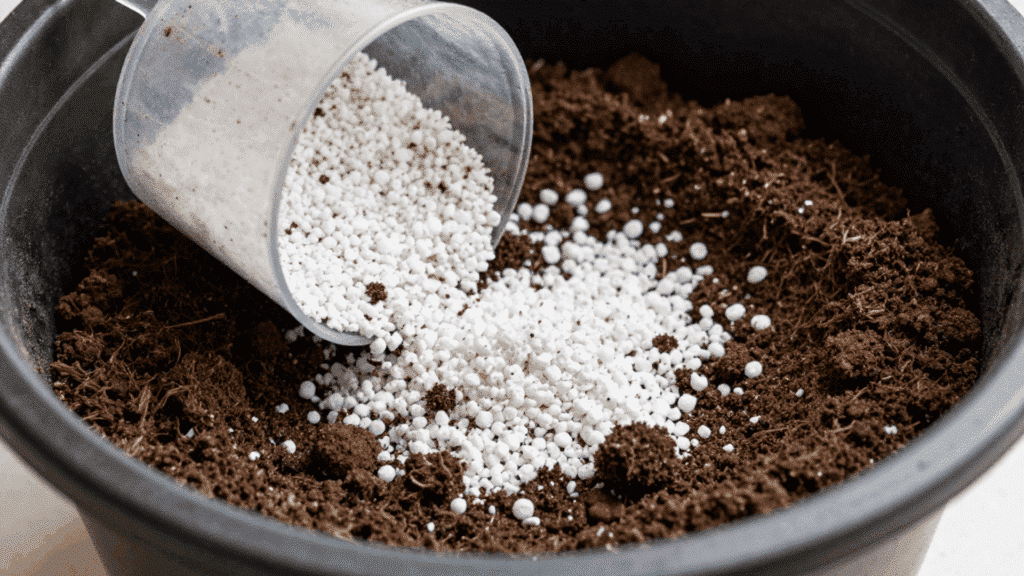
Mix 60% potting soil, 30% perlite, and 10% compost to give roots a healthy base.
Fill containers to about 1 to 2 inches below the rim so water does not spill when you pour it in.
Moisten the mix lightly before planting and keep it loose rather than packed tight. Compact soil blocks roots and cuts drainage, which slows plant growth over time.
Step 5: Plant, Water, and Maintain
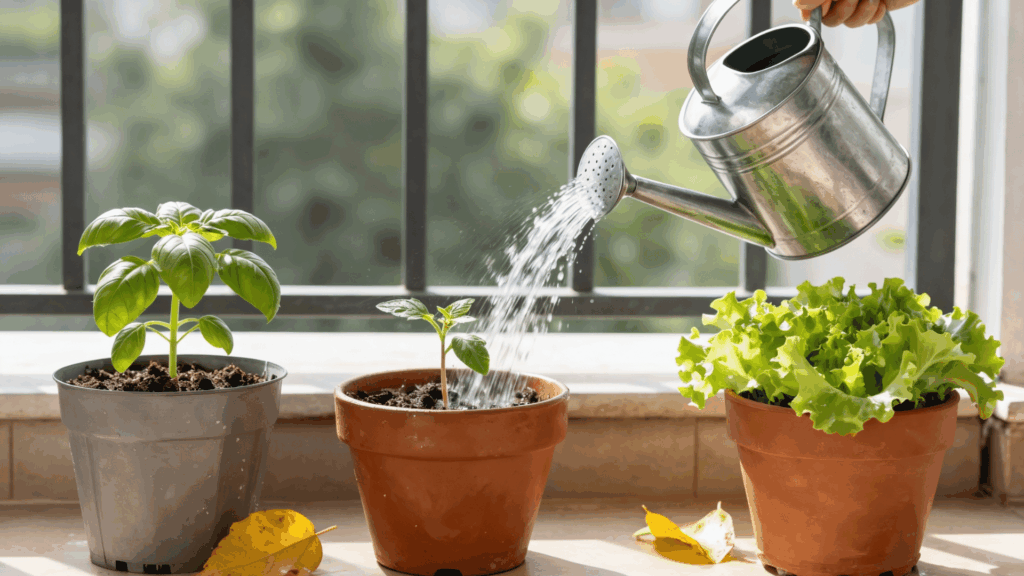
Read the seed packet for correct spacing and depth, then water right after planting. Check soil moisture daily by pressing a finger into the top inch.
If it feels dry, water it. Feed plants with a balanced fertilizer every 2 to 4 weeks during the growing season.
Prune dead leaves as you spot them, turn pots weekly for even light, and your urban garden will reward you fast.
Common Challenges in Urban Gardening and How to Fix Them
Every urban gardener runs into problems at some point. Knowing what to expect and how to fix it quickly makes the whole process a lot smoother.
| Challenge | Simple Fix |
|---|---|
| Limited space | Try vertical gardens, containers, or hydroponics |
| Low sunlight | Add grow lights or pick shade-friendly plants |
| Strong winds on roofs or balconies | Choose wind-tough plants and add a wind screen |
| Weight limits | Use light containers and check building limits |
| Pests | Check plants often and try companion planting |
| Soil that may be unsafe | Use raised beds or containers instead of ground soil |
| Building rules | Get written approval before you start |
When you match each problem with the right fix, urban planting becomes far less stressful, even in a tight or shared space.
Final Thoughts
So, what is urban gardening in plain terms? It is the simple act of growing plants and food in cities, using methods that fit the space you have, whether that is a tiny balcony or a shared lot.
Urban planting gives almost anyone a way to grow fresh produce, cut grocery costs, and add a bit of green to a busy block.
You do not need a big yard or years of skill to begin. Start small with a single pot, pick plants that match your light, and build steady habits like checking soil moisture each day.
Ready to start? Pick one corner of your home today, set up a container, plant a seed, and watch your urban garden grow.
Frequently Asked Questions
How Often Should I Fertilize My Urban Garden?
Feed container plants every 2 to 4 weeks during the growing season using a balanced liquid fertilizer. Raised bed plants need to be fed less frequently.
Is Rainwater Safe to Use on Urban Gardens?
Yes, Rainwater is generally safe, and plants respond well to it. Collect it in a barrel and use it during dry spells to cut water bills.
Do Urban Gardens Need Special Drainage?
Yes, always use containers with drainage holes to prevent waterlogging. Standing water around roots causes rot and kills plants faster than almost anything else.

Veronica Lee holds a Master’s degree in Landscape Architecture from Cornell University and has dedicated more than 15 years to transforming outdoor areas into artistic and sustainable spaces. Her career took off in a renowned landscape design firm, where she excelled in creating visually stunning and environmentally responsible designs. In 2019, Veronica brought her expertise to our platform, quickly becoming a key contributor to our outdoor design and sustainability sections. As the lead of our landscape innovation series ever since joining, she has inspired readers with her forward-thinking and practical approach. When not drafting designs, Veronica enjoys pottery and participates in local conservation efforts, activities that complement her professional ethos of blending art with nature.