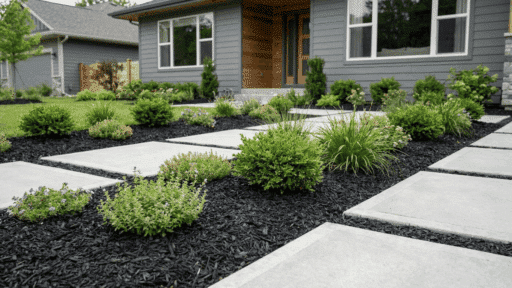
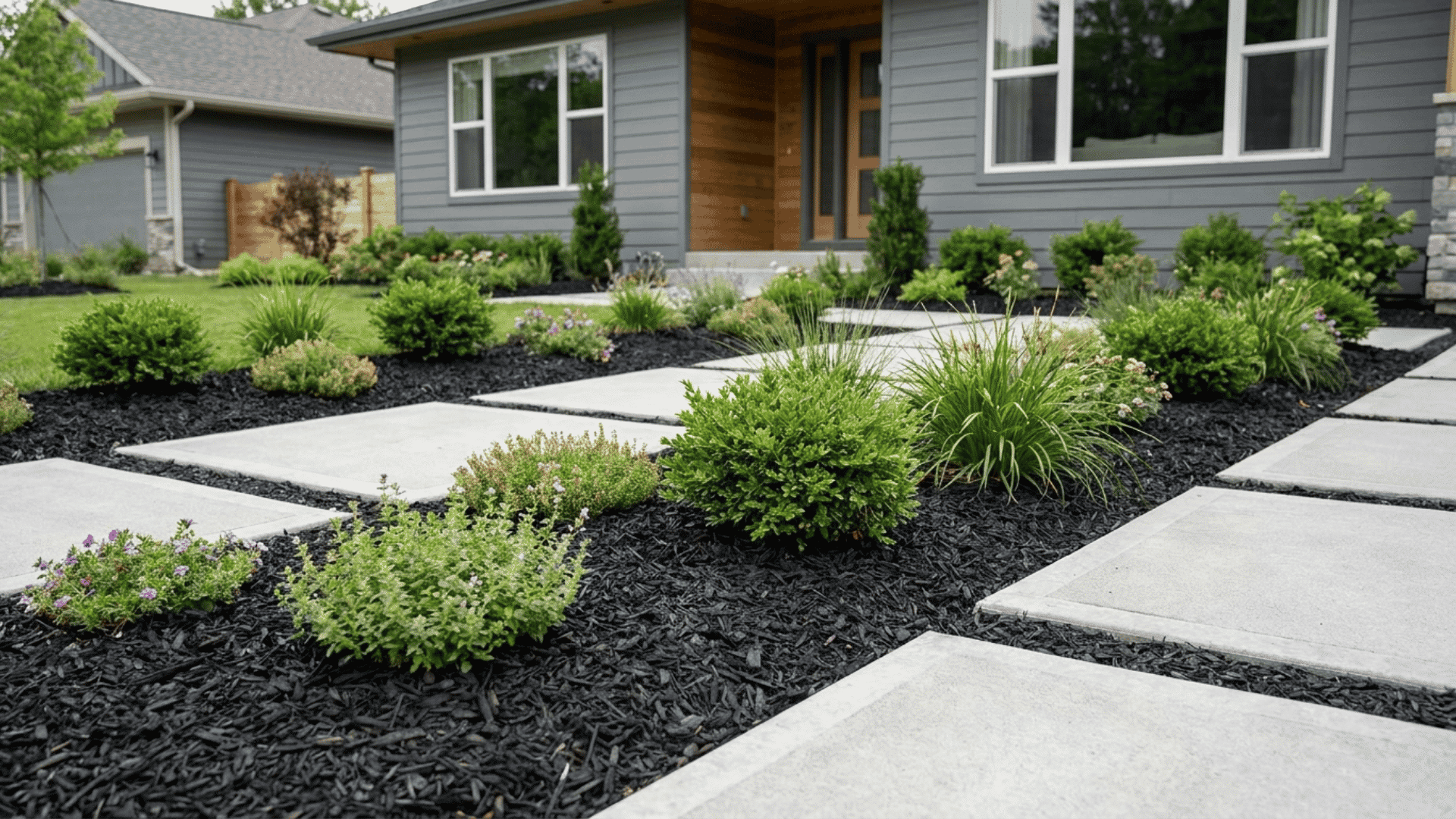

If you’ve been shopping for mulch lately, rubber mulch has probably caught your eye.
It’s colorful, long-lasting, and priced in a way that makes you stop and wonder if it’s actually worth it. So, is rubber mulch good? The short answer is: it depends on what you’re using it for.
Homeowners are drawn to it because it promises to solve a common frustration: the need to buy and spread fresh mulch every year.
The idea of putting something down once and not touching it for a decade sounds great in theory. But like most landscaping products, the reality is more nuanced.
This guide will help you identify what rubber mulch is, where it performs well, where it falls short, and if it’s a safe choice for your family and yard.
By the end, you’ll have a clear picture of whether it belongs in your landscape plans or not.
What is Rubber Mulch?
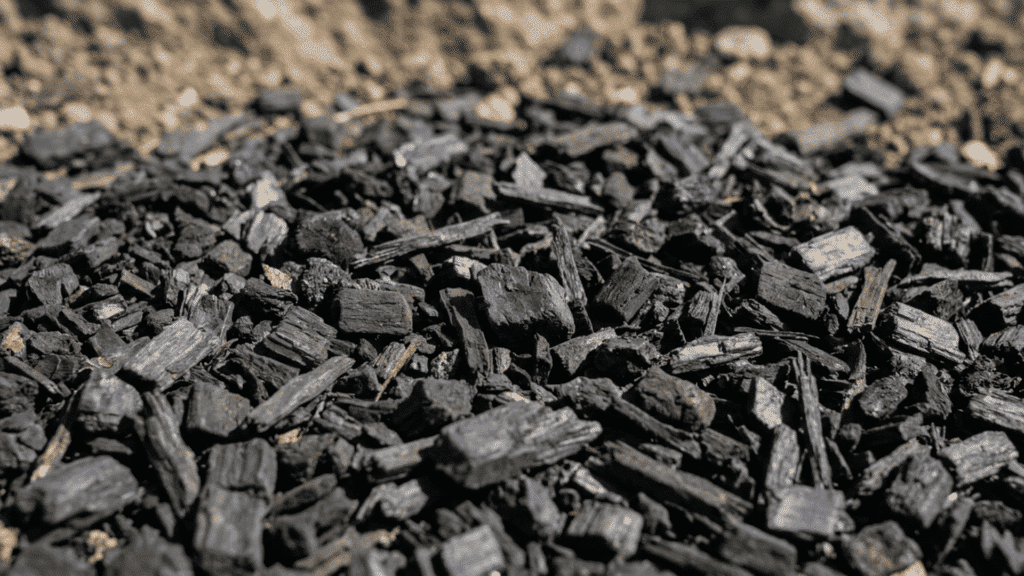
Rubber mulch is a ground covering material made from recycled tires. Old car and truck tires are shredded, and the steel and fiber components are removed.
What’s left gets ground down into chips, nuggets, or crumb-sized pieces that look a lot like traditional wood mulch.
Because it’s made from recycled material, rubber mulch has been promoted as an eco-friendly way to repurpose used tires that would otherwise sit in landfills.
Manufacturers often add color dyes: red, black, brown, and tan are the most common.
You’ll find rubber mulch in a few main places, such as playgrounds and landscape beds around trees, shrubs, and decorative plants.
It’s not a one-size-fits-all product, though. Where it works well, it works really well. Where it doesn’t, the problems can be hard to ignore.
Is Rubber Mulch Good for Landscaping?
Yes, rubber mulch can be a good landscaping choice if you want long-lasting color, low maintenance, and fewer replacements.
Many homeowners choose it because it lasts much longer than wood mulch, which usually needs to be refreshed every year or two.
Since rubber doesn’t break down, one installation can last a decade or more, saving time, labor, and ongoing costs. It’s especially useful in large beds, commercial areas, or hard-to-reach spots.
Rubber mulch also holds its color well because it’s made from synthetic rubber with UV-resistant pigments, so it can keep a neat, uniform look for years.
In contrast, wood mulch often fades, washes unevenly, and needs frequent top-ups to stay attractive.
Pros and Cons of Rubber Mulch
Rubber mulch provides long-lasting benefits for gardens and playgrounds, but it also has limitations to consider. This table helps weigh both sides for better landscaping decisions:
| Pros | Cons |
| Long lifespan, lasts 10 to 15 years without frequent replacement. | High cost, more expensive upfront than wood mulch. |
| Weed control blocks sunlight, preventing unwanted growth. | Heat retention can get very hot under direct sunlight. |
| Drainage allows water to pass through, reducing runoff. | Chemical concerns may cause compounds to leach from recycled tires. |
| Low maintenance, stays in place, resists insects. | Not for vegetable gardens, unsafe for edible plants. |
| Insect resistance deters termites and carpenter ants. | Removal difficulties, hard to remove completely once installed. |
| Playground cushioning absorbs impact, making it safer for children. | Appearance concerns may look artificial in natural landscapes. |
Rubber Mulch for Gardening
Rubber mulch can work well in some gardens and landscaping areas, but it is not the best option for every space.
It is most useful in decorative landscape beds, around mature trees, and in low-maintenance areas where long-lasting weed control is more important than improving soil quality.
Rubber mulch is usually not recommended for vegetable gardens, herb beds, or areas with young plants.
Since it is made from recycled tires, it does not break down to feed the soil like organic mulch does. There are also concerns that small amounts of chemicals may slowly enter the soil over time, especially during hot, wet weather.
For edible gardens, organic options such as compost, straw, or wood mulch are generally safer and better for plant health.
If using rubber mulch, keep it away from food-producing plants and water features, and install a barrier beneath it to reduce direct soil contact.
If your garden is meant to grow food or you value a natural, biodiversity-friendly yard, an organic mulch will serve you better on every level.
Who Should Use Rubber Mulch?
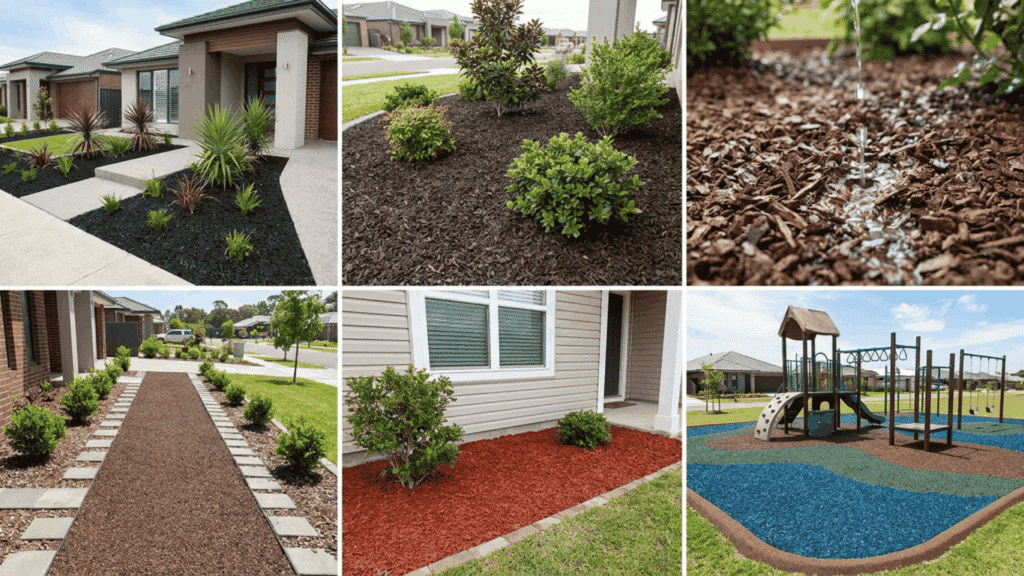
Rubber mulch makes the most sense for homeowners who want a low-maintenance, long-lasting ground cover for decorative beds around mature trees, established shrubs, or non-edible ornamental plantings.
It’s also a strong choice for:
- Families with backyard play areas, where fall cushioning is a priority.
- Property managers and commercial landscapers are seeking to reduce annual mulch-replacement costs.
- Dog owners who need a ground cover in runs or kennel areas, though with the caveat of watching for any chewing behavior
- Homeowners in low-rainfall areas where organic mulch tends to dry out and decompose faster
For everyone else, the decision comes down to budget, goals, and how much maintenance you want to handle. Rubber mulch is a practical option when used in the right place. Understanding where it belongs and where it doesn’t is what makes the difference between a smart investment and a frustrating one.
Best Alternatives to Rubber Mulch
If rubber mulch doesn’t seem like the right fit, several strong alternatives are available depending on your goals.
| Alternative Mulch | Best For | Main Benefits | Drawbacks |
| Wood Mulch | Flower beds, trees, and general landscaping | Affordable, easy to find, and improves soil as it breaks down | Needs replacement every 1–2 years |
| Bark Mulch | Decorative beds and long-term landscaping | Lasts longer, attractive appearance, cedar may help repel insects | Costs more than basic wood mulch |
| Straw | Vegetable gardens and new plantings | Helps retain moisture, improves soil, and is lightweight | It can look untidy in formal landscapes |
| Compost | Garden beds and plant health improvement | Adds nutrients, improves soil structure, supports healthy growth | Breaks down quickly and needs frequent reapplication |
| Gravel or Stone | Walkways, drainage areas, decorative spaces | Very long-lasting, low-maintenance, clean appearance | Does not improve soil quality and can be harder to remove |
Is Rubber Mulch Safe?
This is the question most people are really asking. Is rubber mulch safe for families, pets, and garden plants? The answer isn’t clear, and opinions vary depending on the source:
1. Chemical Leaching
Recycled tire rubber contains chemicals used in the vulcanization process, such as zinc compounds and polycyclic aromatic hydrocarbons (PAHs), and carbon black is among the most cited.
Research has confirmed that some of these compounds can leach into soil, particularly after rainfall or when the mulch is exposed to heat over long periods.
The concentration and long-term impact on humans or animals through casual contact is still being studied.
Some independent researchers have raised concerns, while regulatory bodies such as the Consumer Product Safety Commission (CPSC) have generally maintained that playground-grade rubber mulch poses an acceptable risk at typical exposure levels.
2. Effects on Children
Children on playgrounds may come into direct skin contact with rubber mulch, and younger children sometimes put things in their mouths.
Studies looking at air quality near rubber mulch surfaces have occasionally found elevated levels of volatile organic compounds (VOCs), particularly on very hot days.
Parents in areas with high summer temperatures may want to consider this.
3. Effects on Pets
Dogs that spend time in rubber‑mulched areas may ingest small pieces or lick their paws after contact.
Zinc toxicity from ingested rubber fragments is a documented concern in dogs, with potential symptoms like vomiting, diarrhea, and lethargy.
If your pet likes to chew or eat things off the ground, rubber mulch in a dog run may not be the safest choice, and alternatives like gravel or organic mulch are often better.
4. Effects on Soil and Plants
In purely decorative settings, away from edible plants, the soil impact of rubber mulch leaching is generally considered low over short- to medium-term timeframes.
However, long-term use in the same area, especially during heat and rainfall cycles, may gradually alter soil chemistry. Sensitive ornamental plants may show stress in heavily mulched beds over the long term.
Tips for Using Rubber Mulch Safely
If you’ve decided rubber mulch is the right choice for your space, a few practices can help minimize any risks and maximize its performance.
- Choose certified, high-quality products. Look for rubber mulch that meets ASTM playground safety standards if it’s going near play areas. Products labeled as wire-free and meeting low-VOC specifications are worth the extra cost.
- Use landscape fabric underneath. A layer of weed barrier fabric beneath the rubber mulch helps limit soil contact, potentially reducing the amount of leaching that reaches the root zone of nearby plants.
- Keep it away from edible plants. This is non-negotiable. Don’t use rubber mulch in or near vegetable beds, fruit trees, or any area where you’re growing food.
- Manage heat carefully. In hot climates, avoid placing rubber mulch directly against plant stems or tree trunks. Leave a small gap so heat doesn’t concentrate near sensitive root areas. Watering the area in the evening can also help lower the surface temperature.
- Inspect the surface regularly. Over time, rubber mulch can shift, compress, or get displaced. Periodically redistributing it keeps coverage even and prevents soil from being exposed in patches.
- Keep children from prolonged ground contact on very hot days. If the surface temperature is high, limit playtime until it cools down, especially for barefoot children.
- Don’t use it near water features. If rubber mulch is installed near a pond, stream, or drainage area, leached chemicals can reach the water. Keep it well away from any natural or artificial water sources.
Final Thoughts
Is rubber mulch good? That depends less on the product itself and more on the person using it.
A homeowner who understands its limits and places it accordingly will likely be satisfied for years. One who treats it as a catch-all solution will run into problems fairly quickly.
No mulch is perfect. Every option involves tradeoffs between cost, appearance, safety, and soil impact. Rubber mulch has a different set of tradeoffs than wood or bark, not necessarily worse, just different.
The key is going in with accurate expectations. When in doubt, start small, try it in one area first before committing to the whole yard.
Frequently Asked Questions
Is Rubber Mulch Expensive?
Rubber mulch is usually more expensive than wood or bark mulch, with a significantly higher upfront cost per square foot, though it can pay off over time due to its long lifespan.
How Much Does 1 Ton of Rubber Mulch Cover?
One ton of rubber mulch typically covers about 400–600 square feet at a depth of 2–3 inches, depending on the size and density of the rubber pieces.
What is the Healthiest Mulch for Plants?
The healthiest mulch for plants is organic, such as compost or shredded leaves, because it feeds the soil and breaks down into nutrients.

With a Master’s in Landscape Architecture from the University of Virginia, Sophia Stephenson has dedicated the last 20 years to creating and maintaining vibrant outdoor spaces. Her professional journey started in landscape design, where she gained a reputation for innovative and sustainable approaches. Sophia became a part of our editorial team as a freelancer in 2019, offering a fresh perspective on outdoor living. Since 2020, she has been the chief for our outdoor design content, blending aesthetic appeal with environmental stewardship. In her leisure time, Sophia is a keen photographer, capturing the beauty of natural landscapes, a hobby that complements her professional expertise.