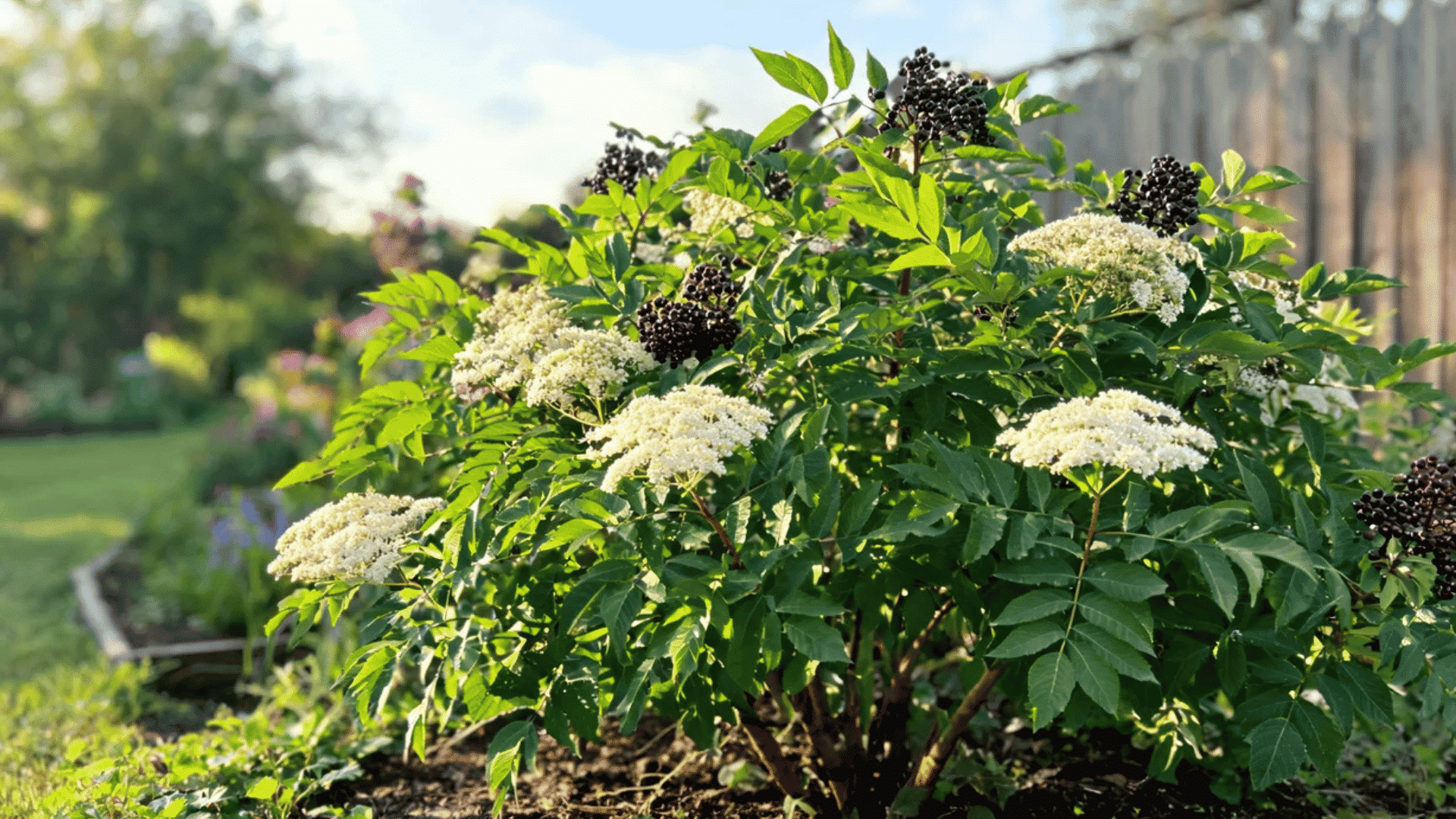

I first planted elderberry shrubs after seeing how much birds and bees loved them in a nearby yard. Since then, I have learned what helps these plants grow well and what can cause weak growth.
In this Sambucus Canadensis Growing Guide, you will learn how to plant, water, prune, and care for this native shrub through each season.
I also cover sunlight needs, soil tips, berry production, and common problems that can affect healthy growth. The goal is to give you clear advice based on real gardening experience, not confusing terms or filler.
Sambucus canadensis is a strong plant for many home gardens, especially if you want flowers, berries, and more wildlife in your space.
By the end, you will feel ready to grow a healthy elderberry shrub with confidence at home, even if you are new to gardening basics.
What is Sambucus Canadensis?
Sambucus canadensis is a native North American plant commonly known as the elderberry shrub or American elderberry.
It belongs to the Adoxaceae plant family and is grown for its flowers, berries, and fast growth in home landscapes.
This plant naturally grows across many parts of the United States and Canada, especially in moist soil near forests, roadsides, and stream banks.
Sambucus canadensis is usually considered a large shrub, though some mature plants may resemble small trees.
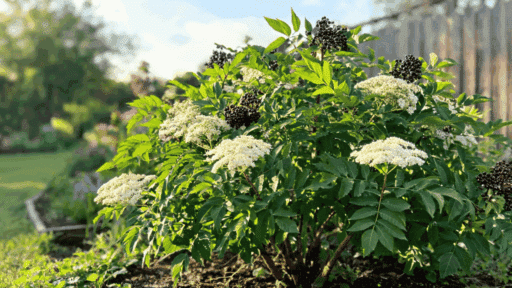
The elderberry shrub often reaches 5 to 12 feet tall and spreads wide as it grows. It has green, pointed leaves arranged in groups along long stems.
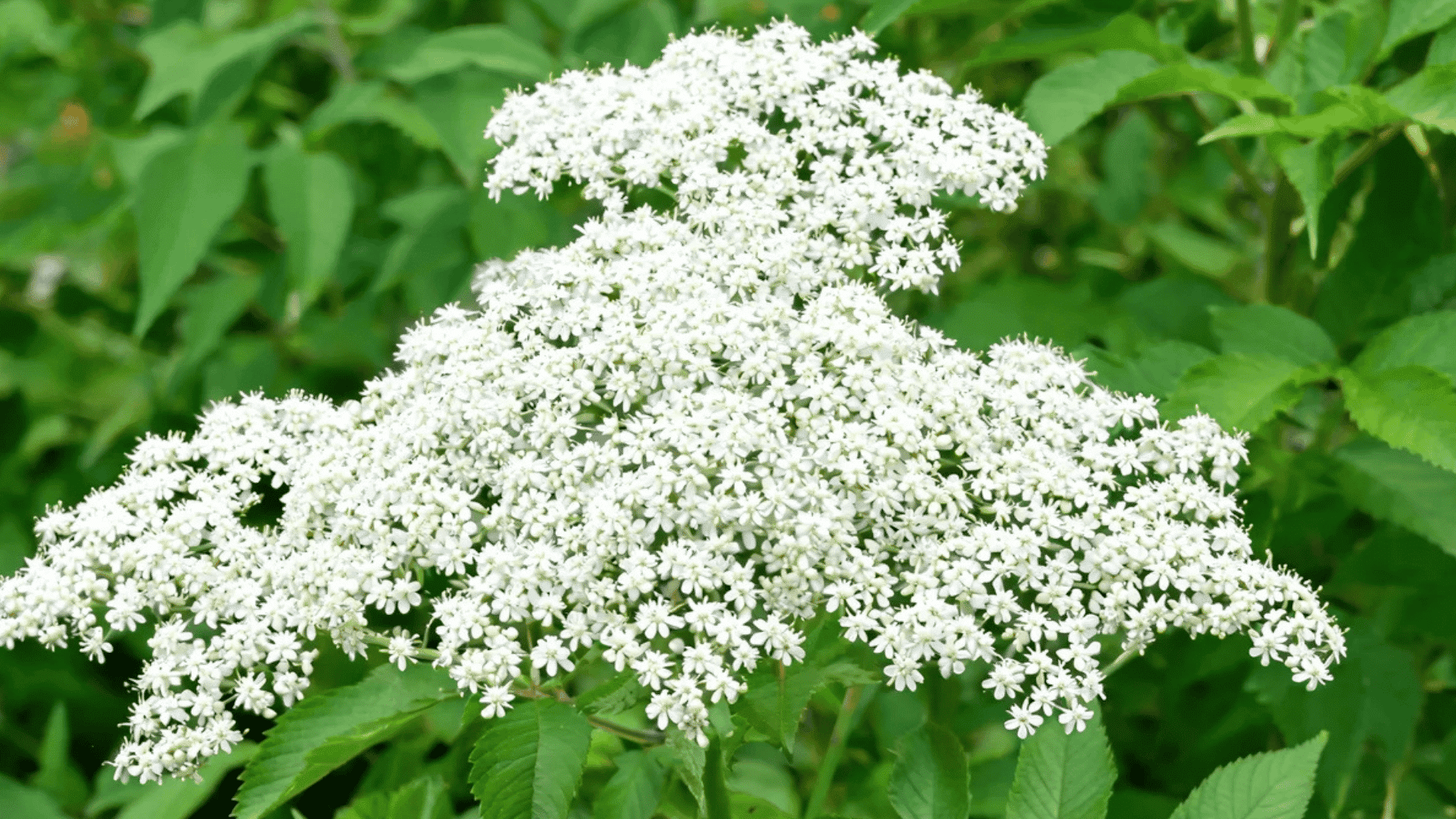
During late spring and early summer, flat clusters of creamy white flowers appear. These flowers later turn into dark purple to black berries by late summer.
Key fact: ripe berries are commonly used in jams, syrups, and homemade recipes after proper cooking.
Key Characteristics of the Elderberry Shrub
The elderberry shrub is known for its rapid growth, seasonal beauty, and support for local wildlife. These features make Sambucus canadensis a popular choice for home gardens and natural landscapes.
| Feature | Details |
|---|---|
| Multi-Stem Growth Pattern | The shrub grows with several stems rising from the base rather than a single main trunk. |
| Fast Growing Nature | Sambucus canadensis grows quickly and spreads well in open spaces. |
| Seasonal Appearance | Green leaves appear in spring, followed by flowers and berries later in the season. |
| Creamy White Flower Clusters | Small white flowers grow in large flat clusters during warm months. |
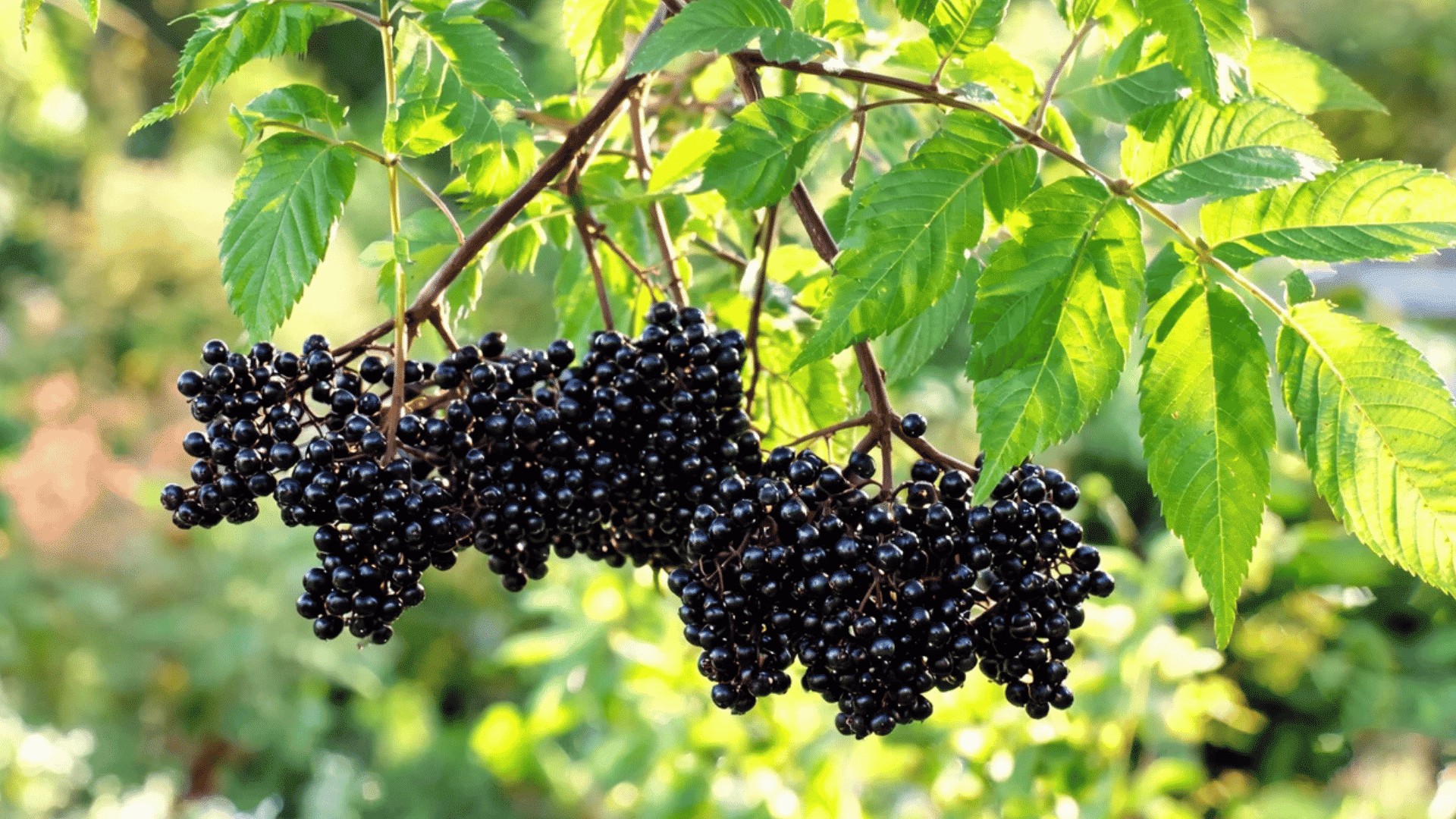
| Dark Purple to Black Berries | The berries ripen into a deep purple-black color by late summer. |
| Blooming and Fruiting Season | Flowers bloom first, while berries usually mature from late summer into early fall. |
| Birds Attracted to Berries | Many bird species feed on ripe elderberries during the fruiting season. |
| Pollinator Friendly Flowers | The flowers attract bees, butterflies, and other pollinating insects. |
Benefits of Growing Sambucus Canadensis
Sambucus canadensis is valued for both its practical uses and natural appearance in outdoor spaces. The elderberry shrub also supports local wildlife and grows well in many garden conditions.
- Ornamental Landscape Value: The shrub adds seasonal interest with green leaves, white flowers, and dark berries that stand out in the landscape.
- Native Plant Gardening Benefits: Sambucus canadensis is native to North America, making it a good fit for natural and low-maintenance gardens.
- Privacy Hedge Potential: The fast and wide growth of the elderberry shrub helps create a natural screen along fences and property lines.
- Edible Berry Production: The berries are commonly used in jams, syrups, baked foods, and other homemade recipes after proper cooking.
- Erosion Control and Environmental Value: Strong roots help hold soil in place and support healthier ground near slopes and wet areas.
How to Grow Sambucus Canadensis
Sambucus canadensis can grow from seeds or hardwood cuttings. Seeds often need cold treatment before they sprout, which can delay growth.
Hardwood cuttings root faster in moist soil and usually grow more reliably. For beginners, cuttings are often the easier method because they need less time and care.
Step 1: Choose the Right Location
Select a spot with full sun for the best growth and fruit production. Partial shade is acceptable, but more sunlight encourages larger berries and more flowers. Ensure the area has good airflow to prevent moisture buildup on leaves and stems.
Step 2: Check Your Zone
Sambucus canadensis thrives in USDA hardiness zones 3 through 9. It can tolerate both cold winters and warm summers, making it adaptable to many regions.
Step 3: Prepare the Soil
Use moist, well-drained soil that is rich in organic matter. Aim for a soil pH between 5.5 and 6.5 to promote strong root growth and nutrient absorption.
Step 4: Space Your Plants
Leave enough room between shrubs, as mature plants can spread several feet wide. Proper spacing ensures good airflow and reduces disease risk.
Step 5: Water and Care
Keep the soil consistently moist but not waterlogged. Regular watering supports steady growth, especially during dry periods.
Best Time to Plant: Spring planting works well in colder regions because roots have time to settle before winter. Fall planting is also common in mild climates where the soil stays workable after summer heat fades.
Sambucus Canadensis Care Guide
Healthy growth starts with steady care and the right seasonal routine. A well-maintained Sambucus canadensis plant rewards gardeners with fuller foliage, stronger roots, and reliable berry production from the elderberry shrub year after year.
- Watering Young Plants: Keep the soil evenly moist during the first growing season to support root establishment. Young Sambucus canadensis plants grow stronger when watering stays consistent without making the soil soggy.
- Care During Dry Periods: Deep soaking once or twice weekly helps the elderberry shrub maintain healthy foliage and berry production during hot weather. Consistent moisture also reduces plant stress in summer.
- Organic Compost Options: Compost made from leaves, kitchen scraps, or aged manure improves soil quality naturally around it. Organic matter also supports beneficial microbes and long-term root health.
- Best Fertilizer Timing: Apply fertilizer in early spring before active growth begins for the healthiest elderberry shrub development. Timely feeding supports vigorous stems and fuller berry clusters.
- Mulching for Moisture Retention: A 2–3 inch mulch layer helps Sambucus canadensis soil stay cooler and retain moisture longer. Mulch also reduces sudden changes in soil temperature around roots.
- Mulching for Weed Prevention: Organic mulch blocks sunlight from reaching weeds and lowers competition around the elderberry shrub. Cleaner growing areas also improve airflow and simplify maintenance.
- When to Prune: Late winter or very early spring is the ideal time to shape Sambucus canadensis before new growth appears. Seasonal pruning keeps the plant balanced and manageable.
- Removing Old Canes: Cutting weak or aging canes improves airflow and encourages healthier replacement growth on the elderberry shrub. Removing crowded stems also supports better berry quality.
- Encouraging Healthy Berry Growth: Full sunlight, annual pruning, and nutrient-rich soil help it produce larger, more consistent berry harvests. Healthy growing conditions also improve pollination success.
Elderberry Pollination, Growth, and Harvesting
Strong pollination and proper seasonal care help Sambucus canadensis produce fuller berry clusters and healthier long-term growth.
A well-maintained elderberry shrub can provide reliable harvests for teas, syrups, and homemade recipes year after year.
1. Flowering and Fruiting Timeline
The elderberry shrub usually blooms from late spring into early summer with large creamy-white flower clusters. After flowering, berries slowly begin forming and continue developing through the warmer months.
Most Sambucus canadensis berries become ready for harvest by late summer or early fall. Full sunlight, steady moisture, and warm temperatures help support stronger flowering and healthier fruit production throughout the season for better berry quality and larger harvests.
2. How Long does it Take to Produce Berries
A young Sambucus canadensis plant may begin producing small berry clusters within two to three years after planting.
Berry production becomes heavier as the elderberry shrub matures and develops stronger canes and roots. Good soil conditions, regular watering, and yearly pruning help plants establish faster and improve long-term fruit production.
Mature elderberry shrubs often provide larger harvests each season when they receive proper care and enough sunlight.
3. When Elderberries are Ready to Harvest
Ripe berries on an elderberry shrub turn deep purple or nearly black and feel slightly soft when touched. Entire berry clusters should appear evenly colored before harvesting begins because unripe berries may taste bitter.
Fully ripe sambucus canadensis berries usually contain richer juice, a darker color, and a better flavor for cooking.
Many gardeners harvest in cooler morning temperatures to help berries stay fresher during collection and preparation.
4. How to Harvest Safely
Most gardeners harvest sambucus canadensis by cutting full berry clusters with clean garden shears instead of pulling berries by hand.
This method helps protect the fruit and keeps the elderberry shrub healthier during harvest season. Green or partially ripe berries should always be removed before cooking because immature fruit may upset digestion.
Shallow baskets or containers also help prevent berries from becoming crushed after picking.
5. Popular Ways to Use Elderberries
Elderberries offer versatile culinary options, adding rich flavor, color, and natural sweetness to teas, syrups, jams, pies, desserts, and seasonal recipes with spices and citrus.
| Use | Description | Flavor Pairings |
|---|---|---|
| Tea | Simmered elderberries create a soothing, fruity herbal tea | Honey, ginger, cinnamon |
| Syrup | Cooked berries reduced into syrup for immunity or flavoring | Lemon, honey, cloves |
| Jam | Thick, spreadable preserves for toast or desserts | Orange zest, cinnamon |
| Pie | Adds deep color and tart-sweet taste to baked pies | Apple, cinnamon, nutmeg |
| Frozen | Cooked berries stored for later seasonal use | Retains natural flavor |
Properly prepared elderberries enhance beverages, sauces, and baked goods, making them perfect for traditional preserves or creative culinary uses throughout the year.
Common Problems and Solutions
Even healthy plants can face seasonal pest issues, fungal problems, or reduced berry production under poor growing conditions.
Proper care, airflow, and regular monitoring help Sambucus canadensis stay productive and keep it healthier throughout the year.
| Problem Area | Quick Solution |
|---|---|
| Aphids | Aphids feed on young sambucus canadensis growth and can be controlled with neem oil or a strong water spray. |
| Spider Mites | Dry conditions encourage spider mites on the elderberry shrub, so regular watering and humidity help reduce infestations. |
| Borers | Borers damage stems internally, making proper pruning and removing weak canes important for healthy growth. |
| Powdery Mildew | Good airflow and reduced leaf moisture help prevent powdery mildew on crowded elderberry shrub branches. |
| Leaf Spot | Removing infected leaves and avoiding overhead watering helps limit leaf spot spread on plants. |
| Root Rot | Poor drainage can lead to root rot, so the elderberry grows best in moist but well-draining soil |
Final Thoughts
Sambucus canadensis is more than just a beautifulelderberry shrub. It is a rewarding plant that brings seasonal color, attracts wildlife, and provides useful berries for homemade recipes and natural garden spaces.
If you want to grow it for landscaping, pollinators, or fruit production, this native shrub is a practical choice for many home gardens.
With the right sunlight, watering, and care, your elderberry plant can thrive for years and become one of the most eye-catching features in your yard.
Even beginner gardeners can enjoy success growing this hardy and fast-growing shrub.
Hopefully, this guide helped you feel more confident about planting and caring for Sambucus canadensis in your own outdoor space.
Have you grown an elderberry shrub before? Share your experience, tips, or questions in the comments below!
Frequently Asked Questions
Does Sambucus Canadensis Need Cross-Pollination?
Sambucus canadensis produces better fruit yields when multiple elderberry varieties are planted nearby for cross-pollination.
Are Raw Elderberries Safe?
Raw elderberries, leaves, stems, and seeds may cause stomach discomfort and should be cooked before consumption; pets should avoid them.
What are the Best Companion Plants for Elderberry Shrubs?
Coneflowers, black-eyed Susans, bee balm, and Joe-Pye weed grow well alongside elderberry shrubs in pollinator-friendly gardens.
Easy Landscaping Ideas With Elderberry Shrubs?
Elderberry shrubs work well in privacy hedges, wildlife gardens, rain gardens, and cottage-style landscape designs.

With a Master’s in Landscape Architecture from the University of Virginia, Sophia Stephenson has dedicated the last 20 years to creating and maintaining vibrant outdoor spaces. Her professional journey started in landscape design, where she gained a reputation for innovative and sustainable approaches. Sophia became a part of our editorial team as a freelancer in 2019, offering a fresh perspective on outdoor living. Since 2020, she has been the chief for our outdoor design content, blending aesthetic appeal with environmental stewardship. In her leisure time, Sophia is a keen photographer, capturing the beauty of natural landscapes, a hobby that complements her professional expertise.