

Healthy trees are one of the most valuable assets a property owner can have. Homeowners looking for professional guidance on tree maintenance, pruning, and long-term tree health can Visit website to learn more about services that help preserve mature trees and protect property value in Maryland. While many people focus on renovations and landscaping upgrades, the condition of trees often plays an equally important role in determining how attractive and valuable a property remains over time.
Trees Enhance Curb Appeal
First impressions matter when it comes to residential and commercial properties. Well-maintained trees create an inviting appearance that immediately improves the overall look of a home or business.
Large, healthy trees provide structure and character to outdoor spaces. Their presence can make a property feel established, cared for, and more visually appealing compared to properties with sparse or neglected landscaping.
Trees also contribute to a balanced landscape design. They complement lawns, flower beds, and outdoor living areas while creating a natural environment that appeals to potential buyers.
Properties with mature trees often stand out in competitive real estate markets. Buyers frequently associate healthy landscapes with responsible property ownership and long-term maintenance.
Healthy Trees Protect Property Investments
Trees do more than improve appearance. They also provide practical benefits that help protect buildings, outdoor structures, and surrounding landscapes.
Strategically placed trees can reduce exposure to harsh sunlight and strong winds. This natural protection may help lower wear and tear on roofing materials, siding, and outdoor surfaces over time.
Healthy trees can also assist with erosion control. Their root systems help stabilize soil, especially on properties with slopes or areas vulnerable to water runoff.
When trees are professionally maintained, they are less likely to develop structural weaknesses that could lead to property damage. Regular inspections and proper care help identify potential concerns before they become costly problems.
Increased Energy Efficiency and Comfort
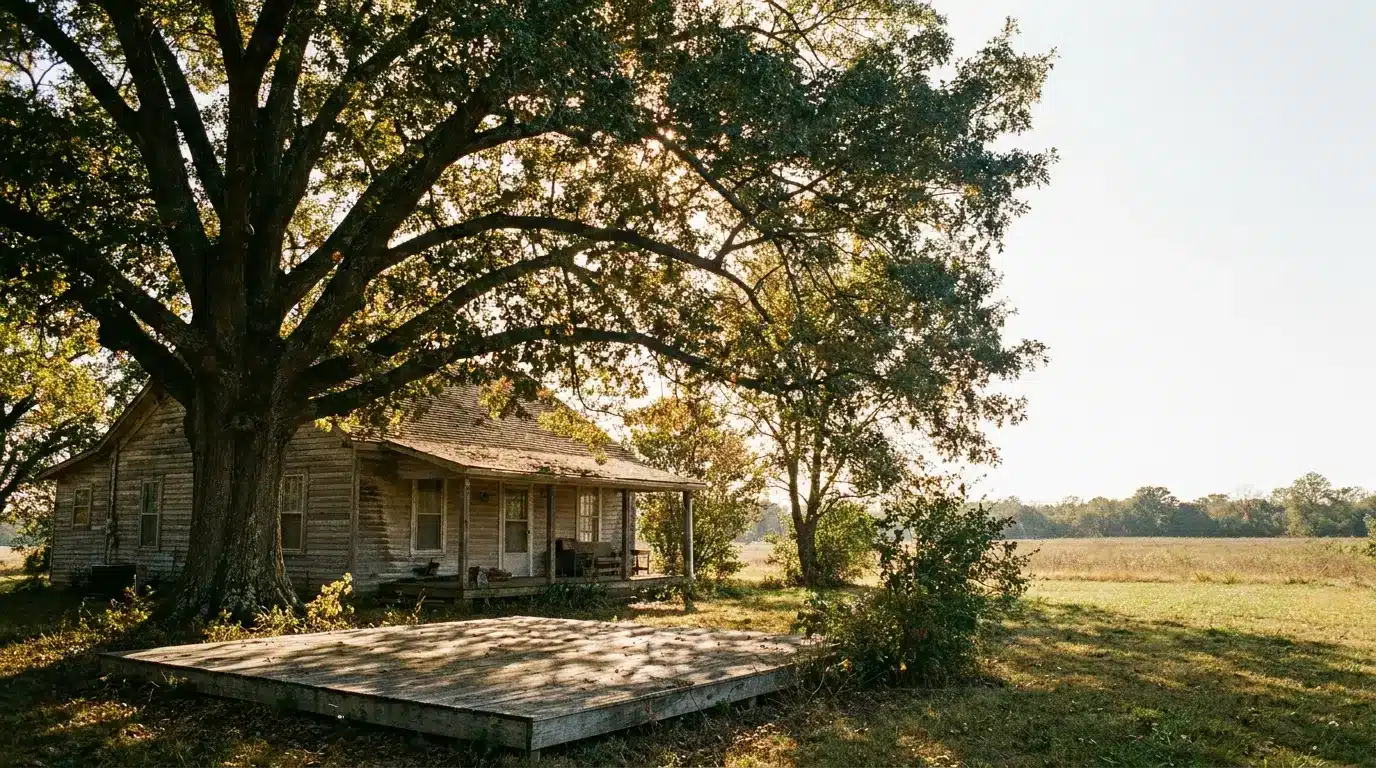
One of the lesser-known benefits of healthy trees is their impact on energy efficiency. Shade from mature trees can help regulate temperatures around homes and buildings during warmer months.
Reducing direct sunlight on roofs, windows, and exterior walls can decrease cooling demands. This creates a more comfortable indoor environment while potentially lowering energy expenses.
Trees also contribute to improved outdoor comfort. Shaded patios, walkways, and recreational spaces become more enjoyable throughout the year, increasing the functionality of outdoor areas.
These comfort-related benefits can make a property more desirable to future buyers. People often appreciate homes that provide both aesthetic appeal and practical advantages.
Trees Support Environmental Value
Environmental awareness continues to influence purchasing decisions in many communities. Healthy trees contribute positively to local ecosystems and support sustainable property management practices.
Trees improve air quality by filtering pollutants and releasing oxygen. They also help absorb carbon dioxide, making them valuable contributors to healthier outdoor environments.
In addition, trees provide habitat for birds and other wildlife. A thriving natural landscape often enhances the overall experience of living on a property and creates a stronger connection to nature.
Many buyers appreciate properties that incorporate environmentally responsible features. Healthy trees demonstrate a commitment to sustainability while adding beauty and functionality to outdoor spaces.
Proper Tree Care Preserves Long-Term Value
The benefits of trees depend largely on their health and condition. Neglected trees can become liabilities rather than assets if diseases, pests, or structural issues are left untreated.
Routine pruning helps maintain tree health while encouraging proper growth patterns. Removing dead or damaged branches reduces safety risks and improves the overall appearance of the landscape.
Professional tree assessments can identify early signs of disease or decline. Addressing issues promptly often extends the lifespan of valuable trees and protects surrounding vegetation.
Investing in preventative tree care is similar to maintaining a roof or HVAC system. Regular attention helps avoid expensive repairs while preserving the property’s long-term value.
The Financial Impact of Healthy Trees
Property value is influenced by numerous factors, and landscaping is often one of them. Healthy, mature trees contribute to a polished and attractive environment that appeals to prospective buyers.
Properties with established trees frequently command greater interest because they offer benefits that take years to develop. New owners can immediately enjoy shade, beauty, and environmental advantages without waiting for young trees to mature.
The presence of healthy trees may also help distinguish a property from others in the same area. A well-maintained landscape often creates a memorable impression that can support stronger buyer confidence.
Over time, these combined benefits can contribute to greater marketability and sustained property value. Trees become an investment that delivers returns through aesthetics, functionality, and environmental benefits.
Healthy trees are much more than decorative landscape features. They enhance curb appeal, improve energy efficiency, support environmental health, and help protect the overall condition of a property. By investing in regular tree care and maintaining the health of mature trees, property owners can preserve one of the most valuable elements of their landscape while supporting long-term property value for years to come.

With a Master’s in Landscape Architecture from the University of Virginia, Sophia Stephenson has dedicated the last 20 years to creating and maintaining vibrant outdoor spaces. Her professional journey started in landscape design, where she gained a reputation for innovative and sustainable approaches. Sophia became a part of our editorial team as a freelancer in 2019, offering a fresh perspective on outdoor living. Since 2020, she has been the chief for our outdoor design content, blending aesthetic appeal with environmental stewardship. In her leisure time, Sophia is a keen photographer, capturing the beauty of natural landscapes, a hobby that complements her professional expertise.