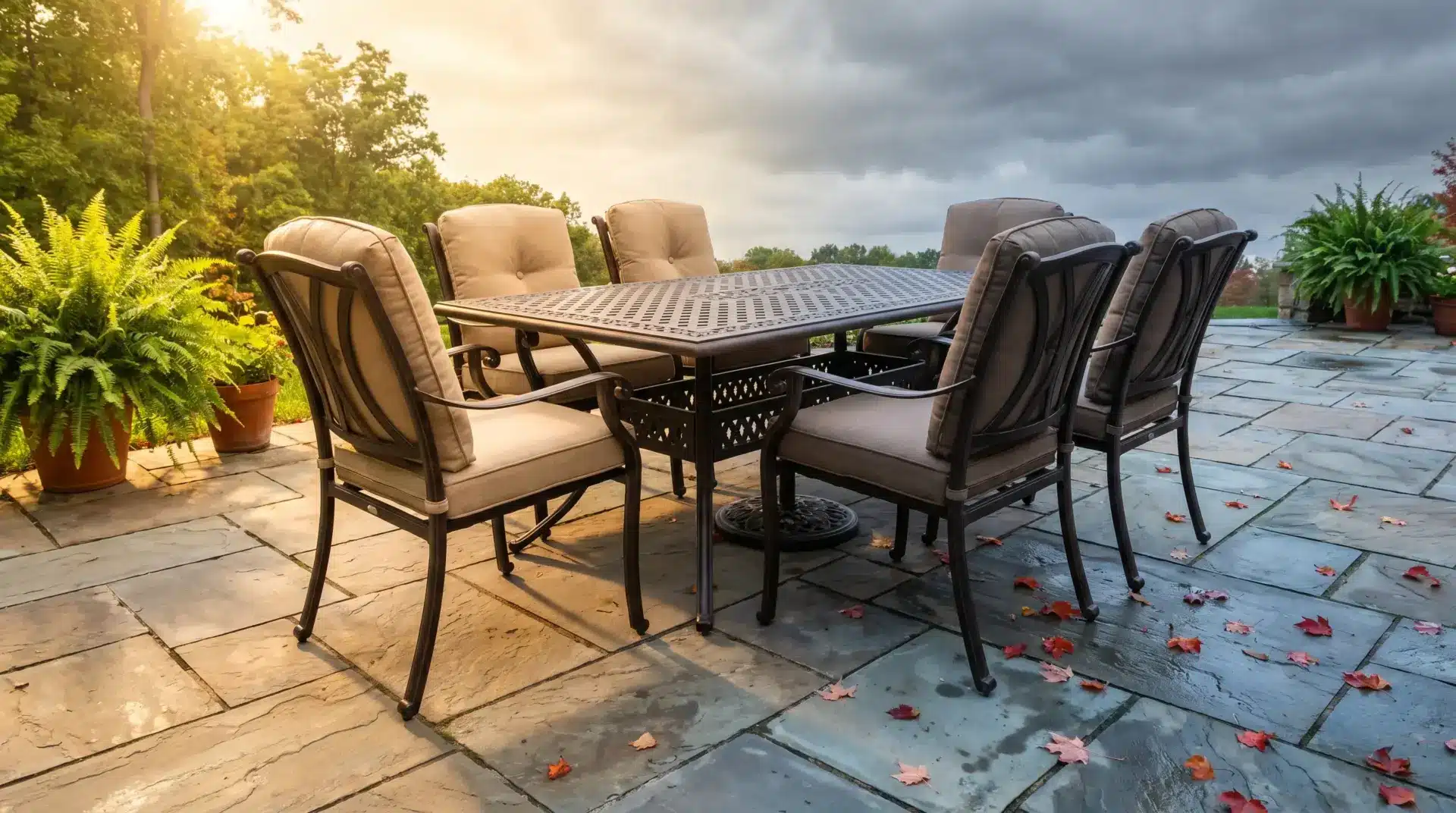

Outdoor furniture faces year-round strain from ultraviolet exposure, airborne moisture, pollen, temperature swings, and repeated use. A strong buying decision depends on frame composition, fabric performance, finish quality, and practical upkeep, rather than appearance alone. Seasonal durability matters because exterior pieces remain under environmental stress for long stretches. Well-chosen seating and tables can reduce replacement cycles, preserve comfort, and keep a patio functional through bright spring mornings, humid summers, cool autumn nights, and wet winter periods.
Start With Local Weather
Regional weather should shape every purchase. In humid areas, many shoppers begin by comparing sun load, rainfall, and wind exposure, then review options through searches like “patio furniture store in Memphis” before narrowing down materials, frame weight, and finish type. That extra step helps households avoid rust, fading, loosened joints, and mildew growth after one harsh season.
Compare Materials First
Material selection directly affects service life. Cast aluminum resists corrosion and handles damp conditions with little trouble. Poly lumber tolerates moisture and seasonal temperature shifts well. Synthetic wicker can perform nicely over a solid base. Natural wood brings warmth and texture, yet it usually requires more frequent sealing in areas exposed to rain and strong sunlight.
Shop With Measurable Priorities
A careful search works better than impulse buying. Many households start with seat count, available shade, surface exposure, and storage capacity. Those points make comparisons more beneficial. A dining set near a grill has different demands than loungers beside a pool. Clear criteria also keep style choices from overtaking practical needs too early.
Check the Frame Build
Frame strength deserves close attention before any sale. Chairs should feel steady during normal movement, without sway or twisting. Welded connections often outlast weak fasteners on frequently used pieces. Reinforced corners, balanced weight, and smooth glides usually signal better construction. If seating rocks indoors on a flat floor, outdoor conditions will rarely improve that weakness.
Review Cushions Carefully
Cushions often show wear long before the base fails. Quick-drying foam helps limit trapped moisture after rain or cleaning. Solution-dyed fabric generally keeps its color longer under harsh sunlight. Dense inserts support the body more evenly during longer sitting periods. Removable covers also simplify care during pollen season, after storms, or during periods of heavy backyard use.
Match Finish to Exposure
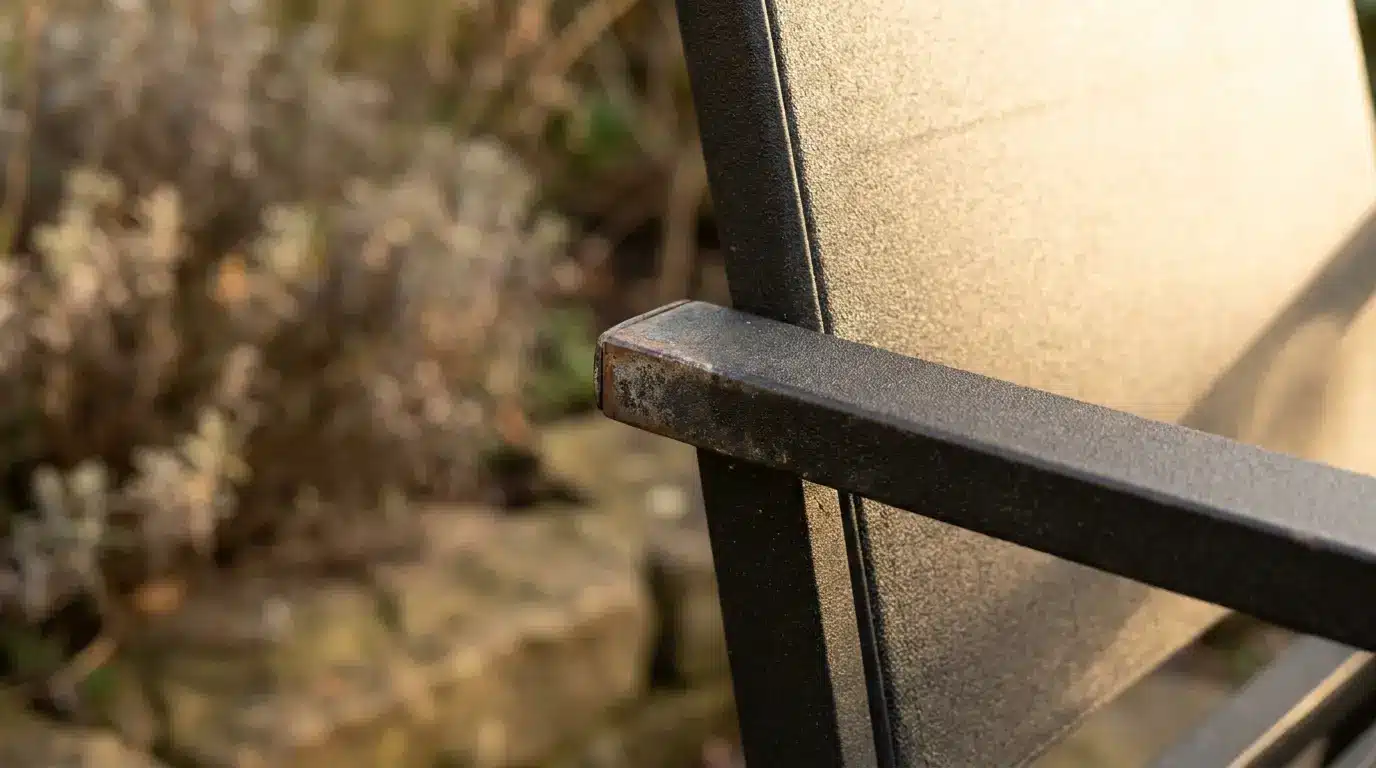
A finish acts like protective outerwear for the frame beneath it. Powder coating usually holds up better than thin decorative paint on metal pieces. Ultraviolet-stable resin helps woven surfaces keep color and flexibility. Sealed wood slows water entry, though routine treatment still matters. The best finish should match real exposure, rather than a preferred visual theme.
Size Matters More Than Style
Proportion shapes comfort just as much as appearance. Oversized sectionals can crowd a small slab and interrupt foot traffic. Tiny bistro pieces may feel visually lost on a broad deck. Measuring walkways, door clearance, and cooking access before shopping prevents frustrating layout errors. Proportional spacing makes an outdoor area easier to use every day.
Storage Extends Service Life
Protective storage can lengthen the useful life of nearly any set. Stackable chairs, folding tables, and dedicated cushion boxes reduce wear during storms or freezing nights. Breathable covers also help when they fit properly and allow moisture to escape. Even strong materials benefit from periods away from standing water, heavy debris, and repeated seasonal grime.
Think About Daily Use
A patio should support real habits, rather than staged photographs. Families who eat outdoors often need upright dining chairs and easy-clean surfaces. Deep seating suits longer conversations, reading, or evening rest. Fire pit groupings can improve comfort during colder months. Purchases based on actual routines usually prevent clutter and reduce regret after installation.
Maintenance Should Stay Realistic
Maintenance needs should fit the owner’s schedule and tolerance. Some people will happily wash, seal, and refresh surfaces each season. Others need pieces that clean quickly with soap and water. Aluminum and poly lumber usually require less routine effort. Wood often asks for more attention. Honest expectations help preserve appearance without creating constant weekend chores.
Look for Flexible Layouts
Flexible arrangements can make one purchase serve several purposes. Modular seating works well for gatherings, quiet mornings, or family dinners because you can easily separate the sections. Extendable tables also adapt to changing guest counts. That kind of versatility helps smaller patios stay efficient and keeps households from buying extra furniture that sees little use.
Price Should Reflect Lifespan
You should measure price against expected years of use, rather than the sticker alone. Low-cost sets may save money upfront, yet weak frames and thin fabrics often fail early. Better construction can spread the cost over a longer period. Warranty coverage, repair options, and replacement cushion availability also offer useful clues about long-term value.
Conclusion
Patio furniture lasts through every season when buyers focus on weather resistance, structural stability, fabric quality, finish durability, and realistic maintenance requirements. That sequence leads to smarter decisions than color or trend alone. Households that measure space, inspect build details, and match materials to daily use usually get better long-term performance. A well-selected set can stay comfortable, attractive, and dependable across shifting temperatures, repeated storms, and years of regular outdoor living.

Robert Thompson, a proud alum of the University of Oregon with a degree in Landscape Architecture, has been a leading figure in outdoor space enhancement for over 17 years. He started his career with a landscape design firm, gaining invaluable experience creating functional and attractive outdoor living areas. Robert joined our website in 2018, where he quickly became known for his innovative yet practical advice on outdoor renovations. He has been the chief editor of our deck and patio section ever since then, helping readers transform their outdoor spaces into personal retreats. When not drafting designs or writing, Robert is an avid kayaker, often drawing inspiration from nature for his creative projects.