
Hallways are some of the hardest-working spaces in any home. They welcome guests, connect rooms, and often become temporary storage zones for shoes, bags, coats, and everyday clutter. Yet despite their importance, hallways are frequently overlooked when it comes to interior design.
A well-organised hallway does more than improve appearances. Research associated with UCLA’s Center on Everyday Lives and Families found links between cluttered home environments and higher levels of stress, particularly among women. As one UCLA researcher put it, “our excess becomes a visible sign of unaccomplished work” and can “elicit substantial stress”. Creating order in high-traffic areas can help a home feel calmer and more functional.
The good news is that transforming a busy hallway doesn’t require a complete renovation. A few thoughtful changes can make a significant difference. Here are five simple ways to create a hallway that feels both stylish and organised.
1. Use a runner rug to create structure and flow
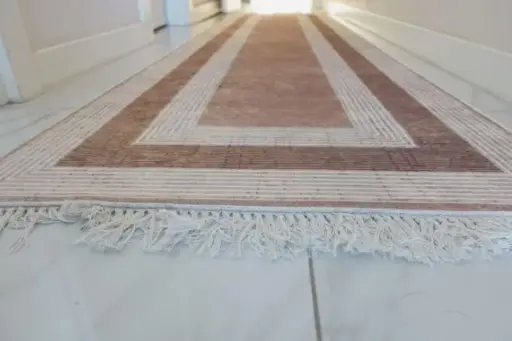
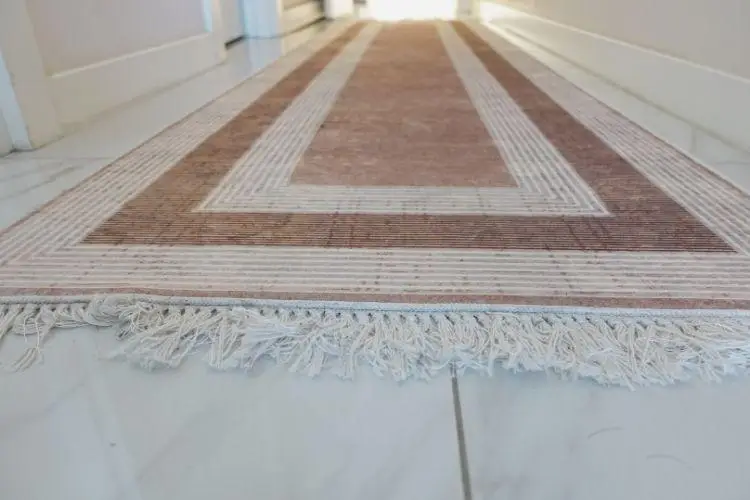
One of the easiest ways to improve a hallway is by introducing a runner rug. Beyond adding warmth and visual interest, runner rugs help define the space and guide movement through the home. In long or narrow hallways, a runner can make the area feel intentional rather than simply a passageway.
Hallway runners can also help reduce everyday wear on high-traffic flooring. While the level of protection depends on the rug material, backing, and placement, a runner can act as a practical buffer in areas that see constant foot traffic. Design guidance on layered interiors also supports the idea that a well-chosen rug can improve both function and atmosphere in a space.
Collections such as those available from double offer a variety of styles that can help establish a cohesive look while introducing texture and personality. Whether you prefer minimalist designs or more decorative patterns, a runner provides an instant visual upgrade without taking up valuable floor space.
When selecting a hallway runner, consider:
- Durable materials suitable for high traffic.
- Colours that complement nearby rooms.
- Patterns that help conceal everyday dirt and marks.
- Appropriate sizing that leaves a border of flooring visible on each side.
The result is a hallway that feels more polished and purposeful from the moment someone enters the home.
2. Take advantage of vertical storage
Using walls effectively allows homeowners to keep everyday items accessible without creating visual clutter. Hooks, floating shelves, peg rails, and slim wall-mounted cabinets can all serve practical purposes while contributing to the overall design.
Organisation experts generally recommend assigning specific storage locations for frequently used items. A common principle is that everyday items should live where they are easiest to put away and retrieve. Dedicated storage can make daily routines smoother and help reduce the build-up of clutter in busy areas of the home.
Consider incorporating
- Wall hooks. Ideal for coats, handbags, dog leads, and umbrellas.
- Floating shelves. Useful for decorative items, keys, mail trays, or small baskets.
- Slim storage units. Perfect for narrower hallways where depth is limited.
The key is selecting storage that complements the style of the home rather than appearing purely functional. Attractive storage solutions can become part of the decor itself.
3. Create dedicated drop zones
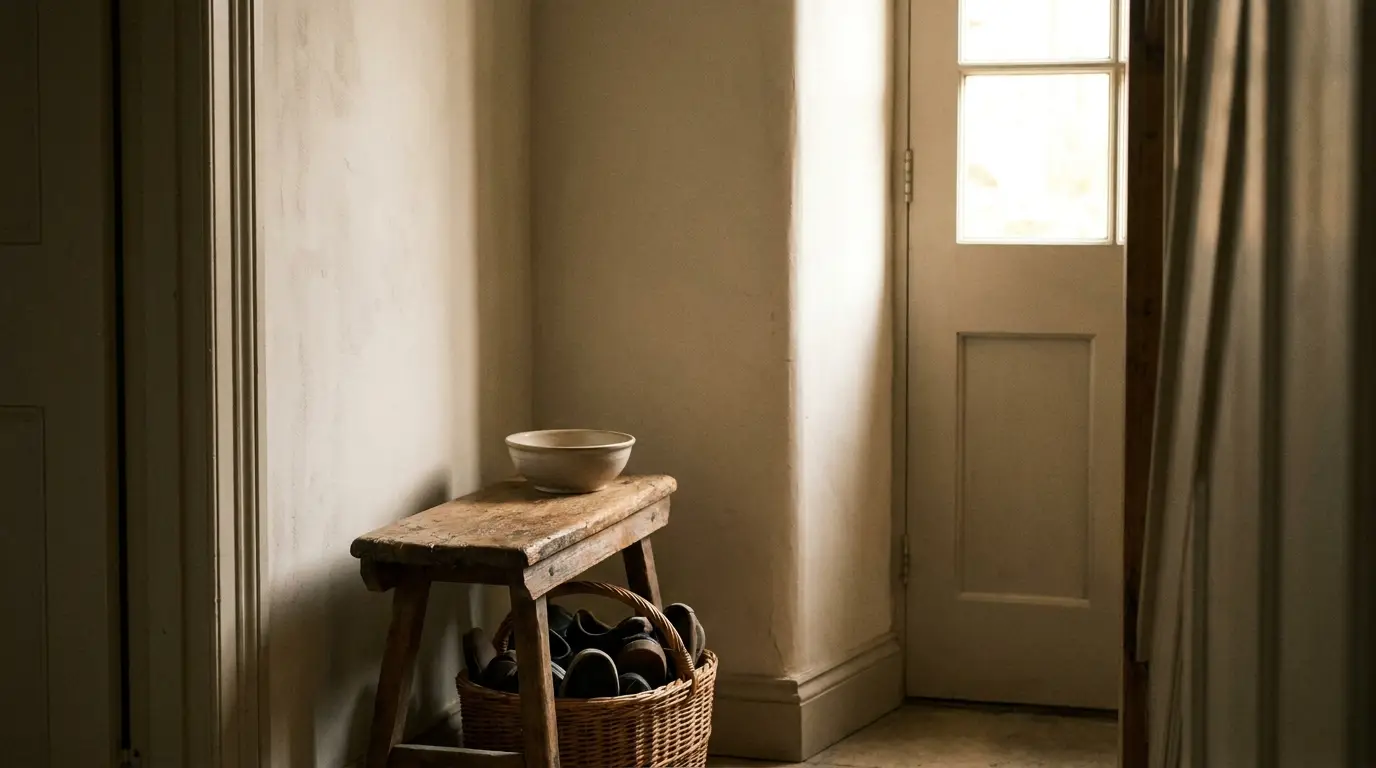
Many hallway clutter problems stem from a lack of designated spaces for everyday items. Without a clear home for keys, shoes, sunglasses, post, and bags, these belongings tend to accumulate on surfaces or floors. Establishing simple “drop zones” helps maintain order and makes daily life more convenient.
Professional organisers often recommend assigning a specific place for frequently used items. As one organiser put it, “the most frequently used items” should be kept in easy-to-reach “prime real estate zones”. This reduces decision fatigue and encourages tidier habits.
A hallway drop zone might include
- A decorative bowl or tray for keys.
- A small bench with hidden storage.
- Shoe baskets or cubbies.
- A wall-mounted organiser for mail.
Even a compact setup can have a major impact. The goal isn’t perfection. It’s creating systems that are easy to maintain.
4. Improve Lighting to Make the Space Feel Larger
Lighting has a remarkable influence on how a hallway feels and functions. Dark hallways can appear smaller and less welcoming, while well-planned lighting can improve visibility and draw attention to architectural and decorative features.
Residential lighting guidance commonly recommends a layered approach that combines ambient, task, and accent lighting to improve both functionality and visual comfort. For hallways, that can mean combining overhead lighting for general illumination, wall sconces to soften shadows and add character, and mirrors to reflect available natural and artificial light.
If the hallway has limited natural daylight, warm-toned LED bulbs can help create a welcoming atmosphere. Better lighting also makes flooring, artwork, and runner rugs stand out more clearly, which reinforces the sense of an organised, intentional space.
5. Incorporate Decorative Elements With Purpose
The most successful hallway designs strike a balance between practicality and visual appeal. Rather than filling surfaces with decorative objects, focus on a few impactful elements.
Examples include:
- Framed artwork.
- Statement mirrors.
- Stylish storage baskets.
- Coordinated finishes on hooks, lighting fixtures, and hardware.
Intentional storage and decorative choices can help a hallway feel more organised, cohesive, and welcoming without creating unnecessary visual clutter. As a general design principle, the best interior choices are the ones that support how a space is actually used.
Conclusion
Busy hallways face unique challenges. They must accommodate constant movement while storing many of the items people use every day. Fortunately, creating a more stylish and organised space doesn’t require major changes.
A well-chosen runner rug, effective vertical storage, practical drop zones, improved lighting, and purposeful decorative elements can dramatically improve both the appearance and functionality of a hallway. By focusing on these simple strategies, homeowners can turn one of the busiest areas of the home into a space that feels welcoming, efficient, and visually appealing.

Ava Taylor, holding a Bachelor’s degree in Interior Design from the Pratt Institute, has made her mark in creating engaging and functional living spaces for over 14 years. She began her career with a New York-based design studio, where she gained a reputation for her innovative and user-centric designs. Ava joined our team in 2019, bringing a blend of artistic flair and practicality to our home improvement section. Since the she has been the lead contributor to our room transformation series, inspiring readers with her unique approach to maximizing space utility and aesthetic appeal. Beyond her professional work, Ava is a passionate collector of vintage furniture, a hobby that enriches her design perspective.