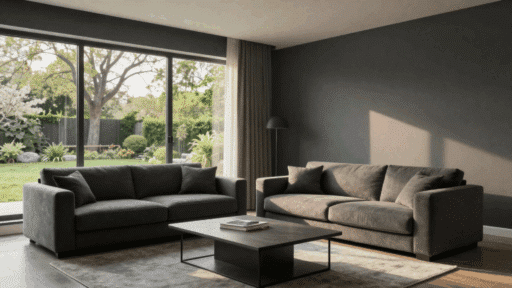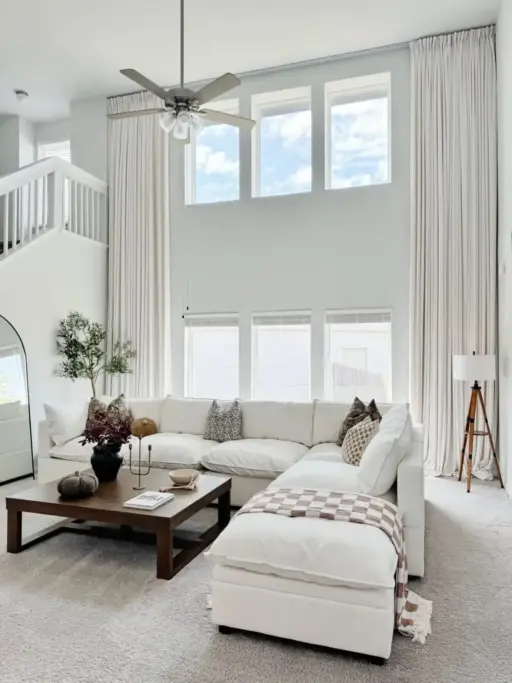
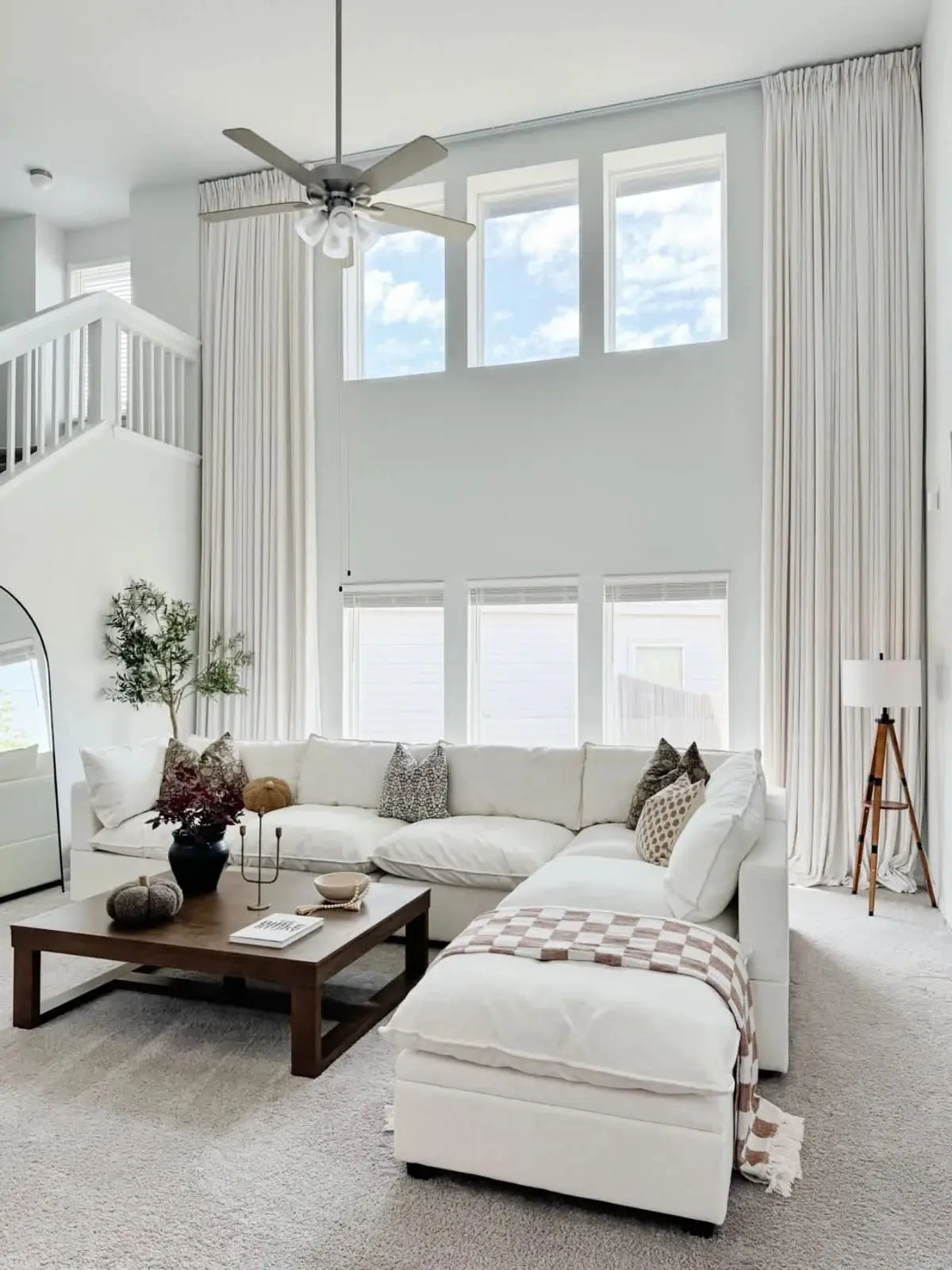

Choosing the right curtains is about more than picking a beautiful fabric. Curtains affect how much natural light enters a room, how much privacy you have at night, how comfortable your space feels, and how finished your home looks.
For many homeowners, curtain shopping usually comes down to three practical questions: How much light do I want to block? How much privacy do I need? And what style will make the room feel complete?
Bedrooms and living rooms often require different answers. A bedroom usually needs stronger privacy and better light control for restful sleep. A living room, on the other hand, often benefits from soft daylight, natural texture, and a more decorative look.
That is why linen curtains and pinch pleat curtains are two popular choices for modern homes. Linen curtains bring softness, texture, and versatility, while pinch pleat curtains create a more tailored, designer-inspired appearance.
By understanding the differences between fabric, lining, length, color, and curtain heading style, you can choose curtains that are both beautiful and practical.
Why Linen Curtains Work Well in Both Bedrooms and Living Rooms
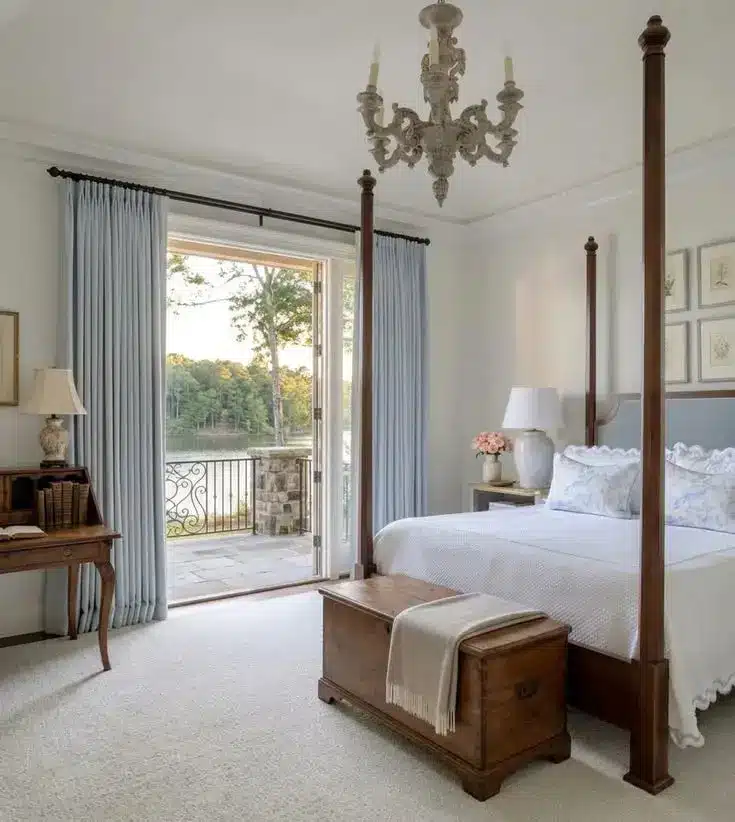
Linen curtains are loved for their natural texture and timeless appearance. Unlike plain synthetic panels, linen has a soft, organic surface that adds warmth and depth to a room without feeling heavy.
Another reason linen curtains are so versatile is that they come in many fabric types, weights, and finishes. A lightweight sheer linen curtain can gently filter daylight in a living room, while a heavier linen blend or blackout-lined linen curtain can provide more privacy and light control in a bedroom.
Depending on the room, linen curtains can be used as:
- Sheer curtains for a soft and airy look
- Light-filtering curtains for balanced brightness
- Privacy-lined curtains for better coverage
- Blackout-lined curtains for stronger darkness and sleep support
For homeowners who want more control over fabric weight, color, lining, header style, and size, custom linen curtains can be a practical choice for both bedrooms and living rooms.
Linen curtains also work well with many interior styles, including modern, coastal, farmhouse, Scandinavian, minimalist, and organic-inspired spaces. Neutral colors such as ivory, beige, natural linen, sand beige, light khaki, and greige are especially easy to pair with wood furniture, white walls, soft upholstery, and warm neutral decor.
Linen blends can also be easier to care for than pure linen. Some linen-blend curtains are suitable for machine washing, while pure linen, sheer linen, and lighter-weight fabrics often require gentler care. This makes fabric choice important not only for appearance, but also for long-term use.
Choosing Linen Curtains for Bedrooms
In bedrooms, function usually matters more than decoration. The main goals are privacy, darkness, comfort, and better sleep.
Before choosing bedroom curtains, many homeowners ask:
- Will the curtains make the room dark enough?
- Can people outside see inside at night?
- Will morning sunlight wake me up?
- Do I need blackout lining or only privacy lining?
- Will the curtains make the room feel softer and more relaxing?
For bedrooms that face east, have street lights outside, or are used by light-sensitive sleepers, blackout-lined linen curtains are often the safest option. They can significantly reduce incoming light while keeping the natural softness of linen.
However, not every bedroom needs full blackout curtains. If the room already has blinds, shades, or another window covering, light-filtering or privacy-lined linen curtains may be enough. These options can soften the room while still providing everyday privacy.
Bedroom Curtain Options
| Bedroom Need | Recommended Choice | Why It Works |
|---|---|---|
| Strong darkness and privacy | Blackout linen curtains | Helps reduce morning light, street light, and outside visibility |
| Soft privacy | Privacy-lined linen curtains | Adds coverage without making the room feel too dark |
| Relaxed bedroom style | Light-filtering linen curtains | Creates a calm, soft, and natural atmosphere |
| Flexible light control | Sheer curtains layered with blackout curtains | Allows different levels of light throughout the day |
| More polished bedroom design | Linen pinch pleat curtains | Creates structured folds and a more finished look |
Color also plays an important role in bedrooms. Ivory, beige, oatmeal, and natural linen tones create a calm and restful space. Deeper shades such as charcoal, navy, dark green, or chocolate can make a room feel cozier and may support stronger light control when paired with the right lining.
Choosing Linen Curtains for Living Rooms

Living rooms usually have different curtain needs. Instead of blocking all light, most homeowners want to soften sunlight, add privacy, and make the room feel more complete.
For this reason, living rooms often work well with sheer, unlined, or light-filtering linen curtains. These options allow daylight to enter while reducing glare and adding texture to the space.
Good living room curtain choices include:
- Sheer linen curtains for a bright and airy look
- Light-filtering linen curtains for everyday privacy
- Medium-weight linen blends for better drape
- Linen pinch pleat curtains for a more elevated appearance
A medium-weight linen blend is often a good living room choice because it provides a soft drape without making the space feel dark. This is especially useful in rooms where natural light is part of the design.
Installation also makes a big difference. Hanging curtains higher and wider than the window frame can make windows appear larger and ceilings feel taller. For a more elegant living room look, the curtain rod should usually extend beyond the window edges, and the panels should be wide enough to create soft folds even when closed.
A curtain that is too short or too narrow can make the space feel unfinished, even if the fabric itself is beautiful.
Sheer, Light-Filtering, Privacy-Lined, or Blackout: What Is the Difference?
One of the most common curtain-buying mistakes is confusing sheer, light-filtering, privacy-lined, and blackout curtains. These terms describe different levels of light control and privacy.
| Curtain Type | Best For | Main Benefit |
|---|---|---|
| Sheer linen curtains | Bright living rooms, layered window treatments | Softens daylight and creates an airy appearance |
| Light-filtering curtains | Living rooms, bedrooms with blinds, home offices | Balances brightness and privacy |
| Privacy-lined curtains | Bedrooms, street-facing rooms, apartments | Adds more coverage without full darkness |
| Blackout curtains | Bedrooms, nurseries, media rooms | Provides stronger light reduction and privacy |
Sheer linen curtains are best when the goal is softness and natural light. They are especially useful in living rooms, dining rooms, and spaces where you want a bright, relaxed feeling.
Light-filtering curtains provide more coverage than sheer curtains but still allow some daylight through. They are a good middle-ground option for rooms where you want both comfort and brightness.
Privacy-lined curtains are useful when the room faces neighbors, a street, or another building. They provide more coverage without necessarily making the room completely dark.
Blackout curtains are best for bedrooms, nurseries, and media rooms where stronger light control is needed. The final blackout effect can also depend on fabric color, lining, installation width, curtain length, and whether there are gaps around the window frame.
Why Pinch Pleat Curtains Create a More Tailored Look
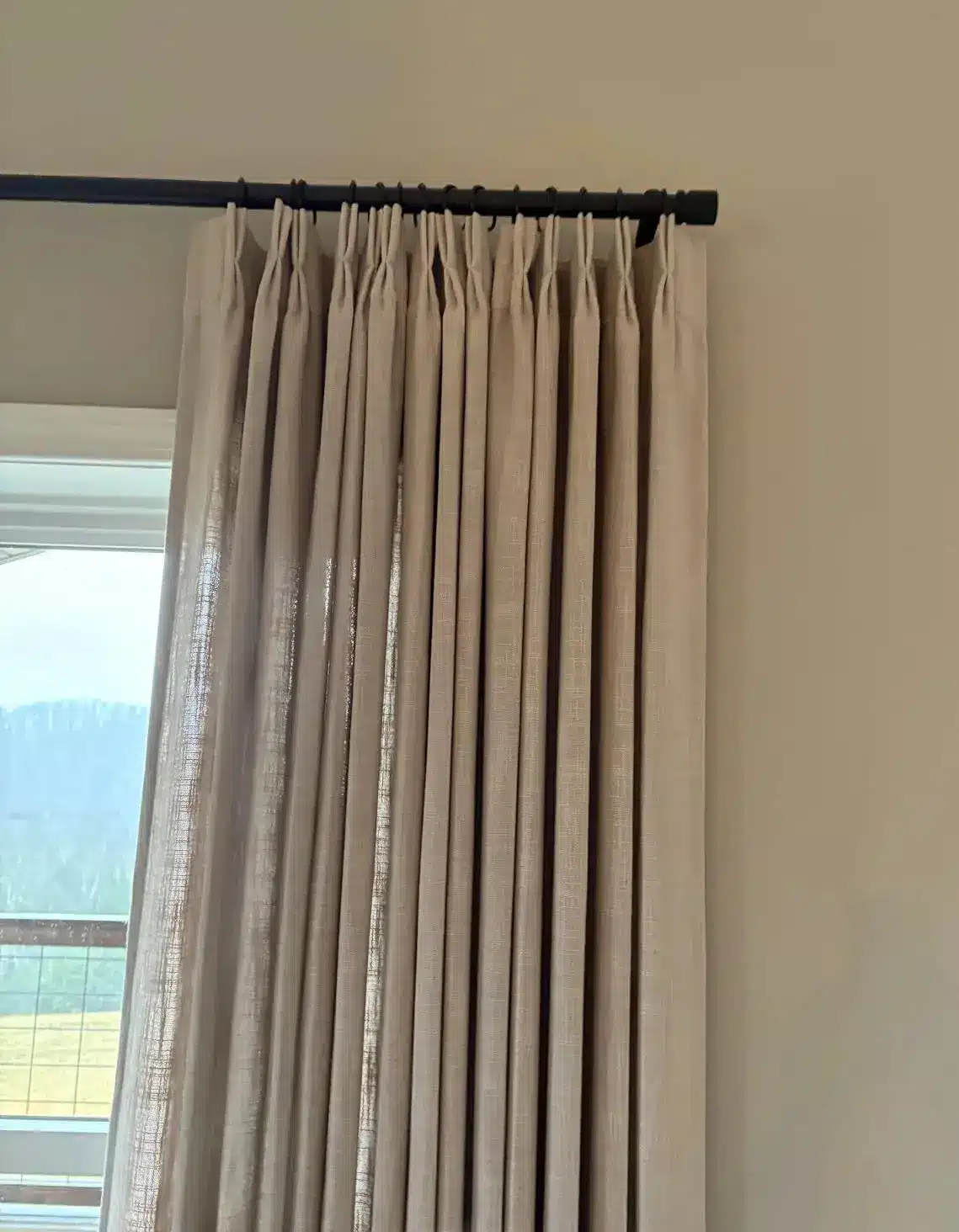
Pinch pleat curtains are known for their structured folds and polished appearance. They are often associated with designer-style interiors because the pleats create a clean, consistent drape from top to bottom.
It is important to understand that linen and pinch pleat are not the same type of category. Linen describes the fabric, while pinch pleat describes the curtain heading style. This means linen curtains can also be made with a pinch pleat header.
Compared with casual styles such as rod pocket or grommet curtains, pinch pleat curtains usually look more formal, structured, and custom-made.
They are especially suitable for:
- Living rooms
- Primary bedrooms
- Dining rooms
- Tall windows
- Wide windows
- Floor-to-ceiling curtain designs
Double pinch pleat and triple pinch pleat styles create slightly different effects. Double pinch pleat curtains usually offer a clean and balanced look, while triple pinch pleat curtains create deeper folds and a more luxurious appearance.
Because pinch pleat curtains are designed with built-in fullness, they tend to look more polished than flat panels. Double pinch pleat curtains often use generous fullness, while triple pinch pleat curtains usually create an even richer drape.
For rooms where you want a more structured, designer-inspired finish, custom pinch pleat curtains can help create consistent folds and a more elevated window treatment.
Pinch pleat curtains can also work with both curtain rods and track systems, which makes them flexible for different window types and interior styles.
Linen Curtains vs. Pinch Pleat Curtains: Do You Need to Choose One?
You do not have to choose between linen curtains and pinch pleat curtains. They can work together.
Linen is a fabric choice. Pinch pleat is a heading style. When combined, linen pinch pleat curtains offer both natural texture and structured elegance.
This combination is especially effective in living rooms and primary bedrooms because it balances softness with sophistication. The linen fabric keeps the look relaxed and organic, while the pinch pleat header gives the curtains a more finished and tailored shape.
If you prefer a casual look, simple linen panels may be enough. If you want a more refined result, linen pinch pleat curtains can make the room feel more intentional and designer-inspired.
How to Choose the Right Curtain Length and Width
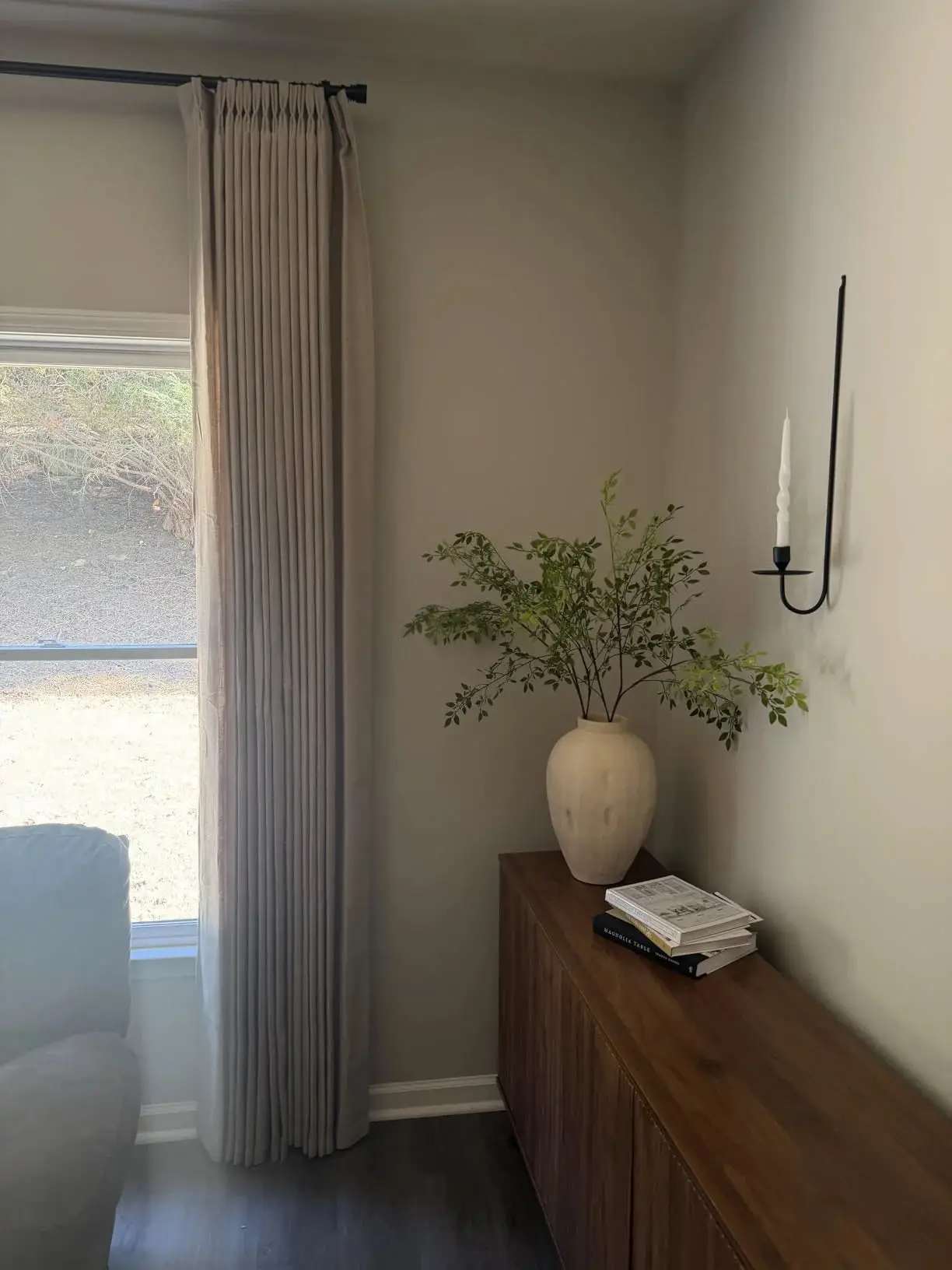
Curtain size is one of the most important details in creating a polished result. Even high-quality curtains can look awkward if they are too short, too narrow, or installed too low.
Common curtain lengths include:
- 84 inches: Often used for standard windows and smaller rooms
- 96 inches: A popular choice for living rooms and higher curtain rod placement
- 108 inches: Suitable for taller ceilings and more dramatic floor-length designs
- 120 inches or longer: Useful for oversized windows, patio doors, tall ceilings, and custom spaces
For a more finished look, curtains should usually reach the floor. Some homeowners prefer curtains that just touch the floor, while others like a slight puddle for a softer and more romantic effect.
Width is just as important as length. Curtains should not only cover the window; they should also have enough fabric to create folds when closed. If the panels are too narrow, they may look flat and stretched.
A common guideline is to choose total curtain width around 1.5 to 2 times the window width. Pinch pleat curtains may have built-in fullness, but it is still important to measure carefully before ordering.
Custom sizing is especially useful for:
- Extra-wide windows
- Tall ceilings
- Sliding glass doors
- Large living rooms
- Bay windows
- Non-standard window sizes
The right size can make the difference between curtains that simply cover a window and curtains that truly elevate a room.
Best Linen Curtain Colors for Bedrooms and Living Rooms
Curtain color has a major impact because curtains cover a large visual area. The right color can make a room feel brighter, warmer, softer, or more dramatic.
Ivory and Off-White
Ivory, white, and off-white linen curtains are timeless choices. They make a room feel clean, open, and bright. These colors work especially well in living rooms, bedrooms, dining rooms, and neutral interiors.
Beige and Natural Linen
Beige and natural linen tones bring warmth and softness. They pair well with wood furniture, cream upholstery, woven textures, and organic modern interiors.
Greige and Gray Beige
Greige and gray beige offer more depth than white but feel softer than cool gray. These shades are useful in modern living rooms and primary bedrooms where you want a neutral color with more dimension.
Light Khaki and Sand Beige
Light khaki, sand beige, and similar natural shades create a calm and earthy look. They are good choices for relaxed homes that use warm neutrals, wood tones, and soft textures.
Light Gray
Light gray is practical and versatile. It works well in apartments, modern bedrooms, and minimalist spaces.
Dark Green, Navy, Chocolate, and Charcoal
Darker curtain colors can create a more dramatic and cozy feeling. They are often better suited for bedrooms, media rooms, or spaces where privacy and mood are more important than brightness.
Because colors can look different depending on lighting, wall color, and screen settings, fabric samples are helpful when choosing subtle shades such as ivory, beige, greige, and gray beige.
Room-by-Room Curtain Recommendations
| Room | Recommended Curtain Style | Main Goal |
|---|---|---|
| Primary bedroom | Blackout or privacy-lined linen curtains | Improve sleep, privacy, and comfort |
| Guest bedroom | Light-filtering or privacy-lined linen curtains | Create a flexible and welcoming space |
| Living room | Sheer or light-filtering linen curtains | Maintain natural light while adding softness |
| Dining room | Linen or linen pinch pleat curtains | Add structure and elegance |
| Home office | Light-filtering linen curtains | Reduce glare without making the room too dark |
| Media room | Blackout curtains | Support better screen viewing and stronger darkness |
| Large windows | Custom linen or pinch pleat curtains | Ensure proper length, width, and fullness |
Choosing curtains room by room usually leads to better results than using the same curtain style throughout the entire home. Each space has its own balance of light, privacy, and design needs.
Common Mistakes to Avoid When Buying Curtains
1. Confusing Blackout With Room Darkening
Not all curtains provide the same level of light control. A curtain may reduce light without creating a true blackout effect. If darkness is important, check whether the curtain includes blackout lining.
2. Choosing Curtains That Are Too Short
Curtains that stop too far above the floor can make a room feel less polished. Floor-length curtains usually create a more elegant result.
3. Not Ordering Enough Width
Curtains need enough fabric to form natural folds. Panels that only match the exact window width can look flat when closed.
4. Choosing Color Only From Product Photos
Neutral colors such as ivory, beige, natural linen, and greige can shift in appearance depending on lighting. Fabric samples can help prevent color surprises.
5. Ignoring the Header Style
The curtain heading affects the entire look. Rod pocket curtains feel more casual, grommet curtains are simple and easy to install, while pinch pleat curtains look more formal and tailored.
6. Forgetting About Care and Maintenance
Different fabrics need different care. Linen blends are often easier to maintain, while pure linen, sheer linen, and lightweight fabrics may need gentler washing.
7. Choosing Style Before Function
A curtain may look beautiful in photos but still be wrong for the room. Start with the room’s needs first: light control, privacy, size, and installation. Then choose the fabric, color, and style.
Frequently Asked Questions
Are Linen Curtains Good for Bedrooms?
Yes. Linen curtains can work very well in bedrooms because they bring natural texture and softness. For better darkness and privacy, choose linen curtains with blackout lining or privacy lining.
Are Linen Curtains Good for Living Rooms?
Yes. Linen curtains are especially suitable for living rooms because they soften natural light and create a relaxed, elegant atmosphere.
What Is the Difference Between Sheer and Blackout Linen Curtains?
Sheer linen curtains allow more light through and create an airy look. Blackout linen curtains use additional lining to reduce light and improve privacy.
Are Pinch Pleat Curtains Better Than Grommet Curtains?
Not always. Pinch pleat curtains usually look more formal, structured, and designer-inspired. Grommet curtains are more casual and easy to install. The better choice depends on the room style and the look you want.
Can Linen Curtains Be Pinch Pleated?
Yes. Linen is the fabric, while pinch pleat is the header style. Linen fabric can be made into pinch pleat curtains for a natural yet tailored appearance.
What Curtain Length Is Best for Living Rooms?
Floor-length curtains are usually the best choice for living rooms. Many homeowners choose 96-inch, 108-inch, or custom-length curtains when installing the rod higher above the window.
What Colors Are Best for Linen Curtains?
Ivory, off-white, beige, natural linen, sand beige, light khaki, greige, and gray beige are some of the most versatile linen curtain colors. They work well with many home styles and neutral interiors.
Do Blackout Linen Curtains Block All Light?
Blackout-lined curtains can significantly reduce light, but the final effect depends on fabric color, lining, curtain size, installation method, and gaps around the window. For maximum darkness, curtains should be wide enough and installed to cover the window frame properly.
Final Thoughts
The best curtains are not only decorative. They should also improve comfort, privacy, light control, and the overall feeling of the room.
For bedrooms, blackout or privacy-lined linen curtains are often the most practical choice because they support better sleep and stronger privacy. For living rooms, sheer, unlined, or light-filtering linen curtains can create a softer and brighter atmosphere.
Pinch pleat curtains are a strong option when you want a more structured and designer-inspired look. Linen curtains are ideal when you want natural texture and timeless softness. When combined, linen pinch pleat curtains can offer both comfort and elegance.
By choosing the right fabric, lining, color, length, width, and header style, you can create curtains that do more than cover a window. They can make your home feel more comfortable, more polished, and more thoughtfully designed.

Ava Taylor, holding a Bachelor’s degree in Interior Design from the Pratt Institute, has made her mark in creating engaging and functional living spaces for over 14 years. She began her career with a New York-based design studio, where she gained a reputation for her innovative and user-centric designs. Ava joined our team in 2019, bringing a blend of artistic flair and practicality to our home improvement section. Since the she has been the lead contributor to our room transformation series, inspiring readers with her unique approach to maximizing space utility and aesthetic appeal. Beyond her professional work, Ava is a passionate collector of vintage furniture, a hobby that enriches her design perspective.