
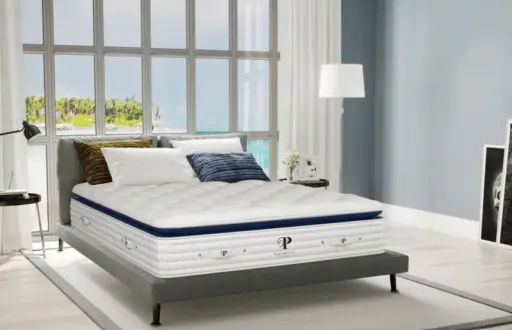
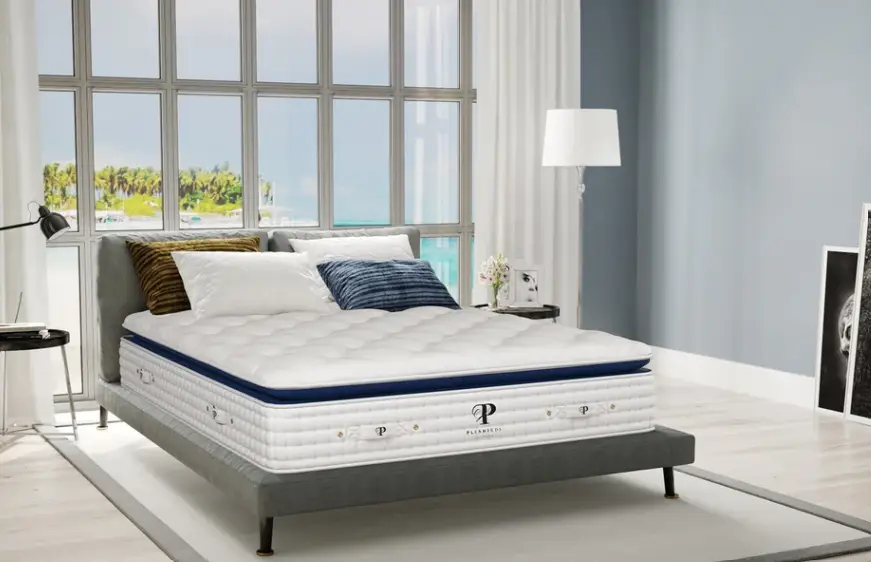

You finally bought a memory foam mattress. You slept on it and felt the difference right away. The pressure relief was real. The comfort was real. And now you want that feeling to last as long as possible. The good news is that memory foam mattresses are built to go the distance. Most last between 7 and 10 years. Some even push past 12. But the truth is your mattress will only last as long as you allow it to. Certain habits speed up the wear. Others protect it. Knowing the difference puts the power in your hands.
These 8 factors tell you exactly what shapes the lifespan of your mattress.
1. The Quality of Foam Decides Everything From Day One
Start here because everything else builds on this. High-density foam holds its shape longer. Low-density foam breaks down faster. That is the simple truth. When you buy a mattress made with dense high-quality foam, you are buying years of comfort. A high-quality Memory foam mattress maintains proper support, resists sagging, and delivers consistent pressure relief for years instead of losing comfort within a short time.
What to Look for When Choosing Foam Quality
- A foam density of 4 to 5 lb per cubic foot gives you durability that lasts
- Memory foam with an ILD (Indentation Load Deflection) rating of 10 to 14 offers the best balance of softness and support
- Certifications like CertiPUR-US confirm the foam meets quality and safety standards
- Plant-based memory foam tends to hold up better than purely synthetic versions
The density number is not just a marketing figure. It tells you how much material is packed into every cubic foot of foam. More material means less compression over time. Less compression means longer life.
2. Body Weight Plays a Bigger Role Than People Realize
Your mattress carries your body every single night. Weight matters here. Heavier sleepers apply more pressure on the foam layers. That pressure builds up over months and years. The foam compresses more deeply and more frequently. Over time those deep compressions stop bouncing back all the way.
How Weight Affects Foam Recovery
- Sleepers under 130 lbs put gentle pressure on foam and experience minimal wear.
- Sleepers between 130 and 230 lbs fall into the average range and get the typical 8 to 10-year lifespan
- Sleepers over 230 lbs compress foam more deeply and should look for high-density foam above 5 lb per cubic foot.
- Couples where both partners are heavier than average should consider a hybrid mattress for added spring support.
This does not mean heavier people cannot enjoy memory foam. It means they need to choose the right foam density from the start. Matching your body weight to the right foam type protects your investment.
3. How Often You Rotate Your Mattress Adds Years to Its Life
Most people never rotate their mattress. That is a missed opportunity. When you sleep in the same spot every night, the foam in that area compresses more than anywhere else. Over time that spot softens faster than the rest of the mattress. You end up with an uneven surface that no longer supports your spine the way it should.
Rotating your mattress spreads the pressure evenly across the entire surface. Every part of the foam gets a chance to recover.
- Rotate your mattress 180 degrees every 3 to 6 months
- Set a reminder on your phone so you do not forget
- Do not flip a memory foam mattress — it has a top and a bottom designed to work in one direction.
- After rotating, give the mattress a full 24 hours to settle before sleeping on it.
This one habit alone can add 1 to 2 years to the life of your mattress. Small effort. Big reward.
4. The Foundation You Use Either Supports or Destroys the Foam
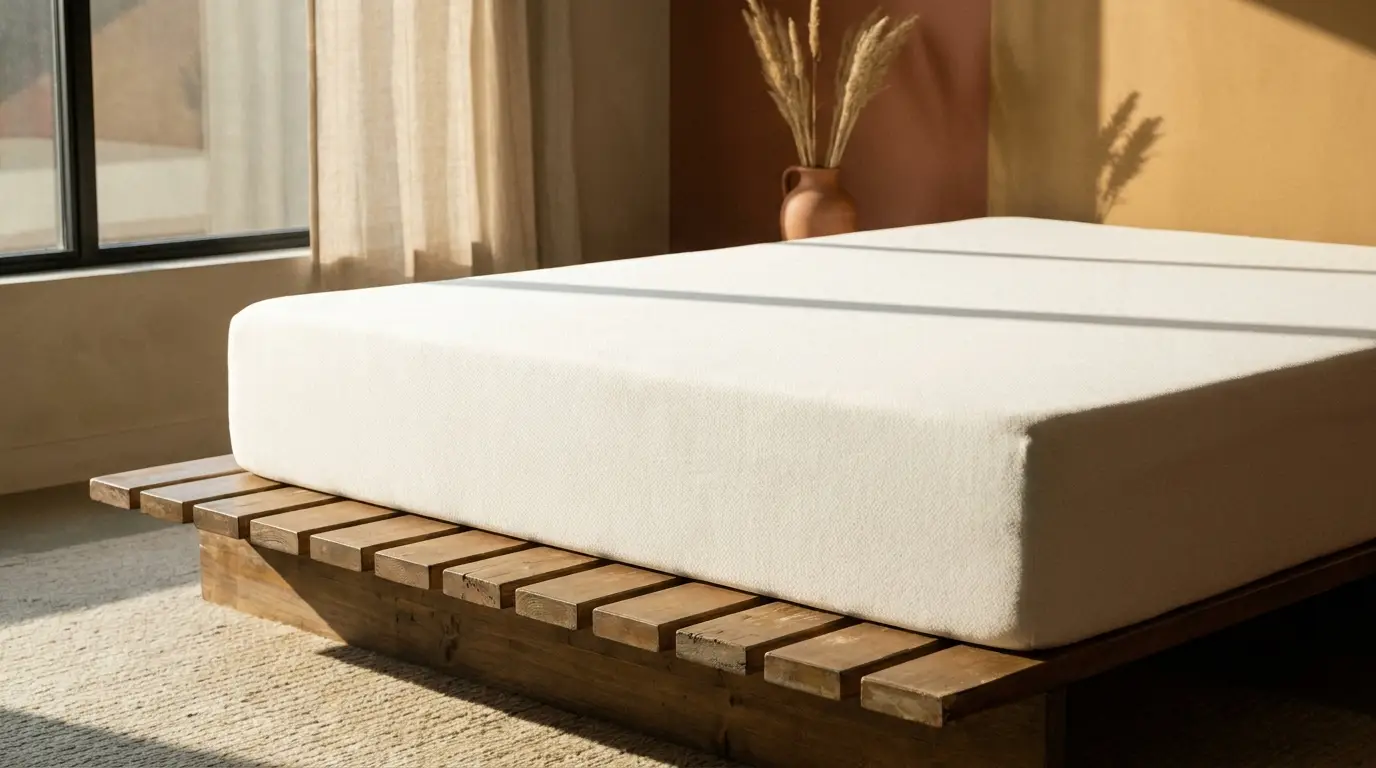
Your mattress needs the right base to perform at its best. A memory foam mattress needs solid and even support underneath. Without it, the foam bends in ways it was never designed to. That bending creates stress points. Stress points speed up breakdown.
A box spring with widely spaced slats puts gaps under the foam. The foam sags into those gaps over time. A solid platform bed or a slatted base with slats no more than 3 inches apart gives the foam the even support it needs.
- Platform beds with solid surfaces are the top choice for memory foam
- Slatted bases work well as long as slats are no more than 3 inches apart
- Adjustable bases are compatible with most memory foam and can actually reduce pressure on specific areas
- Avoid old box springs designed for innerspring mattresses; they create uneven support
Check the manufacturer’s warranty requirements too. Many warranties become void if you use the wrong foundation. The right base does not just protect your mattress; it protects your warranty too.
5. A Good Mattress Protector Is the Smartest Investment You Can Make
Moisture is the silent enemy of memory foam. Sweat gets into the foam layers over time. So do spills. So do dust mites. These elements break down the foam from the inside. They also create odors and allergen buildup that shortens both the life and the comfort of your mattress.
A waterproof mattress protector creates a barrier between your body and the foam. It keeps moisture out. It keeps the foam clean. And it extends the lifespan of your mattress by years.
- Choose a protector that is waterproof but breathable so you stay cool while sleeping.
- Wash the protector every 2 to 4 weeks to keep it effective
- Look for a protector with a fitted sheet style so it stays in place all night
Think of a mattress protector as insurance. You hope you never need to prove how useful it is. But you are glad it is there when something goes wrong.
6. Keeping Your Mattress Clean Protects the Foam from the Inside Out
Regular cleaning does more for your mattress than most people think. Dust mites settle into foam over time. Skin cells build up. Sweat seeps in even with a protector on. All of this creates a buildup that degrades the foam and affects how well it supports you each night.
A Simple Cleaning Routine That Works
- Vacuum your mattress every 1 to 2 months using an upholstery attachment to remove dust and skin cells.
- Spot clean stains with a mild soap and water solution — never soak the foam.
- Air out your mattress by removing all bedding for a few hours each month
- Sprinkle baking soda on the surface and let it sit for a few hours before vacuuming to neutralize odors
- Never use a steam cleaner on memory foam — the moisture gets trapped deep inside and causes long-term damage
Cleaning is not just about hygiene. It is about protecting the structure of the foam so it keeps doing its job night after night.
7. Room Temperature Affects How Foam Behaves Over Time
A memory foam mattress is temperature-sensitive by design. That is what makes it feel so responsive. But extreme temperatures work against it over time. In very cold rooms, foam becomes stiff and less responsive. It takes longer to conform to your body. Over many years, this repeated stiffening and softening can weaken the foam structure.
In very hot rooms, the foam softens too much. It loses its ability to snap back fully after pressure is removed. That leads to premature sagging and body impressions that become permanent.
- Keep your bedroom temperature between 65°F and 72°F (18°C to 22°C) for ideal foam performance
- Avoid placing your mattress near heating vents or radiators
- If you sleep hot, look for memory foam with gel infusions or open-cell construction that resists heat buildup
- Allow a new mattress to reach room temperature before sleeping on it — especially in cold climates
Stable temperatures help the foam maintain its elasticity. And elasticity is what keeps memory foam feeling fresh for years.
8. How You Use Your Mattress Every Day Shapes How Long It Lasts
This last factor is the most personal one.
The way you use your mattress daily has a real impact on how long it stays in good shape. Memory foam is designed for sleeping. It is not designed for jumping or sitting on the edges repeatedly.
- Avoid sitting on the edge of the mattress in the same spot every day — this creates permanent compression along the border.
- Do not allow children to jump on the mattress — high-impact force damages foam layers faster than anything else.
- Distribute weight evenly when sitting or lying down instead of concentrating it on one corner.
- Give your mattress 24 to 48 hours to fully expand after unboxing before you sleep on it.
- Let your mattress breathe for a few hours each week by pulling back the covers.
Every time you respect the mattress, you extend its life. These are small choices that cost nothing and save you from buying a new mattress before you need to.
Your Mattress Will Take Care of You If You Take Care of It
Memory foam is one of the best investments you can make in your sleep health. It relieves pressure. It supports your spine. It adjusts to your body every single night. And when you follow these 8 factors consistently, it keeps doing all of that for a very long time.
The quality of foam you choose sets the foundation. Your body weight shapes how you should choose that foam. Rotation spreads the wear evenly. The right base supports the foam from below. A mattress protector guards it from moisture. Regular cleaning keeps the foam fresh from the inside. Stable temperature preserves the foam’s elasticity. And smart daily habits prevent unnecessary damage.

Tommy Hardy, an alumnus of the Georgia Institute of Technology with a degree in Mechanical Engineering, has been a go-to figure in residential upkeep and innovation for over 18 years. His career commenced in a leading home appliance manufacturing company, where he mastered the intricacies of household systems. Joining our platform in 2020, Tommy quickly became a reader favorite for his practical and easy-to-follow guides. He took the helm of our DIY section in 2019, consistently delivering content that empowers homeowners. Beyond his professional pursuits, Tommy is a passionate gardener and enjoys woodworking, skills enhancing his hands-on approach to home care.