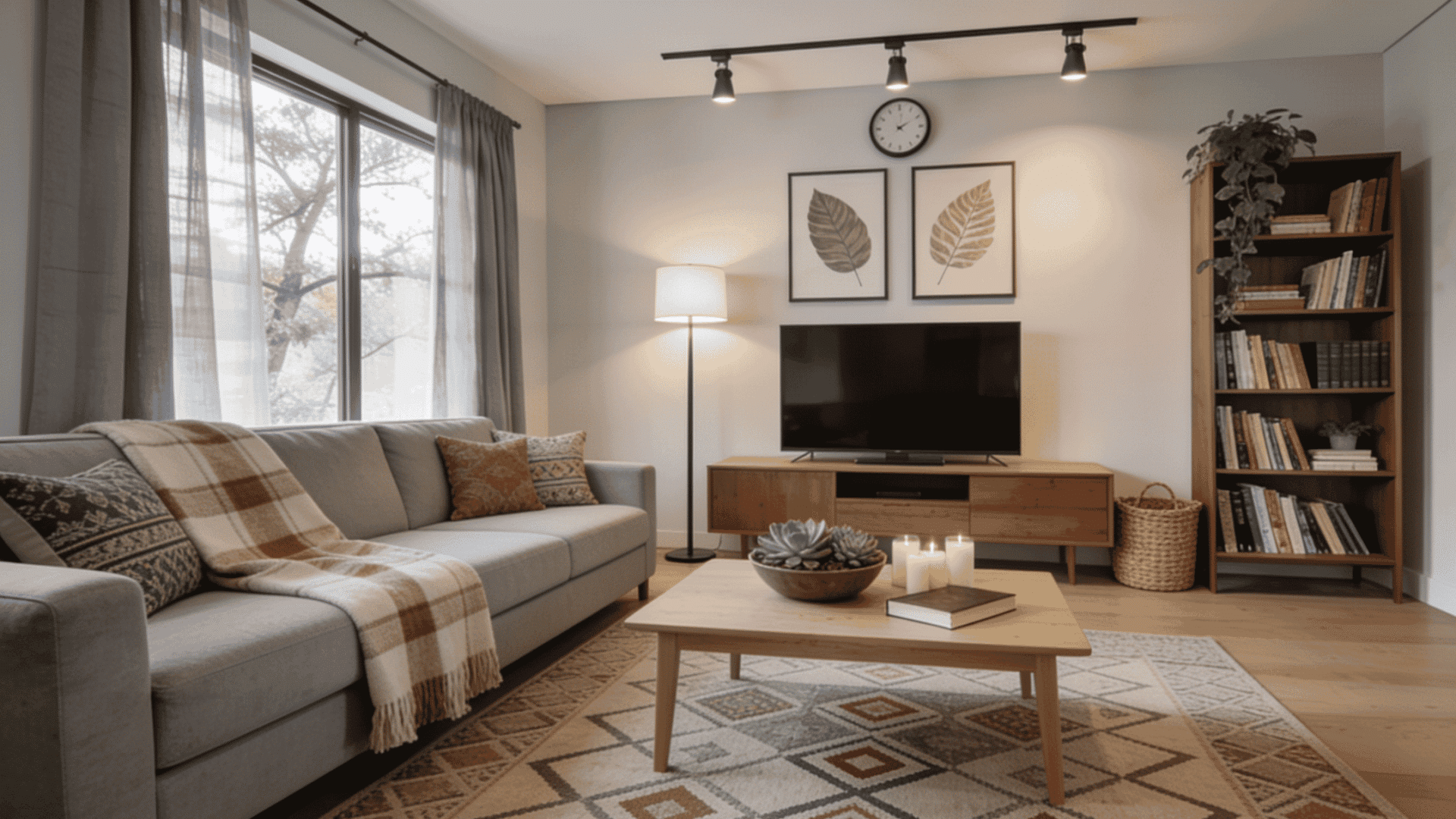

Scandinavian furniture style is a design approach from Northern Europe that focuses on simplicity, function, and natural materials. It originated in the Nordic countries- Sweden, Denmark, Norway, and Finland- during the early 20th century. The core idea is simple: every piece of furniture should be beautiful and useful. Nothing is decorative without purpose. Scandinavian design became one of the most globally influential movements of the 20th century, shaping everything from mass-market furniture to high-end interior design. Today, it remains one of the most-searched and most-copied interior styles worldwide and for good reason.
Key Characteristics of Scandinavian Furniture Style
The first time I walked into a fully Scandinavian-styled home, I remember thinking, “Why does this room feel so calm?” Now I know why. Scandinavian furniture style is built around simplicity, comfort, and purpose. It keeps rooms clean without making them feel cold. The look is close to minimalism, but softer, warmer, and more connected to nature. At its core, it depends on a few clear choices:
- Simplicity: Clean lines, smooth shapes, and pieces that feel light instead of bulky.
- Function: Every item earns its place. Sofas may have hidden storage, and beds may include drawers.
- Natural Materials: Light woods like birch, oak, and pine form the backbone, while wool and linen add warmth.
- Neutral Colors: White, soft grey, beige, and warm wood tones keep rooms bright and easy on the eyes.
- Texture: Linen cushions, wool throws, and jute rugs add depth without clutter.
I used birch shelving in my own home office last year, and the change was immediate. The room felt lighter and more useful. When I helped a young couple furnish their first apartment, we chose a storage bed and a slim oak console. They gained storage and style without cramming the space.
The Origins of Scandinavian Furniture Style
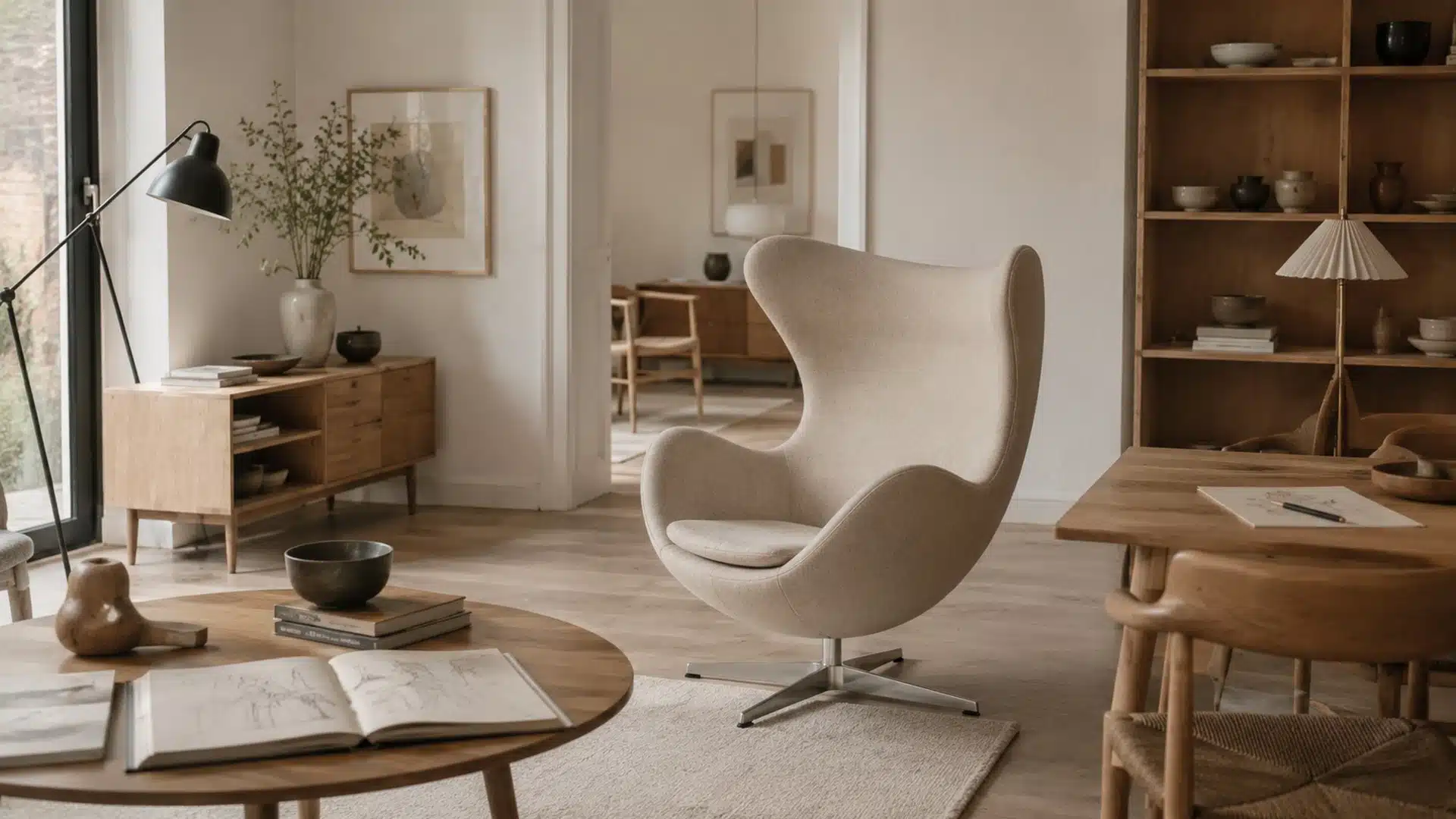 Scandinavian furniture didn’t just appear out of nowhere. It started in the 1920s across the Nordic countries: Sweden, Denmark, Norway, and Finland. The big idea? Good design should be for everyone, not just the rich. Sweden kicked things off with the Svenska Slöjdföreningen (Swedish Society of Crafts and Design). They wanted furniture that was simple, well-made, and actually useful. Then, in 1954, the traveling exhibition Design in Scandinavia landed in North America. Americans saw it and loved it. That was the moment Scandinavian furniture style went global.
How Scandinavian Furniture Style Took Over the World
A few things made this style explode worldwide:
- Arne Jacobsen designed the iconic Egg Chair in 1958, still copied today
- Hans Wegner created the Wishbone Chair, now a design classic
- IKEA launched in Sweden in 1943, bringing the look into millions of homes at low prices
By the 2000s, Scandinavian furniture style wasn’t just a Nordic thing anymore. It was everywhere, from New York apartments to Tokyo studios. Scandinavian Furniture Style Color Palette 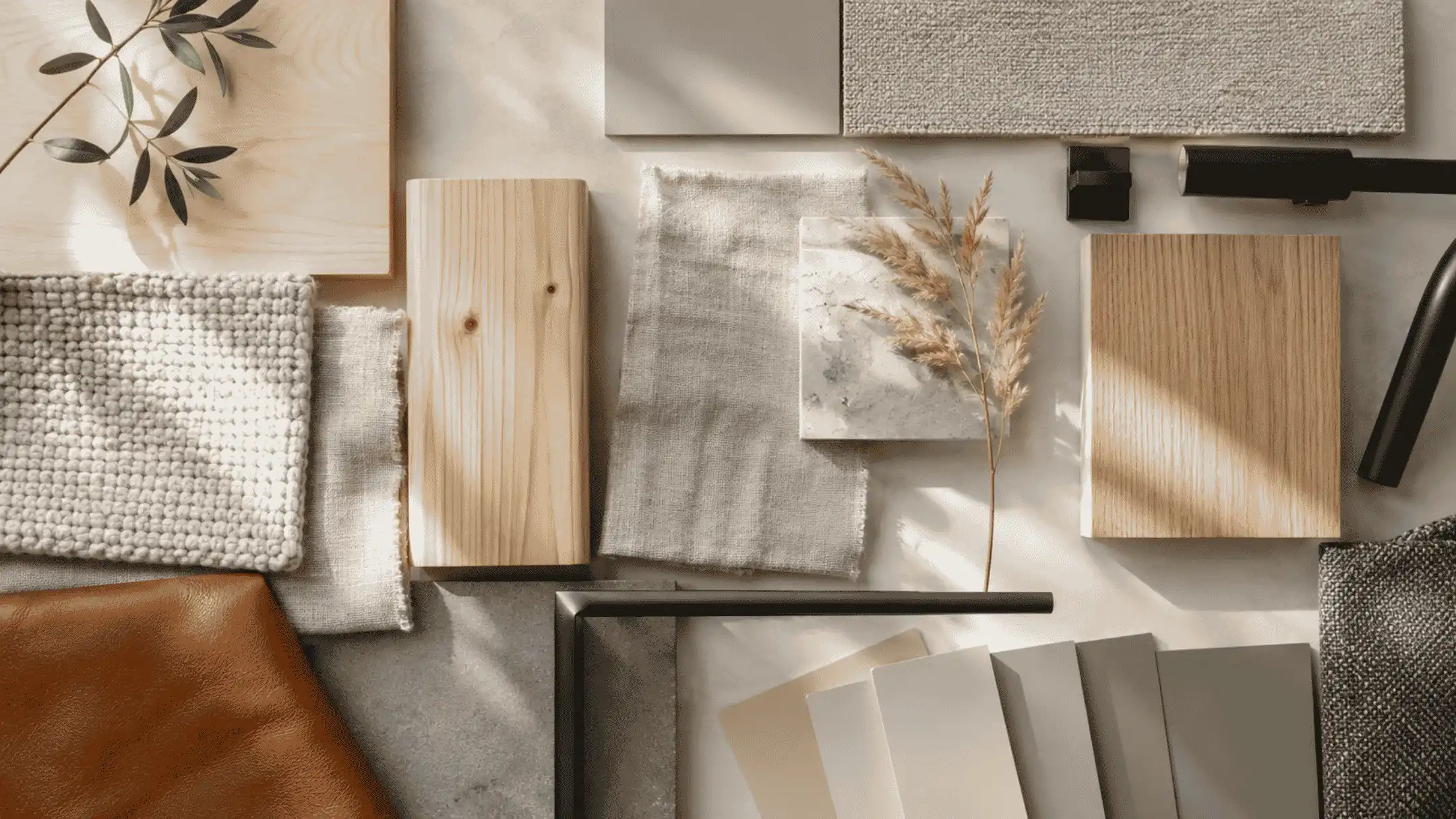 Scandinavian furniture style lives and dies by its color palette. And it’s simpler than you think:
| Color Type | Examples |
|---|---|
| Base colors | White, off-white, light grey, beige |
| Neutral tones | Warm taupe, soft cream, sand |
| Accent colors | Dusty blue, sage green, burnt terracotta |
| Dark contrasts | Charcoal, matte black |
Two years ago, I redesigned my own living room with warm white walls. Charcoal sofa. The contrast was subtle but striking. Every piece of oak furniture I added just popped against it.
How Lighting Shapes Scandinavian Interior Style
Here’s something most people miss: lighting is a color too. Nordic countries get very little sunlight in winter. So Scandinavian design was built around maximizing light. That’s why the palette is so pale and airy. My rule when consulting:
- Use warm white bulbs (2700K–3000K), not cool white
- Add floor lamps in corners to lift the room
- Keep windows unobstructed, ditch heavy curtains
Iconic Scandinavian Furniture Pieces You Should Know
I still get excited talking about these pieces. Scandinavian design has produced more iconic furniture than almost any other style, and many of these pieces are still being made today. Here are the most recognized pieces:
| Piece | Designer | Year | Why It Matters |
|---|---|---|---|
| Egg Chair | Arne Jacobsen | 1958 | Defines Nordic luxury seating |
| Wishbone Chair | Hans Wegner | 1949 | Most copied chair in the world |
| PH Artichoke Lamp | Poul Henningsen | 1958 | Icon of Scandinavian lighting |
| String Shelf | Nils Strinning | 1949 | Minimalist wall storage classic |
| Tulip Coffee Table | Eero Saarinen | 1956 | Clean base, still widely popular |
1. Iconic Scandinavian Furniture Pieces for Your Living Room
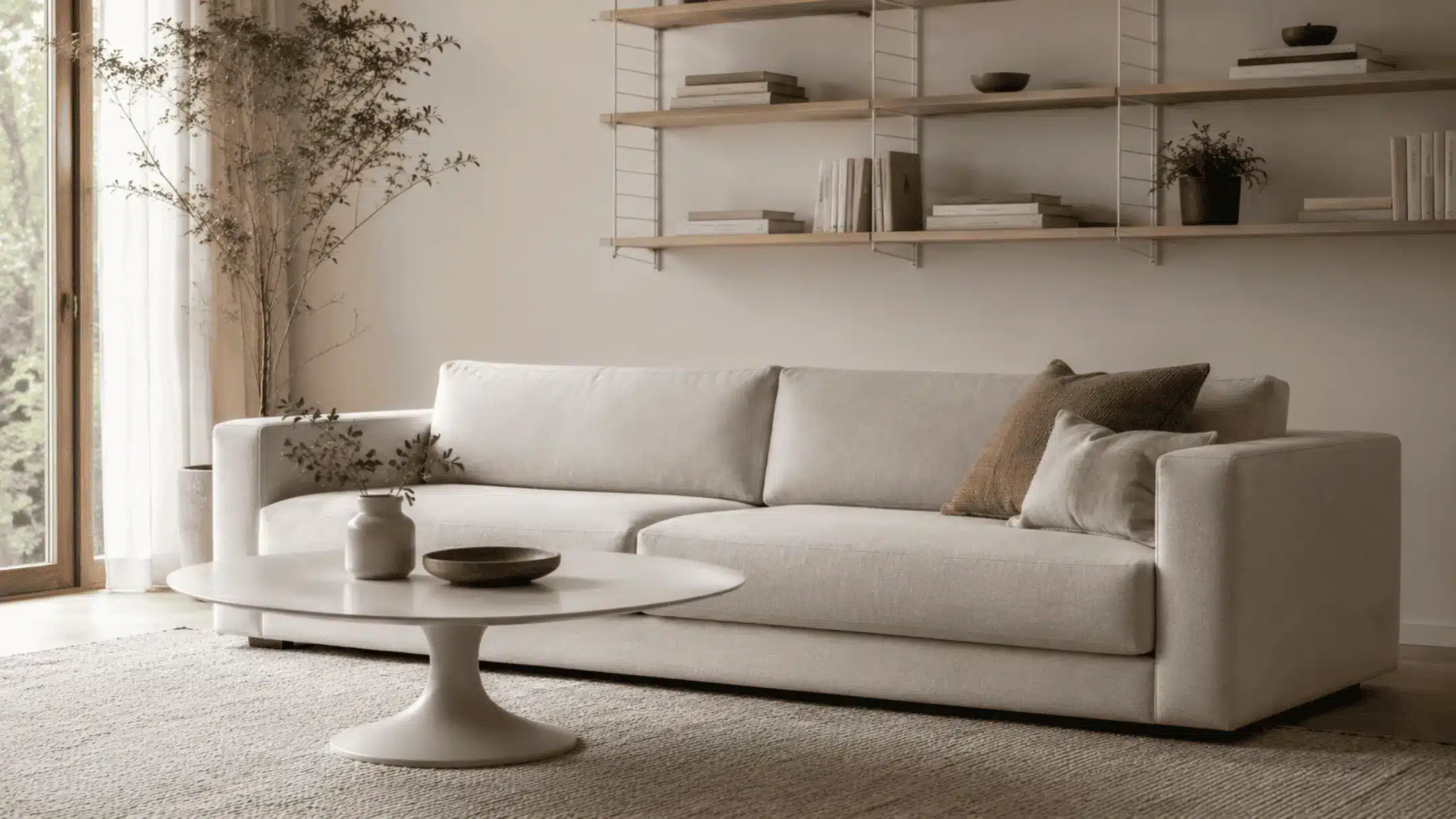 The living room is where this style shines most. My go-to recommendations:
- A low-profile sofa in grey or cream with clean, straight arms
- A tulip-style coffee table with a round base, no sharp corners
When I styled my own living room, I paired a cream linen sofa with a round oak coffee table. Simple combination, but it looked like it came straight out of a Copenhagen showroom.
2. Iconic Scandinavian Furniture Pieces for Your Dining Room
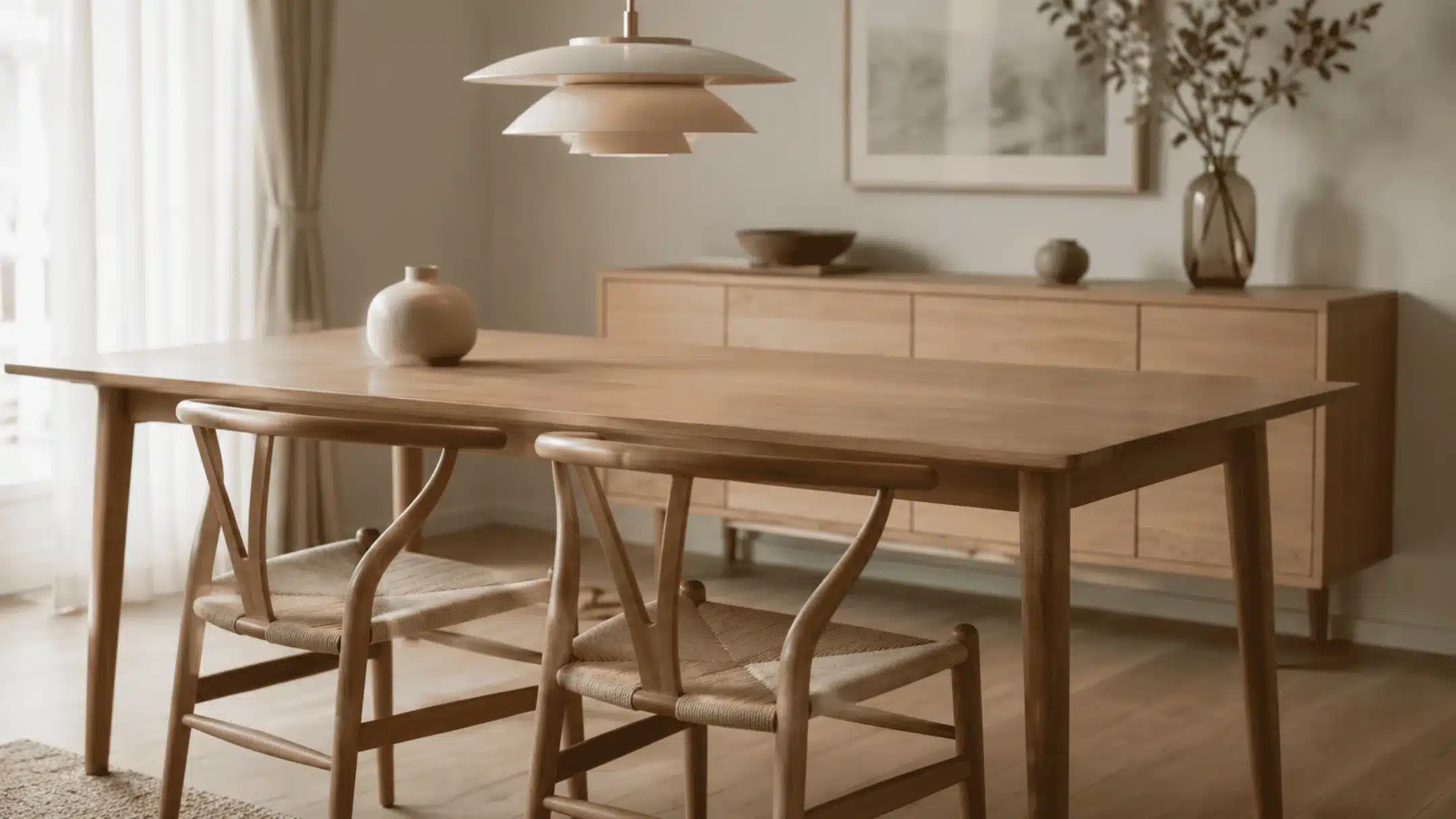 The dining room is where the Wishbone Chair belongs. I have two Wishbone Chair replicas in my dining room and get compliments on them at every dinner party. Pair them with:
- A rectangular oak dining table with tapered legs
- Pendant lighting hung low over the table, the PH Artichoke style works perfectly
- A slim sideboard in light wood for storage without bulk
Keep the dining space minimal: one statement table, good chairs, one light fixture. That’s the Scandinavian way.
How to Decorate Your Home in Scandinavian Furniture Style
Most people think the Scandinavian style is hard to pull off. It’s not. After helping dozens of clients with this style, the secret is simple: less is more. Start with one room, get it right, then move on.
How to Style Your Living Room in Scandinavian Furniture Style
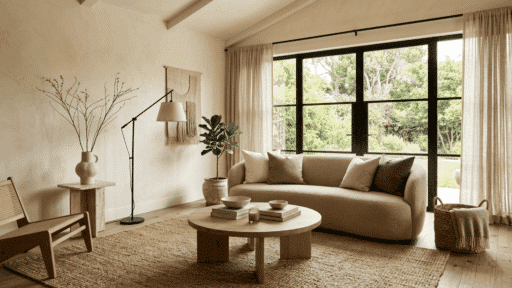
A Scandinavian living room should feel bright, open, and easy to use. Start with a soft base, then add simple furniture, natural textures, and one fresh green element to keep the space calm but not plain.
- Paint walls warm white or soft grey first
- Choose a sofa in grey, cream, or oatmeal
- Add a light wood coffee table with tapered legs
- Layer textures, wool throw, linen cushion, jute rug
- Add one plant, fiddle leaf fig or snake plant
How to Style Your Bedroom in Scandinavian Furniture Style
A Scandinavian bedroom should feel quiet, soft, and restful from the moment you enter. Keep the furniture low, the colors light, and the room free from anything that adds visual noise.
- Choose a low platform bed in natural oak or walnut
- Use white or cream linen bedding
- Add slim bedside tables, one per side
- Hang blackout linen curtains in soft grey or white
- Skip the TV, it breaks the calm completely
Good design affects how you feel. Always.
Scandinavian Furniture Style Decorating on a Budget
Scandinavian furniture style does not need to be expensive. The goal is to spend more on the pieces you use every day, then choose simple budget-friendly accents that still feel clean, warm, and natural.
| Item | Budget Option | Estimated Cost |
|---|---|---|
| Sofa | IKEA KIVIK or ÄPPLARYD | $400–$700 |
| Coffee Table | Birch or pine round table | $80–$150 |
| Dining Chairs | Wishbone style replicas | $60–$120 each |
| Lighting | Simple pendant in white or brass | $40–$100 |
| Rug | Jute or flat-weave grey rug | $50–$150 |
Spend on the sofa and bed, save on everything else. A good minimalist jute rug from Amazon can look just as good as a designer piece.
Scandinavian Furniture Style vs. Minimalist and Japandi Styles
“Isn’t Scandinavian just minimalism?” Not quite. All three styles share clean lines and clutter-free spaces. But they have very different personalities. Understanding the difference helps you pick the right one for your home. Here’s a side-by-side breakdown:
| Feature | Scandinavian | Minimalist | Japandi |
|---|---|---|---|
| Origin | Nordic countries | Global concept | Japan + Scandinavia fusion |
| Mood | Warm and cozy | Cold and stark | Calm and grounded |
| Materials | Light wood, wool, linen | Concrete, glass, metal | Dark wood, bamboo, ceramic |
| Color Palette | Warm whites, soft greys, accents | White, black, grey only | Earthy, muted, wabi-sabi tones |
| Texture | High: layered textiles | Low: smooth surfaces | Medium: natural and raw |
| Hygge Factor | Very high | None | Moderate |
| Best For | Families, cozy homes | Modern studios, offices | Calm, zen-inspired spaces |
Where to Buy Scandinavian Furniture Style Pieces
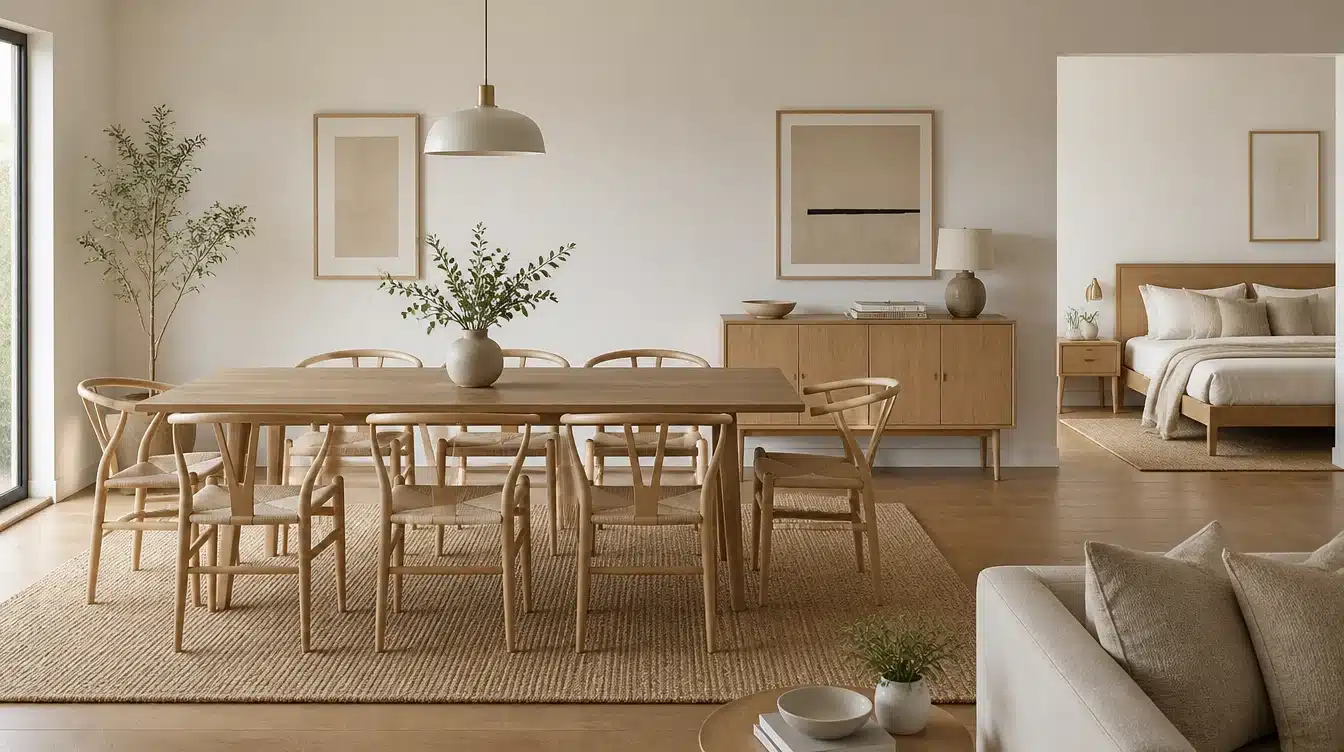 There are great options for Scandinavian furniture at every price point, from budget-friendly Amazon finds to investment pieces worth saving up for. You don’t need to fly to Copenhagen to get the look. Here are my top Amazon picks:
- Wishbone Chair Replica: Perfect dining chair, solid wood
- Low Platform Bed Frame: Clean lines, oak finish, affordable
- Jute Area Rug: Natural texture, neutral tone
- Minimalist Pendant Light: Brass or white, works over any table
- Light Wood Sideboard: Slim profile, tapered legs
- Linen Throw Pillow Set: Adds texture without clutter
Look for tapered legs, light wood tones, and neutral upholstery. If a piece has all three, it’ll work. Beyond Amazon, IKEA, Article, West Elm, and CB2 are all worth exploring at different price points, as is Etsy. Just avoid fast furniture that looks Scandinavian but is poorly built. Thin veneers and wobbly legs will ruin the look fast.
Why I Keep Coming Back to Scandinavian Furniture Style
Scandinavian furniture style works in small apartments and large family homes. It suits tight budgets and generous ones. It makes rooms feel calmer, bigger, and more intentional. Start with light walls in warm white or soft grey. Choose natural materials like oak, birch, linen, and wool. Pick functional pieces where every item earns its place. Layer texture instead of color for warmth and depth. Most importantly, keep it simple. Less is always more in this style. You don’t need to redesign your entire home overnight. Pick one room, nail it, then let the rest follow.
Frequently Asked Questions
What is Scandinavian Furniture Style in Simple Terms?
A design style from Nordic countries focused on simplicity, natural materials, and furniture that is both beautiful and functional.
What Materials are Used in Scandinavian Furniture Style?
Light woods like birch and oak are most common, along with wool, linen, and leather for textiles and soft furnishings.
What Colors Define Scandinavian Furniture Style?
Warm whites, soft greys, and beige form the base. Dusty blue, sage green, and charcoal are used as accent colors.
What is the Difference Between Scandinavian and Japandi Style?
Scandinavian interiors feature light wood tones and a warm, cozy feel. Japandi blends Japanese and Scandinavian design with darker woods and a moodier feel.
Where Can I Buy Scandinavian Furniture Style Pieces on a Budget?
IKEA and Amazon are the best starting points. Look for tapered legs, light wood tones, and neutral upholstery for a stylish look.

With a Master in Architectural Studies from University of Pennysylvania, Marwa Haydar has pioneered living spaces since 2005. Her expertise, initially honed in a prestigious architectural firm, is evident in her approach to creating environments. Marwa became part of our team in 2019 and has since been a driving force in our home improvement section, known for her practical yet stylish solutions. She’s been spearheading our design workshops since then, infusing her passion for teaching into her work. In her leisure time, Marwa enjoys exploring historic architecture and is an enthusiastic pottery hobbyist, further enriching her understanding of form and texture.