
Staying cool in a dry climate, which now accounts for 40% of all land on Earth, requires a completely different strategy than fighting humid heat. High humidity forces you to rely on heavy air conditioning to strip moisture from the air, but arid environments allow you to use physics to your advantage. By mastering passive cooling techniques, you can keep your living space perfectly comfortable without sending your electric bill through the roof.
Arid heat can feel intense, but it also creates the perfect environment for rapid moisture evaporation, which naturally lowers air temperatures.
Harnessing Evaporative Cooling Hacks
The low humidity in desert regions means you can use water to rapidly lower a room’s temperature. When water evaporates into dry air, it absorbs heat energy, creating an immediate cooling effect that feels like a natural breeze. This principle is why evaporative cooling thrives in hot, dry environments far better than standard air conditioning units that simply recirculate stale indoor air.
If you are looking to relocate to a warmer region, it helps to find a room to share in El Paso or similar desert cities where properties are specifically built with these climate realities in mind. A little research helps you avoid picking a place to live that will be uncomfortable during hot seasons.
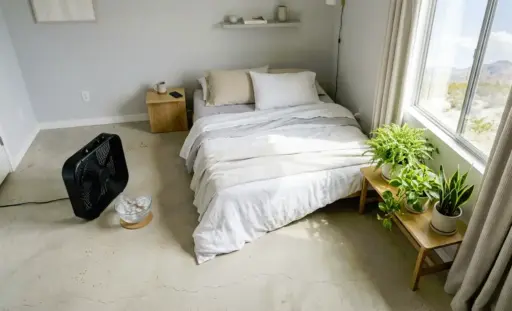
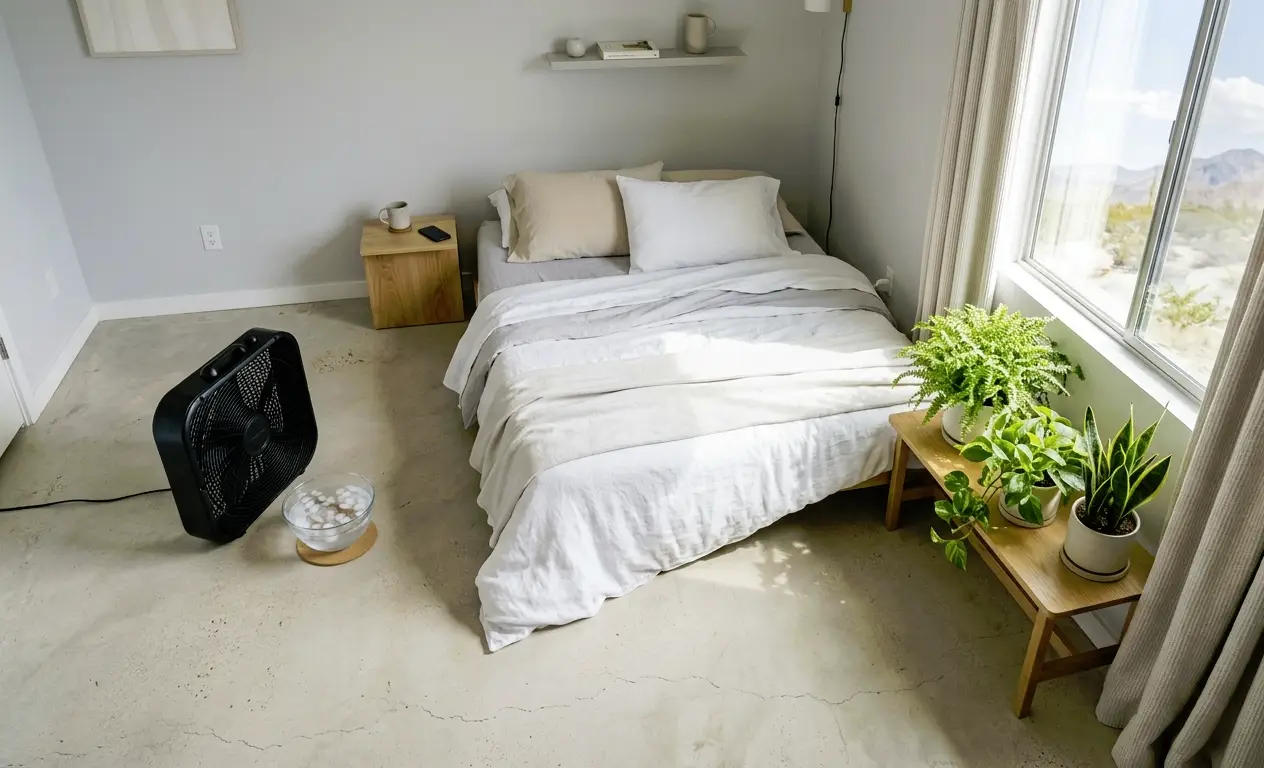
You can set up a simple DIY cooling system by placing a large bowl of ice water directly in front of a box fan. As the fan blows air across the water surface, it accelerates evaporation and chills the incoming breeze.
Another effective trick is to hang a damp sheet in front of an open window in the evening. The incoming hot air passes through the wet fabric, losing heat instantly before it circulates through your living space.
Creating Strategic Airflow Patterns
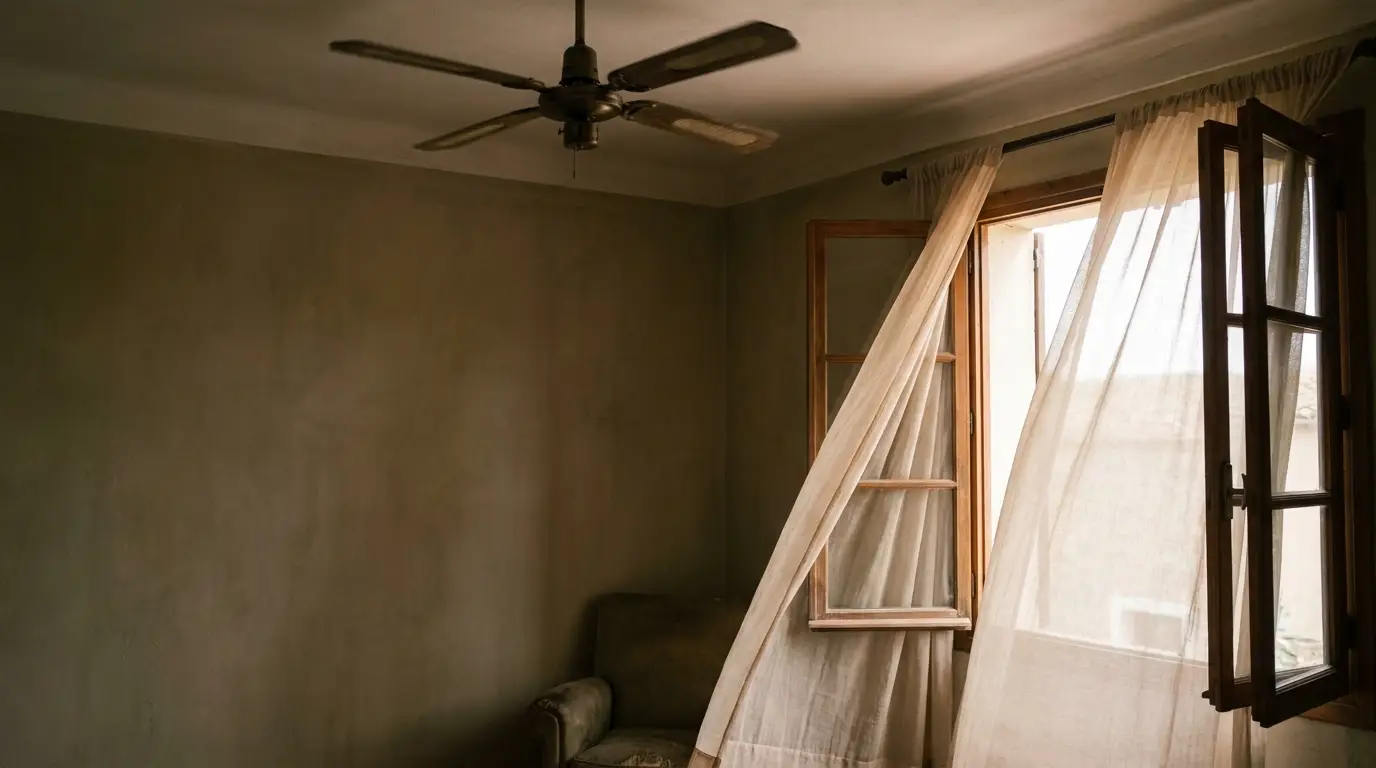
Relying solely on fans will not help if you are just moving hot air around an enclosed room. To effectively lower the temperature, you need to establish a deliberate pressure differential that forces hot air out while drawing cooler air in. This method works best in the early morning and late evening, when outdoor temperatures drop below indoor temperatures.
To maximize this effect, you should understand how to optimize indoor airflow. Open a window on the shaded side of your home to draw in cool air, and open another window on the opposite side to let hot air escape.
You can boost this natural process by using targeted household adjustments:
- Set ceiling fans to rotate counterclockwise at high speed to push a cool breeze straight down
- Apply solar reflective window film to block daytime heat from penetrating glass surfaces
- Install thick door sweeps to trap cold air inside your primary living spaces
Shielding Your Space From Solar Gains
Preventing heat from entering your room in the first place is much easier than trying to cool a space down after it has baked in the sun all day. Sunlight passing through uncovered windows accounts for a massive percentage of indoor heat retention.
Applying reflective window coverings shields rooms from harsh desert solar gains before the energy can be trapped as ambient heat. Pair these films with carefully chosen curtains to create an airtight insulation barrier. Keep these curtains drawn completely closed from sunrise until late afternoon to preserve your cool morning air.
Optimizing Arid Room Layouts
Simple changes to your decor and room layout can make a noticeable difference in how your space retains heat. Grouping leafy green plants like ferns or pothos together in a corner creates a localized microclimate that naturally boosts ambient humidity through transpiration.
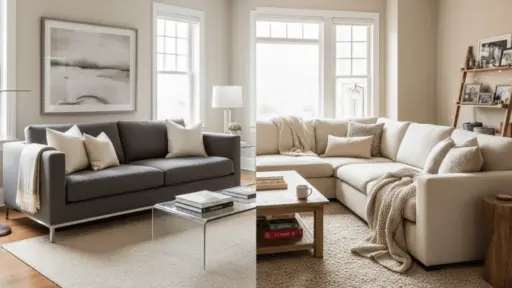
Selecting light-colored rugs, bedding, and furniture also helps prevent your room from absorbing and retaining thermal energy throughout the day. For more practical advice on managing seasonal indoor comfort and maximizing small spaces, explore our home maintenance blogs for ongoing guidance.

Tommy Hardy, an alumnus of the Georgia Institute of Technology with a degree in Mechanical Engineering, has been a go-to figure in residential upkeep and innovation for over 18 years. His career commenced in a leading home appliance manufacturing company, where he mastered the intricacies of household systems. Joining our platform in 2020, Tommy quickly became a reader favorite for his practical and easy-to-follow guides. He took the helm of our DIY section in 2019, consistently delivering content that empowers homeowners. Beyond his professional pursuits, Tommy is a passionate gardener and enjoys woodworking, skills enhancing his hands-on approach to home care.