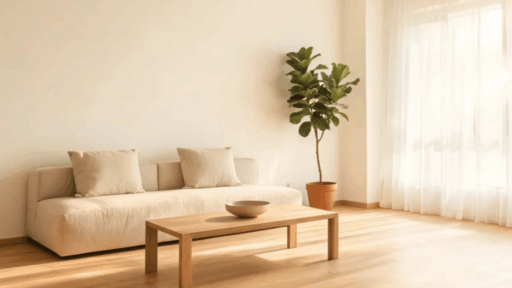
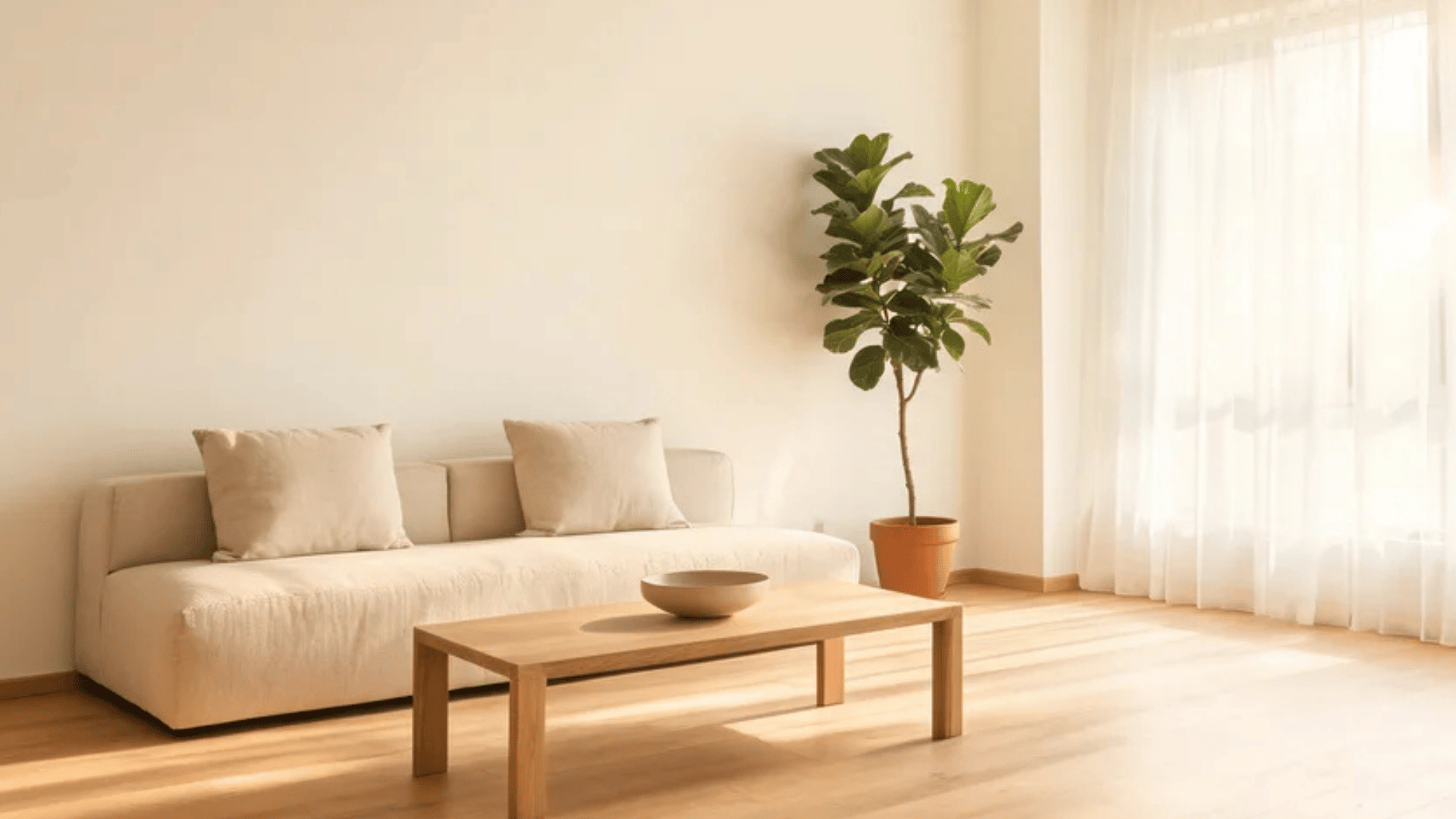

Less is more, and I truly believe that.
A few years ago, I started making small changes to my home. I cleared out the clutter, kept only what I loved, and the space instantly felt better. Calmer. More like me.
If you’ve been thinking about refreshing your home without spending a lot, minimalist interior design is a great place to start. It’s not about having an empty room.
It’s about making smart choices with what you keep and how you arrange it. In this article, I’ve put together minimalist interior ideas that are simple, budget-friendly, and easy to try at home.
From choosing the right colors to picking furniture that works harder, each idea is practical and clear. You don’t need a big budget or a professional. You need a good starting point, and this is it.
How Minimalist Interior Design Works
Minimalist interior design works by stripping a space down to only what is useful and meaningful. It follows a few core principles that work together to create a clean, functional home.
It starts with reducing clutter. Anything that does not serve a purpose or add value to the space is removed. What stays must earn its place.
Next, focus on neutral colors. Whites, grays, beiges, and soft earth tones keep walls and floors calm and simple. These shades make rooms feel more open and let natural light do the work.
Furniture choices matter too. Minimalist home design favors simple, durable pieces. Clean lines and open space between furniture give each room a relaxed, uncluttered feel.
Storage is handled smartly. Hidden storage keeps surfaces clear while keeping daily items within reach. The result is a home that looks calm but still works well for real life.
Top Minimalist Interior Ideas
These practical ideas cover every corner of the home. Small, thoughtful changes can shift a space from cluttered to calm without a full renovation.
1. Use a Neutral Color Palette
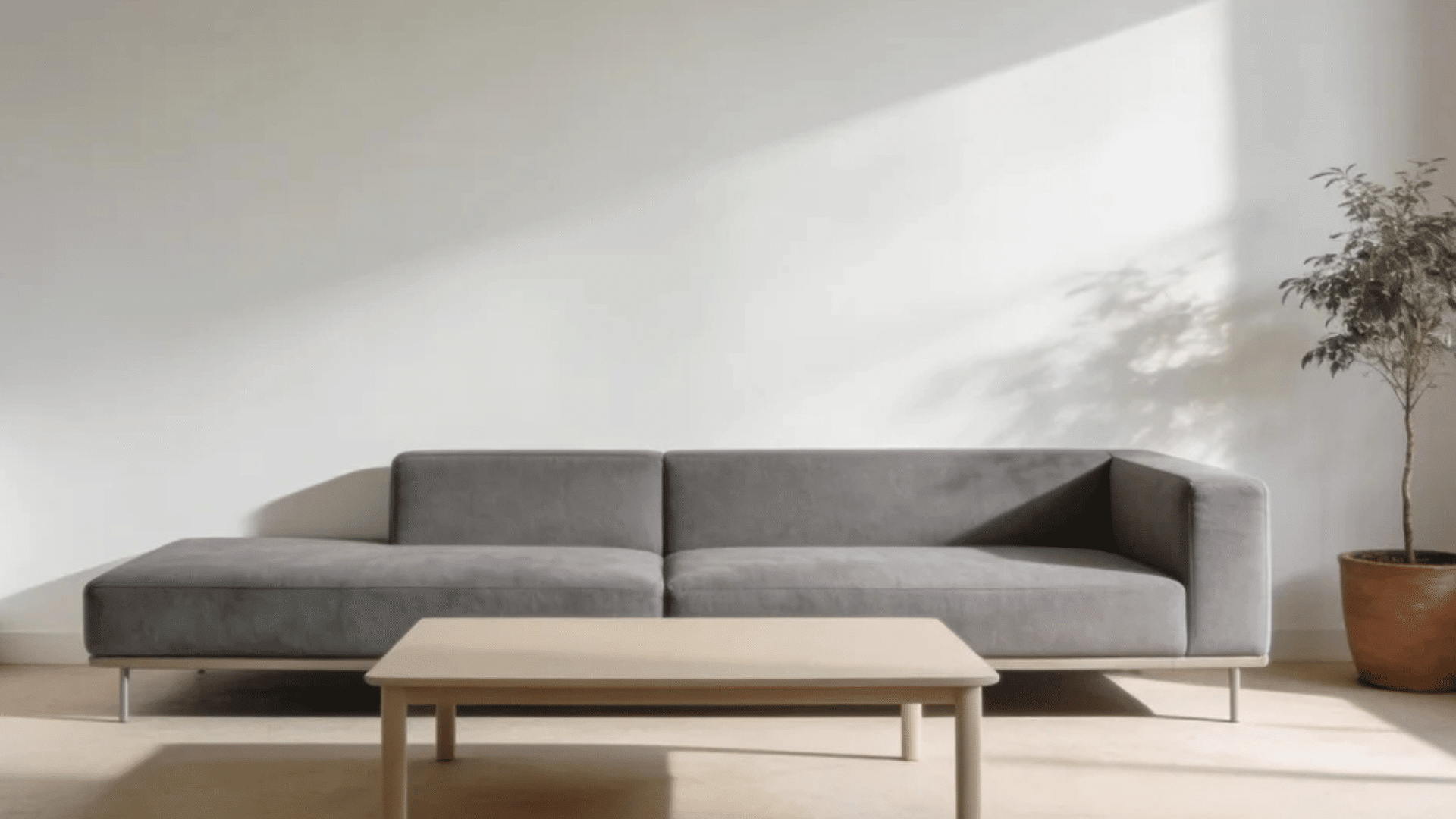
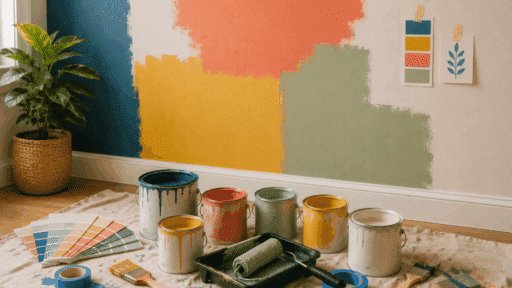
I started with the walls, and everything changed. Painting the living room a warm white instantly made the space feel bigger and more settled.
In minimalist interior design, color sets the tone for the whole room. Neutral shades like off-white, soft gray, and warm beige keep walls calm and let furniture stand out.
Stick to two or three shades across a room. When the walls are quiet, everything else falls into place naturally.
2. Cut Furniture Down to the Essentials
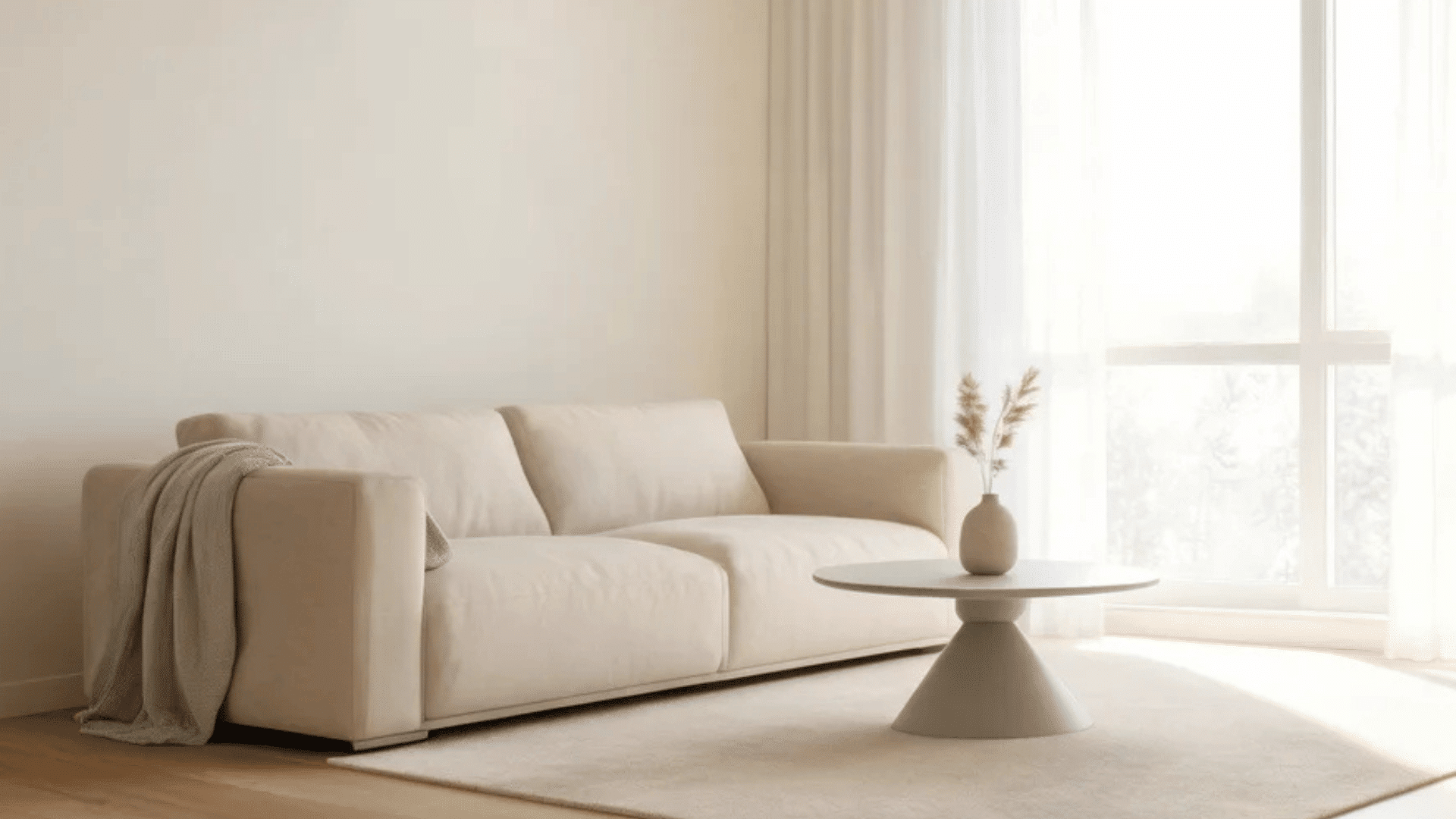
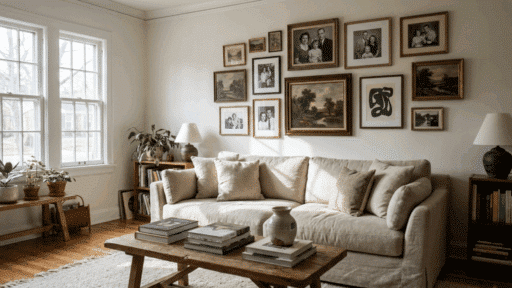
The most common mistake in living spaces is having too much furniture. A sofa, a coffee table, and one accent chair are often all a living room needs.
Minimalist interior design works best when there is breathing room between pieces. Removing even one extra item can make a room feel noticeably more open.
Before adding anything new, ask whether the space actually needs it. Less furniture also means less to clean and maintain every week.
Quick Tip: Walk into the room and count the furniture pieces. If one can be removed without losing function, remove it.
3. Let Natural Light do the Work
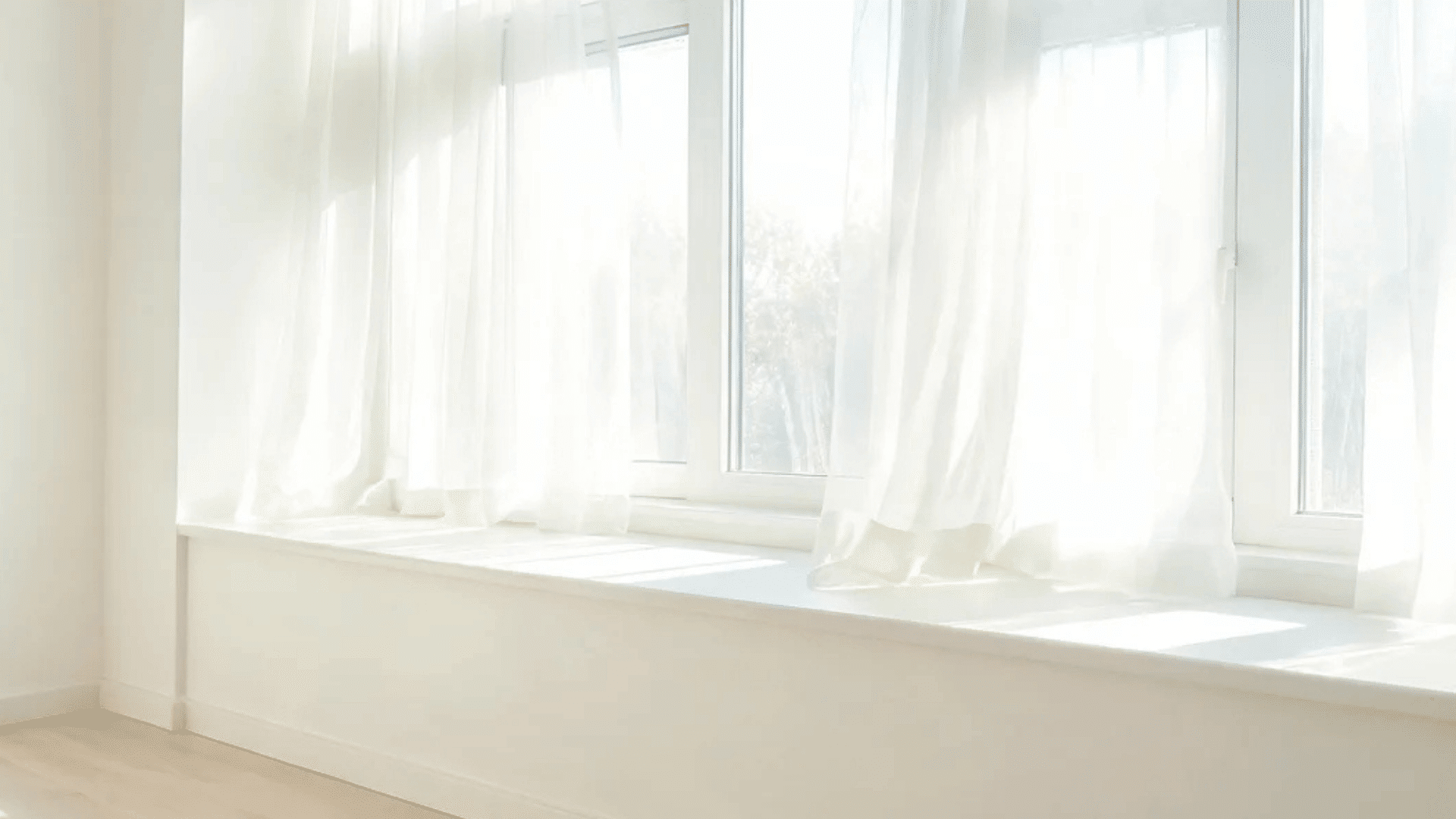
Heavy curtains block light, making rooms feel smaller than they are. Swapping them for sheer panels or simple roller blinds opens up a room in a way that no lamp can match.
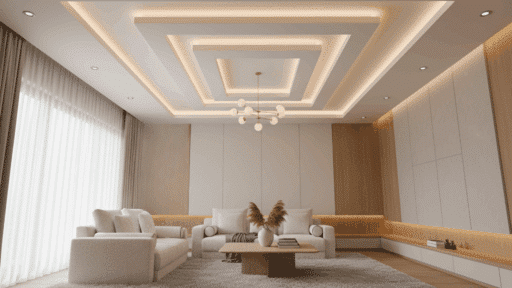
Natural light highlights clean surfaces and gives rooms a fresh, airy feel. In minimalist home design, light is treated as part of the decor, not an afterthought.
Keep window sills clear and use light-colored walls to reflect as much natural light as possible throughout the day.
4. Add One Focal Point Per Room
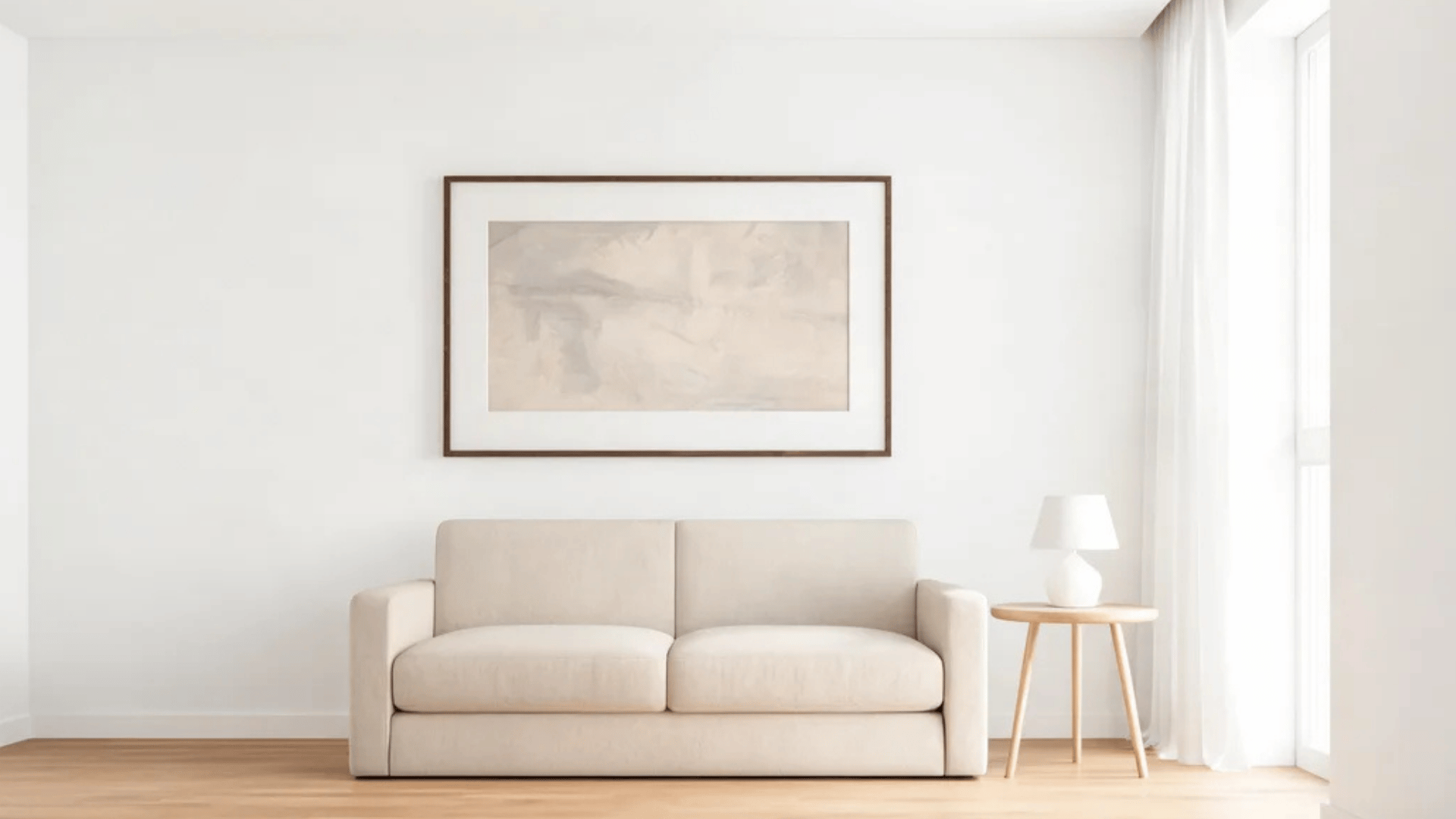
My friend redesigned her living room around a single large piece of wall art. Everything else was kept simple, and the room looked more put-together than it ever had, thanks to multiple decorations.
In minimalist interior design, one strong focal point anchors the room. It could be a painting, a textured wall, or a statement plant.
The key is to resist the urge to add more. One well-chosen piece creates real impact without turning the space into a visual mess.
5. Use Multi-Functional Furniture
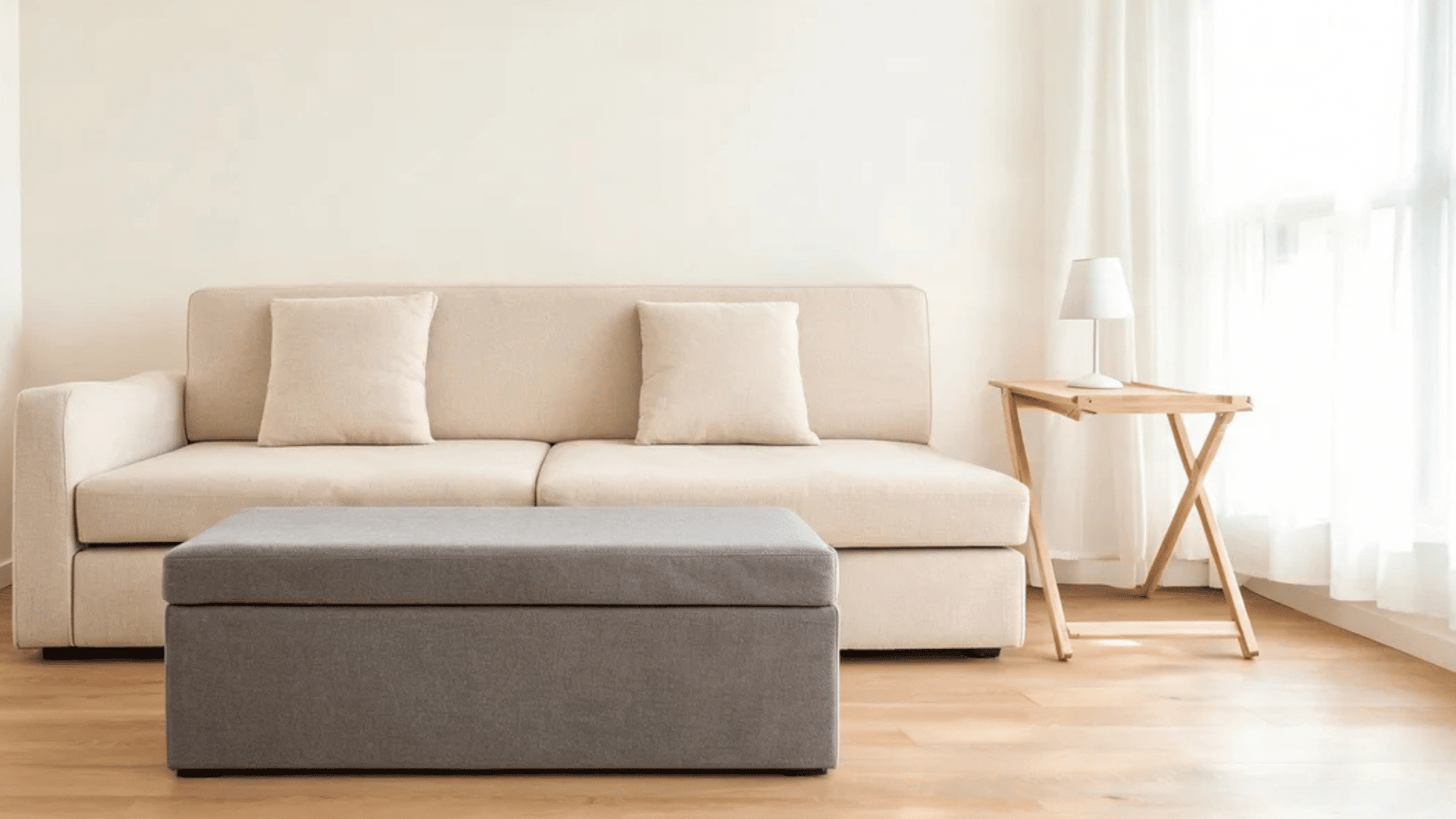
Storage ottomans, foldable dining tables, and sofa beds fit naturally into minimalist home design because every piece serves more than one purpose.
A bench at the foot of a bed can store blankets. A coffee table with drawers keeps remotes and books out of sight.
Choosing furniture that works harder means needing fewer pieces overall, which keeps the space cleaner and more functional.
This approach works especially well in smaller homes where every square foot counts.
Things to Keep in Mind:
- Look for beds with built-in drawers underneath
- Choose coffee tables with hidden storage compartments
- Consider a dining bench that doubles as a storage unit
6. Keep the Bedroom Free of Clutter
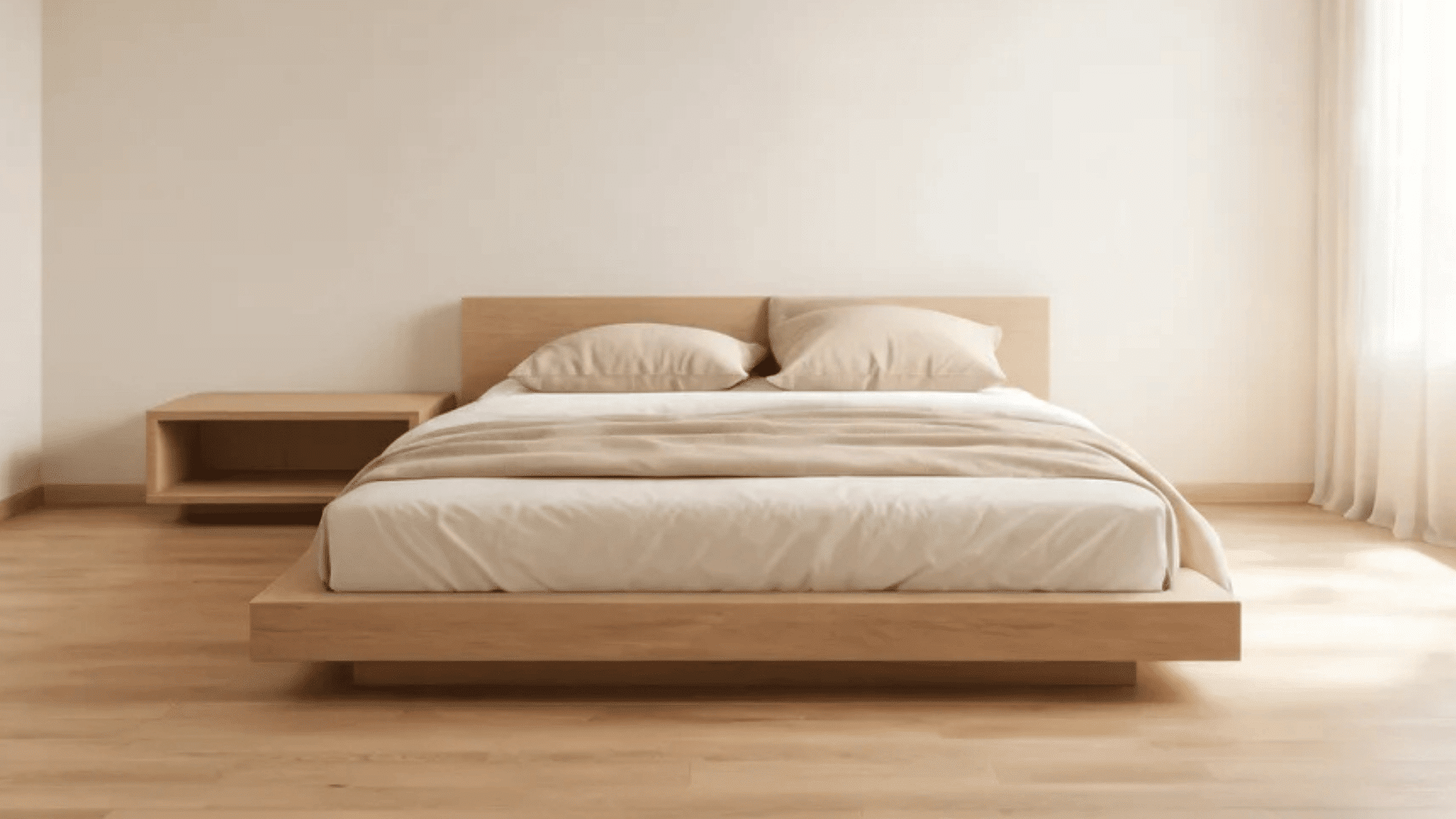
The bedroom should feel like the calmest room in the home. That means keeping surfaces clear, limiting decor, and making sure everything has a place.
A cluttered bedroom affects sleep and makes mornings feel more stressful. In minimalist interior design, the bedroom is stripped back to the basics: a bed, a bedside table, and proper storage.
Clothes go in the wardrobe, not on chairs. Books go on a shelf, not stacked on the floor. Simple habits keep the room peaceful.
7. Choose Simple, Plain Bedding
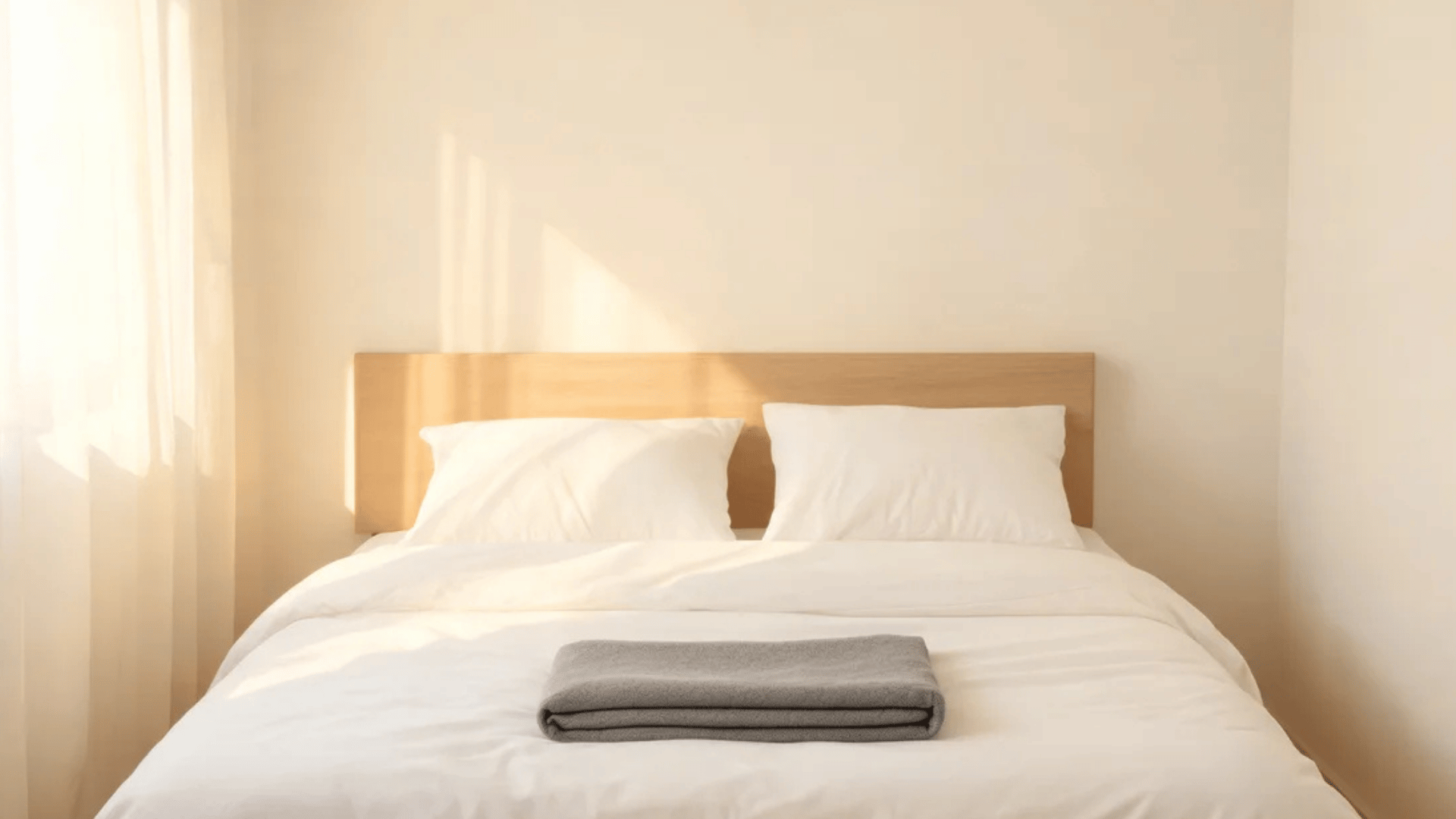
I swapped out a patterned duvet for a plain white one, and the bedroom immediately looked cleaner and more restful. Bedding takes up a large visual space in any room, so it matters more than most people realize.
Minimalist home design favors solid colors, natural fabrics, and simple layering. White, cream, or soft gray bedding works well with almost any wall color.
Avoid too many throw pillows or decorative blankets. Two pillows and one folded throw are usually more than enough.
8. Clear the Nightstand
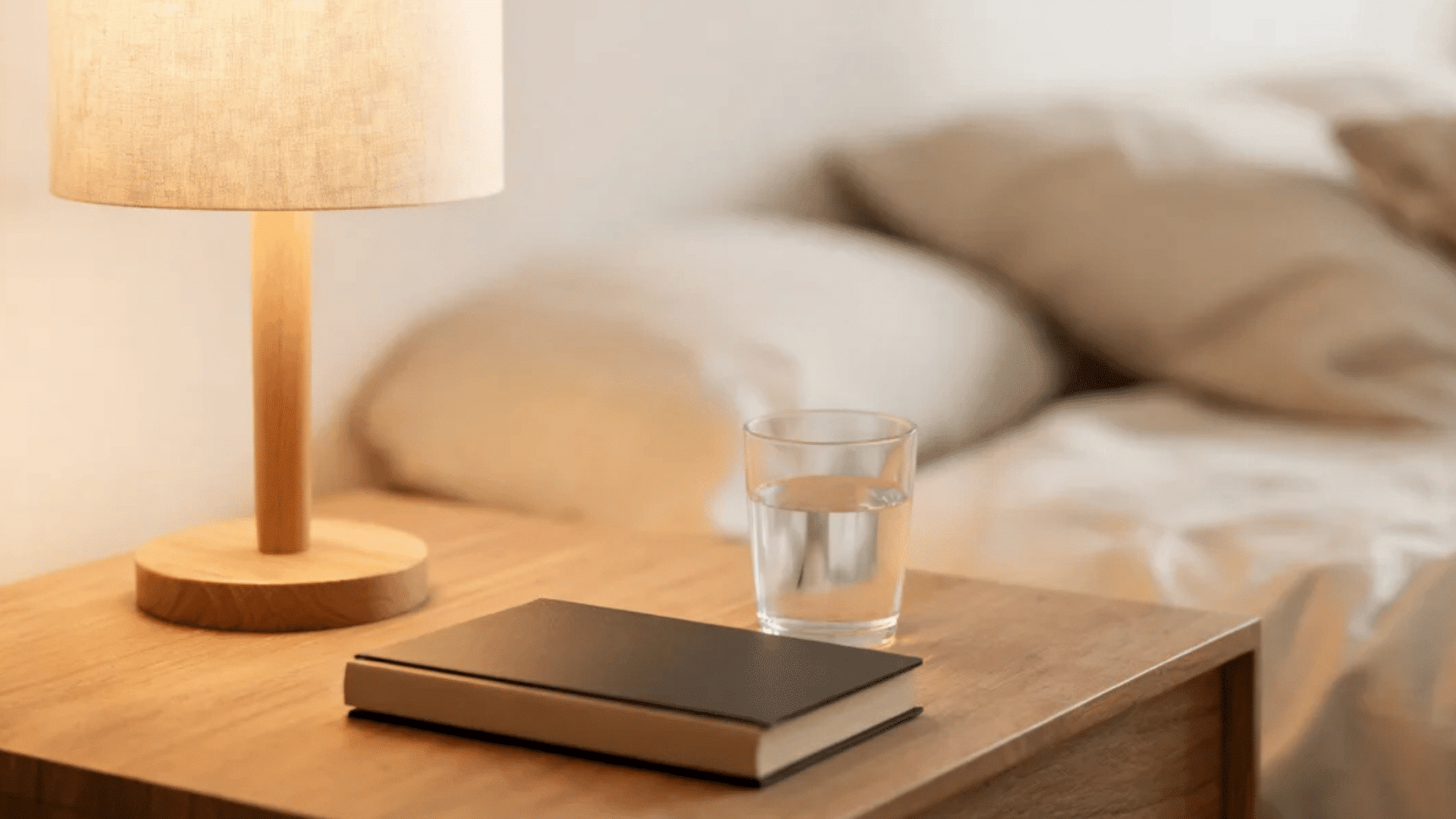
A nightstand piled with books, chargers, water glasses, and random items creates visual noise right next to where sleep happens.
In minimalist interior design, the nightstand should hold only what is needed for the night: a lamp, one book, and a glass of water.
Everything else finds a home in a drawer or somewhere else in the room. A clear nightstand feels intentional. It is a small change, but one that makes the bedroom feel significantly more organized and calm overall.
9. Use Soft Lighting in the Bedroom
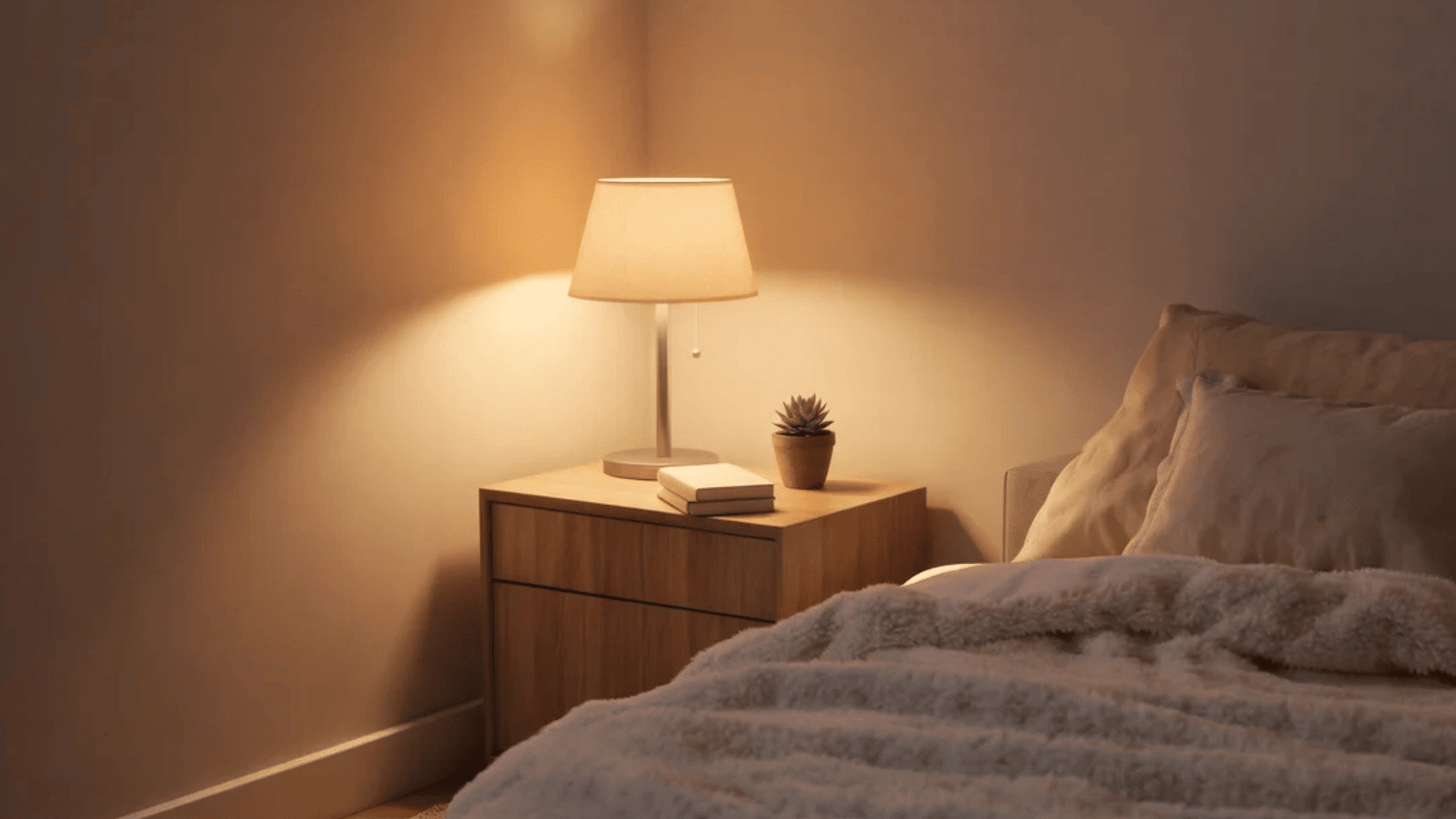
Overhead lighting in bedrooms can feel harsh and unflattering at the end of the day.
Replacing a bright ceiling light with a soft bedside lamp or wall sconce creates a warmer, more relaxed atmosphere.
Lighting is a detail that minimalist home design takes seriously. The goal is to make the room feel comfortable without relying on strong, direct light.
Warm bulbs in the 2700K to 3000K range work well in bedrooms. Sometimes one well-placed lamp is genuinely all a room needs.
10. Keep Kitchen Counters Clear
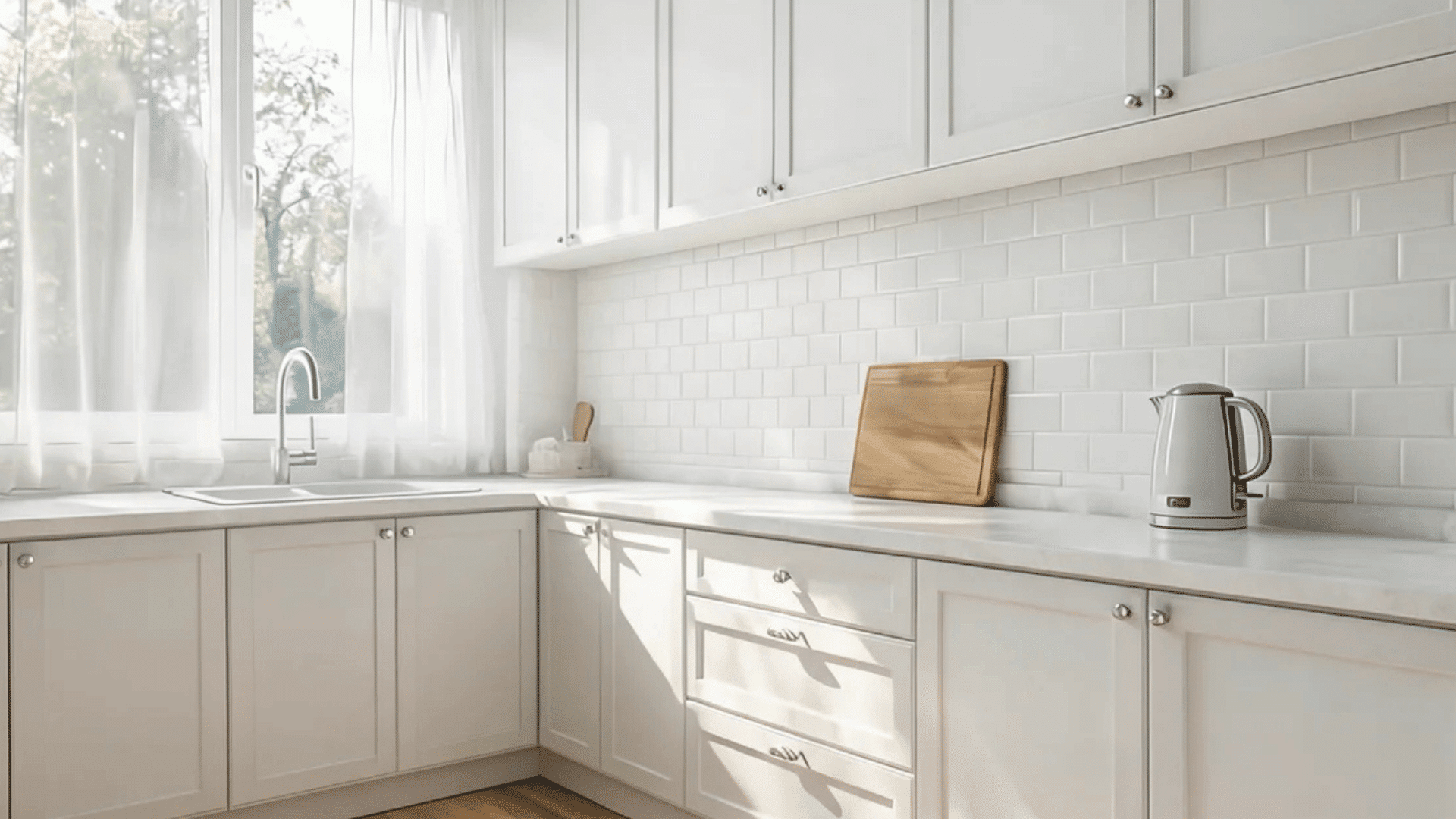
I once saw a kitchen with nothing on the counter except a kettle and a cutting board. It looked remarkably clean and felt easy to work in.
Clutter-free counters are one of the most effective moves in minimalist interior design. Store appliances inside cabinets when not in use. Keep only the items used daily on the surface.
A clear counter is easier to clean and makes cooking feel far less stressful. It also makes a small kitchen look significantly larger than it is.
11. Stick to a Simple Kitchen Color Scheme
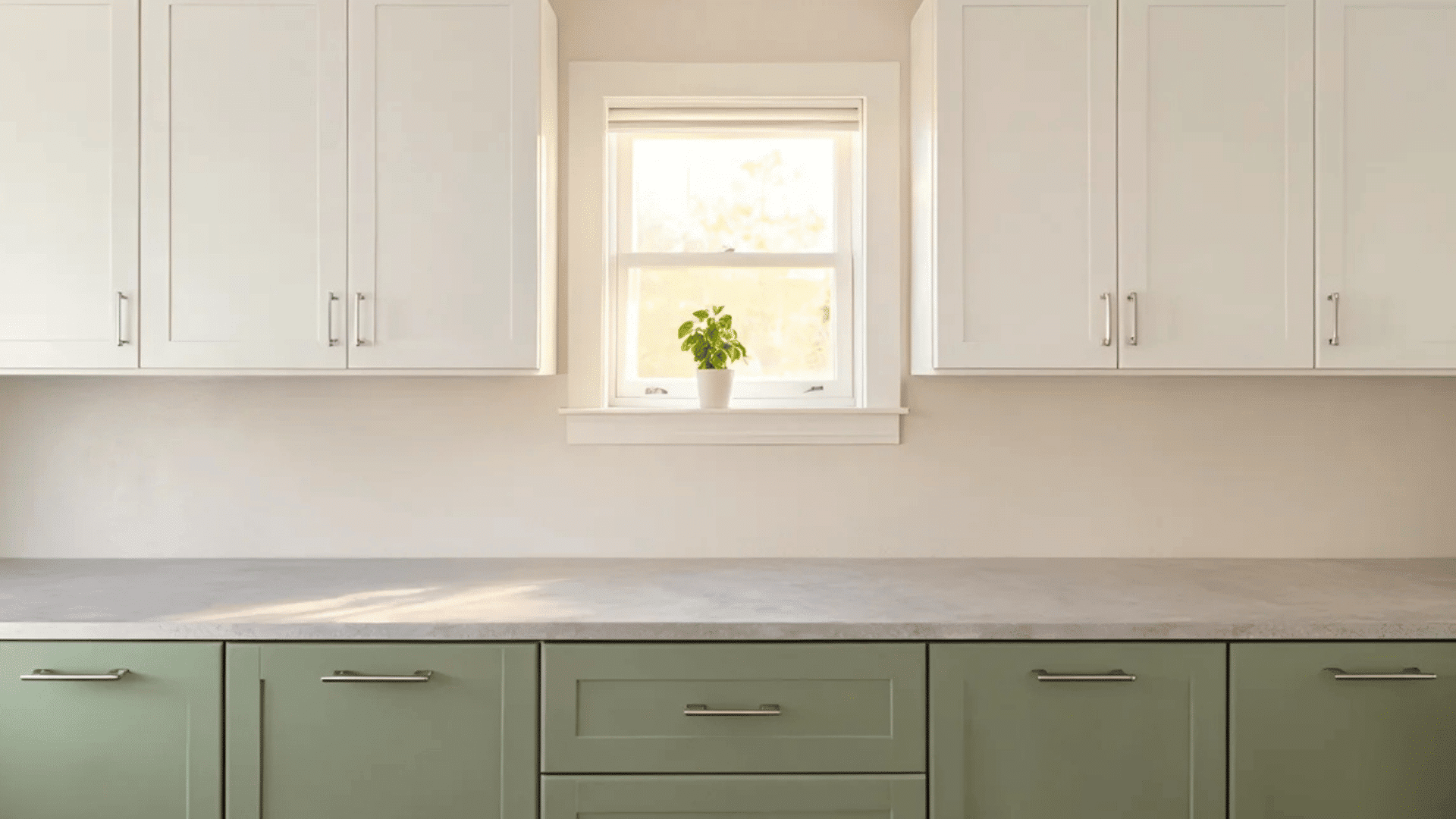
A two-tone kitchen with white cabinets and a natural wood countertop is one of the most popular minimalist home design approaches.
The combination is clean, timeless, and works in almost any kitchen size. Avoid mixing too many materials or finishes across the same space.
When the color palette is limited, the kitchen feels more cohesive and easier on the eye.
A simple color scheme does not mean boring. It means the design is confident and does not need extras to feel complete.
12. Use Open Shelving With Restraint
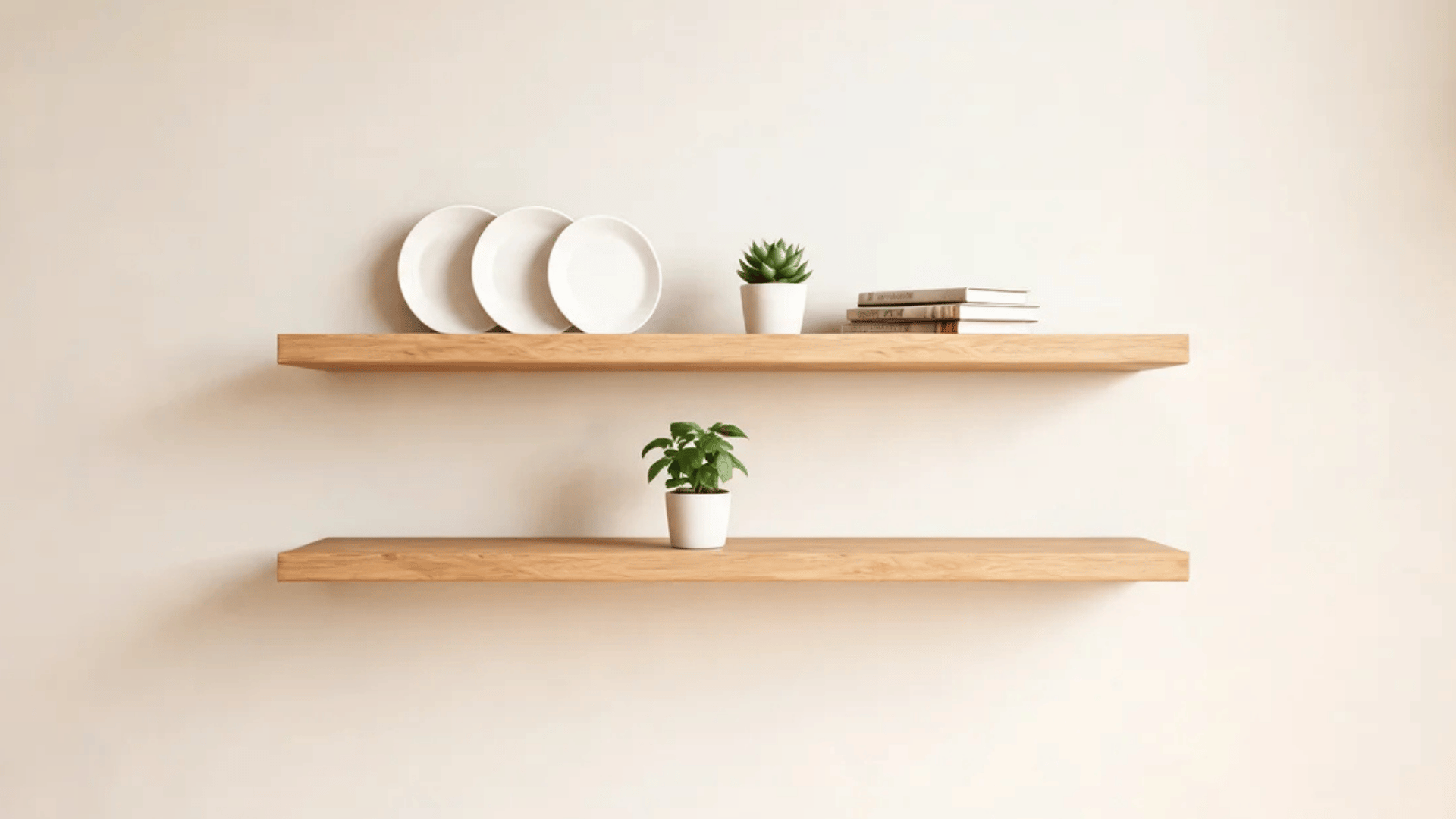
Open shelves in a kitchen look great in photos but can quickly become cluttered in real life. The key is to treat them like a display, not a storage solution for overflow items.
In minimalist interior design, open shelving works best when it holds a limited number of items chosen with care.
A few clean plates, two small plants, and a short stack of cookbooks are enough. Keep colors consistent and avoid mixing too many different styles or materials on the same shelf.
Remember: Open shelves should show what is worth seeing, not hold everything that does not fit in the cabinets.
13. Keep the Dining Area Simple
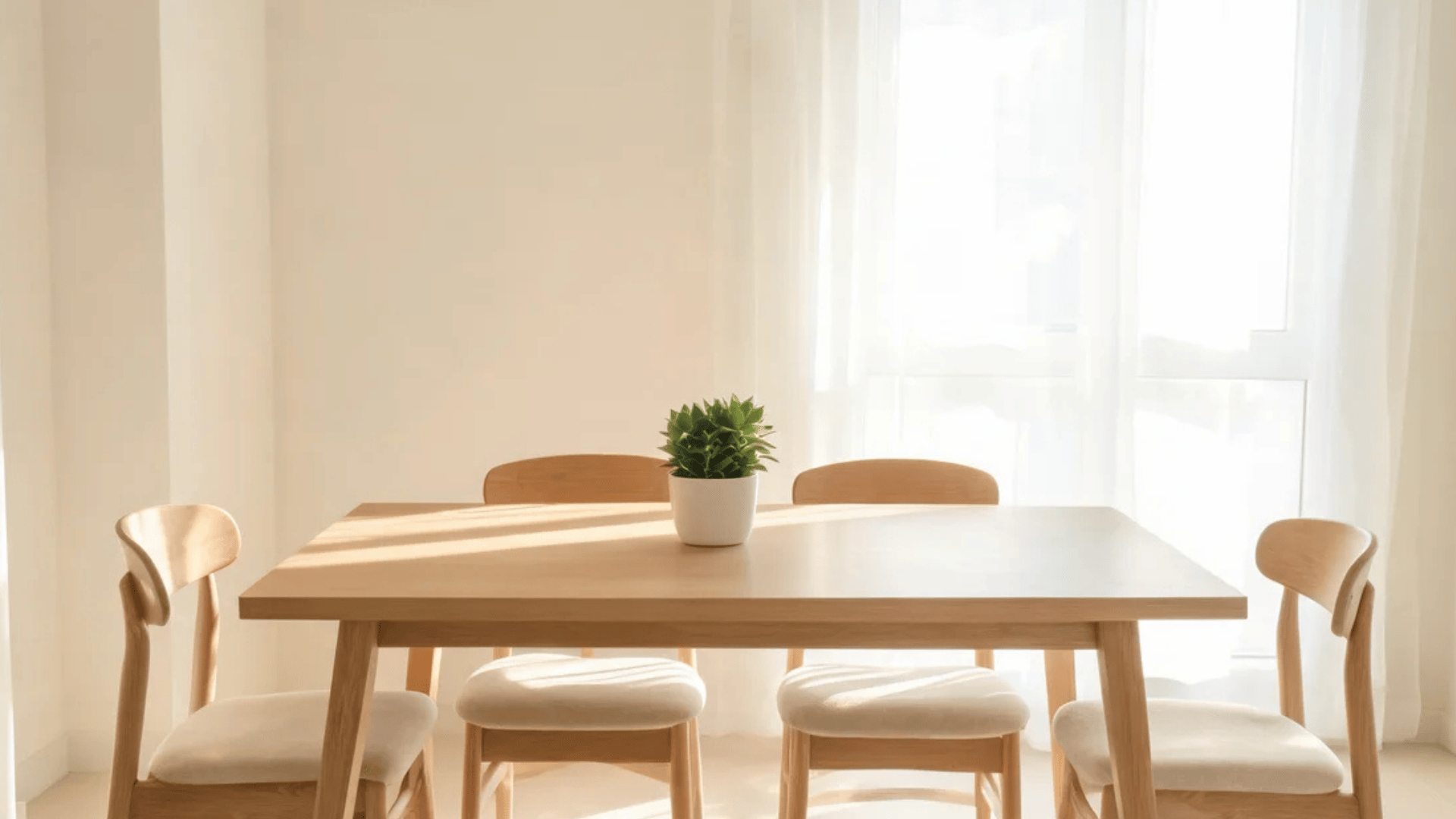
My friend cleared her dining table of everything except a single small plant. She said meals felt more enjoyable afterward, and the room looked twice as spacious.
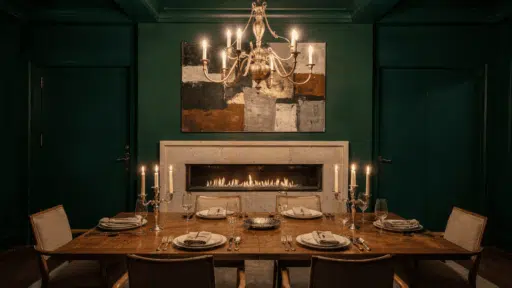
In minimalist home design, the dining area works best when the table stays clear between meals. Choose a simple table with clean lines and matching chairs without heavy ornamentation.
Avoid a large centerpiece that takes up both visual and physical space. A dining area should feel open, calm, and easy to use every single day.
14. Reduce Bathroom Counter Items
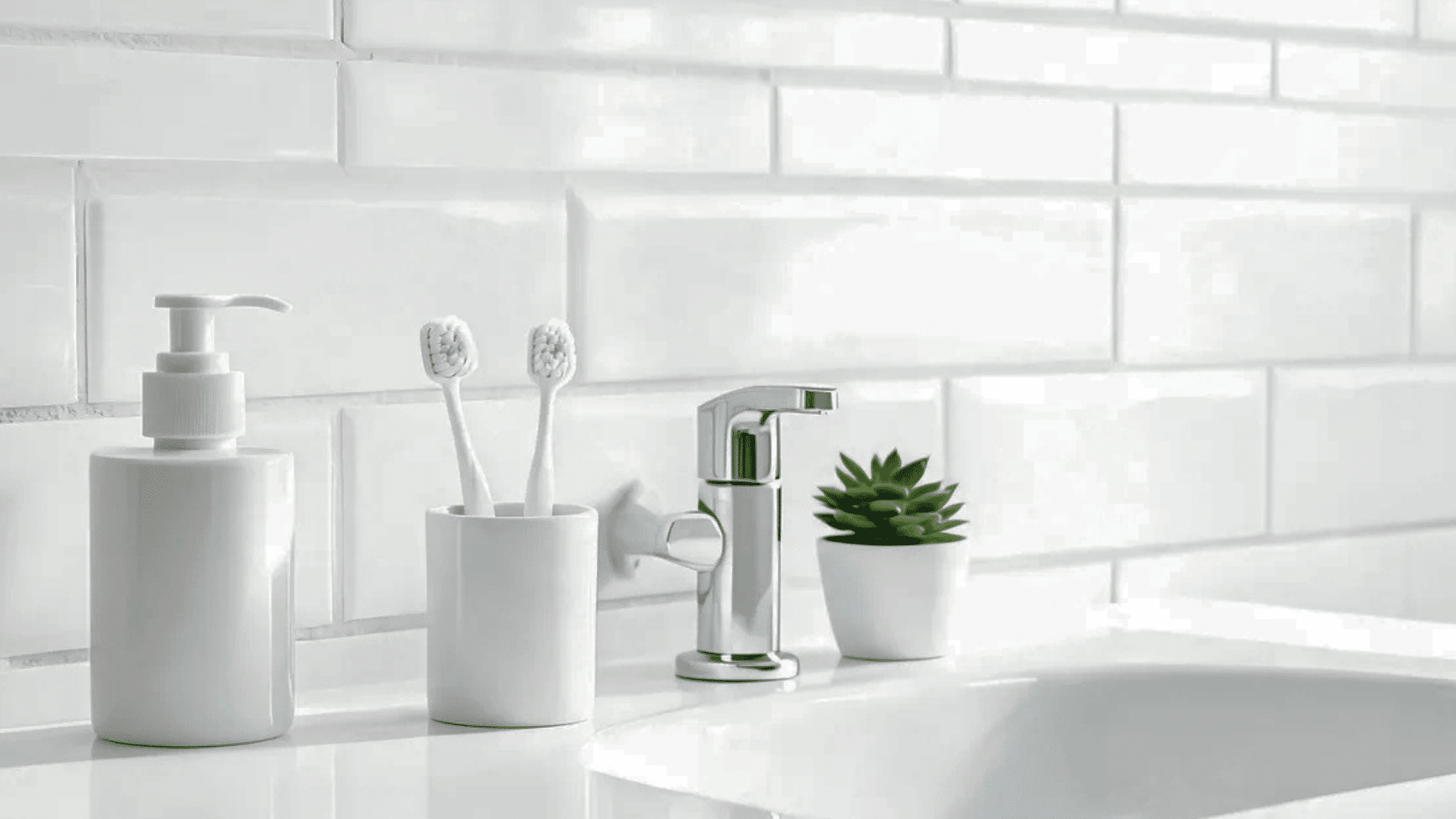
Most bathrooms hold far more products on the counter than are actually used daily. Bottles, tools, and containers pile up quickly, making even a large sink area look messy.
Minimalist interior design in bathrooms means keeping only daily essentials on the counter and storing everything else in a cabinet or drawer.
A soap dispenser, a toothbrush holder, and one small plant are usually enough. When the counter is clear, the bathroom feels cleaner and is much quicker to tidy up regularly.
Things to Remember:
- Decant products into matching bottles to reduce visual noise
- Use a small tray to group items neatly on the counter
- Install a mirror cabinet for extra hidden storage space
15. Use Light Tiles to Open Up the Space
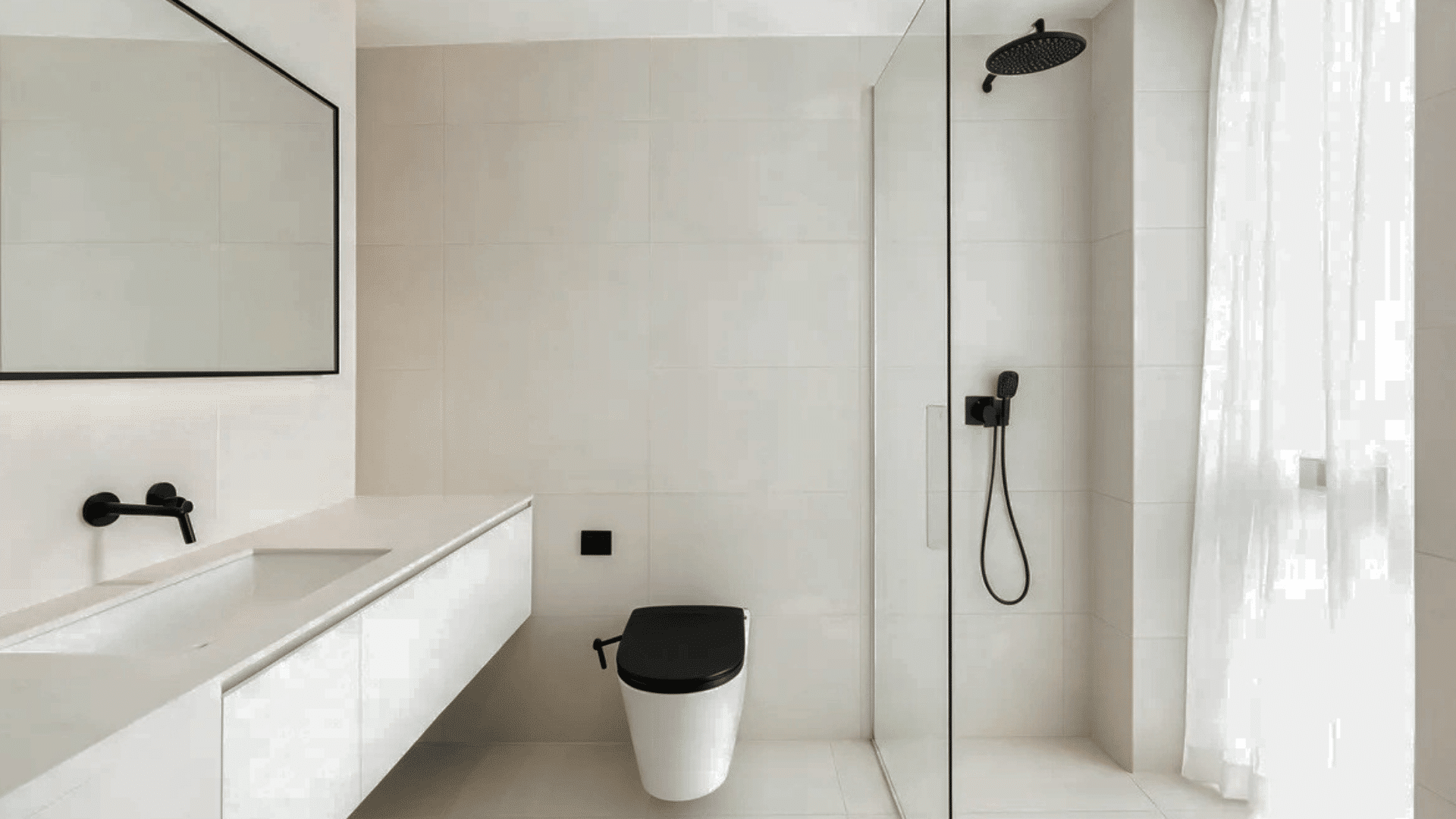
Light-colored tiles in bathrooms reflect more light, making the space feel larger than it is. White, cream, and soft stone shades are popular choices in minimalist home design for exactly this reason.
Large-format tiles with minimal grout lines also reduce visual clutter on walls and floors. The fewer interruptions the eye sees, the calmer the space feels.
Pairing light tiles with simple fixtures in brushed nickel or matte black creates a clean, finished look that requires little else.
16. Turn a Small Corner Into a Multipurpose Space
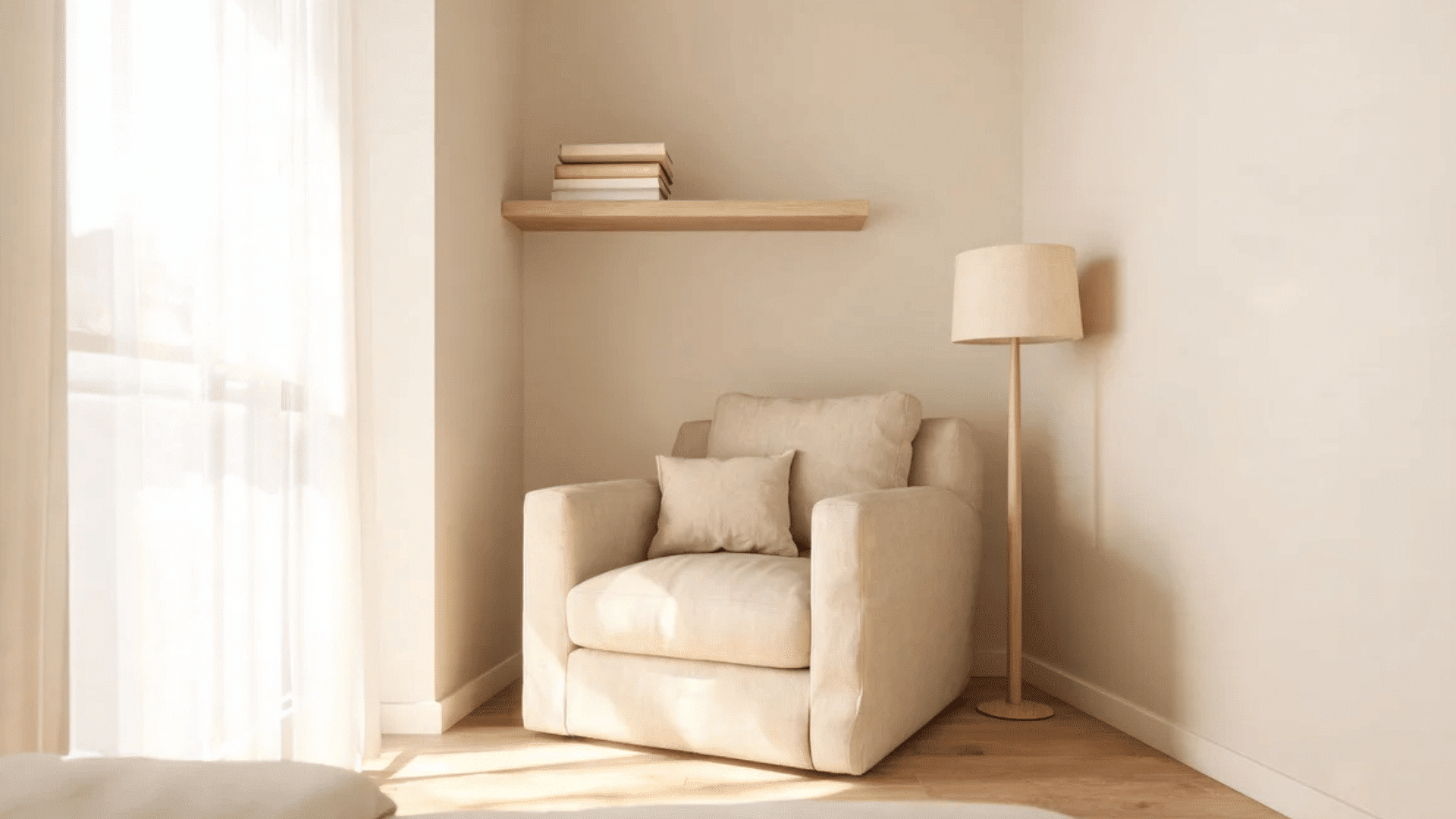
I turned a corner of the bedroom into a small reading nook using a simple chair, a floor lamp, and a floating shelf for books.
It took up very little space but added a lot of function to the room. In minimalist interior design, corners are often wasted.
A thoughtful setup can serve as a home office, a reading area, or a small display corner. The key is to keep it focused on one clear purpose. Adding too much defeats the goal of keeping things simple.
17. Choose Decor That Serves a Purpose
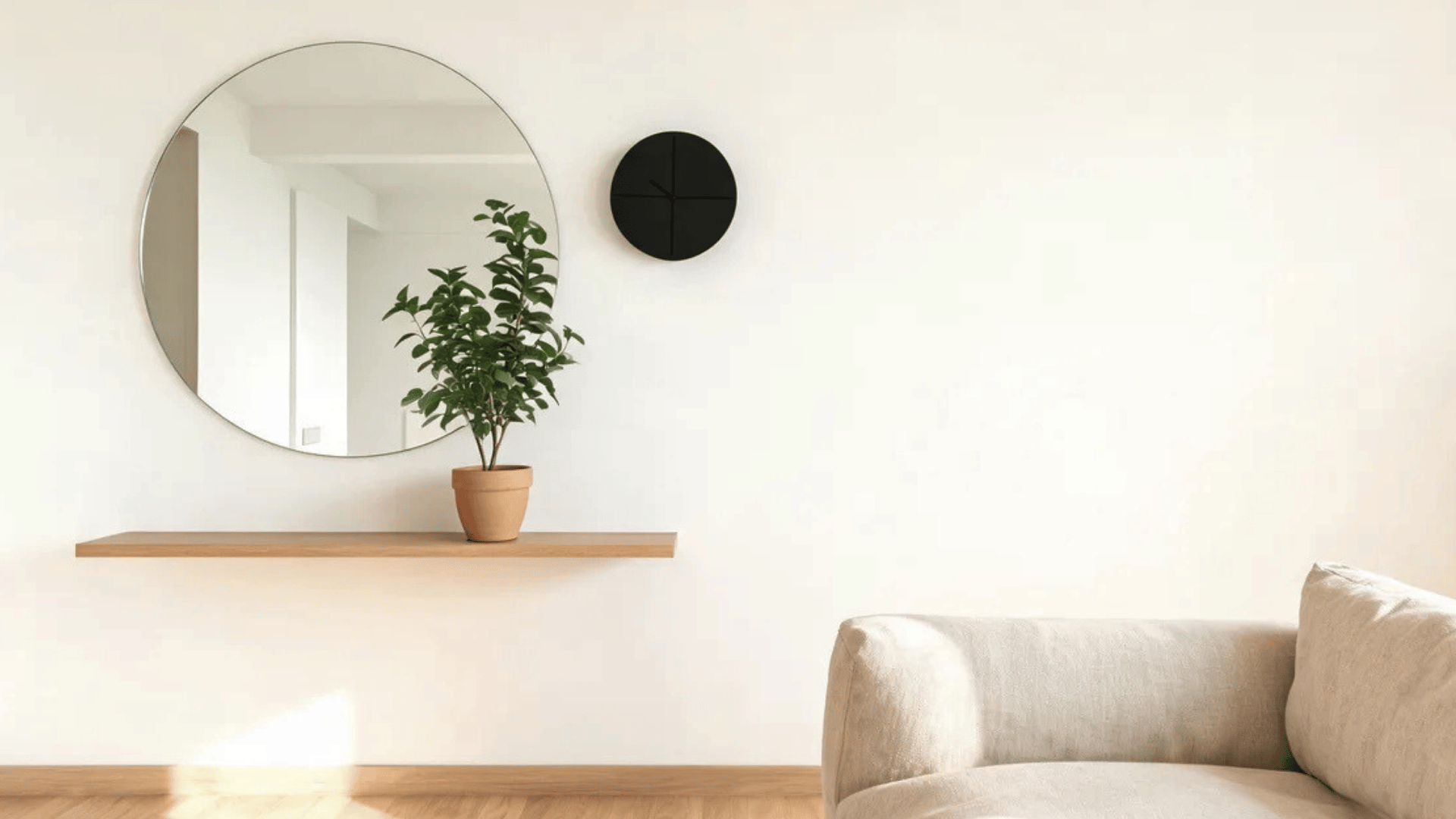
Decorating in a minimalist home does not mean avoiding decor entirely. It means choosing pieces that are useful, meaningful, or both.
A clock, a well-placed mirror, or a single plant can add life to a room without creating clutter. In minimalist interior design, decor is edited rather than eliminated.
Before adding anything, consider whether it adds real value to the space.
One thoughtful piece always looks better than a shelf full of items with no clear connection to each other or to the room.
Minimalist Color Schemes that Work
The best minimalist color schemes keep things simple: two to three tones that work well together without competing for attention. Minimalist interior design relies heavily on color to set the mood of a space.
| Palette Type | Common Colors | Best Use Areas | Effect on Space | Good Pairings |
|---|---|---|---|---|
| Neutral Palette | White, warm beige, soft gray, light taupe | Walls, furniture, and flooring | Reflects light and keeps rooms open and airy | Works with most décor styles |
| Warm Scheme | Cream, muted terracotta, natural wood tones | Living rooms, bedrooms, cozy spaces | Adds warmth and depth without feeling cluttered | Wood textures, soft, earthy accents |
| Cool Scheme | White, pale gray, concrete finishes | Modern homes, kitchens, minimalist interiors | Creates a clean, sleek, and modern look | Metal accents, glass, and concrete textures |
The key is consistency across the room. Limiting the palette to a few tones keeps the space looking calm, cohesive, and intentional throughout.
How to Apply Minimal Interior Design in Your Space
Knowing what works is one thing, but putting it into practice takes a bit of planning. These steps make it easier to bring minimalist interior design into any home, regardless of size or budget.
- Start with One Room: Pick one room first and use what works as a guide for the rest of the home.
- Remove Before You Add: Take out what is already there and assess what genuinely needs to stay before buying anything new.
- Work with What You Have: Rearranging furniture and clearing surfaces can transform a space without spending a dime.
- Stick to a Limited Color Palette: Use two to three neutral tones consistently across walls, furniture, and soft furnishings.
- Fix Storage First: Smart storage solutions keep surfaces clear and make minimalist interior design easier to maintain long term.
- Make Small Changes Weekly: Consistent small edits over time create a home that feels calm and intentional without rushing the process.
Mistakes to Avoid with Minimalist Interiors
Small missteps can make a minimalist space feel cold or unfinished rather than calm and considered. Knowing what to avoid makes applying minimalist interior design much more straightforward.
| What People Do | What to Do Instead |
|---|---|
| Removing all decor and leaving rooms bare | Keep one or two purposeful pieces that add warmth |
| Using too many colors across walls and furniture | Stick to two to three neutral tones throughout the space |
| Buying new minimalist pieces without removing old ones | Clear out first, then decide what the space actually needs |
| Ignoring storage and leaving clutter on surfaces | Use hidden storage to keep daily items out of sight |
| Choosing style over function in furniture | Pick pieces that look simple and work hard |
| Making every room look identical | Let each room have its own calm, focused purpose |
| Treating minimalist interior design as a one-time fix | Treat it as an ongoing habit of editing and maintaining |
| Overlooking lighting and relying on harsh overhead lights | Use warm, layered lighting to make spaces feel livable |
| Skipping texture and making rooms feel flat | Add warmth through natural materials like wood, linen, or stone |
| Rushing the process and changing everything at once | Work through one room at a time for lasting results |
Final Thoughts
Minimalist interior design is not about making a home look perfect. I believe it is more about creating a space that feels calm, functional, and comfortable enough to enjoy every day.
The ideas shared in this article are not strict rules. I see them as starting points that can be adjusted to fit different homes and lifestyles. Some changes may work immediately, while others may take time to feel right.
In my experience, even small updates can make a noticeable difference. Clearing a crowded surface, choosing simpler décor, or adding better storage can completely change how a room feels.
I have found that a simpler home is often easier to manage, more relaxing, and more enjoyable to spend time in. For me, that makes the effort worthwhile, one room at a time.
Have any of these ideas worked in your home? Or has a minimalist change made a real difference in your space? Share your experience in the comments below. I would love to hear what worked for you.
Frequently Asked Questions
What is Minimalist Interior Design?
Minimalist interior design is a style that focuses on simplicity, clean lines, and keeping only what is functional and meaningful in a space.
What is the 3-5-7 Rule in Decorating?
The 3-5-7 rule suggests grouping decor items in odd numbers, typically three, five, or seven pieces, to create a balanced and visually pleasing arrangement.
Is Minimalism Still Popular in 2026?
Yes, minimalist interior design remains popular in 2026, with more homeowners drawn to clutter-free, functional spaces that support calmer, simpler living.
What are the Basic Rules of Minimalist Decor?
The basic rules include sticking to a neutral color palette, reducing clutter, choosing functional furniture, and keeping surfaces as clear as possible.
What are the 7 Things Minimalists Throw Out to Prevent Clutter?
Minimalists regularly remove expired items, junk mail, single-use packaging, worn clothing, duplicate kitchen tools, unused toiletries, and any item that no longer serves a clear purpose.

With a Master in Architectural Studies from University of Pennysylvania, Marwa Haydar has pioneered living spaces since 2005. Her expertise, initially honed in a prestigious architectural firm, is evident in her approach to creating environments. Marwa became part of our team in 2019 and has since been a driving force in our home improvement section, known for her practical yet stylish solutions. She’s been spearheading our design workshops since then, infusing her passion for teaching into her work. In her leisure time, Marwa enjoys exploring historic architecture and is an enthusiastic pottery hobbyist, further enriching her understanding of form and texture.