

Bugs can ruin a backyard fast. Mosquitoes show up the second you sit down, and flies don’t need an invitation.
I started looking into natural ways to fix this a few years ago. What I found surprised me: certain plants work as a real line of defense against common yard pests, no chemical sprays needed.
This article covers plants that repel bugs from your yard, including which insects each plant targets, how to grow them, and where to put them for the best effect.
A few of these plants you might already have. Others are low-maintenance and easy to find at any garden center. You don’t need a big yard or a green thumb to make this work.
A handful of the right plants in the right spots can change how much you actually use your outdoor space.
Why Some Plants Help Keep Bugs Away
Plants repel bugs because of their natural oils and strong scents, not by chance.
These compounds act as a built-in defense system, making the plant unpleasant or confusing for insects to land on or breed near.
Scents from plants like lavender, basil, and citronella grass are well-known for deterring mosquitoes, flies, gnats, and aphids.
Gardening communities often point out that placement matters as much as the plant itself; a pot near a seating area works better than one tucked in a corner.
That said, plants alone won’t wipe out an infestation. They work best as a preventive layer, not a complete fix.
Crushing or brushing against the leaves releases more of the scent, a simple tip often shared in backyard gardening groups.
The stronger the scent exposure, the better the deterrent effect tends to be.
Plants That Repel Bugs From Your Yard
These plants do more than fill garden space; each one carries a natural scent or compound that common yard insects tend to avoid. Placement and plant health both play a role in how well they perform.
1. Lavender
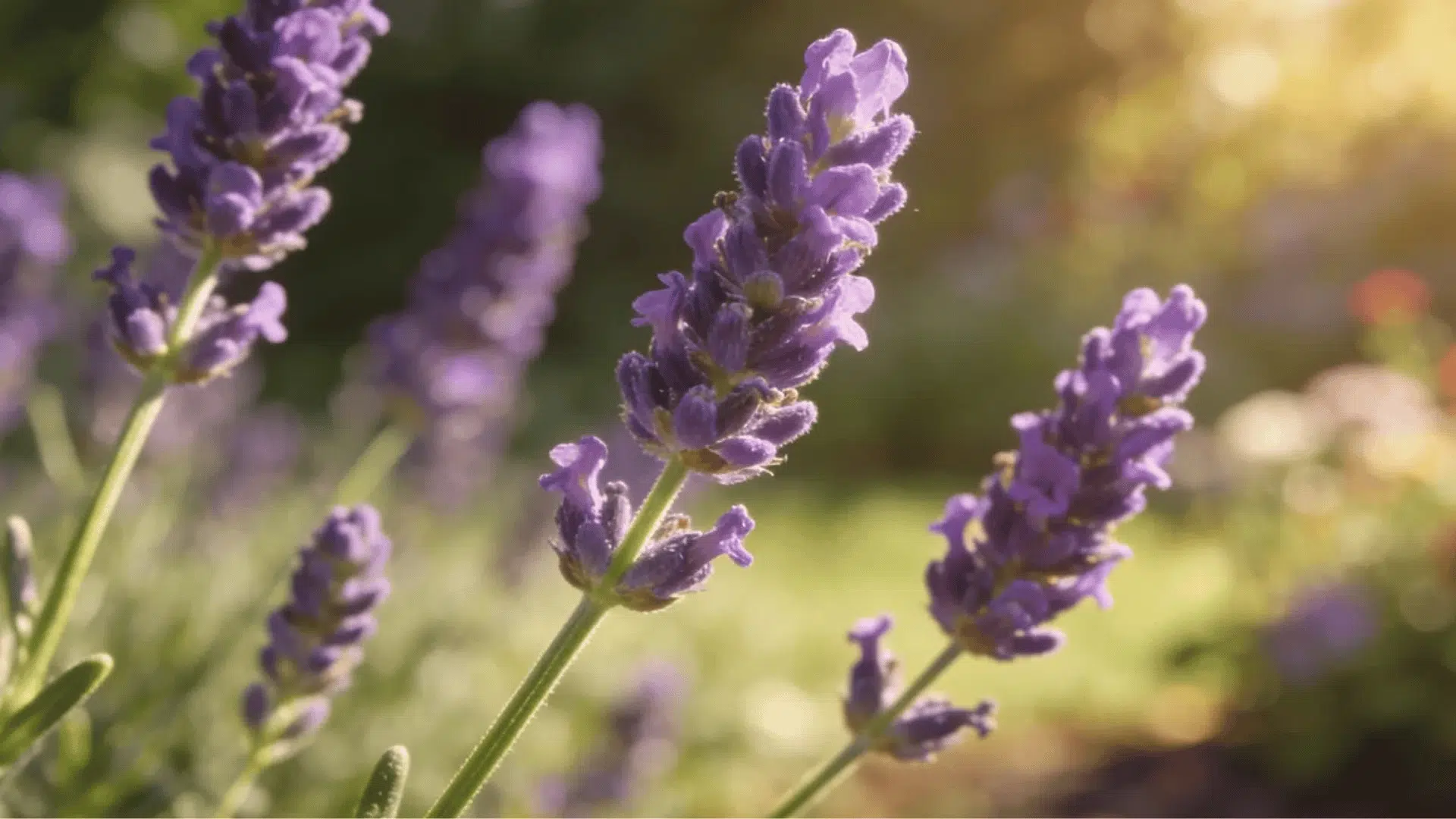
Lavender is one of the most well-known plants that repel bugs, and it earns that reputation honestly.
The strong floral scent comes from natural oils, linalool, and linalyl acetate, which mosquitoes, flies, and fleas tend to avoid.
I planted a row of lavender along my front path two summers ago, and the difference near the front door was noticeable within weeks.
It does best in full sun with well-drained soil. Near patios or doorways, it works as both a fragrant border and a low-effort pest deterrent, a recommendation home gardeners consistently make across online communities.
Tip: Rub a few sprigs between your fingers before sitting outside to release more of the natural scent quickly.
2. Marigold
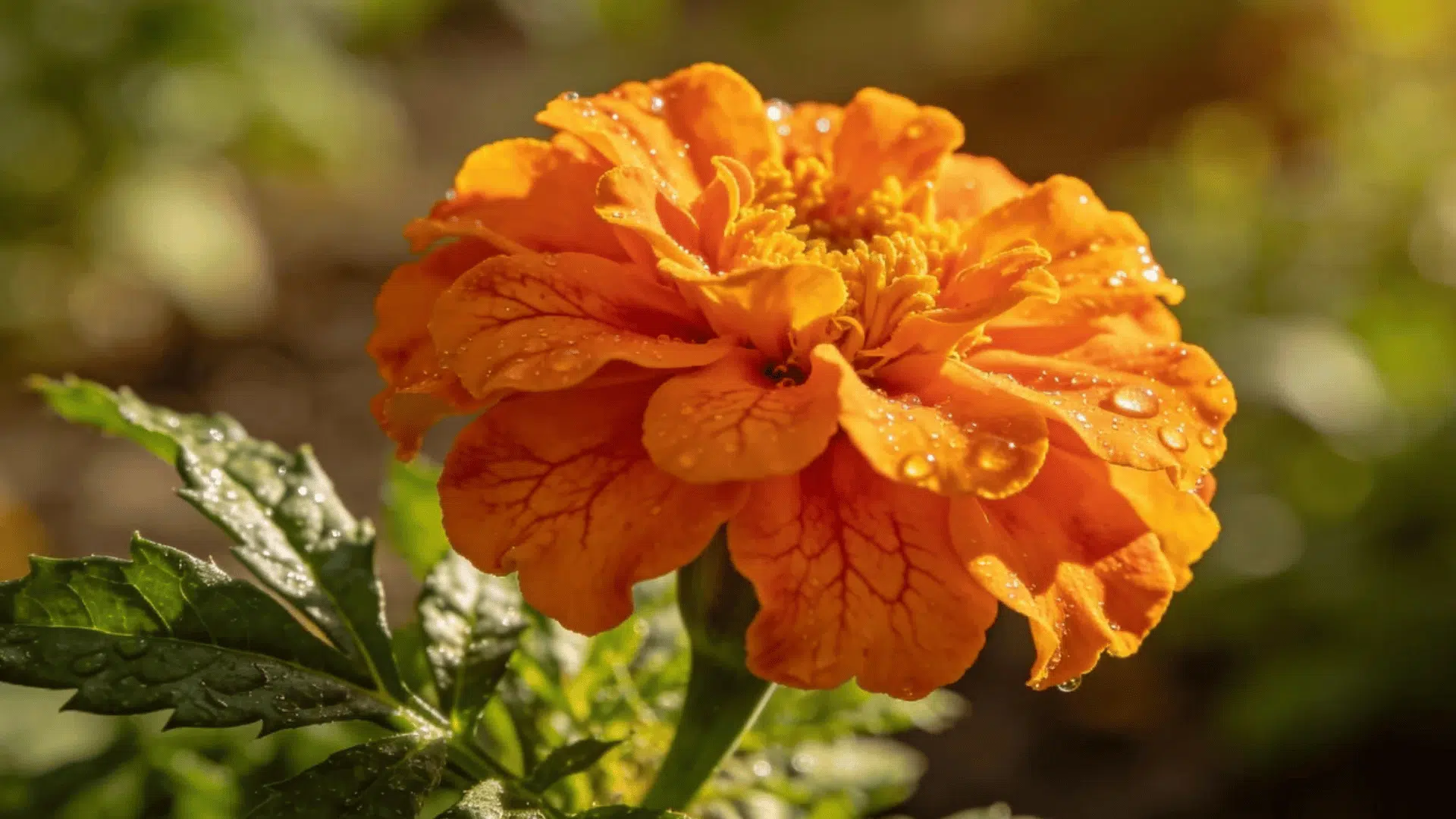
Ask any beginner gardener which plants that repel bugs are easiest to grow, and marigolds come up every time.
The smell comes from thiophenes, natural compounds found in the roots and petals that pests find off-putting.
Mosquitoes, whiteflies, and nematodes are among the insects most affected. Plant marigolds around vegetable beds to deter pests and protect tomatoes, peppers, and squash.
They grow well in containers too, adding flexibility for smaller spaces.
Garden communities consistently recommend them as a first companion plant because they’re hard to kill, flower reliably, and deliver pest control while adding color.
3. Citronella Grass
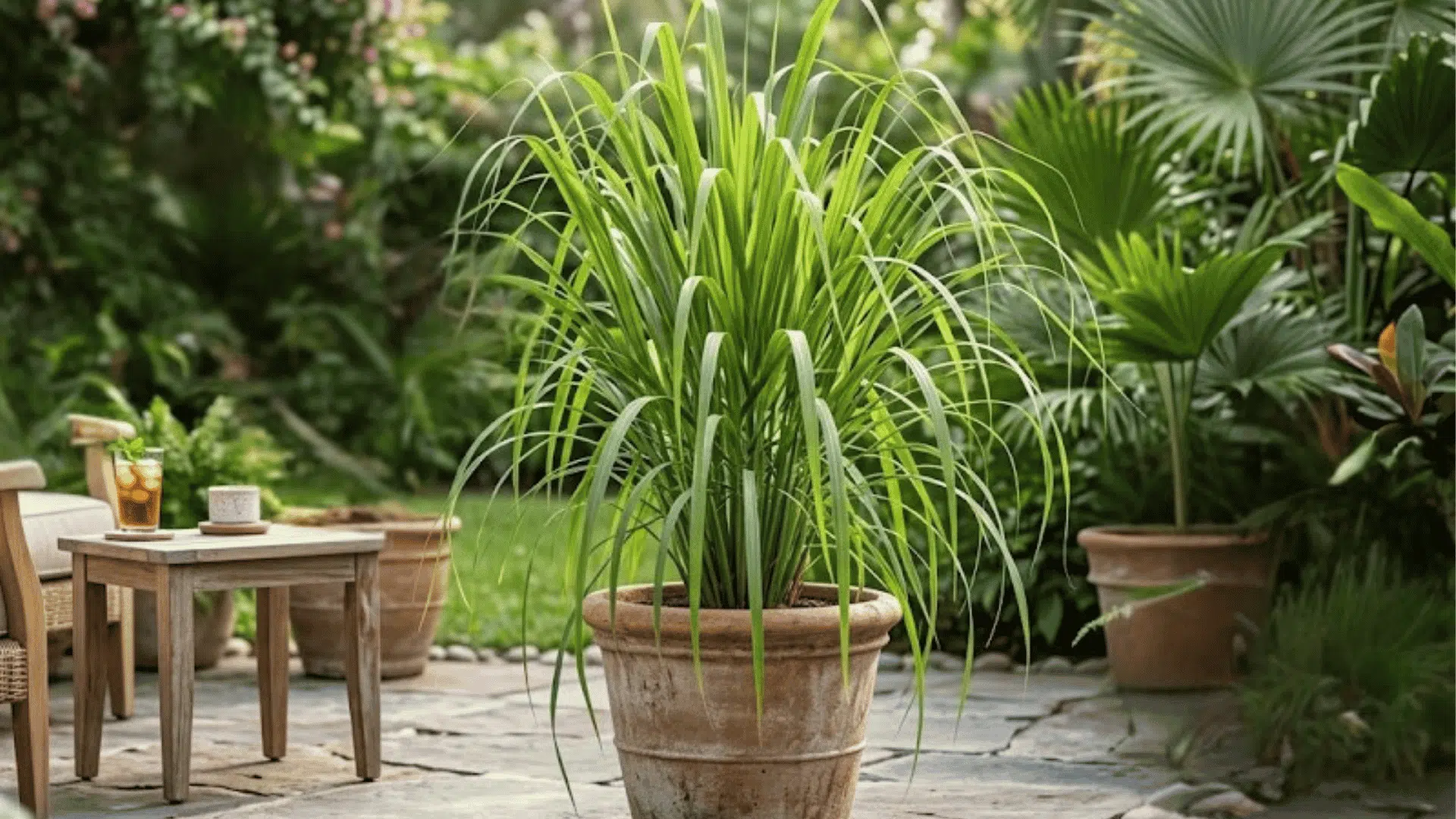
Ask most people to name plants that repel bugs, and citronella grass is usually the first answer.
A friend set up a few large pots of it around her backyard seating area last summer. She said mosquito activity dropped noticeably on warm evenings.
The plant works best when leaves are brushed or crushed, releasing the citronella compounds directly. It needs full sun and warm temperatures to thrive.
In cooler climates, growing it in containers makes it easy to bring indoors before frost. It grows up to six feet tall, so placement matters.
Growing Conditions:
- Best suited for USDA zones 10–12 outdoors; container-friendly in cooler zones
- Keep well-watered but ensure good drainage to prevent root rot
4. Basil
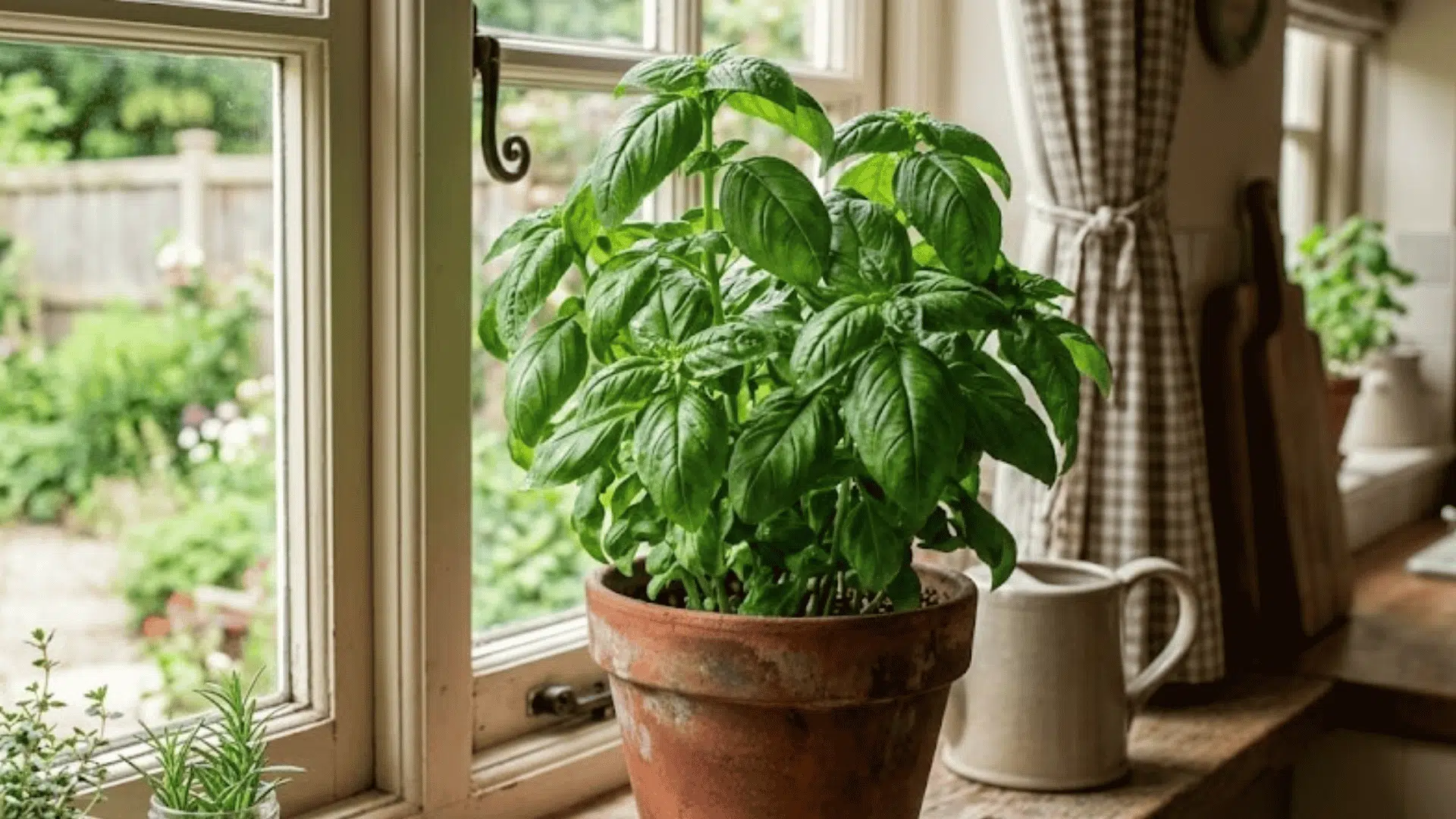
Here’s how basil works: it releases estragole and linalool, two compounds that interfere with how insects detect hosts.
That’s what makes it one of the more functional plants that repel bugs, particularly flies and mosquitoes. Plant it near outdoor dining areas or in kitchen garden pots placed close to windows.
It grows fast, prefers full sun, and handles container growing well. Keep it trimmed and watered consistently.
One thing to watch is that letting basil flower reduces the oil concentration in the leaves, which lowers its effectiveness as a pest deterrent over time.
5. Mint
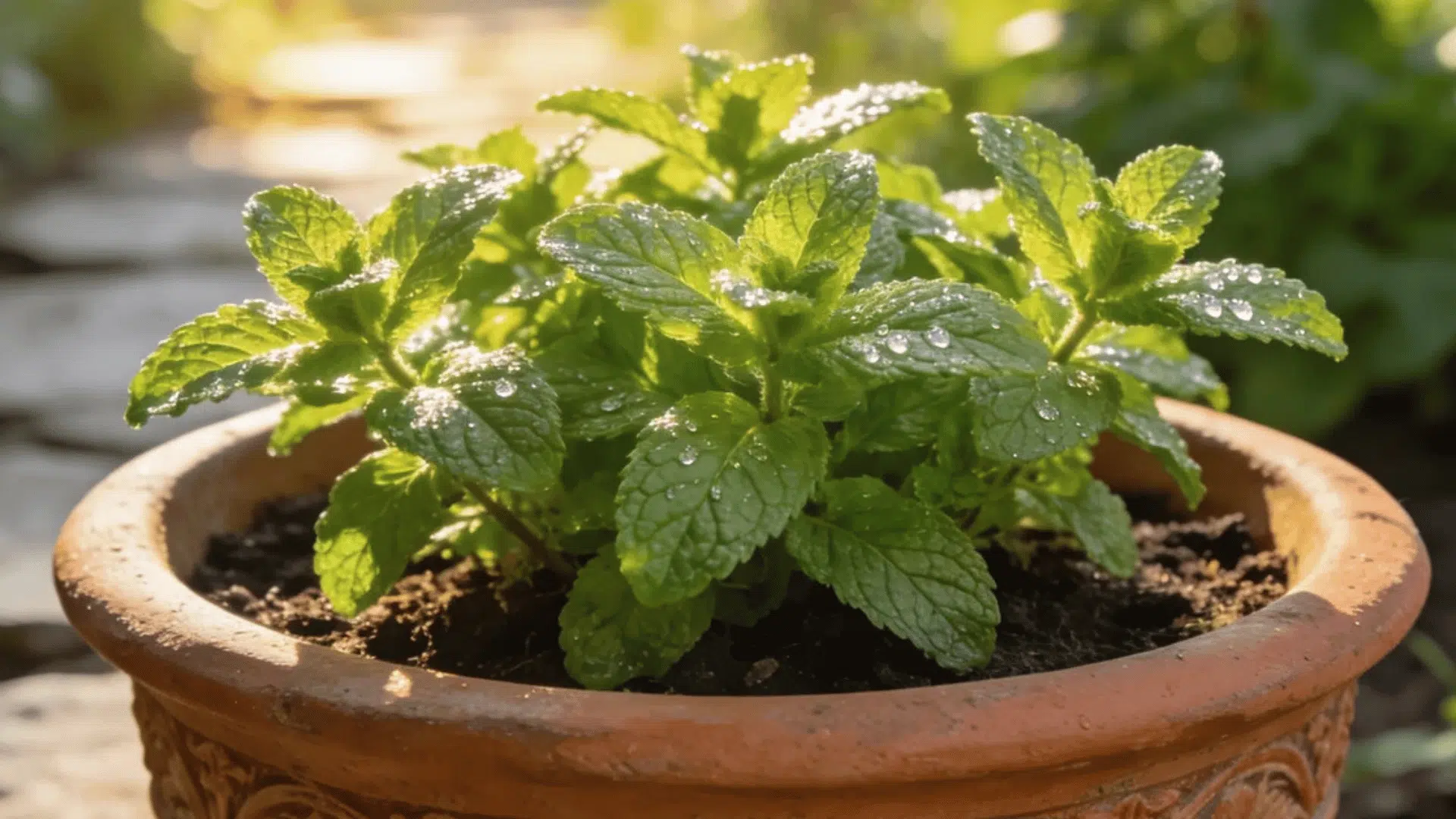
Mint carries one of the strongest scents among plants that repel bugs, and insects, especially ants, mosquitoes, and flies, tend to stay well clear of it.
I saw a neighbor line her window boxes with spearmint, and she swore it cut down on flies getting into the kitchen through open windows during summer.
The downside is how aggressively it spreads when planted directly in the ground. Container growing is the standard recommendation.
It tolerates partial shade, grows fast, and needs regular watering. Peppermint and spearmint are the two most commonly recommended varieties for pest deterrence.
Spreading warning: Mint can take over an entire garden bed within a single season. Always use pots or install root barriers if planting in the ground.
6. Rosemary
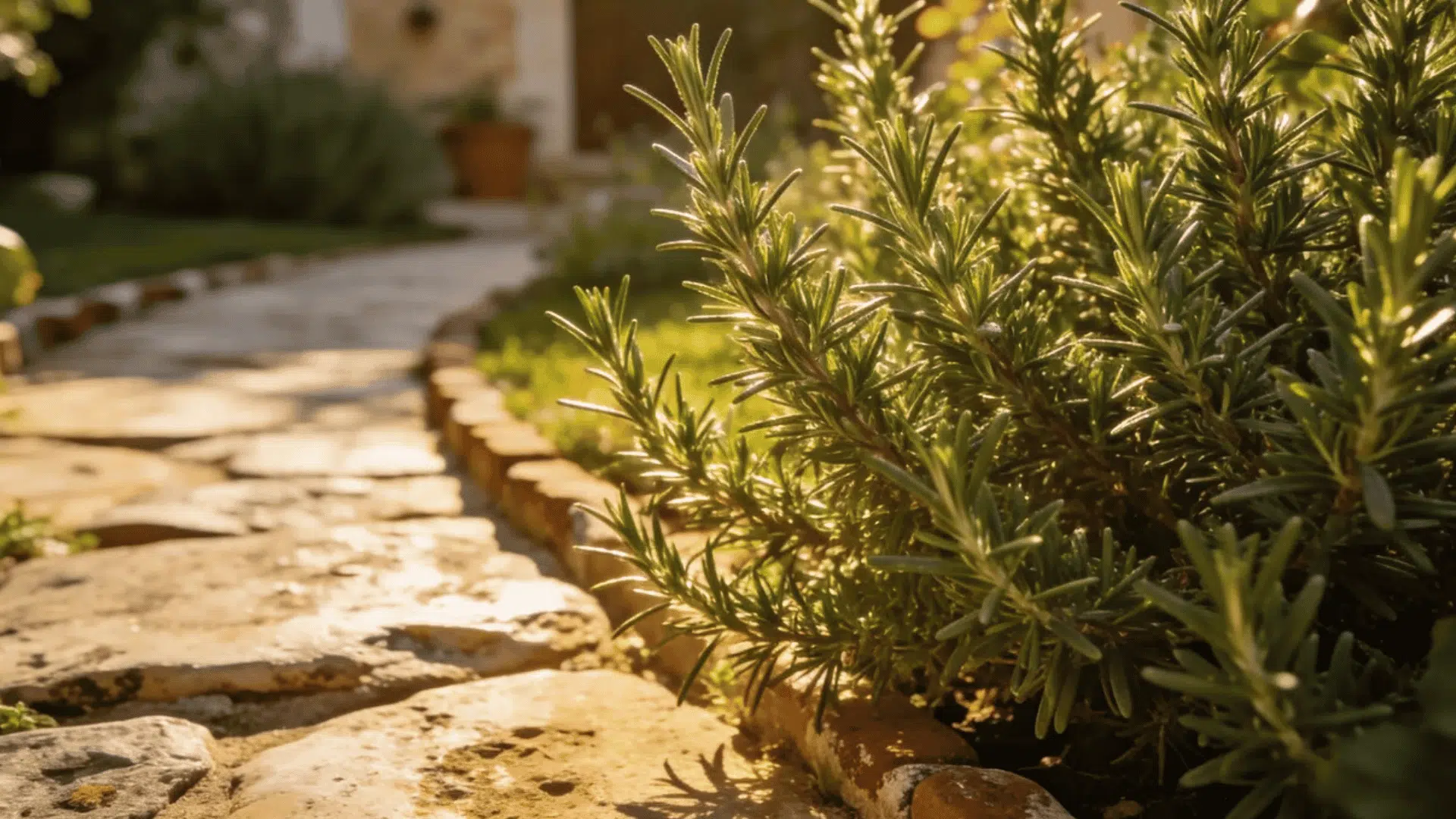
Rosemary is a reliable, low-maintenance herb that works particularly well in dry, warm outdoor spaces.
Its woody, pine-like scent comes from camphor and related compounds that mosquitoes and flies tend to avoid.
Home gardeners in warmer climates report it thrives with minimal attention; full sun, infrequent watering, and good drainage cover most of its needs.
Placing rosemary in pots near patio chairs or along pathways keeps the scent close to where people spend time.
Dried stems burned outdoors produce a stronger deterrent smoke. It also clips into a tidy, low hedge along garden borders with little effort.
7. Catnip
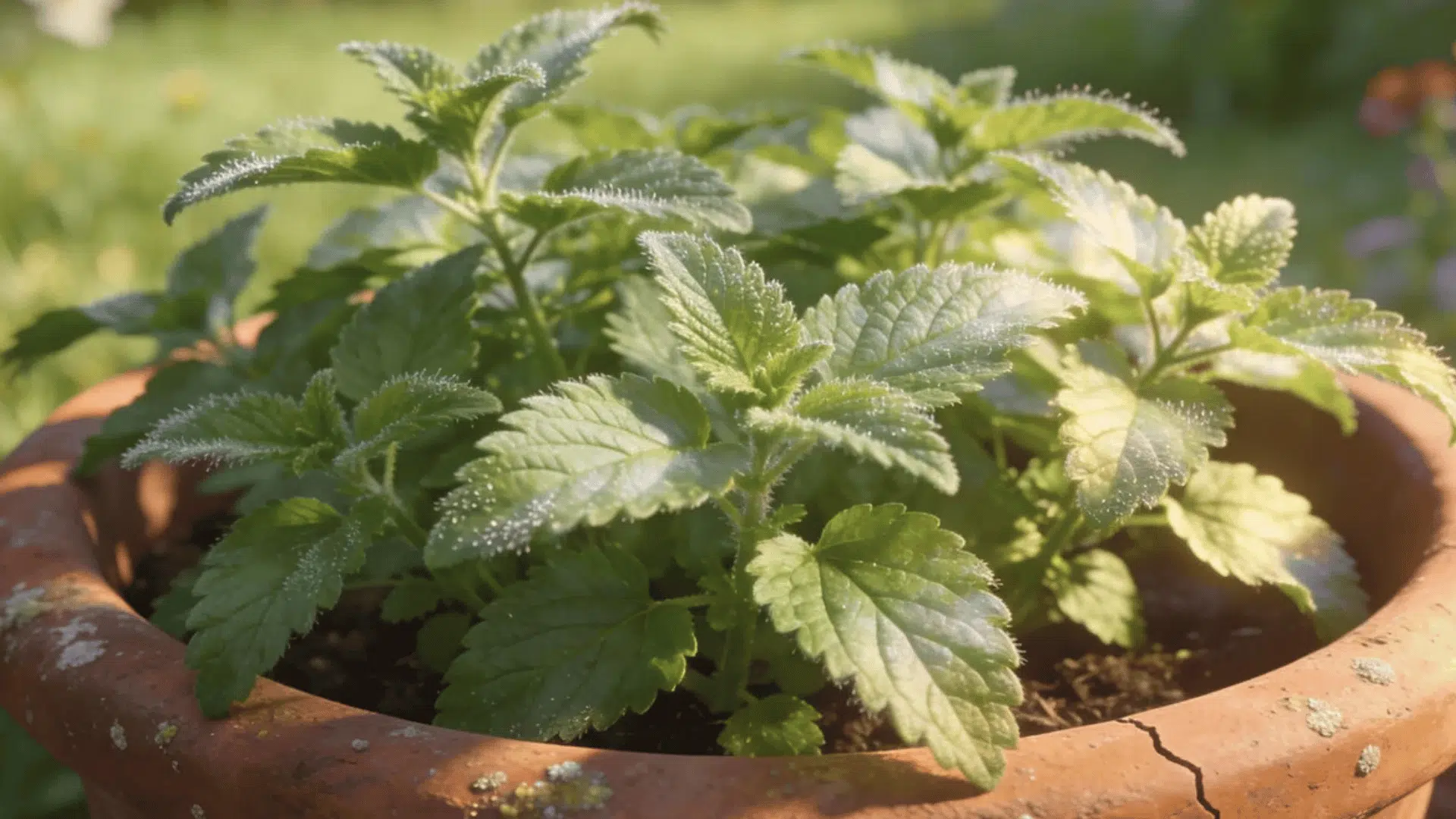
Catnip surprises a lot of gardeners when they learn it belongs on the list of plants that repel bugs.
Research has shown that nepetalactone, the compound that affects cats, is also a strong mosquito deterrent, outperforming some synthetic repellents in controlled studies.
I tried growing catnip in a pot near the back porch, and while mosquito activity seemed lower, the neighborhood cats became very interested very quickly.
That’s worth factoring in before planting. It grows fast, handles partial shade, and spreads easily. Container growing is the safer approach, especially in yards with frequent cat visitors.
What It Repels:
- Nepetalactone has been studied as a natural insect repellent compound
- Effective against mosquitoes, cockroaches, and some beetle species
8. Lemongrass
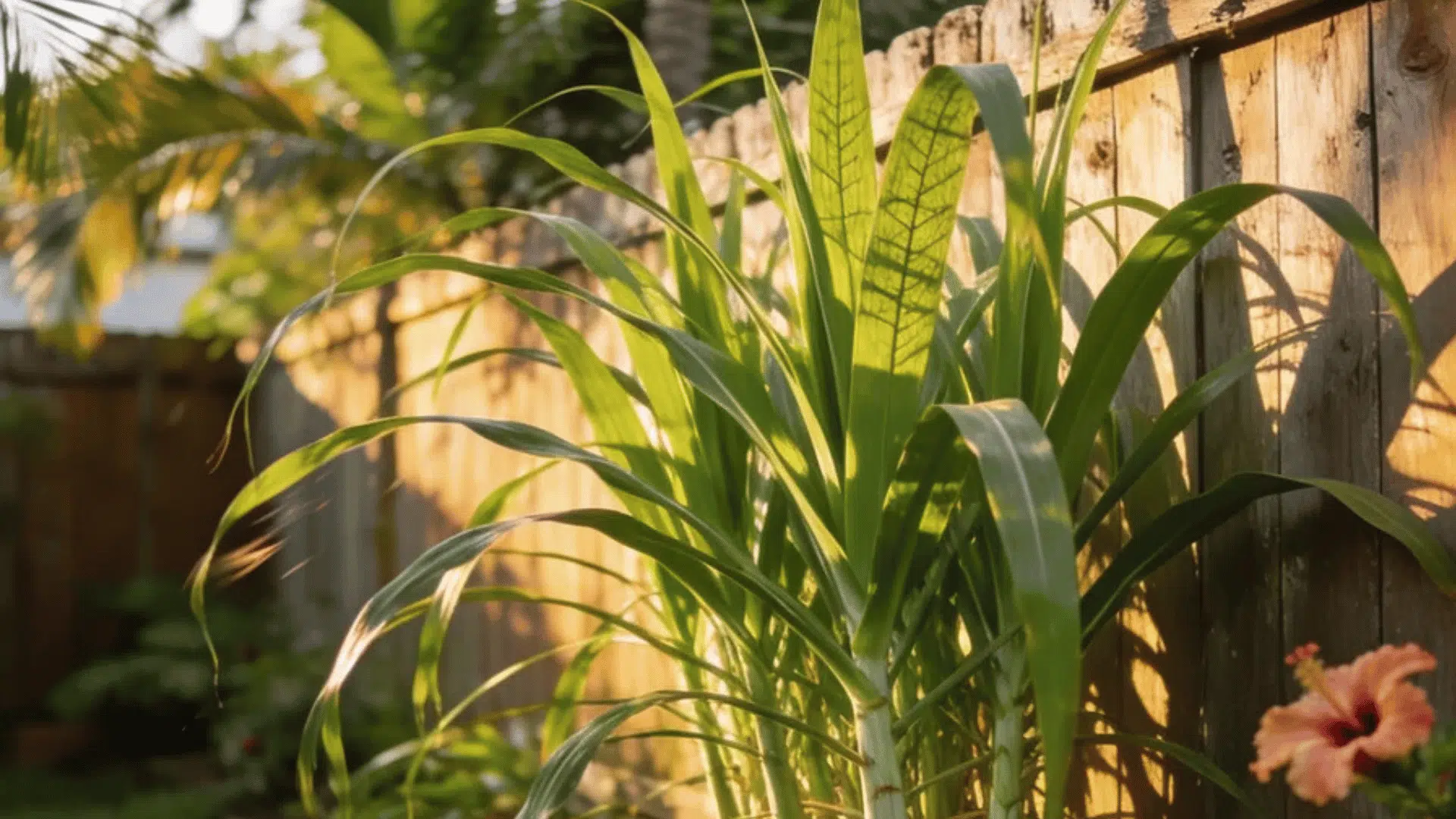
Lemongrass stands out among plants that repel bugs because of its height and dual function as a landscaping plant.
It contains citronella compounds in its stalks and leaves, which is why it’s often confused with citronella grass, though they’re separate plants.
Lemongrass thrives in warm, sunny conditions with consistent watering. In cooler climates, large container pots allow it to move indoors before winter.
Backyard landscaping communities frequently suggest planting it in clusters along fence lines, where it creates both a visual border and a natural barrier against mosquitoes and other flying pests throughout the warmer months.
9. Chrysanthemums
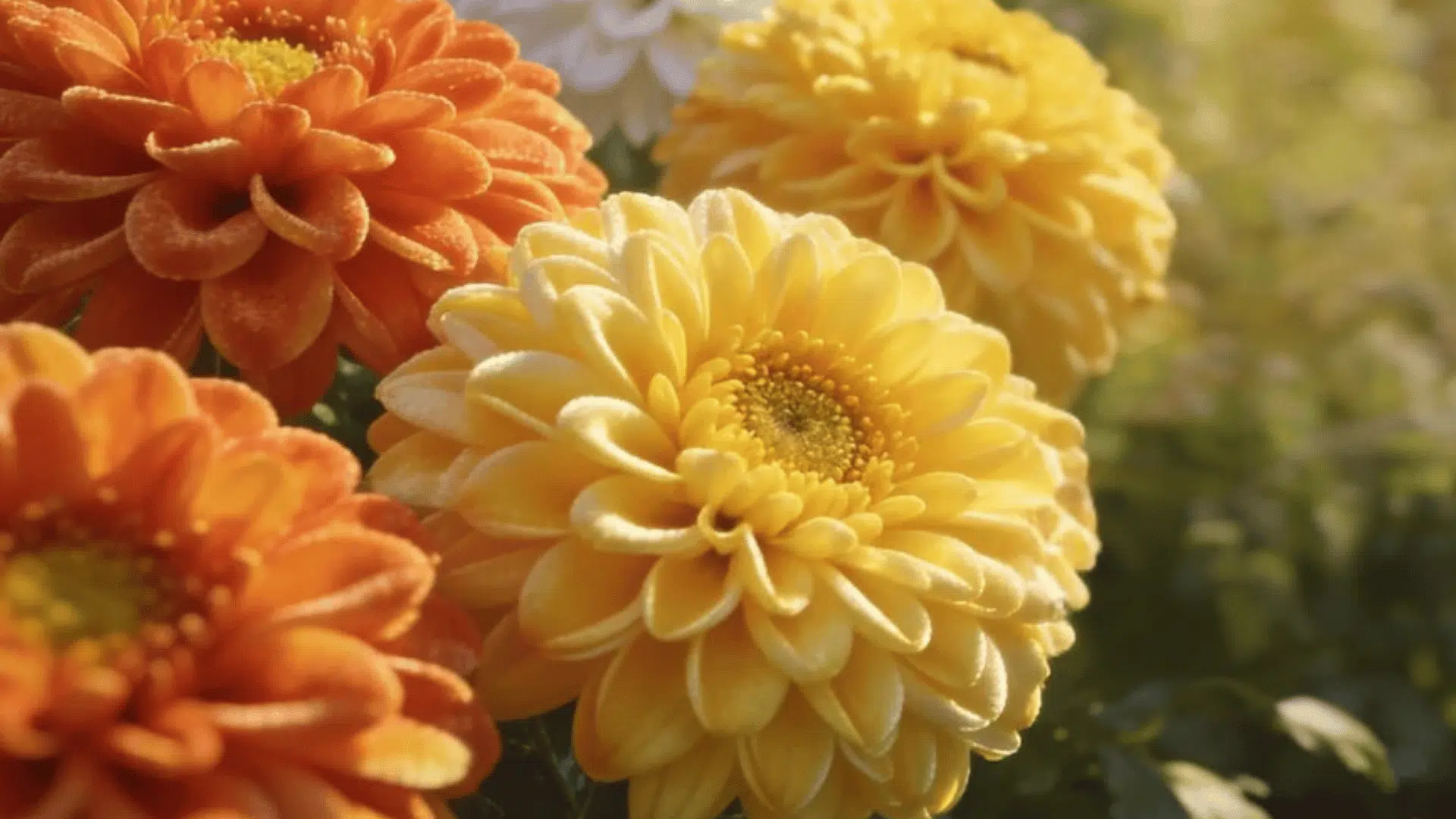
Chrysanthemums carry scientific backing that most ornamental plants don’t.
They contain pyrethrin, a natural compound widely used as the active ingredient in commercial insect sprays, placing them among the most evidence-supported plants for repelling bugs.
A friend planted a chrysanthemum border around her vegetable beds after dealing with persistent ant and roach activity near the garden, and she noticed a real drop in pest presence by mid-season.
They work against ants, roaches, beetles, and ticks. They prefer full sun and moderate watering.
A healthy, blooming chrysanthemum stays effective throughout the growing season.
Note: Pyrethrin derived from chrysanthemums is the base compound for many certified organic pest control sprays.
10. Petunias
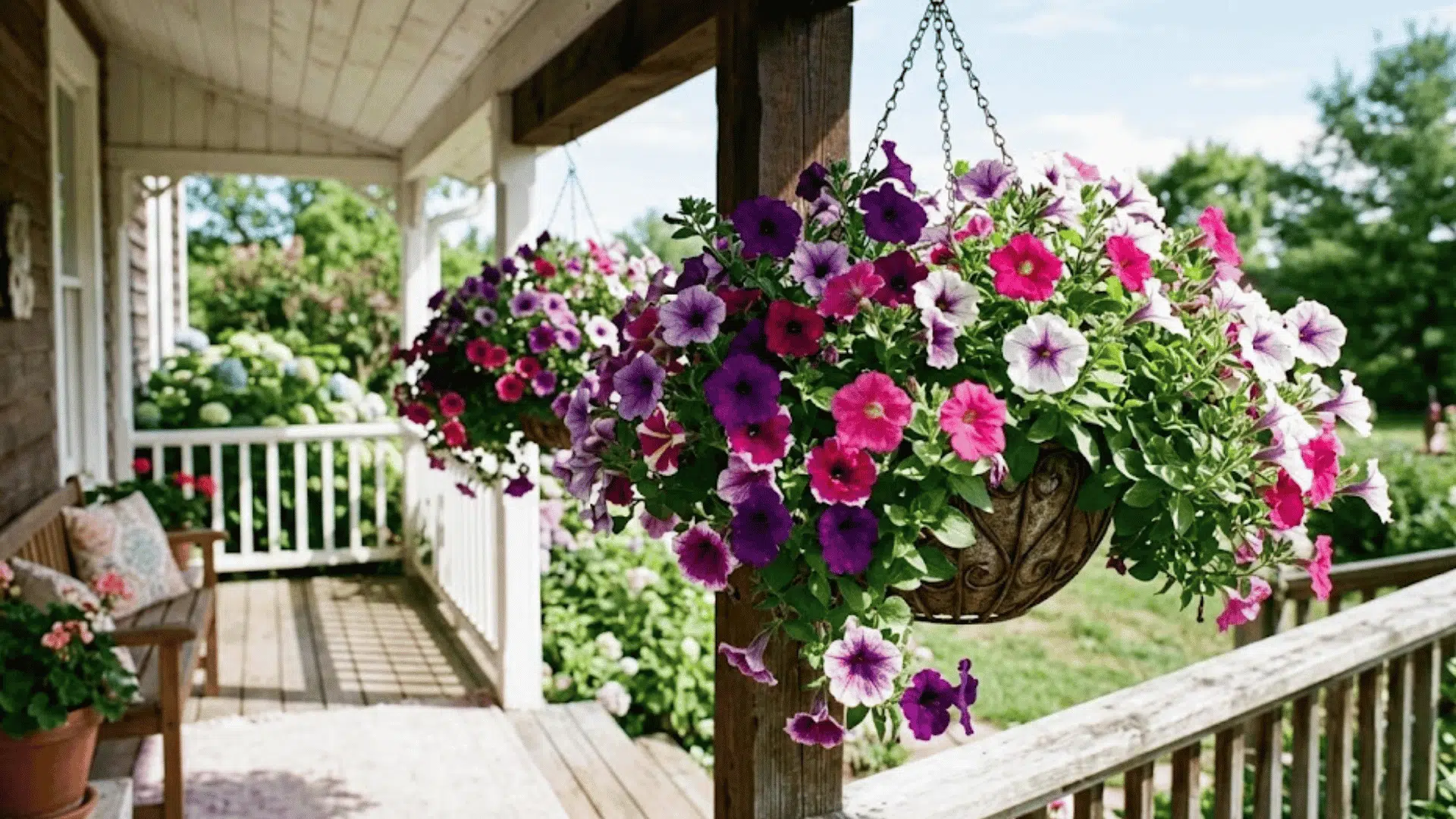
Petunias are sometimes called “nature’s pesticide” in backyard gardening groups, and for good reason.
These colorful flowers produce a mild sticky residue on their leaves that traps small insects and emit a scent that deters beetles, aphids, and squash bugs.
They’re among the few plants that repel bugs while also being purely decorative, with no culinary use.
Petunias perform well in hanging baskets, window boxes, and ground-level beds. They need full sun and regular watering.
Removing spent blooms consistently encourages new flowering and keeps the plant producing its natural pest-deterring compounds throughout the growing season.
11. Sage
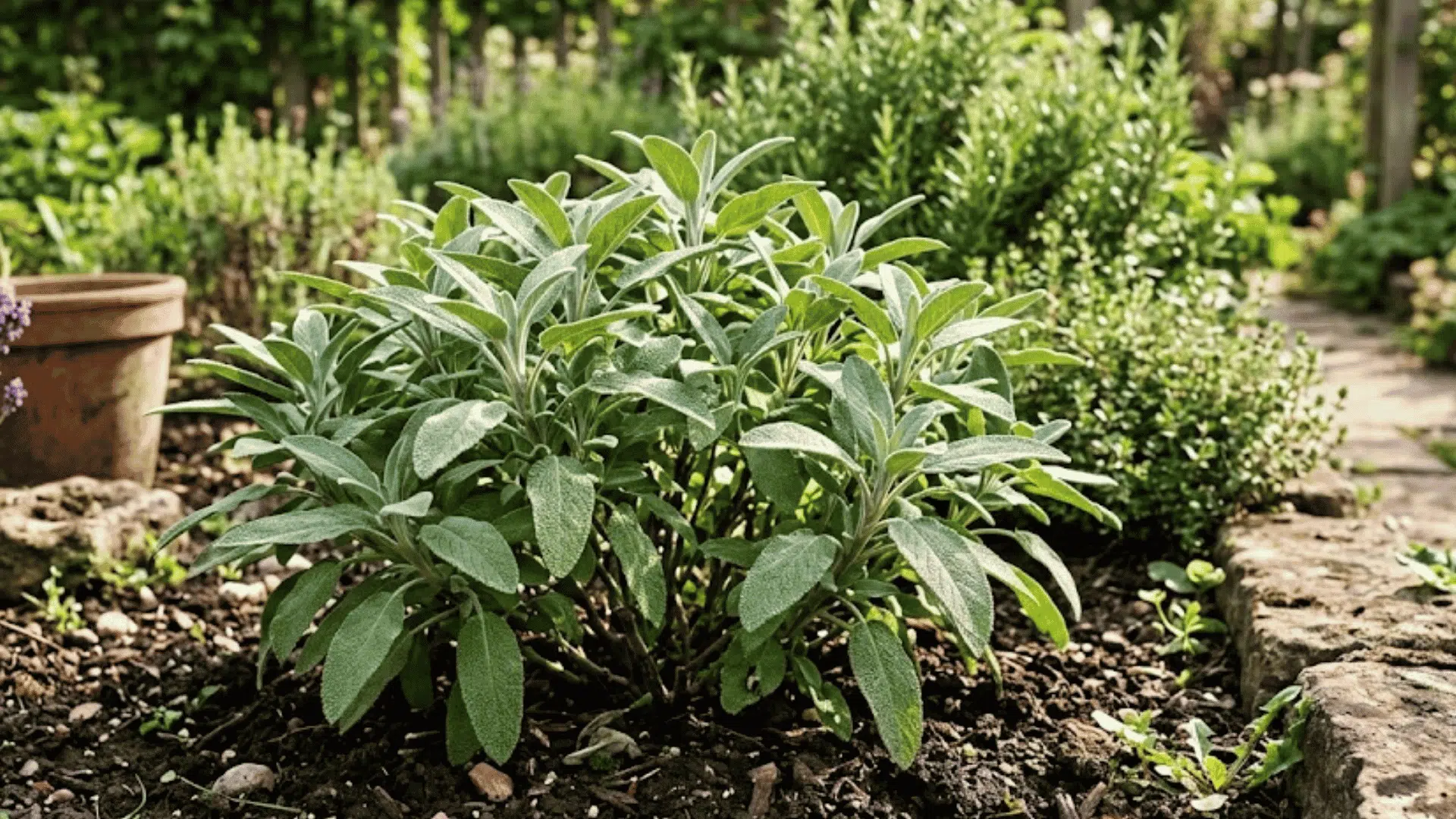
Sage works differently from most plants that repel bugs. The live plant has a moderate deterrent effect, but burning dried sage outdoors produces a stronger smoke that mosquitoes actively avoid.
Small sage bundles burned near a fire pit or at the edge of a grill are a common outdoor gathering method for keeping bugs at bay without sprays.
As a garden plant, sage is hardy, drought-tolerant, and well-suited to full sun. It pairs well with rosemary along patio borders.
Regular trimming encourages fresh growth, which holds the highest concentration of natural oils and keeps the plant most effective.
12. Geraniums
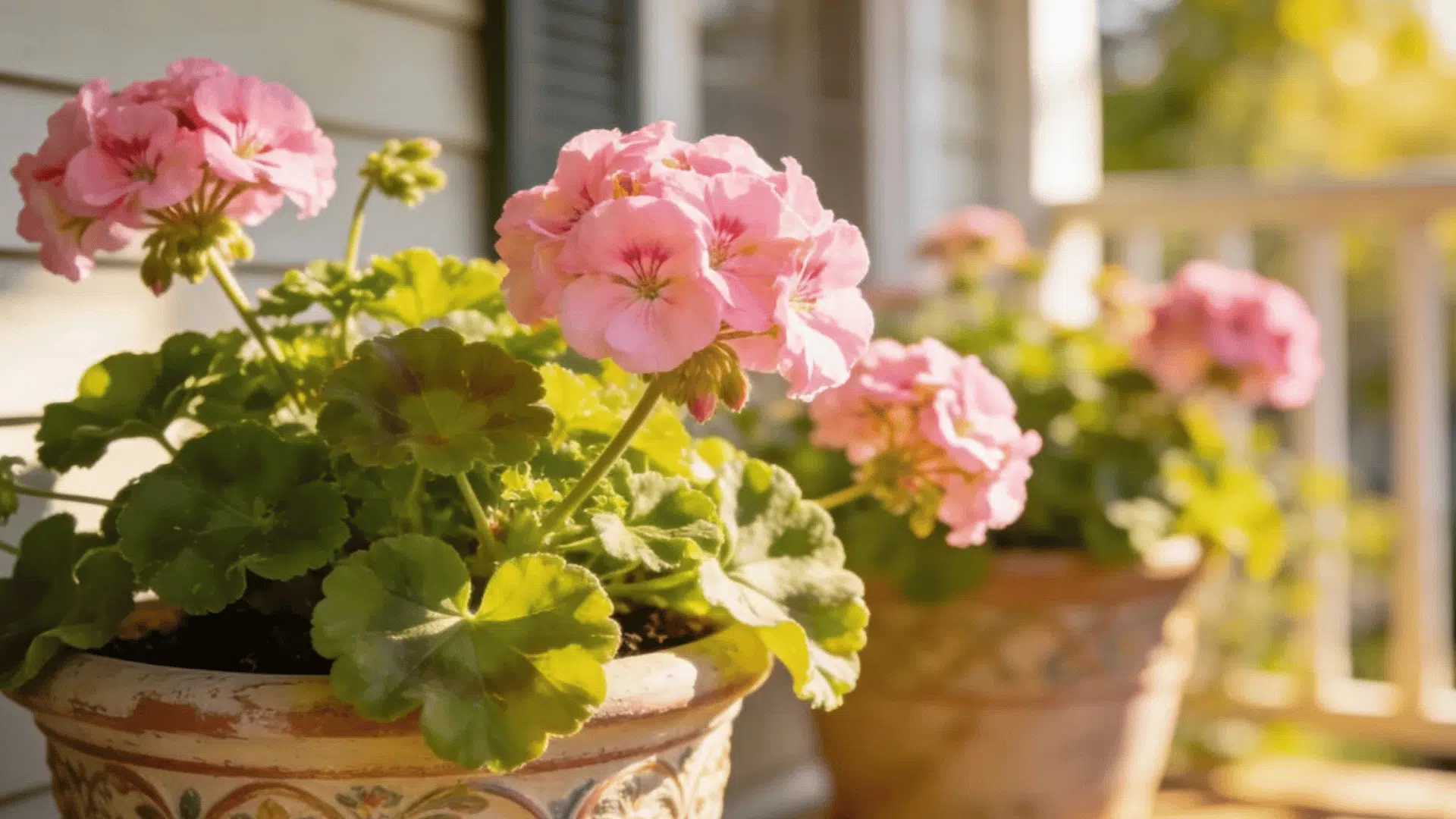
Not all geraniums have the same pest-deterring properties. The lemon-scented variety, Pelargonium crispum, is the one most recognized among plants that repel bugs.
Its strong citrus-like scent is particularly off-putting to mosquitoes and leafhoppers. Geraniums are a practical option for porches and balconies because they grow well in pots, stay compact, and require minimal upkeep.
They prefer full sun and moderate watering. Removing old blooms extends the flowering period.
In warmer climates, geraniums remain outdoors year-round, while gardeners in cooler zones typically bring them inside before the first frost to keep them alive through winter.
13. Bee Balm
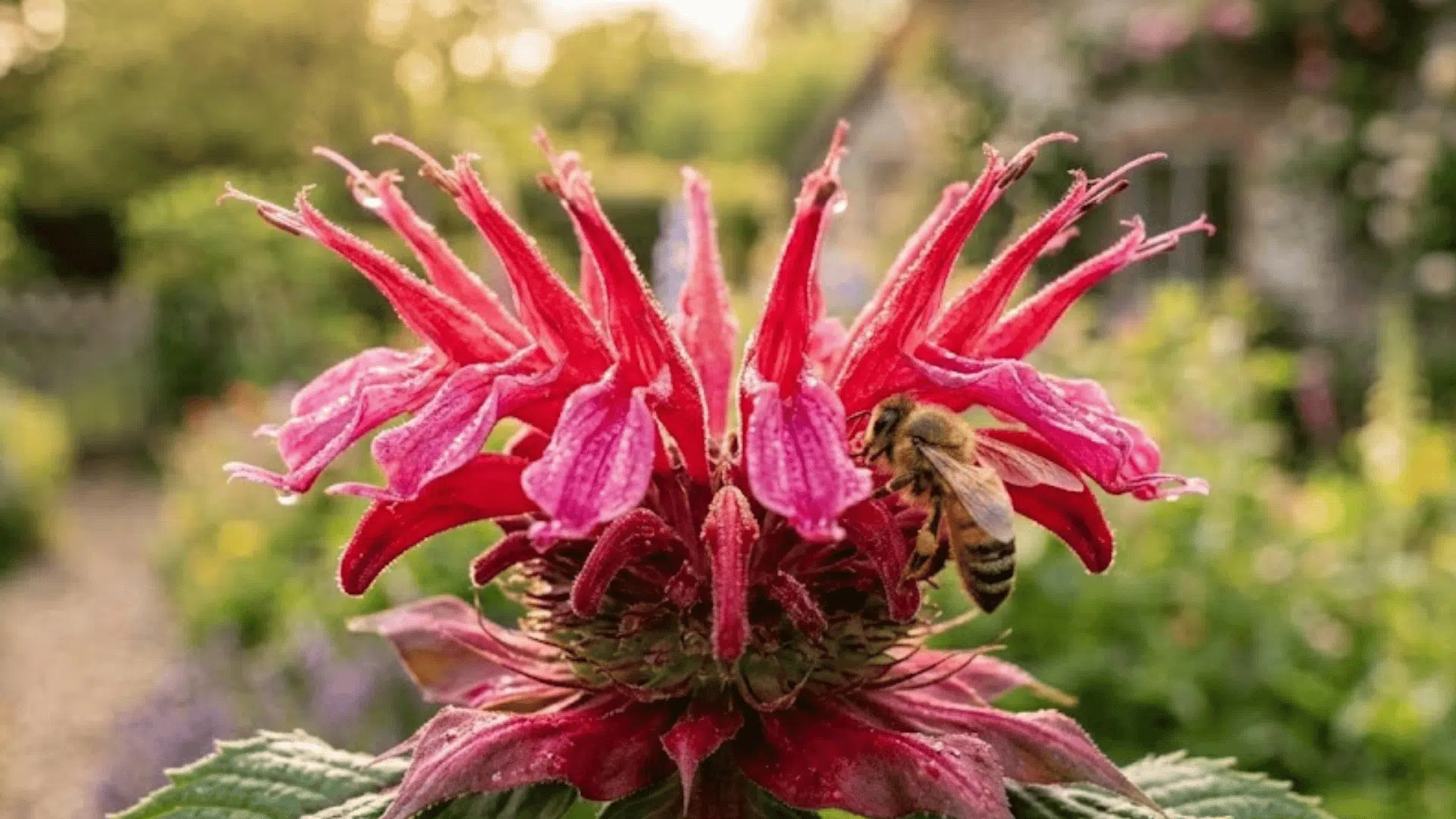
Bee balm presents an interesting balance in the garden; it draws in beneficial insects while pushing away harmful ones.
The strong minty scent from its leaves discourages mosquitoes and aphids, while the bright flowers attract bees, butterflies, and hummingbirds.
I saw a community garden nearby use bee balm as a border plant around a shared vegetable section, and the setup seemed to bring in pollinators while keeping pest activity noticeably lower mid-season.
It grows best in moist, well-drained soil with full to partial sun. Dividing clumps every few years prevents them from crowding out surrounding plants over time.
14. Eucalyptus
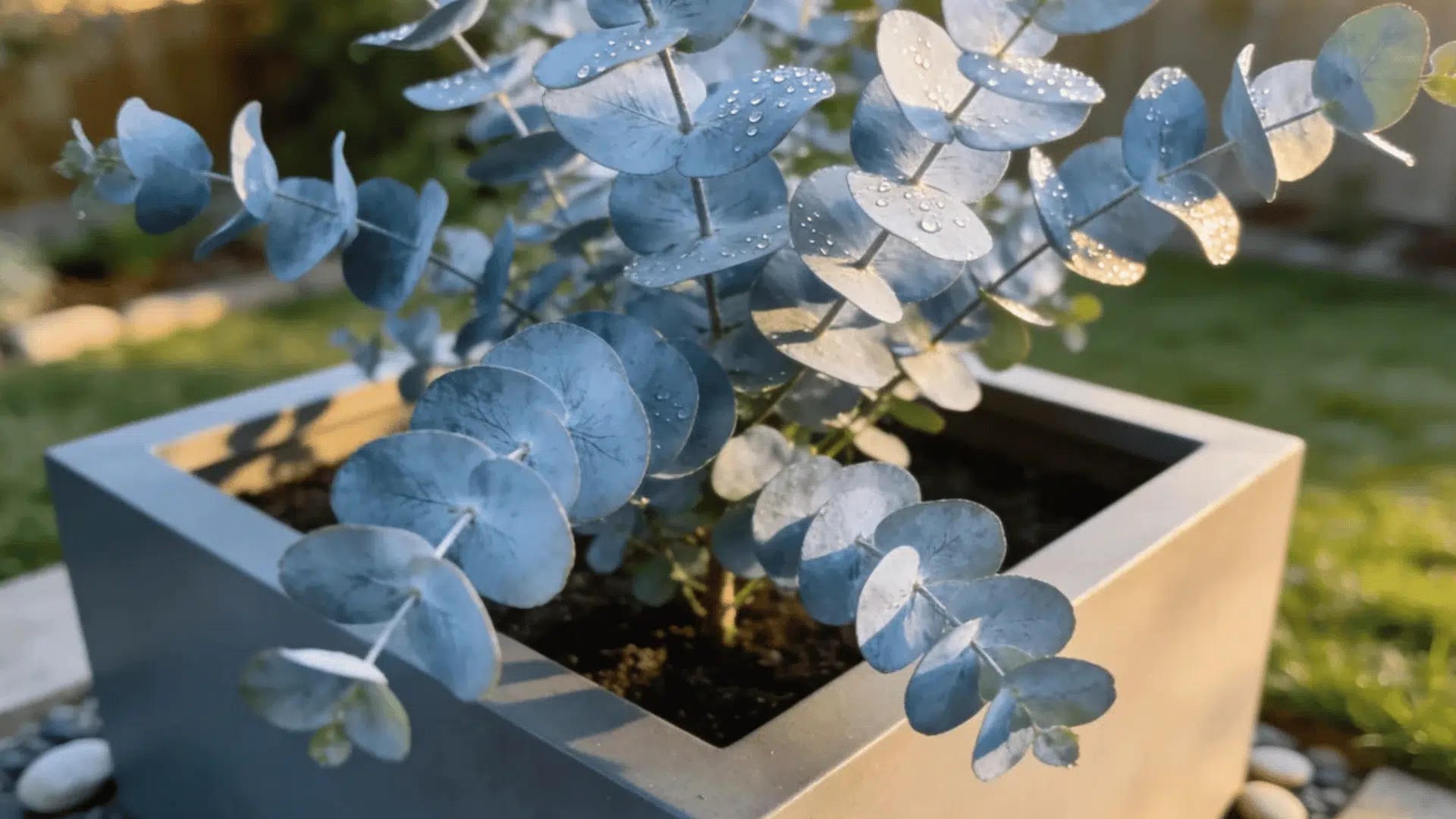
Eucalyptus carries one of the most intense natural aromas among plants that repel bugs.
The camphor-heavy scent is particularly effective against mosquitoes, flies, and aphids, making it useful near outdoor seating areas in warm climates.
Standard eucalyptus trees grow very large, often too large for a typical backyard.
Dwarf container varieties solve that problem, keeping the plant manageable and easy to move around the yard. Full sun and well-drained soil support healthy growth.
Dried eucalyptus leaves also hold their scent well after harvesting, making them useful in outdoor spaces even outside the main growing season.
15. Garlic
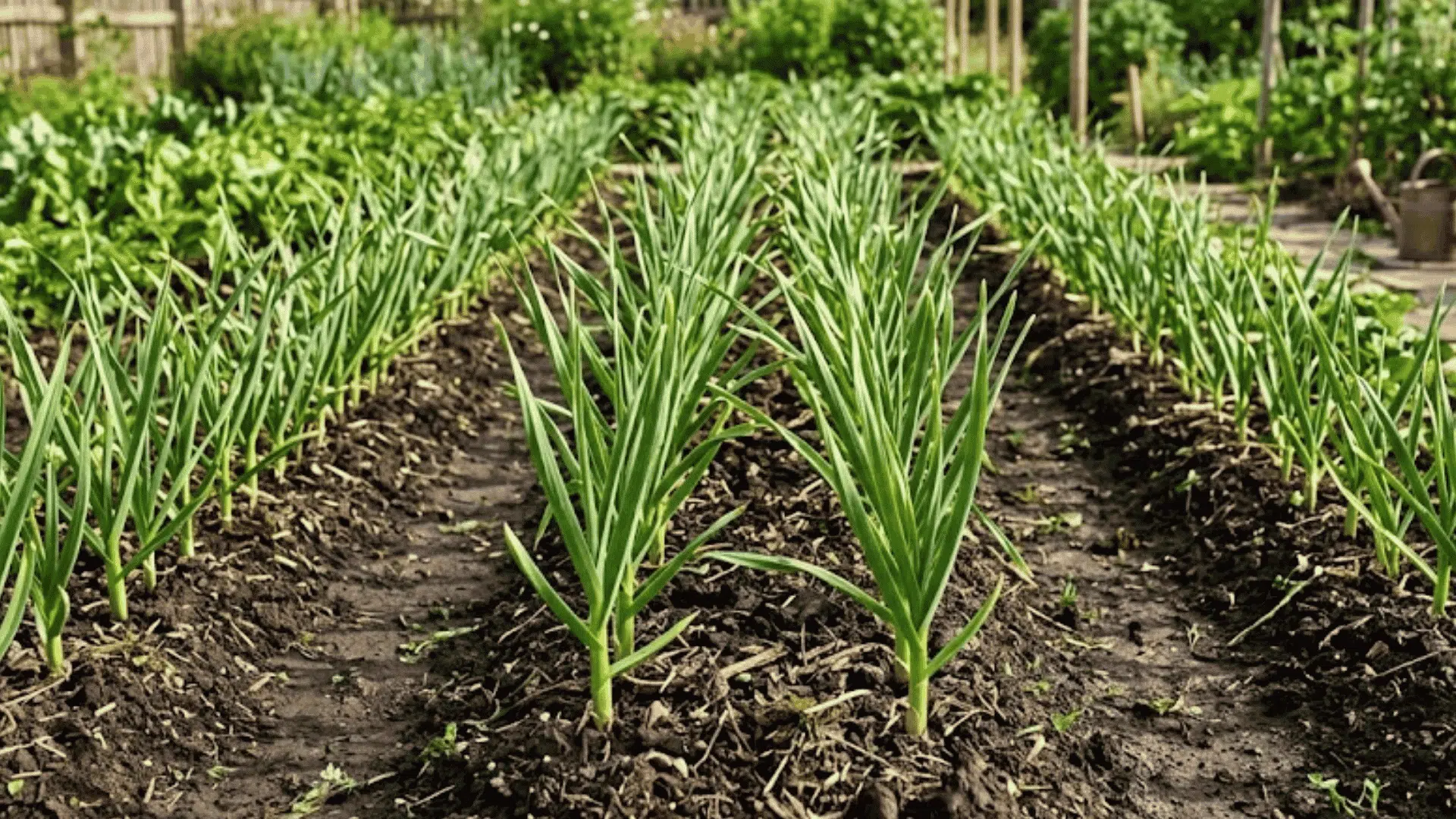
Garlic works both below and above the surface. The sulfur compounds released from bulbs and foliage into the surrounding soil and air act as natural deterrents to aphids, spider mites, and Japanese beetles.
As one of the most functional plants for repelling bugs in vegetable gardens, it performs best when interplanted with roses, tomatoes, or peppers, providing protection without any sprays.
It prefers full sun and well-drained soil. Planting cloves around the outer edge of beds provides the widest coverage. As a bonus, it’s a full culinary crop, pest control, and a usable harvest at the same time.
Planting Tips:
- Plant cloves 4–6 inches apart in the fall for a spring harvest
- Works particularly well alongside roses to reduce aphids and black spot
16. Chives
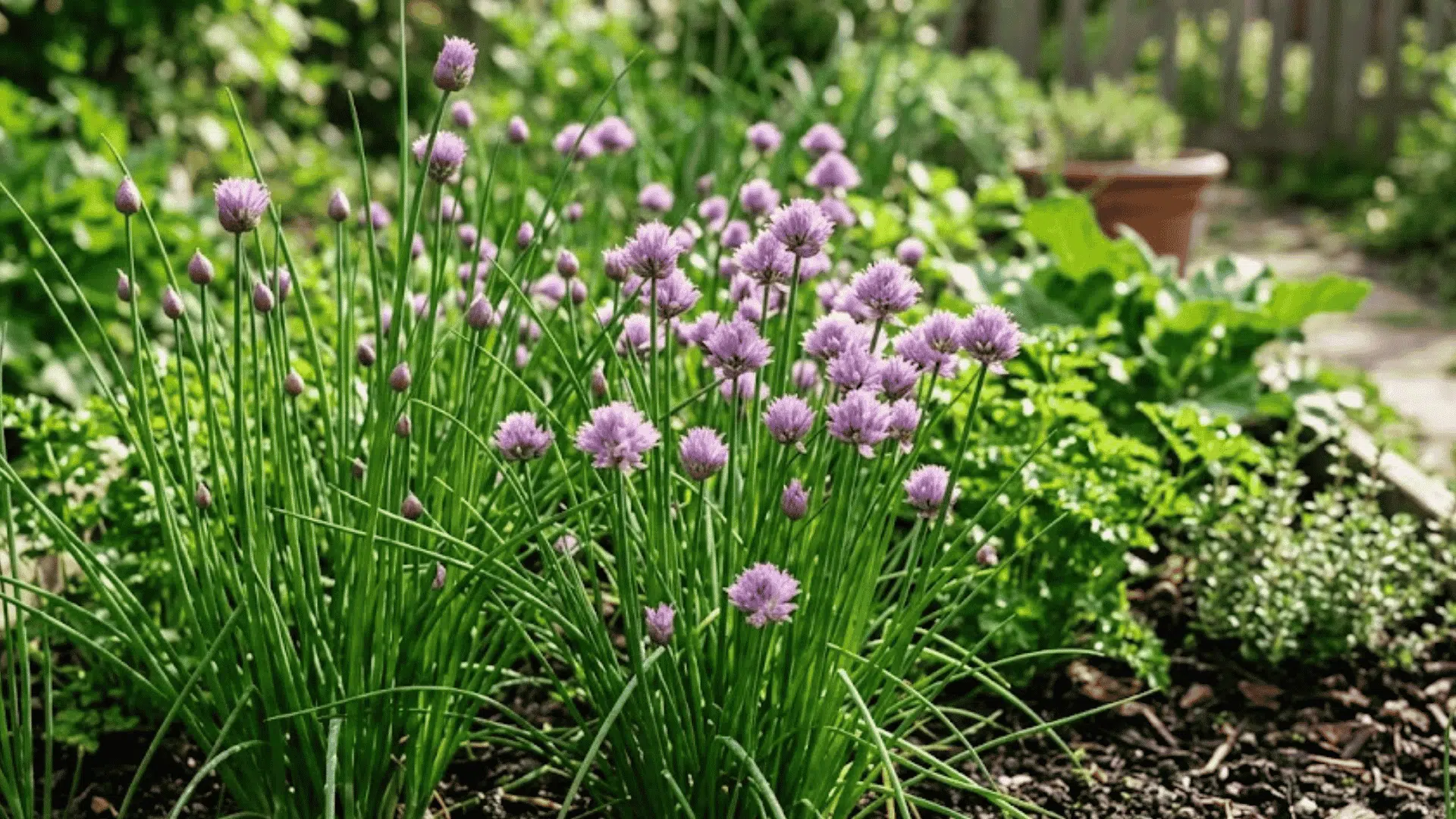
Chives quietly do a lot of work in the garden without demanding much attention.
As part of the allium family, they carry the same sulfur-based scent that makes larger allium plants effective against soft-bodied insects.
Planted near carrots, tomatoes, or lettuce, chives help reduce aphid pressure and keep other pests at a distance.
They grow well both indoors and outdoors; a small window sill pot or a row along a vegetable bed edge both work reliably.
Low-maintenance and adaptable, they tolerate a range of conditions with decent sun and occasional watering. The small purple blooms attract pollinators, too.
17. Lemon Balm
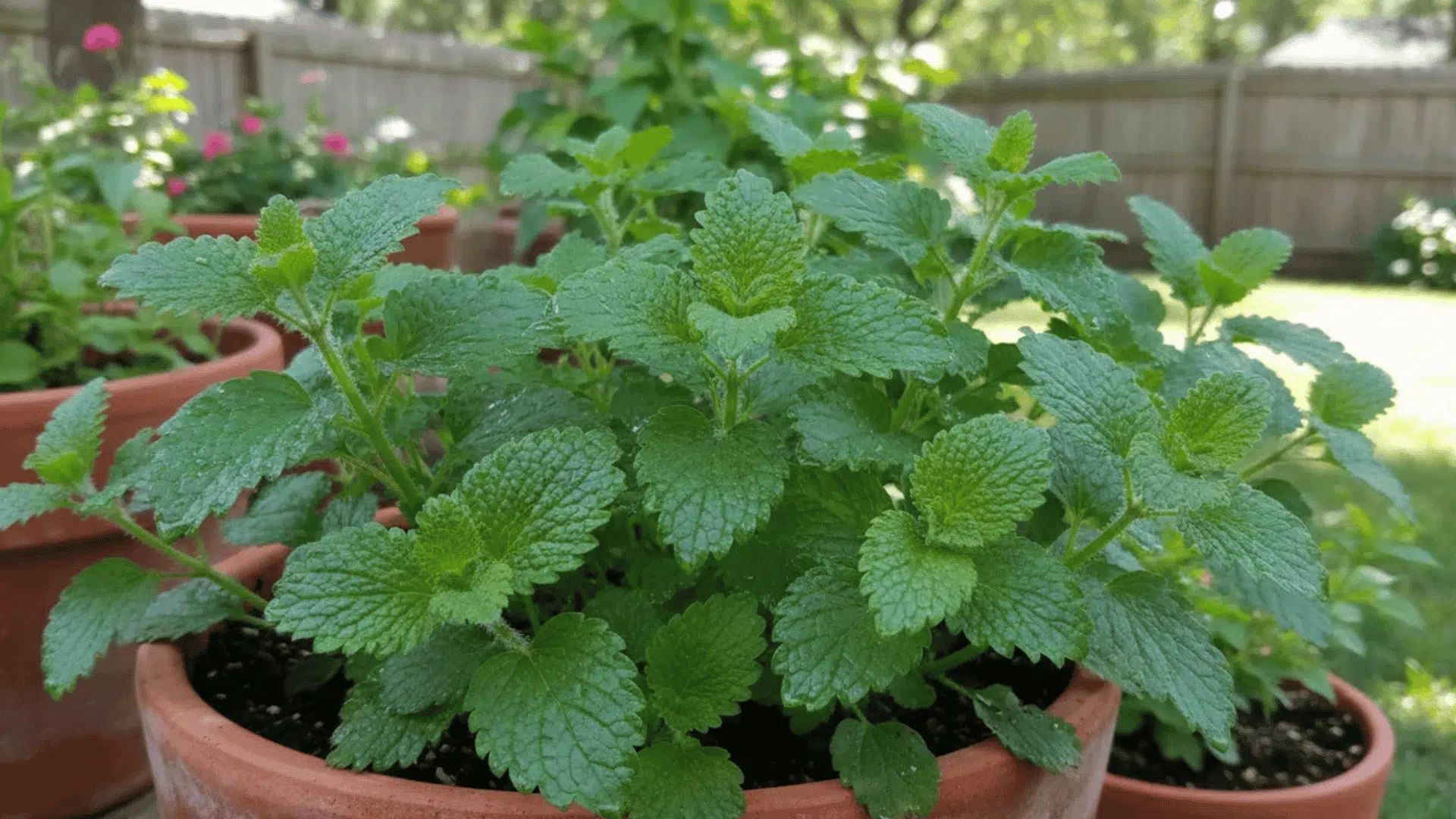
Lemon balm has a bright citrus scent from citronellal, the same compound found in citronella grass, which is why it belongs on any list of plants that repel bugs.
I grew lemon balm in a container on the back deck for a full season, and it was genuinely one of the easiest plants to keep alive.
It needed very little attention, filled back in fuller after each trim, and seemed to reduce mosquito presence around that part of the deck noticeably.
The main thing to know: it spreads aggressively. Container growing keeps it manageable. Crushing the leaves just before sitting outside works best.
18. Thyme
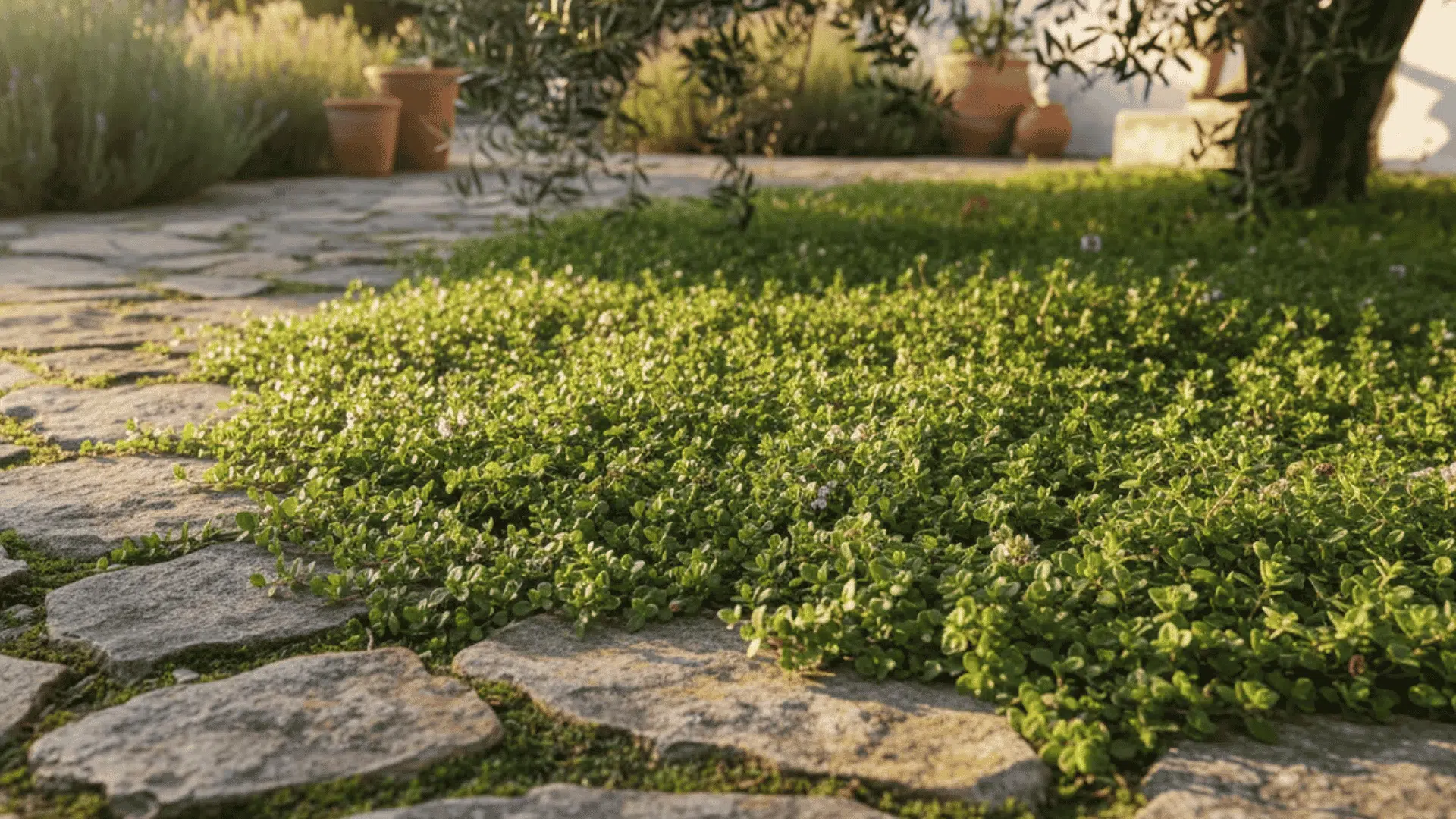
Low to the ground and drought-tolerant, thyme fits naturally into spots that other plants can’t fill, along walkways, between stepping stones, or at the edge of patio borders.
The thymol compound in its leaves is a proven insect deterrent, particularly effective against whiteflies, cabbage worms, and aphids.
Among plants that repel bugs, thyme stands out as one of the best choices for dry, warm climates with limited water.
It spreads slowly and stays tidy without much pruning. Planting it in high-traffic garden zones keeps the scent active and in areas where pest pressure tends to concentrate most.
19. Alliums
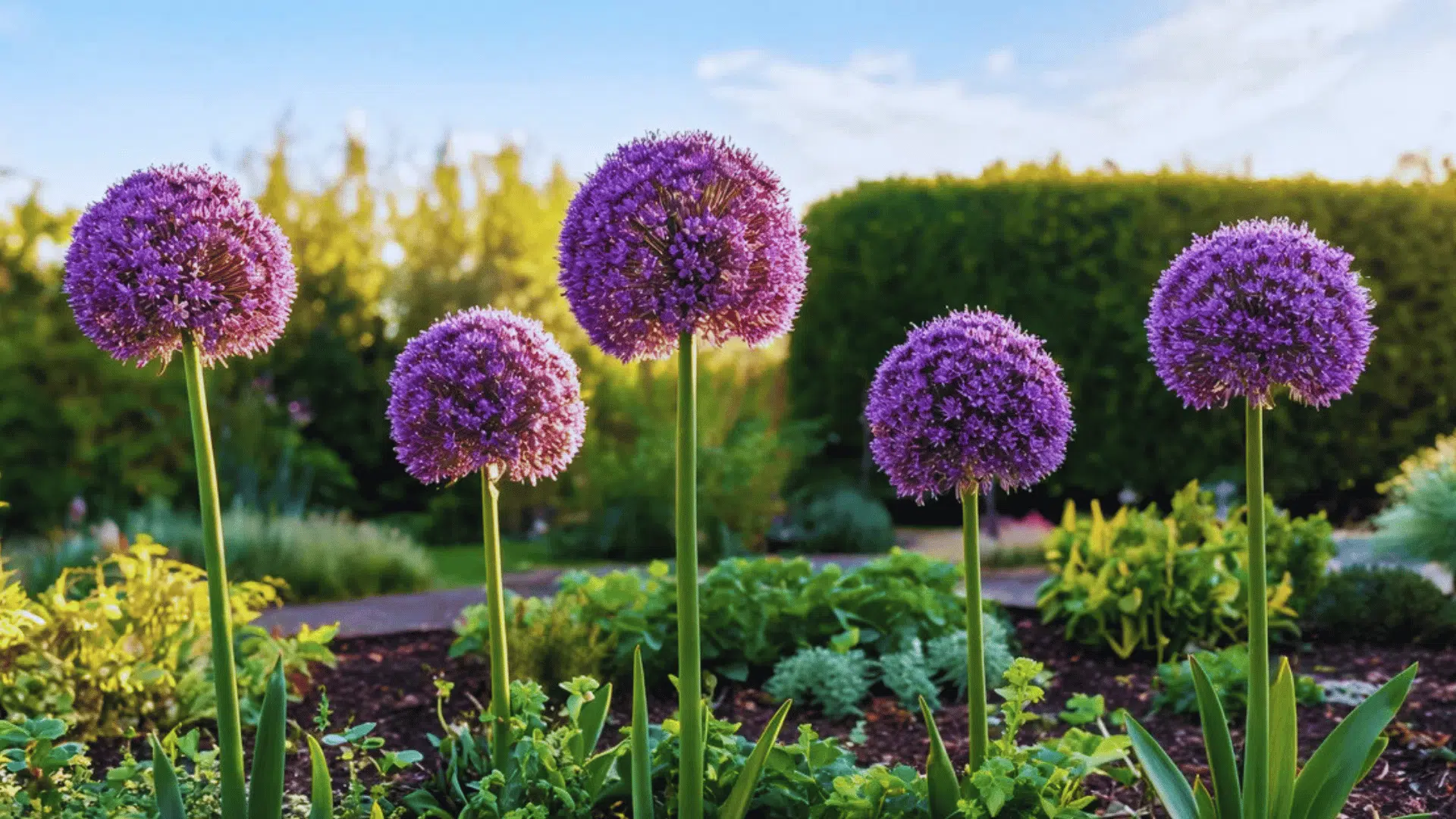
Ornamental alliums bring something that most plants that repel bugs don’t: genuine visual appeal alongside pest control.
The tall stems and large, globe-shaped flowers make them a standout in borders and garden beds, while the sulfur-based scent released by bulbs and foliage keeps aphids, slugs, and carrot flies at bay.
They work as companion plants for roses, mixed perennial beds, and vegetables.
Plant bulbs in fall for spring blooms. Full sun and well-drained soil give the best results.
Alliums effectively bridge the gap between purely functional pest control and purely decorative planting, a practical combination that most garden layouts benefit from.
20. Pitcher Plant
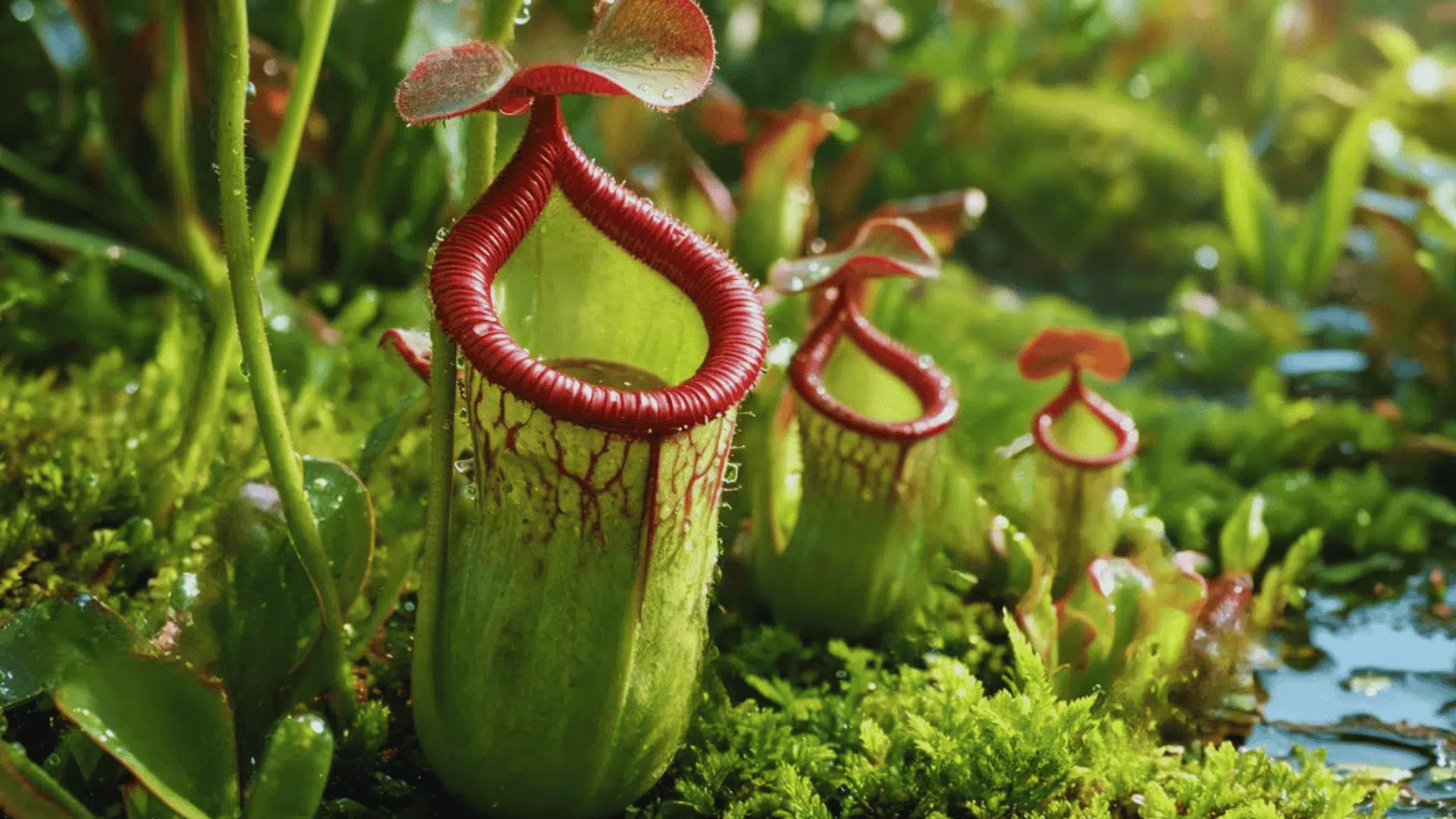
Pitcher plants take an entirely different approach from other plants that repel bugs; instead, they trap and digest them.
Flies, ants, and small crawling insects are drawn into the tube-shaped cavity by scent and color, and then cannot escape.
For yards with heavy insect pressure, adding a pitcher plant near a seating area brings a passive trapping element that works alongside scent-based repellent plants.
They require specific conditions: consistently moist or boggy soil, high humidity, and bright indirect light.
Rainwater or distilled water is preferred over tap water, as minerals can damage the plant over time.
Care Notes:
- Avoid tap water; mineral buildup harms the plant’s digestive function
- Best suited for bog gardens, water features, or moisture-retaining containers
21. Pennyroyal
Pennyroyal has a long practical history as one of the plants that repel bugs, particularly fleas, which makes it relevant for homes with outdoor pets.
It belongs to the mint family and carries a sharp, strong scent that fleas, ticks, and mosquitoes consistently avoid.
Some gardeners crush the leaves and place them near outdoor pet bedding or entryways for added coverage.
One firm caution applies: pennyroyal is toxic to cats and dogs if ingested in any significant amount.
Placement needs to account for pet access. Like most mint-family plants, it spreads quickly, so container growing remains the most manageable and safest long-term approach.
Pet safety warning: Pennyroyal is toxic to cats and dogs. Always grow it in elevated pots or in areas where pets cannot reach or chew the plant.
Best Places to Plant Bug-Repelling Plants
Knowing which plants repel bugs is only half the work. Where those plants go makes a real difference in how well they perform.
| Location | Best Plants | Top Tip | Space Needed | Bug Target |
|---|---|---|---|---|
| Near Patios & Seating Areas | Lavender, Citronella, Basil | Place pots close to where people sit | Small–Medium | Mosquitoes, Flies |
| Around Doors & Windows | Mint, Rosemary, Marigolds | Line entry points to block pest access | Small | Gnats, Ants, Flies |
| Inside Vegetable Gardens | Basil, Nasturtium, Dill | Alternate bug-repelling plants between crops | Medium–Large | Aphids, Whiteflies |
| Hanging Baskets & Pots | Lemongrass, Petunias, Catnip | Ideal for balconies or small outdoor spaces | Very Small | Mosquitoes, Beetles |
Key takeaway: Match the plant to the space and the pest problem for the best results. Container gardening works well for renters or anyone with limited yard space.
Tips to Make Bug-Repelling Plants Work Better
Planting the right plants is a start, but a few simple habits help them perform much better. These tips are easy to apply and make a noticeable difference over time.
- Use Multiple Plants Together: Combining plants that repel bugs layers different scents, making it harder for pests to push through.
- Crush Leaves for More Fragrance: Lightly bruising the leaves of plants that repel bugs releases the natural oils that actually do the deterring.
- Rub leaves before sitting outside: A quick pinch activates the scent when it’s needed most.
- Keep Plants Healthy: Weak or struggling plants produce less scent and offer little pest protection.
- Water regularly, avoid overwatering: Most bug-repelling plants prefer well-drained soil and full sun.
- Combine With Other Pest Control Methods: Plants that repel bugs work best as part of a wider yard maintenance routine.
- Remove standing water: Eliminates mosquito breeding spots that plants alone can’t fix.
- Mow and trim regularly: This reduces hiding spots for pests between plant clusters.
Common Mistakes to Avoid
Even the best plants that repel bugs won’t perform well if a few basic mistakes get in the way. This table covers what to watch for before and after planting.
| Mistake | Why It Happens | What to Do Instead |
|---|---|---|
| Choosing Plants for the Wrong Climate | Picking plants that repel bugs without checking local growing conditions | Research hardiness zones before buying — not every plant thrives in every region |
| Letting Aggressive Herbs Spread Everywhere | Mint and lemongrass spread fast when planted directly in garden beds | Grow aggressive plants that repel bugs in containers to control spreading |
| Expecting Plants to Remove All Bugs | Treating bug-repelling plants as a complete pest solution | Use them as a preventive layer alongside other yard maintenance habits |
| Ignoring Pet Safety With Certain Plants | Some plants that repel bugs are toxic to cats and dogs | Check ASPCA plant safety guidelines before placing plants near pet areas |
Key reminder: A little planning before planting saves a lot of problems later. Matching the right plants to the right space, and knowing their limits, is what makes a bug-repelling garden actually work.
Final Thoughts
Getting bugs under control doesn’t have to mean chemical sprays or expensive pest services.
The right plants that repel bugs can quietly do a lot of the work, as long as they’re placed well, kept healthy, and paired with basic yard habits.
Some of these plants might already be growing nearby. Others are worth adding this season, especially around seating areas or entry points where bugs tend to appear most often.
Results won’t happen overnight, but most gardeners notice a difference within a few weeks of planting.
Start small, see what works in the space, and build from there.
Have you tried any plants that repel bugs in your yard? Real experiences help to make better choices for future planting.
Drop a comment below and share what’s worked, or what hasn’t.
Frequently Asked Questions
Do Plants That Repel Bugs Really Work?
Yes, plants that repel bugs release natural oils and scents that deter insects, though they work best as prevention, not a complete fix.
Which Plant Is Best for Mosquitoes?
Citronella grass, lavender, and catnip are the top plants that repel bugs, specifically mosquitoes.
Can Bug-Repelling Plants Be Grown Indoors?
Yes, plants that repel bugs like basil, mint, and lemon balm grow well near sunny indoor windowsills.
Are These Plants Safe for Pets?
Not all plants that repel bugs are pet-safe; pennyroyal, eucalyptus, and some geraniums are toxic to cats and dogs.
What Plants Repel Flies Naturally?
Basil, lavender, rosemary, and mint are the most effective plants that repel bugs, particularly flies, near kitchens and dining areas.

Holding a Master’s in Library and Information Science from the University of Illinois, Josh Clarke has dedicated more than 15 years to managing and disseminating information across various platforms. His professional journey includes significant experience as a research librarian, where he developed an expertise in sourcing and providing accurate and comprehensive answers to diverse questions. In 2018, Josh brought his rich experience to our platform, quickly establishing himself as a reliable source for general FAQs. He has been overseeing our information curation since then, combining his research skills with a flair for engaging content delivery. When not involved in information management, Josh enjoys exploring digital photography and participating in local quiz competitions, hobbies that complement his inquisitive nature and love for learning.