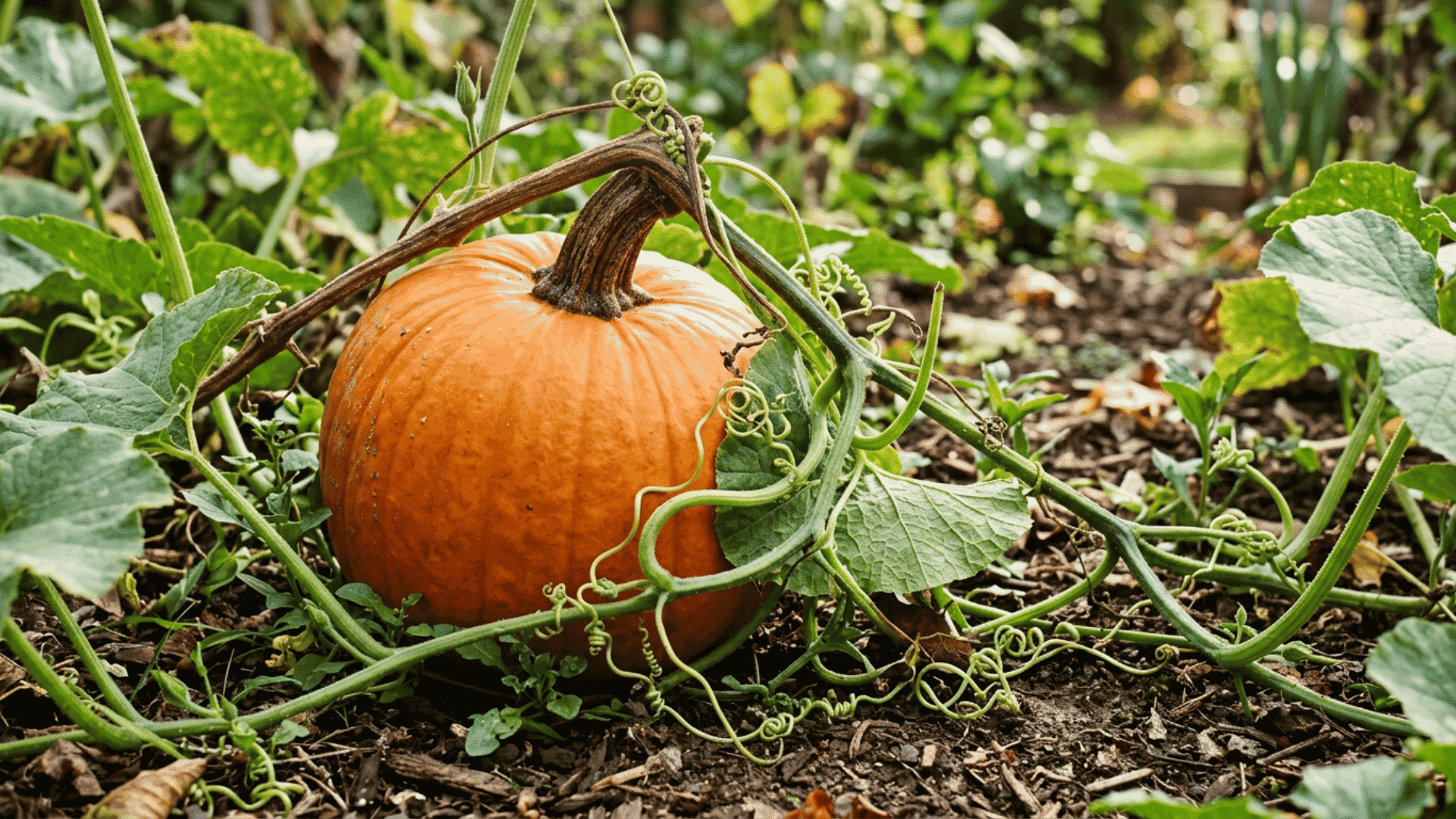

Walk into any pumpkin patch in fall, and you’ll realize there’s far more complexity beneath the surface than most people assume.
While the iconic round orange pumpkin dominates seasonal imagery, the reality is much more diverse.
There are big ones, tiny ones, white ones, warty ones, and they all have different flavors, textures, and best uses.
I’ve spent over years in horticulture, including growing, cooking, and carving pumpkins, so I know how confusing it can get when you’re trying to pick the right one.
From managing urban growing projects to working with home gardeners across different climates, I’ve learned which varieties actually perform as expected and which ones disappoint.
If you want the best pumpkin for pie, the right one for carving, or something eye-catching for your porch, this guide has you covered.
By the end, you’ll know exactly which variety fits your needs.
How Pumpkins are Classified
Understanding the foundation of pumpkin classification saves time when shopping, gardening, or cooking. Pumpkins organize into clear categories that directly impact how you’ll use them.
| Classification | Main Types | Typical Use |
| Species | C. pepo (Howden, Sugar Pie), C. maxima (giant types), C. moschata (Dickinson, Seminole) | Pepo for carving/basic cooking, maxima for displays, moschata for long‑term cooking. |
| Purpose | Cooking, carving, decorating, and seed production | Match type to kitchen, porch, or seed‑roasting needs. |
| Size | Miniature, small, medium, large, giant | Size affects the impact of decoration and cooking yield. |
| Color/appearance | Orange, white, blue‑gray, green, pink, cream | Color is mainly for looks, many non‑orange types cook very well. |
Types of Pumpkin
Each variety listed here appears regularly at farmers’ markets, pumpkin patches, and through seed suppliers during the growing season.
Knowing the differences between them makes it easier to pick the right variety for cooking, carving, decorating, or growing
1. Sugar Pie Pumpkin
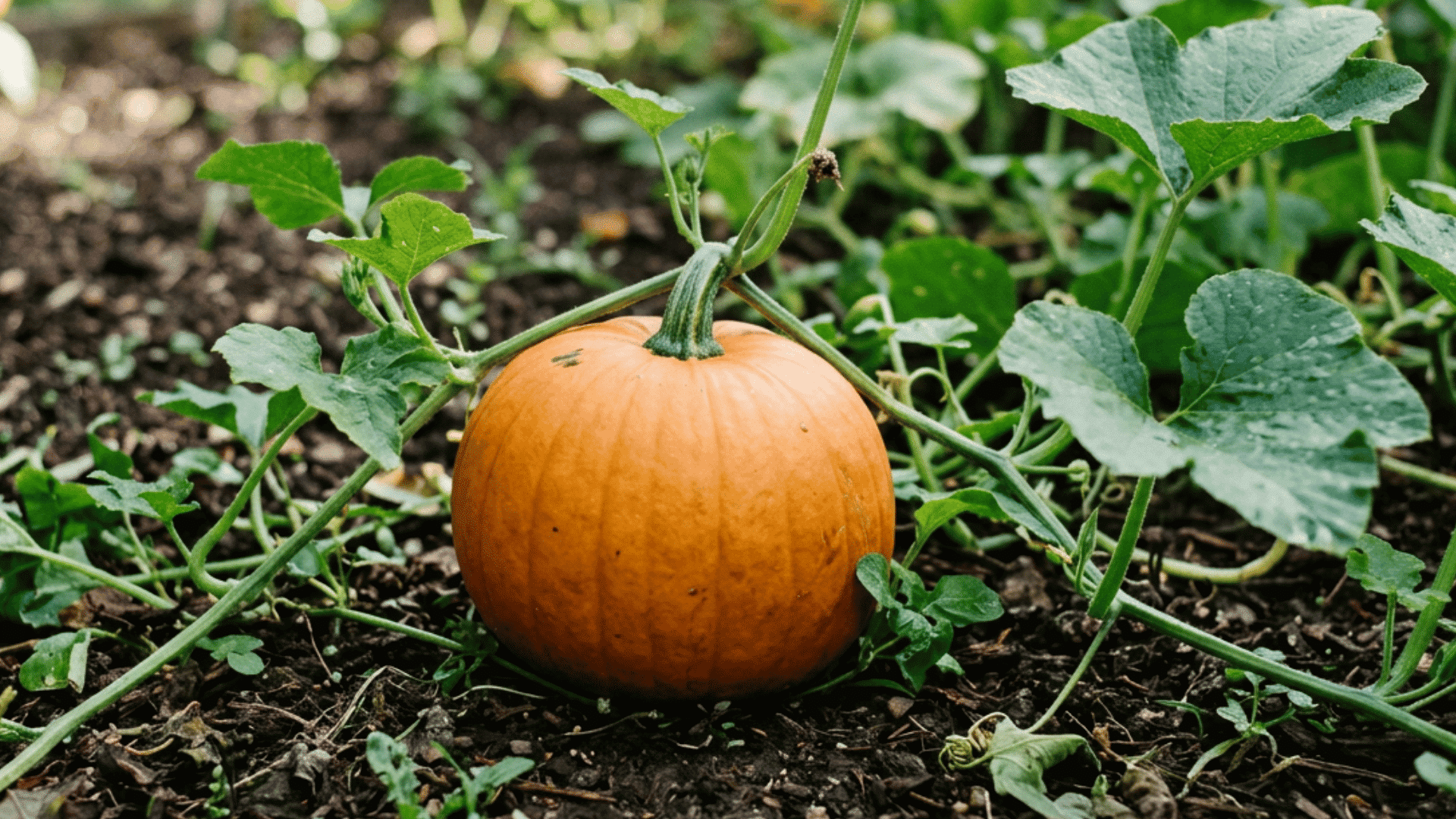
Sugar Pie is one of the most popular pumpkin varieties for home baking. It is small, usually weighing between 5 and 8 pounds, with a deep orange skin and very dense flesh inside.
The flavor is naturally sweet, which is why it has been the go-to choice for homemade pumpkin pie for generations. The flesh is dry and fine-grained, meaning it breaks down smoothly when cooked and does not release too much water.
This makes it ideal for pies, muffins, breads, soups, and purees. They are easy to grow in most home gardens and produce well even in smaller spaces. Storage life runs about two to three months in a cool, dry place.
2. New England Pie Pumpkin
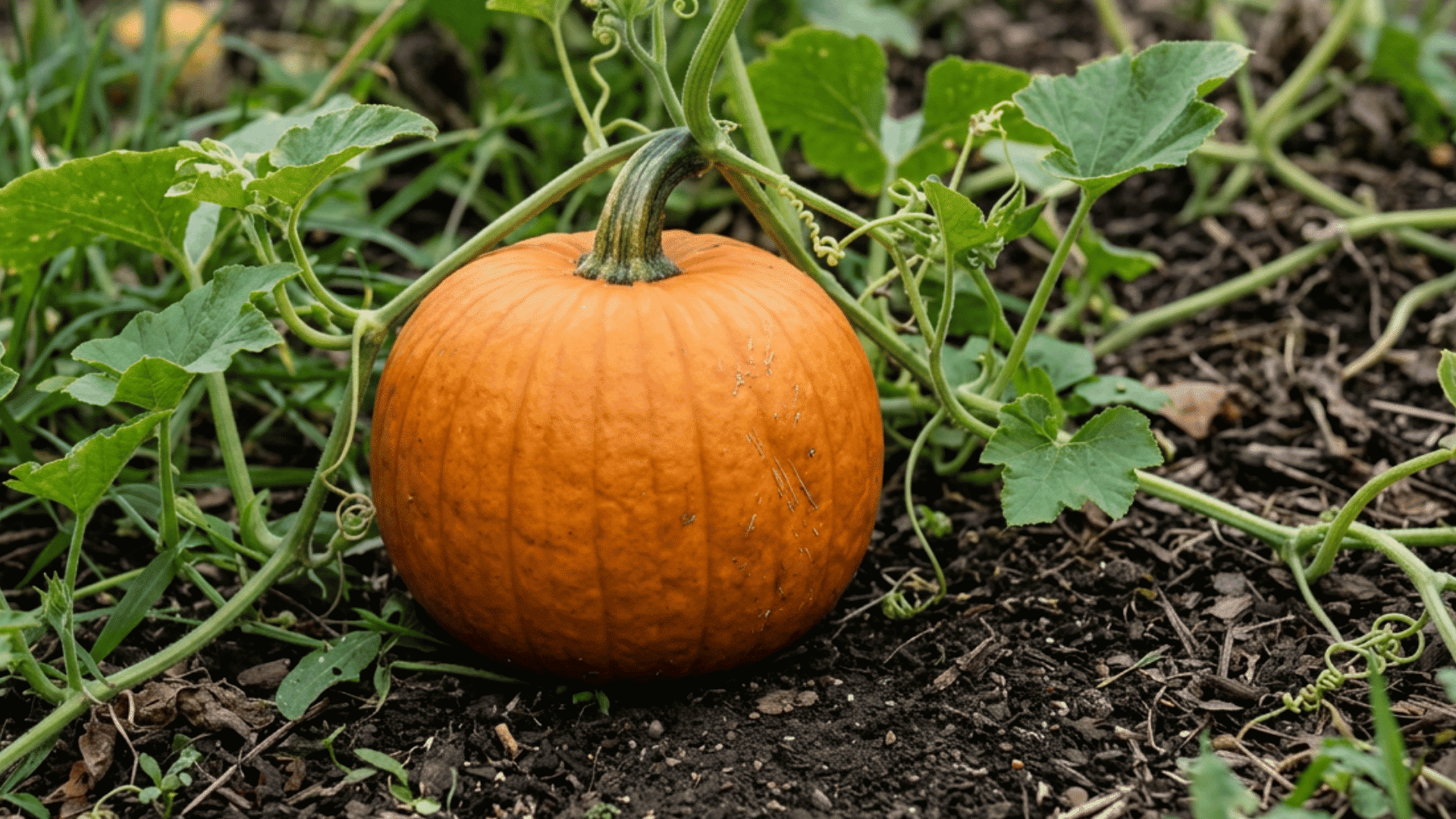
New England Pie is a small, round pumpkin that typically weighs between 4 and 6 pounds. It has a deep orange skin and a classic round shape with light ribbing.
The flesh is sweet, fine-grained, and relatively dry, which makes it one of the better baking pumpkins for pies, muffins, and breads.
It is similar to Sugar Pie in performance but has a slightly different flavor profile that some bakers prefer.
Storage life is about two to three months. It is easy to grow, productive, and well-suited for gardeners who want a dependable small pumpkin for fall baking projects.
3. Winter Luxury Pumpkin
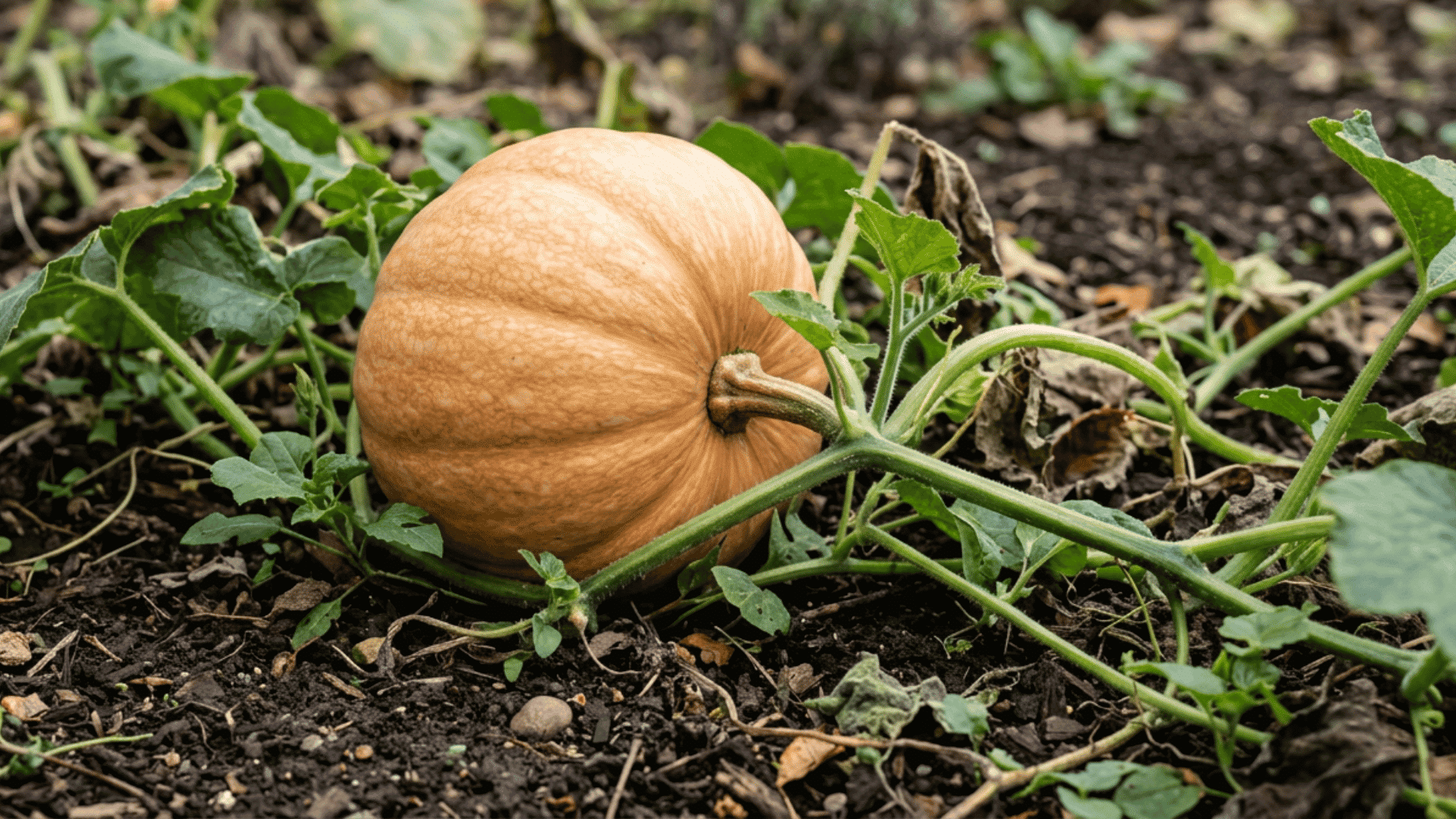
Winter Luxury is considered by many experienced pie bakers to produce the finest-textured pumpkin pie filling available.
It is a medium-sized pumpkin that typically weighs between 6 and 9 pounds. The flesh is exceptionally smooth, sweet, and fine-grained.
The texture of the cooked flesh is silky and consistent, yielding a pie filling that requires less straining or processing than coarser varieties.
Storage life is about two to three months. It is a strong recommendation for any home baker who wants to move beyond Sugar Pie and try a variety with noticeably better flavor and texture.
4. Dickinson Pumpkin
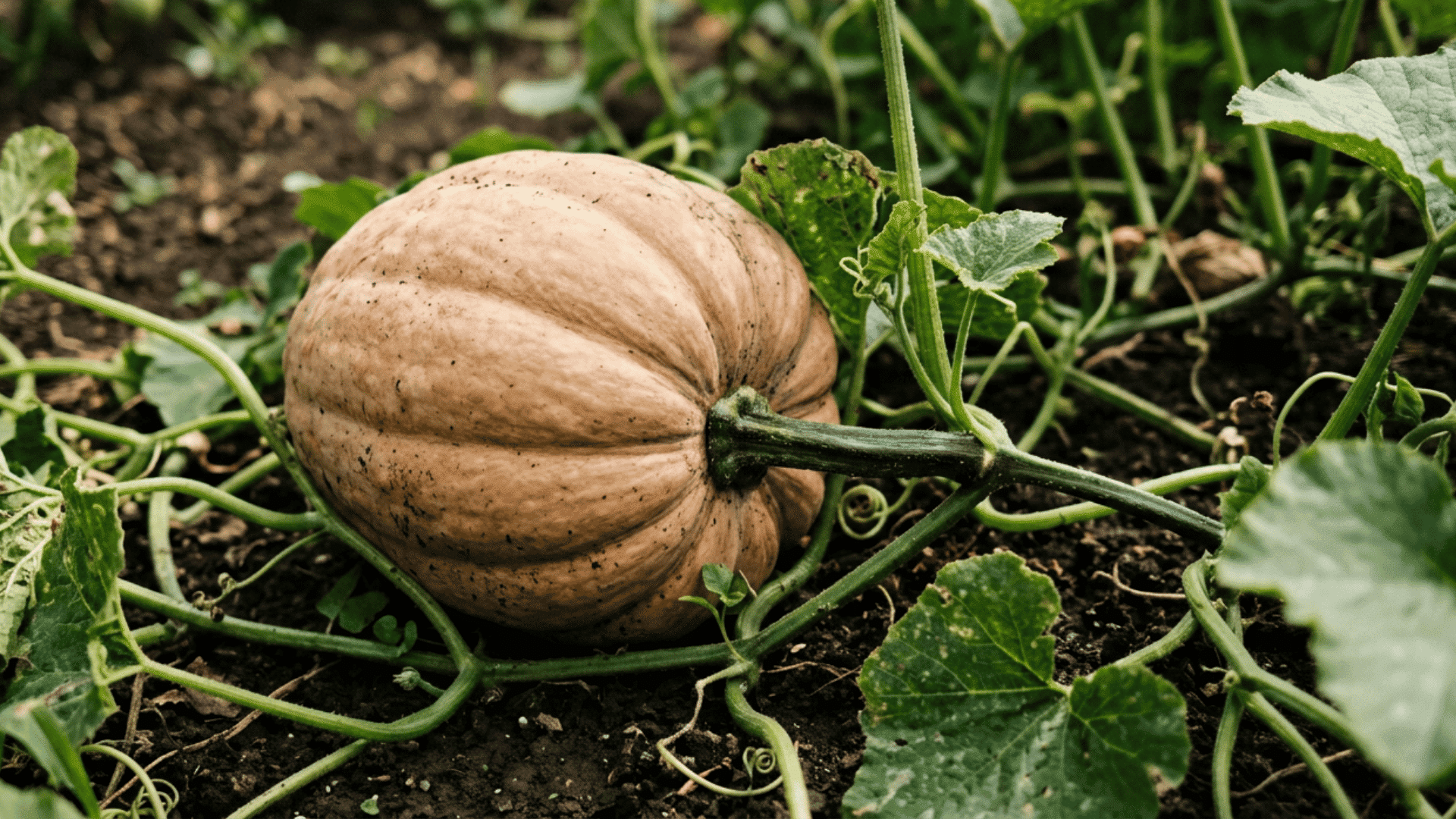
It is a large, tan-skinned pumpkin with a long, oblong shape and typically weighs between 10 and 40 pounds.
The flesh is very sweet, smooth, and dense, making it ideal for processing and canning. Dickinson belongs to the Cucurbita moschata species, which gives it a harder skin and better storage life than most orange pumpkin varieties.
It can last three to six months under proper storage conditions, which is why it became the industrial standard for commercial pumpkin processing.
5. Kabocha Pumpkin
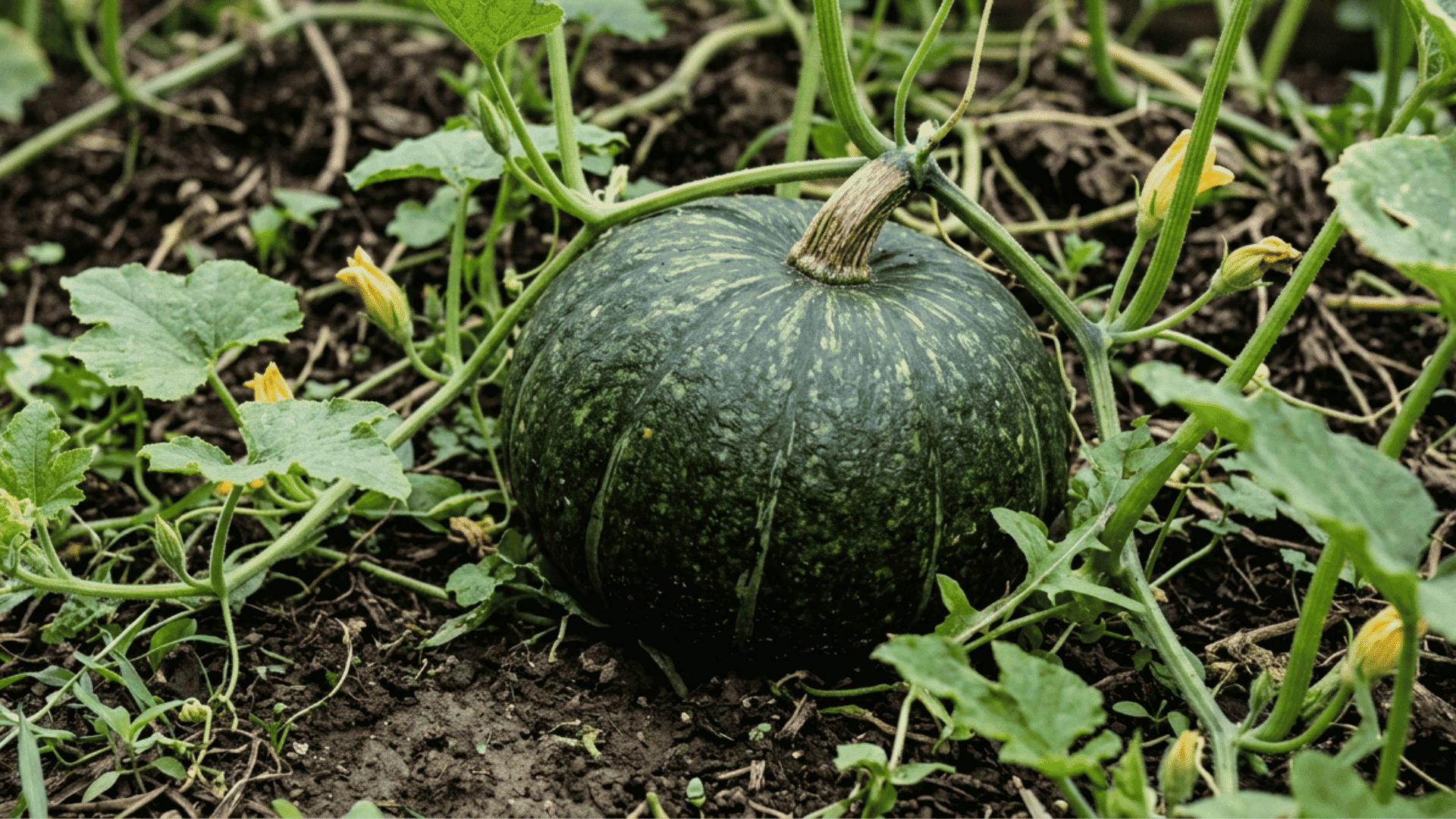
It is small, usually weighing between 2 and 4 pounds, with a dark green skin that often has faint stripes or spots.
The flesh is bright orange, very dry, and exceptionally sweet, with a flavor often compared to sweet potato or butternut squash.
It is one of the sweetest types of pumpkin available, which makes it a favorite for both savory and sweet recipes. Storage life is about three to four months.
6. Red Kuri Pumpkin
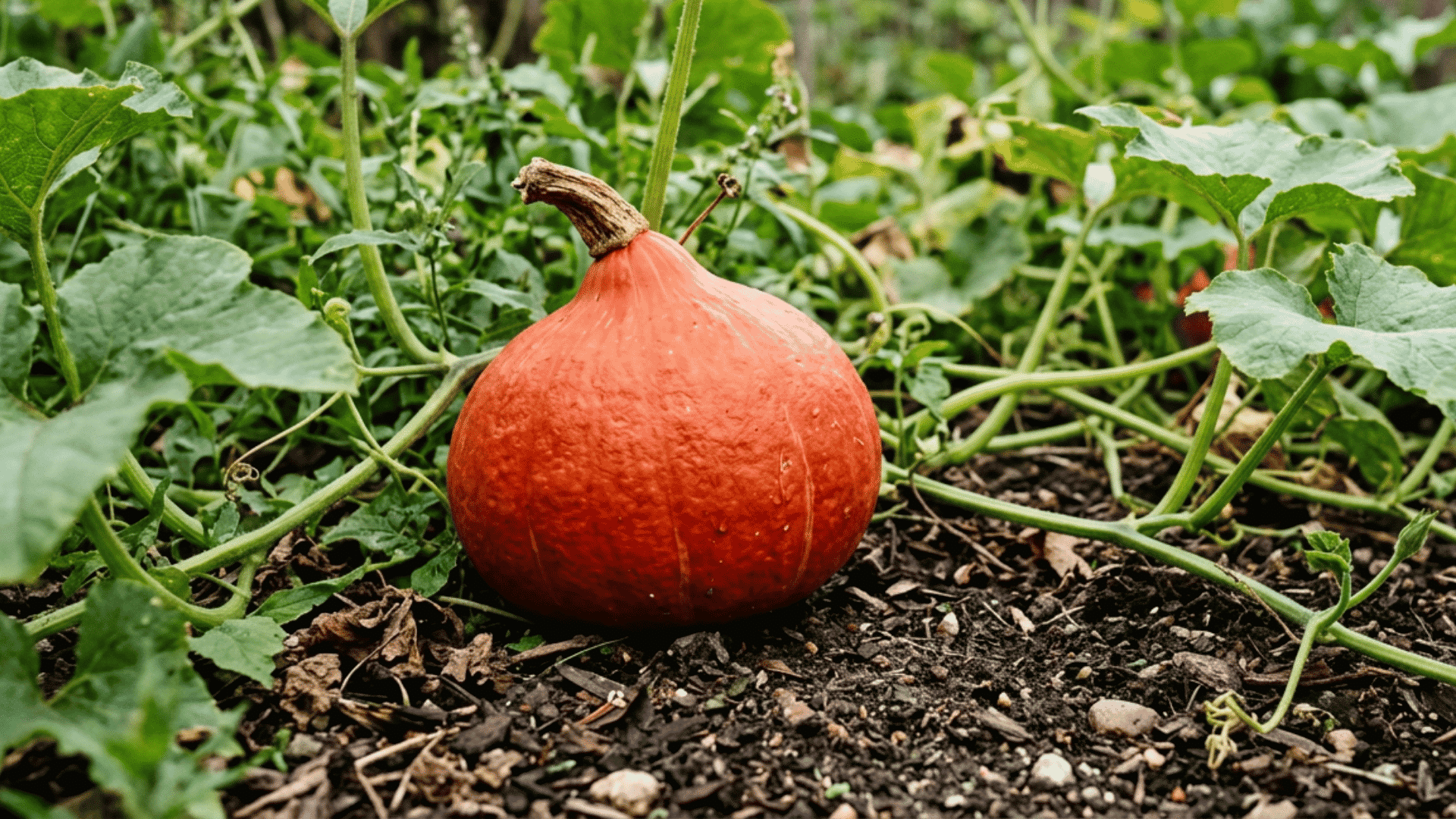
Red Kuri is a teardrop-shaped pumpkin with a smooth, bright red-orange skin and no ribbing. It usually weighs between 4 and 7 pounds.
The flesh has a distinctive chestnut-like flavor that sets it apart from most other pumpkin varieties. It is dry and smooth in texture. Storage life is about three to four months.
The skin is thin enough to eat when cooked, reducing prep time and making Red Kuri particularly appealing for roasting and curry preparations.
It is a compact variety that requires less growing space than larger types, making it a practical choice for smaller gardens.
7. Musquée de Provence Pumpkin
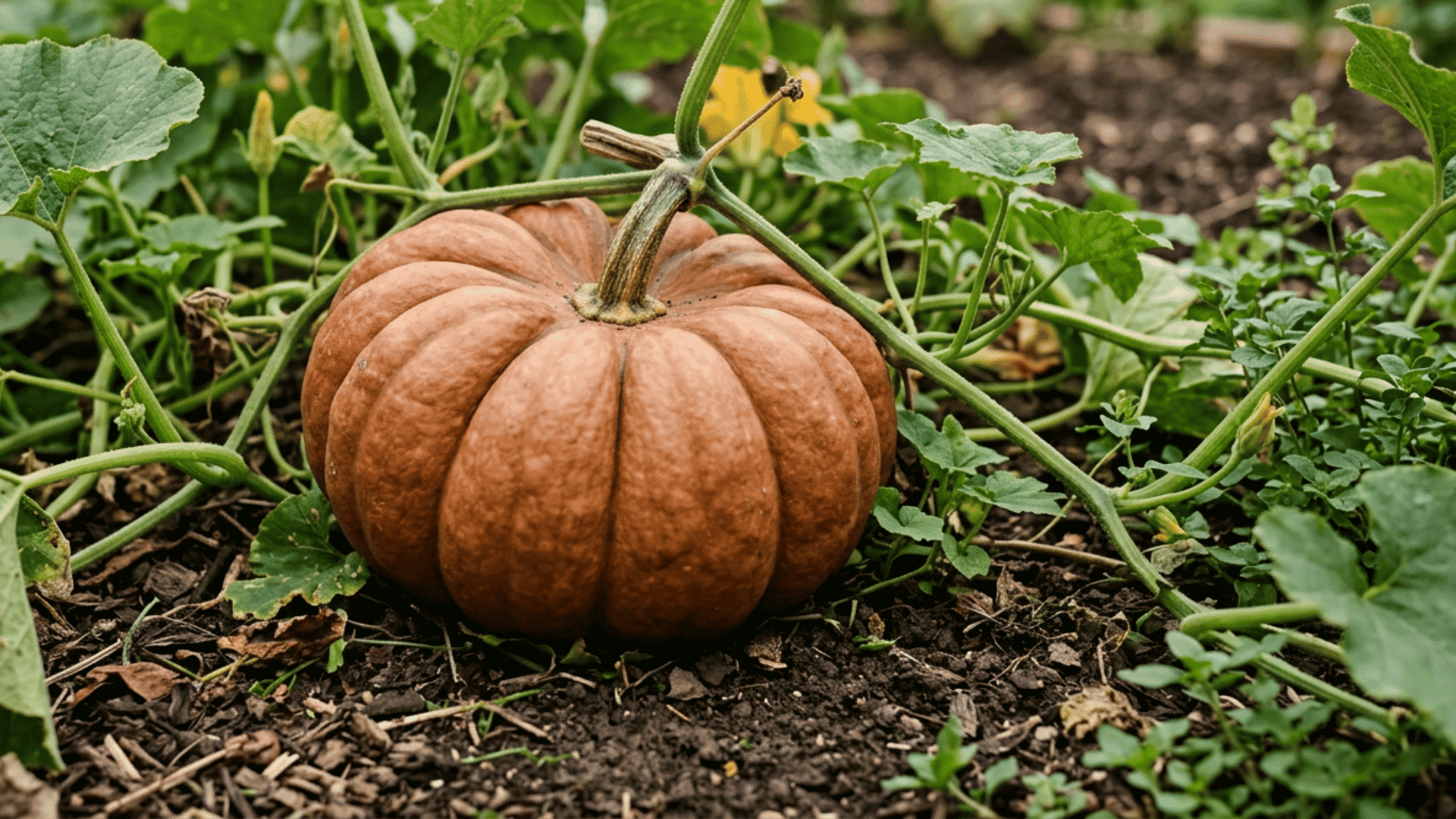
It is a large French heirloom pumpkin with a deeply lobed, flattened shape and a tan to dark brown skin. It typically weighs between 15 and 25 pounds.
The flesh is thick, deep orange, and very sweet with a rich flavor that improves after the skin cures and darkens post-harvest.
It also has a long storage life of six months or more. The striking appearance makes it a popular display pumpkin at fall markets.
It is a top pick for growers who want both beauty and flavor in one variety.
8. Long Island Cheese Pumpkin
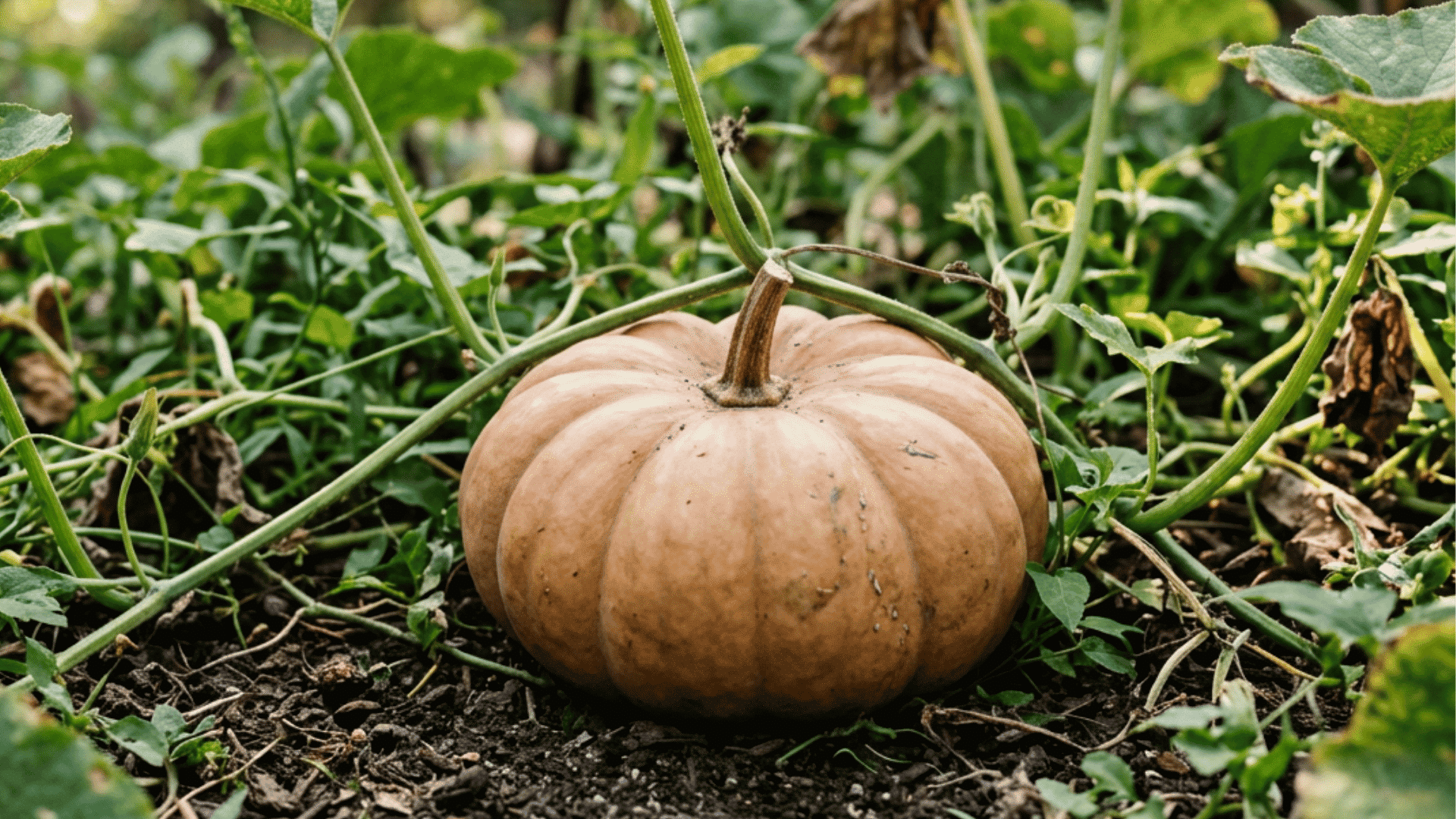
Long Island Cheese Pumpkin gets its name from its flattened, ribbed shape, which resembles a wheel of cheese.
It usually weighs between 6 and 10 pounds and has tan to buff colored skin.
The flesh inside is thick, rich, and sweet, making it one of the better eating pumpkins available. It performs well in soups, pies, and roasted dishes.
It also has a longer storage life than most pumpkins, often lasting three to six months in proper conditions.
9. Seminole Pumpkin
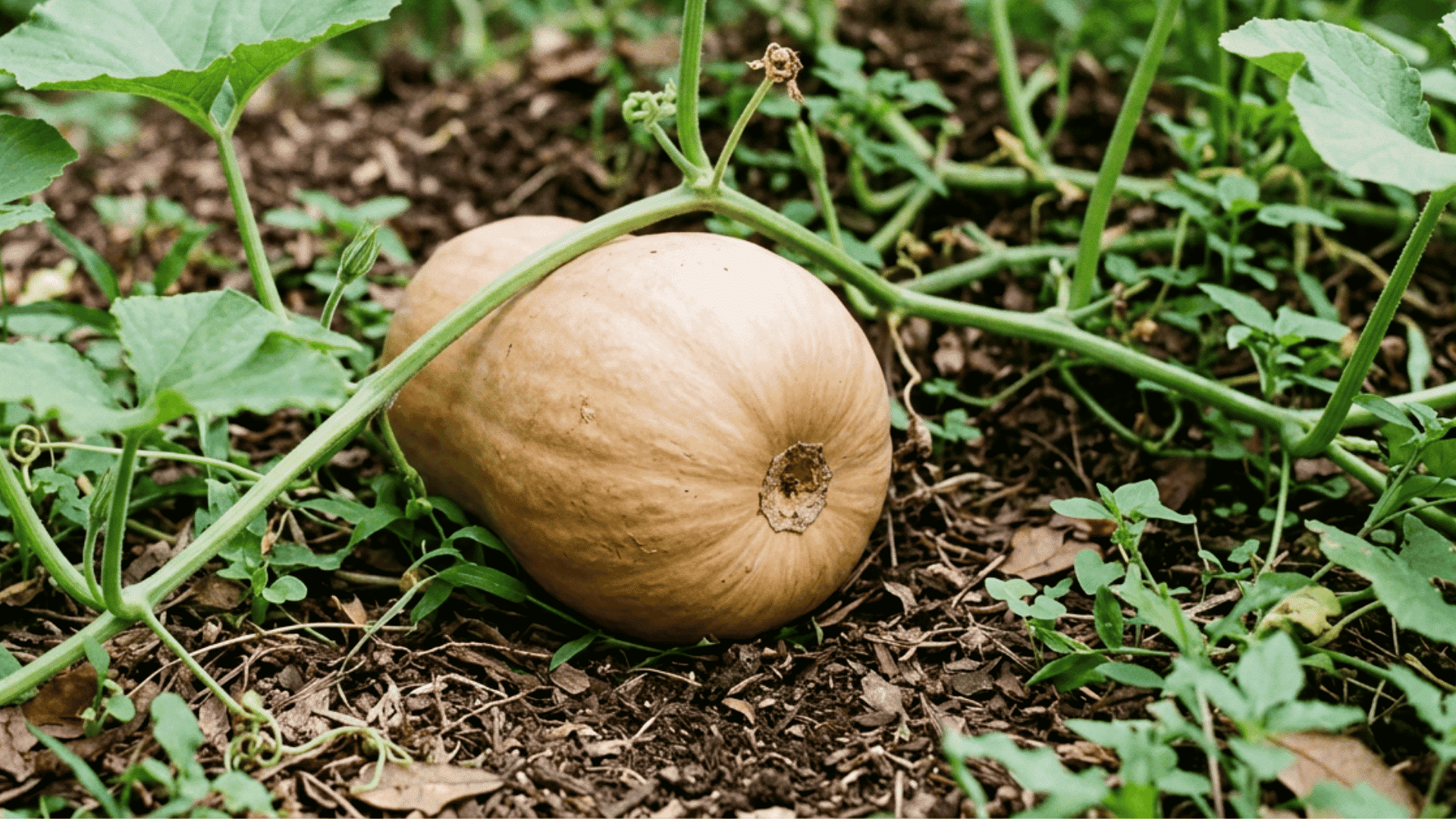
It has exceptional heat tolerance and disease resistance, making it one of the few pumpkin types that grows reliably in hot, humid climates where other varieties struggle.
It has a tan to buff-orange skin and a round to oblong shape, typically weighing between 5 and 10 pounds. The flesh is mild and slightly sweet, suitable for basic cooking and baking.
Storage life is remarkably long, often reaching six to twelve months under good conditions.
It is a practical and historically significant variety for growers in the southern United States who want a reliable, long-storing pumpkin.
10. Cushaw Pumpkin
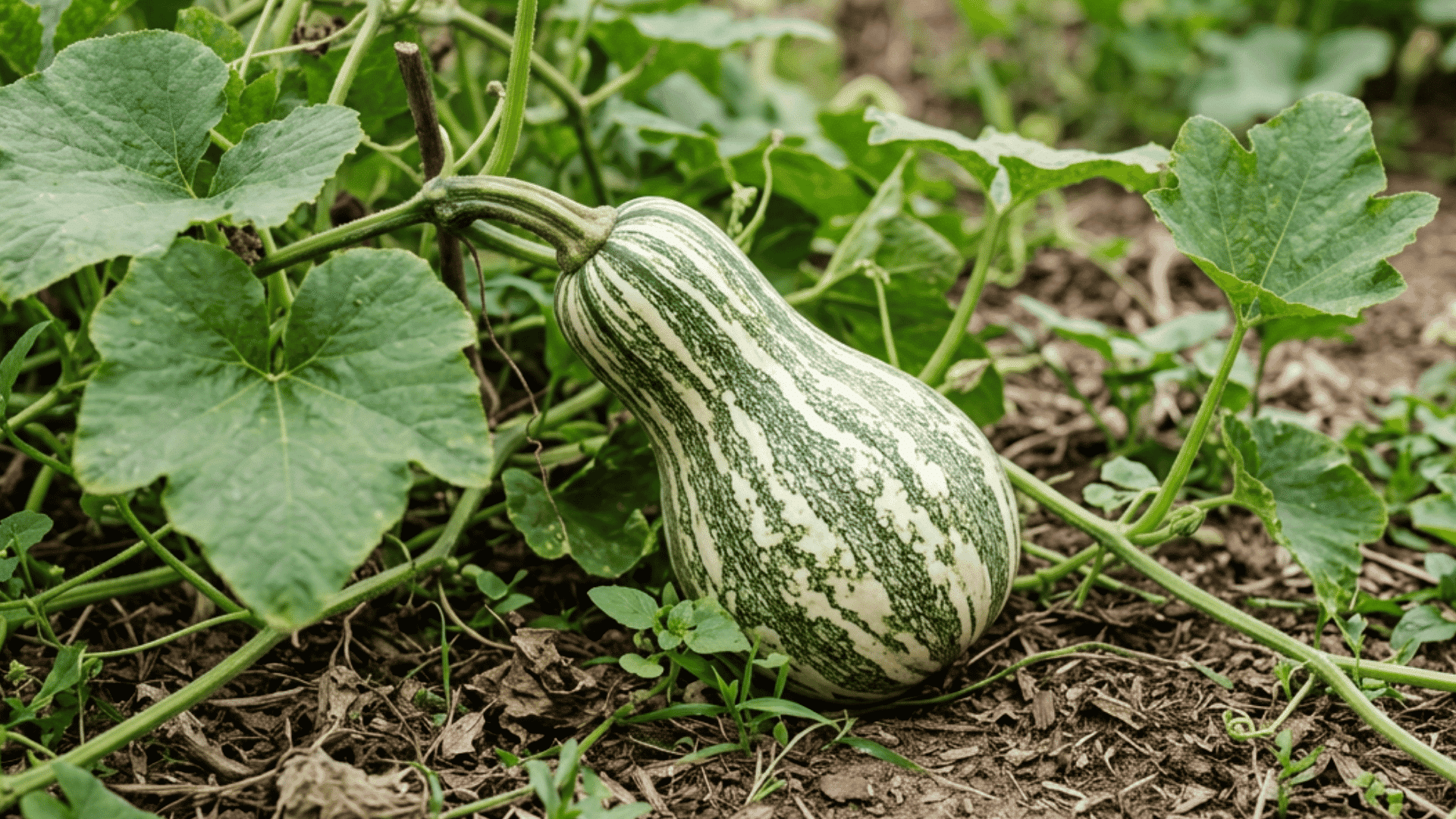
Cushaw is a large heirloom pumpkin with a distinctive crookneck shape and a green and white striped skin. It typically weighs between 10 and 20 pounds.
The flesh is mild and slightly sweet, with a texture that works well in pies, soups, and baked dishes.
It belongs to the Cucurbita argyrosperma species, which makes it more heat-tolerant than many other pumpkin types. Storage life is three to six months.
It is a reliable producer in warm climates and a good choice for gardeners who want a flavorful, heat-tolerant pumpkin variety.
11. Howden Pumpkin
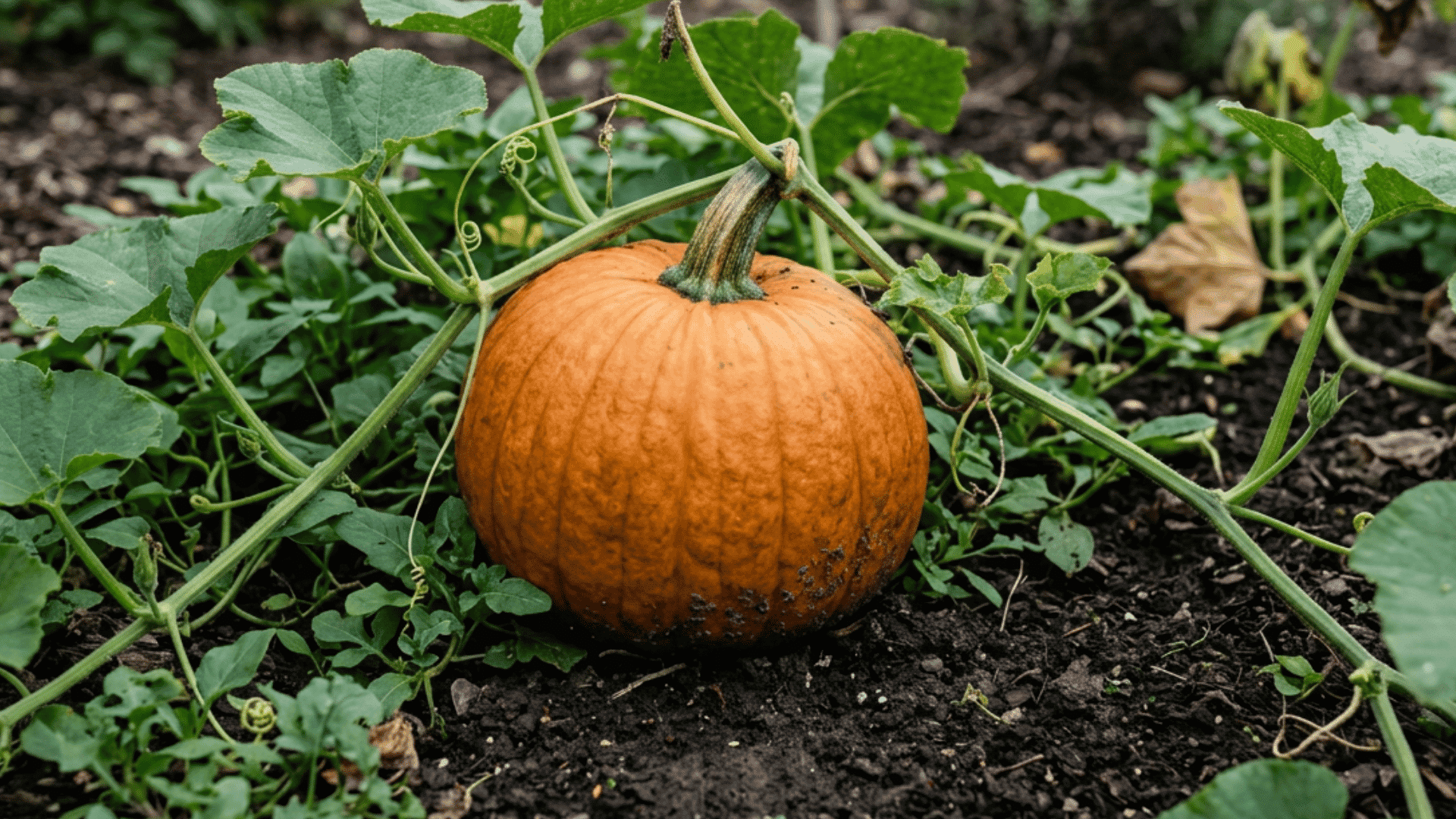
It typically weighs between 15 and 25 pounds and has a deep orange skin with defined ribs running from top to bottom.
The stem is thick and sturdy, which makes it easier to handle and display. Inside, the walls are firm enough to hold a carved design without collapsing too quickly.
The flesh is not known for great flavor, so most people do not cook with it.
It grows well in most climates and produces reliable results for both home gardeners and large-scale growers.
12. Connecticut Field Pumpkin
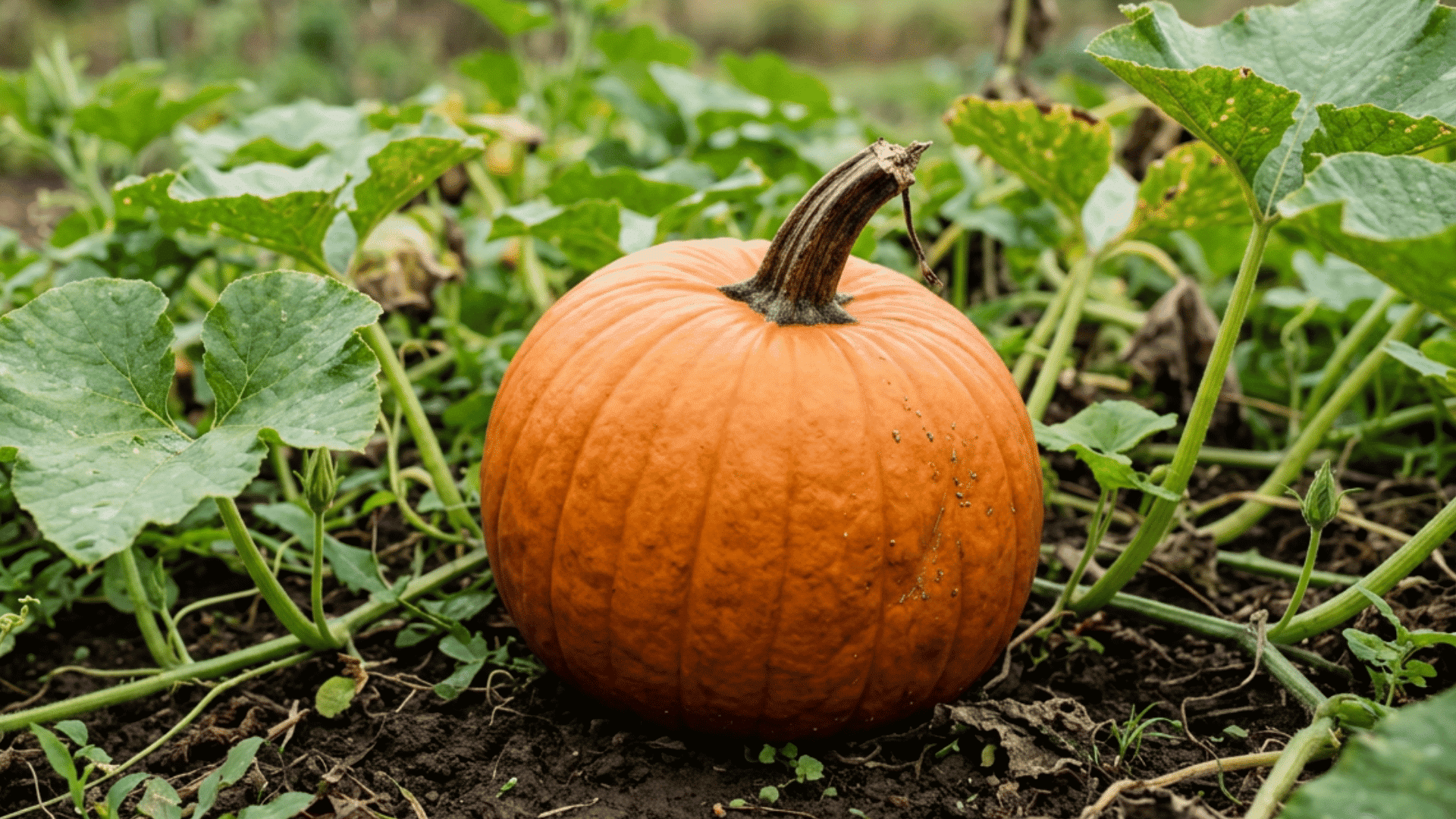
It is a large pumpkin, typically weighing 15 to 25 pounds, with a classic round shape and bright orange skin.
The flesh is mild in flavor and somewhat stringy, making it a better fit for carving and decoration than for serious cooking.
Many farmers grow Connecticut Field pumpkins for pick your own patches because they produce a high yield and have a look that people expect from a traditional pumpkin.
The vines spread widely and need plenty of space. Storage life is about two to three months. It is a reliable, no-fuss variety that performs well season after season.
13. Jack-O’-Lantern Pumpkin
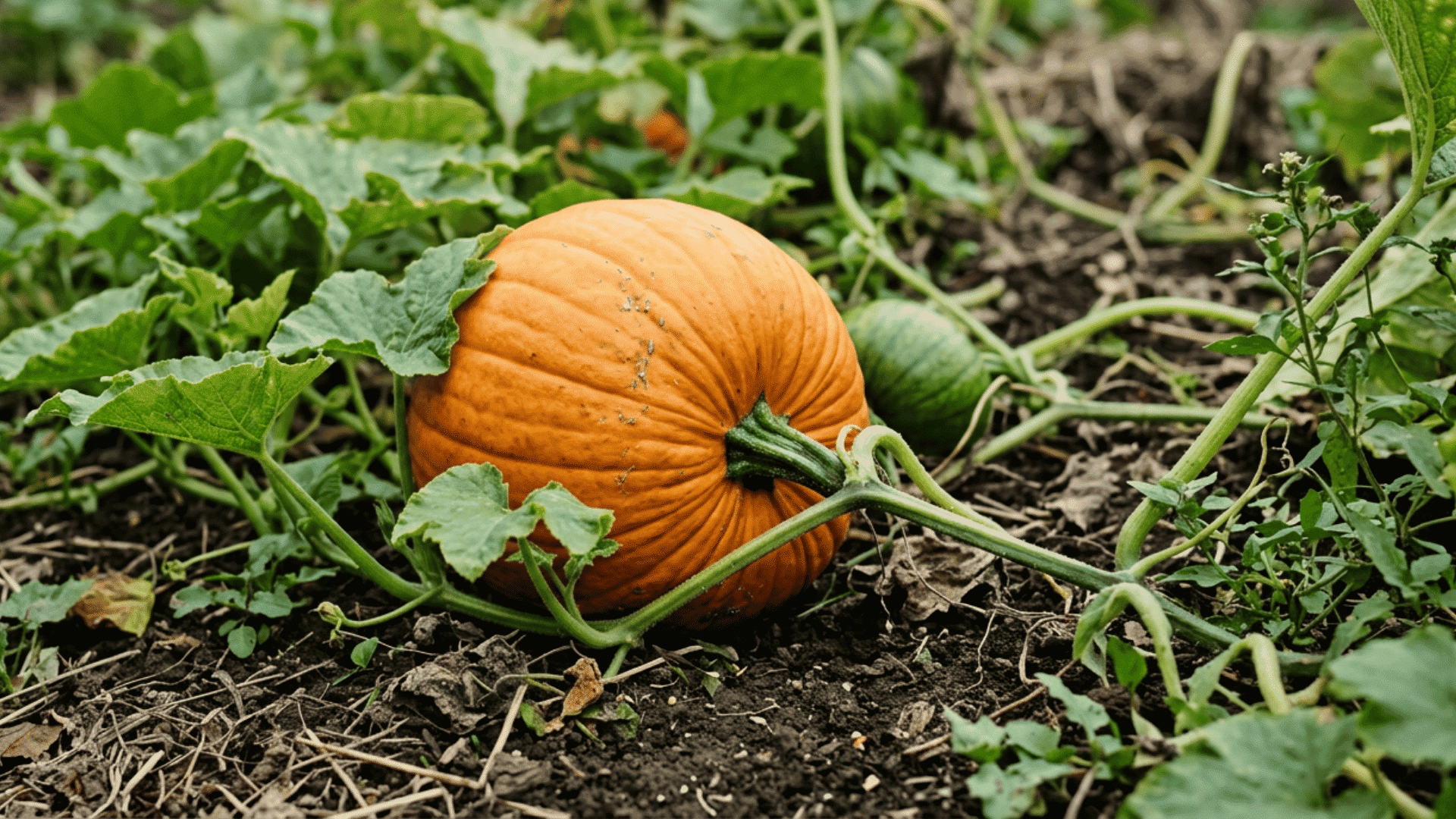
Jack-O’-Lantern is the variety most people picture when they think of Halloween. It weighs between 10 and 18 pounds on average and has a smooth, bright orange skin with a round to slightly oval shape.
The walls are thick enough for carving but not overly dense, making the cutting process manageable for most people.
Like other carving types, the flesh is mild and not particularly flavorful, so it is rarely used in cooking.
They have a relatively short shelf life after being carved, lasting about one to two weeks before the flesh begins to break down.
14. Autumn Gold Pumpkin
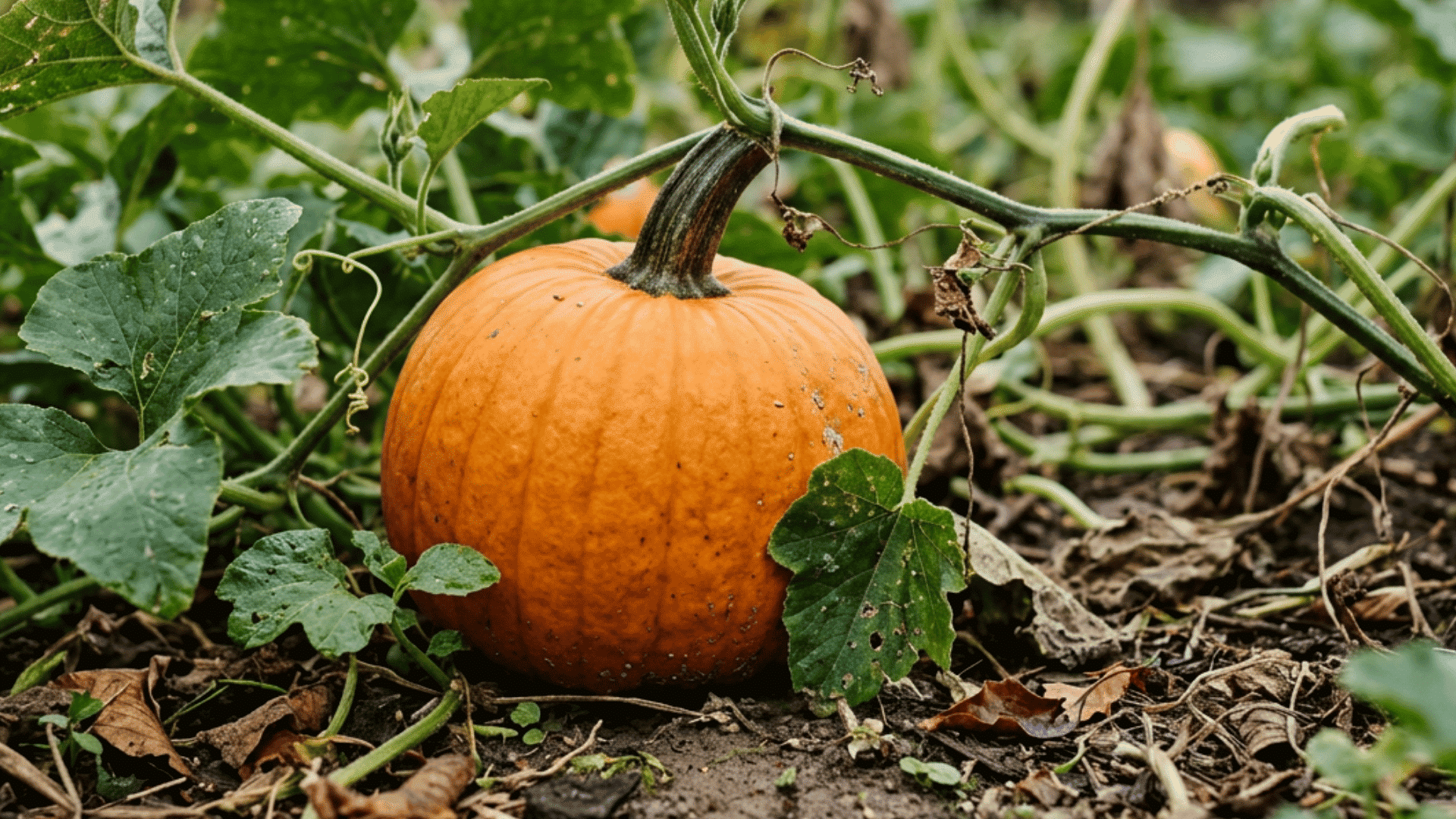
Autumn Gold is a medium-sized pumpkin that typically weighs between 7 and 10 pounds. It has a golden-orange skin and a round, uniform shape with light ribbing.
One of the earliest pumpkin varieties to mature in the season, Autumn Gold turns orange earlier than most other varieties, which makes it a popular choice for early fall markets and pumpkin patches that open before peak harvest season.
The flesh is mild and not particularly flavorful, so it is used more for carving and decoration than for cooking.
Storage life is about two to three months. It is a dependable variety for home growers and commercial growers alike.
15. Cinderella Pumpkin (Rouge Vif d’Etampes)
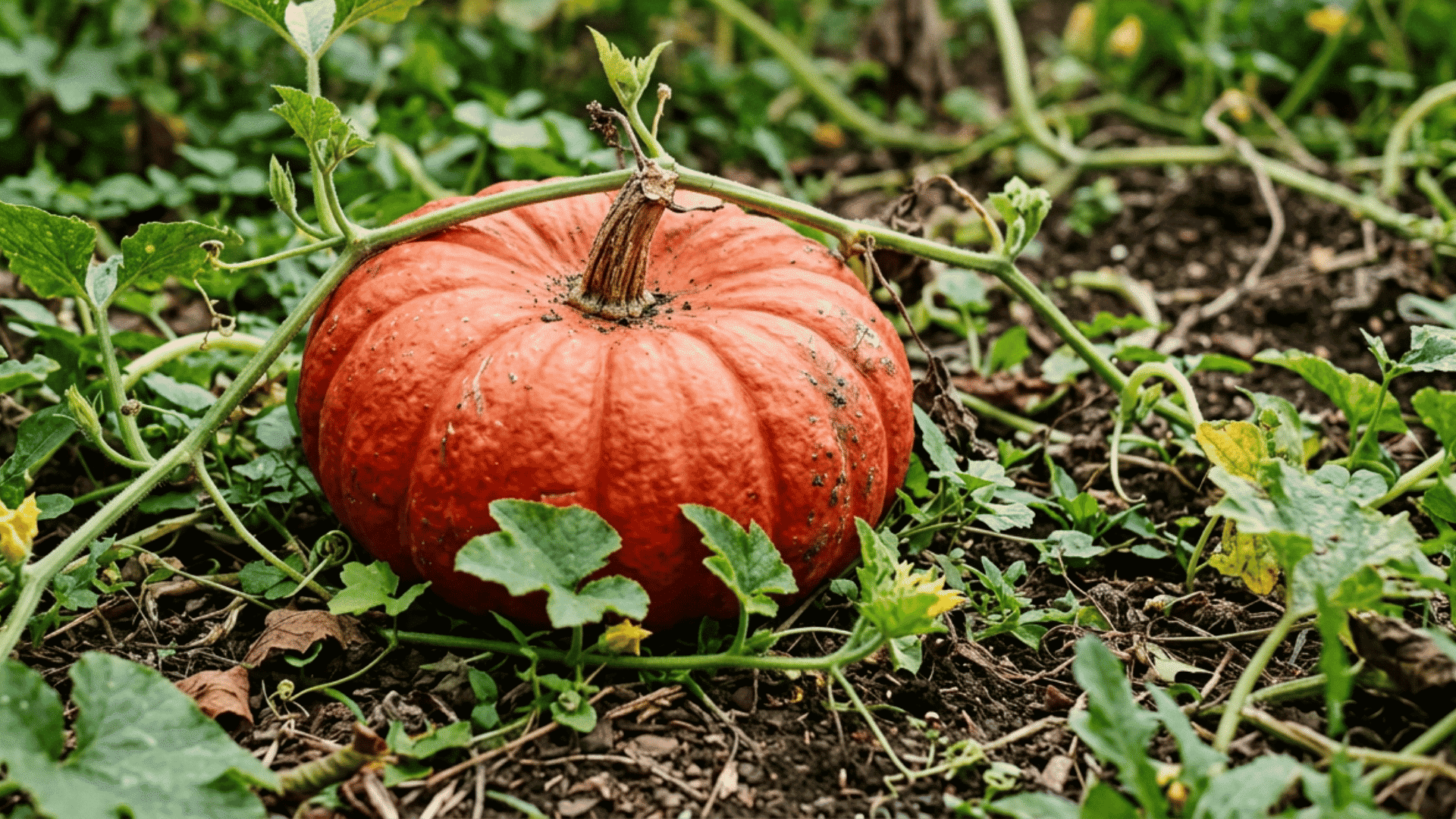
It has a deeply flattened shape with heavy ribbing and a vivid red-orange skin that looks like the carriage from the fairy tale. It typically weighs between 15 and 35 pounds.
The flesh is mild with a slightly sweet flavor and works reasonably well in soups and roasted dishes. However, most people grow Cinderella pumpkins for decoration rather than cooking.
Storage life ranges from three to six months. The thick skin helps it hold up well through the entire fall season without softening quickly.
16. Fairytale Pumpkin
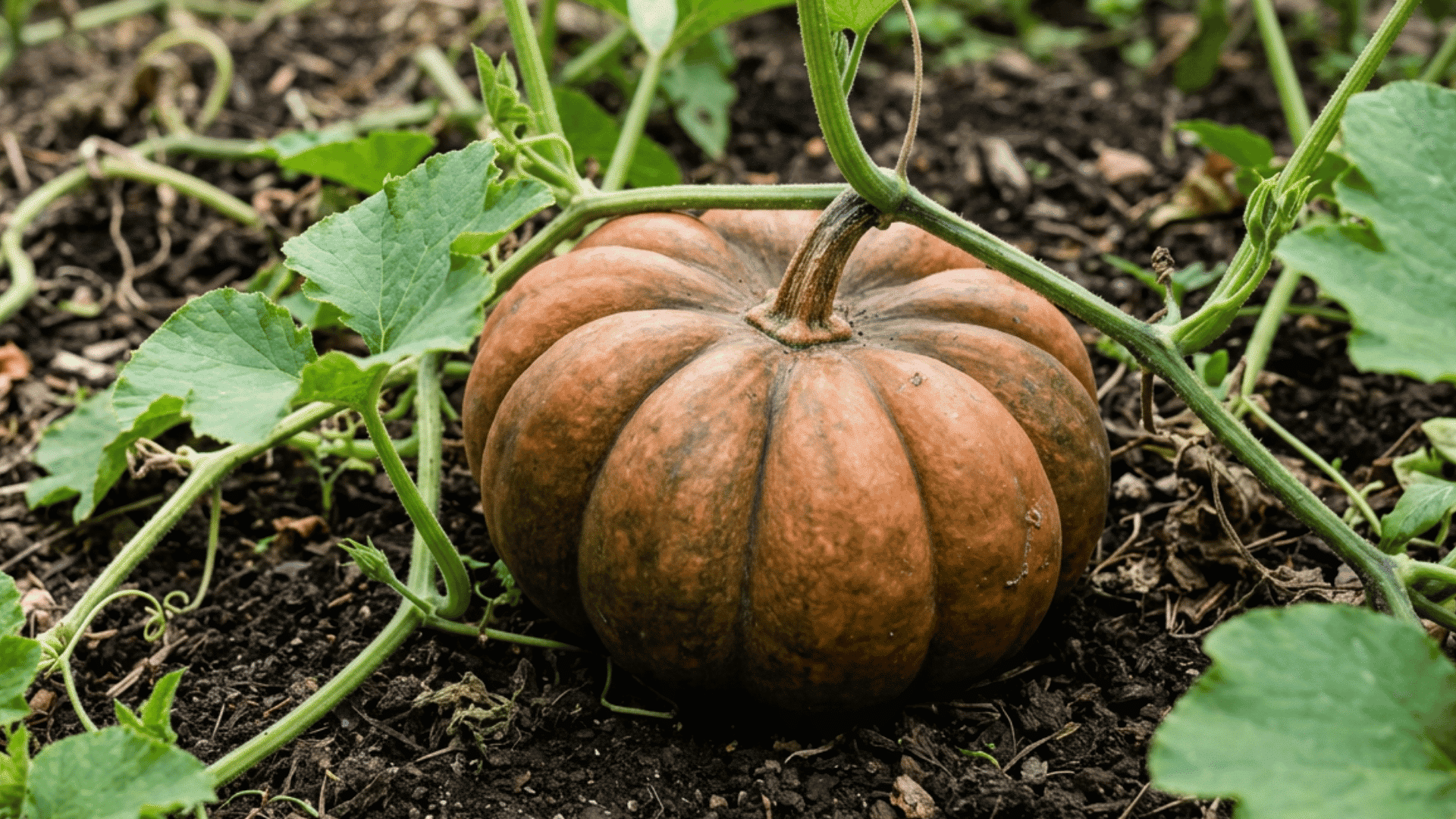
It typically weighs between 15 and 25 pounds. The flesh is thick, dense, and sweet, making it one of the better dual-purpose pumpkins that works for both cooking and display.
It performs well in soups, pies, and roasted preparations, and the flavor is considered richer than many standard carving types.
They have a long storage life, often lasting four to six months under good conditions.
The unique shape and dark color make them a strong choice for fall decorating when a more distinctive look is needed.
17. Jarrahdale Pumpkin
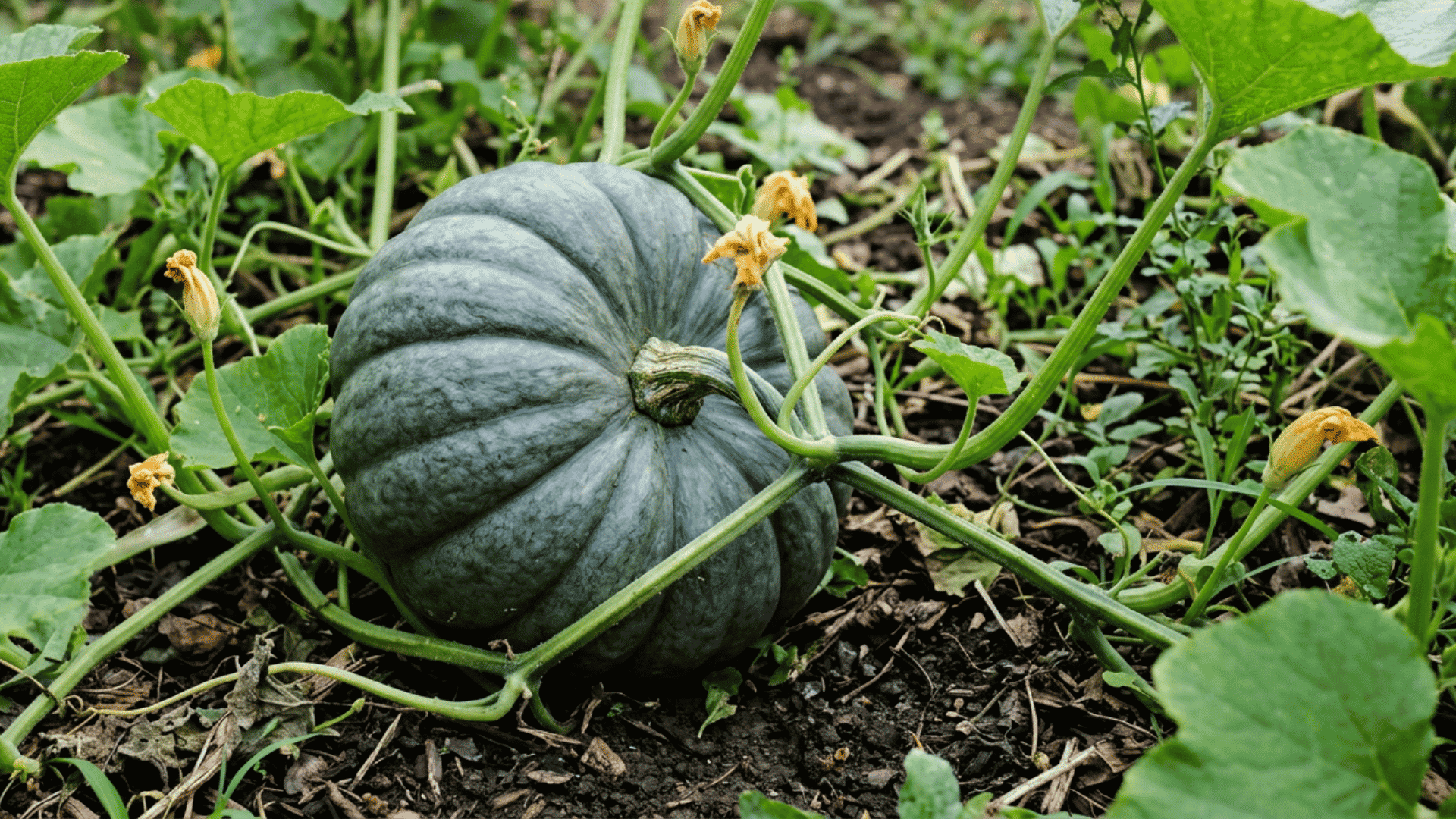
It has a flattened, ribbed shape similar to Cinderella but with a distinctive blue-gray skin that sets it apart from most other pumpkins.
It typically weighs between 8 and 15 pounds. The flesh is sweet, dry, and fine-grained, making it a solid choice for soups, roasting, and baking.
Jarrahdale holds its color well through the fall season, making it a favorite for decorative use.
Storage life is four to six months, longer than wide orange varieties. It is a reliable dual-purpose pumpkin that works equally well in the kitchen and on the front porch.
18. Marina di Chioggia Pumpkin
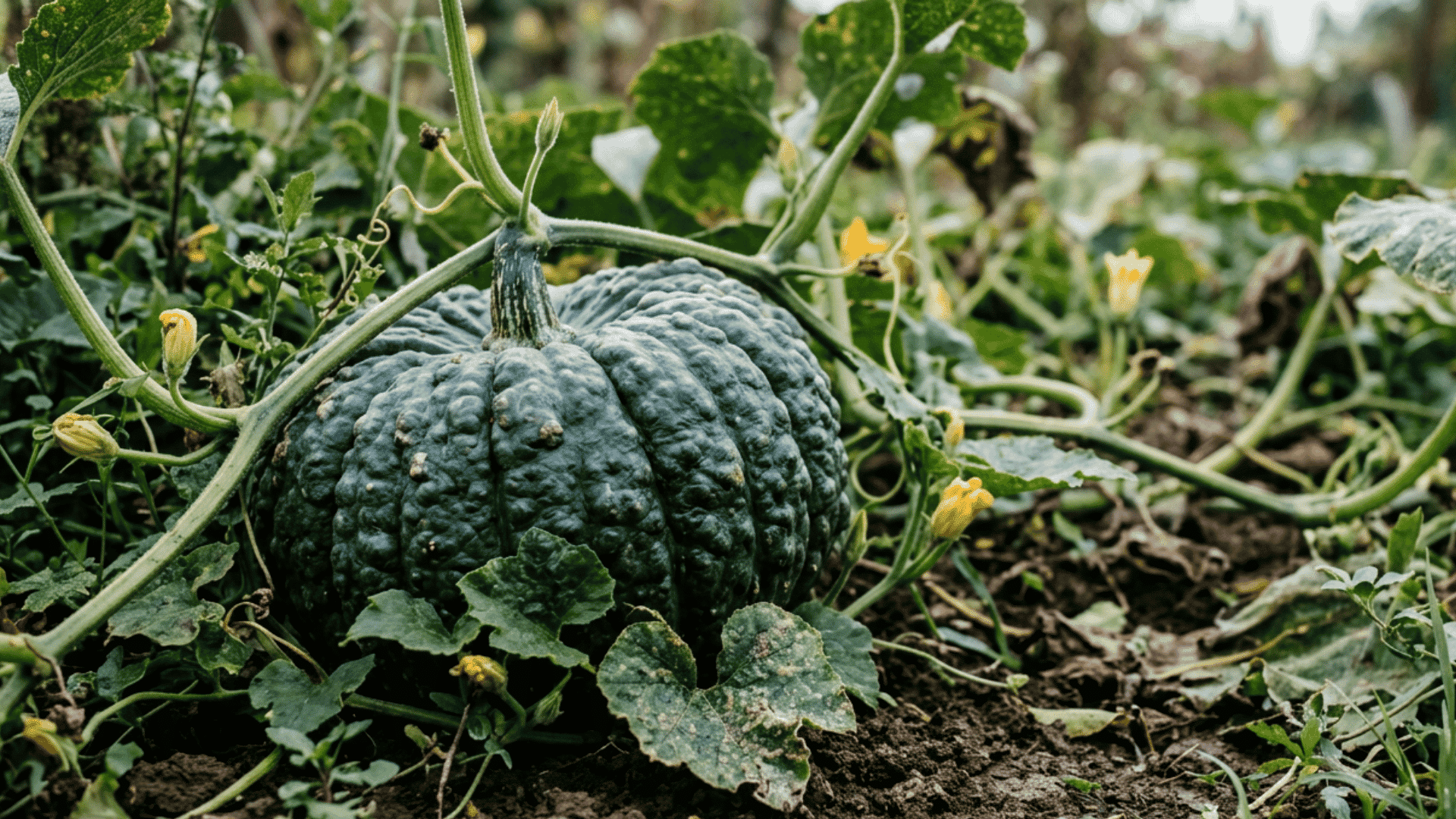
It has a bumpy, deeply textured blue-green skin and a turban-like shape that makes it one of the most distinctive-looking pumpkins available.
It typically weighs between 10 and 20 pounds. The flesh is rich, sweet, and dense, making it one of the better-cooking pumpkins for flavor.
Storage life is 6 months or more, making it a practical choice for winter cooking. It is a strong pick for growers who want a flavorful, long-storing pumpkin with a truly unique appearance.
19. Black Futsu Pumpkin
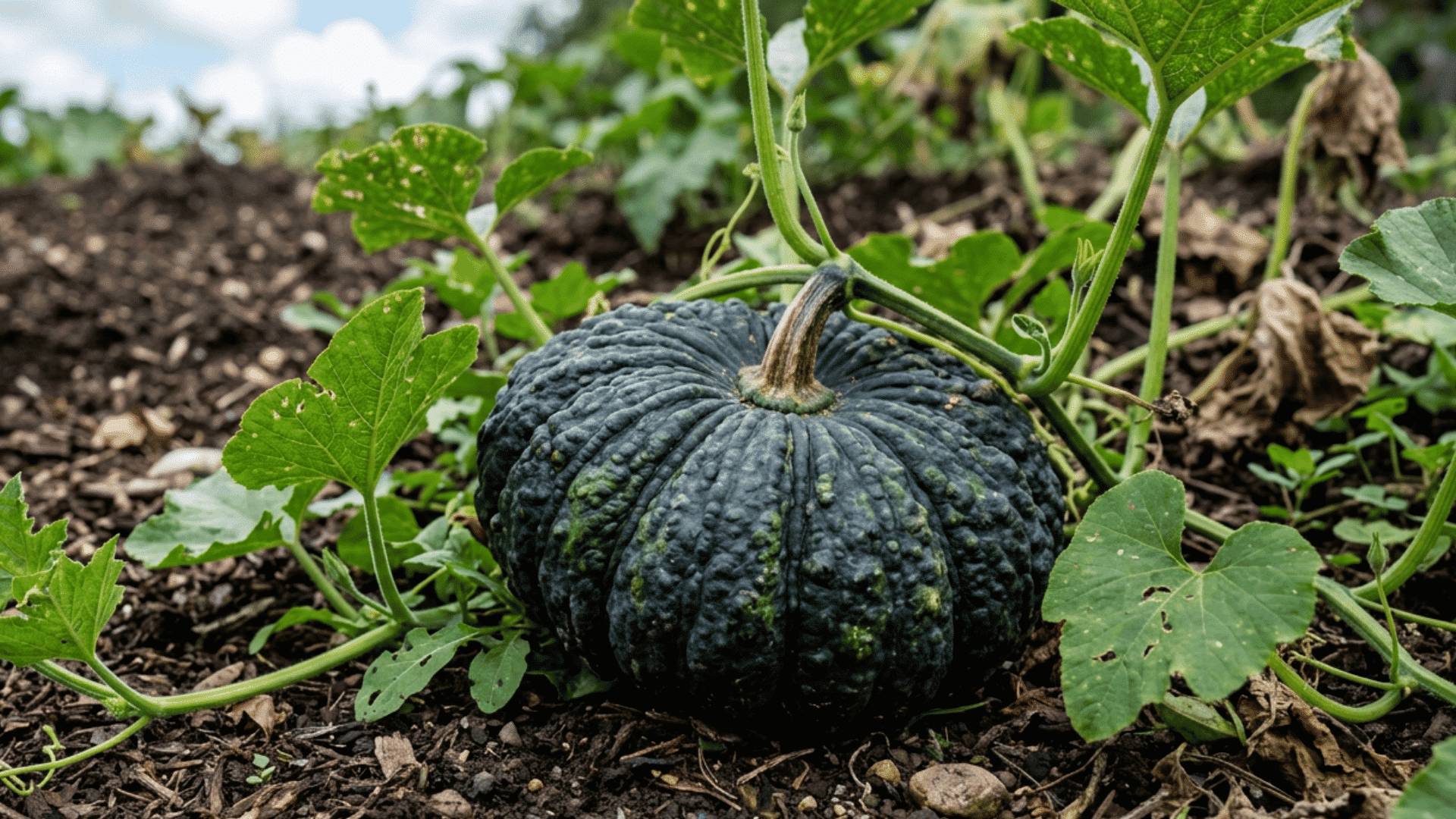
Black Futsu is a Japanese heirloom pumpkin with a striking appearance. When young, the skin is nearly black, but it gradually transitions to a tan or bronze color as it fully matures.
It has a deeply ridged, flattened shape and typically weighs between 3 and 5 pounds. The flesh is nutty and sweet, with a flavor that deepens after the pumpkin has been stored for several weeks post-harvest.
Storage life is about three to four months. It is a compact variety that grows well in smaller garden spaces.
20. Galeux D’Eysines Pumpkin
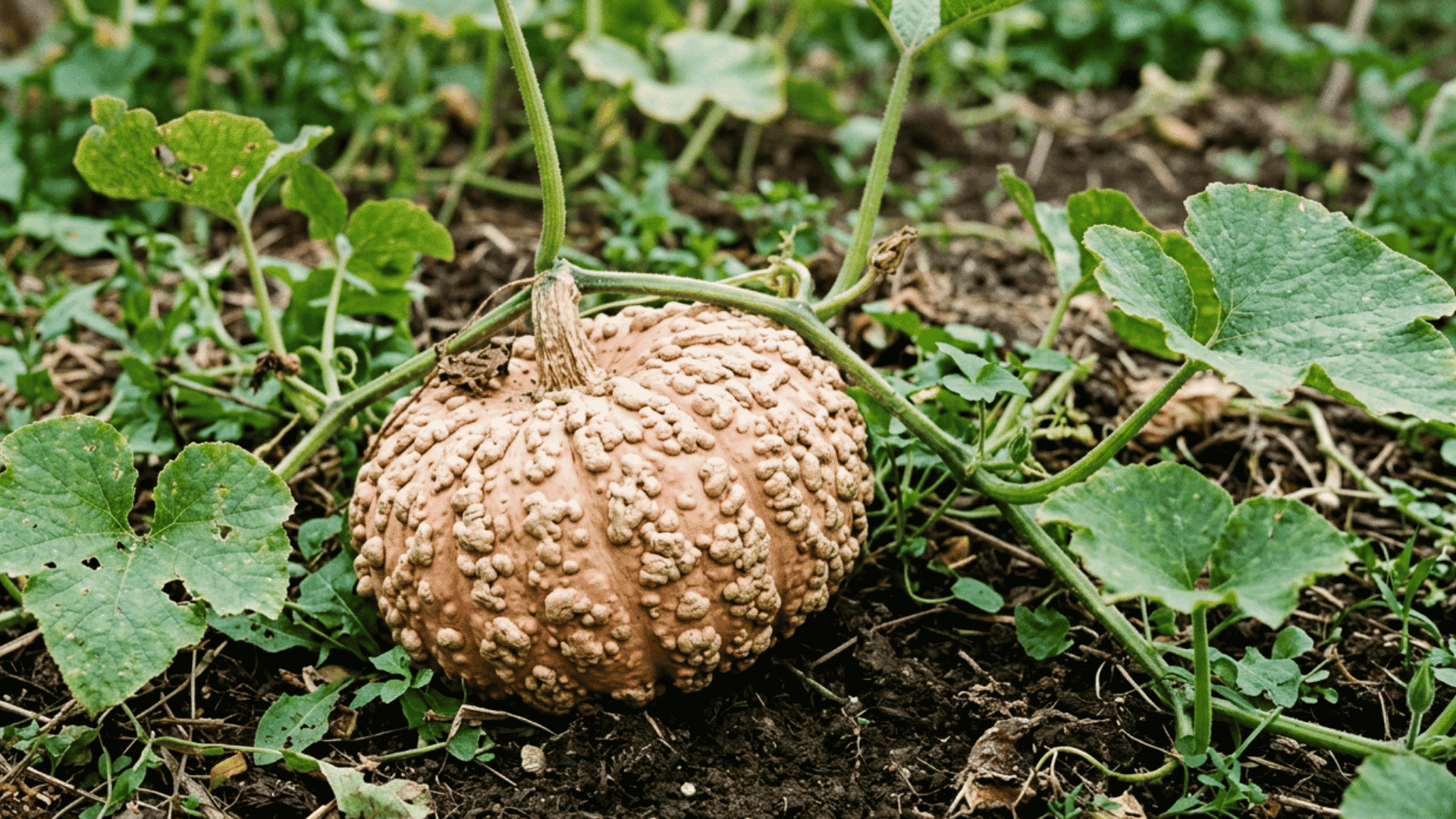
As it matures, the skin develops a rough, peanut shell-like texture caused by sugar seeping through the skin and hardening on the surface.
The base color is a pale salmon-pink, and the warty surface becomes more pronounced as the pumpkin ages. It typically weighs between 10 and 20 pounds.
The sugar deposits on the skin are not a flaw; they indicate high natural sugar content in the flesh, which makes it both visually striking and genuinely flavorful.
Despite its strange appearance, the flesh is actually sweet and smooth, making it a decent cooking pumpkin for soups and baked dishes. Storage life is four to six months.
21. Lakota Pumpkin
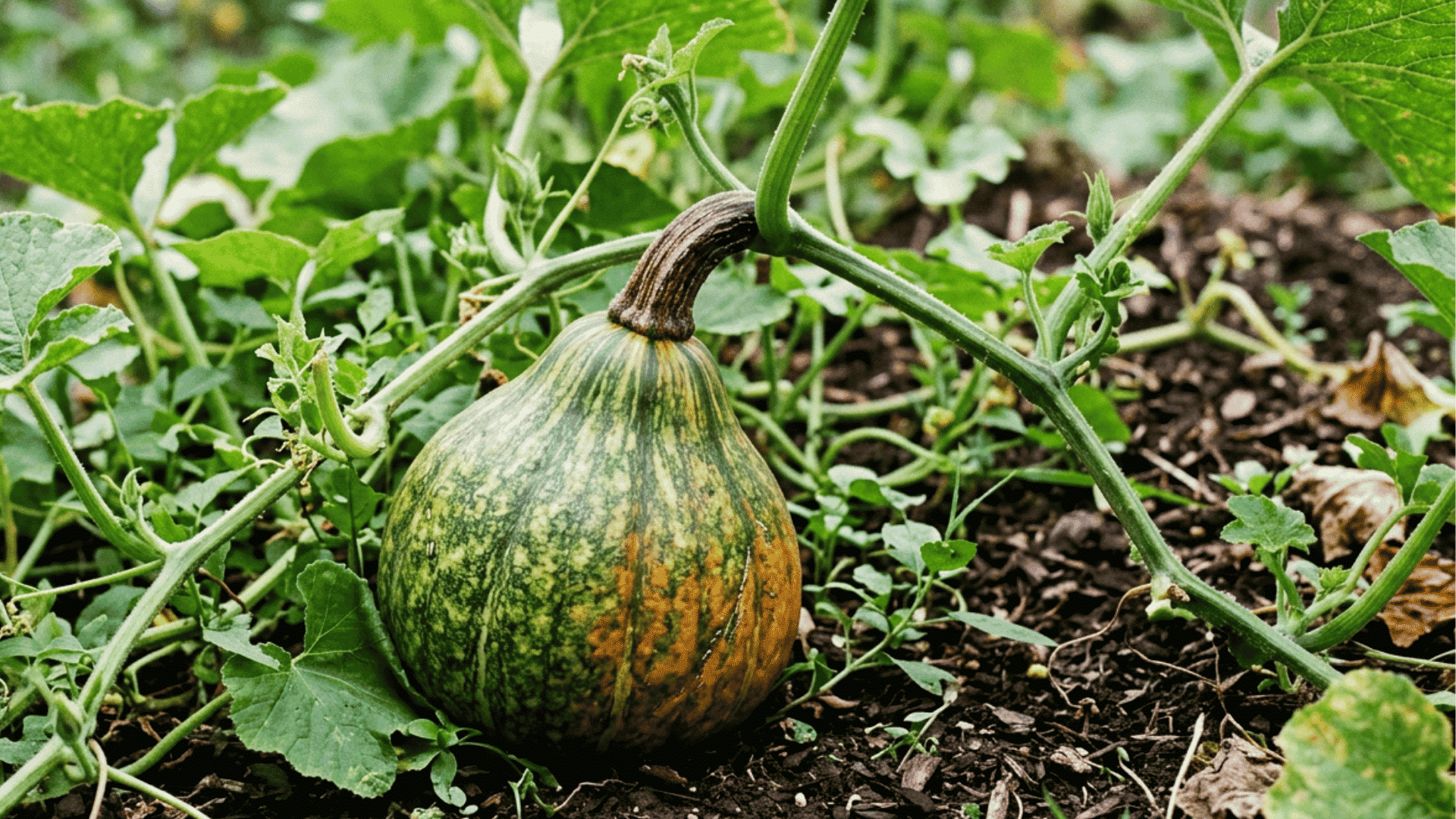
It typically weighs between 5 and 8 pounds and has a slightly pear-shaped form. The flesh is mild and sweet, making it a decent option for soups, roasting, and simple baked dishes.
Lakota pumpkins are grown both for cooking and for decorative use, as the two-tone coloring makes them visually interesting in fall arrangements. Storage life is about three to four months.
Lakota is available through heirloom and specialty seed suppliers. It is a compact variety that requires less growing space than larger pumpkin varieties.
22. Casper Pumpkin
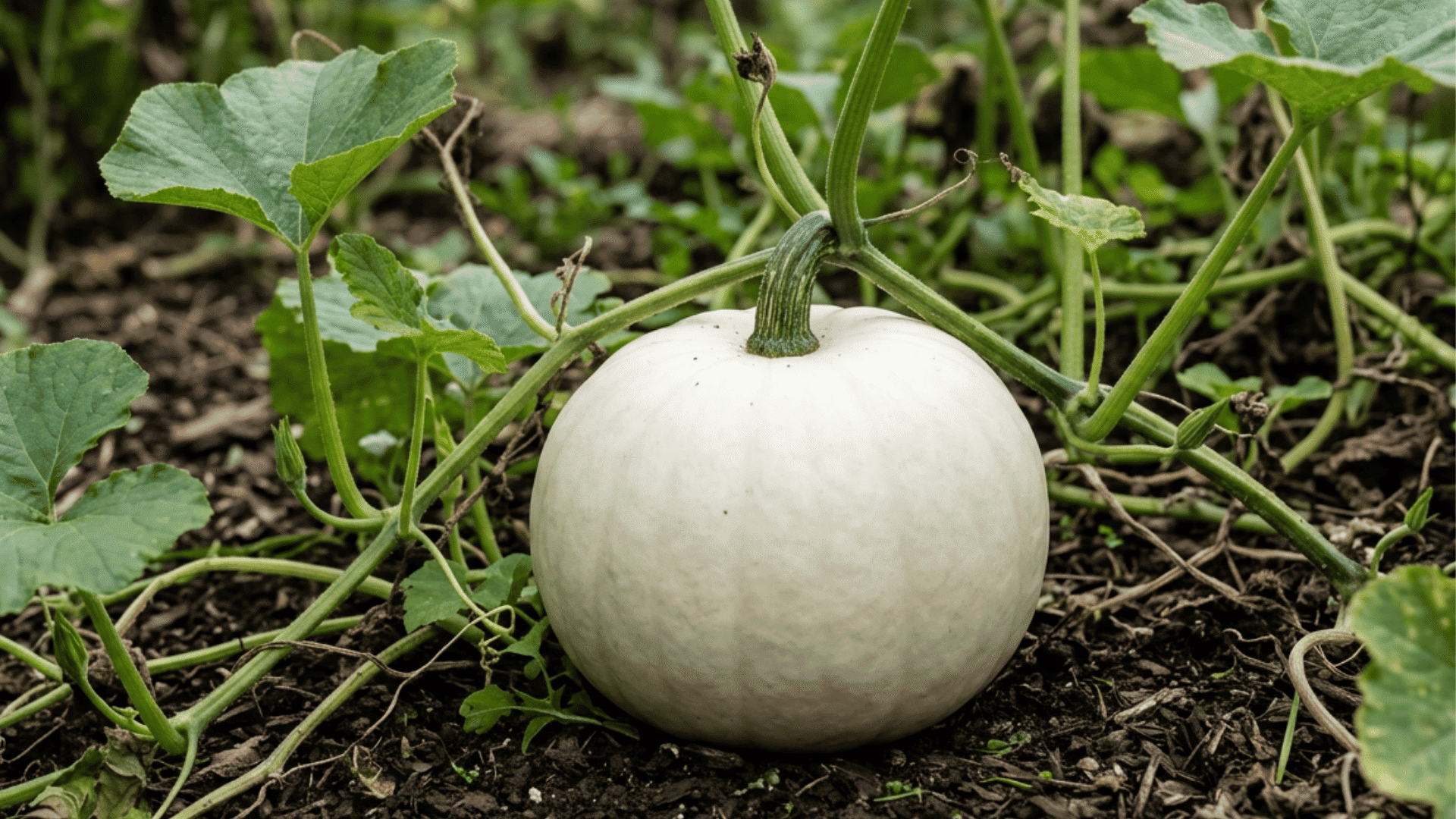
Casper is a medium-sized white pumpkin that typically weighs between 9 and 14 pounds. The skin is smooth and creamy white, while the flesh inside is orange and mild in flavor.
It works reasonably well for baking and cooking, though most people grow it for its appearance rather than its taste.
Casper is a practical choice for anyone who wants a white pumpkin that can serve double duty as both a decorative piece and an edible option.
23. Lumina Pumpkin
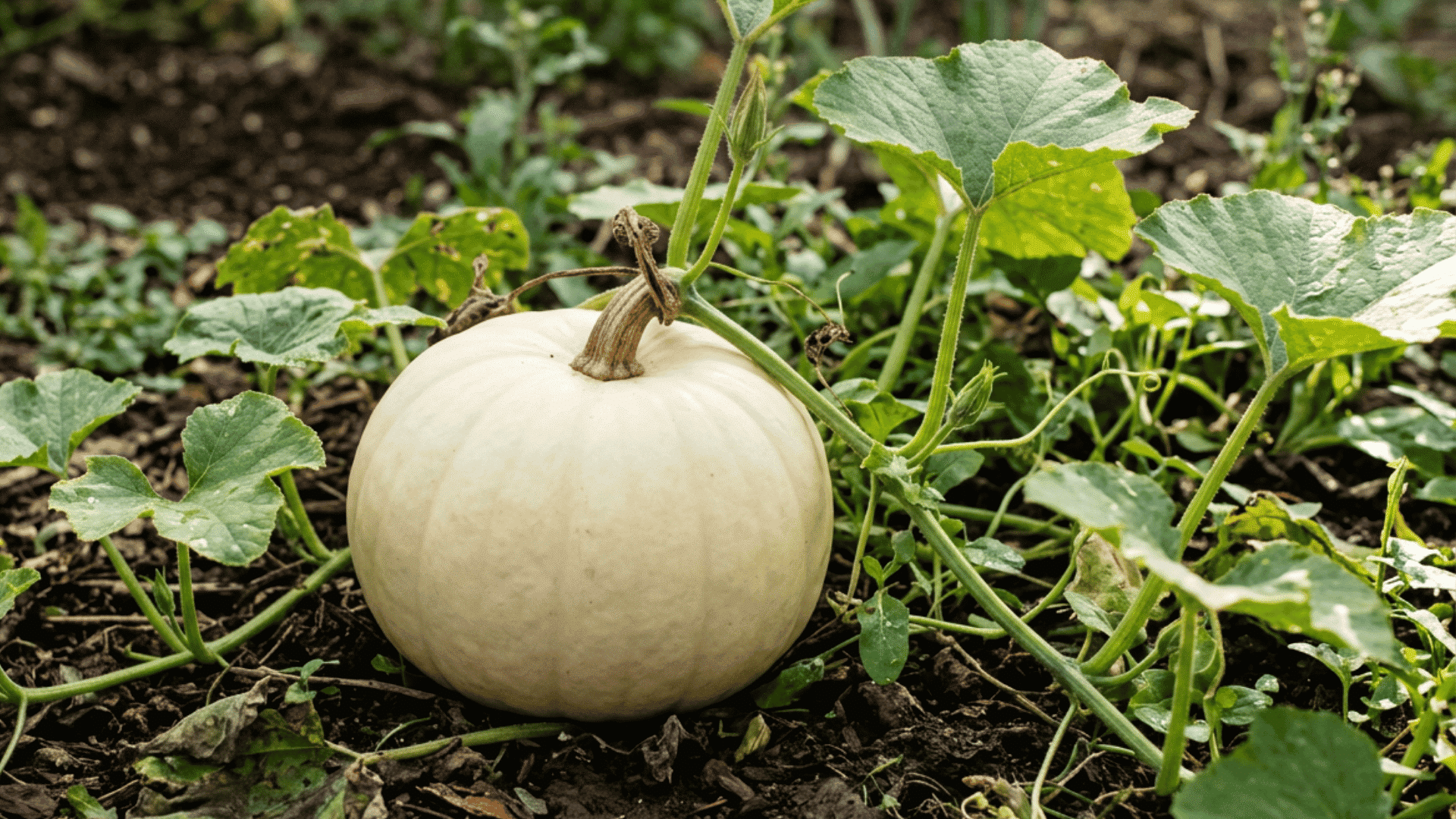
Lumina is another well-known white pumpkin variety with a smooth, bright white skin and a round shape. It usually weighs between 10 and 12 pounds.
The flesh is orange and mild, similar to Casper, and can be used in basic cooking and baking.
The white surface takes paint and markers well, making it popular for fall crafts and Halloween decorating.
Lumina vines are productive, making them a reasonable choice for home gardeners who want something different from the standard orange varieties.
24. Polar Bear Pumpkin
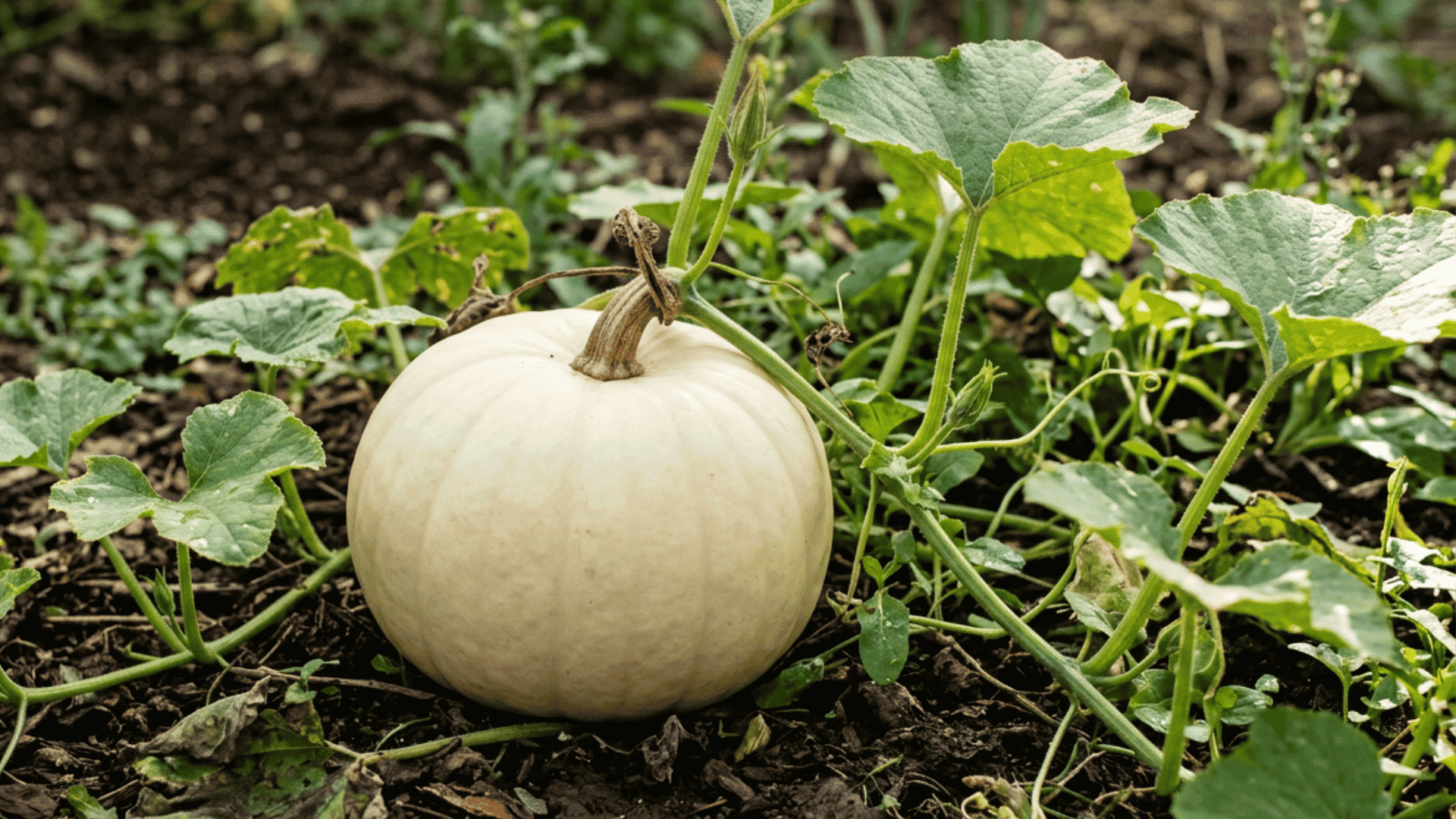
Polar Bear is a large white pumpkin that typically weighs between 15 and 25 pounds. It has a smooth, creamy white skin and a round to slightly oblong shape.
The flesh is mild and edible but not known for outstanding flavor. Polar Bear is grown mainly for decorative use, where its large size and clean white color make it a standout piece for fall displays.
Storage life is about two to three months. It is not as widely available as Casper or Lumina but can be found at specialty nurseries and through seed catalogs.
25. Baby Boo Pumpkin
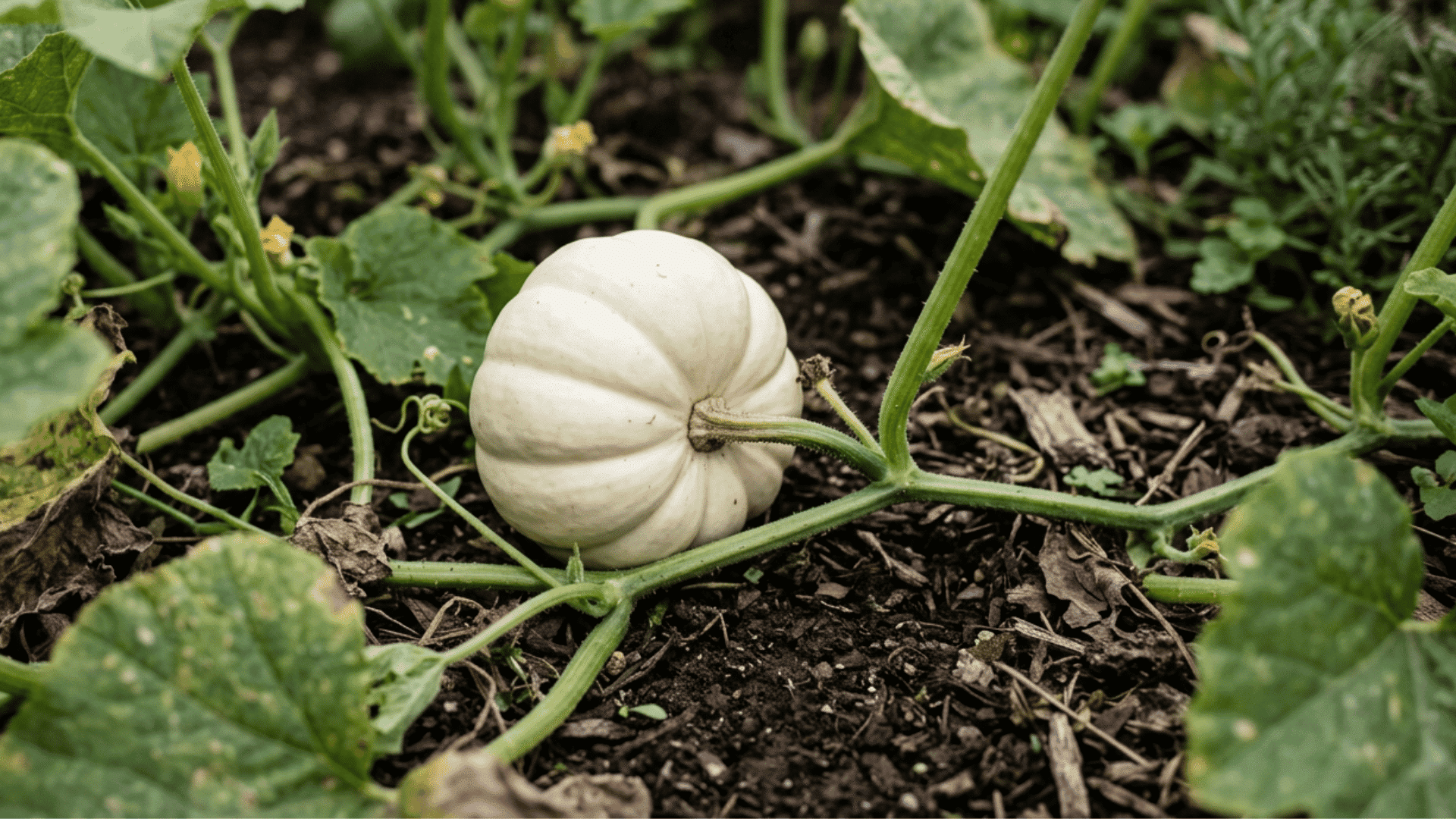
Baby Boo is a miniature white pumpkin that weighs less than one pound at full maturity.
It has a smooth, flat shape with soft ribbing and a clean white skin, making it one of the most recognizable mini pumpkin varieties.
Baby Boo is grown almost entirely for decoration and is a staple in fall table centerpieces, wreaths, and seasonal arrangements. The flesh is edible but bland and, in most cases, not worth cooking with.
Storage life is about two to three months. It is one of the easiest mini pumpkin varieties to find and use for fall decorating.
26. Jack Be Little Pumpkin
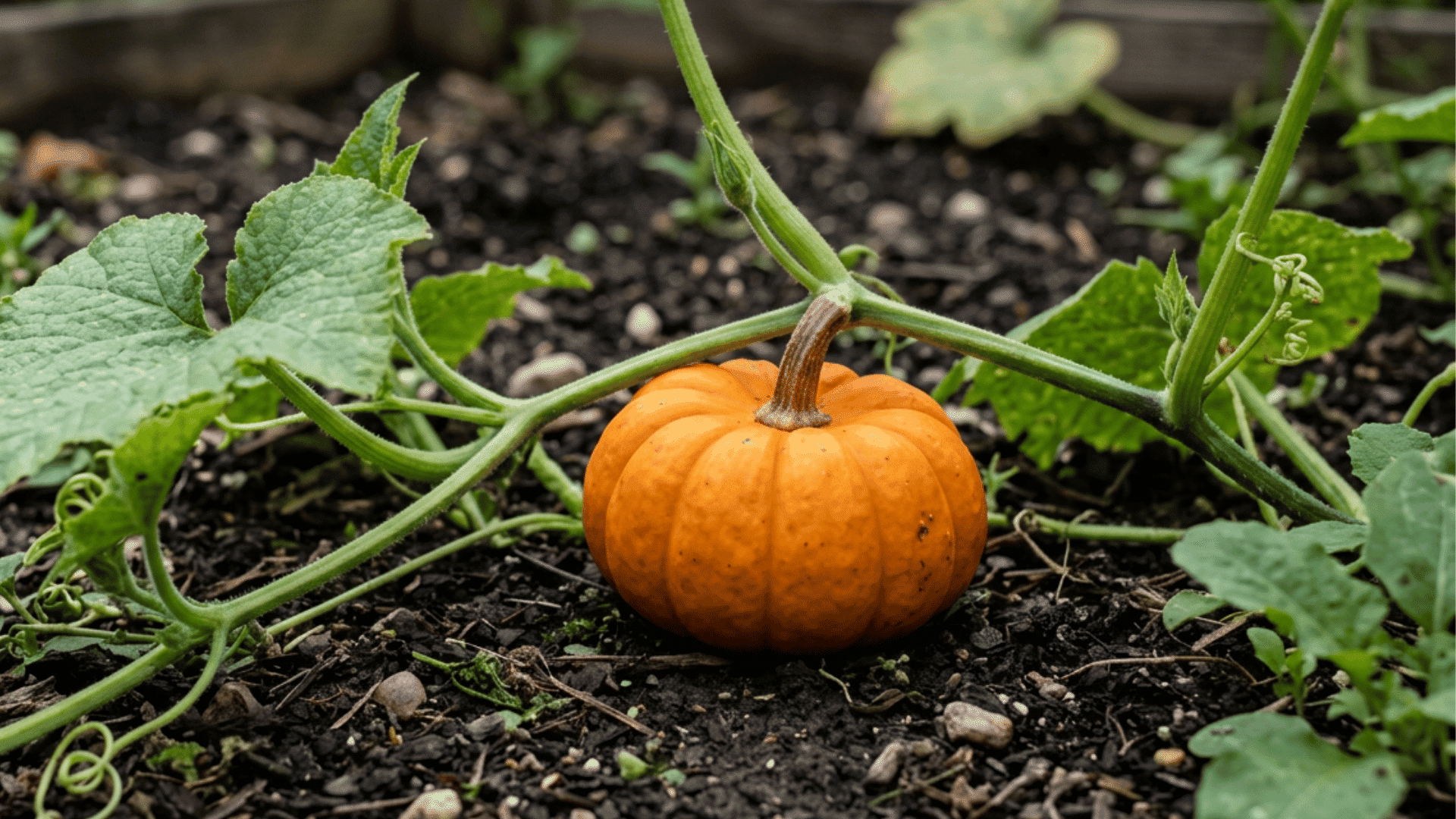
Jack Be Little is one of the most popular mini pumpkin varieties available. It weighs between 2 and 4 ounces at maturity and has a small, flattened shape with defined ribs and a bright orange skin.
The flesh is mildly sweet and technically edible, but the size makes it impractical for cooking. They are vigorous and productive, often producing a large number of fruits per vine.
They are widely available as transplants and seeds each spring. Storage life is about two to three months.
The small size and classic pumpkin shape make them a reliable and affordable choice for fall decorating projects.
27. Munchkin Pumpkin
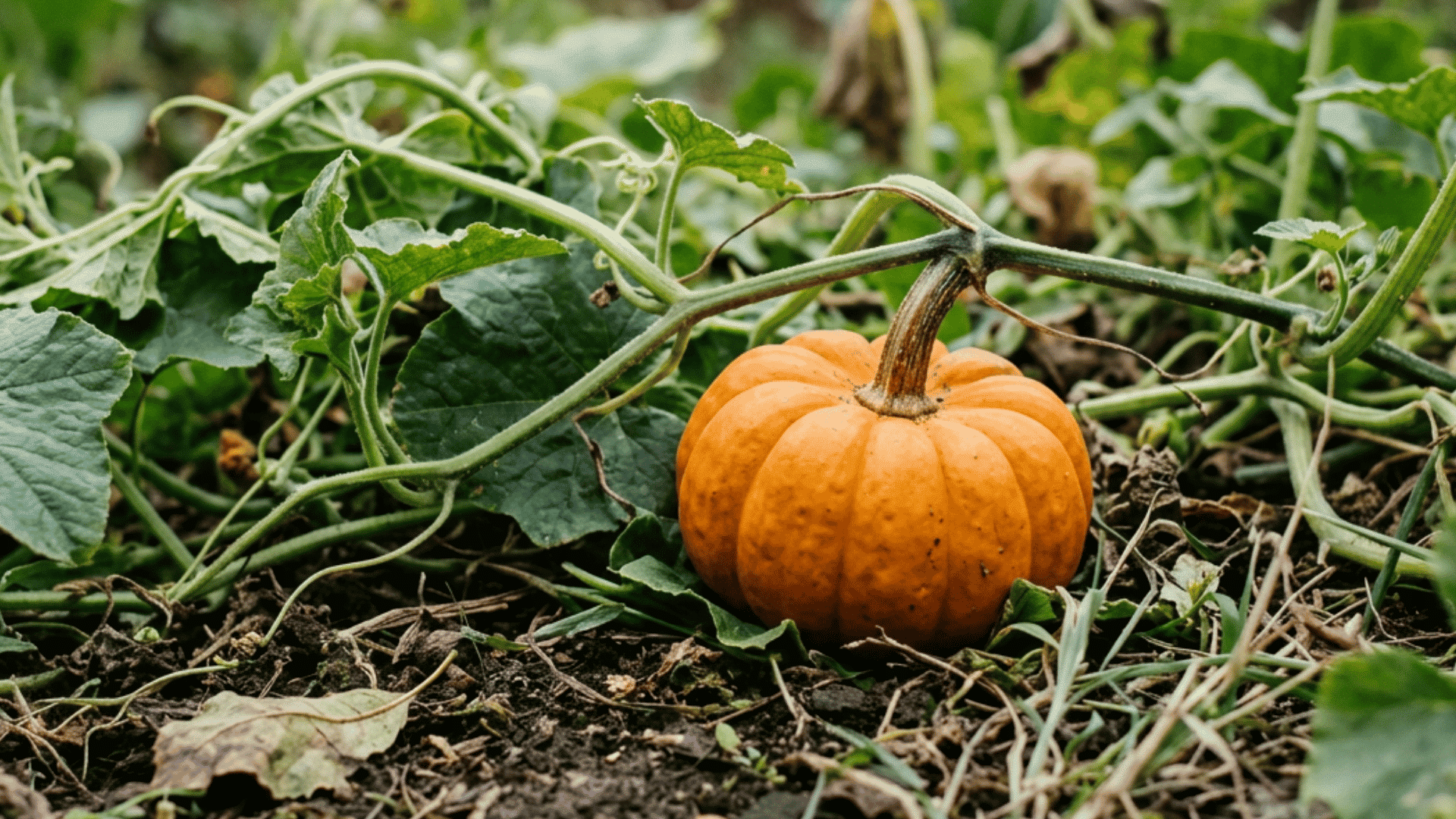
Munchkin is a small orange pumpkin that typically weighs between 3 and 6 ounces. It has a round shape with defined ribbing and a deep orange skin, resembling a miniature standard pumpkin.
The flesh is edible but mild, and the small size limits its practical use in cooking.
Munchkin plants are compact and easy to grow, making them a good option for container gardening or small raised beds. Storage life is about two to three months in a cool, dry location.
28. Wee-B-Little Pumpkin
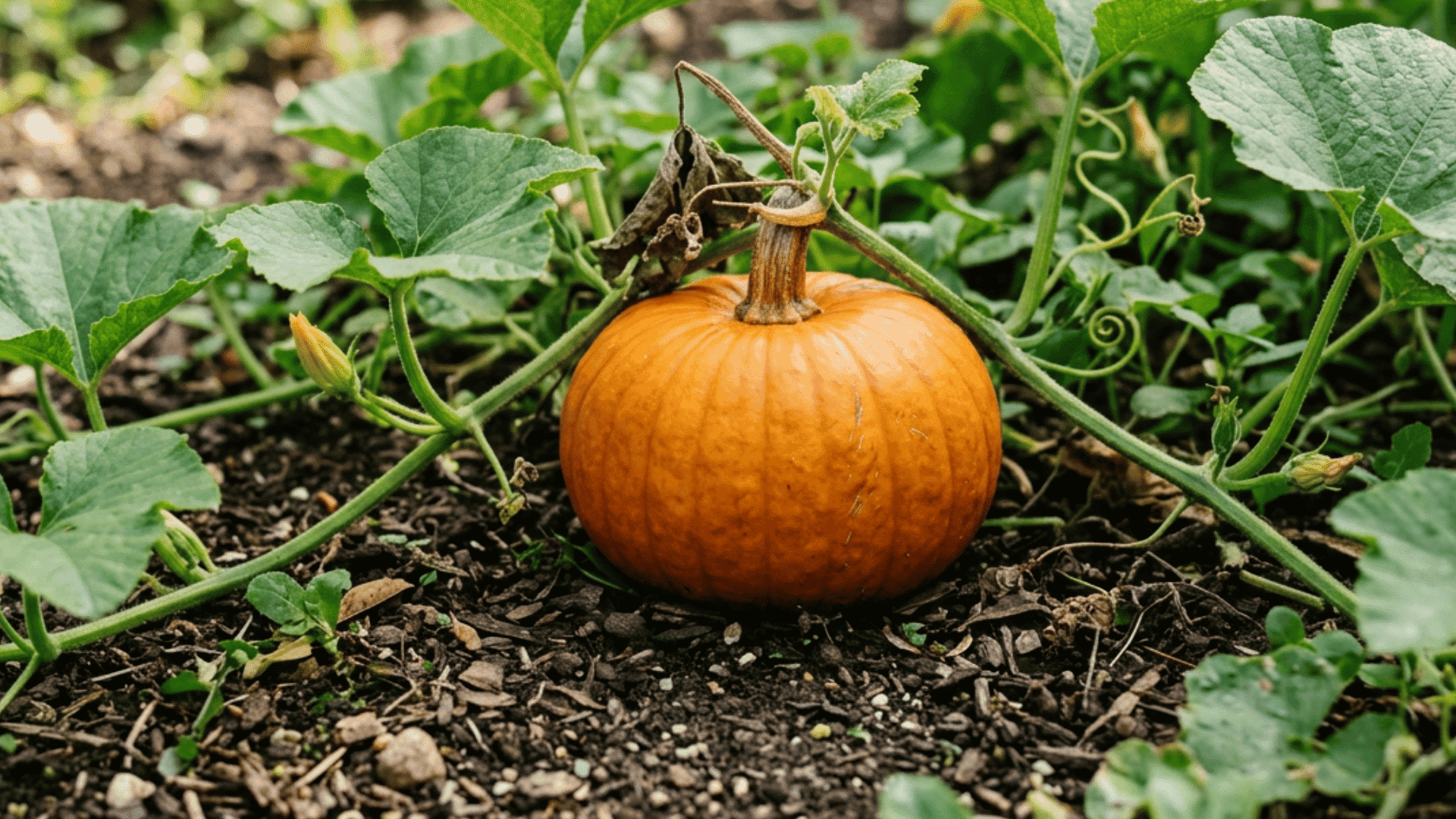
Wee-B-Little is a small pumpkin variety that typically weighs between 1 and 2 pounds. It has a round shape, light ribbing, and a bright orange skin.
The flesh is mildly sweet and can be used in small cooking applications, though it is grown mainly for decoration.
Storage life is about two to three months. It is a practical mini variety that balances good looks with a small degree of kitchen use.
29. Big Max Pumpkin
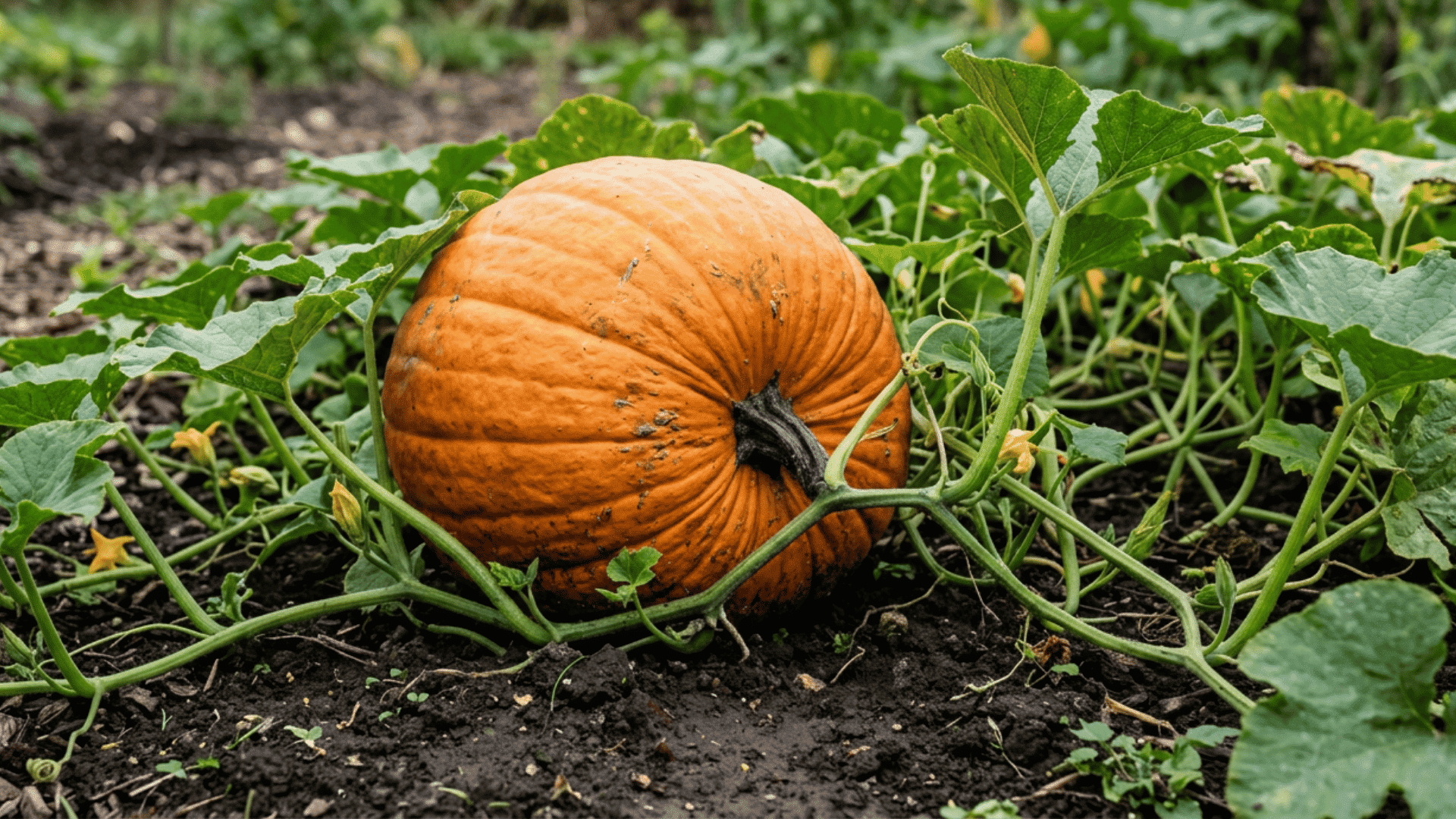
Big Max is a very large pumpkin variety that regularly grows to 100 pounds or more under good growing conditions. It has a pink-orange skin and a round, slightly flattened shape.
The flesh is bland and not suited for serious cooking. Big Max is grown primarily for display, fall festivals, and casual giant-pumpkin growing.
It is widely available through seed catalogs and garden centers. Storage life is about two to three months. The vines spread aggressively and require ample growing space, so space is an important consideration before planting.
30. Dill’s Atlantic Giant Pumpkin
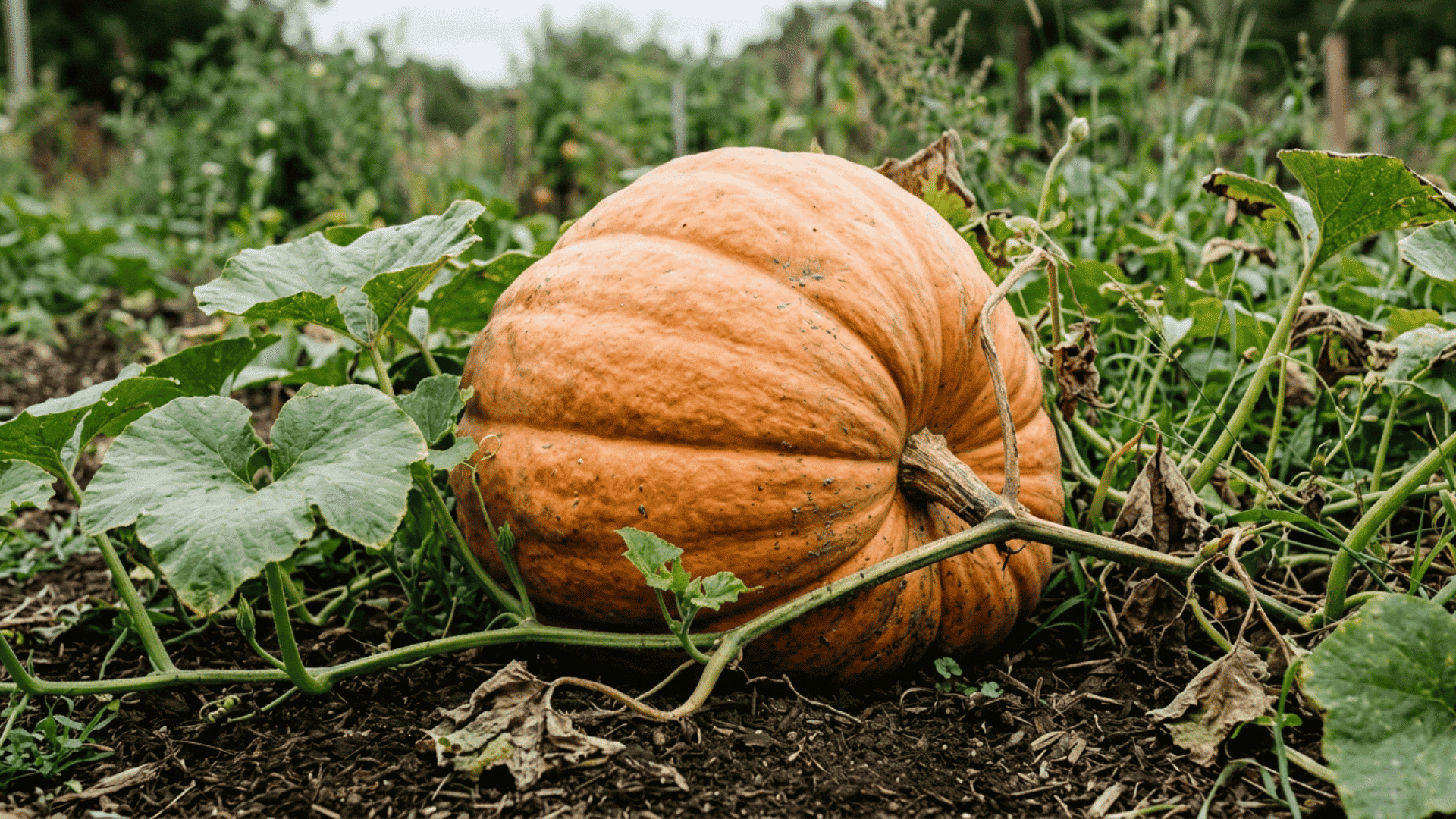
Under competitive growing conditions, these pumpkins regularly exceed 1,000 pounds, and the current world records push well past 2,000 pounds.
The skin color ranges from pale orange to pink, and the shape is irregular, often lopsided due to the extreme weight. The flesh is bland and not used for cooking.
Growing Dill’s Atlantic Giant to record size requires careful soil preparation, consistent watering, hand pollination, and close monitoring throughout the season. It is grown almost exclusively for competition.
Seeds from prize-winning Atlantic Giants are highly sought after and can sell for significant amounts among serious competitive growers.
31. Prizewinner Pumpkin
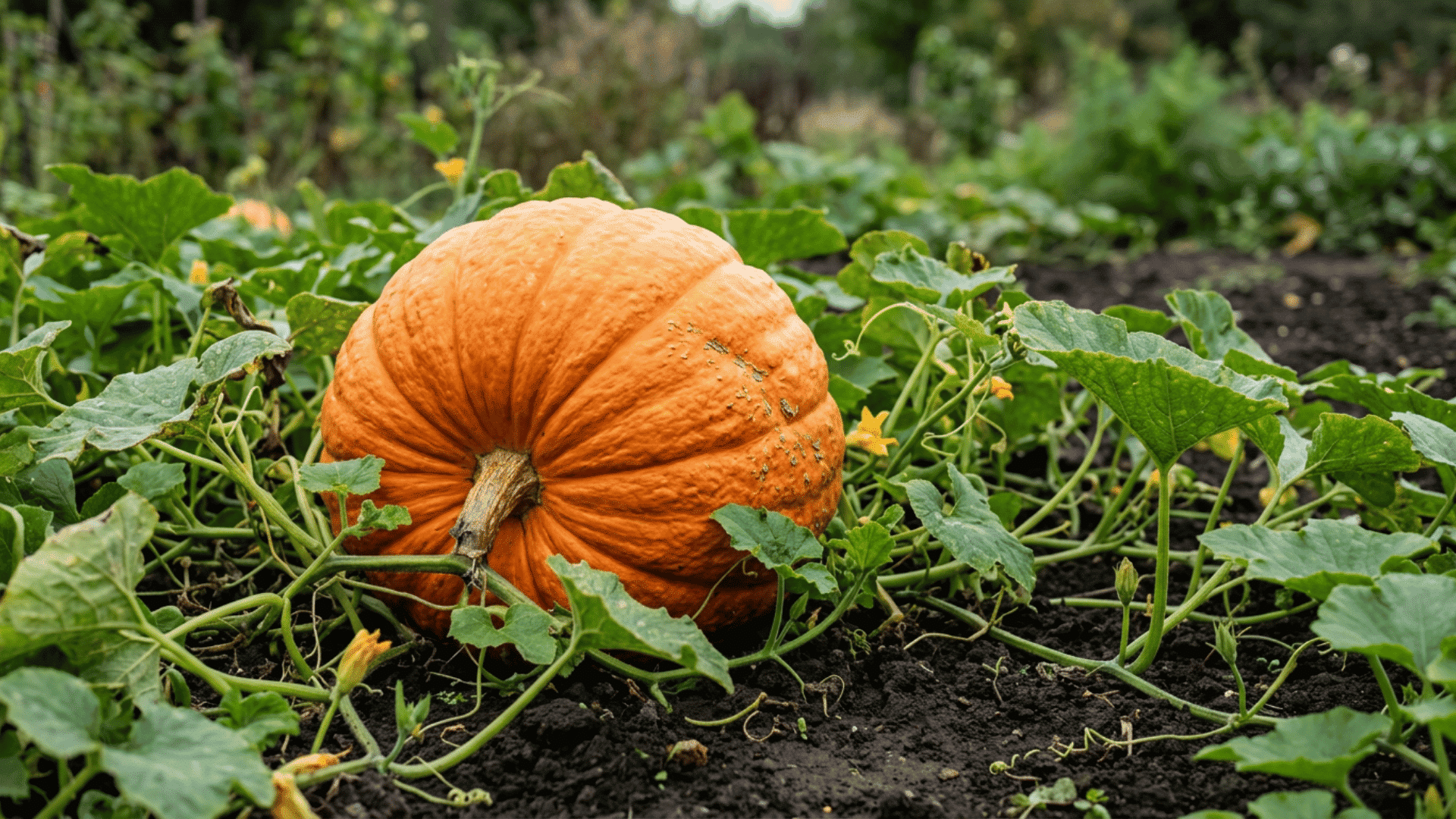
Prizewinner is a large pumpkin variety that typically weighs between 100 and 200 pounds. It has a bright orange skin and a round, uniform shape that gives it a classic large pumpkin appearance.
Prizewinner was developed as a variety that could produce impressive size while still looking like a traditional pumpkin, unlike some giant varieties that grow into irregular shapes.
Prizewinner vines are vigorous and need a large growing area. Storage life is about two to three months.
It is a good starting point for growers interested in large pumpkins without committing to the intensive process of competitive Atlantic Giant growing.
32. Knucklehead Pumpkin
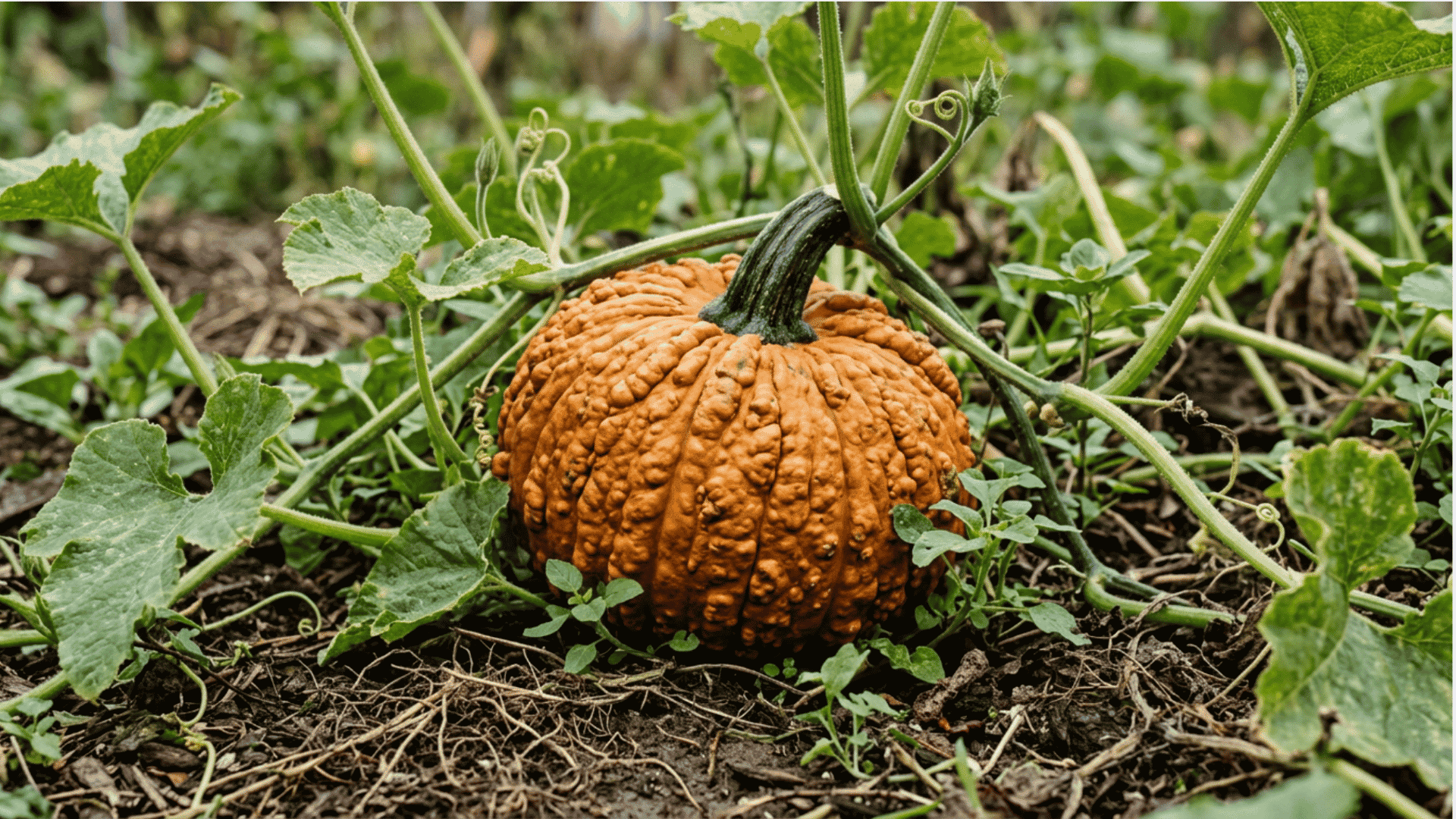
Knucklehead is a newer novelty variety bred to develop a heavy coating of bumps and warts on the skin naturally.
It typically weighs between 12 and 20 pounds and has a bright orange base color beneath the warts.
The warty texture develops as the pumpkin matures and is a genetic trait, not a sign of disease or pest damage. The flesh is mild and edible, but not the main draw.
Storage life is about two to three months. Knucklehead has become one of the more popular novelty pumpkin varieties in recent years due to its dramatic look and reliable warty texture.
33. Warty Goblin Pumpkin
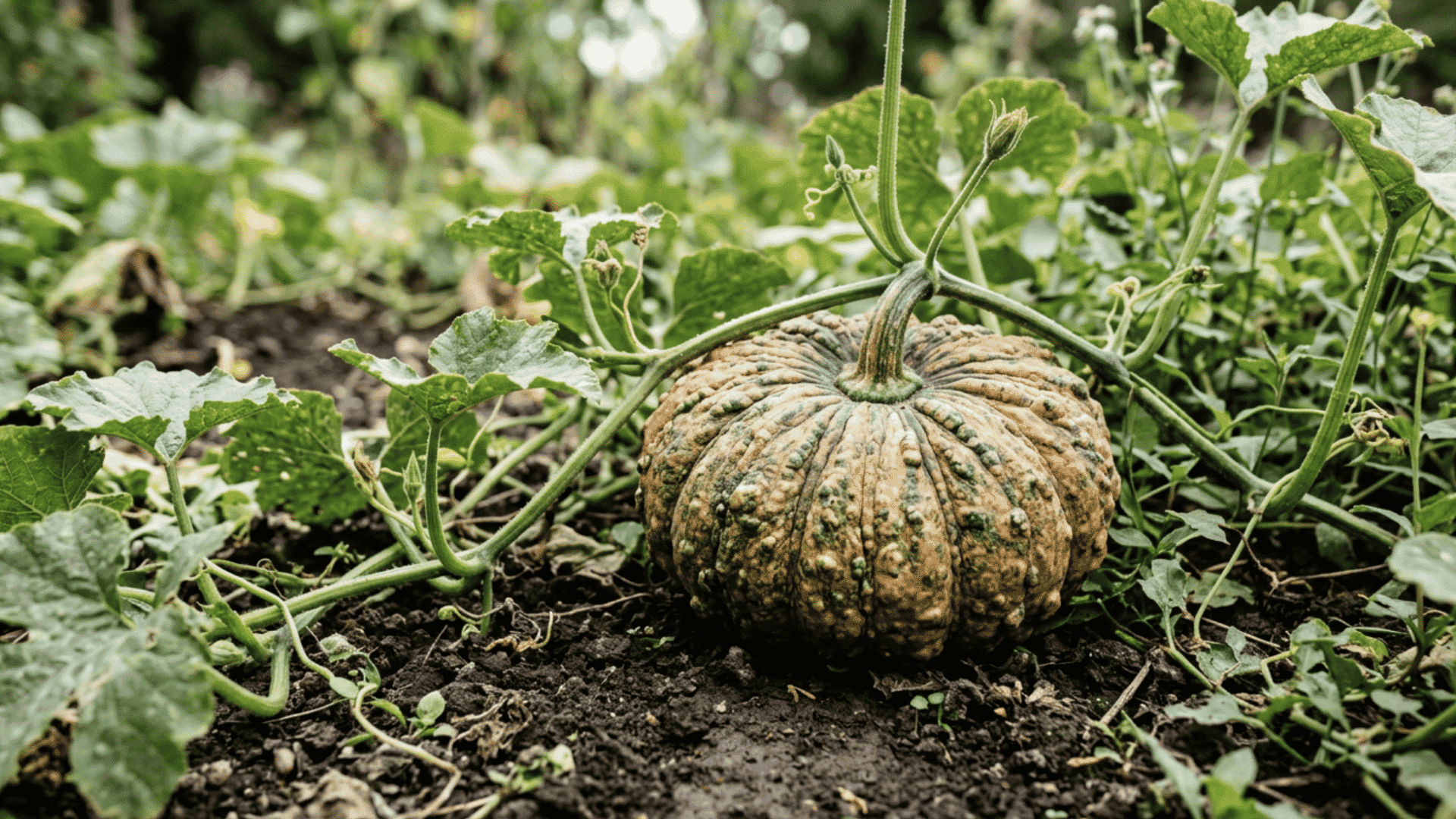
Warty Goblin is another novelty pumpkin bred for its heavily warted skin. It typically weighs between 10 and 15 pounds and has an orange base color with dense, irregular bumps covering most of the surface.
The warts are more pronounced and irregular than those on Knucklehead, giving it a rougher overall appearance.
Warty Goblin is grown primarily for Halloween decoration and fall displays.
The flesh is mild and technically edible, but not grown for cooking purposes. It is available at specialty farm stands and through seed catalogs each fall. Storage life is about two to three months.
Tips for Growing Pumpkins
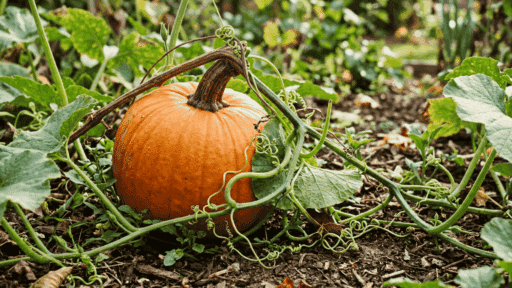
Growing pumpkins successfully comes down to three core principles: soil quality, consistent watering, and plenty of sunshine.
Most pumpkin varieties grow when planted in warm soil after the last frost date, with adequate space for their vines to spread.
- Site selection: Full sun (6–8 hrs) for best fruit set and sweetness.
- Soil prep: Rich, well‑drained soil amended with compost for vigorous growth.
- Planting time & spacing: Sow after the last frost in warm soil; space 4–6 ft for standard vines.
- Water & mulch: Deep watering ~1” per week, use drip and mulch to retain moisture and reduce disease.
- Pest & disease watch: Scout early for squash bugs and mildew; remove pests and improve airflow.
- Harvest & cure: Pick when the rind is hard, and the stem is corky: cure for 10–14 days in a warm, dry spot.
Pumpkin vs Squash: Are they the Same?
Pumpkins and squash are not exactly the same, though they’re closely related. They belong to the same plant family (Cucurbitaceae) but represent different uses and preferences within that family.
Pumpkins are typically round with thick, hard skin and stringy interior flesh, making them suited for both decoration and specific cooking purposes.
Squash varieties like butternut, acorn, and zucchini have different shapes, softer skins, and creamier flesh.
The main difference is that pumpkins are used more for decoration and pie, while squash varieties serve different cooking purposes.
Pumpkins have thicker, harder skin and stringy flesh inside. Squash tends to be softer with creamier flesh.
In kitchens worldwide, squash appears in more everyday dishes than pumpkin. Both are nutritious fall vegetables packed with vitamins and fiber.
Here is a quick summary of the differences between a pumpkin and a squash.
| Feature | Pumpkins | Squash |
|---|---|---|
| Family | Type of squash in the Cucurbitaceae family | A broad group of plants in the same family |
| Shape & Appearance | Usually round with thick skin | Many shapes, sizes, and colors |
| Texture | Stringy flesh with harder skin | Creamier flesh with softer or varied skin |
| Main Uses | Decoration, pies, seasonal dishes | Everyday cooking and recipes |
| Common Examples | Pie pumpkins, carving pumpkins | Butternut, zucchini, acorn squash |
| Key Difference | More associated with decoration and fall traditions | More versatile for daily cooking |
Final thoughts
Picking the right pumpkin transforms fall from guesswork into intention. If you’re after a showstopping jack-o’-lantern, a pie that rivals any bakery, or a blue heirloom that turns heads on your porch, the variety exists.
You now understand what makes Dickinson different from Sugar Pie, why Seminole thrives where others fail, and how a 200-year-old Long Island Cheese can still outperform modern hybrid pies.
Fall only comes once a year. Don’t settle for whatever sits at the farm stand entrance. Visit a farmers’ market or specialty grower. Try a variety you’ve never heard of. Grow one from seed next spring.
Which pumpkin variety surprised you most? Tell us in the comments
Frequently Asked Questions
Can a Prediabetic Eat Pumpkin?
Yes, a prediabetic can eat pumpkin in moderate portions because it’s nutrient‑rich, relatively low in calories, and has a low glycemic load when eaten plain or lightly cooked.
Is Pumpkin Very High in Sugar?
No, pumpkin is not very high in sugar. It’s low‑calorie and has a low glycemic load.
Do Rainbow Pumpkins Exist?
Yes, rainbow pumpkins exist as special ornamental varieties selectively bred or naturally colored in striking patterns of red, orange, green, yellow, or mixed stripes and patches.

Holding a Master’s in Library and Information Science from the University of Illinois, Josh Clarke has dedicated more than 15 years to managing and disseminating information across various platforms. His professional journey includes significant experience as a research librarian, where he developed an expertise in sourcing and providing accurate and comprehensive answers to diverse questions. In 2018, Josh brought his rich experience to our platform, quickly establishing himself as a reliable source for general FAQs. He has been overseeing our information curation since then, combining his research skills with a flair for engaging content delivery. When not involved in information management, Josh enjoys exploring digital photography and participating in local quiz competitions, hobbies that complement his inquisitive nature and love for learning.