
I’ve grabbed the wrong herb more times than I’d like to admit. Parsley and cilantro look almost identical in the store, but they taste completely different.
One can make a dish fresh and bright. The other can overpower everything if you’re not careful. That mix-up is exactly why I put together this parsley vs cilantro guide.
I’ve spent years cooking at home and testing both herbs in everything from salads to soups.
In this article, I’ll walk you through how each herb looks, smells, and tastes. I’ll also cover when to use each one, how to store them, and what to do if you run out of one and need a quick swap.
This guide is for anyone who wants to cook with more confidence and stop second-guessing their herbs.
By the end, you’ll know exactly which herb to reach for and why.
Parsley vs Cilantro: Quick Differences at a Glance
These two herbs look similar, but a few simple checks will help you tell them apart every time. Here’s a quick side-by-side look.
| Feature | Parsley | Cilantro |
|---|---|---|
| Leaf Shape | Pointed | Rounded |
| Color | Dark green | Light green |
| Smell | Fresh and grassy | Strong and citrusy |
| Taste | Mild and peppery | Bright and bold |
| Common Use | Pasta, soups | Salsa, tacos |
Quick Visual Tip:
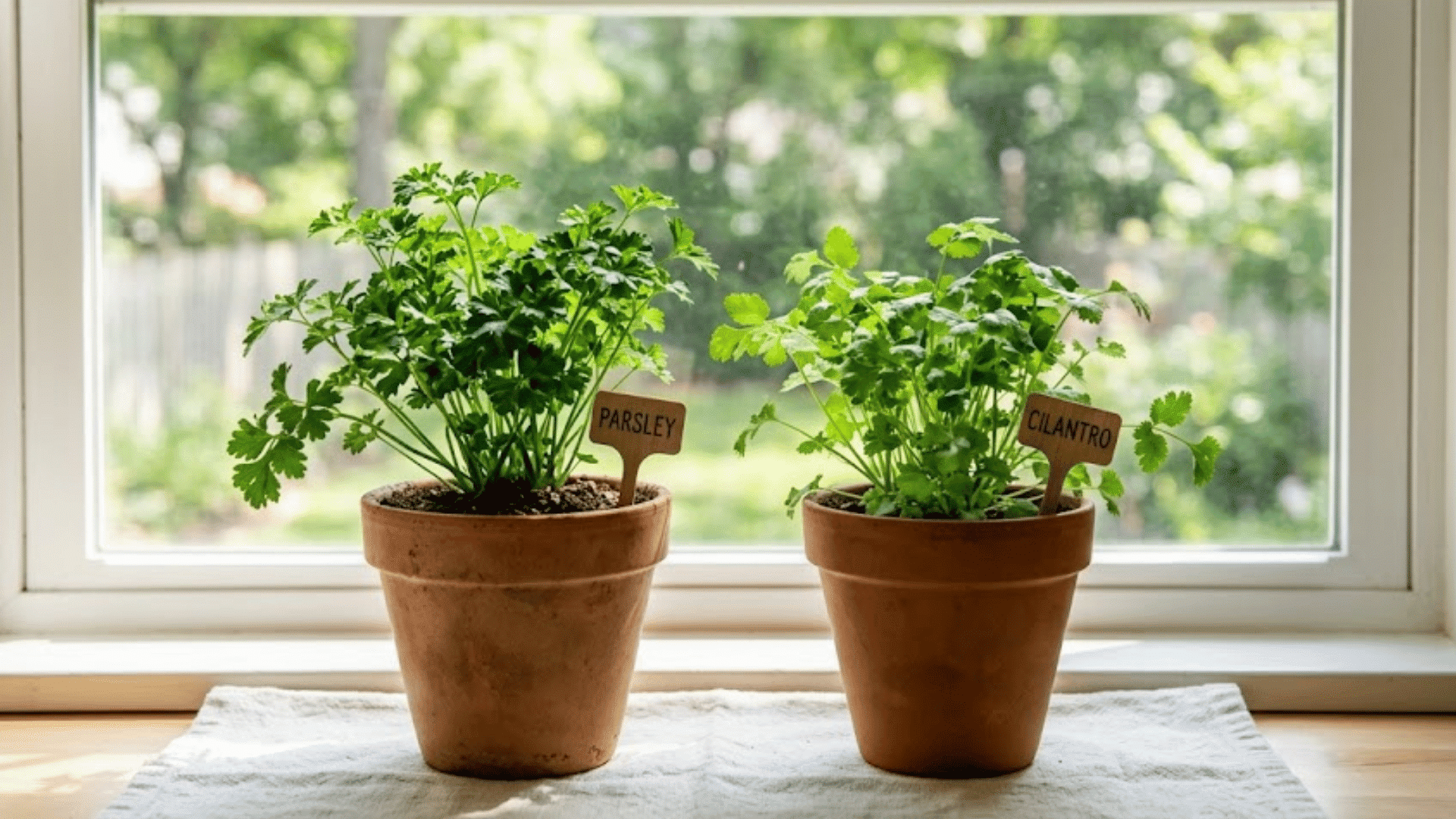
Parsley stems are thinner and more upright. Cilantro stems spread out more. In the store, cilantro bunches tend to look looser and fuller than parsley bunches.
When in doubt, smell first. That one step alone will save you from a cooking mix-up.
What Does Parsley Look Like?
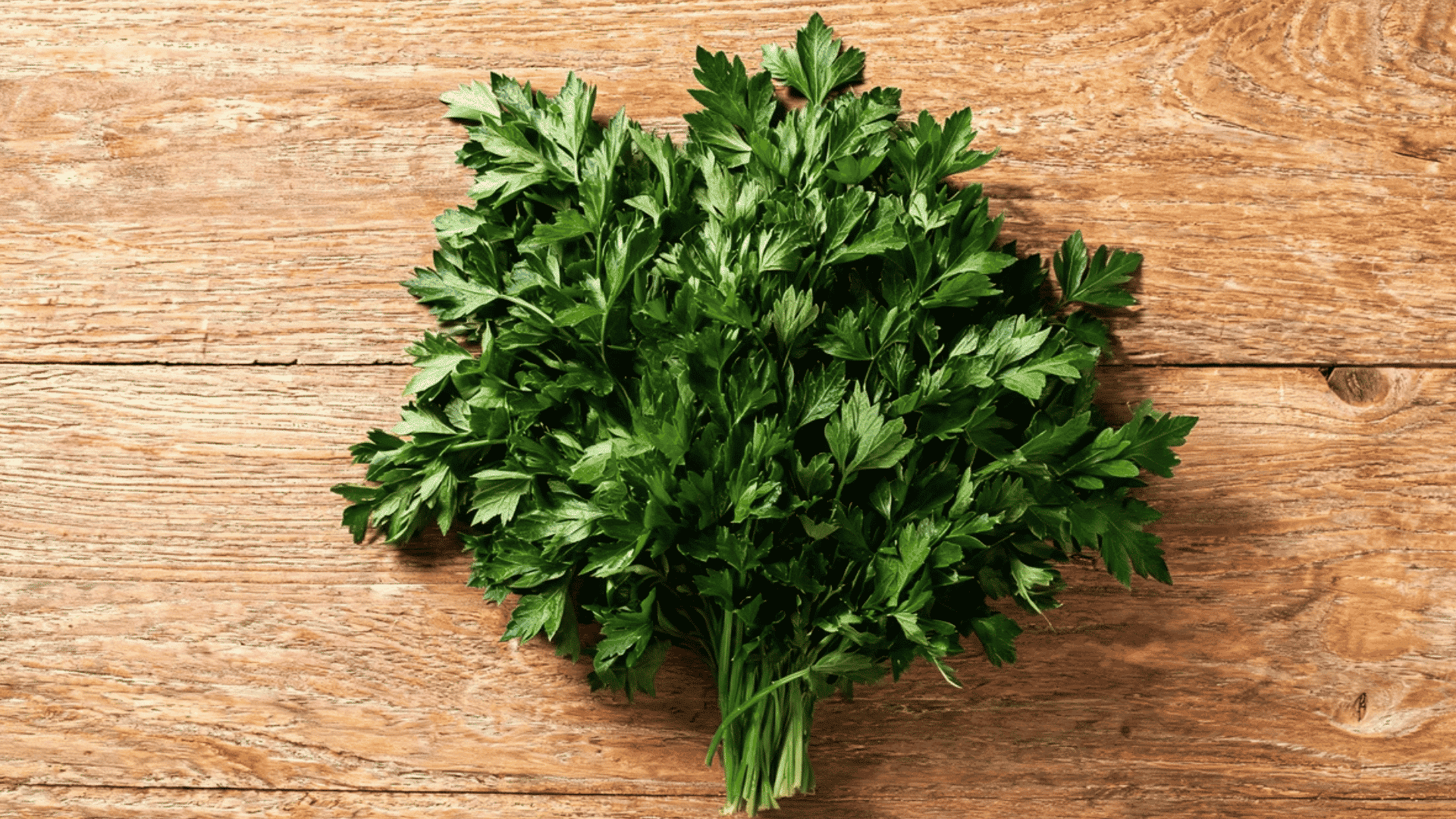
Parsley has bright green leaves with pointed tips and slightly jagged edges. It grows in tight clusters on thin, firm stems.
Flat-leaf parsley, also called Italian parsley, is the most common type used in cooking. The leaves are broad and flat with a smooth surface.
The color is deep green, and the leaves look similar to cilantro at first glance.
Curly parsley has tightly ruffled, frilly leaves. It’s lighter in color and more compact. This type is often used as a garnish rather than a cooking herb.
Parsley stems are thin, firm, and upright. The leaves feel slightly stiffer than cilantro. The stems are edible but have a stronger, more bitter taste than the leaves.
Common signs that it’s parsley:
- Pointed leaf tips with jagged edges
- Firm, upright stems
- Mild, grassy smell when crushed
- Deep green color with a slightly matte finish
Quick Tip: Flat-leaf parsley is often confused with cilantro. The key difference is the leaf tip; parsley tips are pointed, cilantro tips are rounded.
What Does Cilantro Look Like?
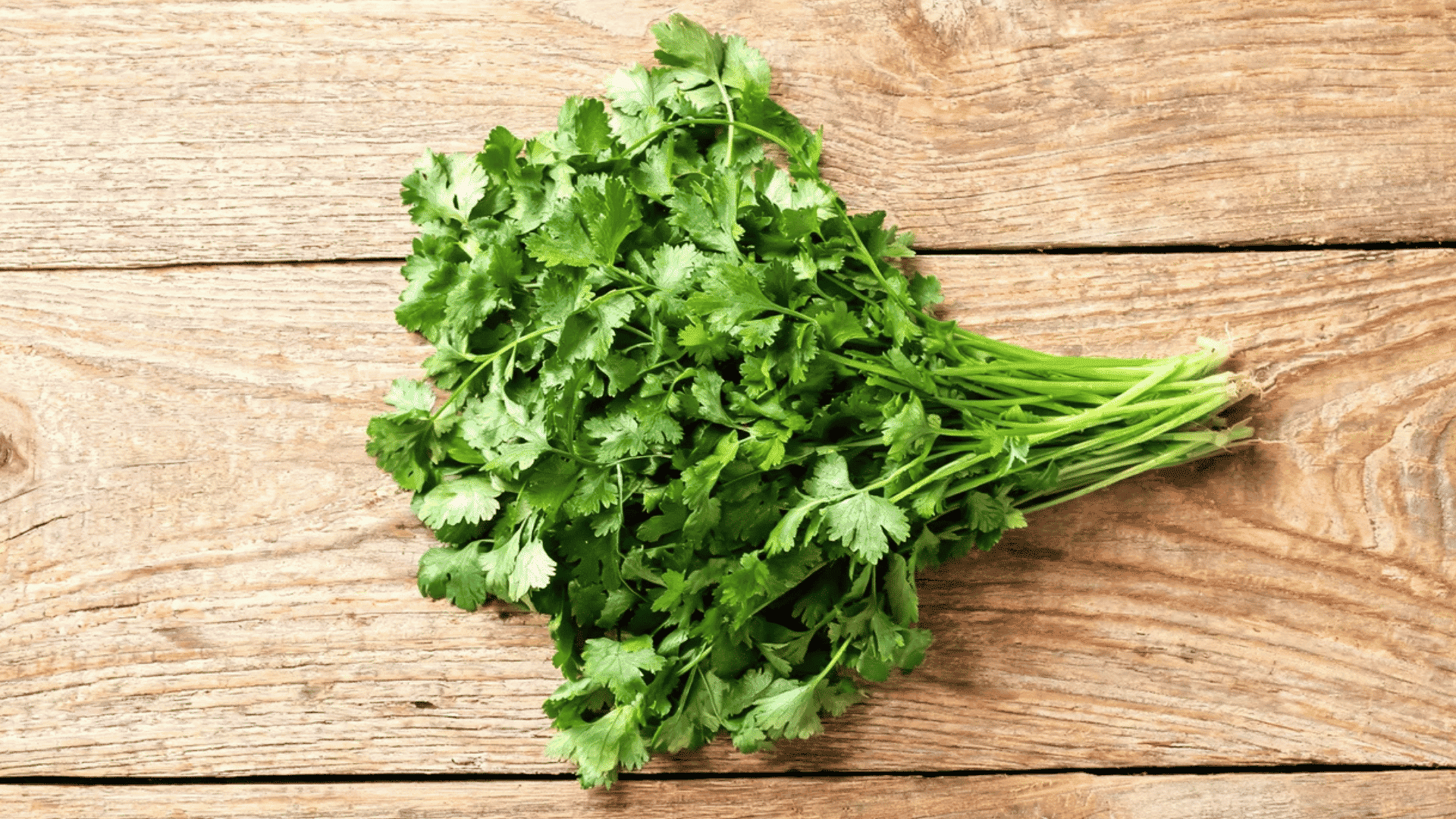
Cilantro has soft, rounded leaves with scalloped edges and a bright, light green color. It grows on thin, delicate stems that spread out more loosely than parsley.
The leaves are smaller and more fan-shaped than parsley. Up close, the edges look gently curved rather than pointed or jagged. The overall plant looks lighter and airier than a parsley bunch.
The stems are thin and flexible. The texture of the leaves is softer and more tender than parsley. Cilantro wilts faster, too, which is a helpful clue when identifying it fresh at the store.
As cilantro matures, it starts to bolt. The leaves become smaller and feathery, and the plant grows taller. At this stage, the flavor also becomes less intense.
Common signs that it’s cilantro:
- Rounded, scalloped leaf edges
- Soft, flexible stems
- Strong citrusy smell when crushed
- Lighter green color compared to parsley
Quick Tip: In parsley vs cilantro comparisons, cilantro always has softer, rounder leaves and a much stronger smell when the stem is snapped.
Parsley vs Cilantro Taste Comparison
Taste is where these two herbs are worlds apart. Knowing the difference helps avoid ruining a dish with the wrong choice.
| Feature | Parsley | Cilantro |
|---|---|---|
| Overall Flavor | Mild and slightly bitter | Bold and citrusy |
| Intensity | Low to medium | High |
| Aftertaste | Clean and fresh | Peppery and lingering |
| Soapy Taste | No | Yes, for some people |
| Raw Taste | Grassy and neutral | Sharp and bright |
| Cooked Taste | Subtle, blends in well | Fades quickly with heat |
| Best Used | Background flavor | Star flavor in a dish |
Best Cooking Uses for Parsley and Cilantro
Both herbs shine in different cuisines and cooking styles. Using the right one at the right time makes a real difference in how a dish turns out.
Parsley Works Best In:
- Soups: Parsley adds a mild, fresh finish to broths and vegetable soups without overpowering the base flavor. Add it at the end for the best result.
- Pasta: A handful of chopped flat-leaf parsley brightens up pasta dishes, especially with garlic and olive oil-based sauces.
- Mediterranean Dishes: Parsley is a staple in Mediterranean cooking. It works well in tabbouleh, hummus plates, and roasted vegetable dishes.
- Chimichurri: Flat-leaf parsley is the base ingredient in chimichurri sauce. It brings a clean, herby flavor that pairs well with grilled meats.
Cilantro Works Best In:
- Salsa: Fresh cilantro is a core ingredient in most salsas. It adds a bright, citrusy punch that lifts the whole mix.
- Mexican Dishes: From tacos to guacamole, cilantro is used across Mexican cooking to add bold, fresh flavor.
- Indian Curries: Cilantro is used both in cooking and as a finishing garnish. It pairs well with rich, spiced sauces.
- Asian Soups: In a parsley vs cilantro comparison, cilantro is far more common in Asian cooking. It’s widely used in pho, ramen toppings, and Thai soups.
Can You Substitute Parsley for Cilantro?
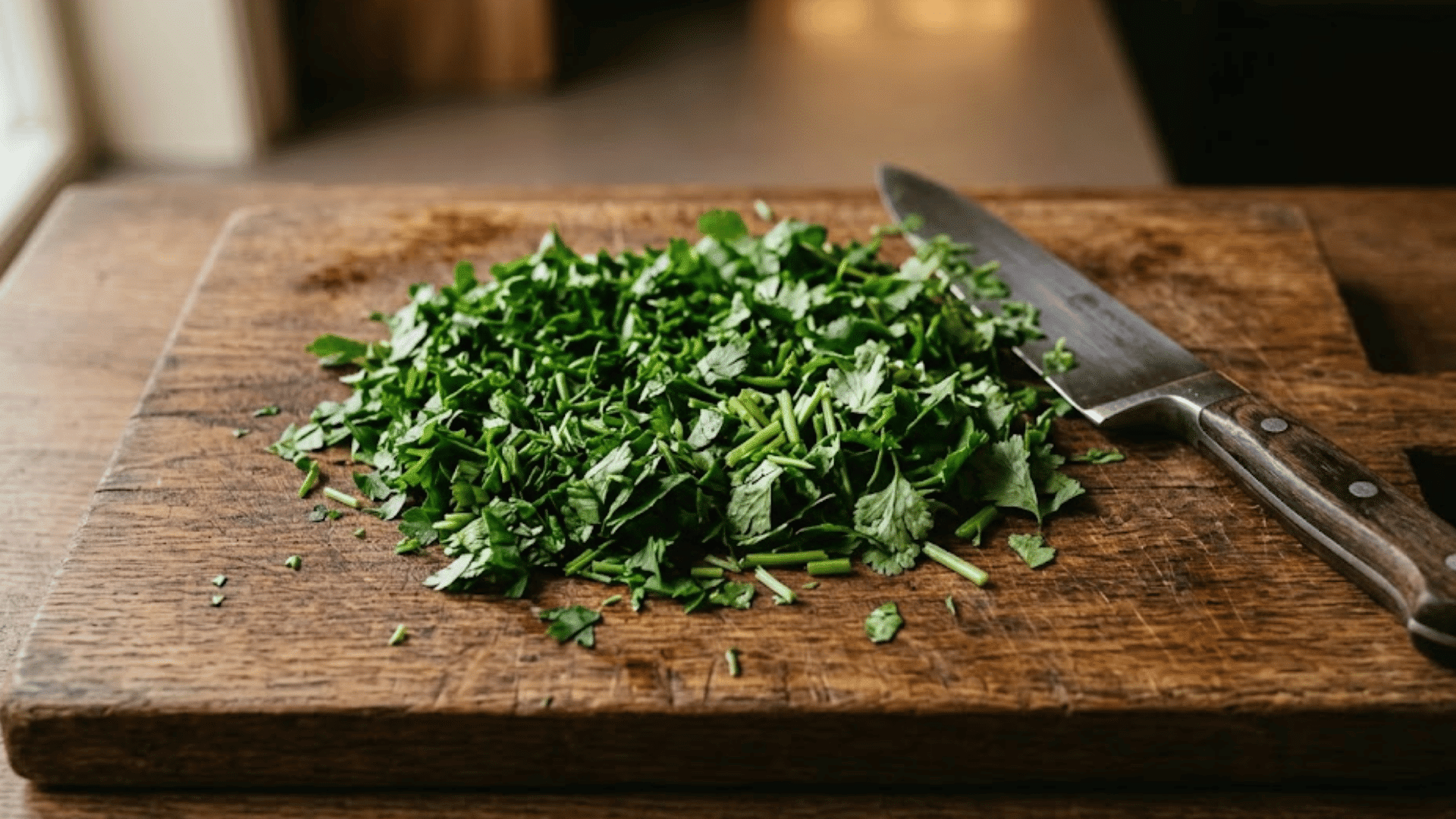
Parsley can replace cilantro in some dishes, but not all. The swap works best when cilantro is used as a garnish or background herb rather than the main flavor.
In cooked dishes like soups, rice, or roasted vegetables, flat-leaf parsley is a reasonable swap. The flavor is milder, but it still adds a fresh, herby note without standing out too much.
The substitution does not work well in dishes where cilantro is the star. Salsas, guacamole, and fresh chutneys rely on cilantro’s bold, citrusy punch. Parsley can’t replicate that.
Better alternatives to cilantro include fresh basil or mint, which can work in some Asian dishes. For parsley, fresh chives, or tarragon are solid options in Mediterranean and European cooking.
Quick Tip: In a parsley vs cilantro swap, flat-leaf parsley works better than curly parsley because it carries more flavor.
Parsley vs Cilantro Nutrition Comparison
Both herbs offer real nutritional value beyond just flavor. Adding either one regularly to meals is a simple way to support overall health.
| Nutrient (per 100g) | Parsley | Cilantro |
|---|---|---|
| Calories | 36 kcal | 23 kcal |
| Vitamin K | 1640 mcg | 310 mcg |
| Vitamin C | 133 mg | 27 mg |
| Vitamin A | 421 mcg | 337 mcg |
| Iron | 6.2 mg | 1.8 mg |
| Calcium | 138 mg | 67 mg |
| Folate | 152 mcg | 62 mcg |
| Antioxidants | High | High |
| Anti-inflammatory | Yes | Yes |
| Antibacterial | Mild | Mild |
How to Store Parsley and Cilantro
Both herbs stay fresh longer with the right storage method. Proper storage also helps preserve their flavor and nutrients.
For refrigerator storage, trim the stems and place the bunch in a glass with a small amount of water, as you would with fresh-cut flowers. Cover loosely with a plastic bag and keep in the fridge.
Parsley lasts up to two weeks this way. Cilantro is more delicate and stays fresh for about one week.
Both herbs freeze well. Chop the leaves, spread them on a tray to freeze, then transfer to a sealed bag. In a parsley vs cilantro freeze test, both hold their flavor well in cooked dishes after freezing.
Do not use frozen herbs as fresh garnishes, as the texture changes once thawed.
There are signs the herbs are no longer fresh, such as yellowing leaves, a slimy texture, or a sour smell, all of which indicate the herbs have gone bad.
Wilting alone does not always mean the herb is unusable, but sliminess always does. Discard immediately when that happens.
Growing Parsley vs Cilantro at Home
Both herbs can be grown at home with minimal effort. Knowing the basic needs of each makes the process much simpler.
| Feature | Parsley | Cilantro |
|---|---|---|
| Ease of Growing | Beginner friendly | Moderate |
| Sunlight Needed | 6 hours daily | Full sun preferred |
| Watering Needs | Moderate | Consistent, well-drained |
| Bolting Speed | Slow | Fast in warm weather |
| Indoor Growing | Long lasting | Needs frequent replanting |
| Best Season | Spring and Fall | Cool weather preferred |
| Pot Size Needed | Medium | Small to medium |
Final Thoughts
Telling parsley and cilantro apart does not have to be complicated. Start with the smell, check the leaf shape, and the answer becomes clear within seconds.
Parsley has pointed leaves, a mild grassy scent, and a clean flavor that blends into almost any dish.
Cilantro has rounded leaves, a strong citrusy smell, and a bold flavor that stands out. Those two details alone will help in the kitchen and at the store every single time.
For home cooks, keeping both herbs on hand opens up a wider range of recipes. For beginner gardeners, starting with parsley is the safer, lower-maintenance choice.
The more these herbs are used, the easier they become to recognize.
Have a tip for telling them apart or a favorite recipe that uses either herb? Share it in the comments below, would love to hear from other home cooks.
Frequently Asked Questions
Are Parsley and Cilantro the Same?
No, parsley and cilantro are completely different herbs with different flavors, smells, and culinary uses.
Why do Parsley and Cilantro Look Alike?
Both belong to the same plant family and share similar leaf structures, which makes visual identification tricky without a closer look.
What is Coriander?
Coriander refers to the dried seeds of the cilantro plant and has a completely different flavor from fresh cilantro leaves.
Can Cilantro Taste Like Soap?
Yes, a specific gene makes certain people sensitive to the natural aldehydes in cilantro, which are the same compounds found in soap and some cleaning products.

Holding a Master’s in Library and Information Science from the University of Illinois, Josh Clarke has dedicated more than 15 years to managing and disseminating information across various platforms. His professional journey includes significant experience as a research librarian, where he developed an expertise in sourcing and providing accurate and comprehensive answers to diverse questions. In 2018, Josh brought his rich experience to our platform, quickly establishing himself as a reliable source for general FAQs. He has been overseeing our information curation since then, combining his research skills with a flair for engaging content delivery. When not involved in information management, Josh enjoys exploring digital photography and participating in local quiz competitions, hobbies that complement his inquisitive nature and love for learning.