
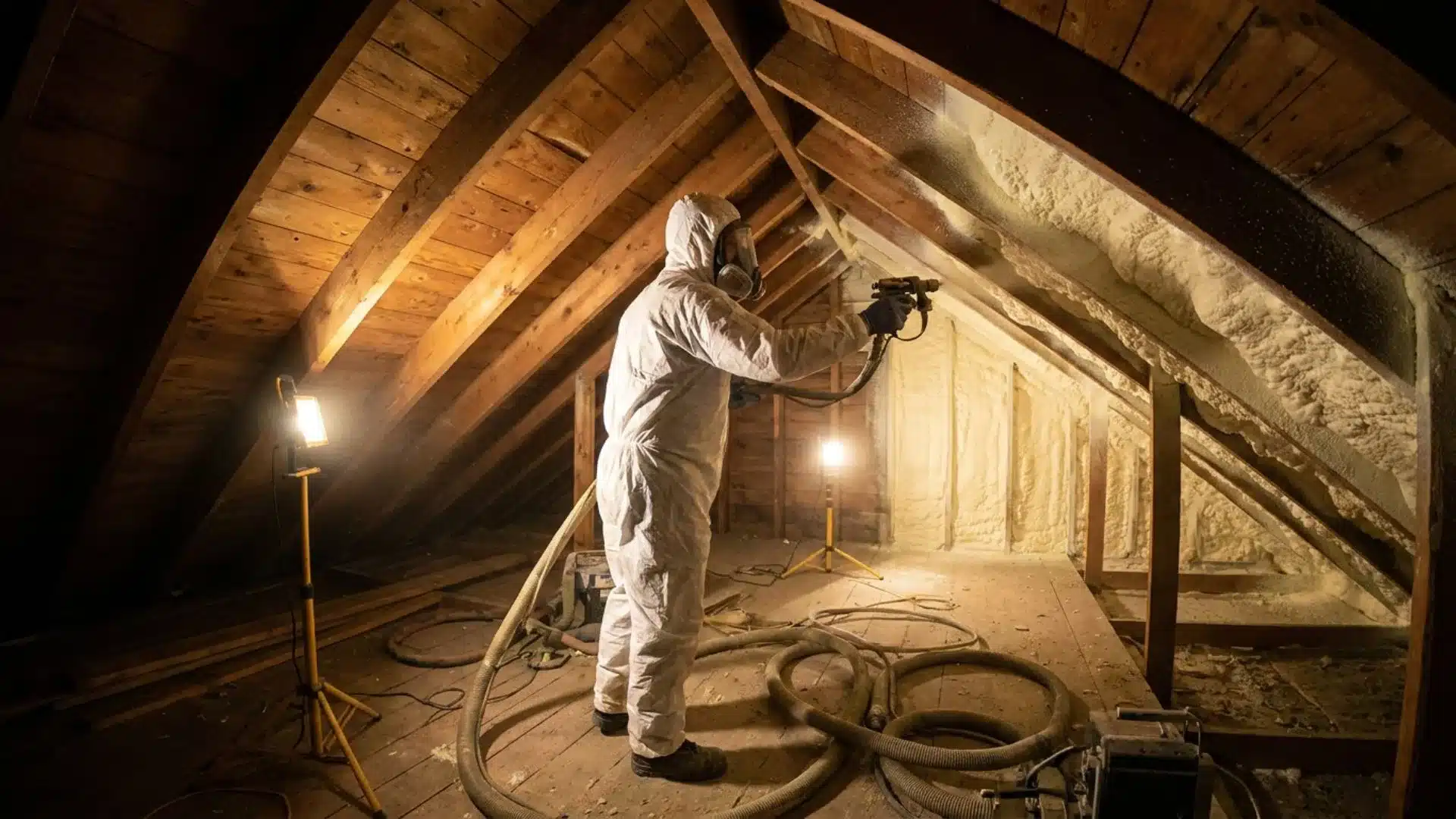

A common question that prevails during tax work is, “can home improvements reduce our taxes?”
The answer depends on the type of work completed and the property’s use.
In many cases, regular home upgrades are not tax-deductible right away.
Some improvements may qualify for tax credits, deductions, or future benefits when selling. This blog covers which improvements help reduce taxes, the applicable IRS rules, and the records you need to keep before filing.
One thing worth knowing upfront: the IRS doesn’t randomly audit improvement claims.
They often surface during property sales when the cost basis matters, affecting your future tax bill.
Can You Write Off Home Improvements?
The Internal Revenue Service does not hand out deductions just because you spent money on your home.
A tax deduction lowers your taxable income, but only if the expense qualifies.
For home improvements, that comes down to one thing: purpose. A kitchen remodel done for looks? Not deductible. The same remodel on a rental property? Different story.
Identical physical work can yield different tax outcomes depending on property classification and use.
Some upgrades qualify for tax credits, others affect what you owe when you sell.
Home Repairs vs Home Improvements Defined Clearly
The IRS treats repairs and improvements differently, and that difference directly affects your taxes.
Repair: Routine fixes like patching a roof, unclogging pipes, or replacing a broken window.
Maintenance-only, no tax benefit.
Improvement: Larger upgrades that add value or extend the property’s life.
A full roof replacement, new plumbing system, or energy-efficient windows.
The gray area? Replacing 60% of a roof after storm damage.
The IRS generally leans toward “improvement” when the work leaves the property in better condition than before the damage, rather than merely restored to what it was.
Can You Write Off Home Improvements in the Same Year?
Most home improvements are not tax-deductible in the same year they are completed because the IRS generally treats them as personal expenses.
However, some upgrades may qualify for tax credits or deductions if they meet specific IRS requirements.
| Improvement Type | Same-Year Tax Benefit | IRS Rule |
|---|---|---|
| Energy-efficient upgrades | Yes | Products must meet IRS and Energy Star requirements |
| Medical-related modifications | Yes | Improvements must be medically necessary |
| Home office improvements | Yes | Space must be used exclusively for business |
| Rental property improvements | No | Expenses are usually depreciated over time |
| Cosmetic renovations | No | Considered personal expenses under IRS rules |
A common mistake: owners install energy-efficient windows in December, assume they qualify, then discover the product wasn’t Energy Star certified. Always verify certification before purchase, not after installation.
The IRS Categories that Qualify for Tax Benefits
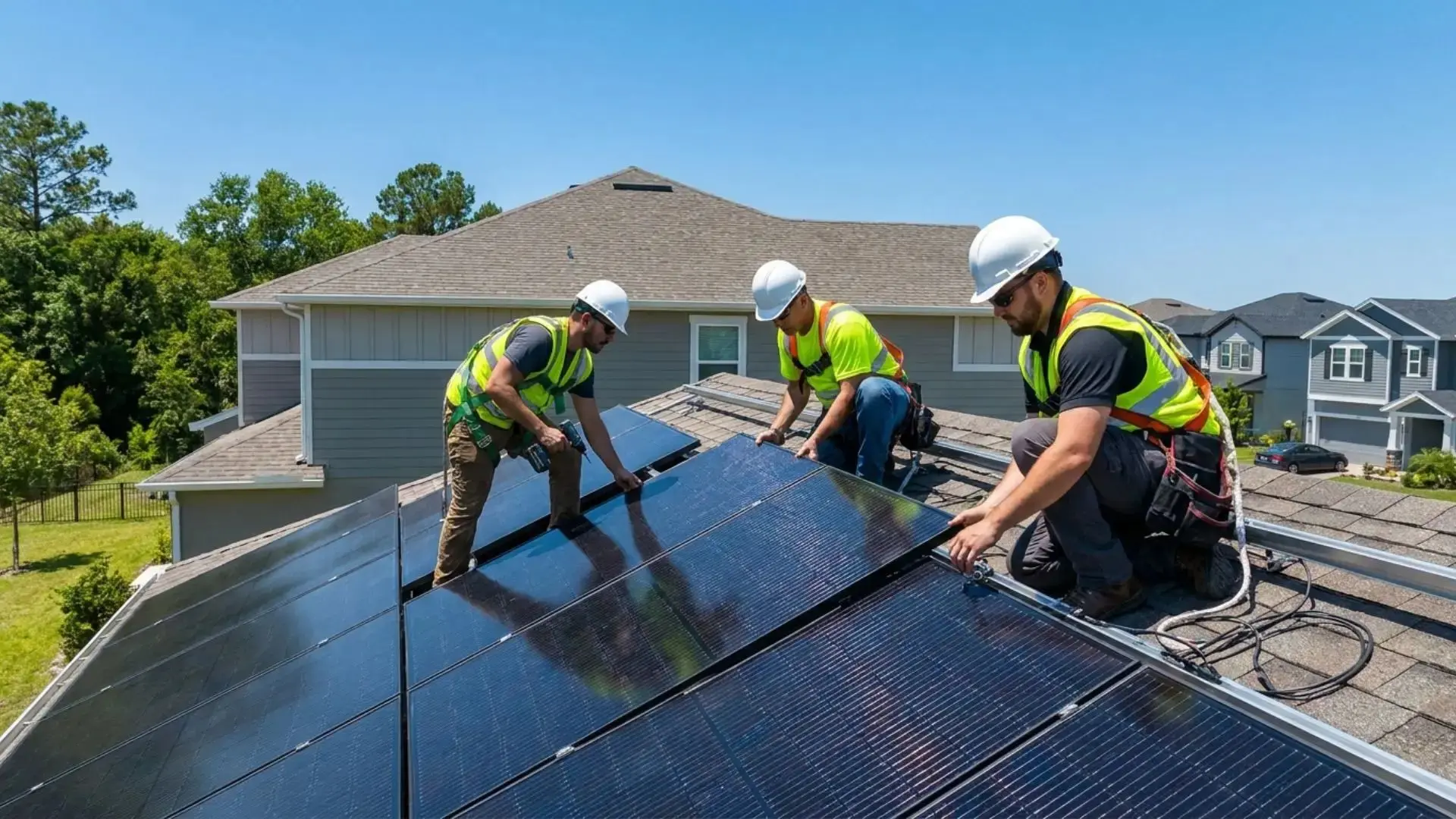
The IRS recognizes specific improvement categories for tax benefits through credits, deductions, or future savings.
Not every renovation qualifies; its category determines how and when you benefit.
1. Energy-Efficient Upgrades
Solar panels, heat pumps, insulation, energy-efficient windows, and water heaters may qualify for tax credits, but only if the product meets IRS and Energy Star certification standards.
The $1,200 sub-limit covers insulation, windows, and doors combined, not each separately.
A person who spends $800 on windows and $600 on insulation in the same year hits the $1,200 ceiling, not $1,400. Plan installations across tax years if costs are high.
The annual credit cap is $3,200, split across sub-limits based on what you install.
2. Medical Necessity Modifications
Wheelchair ramps, stair lifts, grab bars, and wider doorways may qualify as medical deductions provided a doctor has recommended them and the expenses are properly documented.
These costs under Schedule A only count once total medical expenses surpass 7.5% of your adjusted gross income.
For most households, a single modification, such as a grab bar or ramp, won’t cross that threshold alone.
It becomes useful when combined with other medical costs, prescriptions, specialist visits, and equipment in the same tax year. Track all medical spending together, not in isolation.
3. Home Office Improvements
Lighting, electrical work, built-in storage, and repairs to the workspace in a dedicated office may be deductible.
The space must be used exclusively for business, with no exceptions under IRS rules.
A room that doubles as a guest room or shared space does not qualify.
A practical test
If you removed the desk and work equipment tomorrow, would the room still function as a living space? If yes, the IRS would likely agree it isn’t exclusively a home office.
The standard is stricter than most people expect.
4. Rental Property Improvements
Roof replacements, HVAC upgrades, plumbing, and new appliances on rental properties are deductible but not upfront; they must be depreciated over 27.5 years, recovering costs gradually each year.
Many landlords over-capitalize expenses that would actually qualify as same-year deductible repairs.
Under the IRS de minimis safe harbor rule, individual items costing $2,500 or less per invoice may be fully deducted in the year of purchase rather than depreciated.
A $2,000 appliance replacement, properly documented, doesn’t have to be spread over decades.
5. Capital Improvements
Room additions, kitchen renovations, roofing systems, and driveways are not immediately deductible.
Instead, they increase your property’s cost basis, which reduces taxable profit when the home is sold.
Keeping records of every qualifying improvement is essential to support the adjusted number
Remember: if your total sale gain is below the exclusion limit of $500,000 for married couples, $250,000 for singles, the cost basis adjustment might not lower your taxes.
It’s most relevant for high-value properties, frequent sellers, or those who recently used their exclusion.
Understanding these IRS categories helps owners identify which improvements may qualify for tax benefits and which expenses usually remain non-deductible.
IRS Rules You Should Know Before Writing Off Home Improvement
The IRS has strict rules for claiming home improvement-related tax benefits, and not every renovation expense automatically qualifies.
- Personal cosmetic upgrades are never deductible; the IRS treats them strictly as personal expenses.
- Energy credits apply only to IRS-approved products that meet the required efficiency and certification standards.
- Medical modifications require a written doctor’s recommendation; verbal confirmation is not enough.
- Capital improvements must be documented with receipts and permits; verbal descriptions are not accepted.
- Improvements done without a permit are harder to substantiate.
- Dated bank records, photos with metadata, and a signed contractor statement are your next best proof.
- The IRS distinguishes between restoring a property to its prior condition and improving it; the latter is treated as a capital improvement, even after damage.
Eligibility depends on the improvement’s purpose, property use, and documentation.
How Capital Improvements Affect Taxes When You Sell Your Home
Capital improvements won’t cut your taxes today, but they can reduce what you owe when you sell. The IRS lets you add qualifying improvement costs to your property’s cost basis.
The higher that number, the lower your taxable profit at sale.
What Counts as a Capital Improvement?
Any major upgrade that adds value, extends the property’s life, or improves functionality, such as room additions, kitchen remodels, roof replacements, HVAC systems, driveways, and permanent landscaping.
How it Works
Cost basis = purchase price + qualifying improvements.
If you bought a home for $300,000 and spent $50,000 on improvements, your adjusted basis becomes $350,000, meaning you’re only taxed on profit above that number when you sell.
The IRS requires proof. Keep contractor invoices, permits, receipts, and bank reports for several years after selling.
What Qualifies
New bedroom additions, bathroom remodels, plumbing replacements, energy-efficient system installations, garage builds, and full roof replacements all typically qualify.
These won’t give you an immediate deduction, but they lower your tax bill at the finish line.
Home Improvements that Do Not Qualify for Tax Deductions

Upgrades made for comfort, appearance, or personal preference are never immediately deductible; the IRS treats them as personal expenses rather than qualifying costs.
1. Cosmetic Renovations
Cosmetic upgrades mainly improve appearance, not for tax benefits. The IRS considers these projects to be personal expenses because they don’t directly relate to medical care, energy efficiency, or business activity.
This includes painting walls, replacing fixtures, upgrading countertops, installing new cabinets, or changing flooring.
2. General Repairs and Maintenance
Routine repairs and maintenance costs are usually not tax-deductible for personal residences.
They are considered standard upkeep expenses.
These projects help maintain the property rather than improve it in ways recognized for immediate tax benefits.
This covers fixing leaks, repairing windows, patching roofs, unclogging plumbing, and repairing damaged areas.
3. Personal Lifestyle Upgrades
Lifestyle upgrades completed for recreation, comfort, or luxury purposes generally do not qualify for tax deductions. The IRS treats these projects as personal spending rather than as qualifying tax-related expenses.
Includes pools, outdoor fun, gaming rooms, luxury kitchen upgrades, custom closets, and decorative remodeling.
4. Landscaping and Outdoor Features
Most landscaping and outdoor improvement projects are not immediately tax-deductible unless they are connected to a qualifying medical or business-related purpose.
Standard outdoor upgrades are usually treated as personal property expenses under IRS rules.
This includes decorative fencing, patios, gardens, outdoor lighting, water features, and lawn replacement projects.
Before claiming home improvement expenses on taxes, know how the IRS classifies the project. Keeping detailed records and reviewing IRS guidelines helps avoid errors and incorrect deductions.
Tax Credits vs Tax Deductions for Home Improvements
Tax credits and tax deductions both can help you write off home improvements, but they work in different ways.
A tax deduction lowers the amount of taxable income, while a tax credit directly reduces the amount of taxes owed.
Understanding the difference is important because some home improvements may qualify for credits, while others may qualify only for deductions or future tax savings.
| Tax Credit | Tax Deduction |
|---|---|
| Directly reduces taxes owed | Reduces taxable income |
| Usually provides larger savings | Savings depend on tax bracket |
| Energy-efficient upgrades | Home office or rental property expenses |
| Must meet specific credit rules | Must qualify as a deductible expense |
| Dollar-for-dollar tax reduction | Partial reduction in taxable income |
If you’re in the 22% tax bracket, a $1,000 deduction saves you $220.
The same $1,000 as a credit saves you $1,000. For energy-efficient upgrades that qualify for credits, the financial case for prioritizing them over cosmetic work is important, especially for mid- to high-income households.
The actual financial benefit depends on income level, tax bracket, and the type of improvement claimed.
Which Option Saves More Money
Tax credits often provide greater immediate savings because they directly reduce taxes owed dollar for dollar.
Tax deductions can save money, depending on taxable income and tax rates.
For example, a $1,000 tax credit may reduce taxes owed by the full $1,000. A $1,000 deduction only reduces taxable income, so the actual savings may be lower depending on the tax bracket.
Documents You Should Keep for Home Improvement Tax Claims

If you paid a contractor in cash and they didn’t pull a permit, your documentation options narrow quite a bit.
Dated bank withdrawals, photos with original EXIF metadata showing the date, and a signed written statement from the contractor describing the work are your strongest remaining options.
The IRS won’t reject a claim solely for missing a permit, but unsupported cash payments draw scrutiny.
Keep these organized and stored safely:
Receipts and Contractor Invoices
- Total project cost, installation date, and scope of work.
- Contractor name, contact details, and materials used.
- Bank statements or canceled checks as proof of payment.
Manufacturer Certification Statements
- Confirms the product meets IRS-approved energy efficiency standards.
- Required for insulation, windows, doors, heat pumps, and solar equipment.
- Not always filed with your return, but the IRS can request it during an audit.
- Store both digital and printed copies alongside purchase receipts.
Energy Efficiency Documentation
- Energy Star certifications and product specification sheets.
- Installation reports, efficiency ratings, and warranty documents.
- Contractor verification details confirming installation was completed.
One underrated document: A contractor’s letter on their letterhead details the scope of work, materials, and completion date. Usually provided on request, it clarifies what was installed when a receipt only shows payment.
How to Claim Home Improvement Tax Deductions: A Step-by-Step Process
The most common reason people miss out isn’t that they don’t qualify; it’s wrong paperwork or the wrong form.
Step 1: Confirm Your Improvement Qualifies
Check if the improvement was completed for medical needs, rental use, home office use, or energy efficiency.
The IRS also considers whether the work increases property value or extends the home’s useful life.
Step 2: Gather Your Records
The IRS does not accept estimates or verbal descriptions; every dollar claimed needs a paper trail.
- All claims: Contractor invoices, material receipts, bank statements, and building permits.
- Medical modifications: Written doctor recommendation, labor receipts, and before-and-after photos.
- Home office: Workspace photos, office-to-home square footage measurements, improvement receipts.
- Energy-efficient upgrades: Installation records confirming completion by December 31, manufacturer certifications, Product Identification Numbers.
Step 3: Pick the Right IRS Form
| Type of Deduction | IRS Form |
|---|---|
| Medical modifications | Schedule A (Form 1040) |
| Home office improvements | Form 8829 |
| Rental property improvements | Schedule E (Form 1040) |
| Energy-efficient upgrades | Form 5695 |
| Capital improvements at the sale | Schedule D (Form 1040) |
Step 4: Standard Deduction vs. Itemizing
Itemizing only makes sense if your total deductible expenses exceed the standard deduction for your filing status:
- Married filing jointly: $32,200
- Single/married filing separately: $16,100
- Head of household: $24,150
Add qualifying medical expenses, mortgage interest, and property taxes. If the total falls short, take the standard deduction.
Step 5: File Correctly
Use IRS Free File if your 2025 income is $89,000 or less.
For complex claims, medical upgrades, home office, or rental expenses, work with a licensed tax professional. Avoid anyone promising guaranteed refunds or fast cash.
Disclaimer: The information is based on current IRS guidance and recent tax law updates.
Wrapping Up
Home upgrades can boost comfort, property value, and tax savings, but not all expenses are deductible.
If you have been asking, Can you write off home improvements? the answer depends on the project type and the property’s use. Before filing your return, review current IRS rules carefully.
Speak with a tax professional to avoid costly mistakes.
A few smart decisions today could help you save significantly during tax season.
Frequently Asked Questions (FAQ’s)
1. How Long to Keep Tax Records?
Keep most tax records for at least three years; keep capital improvement records until after the property is sold.
2. Can Home Improvements Help Lower Taxes Later?
Yes, qualifying improvements increase your cost basis and reduce your taxable profit when you sell.
3. What Home Improvements Are Tax-Deductible When Selling?
Capital improvements, such as roof replacements, additions, and major renovations, reduce taxable profit at the time of sale.
4. Is Home Improvement Tax Deductible for Rental Property?
Yes, qualifying rental improvements are deductible through depreciation spread over 27.5 years.

Holding a Master’s in Library and Information Science from the University of Illinois, Josh Clarke has dedicated more than 15 years to managing and disseminating information across various platforms. His professional journey includes significant experience as a research librarian, where he developed an expertise in sourcing and providing accurate and comprehensive answers to diverse questions. In 2018, Josh brought his rich experience to our platform, quickly establishing himself as a reliable source for general FAQs. He has been overseeing our information curation since then, combining his research skills with a flair for engaging content delivery. When not involved in information management, Josh enjoys exploring digital photography and participating in local quiz competitions, hobbies that complement his inquisitive nature and love for learning.