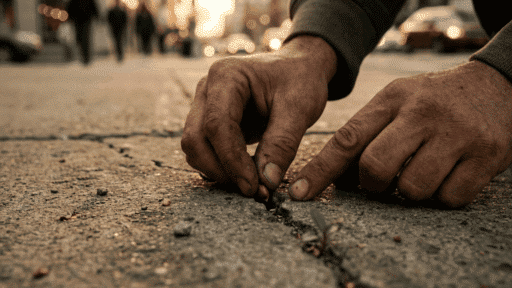
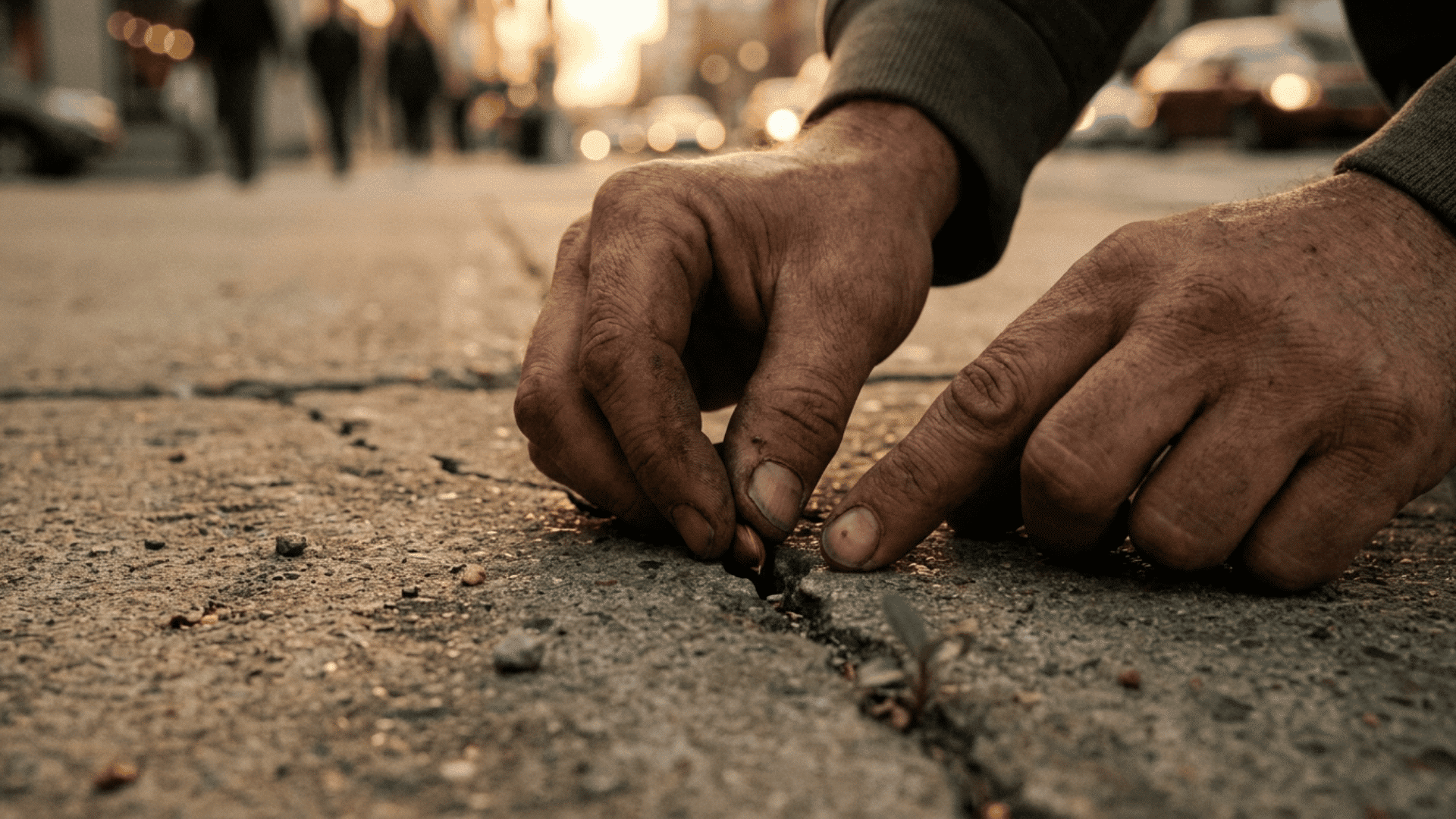

It’s past midnight. Someone is sitting on a city sidewalk, pushing seeds into a crack in the concrete with their thumb. No permit. No permission.
Just a handful of flower seeds, a small shovel, and a stretch of grey, dead ground that no one has taken care of in years.
By morning, it looks like nothing happened. By spring, there are blossoms.
Is this breaking the law? Technically, in most places, yes. But do people like it: neighbors, strangers walking by, even the police who could stop it? Also yes.
That’s the strange and most interesting thing about guerrilla gardening.
What Guerrilla Gardening actually is
Guerrilla gardening means planting on someone else’s land without asking first. That land is usually public, the strip of grass along a road, the ground around a tree in the sidewalk, or an empty lot no one uses.
Sometimes the land is privately owned but completely ignored and left to sit empty. What these places have in common is this: nobody is taking care of them.
A British gardener named Richard Reynolds put it even more simply: “ growing things on someone else’s land, illegally .”
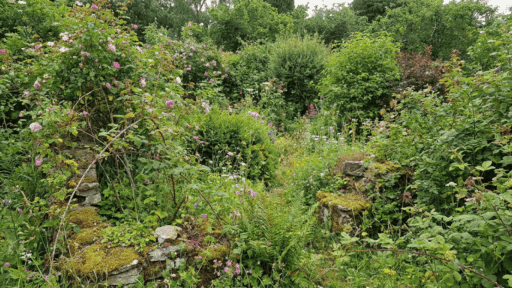
What guerrilla gardeners do with these spaces is different from person to person. Some plant wildflowers to make the area look nicer. Others grow vegetables in neighborhoods where it’s hard to find fresh food. Many do both.
The one thing they all share is that they don’t wait for anyone to tell them it’s okay. All they wanted to do was grow something nice for their street.
Why the Word “Guerrilla”?
The word guerrilla comes from Spanish and means “ little war .” Gardener Richard Reynolds used it on purpose. He wanted people to understand that this was a kind of fight, not a violent one, but a real one.
He described guerrilla gardening as “a fight for the freedom to express yourself and bring your community together. A battle where bullets are replaced with flowers.”
That message connected with people. It gave a name to something that felt obviously right, even if it was officially against the rules.
Planting a row of marigolds around a dead, forgotten tree could feel like a quiet act of protest.
Why Guerrilla Gardening is Growing?
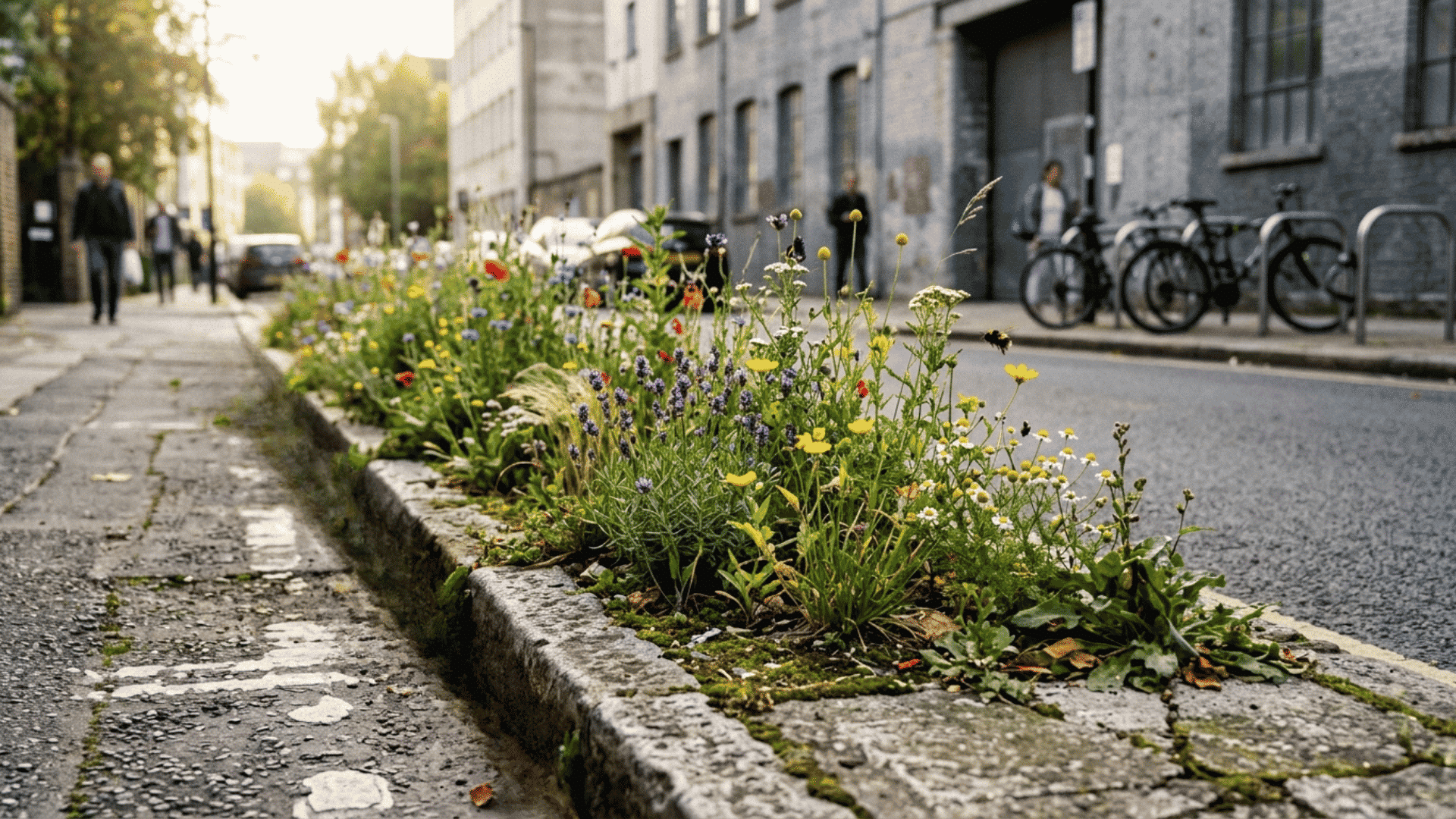
Something changed in the last ten years or so. The movement started growing a lot faster, and there isn’t just one reason for it:
- Climate Change: Climate change makes small actions feel meaningful, since planting something offers a real, visible result.
- Cities are Getting More Crowded: Crowded cities and shrinking green space are making people notice unused land and want to make it greener.
- The COVID-19 Lockdowns: Lockdowns made many people focus on their neighborhoods and the value of local food and community.
- Food Deserts: In places with limited access to fresh groceries, guerrilla gardening becomes a source of food, not just a way to beautify empty land.
Researcher Andrew Millie’s work also points out that city planners have made several major mistakes that guerrilla gardeners are quietly fixing, such as failing to plan enough green space for everyone and failing to consider how cities could recycle nutrients through local growing.
Is Guerrilla Gardening Legal?
Technically, guerrilla gardening can be illegal. Planting on land you don’t own can constitute trespass.
In some places, it could be considered property damage. In rare cases, blocking a public path with a plant bed could break traffic laws.
In real life, though, people are rarely prosecuted for it.
Andrew Millie’s most important finding was that guerrilla gardening has become “normal law-breaking,” something that even police broadly support and welcome, even though they technically could enforce against it.
But the ethics aren’t totally clean.
Guerrilla gardeners sometimes have an autocratic view of property, meaning they decide for themselves what a space should look like, without asking the owner or even the neighbors.
Most of the time, everyone’s happy about it. Sometimes they’re not. There are cases where Gardens were planted on private land that had other plans for it.
Environmental Impact of Guerrilla Gardening
The good news for the environment is bigger than just a few pretty flowers:
| Environmental | How Guerrilla Gardening Helps |
| Cooler Cities | Plants reduce heat by cooling road edges, sidewalks, and concrete-heavy areas that absorb sunlight. |
| Support for Wildlife | Wildflowers and mixed plants provide food and shelter for bees, butterflies, and other insects struggling in cities. |
| Healthier Soil | Adding plants slowly restores compacted and damaged urban soil, bringing life back underground. |
| Cleaner Air | Leaves trap dust and tiny pollution particles, helping improve air quality in busy urban areas. |
| Stronger Communities | Residents often protect guerrilla gardens, showing local pride and community involvement. |
| Grassroots Green Spaces | Researchers now see these gardens as informal green infrastructure created and maintained by local people. |
| Better Biodiversity | Mixed and “messy” gardens offer more food, shelter, and survival options for insects and wildlife than neat lawns. |
| Natural Urban Spaces | A variety of flowers, herbs, vegetables, and wild plants creates richer ecosystems inside cities. |
Guerrilla Gardening as Activism
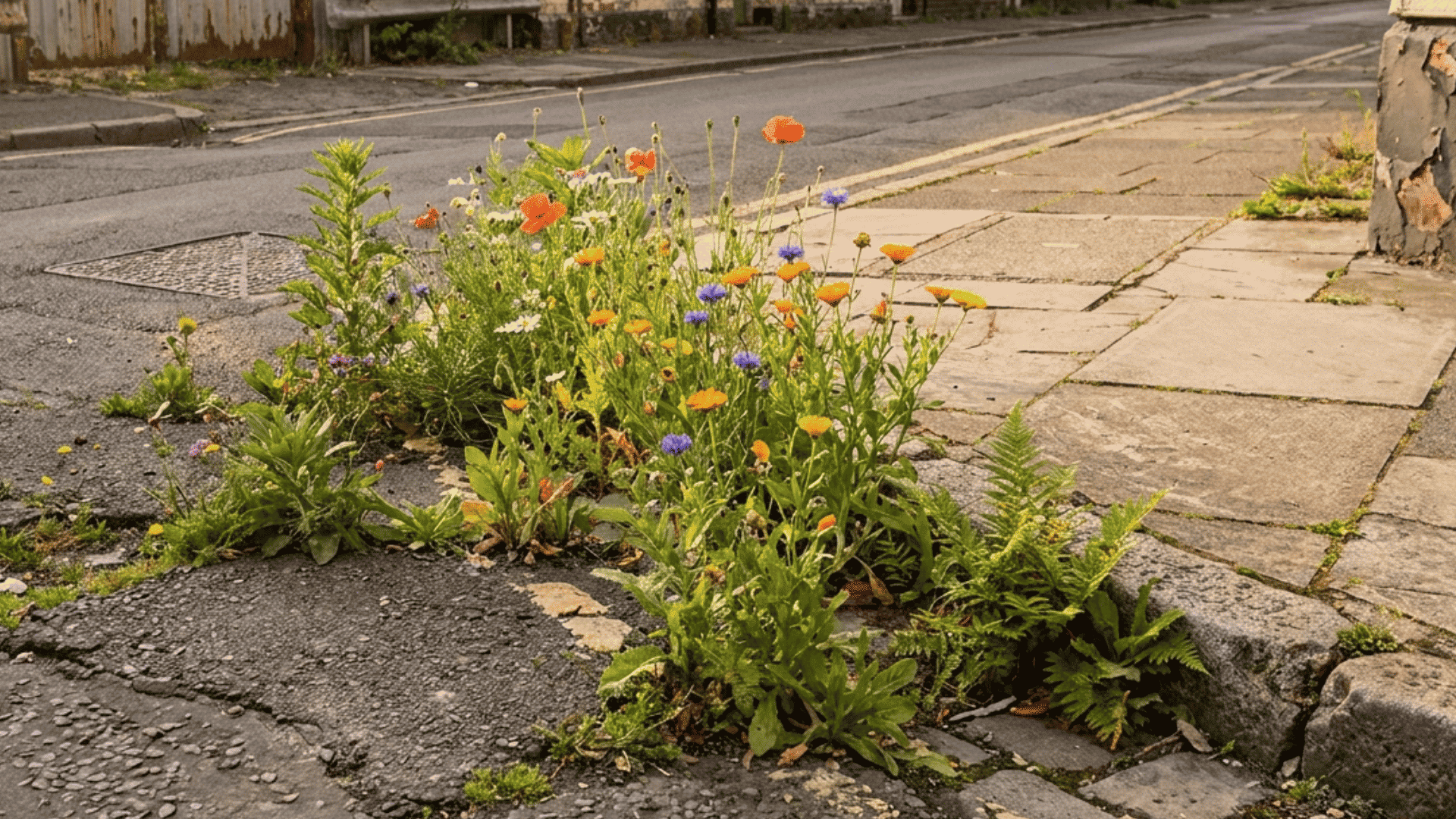
Even if a person just wants to make their street prettier, the act of guerrilla gardening makes a political statement, even if they mean it to or not.
The statement is this: public land belongs to the community. A neglected, unused patch of land isn’t just the owner’s private problem to leave ugly forever. It belongs, in some way, to the people who look at it every single day.
Researchers who study cities talk about the idea of urban commons spaces that should be shared and cared for by the community, not just left to rot because no one officially owns the responsibility.
Guerrilla gardening physically acts out that idea. It doesn’t ask for permission to reclaim a shared space. It just does it.
Reynolds’ original message said exactly this: Guerrilla gardening is about freedom of expression and community cohesion.
It’s a form of DIY city-making alongside pop-up parks and community land projects that says ordinary people don’t have to wait for city officials to decide what their neighborhood looks like.
In some countries, people living in rapidly growing cities have been pushed off their land and relocated to urban areas where they don’t fit in.
For these communities, planting a garden on unused land is described by researchers as the weapon of the weak, a way for people with little official power to push back against decisions made without them.
What Can Go Wrong with Guerrilla Gardenging: Challenges & Risks
Most guerrilla gardening goes fine. A space gets planted, the neighbors are happy, and something lives where nothing did before. But it’s worth being honest about what can go wrong:
- You could get in legal trouble: It’s rare, but it can happen, especially if you plant on private land where someone has building plans.
- You could accidentally damage nature: Planting non-native species (plants not native to your region) can crowd out local plants and harm local wildlife. Tidying up land deliberately left wild for insects can actually cause environmental damage, even if it appears to be an improvement.
- Not everyone will be pleased: Some neighbors might not want flowers on their street that they didn’t choose. Deciding what other people’s neighborhoods look like, even with good intentions, can upset people.
- It can push up housing prices: When neglected areas get greener and nicer, they can become more desirable, which can raise rents and property prices, forcing out the lower-income residents that guerrilla gardeners often want to help.
- Abandonment: A garden planted with great enthusiasm and then left to die looks worse than the bare ground it replaced.
How to Get Started with Guerrilla Gardening
The heart of guerrilla gardening is about bringing more life into cities. The illegal part is optional, not required.
1. Start somewhere safe
Begin with a small, low-risk spot such as a windowsill box, a front-step pot, or a planter near your own home. These places are easier to manage and less likely to cause conflict.
They also let you learn how plants behave before you move to larger or more public spaces.
Starting small makes the idea feel practical, not overwhelming, and gives you a chance to build confidence, test materials, and see what works in your area.
2. Try seed bombs
Seed bombs are small balls made from clay, compost, and seeds that can be tossed onto bare ground. They are useful because they are easy to carry and make, and can help plants grow in neglected spaces.
It is best to use native seeds, since they support local bees and insects and are less likely to spread in harmful ways. They work best in sunny places where the soil can stay moist long enough for germination.
3. Find a group
Working with other people makes guerrilla gardening safer, more organized, and more enjoyable. Local community groups or online gardening networks can help you find projects, share supplies, and split the work of planting and watering.
A group also gives you more ideas and more energy to keep going. Many small efforts become much stronger when they are shared, especially when a site needs regular care and attention over time.
4. Just ask
Sometimes the easiest and safest approach is to ask for permission first. Local councils or landowners may agree to let you care for a neglected strip of land, especially if your plan improves the area.
Some may even provide plants, tools, or guidance. Getting approval removes legal risk and can turn a quiet act of planting into a supported community project that lasts longer and creates fewer problems.
5. Choose native plants
Native plants are usually the best choice because they already fit the local climate and soil. They often need less water and care, and they help feed insects, birds, and other wildlife.
Flowers, herbs, clover, and local wildflowers can all work well if they are native to your region. Before planting, it helps to check what grows naturally nearby, so your effort supports the ecosystem instead of disrupting it
6. Show up again
The most important rule is to return after planting. A garden cannot survive on a single visit alone; it needs watering, weeding, and occasional replacement of damaged plants.
Showing up again turns a brief gesture into a lasting space. It also shows respect for the place and for the people who live nearby. If no one comes back, even a good planting can quickly disappear.
Final Thoughts
Most people walk past a dead, grey patch of ground and keep moving. Guerrilla gardeners stop.
It’s not that they have any special skills or formal approval that sets them apart. They just took it upon themselves to make a difference, figuring that if someone ought to do something about a problem, why not them?
Cities are built by planners but lived in by people. The gap between what gets officially approved and what communities actually need is exactly where movements like this one take root.
Climate change, food shortages, disconnected neighborhoods, none of it gets solved with a handful of seeds. But everything gets worse when people stop believing their actions matter.
Frequently Asked Questions
How did Guerrilla Gardening Start?
Guerrilla Gardening Began in The 1970s in New York when Liz Christy and The Green Guerrillas Transformed Abandoned Lots Into Gardens without Permission.
Can Guerrilla Gardening Cause Harm?
Yes, guerrilla gardening can cause harm if it uses invasive plants, disrupts local ecosystems, or interferes with planned land restoration.
What’s the Difference B/w Guerrilla Gardening and Community Garden?
Guerrilla gardening is usually unauthorized planting in public spaces, while a community garden is a planned, permitted space shared and managed by local people.
With a Master’s in Landscape Architecture from the University of Virginia, Sophia Stephenson has dedicated the last 20 years to creating and maintaining vibrant outdoor spaces. Her professional journey started in landscape design, where she gained a reputation for innovative and sustainable approaches. Sophia became a part of our editorial team as a freelancer in 2019, offering a fresh perspective on outdoor living. Since 2020, she has been the chief for our outdoor design content, blending aesthetic appeal with environmental stewardship. In her leisure time, Sophia is a keen photographer, capturing the beauty of natural landscapes, a hobby that complements her professional expertise.