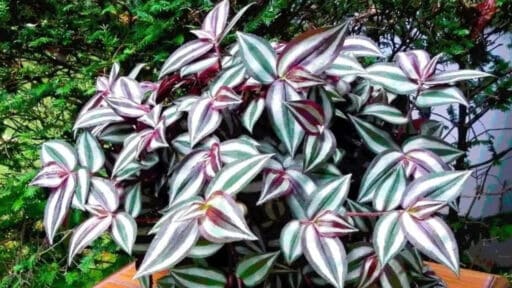
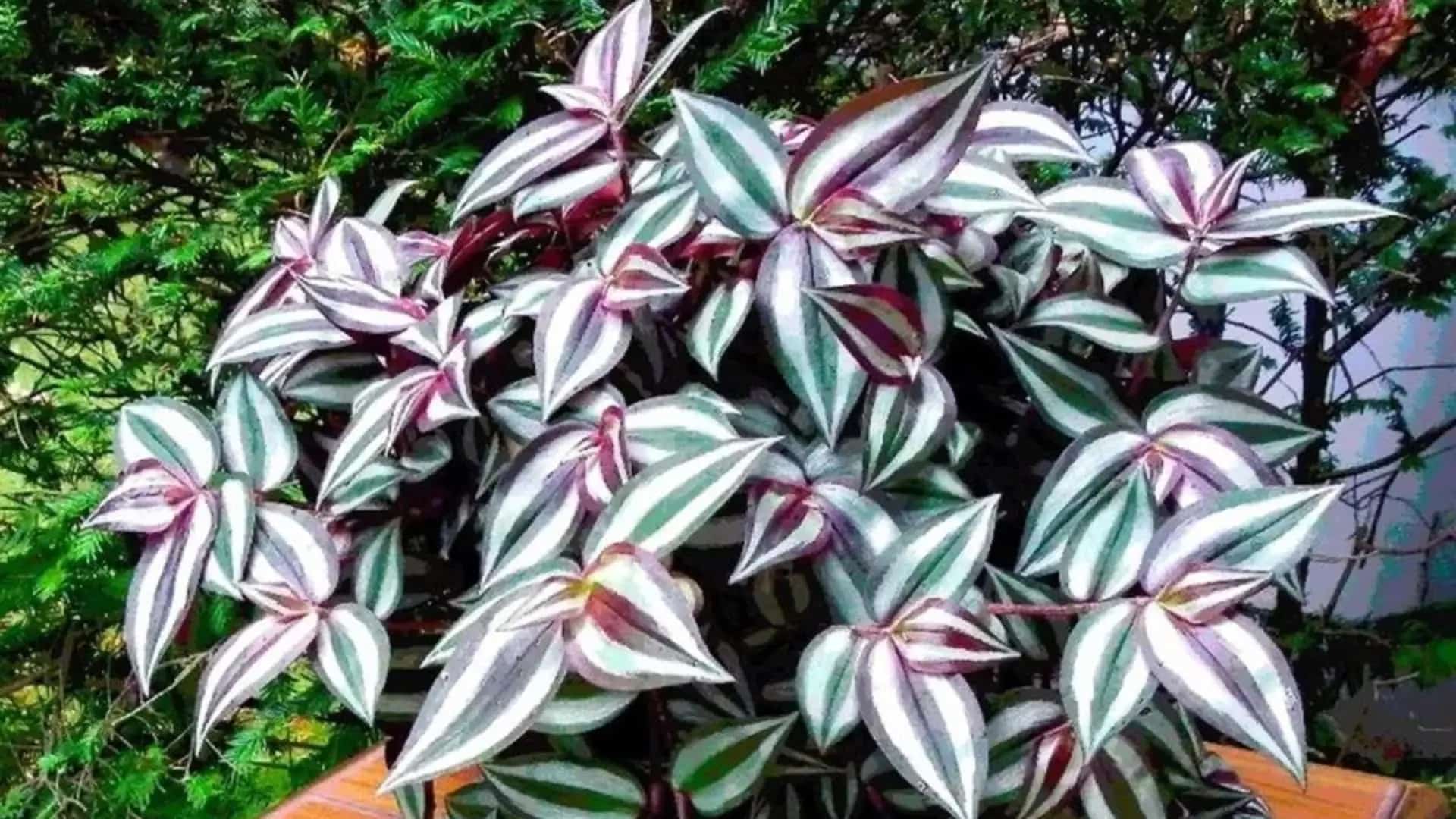

The wandering jew plant is a fast-growing trailing plant loved for its purple-and-green-striped leaves. It looks great in hanging baskets or on a shelf. The good news is that this plant is easy to keep happy.
Wandering jew plant care comes down to a few basics like light, water, and the odd trim. You do not need a green thumb to grow one well.
Even if you are new to houseplants, you can get strong results with simple habits.
In this post, I’ll walk you through each step in plain terms. You will learn how to water it, where to place it, and how to make new plants for free.
Let us start with what this plant actually is.
What is a Wandering Jew Plant?
Here is a look at where it comes from and why people grow it.
“Wandering jew” is a common name for several plants in the Tradescantia family. You may also see it sold as inch plant or spiderwort.
The leaves are the main draw. They come in shades of green, silver, and deep purple, often with soft stripes.
Many people now call it the wandering dude plant, since the older name can feel dated. It grows quickly and trails over the edge of a pot.
In warm areas, it can spread across the ground as a cover. Indoors, it stays neat with light trimming. Learning the basics of wandering jew plant care takes just a few minutes and pays off for years.
Wandering Jew Plant Care at a Glance
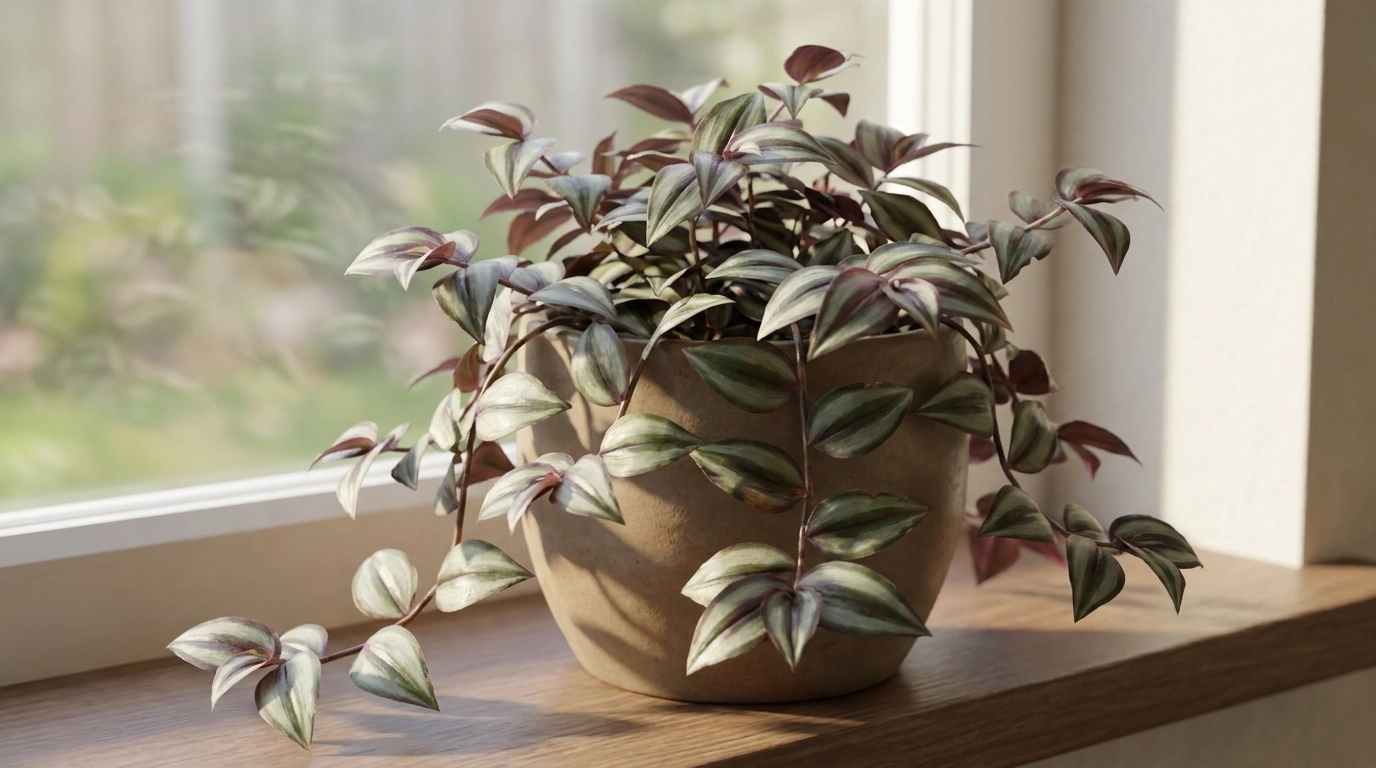
A quick care table helps when you need fast answers without having to read every detail again. Tradescantia is not a fussy plant, but it responds quickly to changes in light, water, and trimming.
Bright light keeps the purple, green, silver, or striped leaves more vivid. Even moisture keeps stems firm, while pruning keeps the plant full.
The biggest mistake is treating it like a slow-growing plant. It grows quickly, so it needs small, regular care instead of rare, heavy attention.
Use this table as your base routine, then adjust it based on your room, season, pot size, and leaf response.
| Care Factor | Best Practice |
|---|---|
| Light | Bright, indirect light with gentle morning sun |
| Water | Water when the top inch of soil feels dry |
| Soil | Light, fast-draining potting mix |
| Temperature | 60°F to 80°F is ideal |
| Humidity | Average to moderate humidity works well |
| Fertilizers | Feed monthly in spring and summer |
| Pruning | Pinch stems often to keep growth full |
| Toxicity | Mildly irritating to pets and skin |
Must-Have Supplies for Wandering Jew Plant Care
Here are some useful products that can make caring for a wandering jew plant simpler, cleaner, and more consistent:
- Indoor Plant Food
- Generic Two Purple Wandering Jew
- Garden Tools
- Plant Support for Indoor Plants
- Rooting Powder
- Expanded Clay Pebbles for Plants
Wandering Jew Plant Care Guide
Here are some key requirements of the wandering jew plants.
1. Wandering Jew Light Requirements
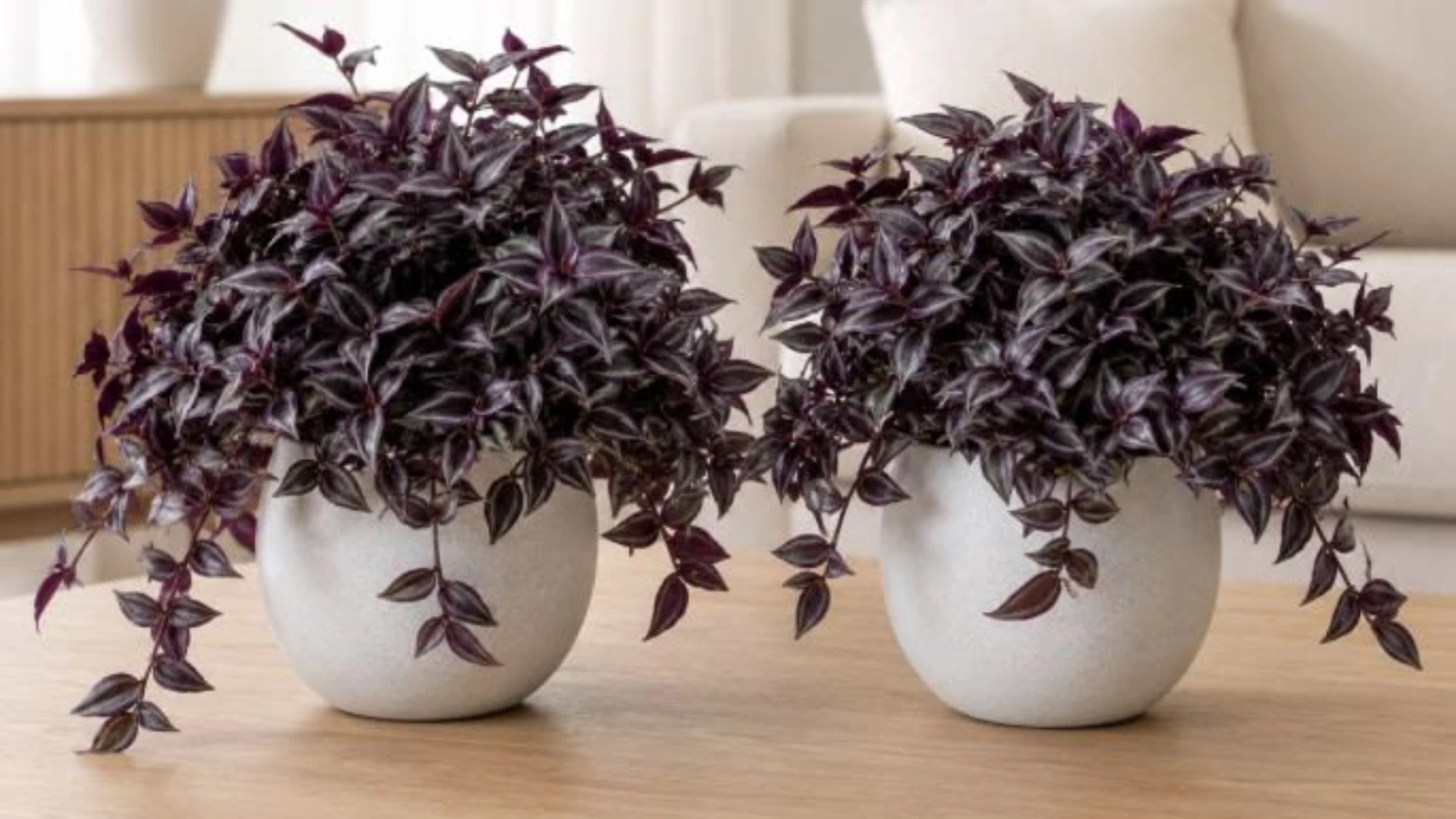
Getting the light right is the fastest way to see bright, healthy leaves. Bright, indirect light is the sweet spot for this plant. A spot near an east or north window works well.
The wandering jew light requirements are simple, but they do shape the color. In low light, the purple and silver stripes fade and turn plain green.
The stems also stretch and grow thin as they reach for a window. Too much harsh, direct sun can scorch the leaves and leave brown spots.
The most vivid zebrina I have grown sat about three feet from an east-facing window, where it caught soft morning sun.
When I moved that same plant to a dim hallway shelf, the stripes washed out to plain green within a month, and they returned a few weeks after I moved it back.
If your plant looks pale or leggy, move it closer to a window. If the leaves look bleached, pull it back from the glass. Light is the first thing to get right in wandering jew plant care.
2. How Often to Water Wandering Jew Plants
Keep watering consistent, but do not follow a fixed schedule. Light, pot size, room temperature, and season all affect how often the plant needs water. Before watering, touch the soil to check if it feels dry.
- When the top inch feels dry, water deeply until excess water drains from the bottom.
- Empty the saucer after watering so the roots do not sit in water.
- For wandering jew plant care, it is better to use the soil as your signal rather than watering on a fixed day.
- In bright rooms, the plant may need water once a week. In cooler or darker rooms, it may need less.
- The plant gives clear clues when watering is slightly off, so use the leaves and soil together.
Things to Look Out For:
- If the plant has less water, it shows these signs.
- The soil often feels dry below the surface, and the pot may feel lighter than usual.
- Leaf edges can also look dry if the plant stays thirsty too long. Water slowly until the whole root ball is evenly moist.
- These are the signs that show it has too much water
- Too much water often shows as yellowing leaves, mushy stems, or soil that stays wet for many days.
- The plant may also drop older leaves near the base.
Signs of underwatering: the soil feels dry below the surface, the pot feels lighter than usual, and leaf edges can look dry if the plant stays thirsty too long. Water slowly until the whole root ball is evenly moist.
Signs of overwatering: yellowing leaves, mushy stems, or soil that stays wet for many days. The plant may also drop older leaves near the base.
3. Best Soil for a Wandering Jew Plant
The right soil helps water drain fast and keeps roots from staying wet.
A standard indoor potting mix works well for a wandering jew plant. The main goal is good drainage. You want soil that holds some moisture but lets extra water flow away.
- To lighten a heavy mix, stir in a handful of perlite or coarse sand.
- This adds air pockets around the roots. Always use a pot with drainage holes at the bottom. Plastic, terracotta, or ceramic pots all work fine.
- Repot every year or two when roots fill the pot. Fresh soil gives the plant a boost of nutrients. A slightly snug pot is okay and can keep growth tidy.
4. Temperature and Humidity Needs
These plants like the same comfort range that most homes already have.
- Wandering jew plants do best in normal room temperatures between 55 and 75 degrees Fahrenheit (about 13 to 24 degrees Celsius). They are not frost-hardy, so keep them away from cold windows in winter.
- Sudden drafts from doors or vents can stress the leaves. Warm rooms suit them well. As for humidity, average indoor air is usually fine.
- They do enjoy a bit of extra moisture, though. If your air is very dry, mist the leaves now and then.
- You can also set the pot on a tray of pebbles and water. A bathroom or kitchen with more moisture in the air makes a good home.
5. Fertilizing a Wandering Jew Plant
This plant grows fast enough that a little feeding shows results quickly. Use a balanced liquid houseplant fertilizer diluted to half strength once a month in spring and summer.
Skip feeding in fall and winter, when growth naturally slows. If you repot with fresh mix each year, the plant can often coast on the nutrients in the new soil for the first couple of months.
Overfeeding shows up as crispy brown leaf tips, so when in doubt, dilute more rather than less.
How to Propagate a Wandering Jew Plant
This is the fun part, since one plant can quickly become many.
Few plants are as easy to multiply as this one.
- Cut a healthy stem about four inches long, just below a leaf node. Pull off the lower leaves so the bottom of the stem is bare.
- Place the cutting in a glass of water or press it straight into moist soil.
- In water, small roots appear in about one to two weeks.
- I root mine in a plain drinking glass on the kitchen windowsill, and most cuttings show their first roots by day ten. The only ones that fail for me are cuttings with leaves left underwater, so strip everything below the waterline.
- Once roots reach an inch long, move the cutting into a pot with soil. Keep the new plant in bright, indirect light and lightly moist soil.
- For a full-looking pot from the start, plant five or six rooted cuttings together instead of one.
- Share the extra plants with friends or fill out a thin pot for a fuller look.
How to Prune a Wandering Jew Plant
A quick trim now and then keeps the plant full instead of thin and scraggly. Over time, the stems grow long and can look bare near the base.
Pruning fixes this fast. Here are the steps for pruning a wandering jew plant.
Step 1: Cut Just Above a Leaf Node
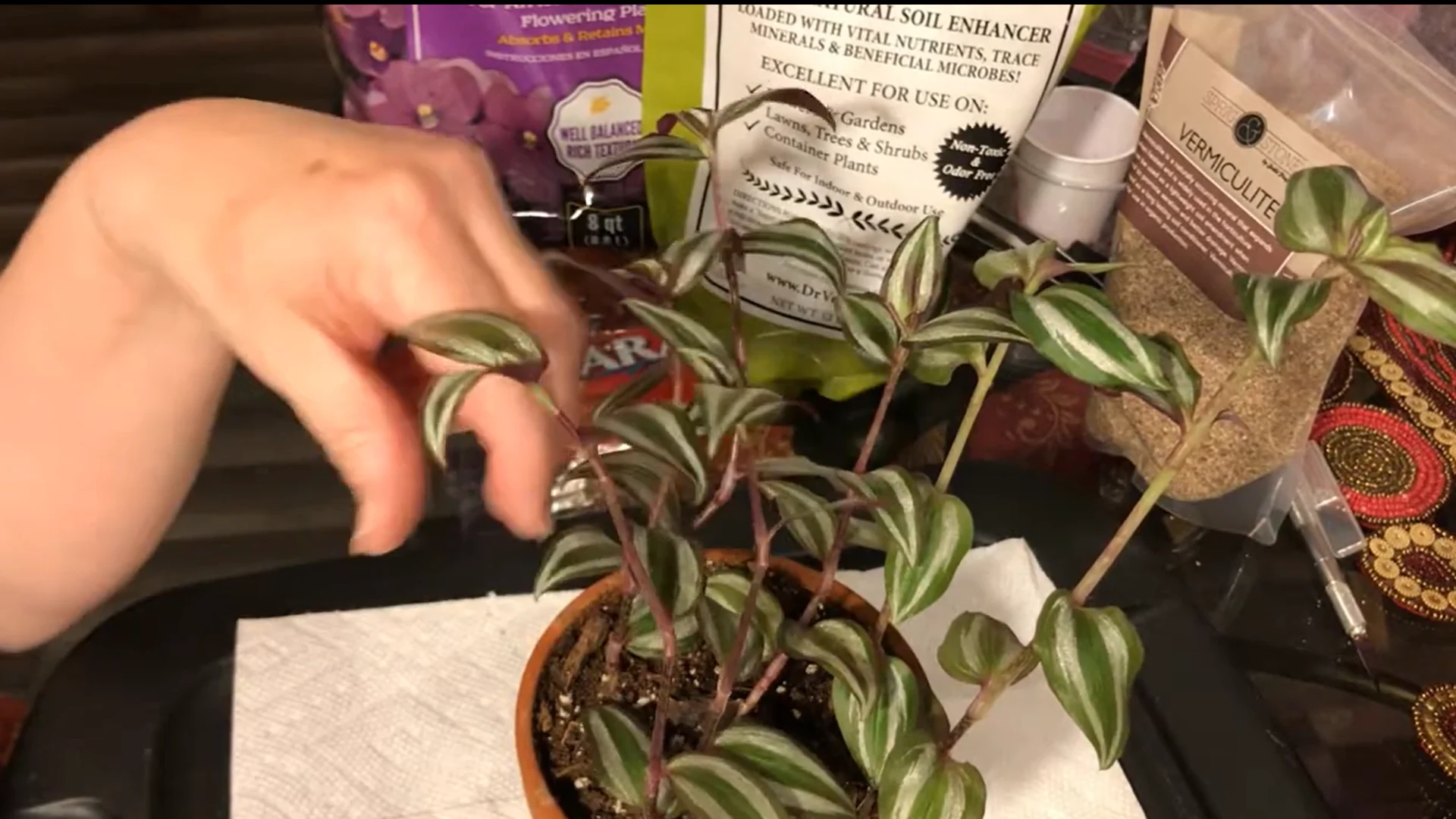
Find a healthy stem and cut just above a leaf node, the small raised point where a leaf joins the stem. This spot is important because new shoots can grow from it after pruning.
Use clean scissors or pinch the soft stem with your fingers. Cutting in the right place encourages side growth, helping the plant look fuller instead of long, thin, or uneven.
Step 2: Trim Lightly During Active Growth
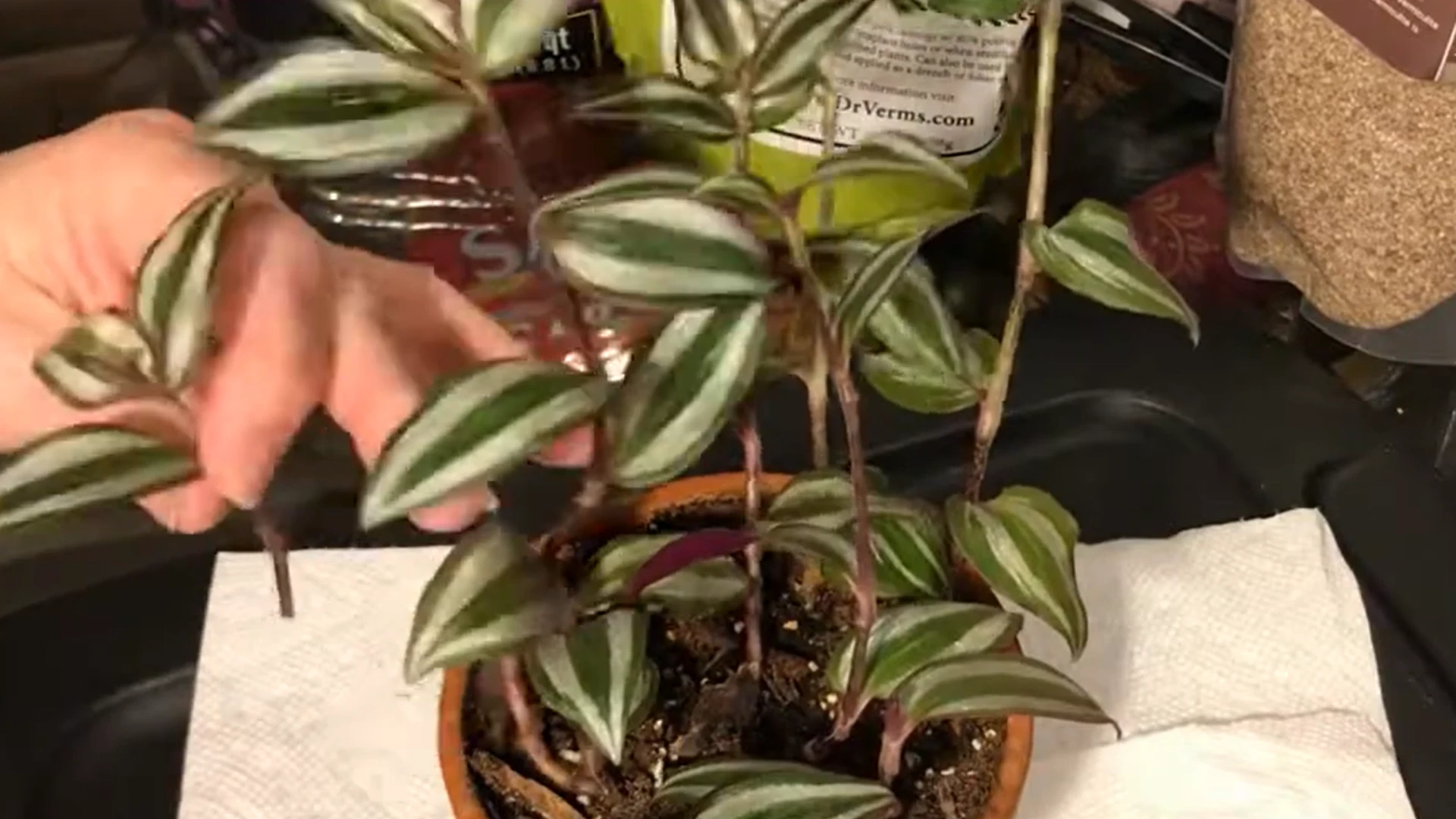
Trim the plant lightly every few weeks during spring and summer, when growth is usually strongest. Remove overly long stems, weak growth, and any damaged leaves, but avoid cutting too much at once.
Small, regular trims are easier on the plant and help it keep a neat shape. During slower winter growth, prune only when the plant starts looking untidy or leggy.
Step 3: Save Healthy Cuttings for Propagation
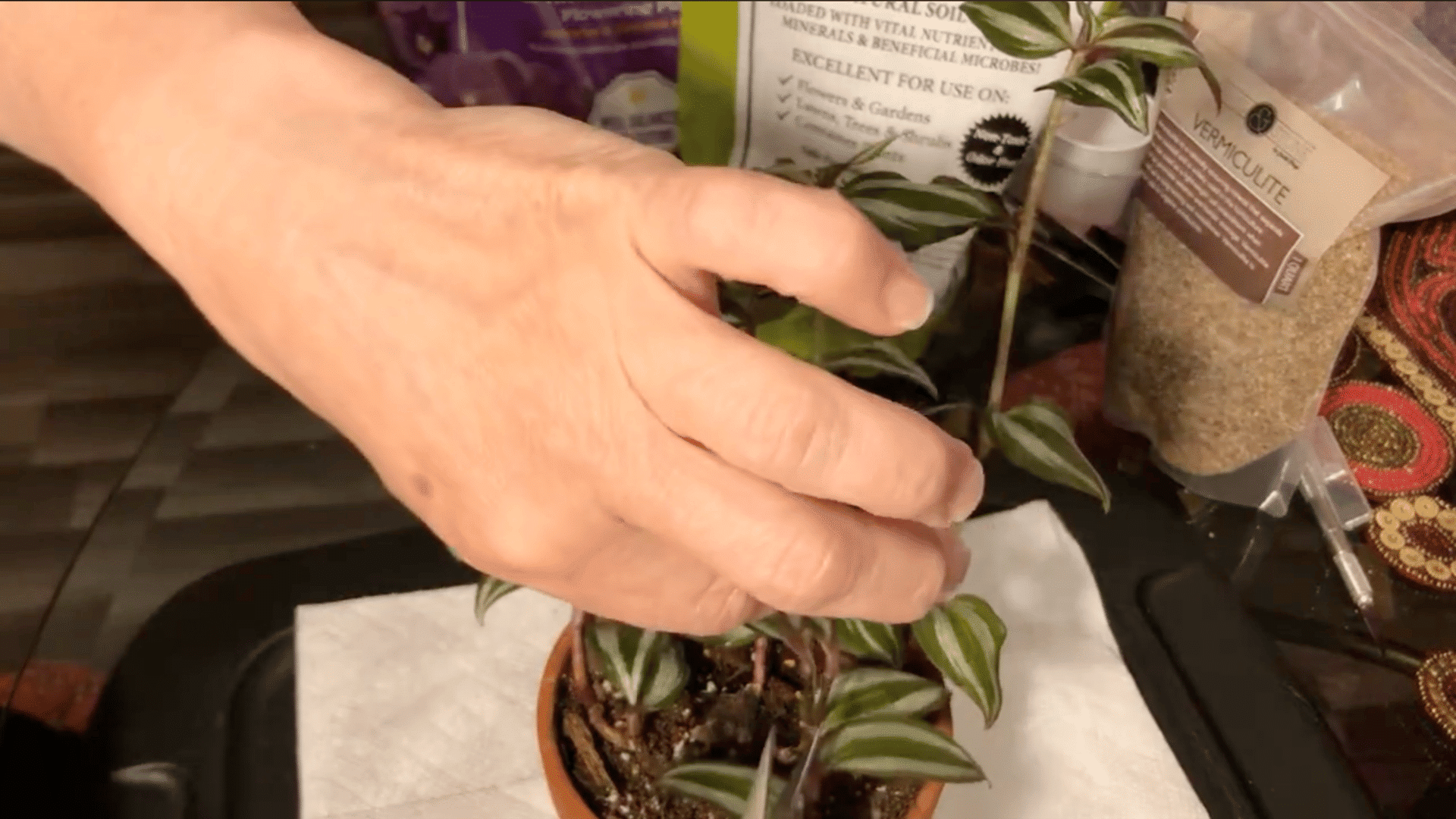
Keep the healthy stems you remove instead of throwing them away. Wandering jew cuttings root easily in water or moist potting mix, so one pruning session can give you several new plants.
Regular trimming also takes very little time, often only a minute or two. Making it part of your normal care routine keeps the parent plant bushy while giving you free plants to grow or share.
For more visual instructions, you can have a look at the video of my indoor garden.
Indoor vs Outdoor Care
Where you place your plant changes a few small habits, so here is how each setting works.
Most people grow this plant indoors, but warm climates allow it to be grown outside too. The core steps stay the same in both spots.
Growing Wandering Jew Indoors
Indoors, your main job is to keep the light steady and water carefully.
- Place your plant near a bright window with indirect light.
- Turn the pot every week, so it grows evenly on all sides. Water when the top inch of soil dries out, and trim the stems to keep it full.
- Watch for dust on the leaves and wipe them gently now and then. Indoor plants stay smaller and neater than outdoor ones, making them easy to manage on a shelf or a hook.
Growing Wandering Jew Outdoors
Outdoors, the plant grows faster but needs a bit more watching.
- In warm regions, you can grow it outside as a ground cover or in hanging pots. Give it a shady or partly shady spot, since full sun can burn the leaves.
- Water more often in heat, as pots dry out fast.
- Bring it inside before the first frost, since cold will kill it.
- Note that it can spread quickly and take over garden beds, so give it room or keep it in a container.
Is the Wandering Jew Plant Safe for Pets and Kids?
Treat this plant as mildly irritating rather than dangerous. The sap in the stems can cause skin irritation, and the ASPCA lists Tradescantia fluminensis as toxic to dogs, cats, and horses, with dermatitis as the main clinical sign.
In practice that means keep hanging baskets out of reach of pets that chew plants, and wear gloves or wash your hands after a big pruning session.
I learned the gloves lesson the itchy way after trimming a large plant bare-handed, so take that one seriously if you have sensitive skin. If a pet chews the plant and shows drooling, vomiting, or skin redness, call your veterinarian.
Common Problems and Simple Fixes
Even with proper care, a wandering jew plant may show a few warning signs. Most problems are easy to correct once you identify the cause.
| Common Problem | Likely Cause | Simple Fix |
|---|---|---|
| Fading leaf color | The plant is not getting enough light | Move it closer to a bright window with indirect light. |
| Long, bare stems | Low light or lack of pruning | Give it brighter light and trim the long stems above a leaf node. |
| Yellow, mushy leaves | Too much water or poor drainage | Let the soil dry more between watering and check the pot has drainage holes. |
| Brown, crispy tips | Dry air, underwatering, or harsh sun | Move it away from strong sun and check the soil before watering. |
| Spider mites or aphids | Common houseplant pests | Rinse the leaves and use insecticidal soap if needed. |
| Thin, tired growth | Irregular care or old stems | Keep care steady and root fresh cuttings back into the pot. |
Final Thoughts on Wandering Jew Plant Care
A short recap will help the basics stick before you get growing.
Growing this plant is a low-stress way to add color to any room. The purple and green leaves brighten a shelf, a desk, or a hanging pot.
Solid wandering jew plant care really does come down to a few habits. Give it bright, indirect light, water when the topsoil dries, and trim it now and then.
When the stems grow long, snip a few and root them for free plants. Keep it warm and out of cold drafts, and it will reward you with fast, full growth.
Do not stress about getting everything perfect at first. This plant is forgiving and bounces back easily.
Frequently Asked Questions
Is the Wandering Jew Plant Easy to Care For?
Yes. It handles beginner mistakes well. Give it bright, indirect light, water when the topsoil dries, and trim it now and then for full growth.
Why is My Wandering Jew Plant Losing Its Color?
Fading color almost always means too little light. Move the plant closer to a bright window with indirect sun, and the stripes should return over time.
How Often Should I Water My Wandering Jew Plant?
Water when the top inch of soil feels dry. In summer that may be twice a week. In winter, water is much less often.
What is the Spiritual Meaning of Wandering Jew plants?
The Wandering Jew plant symbolizes resilience, adaptability, and survival.
Can I Grow a Wandering Jew Plant Outdoors?
Yes, in warm, frost-free areas. Give it partial shade and bring it inside before cold weather. Note that it can spread fast in garden beds.

Jordan Mathews, who has a degree in horticulture from Texas A&M University, has been a guiding force in plant health and sustainable gardening for over 16 years. His career began with a role at a renowned botanical garden, where he deepened his understanding of plant physiology and eco-friendly cultivation methods. Jordan joined our website as a freelancer in 2020, becoming a go-to expert for readers seeking advice on nurturing diverse plant species apart from offering insights grounded in scientific knowledge and practical experience. Beyond his professional achievements, Jordan is a keen nature photographer, capturing the beauty of flora in its immensely diversified forms.