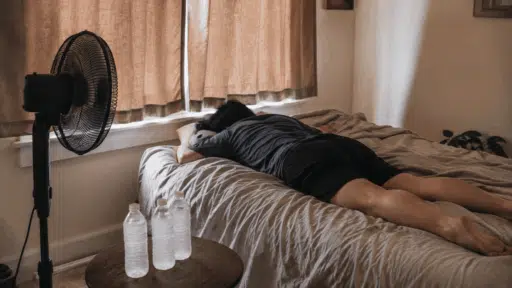
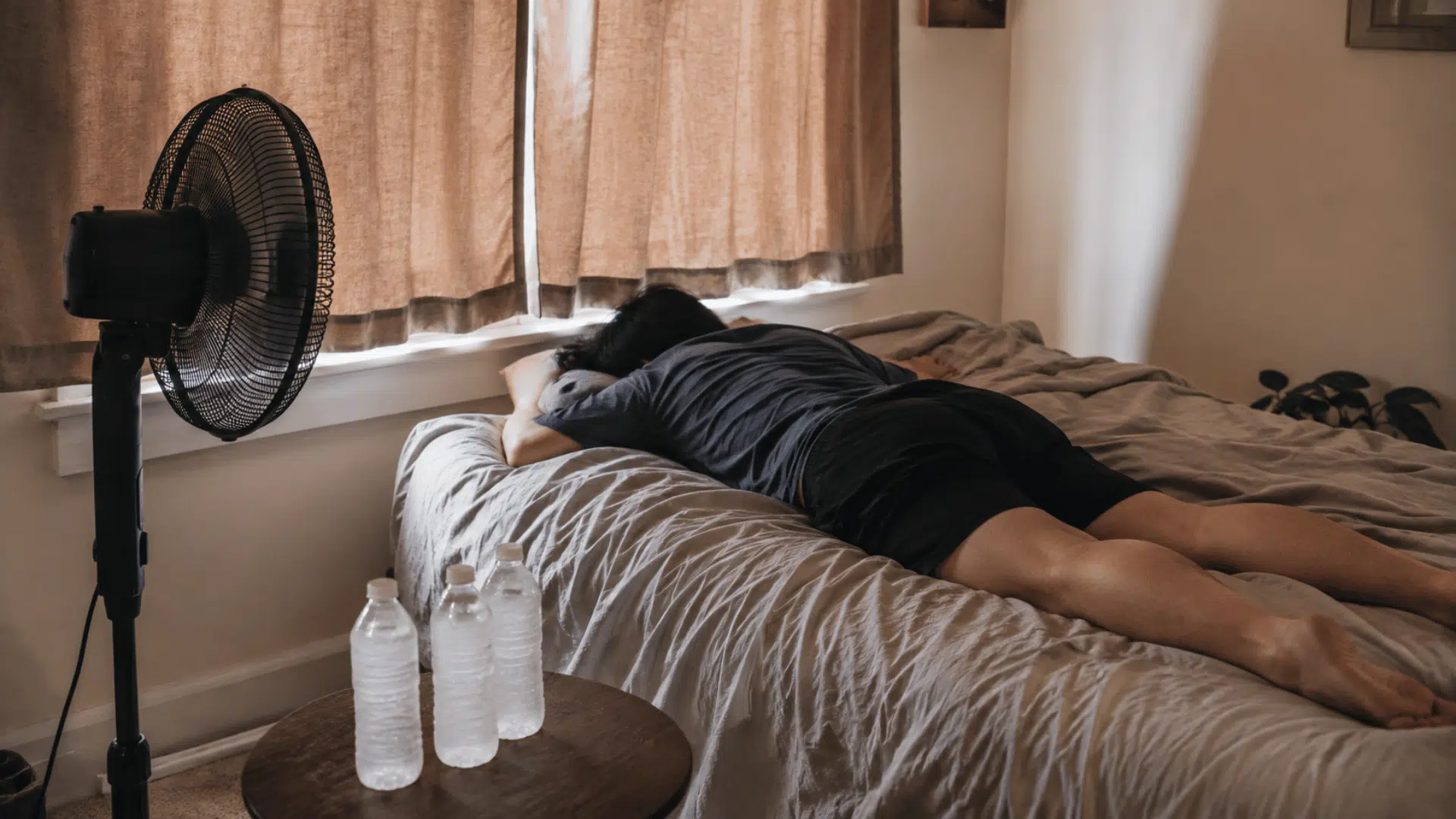

I’ve dealt with a room that just wouldn’t cool down no matter what I tried, so I get the frustration. You already know the basics: pull the curtains, turn on a fan, and unplug stuff you’re not using.
But when it’s 95°F outside, and your room still feels like an oven, those tips only go so far. The problem is that most cooling advice ignores rooms with poor airflow or no AC.
So I dug into what actually helps, compared the most popular tricks side by side, and added a few community-tested hacks you won’t find in a typical tips list.
If you are a renter without AC or stuck with one stubborn hot room like I was, you’ll get a clear plan, not just another list of the same ten tips.
Quick Answer: Fastest Way to Cool Down a Room
When my own bedroom gets super hot, this is the order I actually worked through. Fastest fixes include:
- Block the Sun First: Close curtains or blinds. This one step makes the biggest difference of all.
- Get Air Moving Across the Room: Don’t just point a fan into empty space. Aim it so air actually flows through.
- Try a Quick Fix for Instant Relief: A homemade ice-fan or damp towel cools things down fast, even if it’s temporary.
- Push Hot Air out At Night: Open windows for cross-ventilation once it’s cooler outside.
- Cut Hidden Heat Sources: Turn off lamps, chargers, and electronics you’re not actively using right now.
Why do Some Rooms Stay Hot No Matter What You Try?
Some rooms stay hot because heat enters faster than it can escape. Poor airflow, direct sunlight, humidity, and heat from electronics are common causes.
Top-floor rooms often run warmer because heat rises through the house, while the roof absorbs sunlight throughout the day.
West-facing rooms can also stay hot into the evening after hours of afternoon sun.
Before trying random cooling tricks, identify what is driving the heat. Check airflow, window direction, sunlight, humidity, and appliances that run for long periods.
Once you know the cause, learning how to cool down a room becomes much simpler. Improve ventilation, block direct sun, reduce indoor heat sources, or control humidity based on the problem.
Proven Ways to Cool Down a Room
No time to plan a whole strategy? Good, because most of these tricks take minutes and use stuff already sitting around the house: a fan, a bowl, some tape.
What follows is a list of ways to cool down a room ranked roughly by how fast they work and how much effort they take.
1. Block the Sun (Curtains, Blinds, Foil Trick)
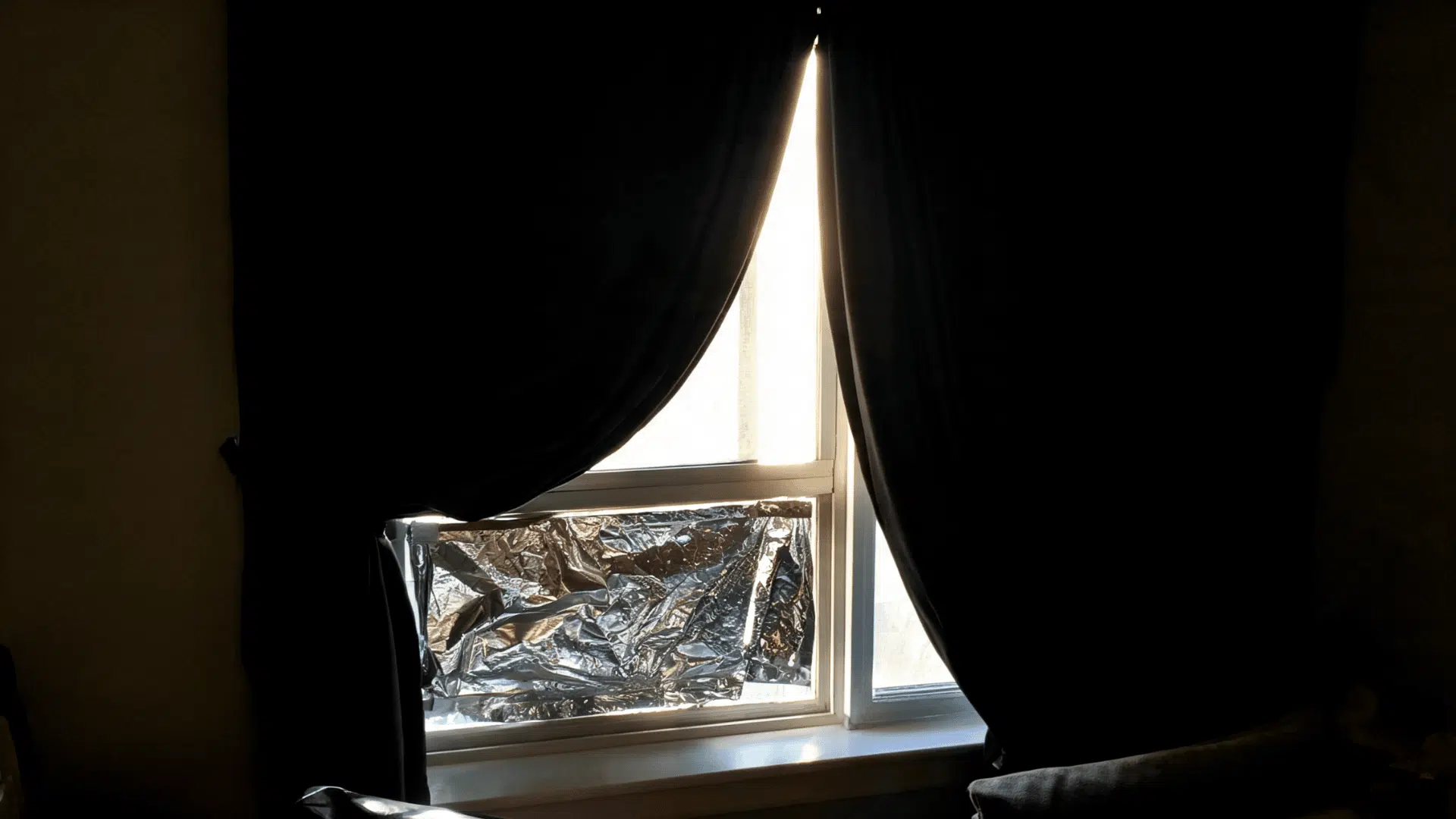
Sunlight is often the fastest way to heat up a room. Blocking it out first gives you the biggest, quickest win.
- Close curtains or blinds on any sun-facing windows.
- Use dark or blackout curtains if you have them.
- No blackout curtains? Tape aluminum foil, shiny side out, onto the glass.
- Keep windows covered until the sun moves off that side of the house.
2. Build a DIY Ice Fan
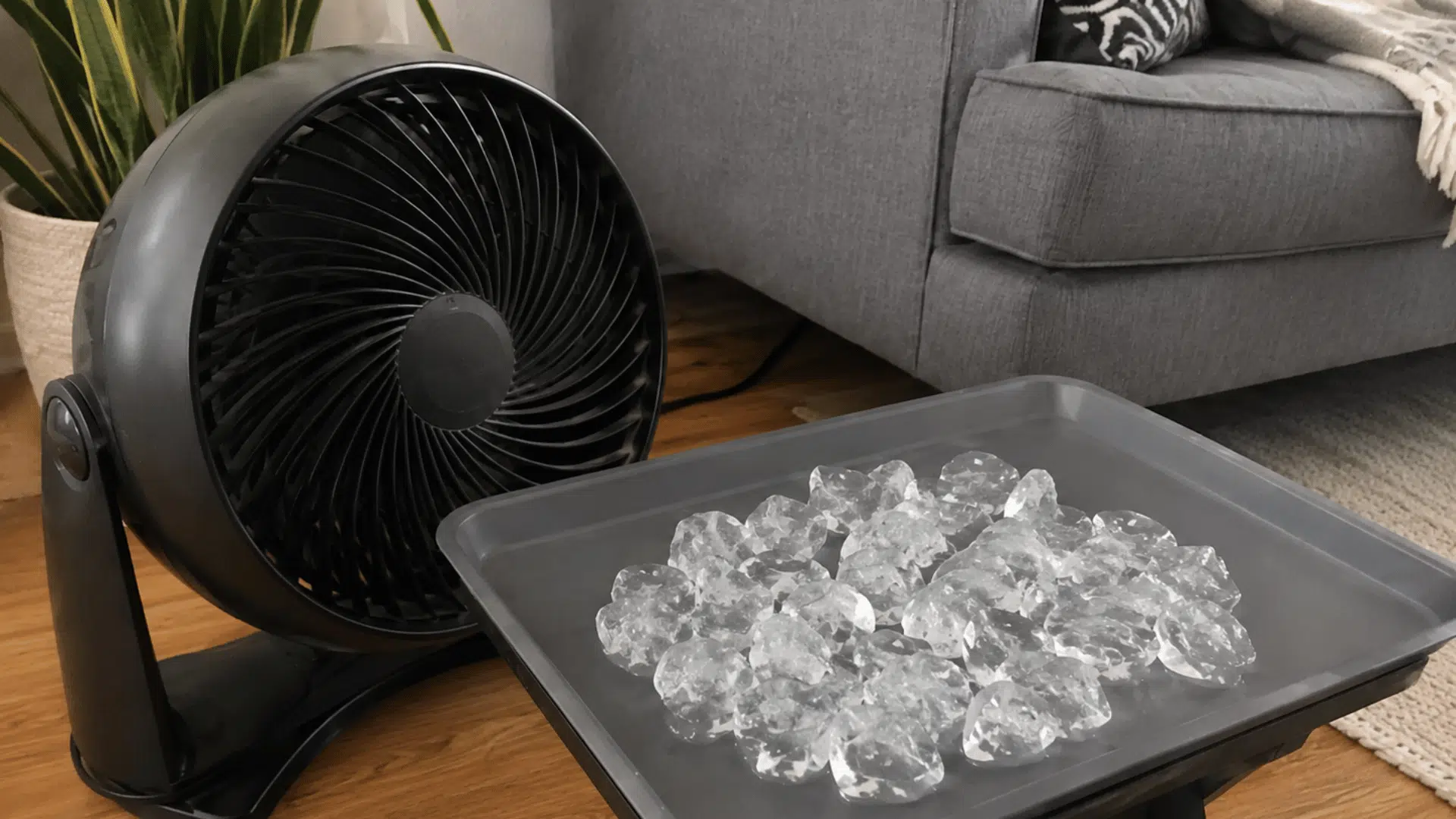
This is the classic trick your grandparents probably used. It won’t lower the room’s actual temperature, but it feels noticeably cooler fast.
- Fill a wide bowl with ice cubes or ice packs.
- Place the bowl directly in front of a standing fan.
- Turn the fan on medium speed, angled toward you.
- Refill the bowl every 20 to 30 minutes as the ice melts.
3. Damp Sheet or Towel Trick
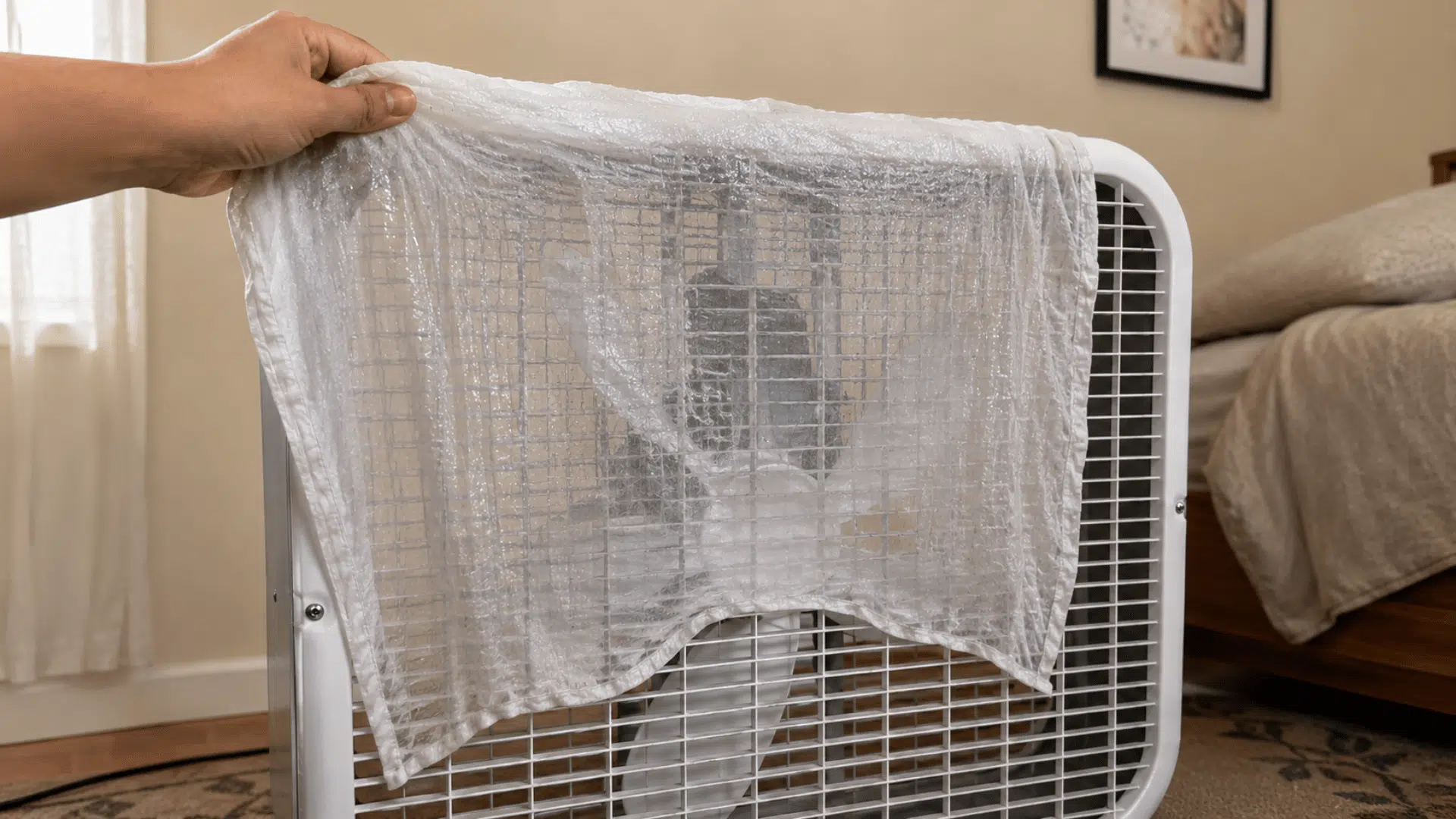
Wet fabric plus airflow creates a cooling effect through evaporation. It is simple and works almost instantly.
- Soak a thin sheet or towel in cool water.
- Wring it out so it is damp, not dripping.
- Hang it over a fan.
- Let the breeze pass through the damp fabric before it reaches you.
4. Run an Attic or Exhaust Fan to Pull Hot Air Out
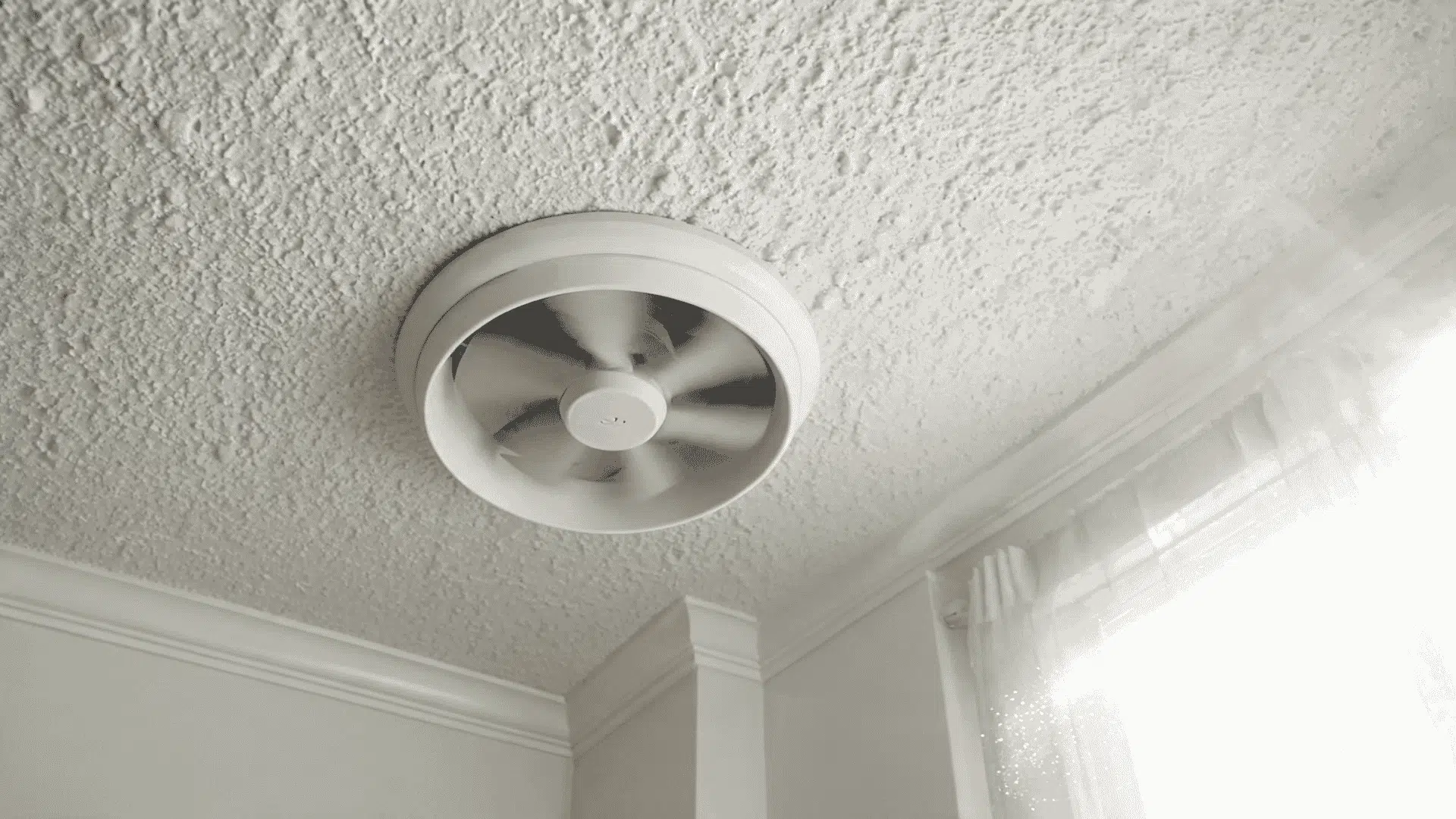
Heat rises and collects near the ceiling or attic, making the whole room feel warmer than it should.
- Turn on an attic fan if your home has one installed.
- Use a bathroom or kitchen exhaust fan to vent nearby hot air.
- Run these fans during the hottest part of the afternoon.
- Keep a window cracked nearby so air has somewhere to flow.
5. Move Furniture Away from Vents and Windows
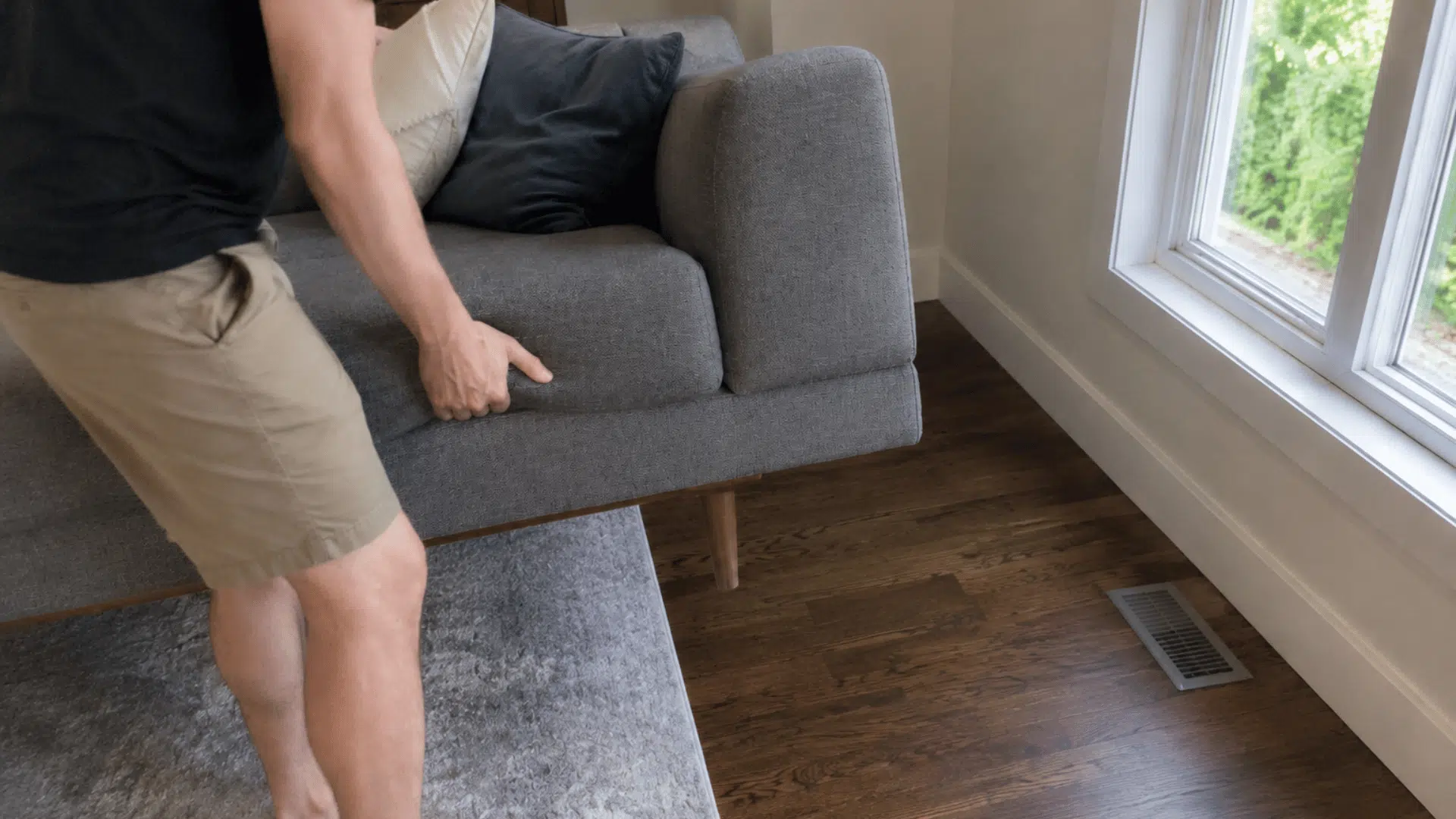
Furniture blocking airflow paths quietly traps heat in corners and stops cool air from circulating properly.
- Check if couches, shelves, or beds are blocking any vents.
- Move furniture at least a few inches away from windows.
- Clear space in front of fans so air can move freely.
- Rearrange seating to sit directly in the airflow path.
6. Create Cross Ventilation With Two Fans
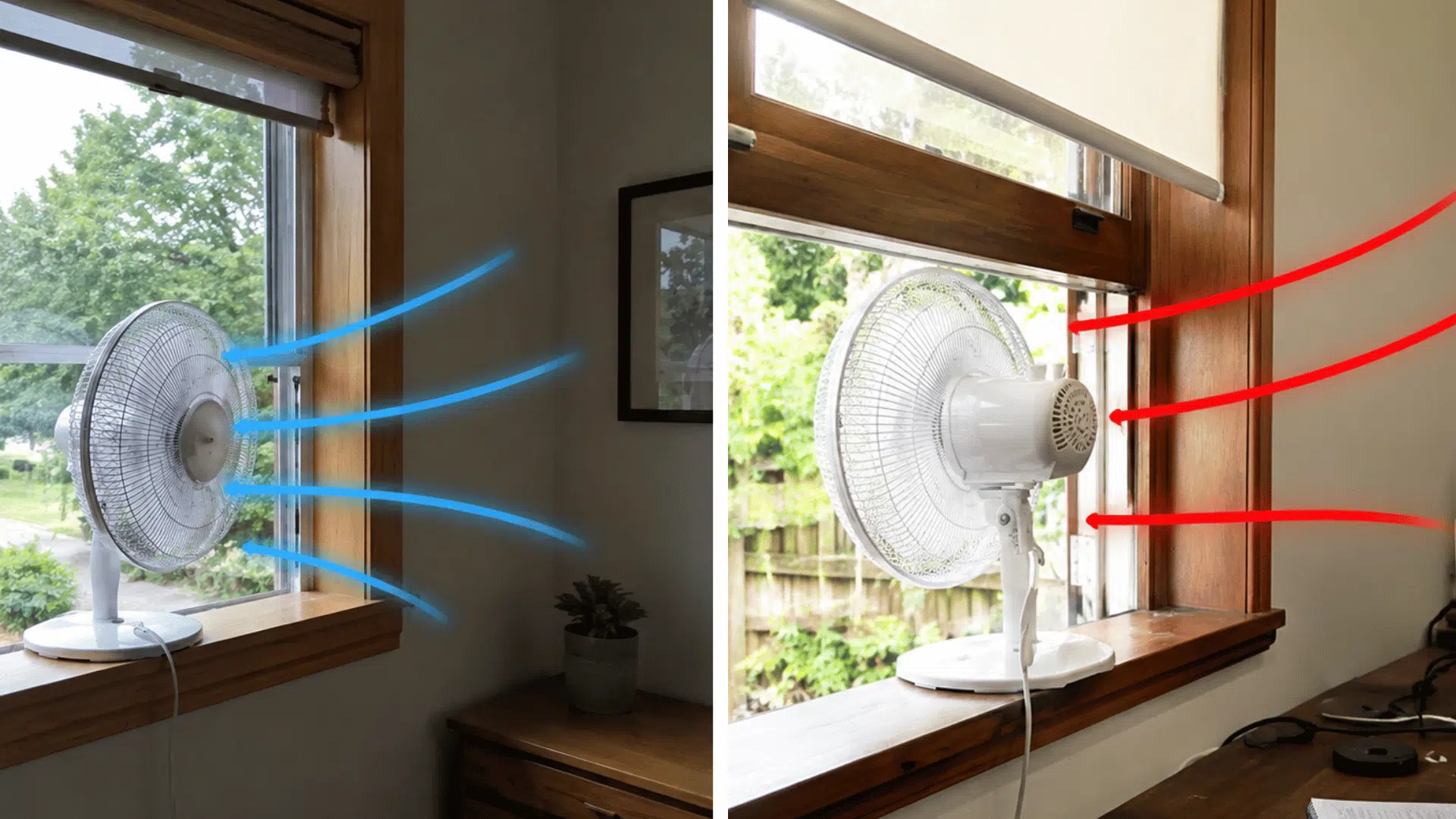
One fan alone just moves warm air around. Two fans working together actually push heat out.
- Place one fan facing outward in a window to push hot air out.
- Place a second fan facing inward in another window to pull cool air in.
- Choose windows on opposite or adjacent walls for best results.
- Run both fans together during cooler parts of the day.
7. Use a Portable Evaporative Cooler
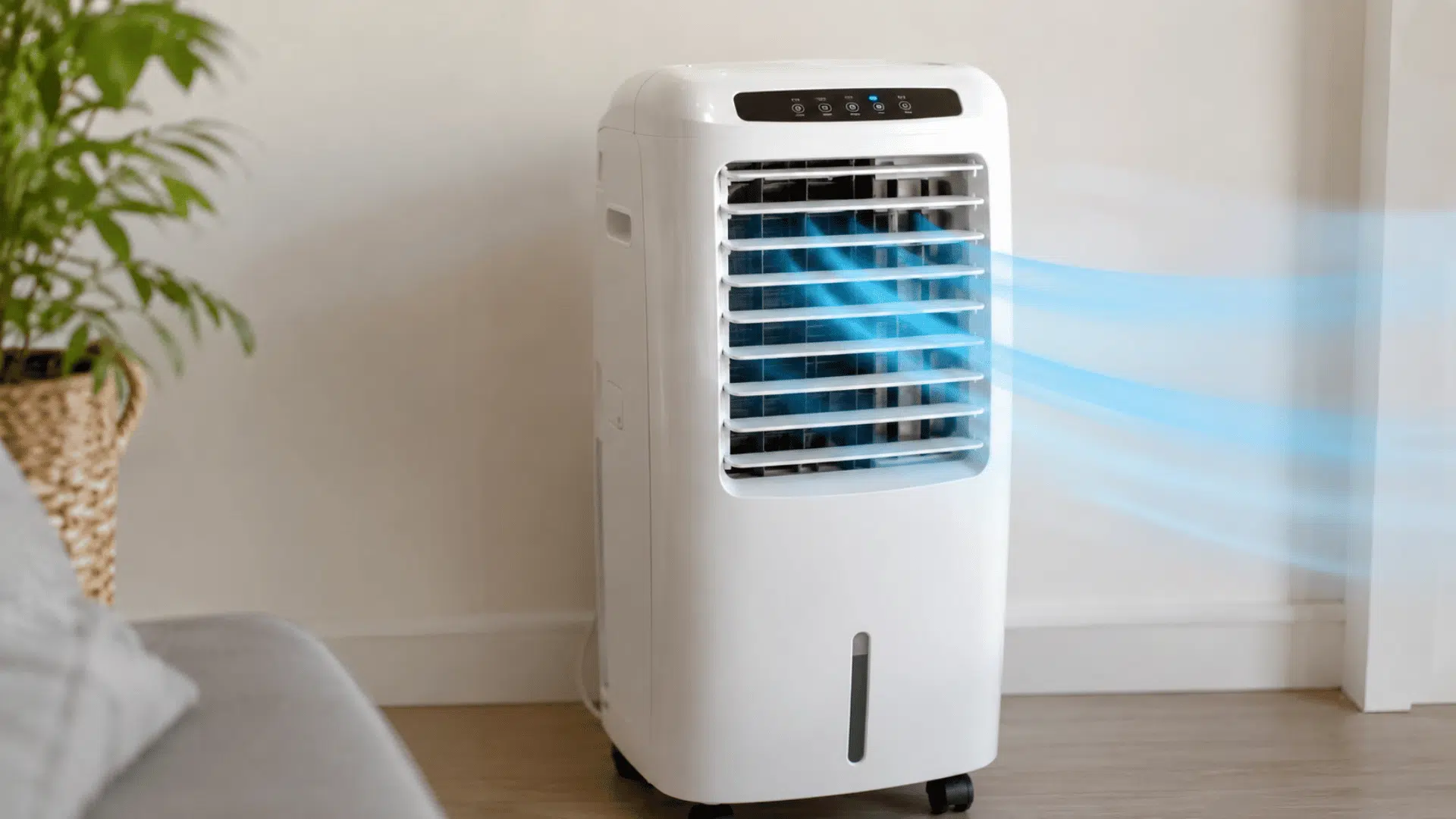
These small units add moisture-cooled air into a room without needing a full AC installation.
- Fill the water tank with cool water before turning it on.
- Place it near an open window or door for fresh air intake.
- Run it during dry, hot hours since it works best in low humidity.
- Refill the tank as needed to keep the cooling effect going.
8. Turn Off Unused Lights
Lights generate more heat than most people realize, especially older bulbs.
An incandescent bulb turns most of its energy into heat instead of light, so a lamp left on all evening works a bit like a small space heater in the corner of the room.
- Turn off any lights not currently in use.
- Swap incandescent bulbs for LED if possible.
- Rely on natural daylight during the day instead.
- Keep lighting minimal until the room cools down.
9. Unplug Idle Electronics and Chargers
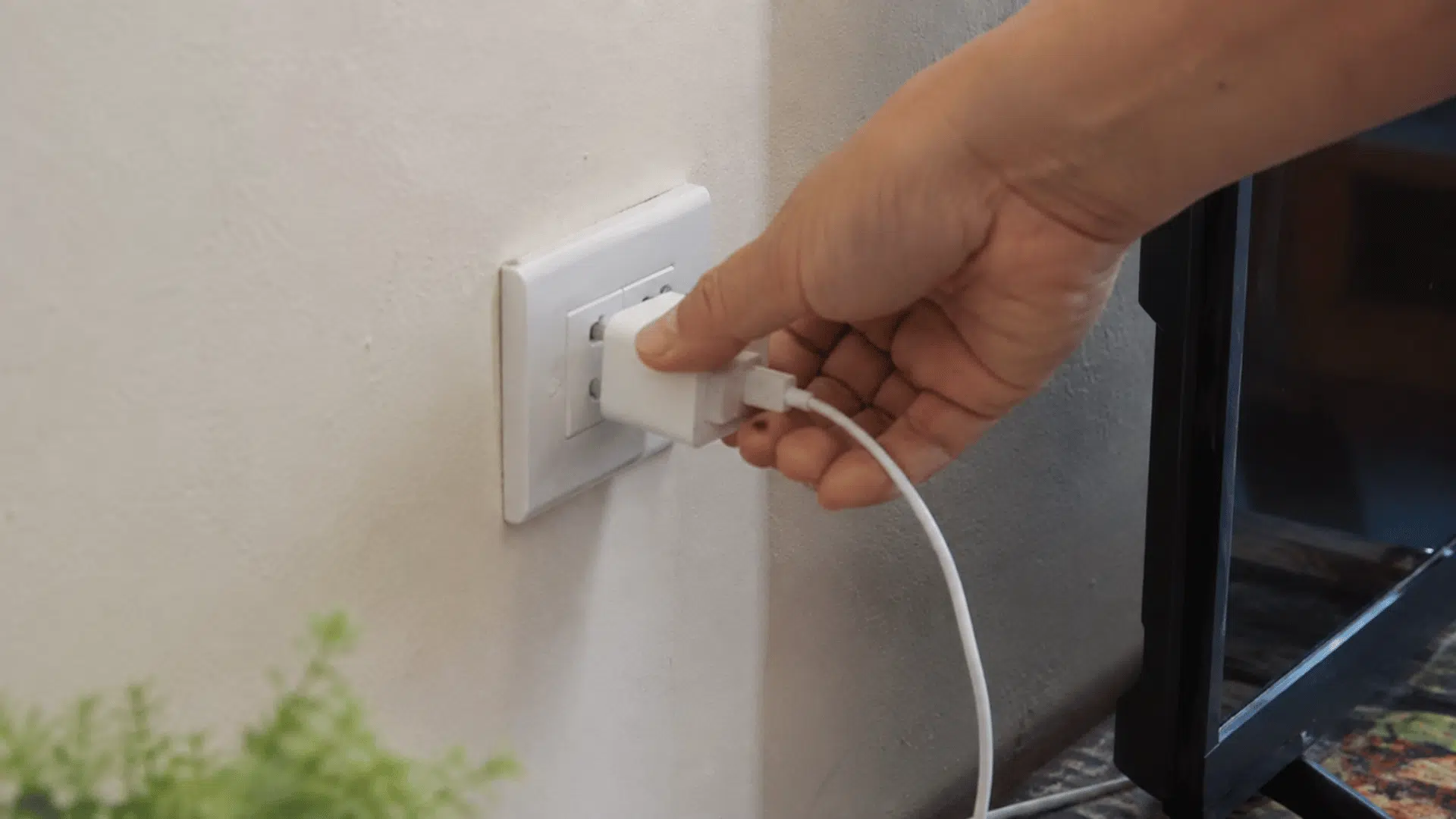
Devices left plugged in quietly release heat even when they’re not actively being used.
A charger, game console, or monitor left on standby still draws a small current, and that current turns into warmth right where you’re sitting.
- Unplug chargers, gaming consoles, or monitors you’re not using.
- Turn off power strips for electronics sitting idle.
- Move remaining devices away from where you sit or sleep.
- Only plug things back in when you actually need them.
10. Close Doors to Unused Rooms
Sealing off rooms you’re not using stops warm air from spreading through your space.
This matters most if you have central air, since an open door lets the AC waste effort cooling a hallway or guest room nobody’s sitting in.
- Shut doors to any rooms not currently occupied.
- Close air vents in those rooms if you have central air.
- Keep the door closed until temperatures drop outside.
- Focus your cooling efforts only on the rooms you’re using.
11. Add Reflective Window Film

A one-time fix that blocks heat from entering through glass all day long, not just when curtains are closed.
- Measure your window and cut film to size.
- Clean the glass thoroughly before applying.
- Smooth the film onto the window, removing air bubbles.
- Leave it in place through the hottest months for ongoing heat blocking.
12. Reverse Your Ceiling Fan Direction
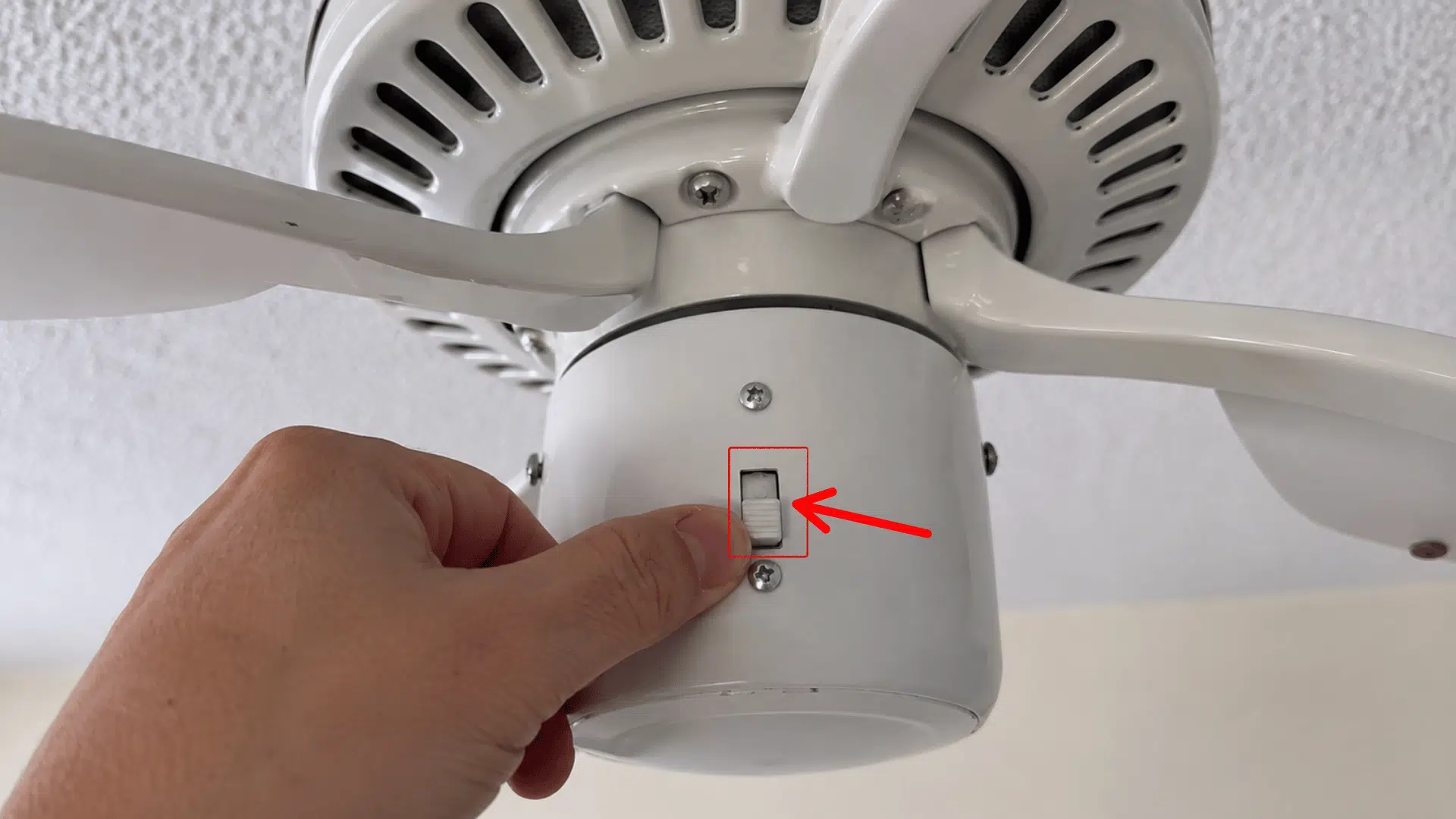
It might come as a surprise to you that people usually run their ceiling fan the wrong way without knowing it. In summer, you want the blades spinning counterclockwise, which pushes air straight down and creates a breeze on your skin.
Clockwise, the setting most fans default to, pulls air up instead and barely helps in hot weather.
- Look for a small switch on the fan’s base or side.
- Set the fan to spin counterclockwise for summer.
- Turn it on at medium or high speed.
- Stand or sit directly underneath for the coolest airflow.
13. Cover Unused Heat Vents
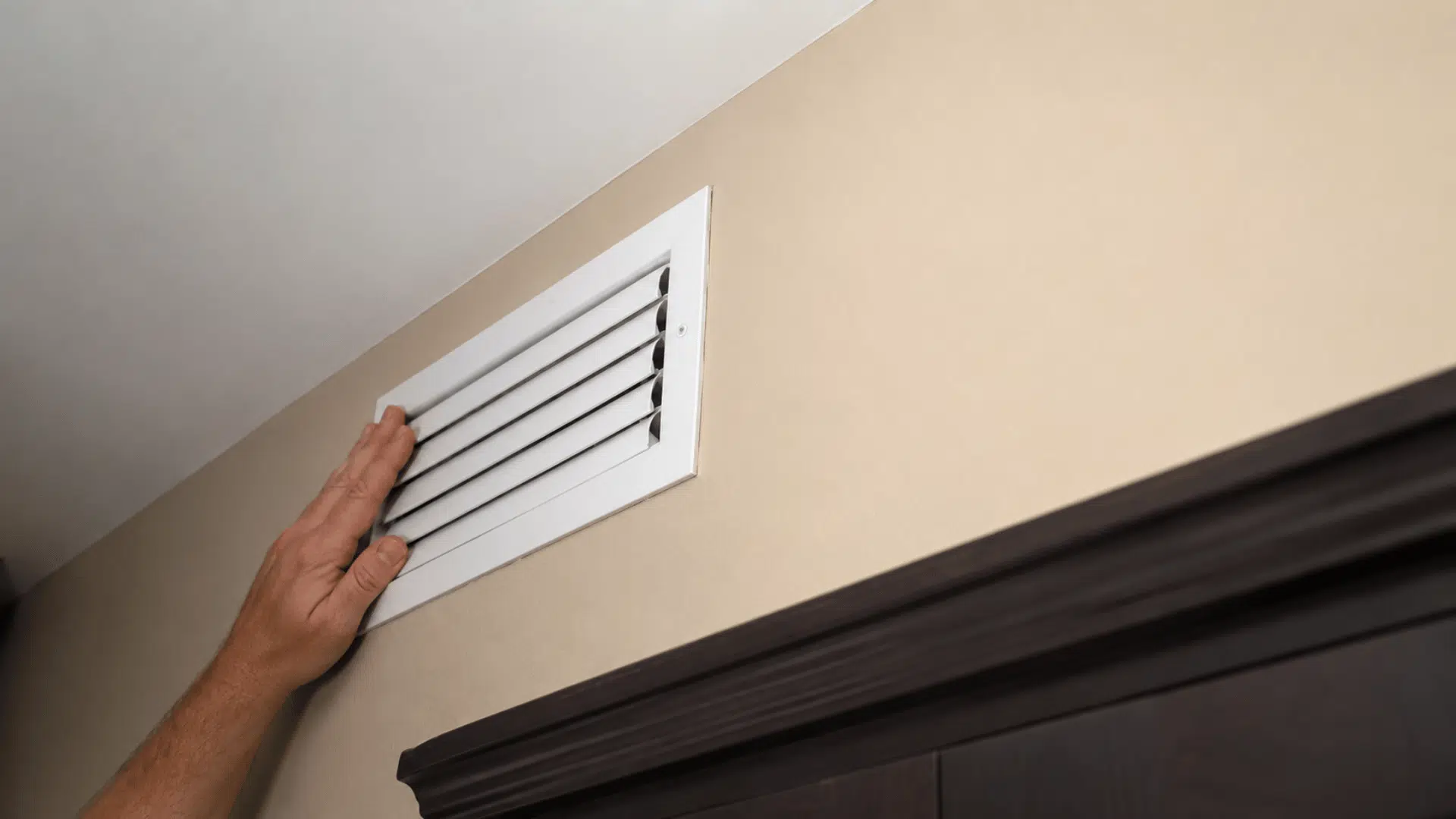
Blocking airflow into vents you’re not using in summer keeps cooler air focused where you actually need it.
This works especially well with central AC, since the same amount of cool air gets pushed into fewer rooms instead of spreading thin across the whole house.
- Locate vents in rooms you rarely use.
- Close the vent covers fully.
- Check that closing them doesn’t strain your HVAC system if it’s centrally controlled.
- Reopen them once temperatures drop in the evening.
14. Use Frozen Water Bottles Near Your Seating Area
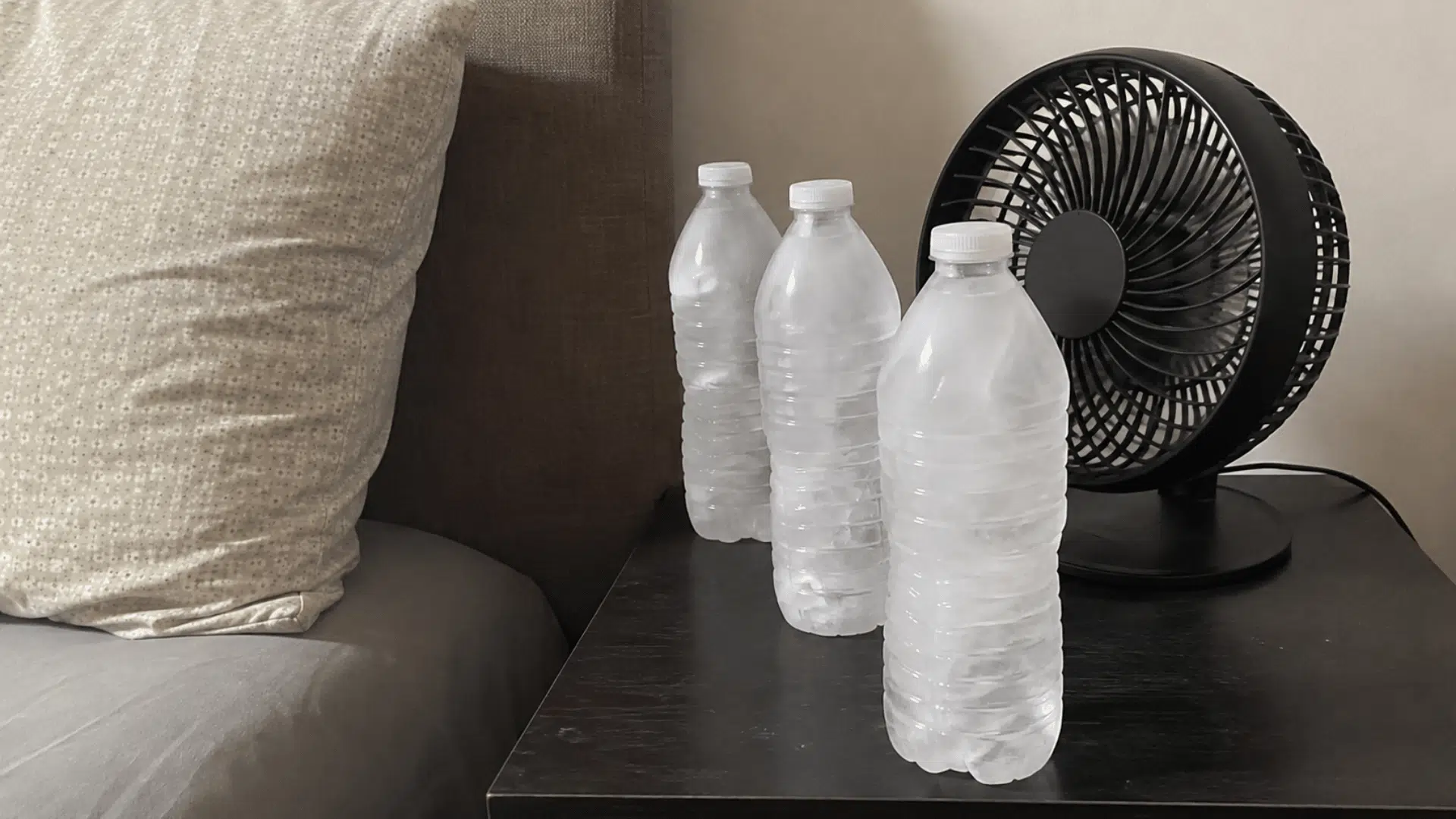
A few frozen bottles placed nearby can quietly cool the air around you. Wrap one in a thin towel if you’re resting it against your skin, since bare ice numbs the spot faster than it cools the room.
- Freeze two or three water bottles overnight.
- Set them near where you sit, work, or sleep.
- Place a small fan nearby to circulate the cool air.
- Swap in fresh frozen bottles as they melt.
15. Skip the Stove During Peak Heat
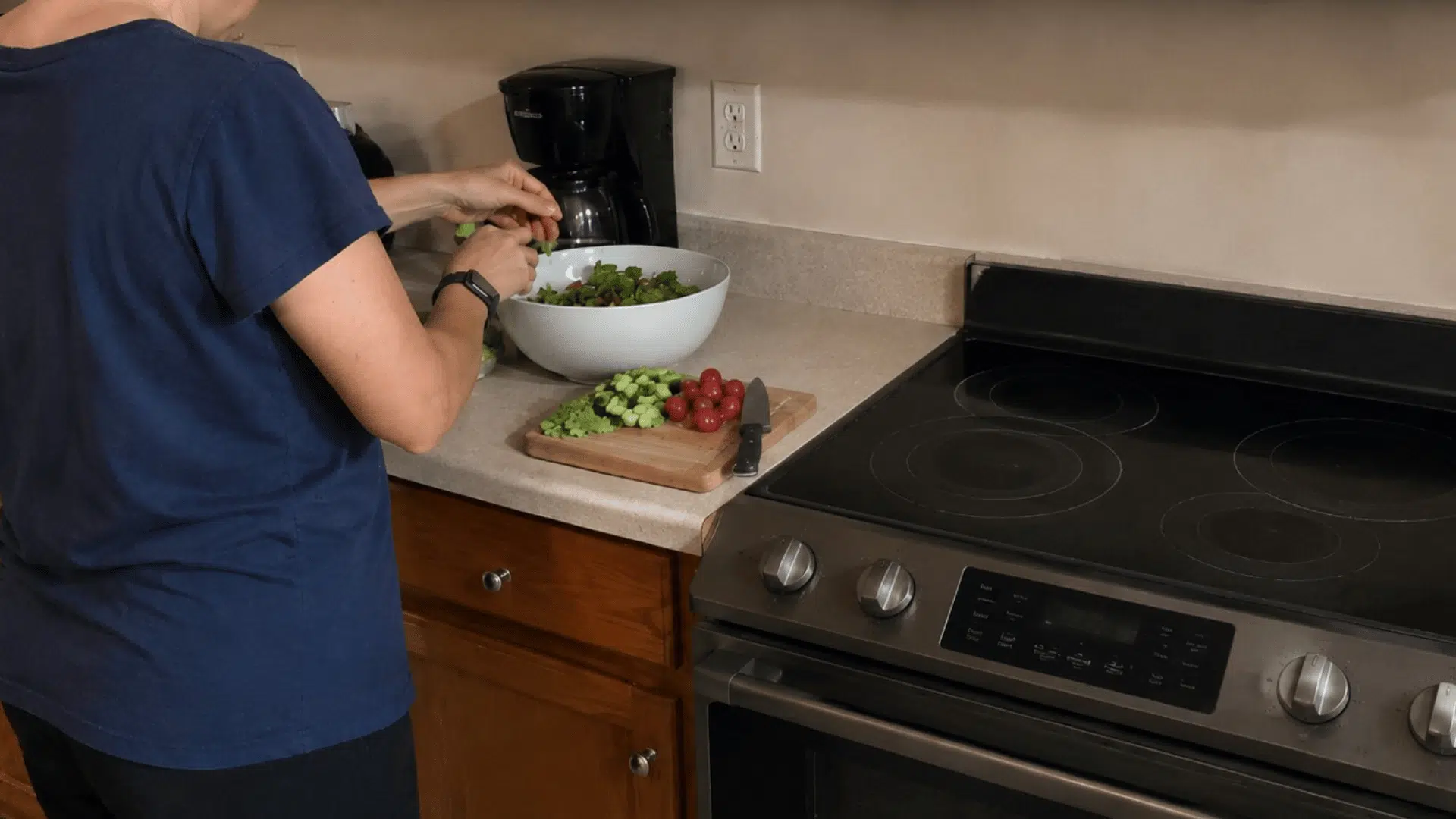
Cooking with heat adds warmth to the whole room, sometimes without you noticing, since a running oven can push a kitchen’s temperature up several degrees within twenty minutes.
- Avoid using the oven or stovetop during the hottest hours.
- Choose no-cook meals like salads or sandwiches instead.
- Use a microwave or slow cooker if you need something warm.
- Save stovetop cooking for early morning or after sunset.
16. Add Weatherstripping to Stop Hot Air Leaking In
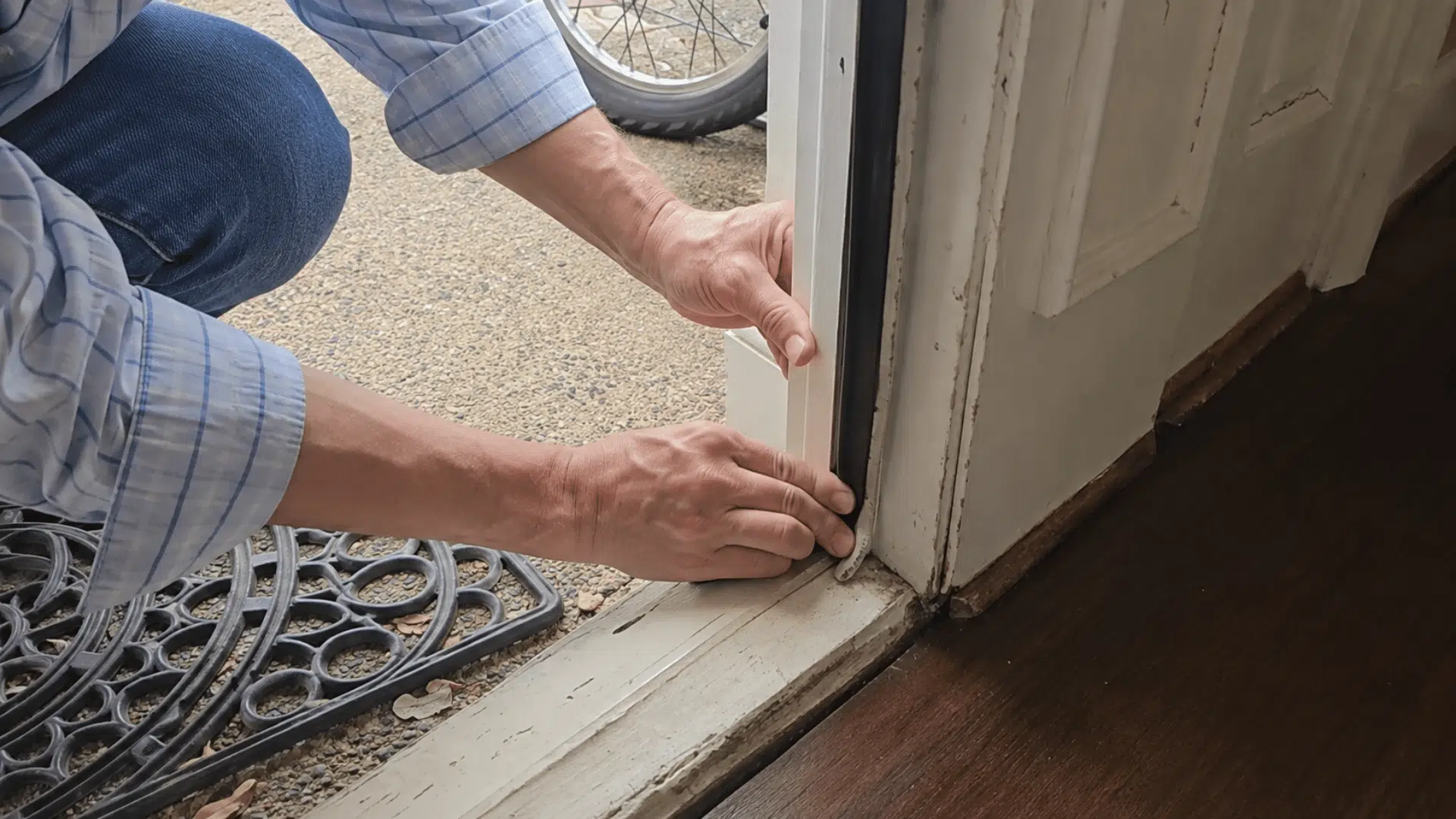
Small gaps around doors and windows let outside heat sneak into your room all day long.
- Check door and window edges for visible gaps or drafts.
- Apply foam or rubber weatherstripping along the frame.
- Focus on windows that get direct afternoon sun.
- Replace strips once a year if they wear out or lose their seal.
17. Use a Dehumidifier to Cut Sticky Heat
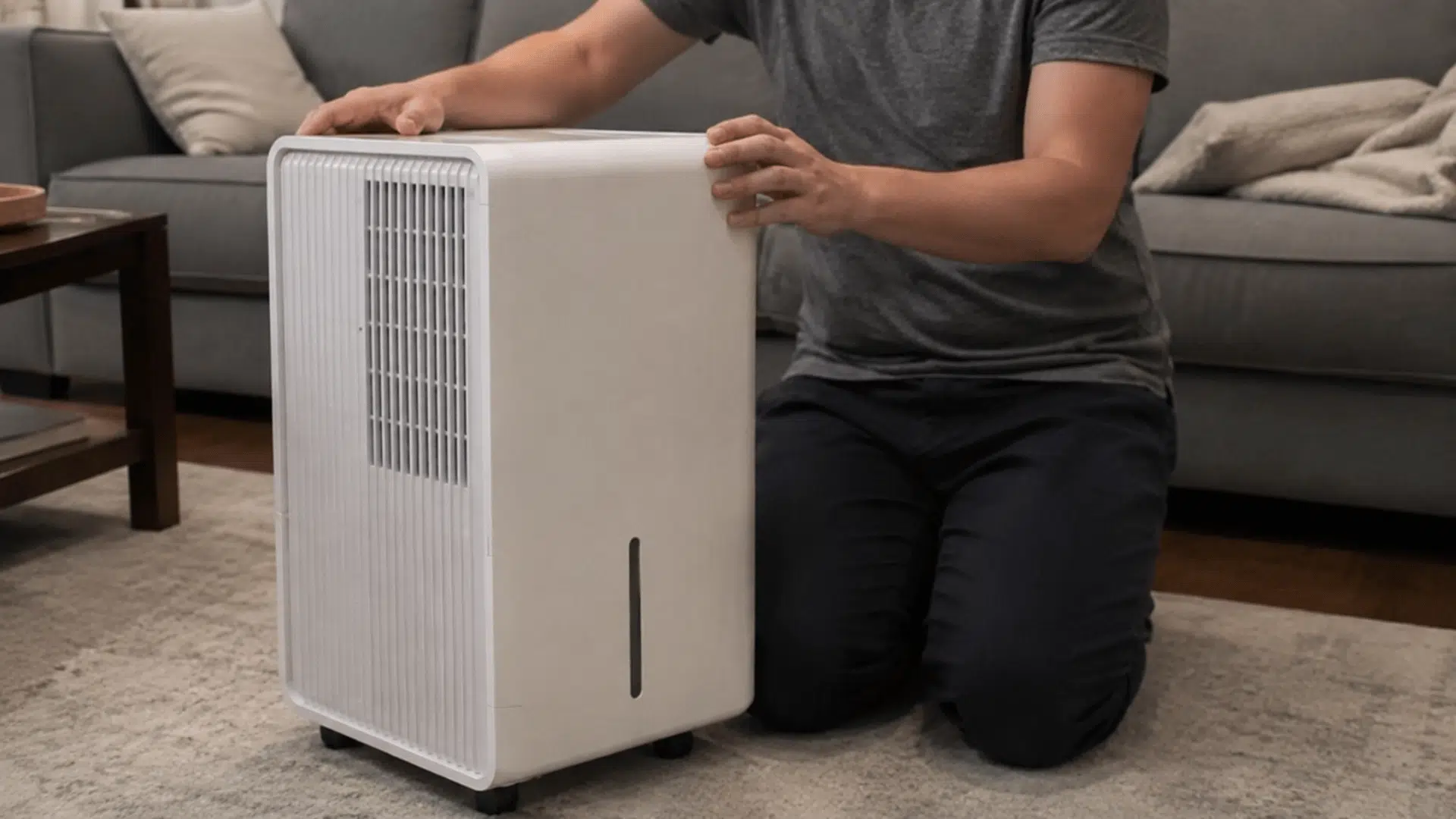
Humidity makes a room feel hotter than the actual temperature. Pulling moisture out of the air makes a real difference fast.
- Place a dehumidifier in the room you use most.
- Run it during the hottest, most humid hours of the day.
- Empty the water tank regularly so it keeps working well.
- Pair it with a fan for a stronger cooling effect.
Bonus Tip: Fix the Bedroom Specifically
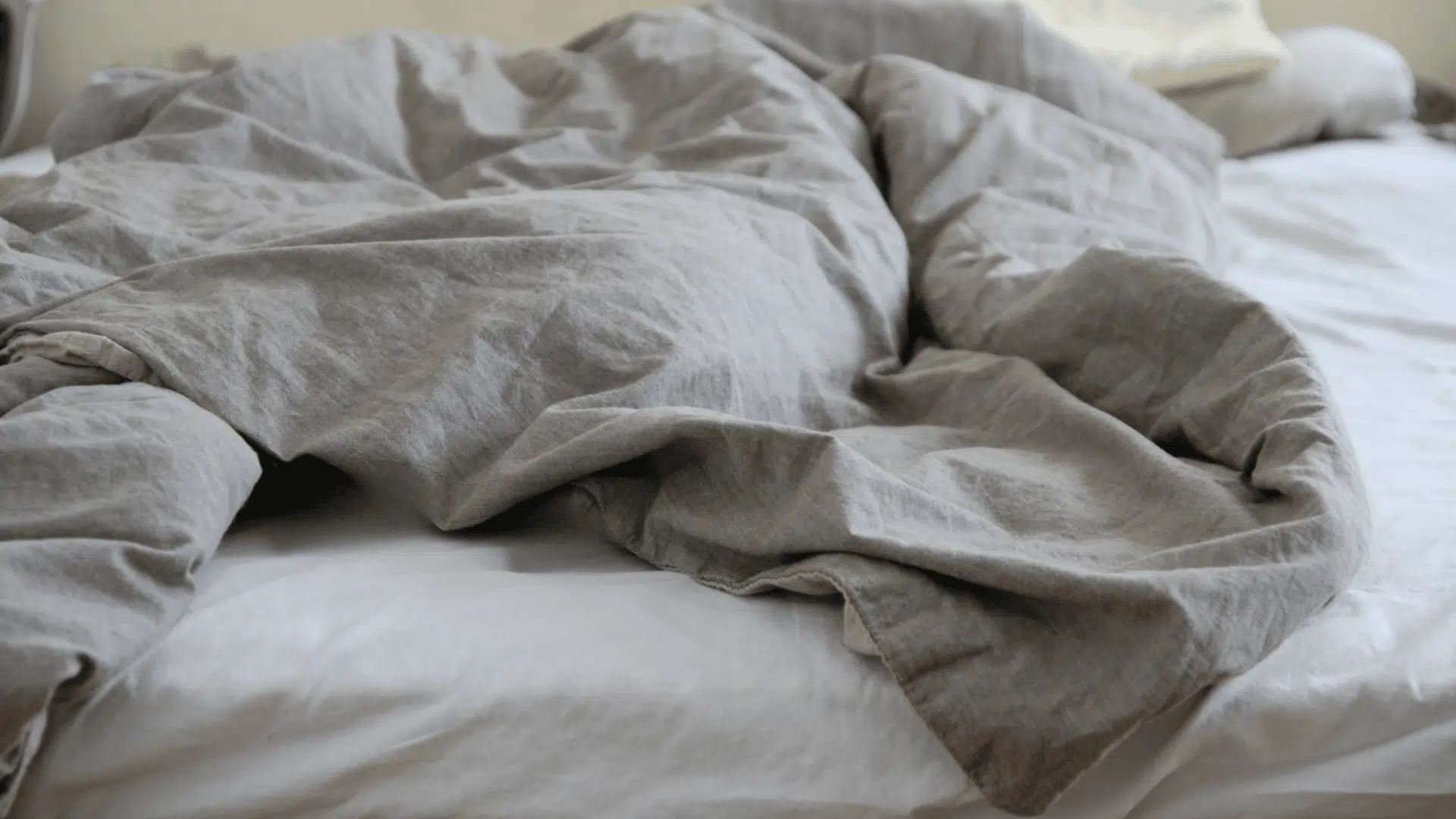
Most of the tips above apply to any room, but a bedroom has one extra variable: what you’re actually lying on.
Synthetic sheets and comforters trap body heat instead of letting it escape. That’s part of why a room can read cool on a thermostat and still feel stifling in bed.
Cotton and linen breathe better than synthetic fabric and pull moisture away from skin. Swapping a synthetic comforter for a lighter cotton or linen one in summer makes a real difference at night.
The same goes for the mattress underneath you. All-foam mattresses tend to hold body heat, while open-coil and hybrid designs let more air move through and sleep noticeably cooler.
Community Tested Room Cooling Hacks
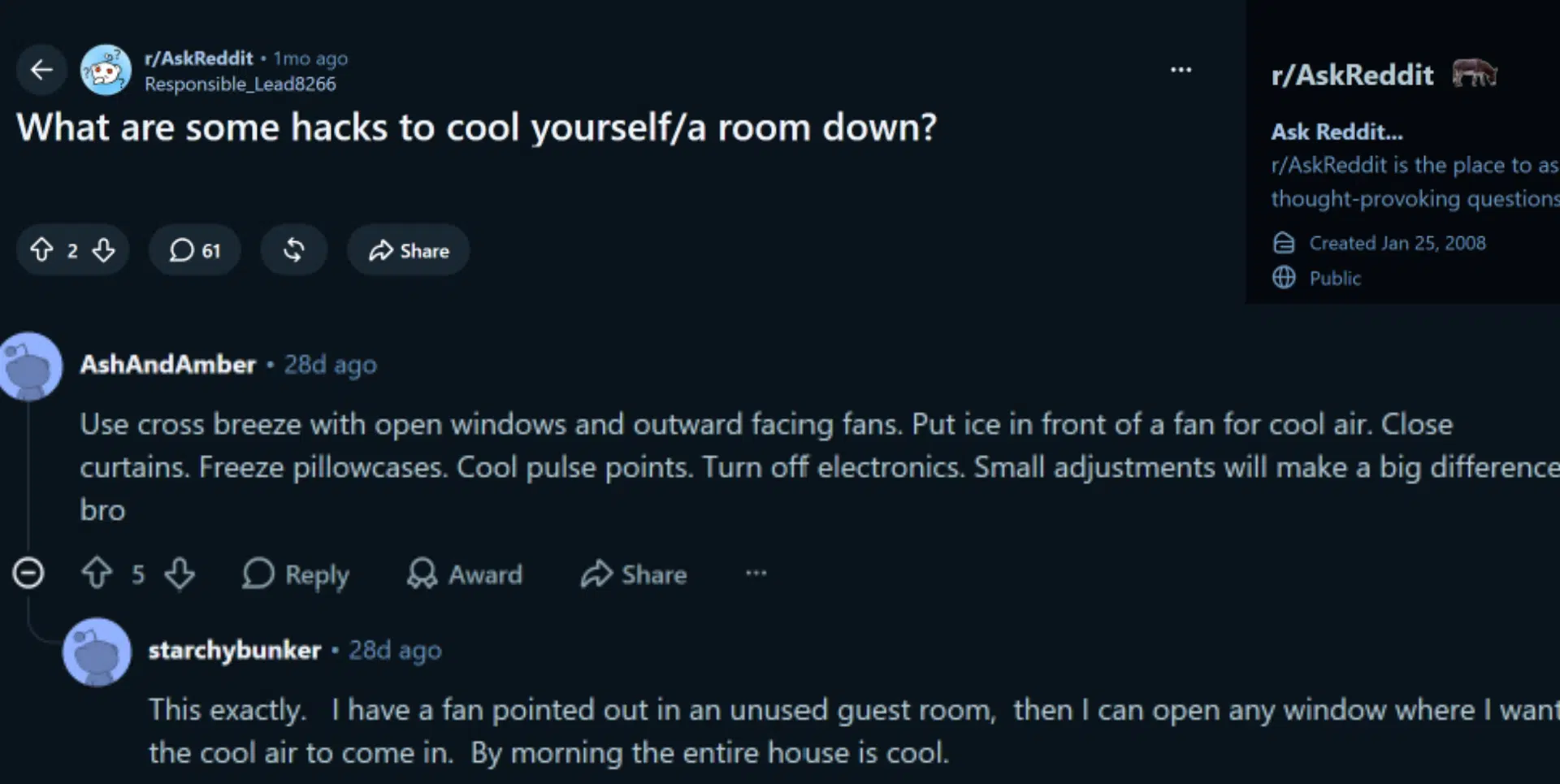
People on Reddit shared their favorite ways to cool a room, and honestly, most of them hold up.
One popular tip was to open a few windows and point fans outward, not inward. Add some ice in front of a fan for extra cool air.
Close your curtains during the day. Turn off things like lamps and chargers, since they give off heat too.
Another person shared their own version of this. They keep one fan facing out a window in a room they don’t use much.
This pulls warm air out and lets cool air in through open windows in other rooms. By morning, they said their whole house feels noticeably cooler.
Note : No single trick fixes a hot room. But a few small habits, used together, really do add up.
What to do When Your Room Still Won’t Cool Down?
Some rooms just trap heat, no matter what you try. Here’s how to handle the toughest cases, room by room.
1. For Top-Floor or Attic Rooms
Heat rises, so top-floor rooms often feel like ovens by evening. The roof soaks up sun all day, then slowly releases that heat into the room below. A fan alone won’t cut it here.
Try running a fan at night when outside air cools down, and keep the door open so heat can escape into the rest of the house instead of staying trapped.
2. For Rooms With No Cross-Ventilation (Only One Window)
One window means air has nowhere to flow through. Point a fan out that window in the evening to push hot air outside.
Then open a door or window elsewhere in the house so cooler air can be pulled in to replace it. Without this second opening, you’re just shuffling the same hot air around the room.
3. For South- or West-Facing Rooms With Direct Sun
These rooms take the hardest hit from the sun, especially in the afternoon. Blackout curtains or reflective window film block heat before it even gets inside.
Close them early, before the sun hits the glass, not after the room already feels hot. This one habit alone can make a bigger difference than any fan.
Comparing Cooling Methods: Cost, Effort, and Best Use Case
This table breaks down cost, effort, and which method is best for each case, so you can pick what actually fits your room instead of guessing.
| Method | Cost | Effort | Best For |
|---|---|---|---|
| Cross-ventilation | Free | Low | Nighttime cooling |
| Ice/frozen bottle + fan | $5–$10 | Low | Quick relief |
| Blackout curtains | $10–$60/panel | Low | Sunny rooms |
| Reflective window film | $10–$60/window | Medium | Long-term heat block |
| Wet sheet over window | Free | Medium | Dry climates |
| Reversed ceiling fan | Free | Low | General comfort |
| Dehumidifier | $150–$400 | Low | Humid rooms |
| Portable AC | $250–$500 | Low | Stubborn rooms |
Note: Costs may vary by location, brand, or service provider.
Mistakes that Make a Hot Room Worse
Some habits feel helpful but actually trap more heat. Here are three to avoid.
- Opening Windows at the Wrong Time of Day: Opening windows during peak heat lets in more hot air than it lets out. Keep them closed in the afternoon, and open them at night once it cools down.
- Running a Fan Without Directing Airflow: A fan in the middle of the room just stirs up warm air. Point it toward a window to push heat out, or near a door to pull in cool air.
- Ignoring Humidity Levels: Humid air feels hotter and holds onto heat longer. A dehumidifier can make your room feel more comfortable, even without lowering the temperature.
I used to leave my windows open all afternoon thinking fresh air would help. It just made my room hotter by evening. Now I only open them after sunset.
When It’s Time to Buy a Cooling Device?
If your room stays hot at night, or you’ve tried three or more tricks with little result, hacks probably aren’t enough. The same goes if it sits on the top floor with direct afternoon sun. That’s when a cooling device earns its cost.
That’s usually a sign you need real cooling equipment like an AC, not another trick to cool down a room that’s already beyond what airflow and shade can manage.
However, before spending money on a unit, it’s worth checking whether you’ve actually exhausted the free and cheap options.
Additionally, check four things: size, noise level, sound ratings, and window fit.
Final Thoughts
Blocking the sun early, running fans in the right direction, and cooling the air with ice or a dehumidifier all help. So does rethinking what you sleep on, which turns out to be a real option beyond curtains and a single fan.
Cross-ventilation at night, reflective film on stubborn windows, and a portable AC when hacks fall short round out the toolkit.
Know that none of these fixes work everywhere, so the right combination depends on your room’s layout, direction, and climate.
Well then what’s next? Pick two or three tricks that match your room, try them together for a few nights, and swap out whatever isn’t pulling its weight.
After trying, drop a comment and let us know what worked for your room.
Frequently Asked Questions
Do Houseplants Actually Help Cool a Room?
Yes. Plants cool rooms slightly through transpiration, and leafy varieties add shade near windows. Don’t expect big results, though a few plants can help a little.
Does Painting Roof or Walls a Lighter Color Make a Difference?
Yes, significantly, long-term. Dark surfaces absorb far more solar radiation than light ones. Reflective white or light roof coatings lower surface temperature and cut heat transfer.
What is “Night Purge” Ventilation?
A cooling strategy where you flush a building with cool night air, opening windows wide overnight to lower wall, floor, and furniture temperatures so rooms start the morning cooler.
Can Insulation Help Keep a Room Cool, Not Just Warm?
Yes. Insulation slows heat transfer both directions. Well-insulated attics and walls keep outdoor heat from working inward during the day, which is why poorly insulated homes overheat by afternoon.
Does Sleeping on the Floor Help You Stay Cooler?
Somewhat. Hot air rises, so floor level usually runs a few degrees cooler than bed height in a room with poor air mixing. It’s a small but real effect worth trying.

Stephanie Grace, a graduate with a degree in Fine Arts from the Savannah College of Art and Design, has been inspiring DIY enthusiasts with her creative and practical guidance for over 14 years. Her career in design and crafting began in a small artisan workshop, where she developed a passion for transforming everyday materials into beautiful and functional items. Stephanie joined our website in 2018, rapidly gaining popularity for her easy-to-follow DIY tutorials and innovative project ideas. Since then, she has been the creative mind behind our DIY section, helping readers bring their artistic visions to life. Outside her professional pursuits, Stephanie enjoys pottery and urban gardening, hobbies that showcase her love for hands-on creativity and nature.