
A finished home project can help far more people than your household. Your photos, costs, mistakes, and decisions can answer questions another homeowner may face later. Readers need enough detail to repeat the project safely.
Houzz reported that 54% of U.S. homeowners renovated during 2025, with median spending holding at $20,000. Practical home guides can help this large group plan similar work with fewer surprises.
Record Details Before You Start
The easiest guide starts before the first tool comes out. Take a wide photo before changing anything in the area. Write down room dimensions, surface conditions, and existing damage. Save product labels because model numbers may be unavailable later.
Keep one project note on your phone during the job. Add each purchase, problem, change, and useful measurement immediately.
Record these details while the project is active:
- Write down exact material quantities before opening each package.
- Save receipts so your final cost section uses real numbers.
- Photograph hidden plumbing or wiring before covering the wall.
- Record drying times directly from every important product label.
These small records make your guide much more practical.
Explain the Starting Problem Clearly
Readers need to understand why you started the project. Give them the room size and the problem you wanted fixed. Mention limits such as rental rules or a tight budget.
A shelf guide should explain the wall type clearly. Drywall and masonry require different anchors for the same shelf. Specific context helps readers decide if your method fits.
Build Steps From What Actually Happened
Write your guide from project notes instead of memory. Put each step in the order you completed it. Include corrections when your first approach did not work.
Readers benefit from knowing where problems happened during real work. Maybe one tile cracked because the drill speed was excessive. Perhaps a cabinet door rubbed because the hinge plate sat unevenly. Those exact details can save another homeowner real money.
Keep each instruction focused on one action whenever possible. Place measurements beside the exact step where readers need them.
Separate Materials From Tools
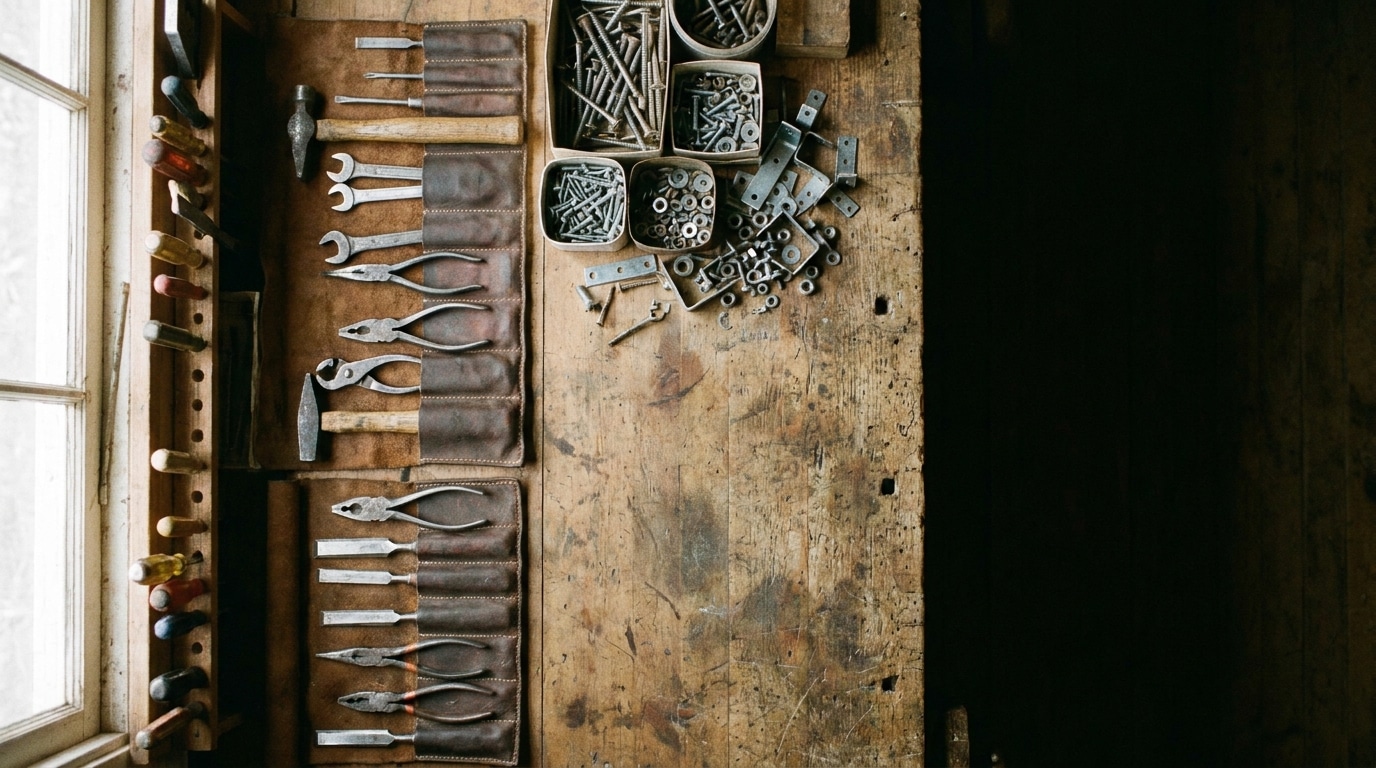
A shopping list works better when materials and tools have separate sections. Readers may already own drills but still need specific screws. Add sizes and quantities wherever those details affect the result.
Explain why each product specification suited your particular project. Readers can then choose another brand with comparable requirements. Mention the purchase date beside prices when sharing costs.
Use Photos That Answer Questions
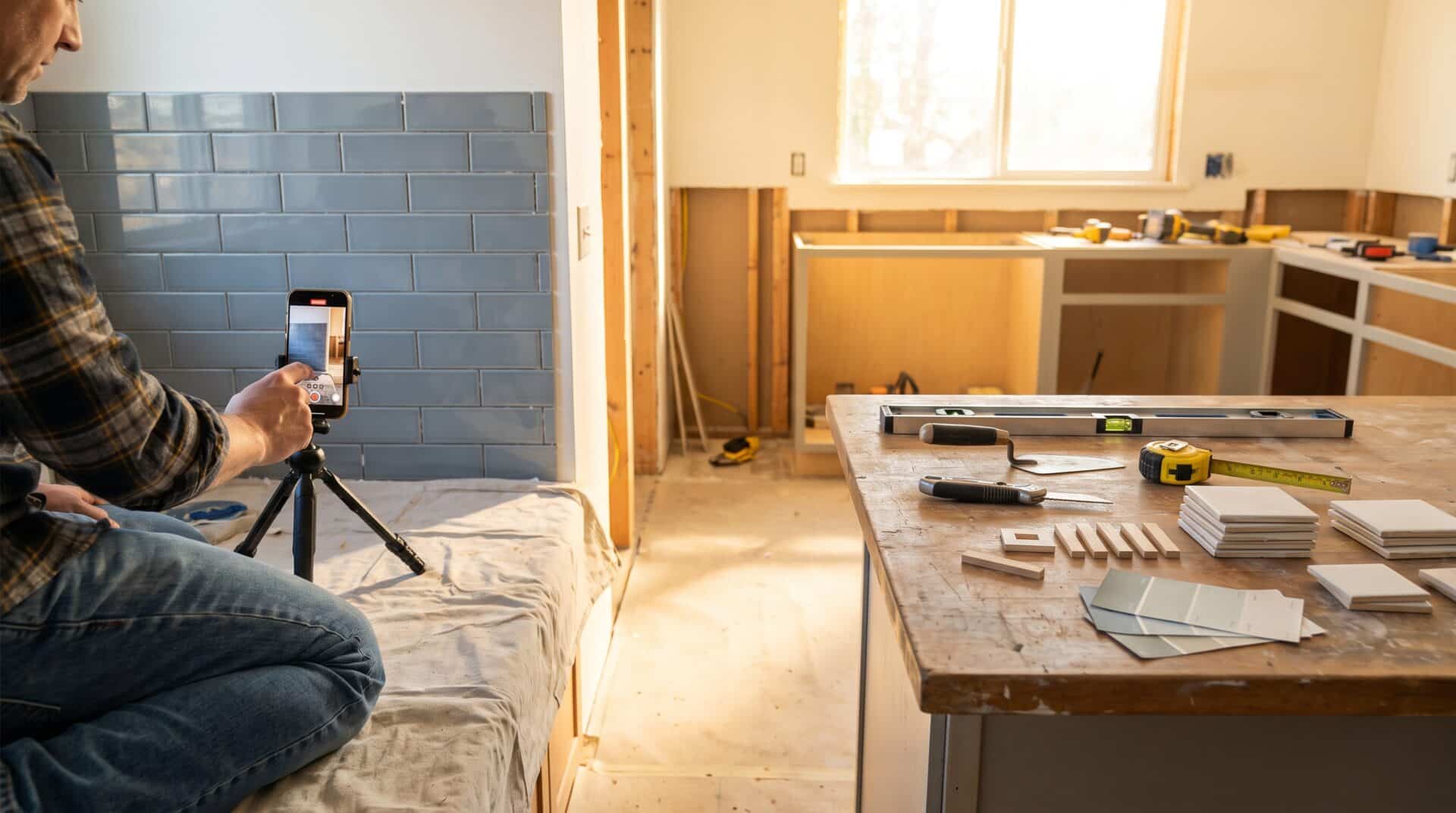
Every project photo should explain something useful for the reader. Take one wider frame to establish the working area. Follow with closer images for joints, fasteners, cuts, or connections.
Keep your camera position consistent during progress photos when possible. Similar framing makes changes easier for readers to compare.
Video can help when a hand movement needs demonstration. Pew Research Center reported in 2025 that 84% of U.S. adults use YouTube, showing the large audience already comfortable with video guidance.
Check Information Before Publishing
Home guides can influence expensive decisions and physical work. Review manufacturer manuals before presenting technical instructions as general advice. Building codes differ between places, so mention local checks when permits are involved.
Give credit when research shaped part of your explanation. A plagiarism checker can identify passages that stayed too close to research material. You should still compare the final draft with every source yourself.
Never present electrical or gas work as harmless beginner work. Tell readers when a licensed professional may be required locally.
Verify Video Sources Before Embedding Them
Social clips can provide useful examples, but source checking deserves attention. Find the earliest available upload before embedding another person’s project. Check the creator profile and compare details across related posts.
Synthetic media adds another problem for home content publishers. An AI video detector can provide one signal when a renovation clip has questionable origins. Treat detector results as supporting evidence rather than absolute proof.
The C2PA standard supports Content Credentials for recording media source and editing history. Available credentials can provide useful provenance information before you share footage.
Include the Mistakes Readers Actually Need
The best project guides explain what failed during the job. Share a wrong measurement if it changed your material plan. Give readers the exact correction you would use next time.
Mistakes can teach more than polished final project photos. Your readers may avoid wasted materials after seeing your correction.
End With a Quick Project Summary
Finish your guide with numbers readers can compare easily. Include total cost, working time, room size, and leftover materials. Mention project waiting time separately from your hands-on work.
Houzz also reported that 61% of renovating homeowners planned to remain in their homes for at least eleven years. Clear project records can therefore help with later repairs and future upgrades.
Your guide does not need a perfect project behind it. It needs accurate details from work you genuinely completed. Give readers the information you wanted before starting, and your project can help someone avoid the same mistakes.

Stephanie Grace, a graduate with a degree in Fine Arts from the Savannah College of Art and Design, has been inspiring DIY enthusiasts with her creative and practical guidance for over 14 years. Her career in design and crafting began in a small artisan workshop, where she developed a passion for transforming everyday materials into beautiful and functional items. Stephanie joined our website in 2018, rapidly gaining popularity for her easy-to-follow DIY tutorials and innovative project ideas. Since then, she has been the creative mind behind our DIY section, helping readers bring their artistic visions to life. Outside her professional pursuits, Stephanie enjoys pottery and urban gardening, hobbies that showcase her love for hands-on creativity and nature.