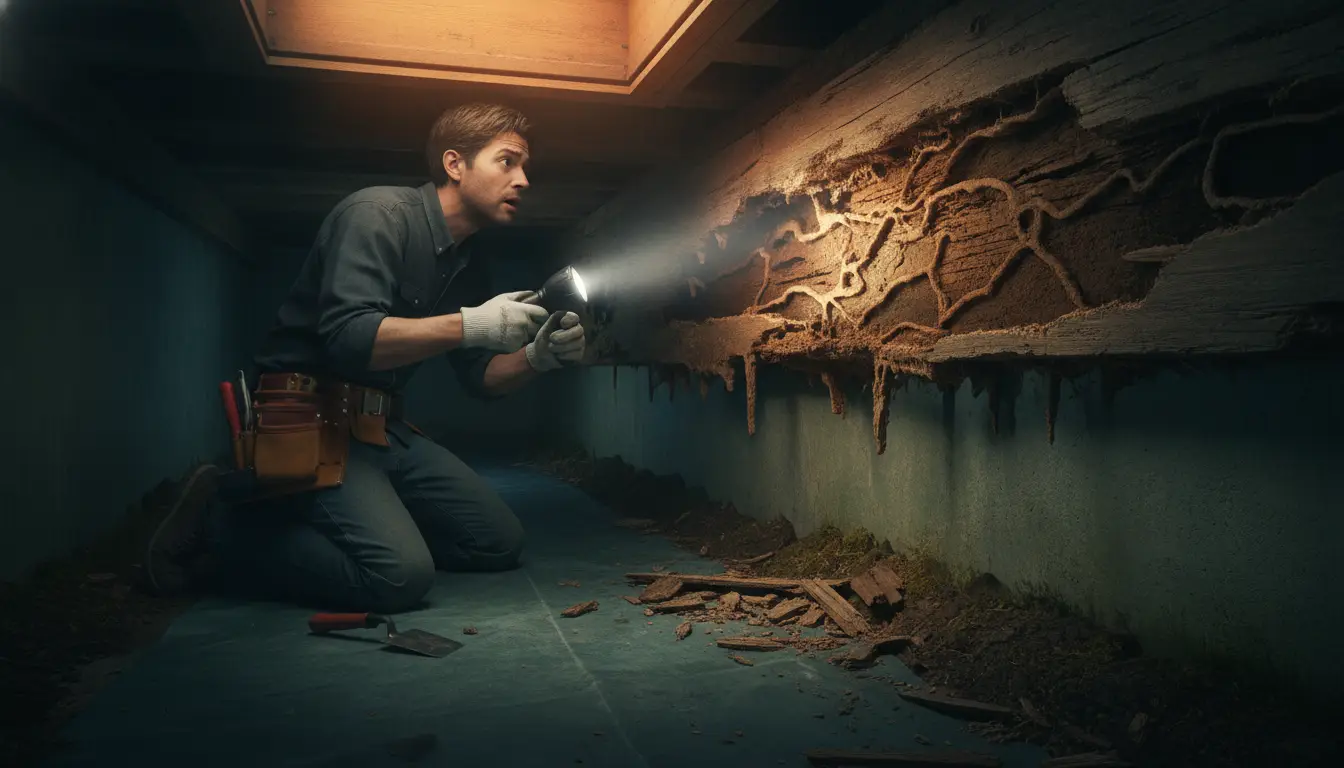

Termite problems can fool even the most experienced do-it-yourself homeowner. Someone who has remodeled a kitchen, installed flooring, repaired plumbing, or built a deck may assume termite treatment is simply another weekend project. Unfortunately, termites do not behave like most household pests, and treating them effectively requires far more than applying a product around the outside of the home. Missing even a small part of an active colony can allow damage to continue for months before anyone realizes the insects never disappeared. Understanding why professional treatment works differently can save homeowners money, protect their property, and prevent a frustrating cycle of repeated infestations.
Why Termites Require Expertise
Many DIY projects succeed because the problem is visible. A broken cabinet hinge, cracked drywall, or leaking faucet can be inspected, repaired, and tested immediately. Termites are different because they spend most of their lives hidden behind walls, beneath foundations, or inside structural wood. By the time visible signs appear, the colony may have been active for years.
Professional inspectors look for subtle clues that homeowners often overlook. Mud tubes, damaged framing, moisture conditions, discarded wings, and tiny entry points all help identify where termites are living and how they entered the property. Without locating the full extent of the infestation, treatment may eliminate only a small portion of the colony while the remaining termites continue feeding elsewhere.
Successful termite control also depends on understanding local species. Different termites behave differently, which means treatment methods vary depending on the infestation. Applying the wrong product or placing it in the wrong location can waste both time and money without solving the actual problem.
Hidden Colonies Stay Active
Many homeowners purchase sprays, foams, or bait stations from home improvement stores believing they will eliminate termites after one application. Unfortunately, surface treatments rarely reach the heart of a mature colony. That is one reason professionals recommend termite control in Phoenix, Boston or Charlottesville, never try to do this yourself because successful treatment usually depends on specialized equipment, extensive inspections, and carefully planned applications that target the colony instead of the insects that happen to be visible.
Professional treatments often include trenching, drilling, soil applications, or advanced baiting systems designed to intercept termites before they reach the home’s structure. These methods create long-term protection that most consumer products cannot match.
Another challenge is recognizing when treatment has actually worked. Homeowners may stop seeing termites and assume the problem has been solved, only to discover months later that activity simply shifted to another area of the property. Continuous monitoring remains one of the biggest advantages professionals provide after the initial treatment is complete.
Hard-to-Reach Areas Matter
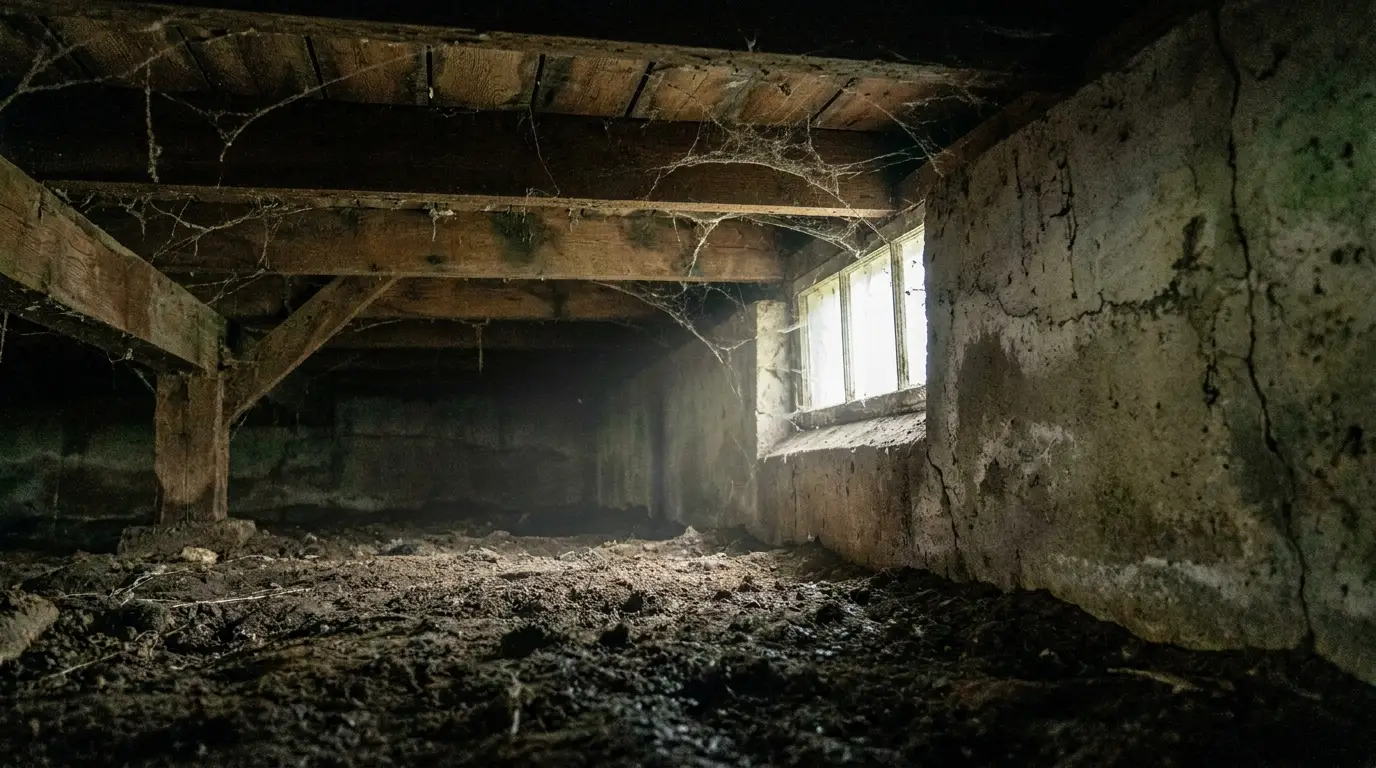
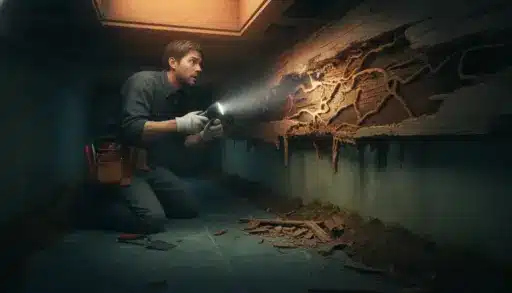
One overlooked location during a DIY inspection can make the difference between success and failure. Termites often exploit areas with elevated moisture, wood-to-soil contact, and limited airflow. Those conditions frequently exist beneath decks, around foundations, inside wall voids, and especially in your crawl basement, where visibility is limited and routine inspections rarely occur.
Even homeowners willing to inspect these areas safely may not recognize the warning signs. Small mud tubes can resemble dried dirt, while damaged wood may appear perfectly solid until pressure causes it to collapse. Moisture problems that encourage termite activity can also develop gradually, making them difficult to identify without experience.
Professionals know which structural features deserve extra attention and understand how termites move through a property. Their inspection follows patterns developed through years of experience rather than simple visual observation. That systematic approach increases the chances of finding hidden activity before extensive structural damage develops.
Proper equipment also makes a significant difference. Moisture meters, probing tools, specialized lighting, and other inspection devices help identify conditions that are difficult to detect during a standard walkthrough. Those tools support more accurate treatment decisions than guesswork alone.
Mistakes Can Cost More
One reason experienced DIY homeowners sometimes struggle with termite treatment is overconfidence. Confidence works well for many home improvement projects, but termite control has very little margin for error. Applying too little product reduces effectiveness, while applying chemicals incorrectly can create unnecessary safety concerns and may even violate product directions.
Some homeowners unintentionally disturb termite activity before treatment begins. Breaking apart mud tubes or spraying visible insects may scatter workers without eliminating the colony itself. This can make professional inspections more difficult because obvious signs disappear while the infestation continues elsewhere.
Repeated DIY attempts also increase overall costs. Homeowners may purchase multiple products over several months before eventually hiring a professional anyway. At that point, termites have had additional time to damage framing, flooring, support beams, or trim. Repair expenses often exceed what professional treatment would have cost from the beginning.
Another overlooked benefit is warranty protection. Many professional termite companies offer ongoing monitoring and service agreements that include follow-up inspections. That added layer of protection provides confidence that future activity can be detected and addressed before significant damage occurs.
Protect Your Investment
Owning a home means deciding which projects are worth tackling personally and which require specialized knowledge. Painting walls, installing shelving, or replacing fixtures can be rewarding DIY accomplishments. Termite treatment falls into a different category because the insects remain hidden, reproduce continuously, and often cause damage long before homeowners notice obvious warning signs.
Investing in professional termite control protects one of the largest financial investments most families will ever make. A thorough inspection, targeted treatment plan, and ongoing monitoring provide lasting protection that consumer products rarely achieve on their own. Choosing expert help early often prevents expensive repairs later and helps preserve the strength and value of the home.
DIY skills are valuable, but termite treatment is one project where professional experience delivers better long-term results. Addressing the entire colony instead of the visible symptoms helps protect both the structure and the investment for years to come.

Tommy Hardy, an alumnus of the Georgia Institute of Technology with a degree in Mechanical Engineering, has been a go-to figure in residential upkeep and innovation for over 18 years. His career commenced in a leading home appliance manufacturing company, where he mastered the intricacies of household systems. Joining our platform in 2020, Tommy quickly became a reader favorite for his practical and easy-to-follow guides. He took the helm of our DIY section in 2019, consistently delivering content that empowers homeowners. Beyond his professional pursuits, Tommy is a passionate gardener and enjoys woodworking, skills enhancing his hands-on approach to home care.