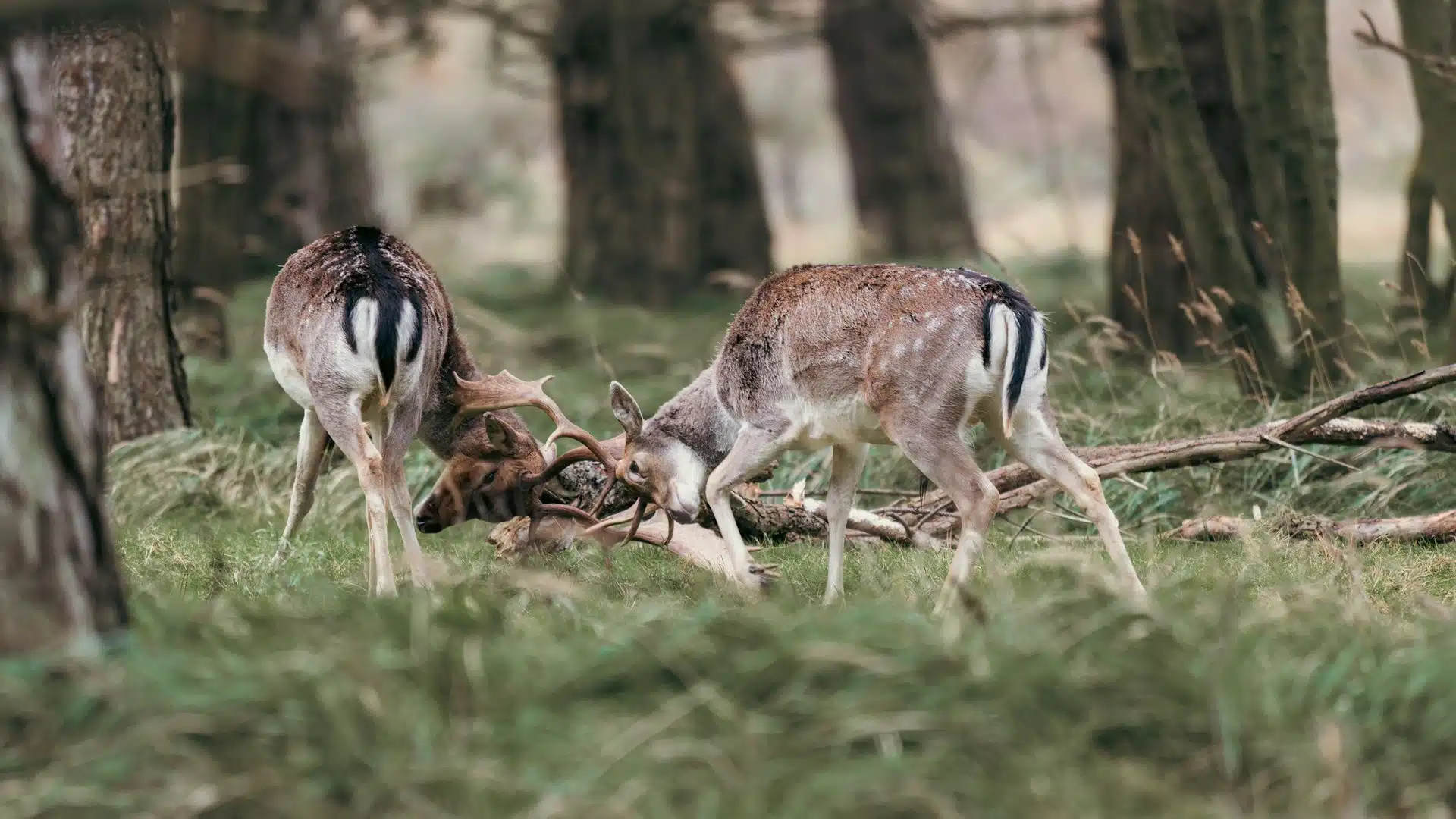

If you live in Pelham, Alabama, you already know how easy it is to enjoy the outdoors. Oak-covered neighborhoods, wooded lots, crawl spaces, and attics create a pretty ideal setup for local wildlife too. That sounds charming until scratching starts in your ceiling at 2 a.m. or you find droppings in the garage. When animals treat your house like a side entrance to the forest, you need a plan that protects your home and keeps the situation from getting worse.
Why Wildlife Ends Up in and Around Your House
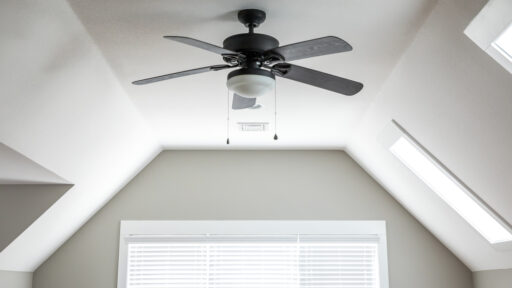
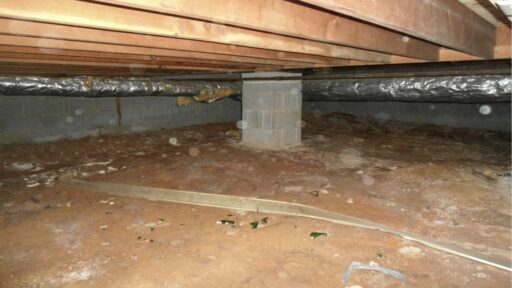
Wild animals rarely show up without a reason. Your home offers three things they want: shelter, warmth, and food. An attic can feel safe to a squirrel during storm season. A crawl space can seem perfect to a raccoon looking for a dry nesting spot. Even a loose vent cover or a gap near the roofline can become an open invitation.
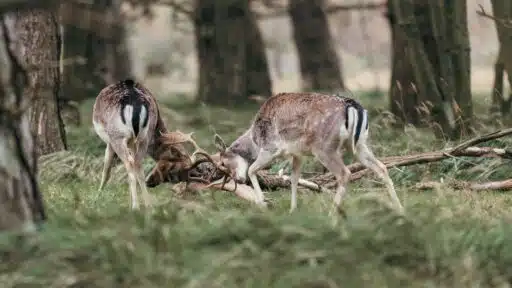
Pelham’s mix of suburban development and tree cover increases these encounters. As neighborhoods expand into natural habitats, animals adapt fast. They don’t need much. Pet food on a back porch, unsecured trash, fallen fruit, or a bird feeder spilling seed can turn your yard into a dinner reservation.
Once one animal gets in, scents and entry points may attract more. Wildlife does not care about your property lines, and it definitely does not pay rent.
Why Professional Removal Is Usually the Smarter Move
Trying to remove wildlife yourself can go sideways fast. Traps bought online don’t always match the animal, local regulations, or the nesting situation. If babies are involved, removing only the mother may leave young animals behind, which creates odor, noise, and a much worse outcome.
Safety matters too. Wild animals can bite, scratch, and carry parasites or diseases. Even when they seem calm, stress can make them unpredictable. Add ladders, crawl spaces, contaminated insulation, and tight roof access, and the DIY route starts looking less heroic.
If you’re dealing with wildlife removal in Pelham Alabama, professional help usually includes inspection, humane removal, entry-point sealing, and cleanup recommendations. That full-process approach is what makes the difference. Removing the animal without fixing the access point is like locking your front door while leaving the window wide open.
The Most Common Signs That You Have a Wildlife Problem
A lot of people ignore early warning signs because they hope the noise will stop on its own. That usually ends badly. Wildlife activity tends to escalate, especially during breeding seasons when animals are searching for nesting areas.
Watch for these common signs:
- Scratching, scurrying, or thumping in walls or ceilings
- Droppings in attics, garages, or along baseboards
- Torn insulation or disturbed storage boxes
- Gnaw marks on wood, wiring, or vent materials
- Strong musky or ammonia-like odors
- Grease marks near entry holes
- Sudden sightings of animals near roof edges or crawl space openings
Different animals leave different clues. Bats may leave small droppings near attic access points. Raccoons often create louder noises and larger damage. Squirrels love chewing, which can lead to electrical hazards. If the pattern feels active and persistent, it probably is.
Why Waiting Makes the Damage More Expensive
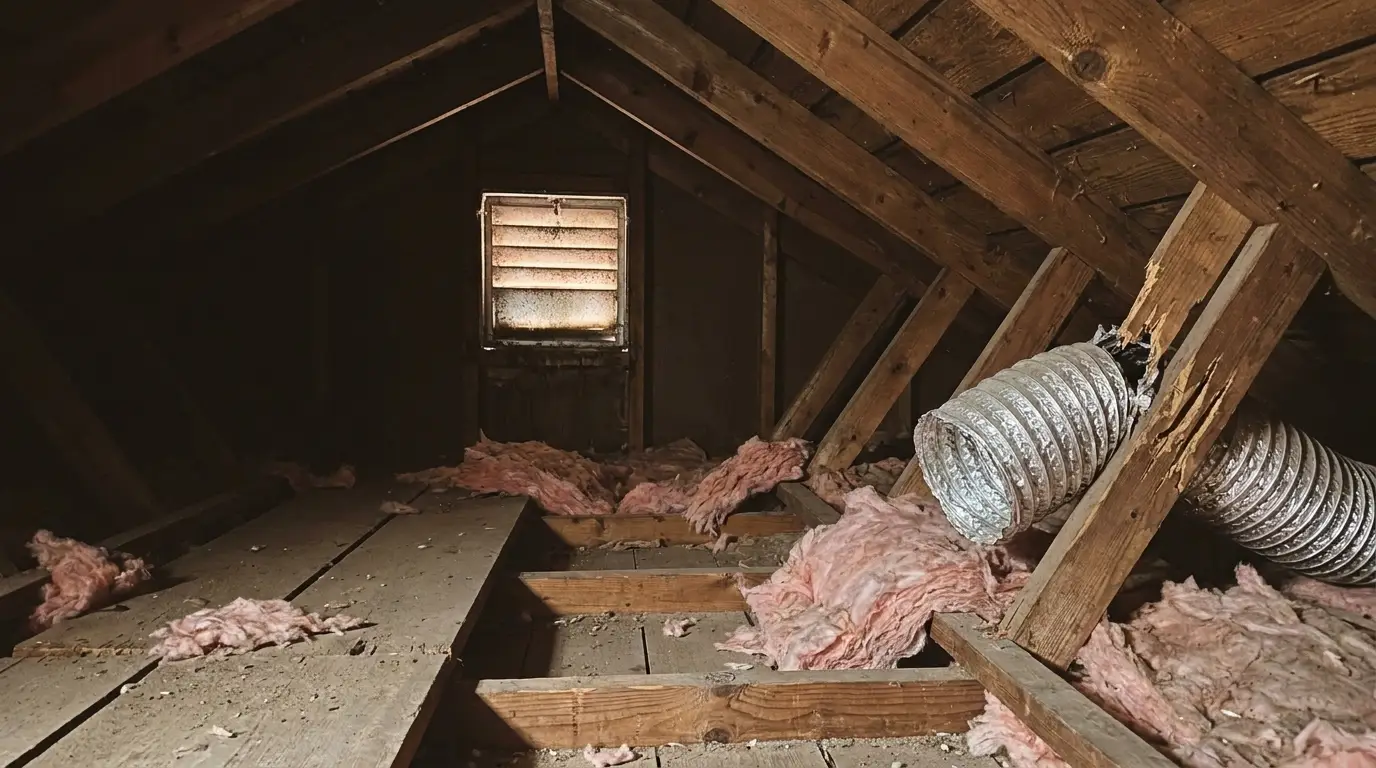
Wildlife problems often start small and get expensive with impressive speed. One squirrel in the attic may chew insulation, wood, and electrical wiring. A family of raccoons can tear ductwork, contaminate insulation, and leave behind waste that creates odor and sanitation issues. Bats can build up guano over time, which is not a cleanup project you want to improvise with a dust mask and optimism.
There’s also the issue of hidden damage. Animals can weaken vents, rip soffits, and open new holes that invite moisture inside. Moisture plus contamination can affect indoor air quality and even contribute to mold growth. At that point, the problem is no longer just “something in the attic.” It becomes a home repair bill with extra zeroes.
Speed matters. The earlier you identify the issue, the easier it is to remove the animal and stop repeat entry before your house turns into a wildlife condo complex.
What a Proper Wildlife Removal Process Should Include
A good removal job is more than “animal out, problem solved.” Real resolution comes from a sequence of steps that address the whole situation. If any part gets skipped, the odds of repeat activity go up.
Here’s what a thorough process often includes:
- Inspection of attics, crawl spaces, roofs, vents, and exterior gaps
- Identification of the species causing the issue
- Safe and humane removal based on animal behavior and local conditions
- Checks for nests, young animals, or secondary entry points
- Sealing and exclusion work to prevent re-entry
- Recommendations for cleanup, sanitation, and damaged material replacement
Species-specific handling matters. Bat removal is not the same as raccoon removal. Squirrel behavior differs from opossum behavior. Timing also matters because exclusion methods can change during maternity seasons. Good wildlife work is part biology, part construction, and part detective job.
How to Make Your Property Less Attractive to Wildlife
You can’t turn your yard into a no-animal zone, and honestly, that isn’t the goal. You can make your home harder to access, though. Most prevention comes down to limiting food sources and blocking shelter opportunities.
Start with basics that homeowners often overlook:
- Keep trash lids tightly secured
- Bring pet food and water bowls inside at night
- Trim tree limbs away from the roof
- Repair loose soffits, vents, and chimney caps
- Store bird seed in sealed containers
- Clean up fallen fruit and yard debris
- Inspect crawl space doors and attic vents regularly
Small maintenance jobs carry a lot of weight here. A gap that seems minor to you may look like premium real estate to a squirrel. Seasonal inspections help, especially after storms, roof work, or heavy wind. Wildlife is excellent at finding weaknesses you forgot existed.
When a Strange Noise Is Not Just a Strange Noise
It’s easy to second-guess what you hear in your walls or ceiling. Houses settle. Branches scrape roofs. Pipes knock. Still, patterns matter. Wildlife sounds usually have timing. Squirrels are often active in early morning or late afternoon. Raccoons tend to make noise at night. Bats can create faint rustling around dusk and dawn.
The sound profile can tell you a lot. Light scratching may suggest smaller animals. Heavy thuds or dragging noises point toward something larger. Repeated activity near one section of the attic or exterior wall is another clue that an animal has chosen a route and a hangout spot.
If you notice sounds along with odors, droppings, or visible damage, trust the pattern instead of hoping for a plot twist. Wildlife problems rarely solve themselves. They usually rehearse for a bigger performance.
Protecting Your Home Without Overreacting
A wildlife issue can feel unsettling, but panic is not useful. What helps is a quick, informed response. Take note of where you hear activity, what time it happens, and whether you see visible entry points outside. Avoid sealing holes immediately if you’re unsure whether animals are still inside. Trapping them in can make the situation worse.
Your goal is straightforward: remove the animal safely, stop the property damage, and reduce the chance of another visit. That takes a mix of observation, prevention, and professional help when needed. In a place like Pelham, where homes sit close to green space, wildlife encounters are not unusual. Letting them linger is the part that causes real trouble.
Handle the issue early, and your house gets to stay what it was meant to be: your home, not a habitat with shingles.

Tommy Hardy, an alumnus of the Georgia Institute of Technology with a degree in Mechanical Engineering, has been a go-to figure in residential upkeep and innovation for over 18 years. His career commenced in a leading home appliance manufacturing company, where he mastered the intricacies of household systems. Joining our platform in 2020, Tommy quickly became a reader favorite for his practical and easy-to-follow guides. He took the helm of our DIY section in 2019, consistently delivering content that empowers homeowners. Beyond his professional pursuits, Tommy is a passionate gardener and enjoys woodworking, skills enhancing his hands-on approach to home care.