
Think fall means the garden has to lose its color? Choosing the right fall flowers to plant can help you keep outdoor spaces looking lively as temperatures start to drop.
The problem is that not every flower handles cooler days, shorter sunlight, or an early frost in the same way. Picking plants only because they look good at the store can lead to weak growth or a very short bloom period.
Getting the layout of your beds right from the start makes that kind of guesswork far less likely.
You also need to consider your local weather and how much time you have before cold conditions arrive. A little planning can make fall planting feel much less confusing.
When Should You Plant Fall Flowers?
Plant fall flowers about six weeks before your area’s first hard frost.
This gives roots enough time to settle in before the ground turns cold, so the plant survives winter instead of dying back too soon.
That window usually falls between early September and mid-October, depending on your climate zone. Cooler zones (3 to 5) should aim for early September.
Milder zones (6 to 8) have until early October. Warm zones (9 to 10) can wait until mid-October since frost arrives much later.
Check your soil before you dig. It should feel cool but not soggy, and it should crumble easily in your hand instead of clumping. If it’s still hard and dry from summer heat, water the bed a day or two before planting.
Tip: One easy way to find your exact frost date: search “[your city] first frost date” or check a frost date map online. Count back six weeks from that date, and that’s your planting deadline.
9 Fall Flowers to Plant for Seasonal Color
These flowers can add fresh color as summer fades, with options for beds, borders, containers, and mild-weather gardens through the fall season.
1. Calendula
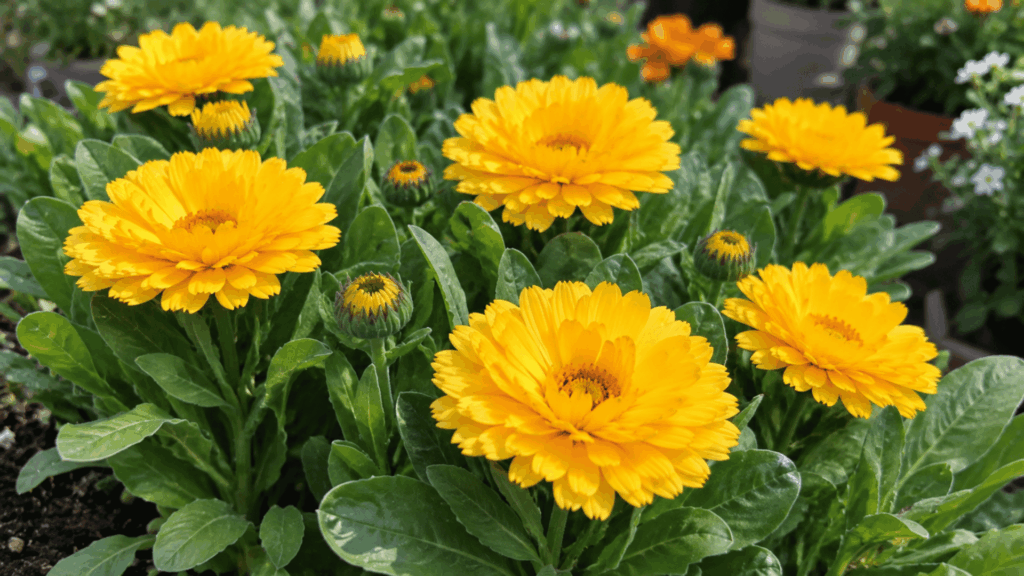
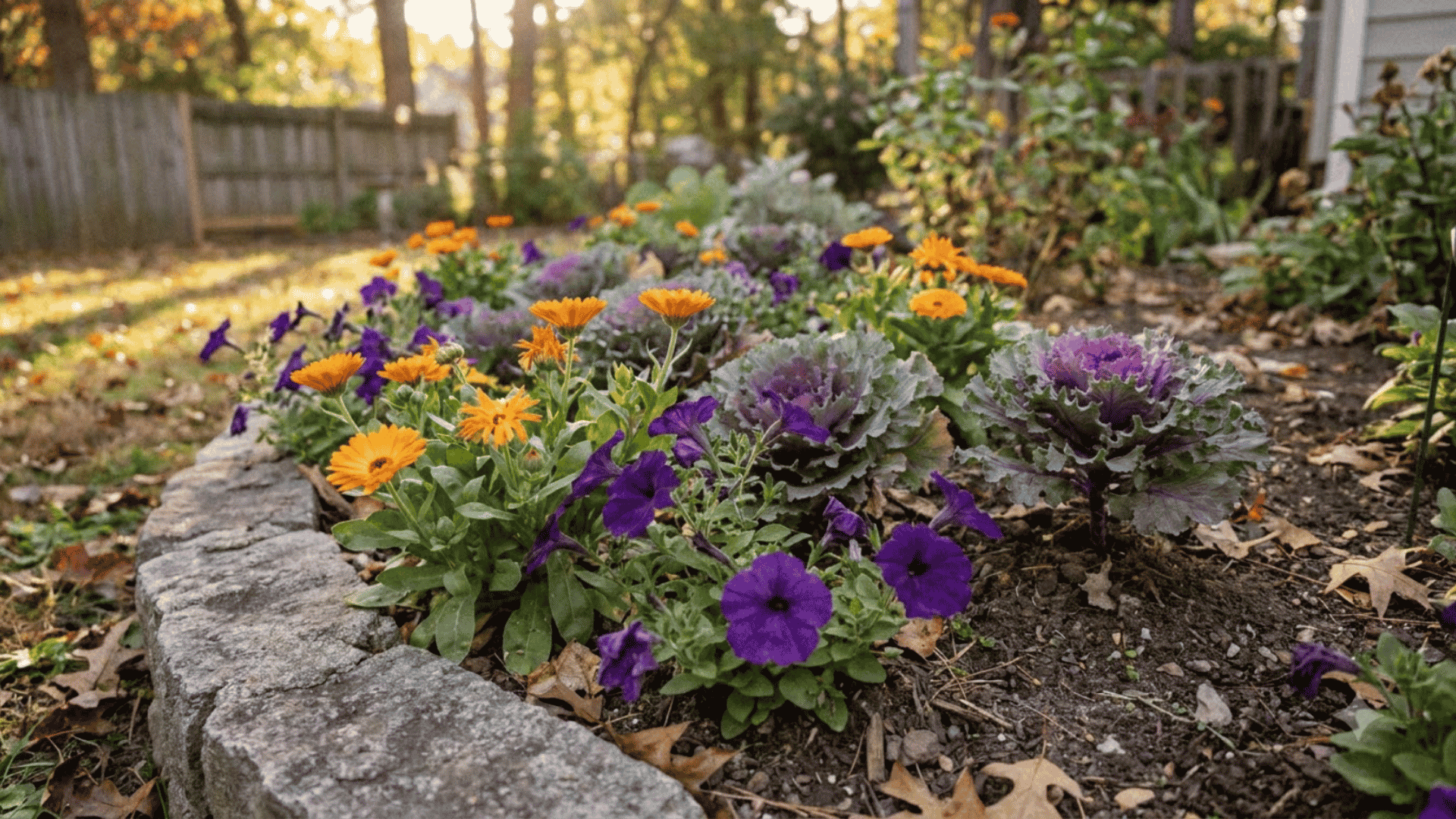
Calendula brings bright color to cool-season gardens and often keeps flowering when summer plants begin to slow down. It prefers mild temperatures and works well in sunny beds, borders, and containers during fall.
- Bloom time: Fall into early winter in mild climates
- Flower color: Yellow, orange, cream
- Best for: Beds, borders, containers
2. Sweet Alyssum
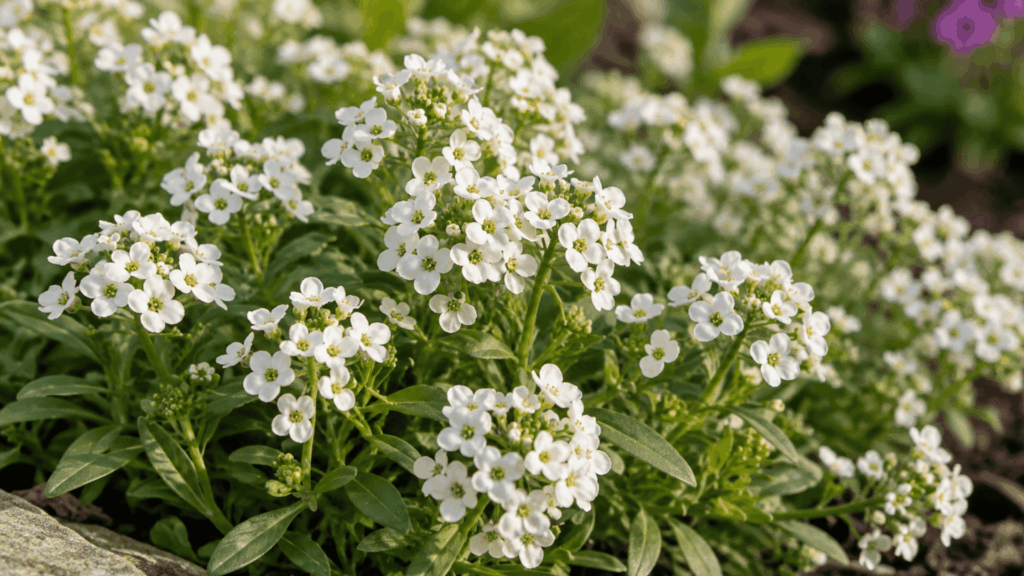
Sweet alyssum forms low mounds covered with tiny flowers and has a soft, sweet scent. It handles cooler weather well and can continue flowering through fall where frost arrives later in the season.
- Bloom time: Fall until hard frost
- Flower color: White, pink, purple
- Best for: Edges, containers, ground cover
3. Snapdragon
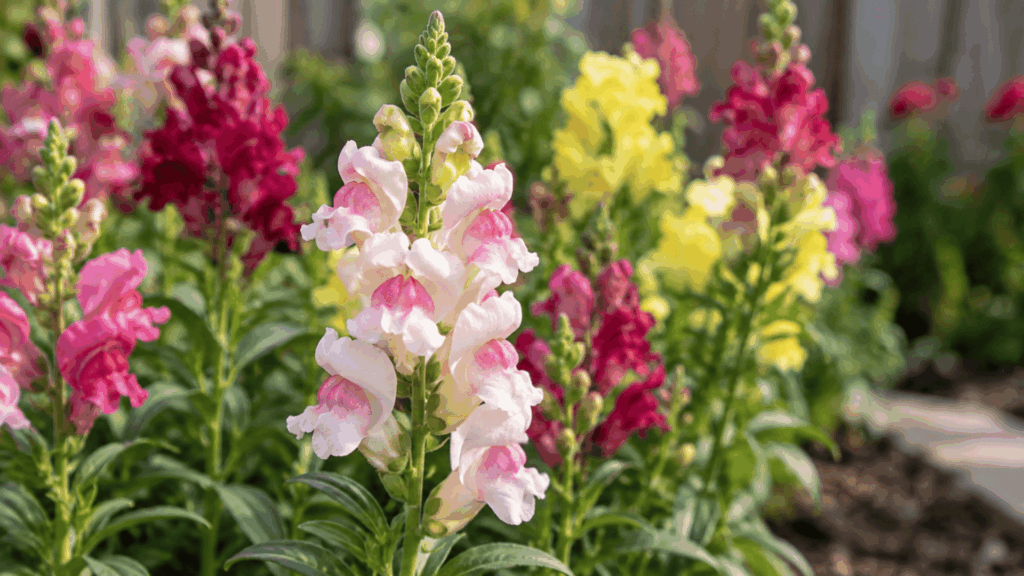
Snapdragons produce upright flower spikes that bring height and strong color to fall beds. They prefer cooler temperatures and may keep blooming through light frost, making them useful for gardens after summer heat fades.
- Bloom time: Fall through mild frost
- Flower color: Pink, red, yellow, white, orange
- Best for: Beds, borders, cut flowers
4. Ornamental Kale
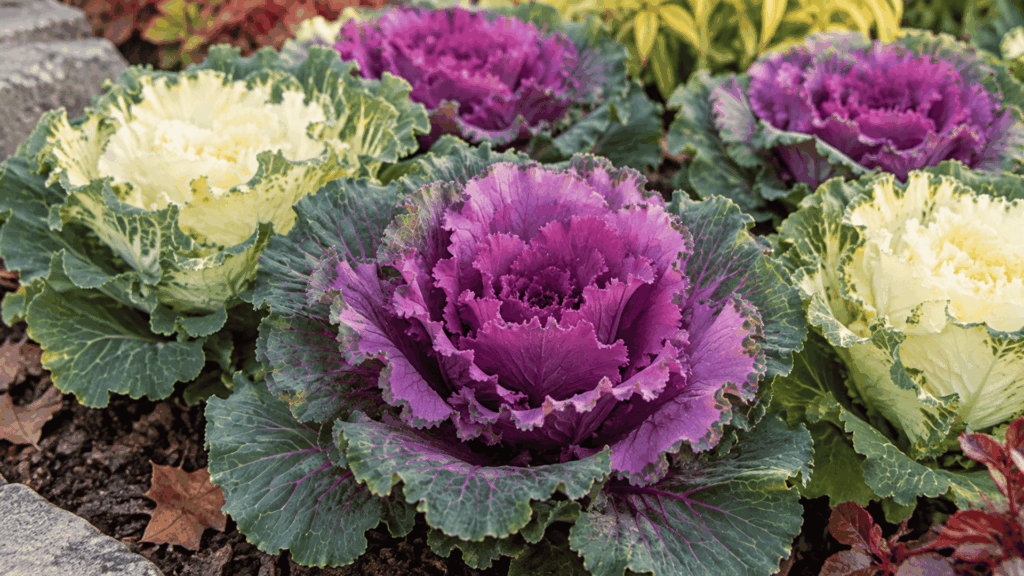
Ornamental kale is grown for its colorful leaves rather than traditional flowers.
The rosettes often brighten as temperatures drop, adding color to garden beds and containers when many flowering plants begin to fade.
- Bloom time: Grown mainly for fall and winter foliage
- Flower color: Purple, pink, white, green
- Best for: Containers, borders, mass planting
5. Celosia
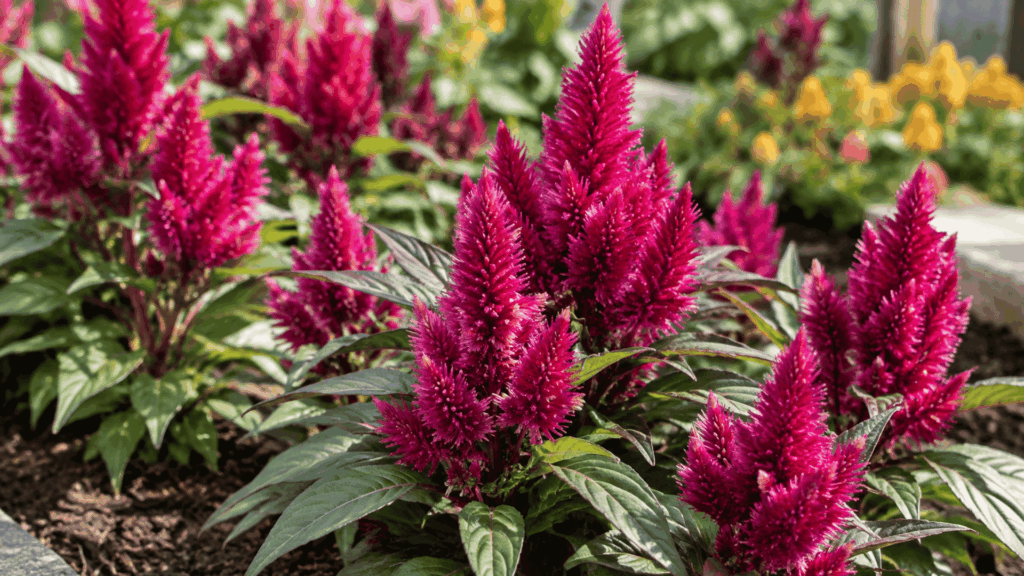
Celosia adds bold texture with upright or crested flower heads that keep their color for weeks. Plants prefer warmth but can still provide strong fall color until colder temperatures or frost ends the season.
- Bloom time: Summer through first frost
- Flower color: Red, orange, pink, yellow
- Best for: Beds, containers, cut flowers
6. African Daisy
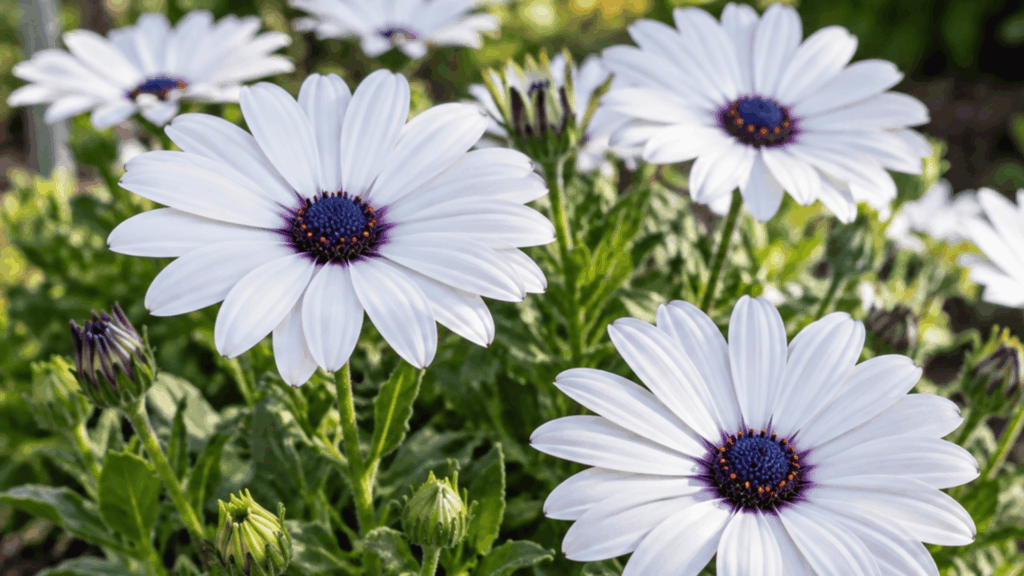
African daisies produce bright, daisy-shaped flowers and perform well during mild fall weather. They prefer sunny conditions and cooler temperatures, especially in regions where autumn stays comfortable without frequent hard freezes.
- Bloom time: Fall in mild climates
- Flower color: Purple, pink, orange, yellow, white
- Best for: Beds, borders, containers
7. Petunia
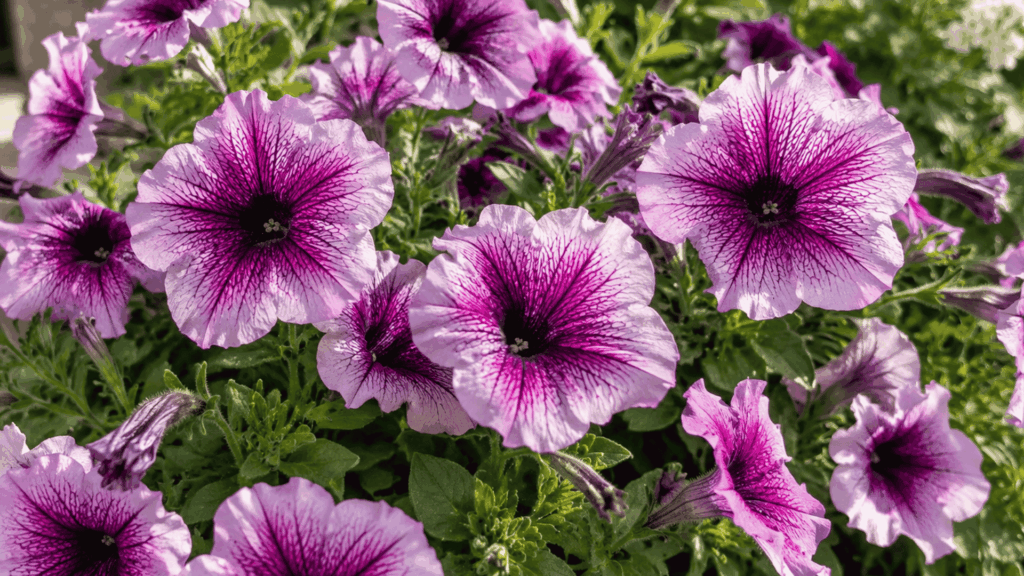
Petunias can keep adding color into fall when temperatures stay mild. Their spreading growth and steady flowering make them useful around patios, borders, and containers, although hard frost usually ends their growing season.
- Bloom time: Summer through fall
- Flower color: Pink, purple, red, white, yellow
- Best for: Containers, borders, hanging baskets
8. Million Bells
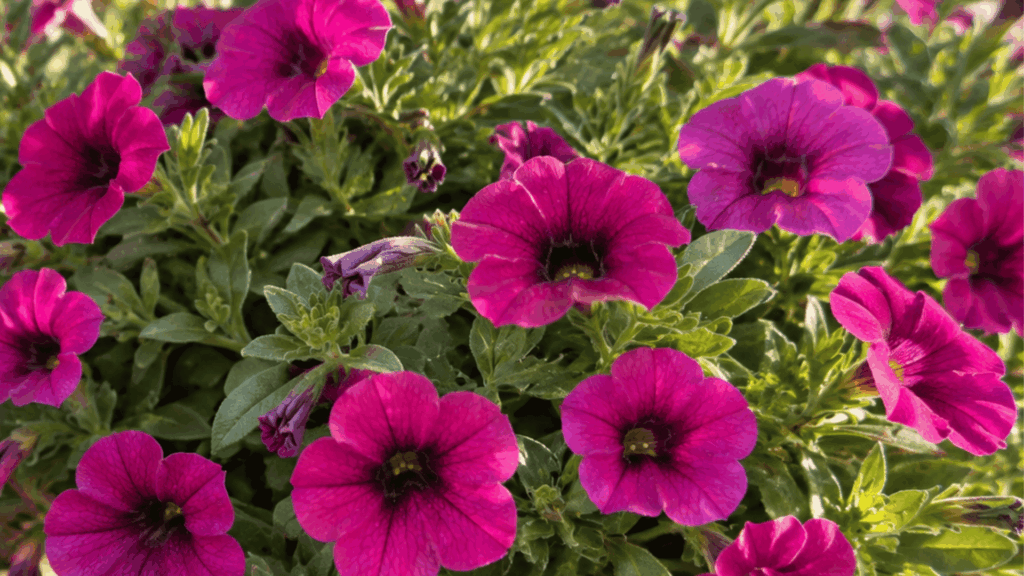
Million Bells, also called calibrachoa, produce many small petunia-like flowers on trailing stems. They work especially well in containers and hanging baskets and can stay colorful into fall where freezing weather arrives late.
- Bloom time: Summer through fall
- Flower color: Pink, purple, yellow, red, white
- Best for: Hanging baskets, containers, window boxes
9. Sweet Pea
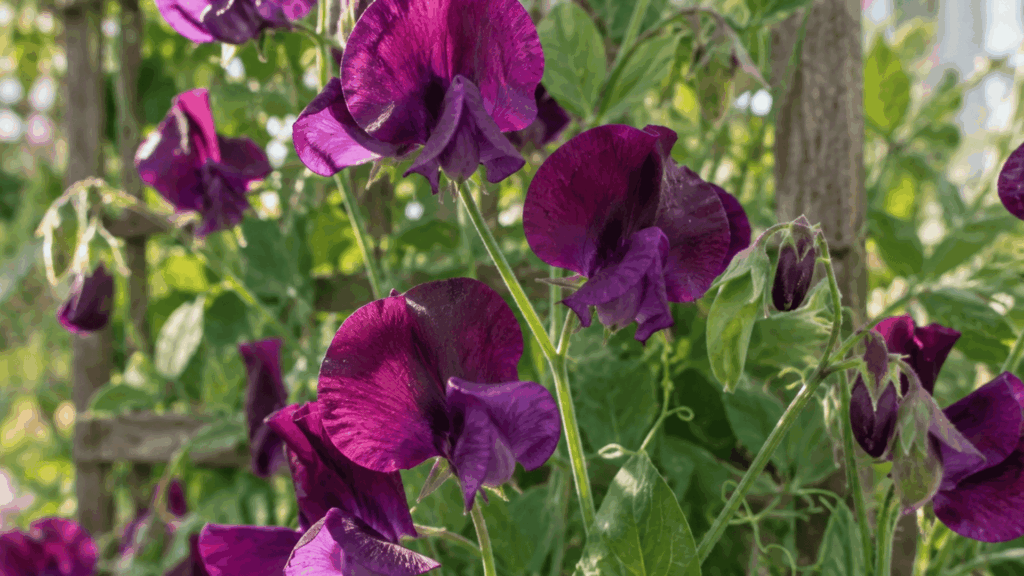
Sweet peas are cool-season vines known for soft, fragrant flowers. In mild climates, you can plant them in fall for later growth and blooms, while colder regions usually plant them at another suitable time.
- Bloom time: Depends on climate and planting time
- Flower color: Pink, purple, white, red
- Best for: Trellises, fences, cut flowers
How Do You Keep Fall Flowers Blooming?
Fall flowers can stay colorful longer with steady basic care, especially as temperatures shift, daylight shortens, and soil dries more slowly.
Water Consistently
Check the soil often and water when the top layer starts to dry. Keep roots evenly moist without leaving the ground soaked for long periods.
Remove Spent Flowers
Snip off faded blooms when the plant benefits from deadheading. The same habit that helps roses keep flowering longer works well here too, keeping the plant tidy and often coaxing out more blooms.
Give Enough Sunlight
Place sun-loving flowers where they receive the light they need each day. Too much shade can reduce flowering and weaken growth.
Watch for Early Frost
Check local forecasts when nights turn cold. Move containers indoors or cover tender plants overnight if a light frost is expected.
Avoid Excessive Fertilizer
Too much fertilizer can push leafy growth instead of flowers. Use only the amount recommended for the plant and avoid frequent feeding late in fall.
Wrapping It Up
A fall garden can still feel full of life even as the season starts to slow down. The right choices can bring color, texture, and a softer look to outdoor spaces before winter sets in.
Picking fall flowers to plant becomes easier when the focus stays on what suits the space and local weather best. There is no need to fill every bed at once or make the garden look perfect.
A few well-placed flowers can make a noticeable difference. With a simple plan and realistic expectations, fall planting can feel calm, useful, and worth the effort.
Frequently Asked Questions
Are Fall Flowers Good for Cutting and Indoor Arrangements?
Yes. Many fall flowers work well as cut flowers for vases and table arrangements. Choose fresh stems with firm blooms and place them in clean water soon after cutting.
Can Fall Flowers Be Grown From Seed?
Some can be started from seed, but timing matters. Seeds need enough warmth and growing time before cold weather arrives, so local conditions should guide sowing dates.
Do Deer Eat Fall Flowers?
Deer may feed on some fall flowers, especially when other food becomes scarce. Plant preference varies, so no flower should be treated as completely deer-proof.

Veronica Lee holds a Master’s degree in Landscape Architecture from Cornell University and has dedicated more than 15 years to transforming outdoor areas into artistic and sustainable spaces. Her career took off in a renowned landscape design firm, where she excelled in creating visually stunning and environmentally responsible designs. In 2019, Veronica brought her expertise to our platform, quickly becoming a key contributor to our outdoor design and sustainability sections. As the lead of our landscape innovation series ever since joining, she has inspired readers with her forward-thinking and practical approach. When not drafting designs, Veronica enjoys pottery and participates in local conservation efforts, activities that complement her professional ethos of blending art with nature.

![20 front yard succulent garden ideas[P]](https://enthrallinggumption.com/wp-content/uploads/2023/12/20frontyardsucculentgardenideas-512x288.jpg)