
Moving furniture can be one of the trickiest parts of relocating. Sofas, tables, cabinets, beds, and other large pieces can be heavy, awkward to carry, and vulnerable to scratches, dents, stains, and moisture. Preparation before moving day can reduce the risk of damage and make the process easier.
Start With a Furniture Inventory
Before packing, walk through each room and list the furniture you plan to move. Note pieces that are especially heavy, fragile, valuable, or difficult to take apart. This helps you determine how much protection each item needs.
Photograph furniture before the move, including existing scratches, chips, stains, and other imperfections. These photos provide a record of each item’s condition.
If you are hiring professional help, consider the type of furniture being moved when making arrangements. For a local relocation, Athens Georgia movers can help with transporting larger household pieces while you focus on preparing the rest of the home.
Clean and Disassemble What You Can
Dust and dirt can become trapped under protective coverings and rub against furniture during transportation. Wipe down hard surfaces before wrapping them, and make sure upholstered pieces are clean and dry.
Disassemble furniture whenever the manufacturer allows it without risking damage. Removing table legs, bed frames, shelves, and detachable hardware can make large items easier to carry through doorways and staircases.
Keep screws, bolts, brackets, and other small parts together in labeled bags. Attach each bag to the corresponding piece when possible, or place everything in one clearly marked container. This makes reassembly easier.
Use the Right Protective Materials
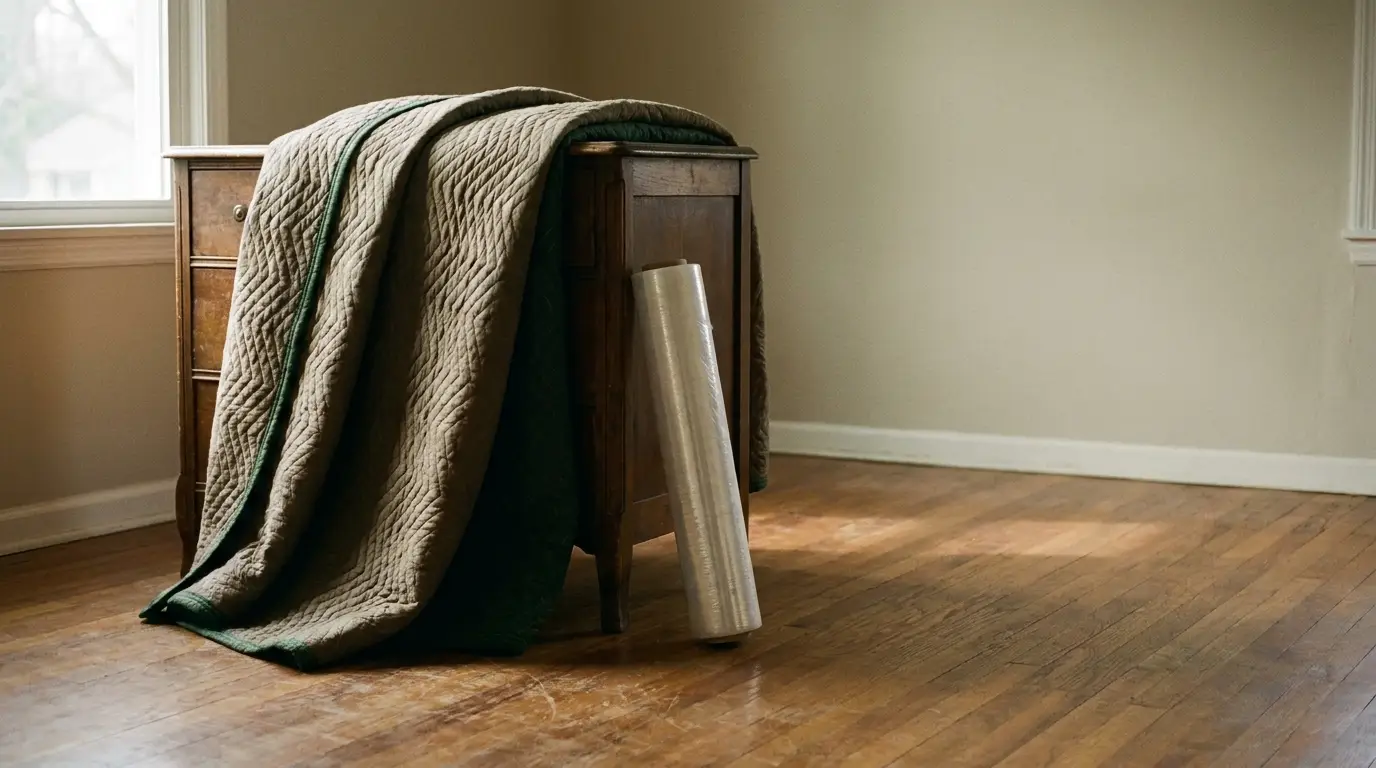
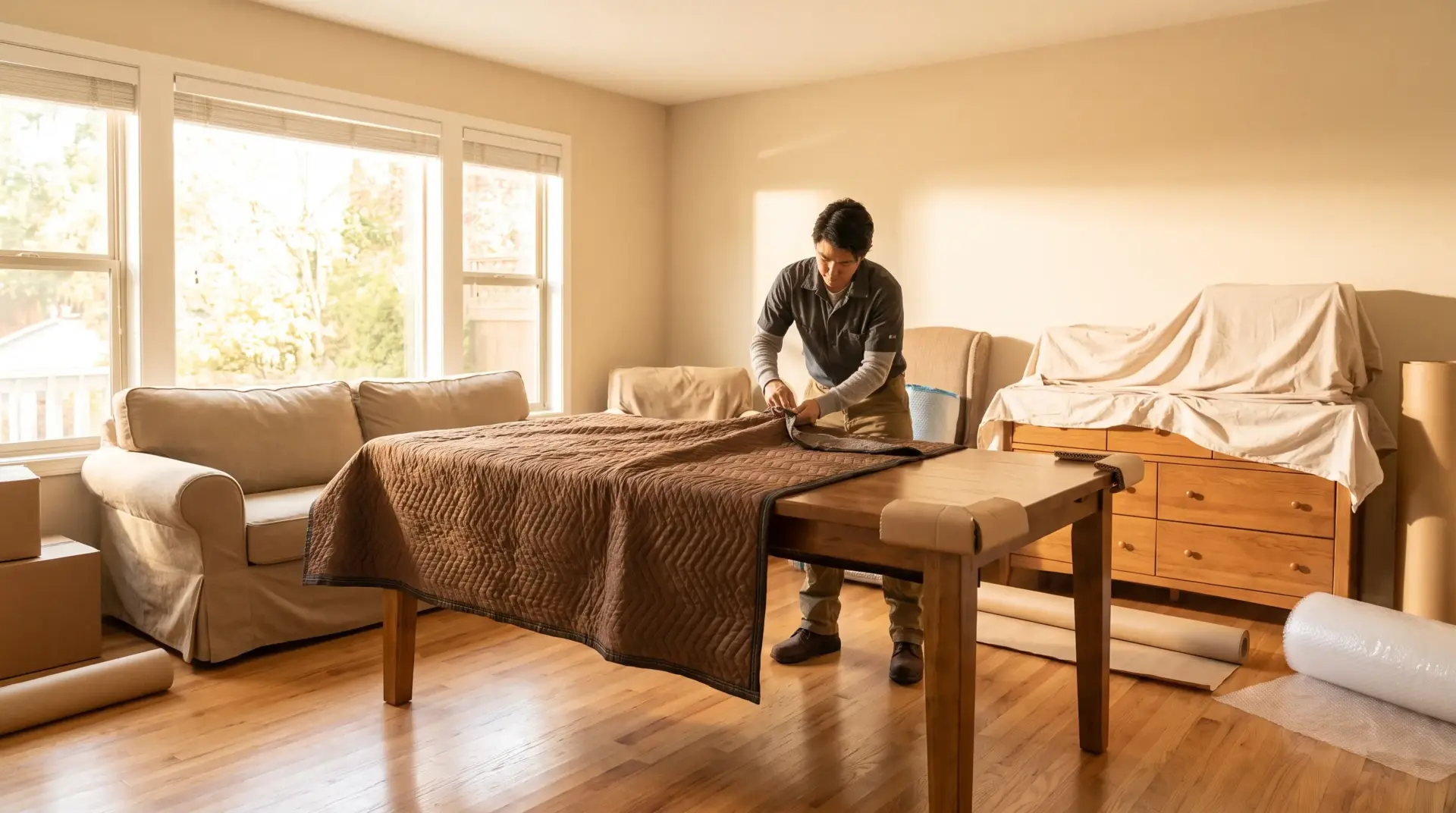
Moving blankets are among the most useful supplies for protecting furniture. Wrap wooden tables, cabinets, dressers, and other hard surfaces with thick blankets to reduce scratches and minor impacts.
Plastic stretch wrap can help hold blankets in place, but avoid wrapping damp furniture in airtight plastic. For upholstered pieces, use clean furniture covers when appropriate. Plastic can trap moisture against fabric, particularly if furniture is stored for an extended period.
For glass doors, mirrors, and other fragile surfaces, use suitable padding and mark the pieces clearly. Cardboard can add another layer of protection over glass, while corner protectors can shield vulnerable edges.
Protect Furniture Corners and Edges
Corners are especially exposed when furniture is carried through narrow spaces. A cabinet may clear a doorway easily on paper but still bump a wall or door frame when several people are maneuvering it.
Use padded corner protectors on tables, desks, cabinets, and other pieces with delicate edges. Secure the padding so it stays in place while the furniture is being carried.
Before moving large pieces, measure doorways, hallways, staircases, and elevators. Compare those measurements with the furniture’s dimensions. Removing a door temporarily may provide additional clearance if you can handle the hardware safely.
Protect Floors and Walls Too
Furniture protection does not stop with the furniture itself. Floors, walls, trim, and door frames can also be damaged during a move.
Cover high-traffic areas with suitable floor protection, especially in areas where heavy furniture will pass repeatedly. Use protective padding on walls or door frames in tight areas where furniture could make contact.
Avoid dragging heavy pieces across floors. Even furniture with wheels can leave marks if dirt or grit becomes trapped underneath. Use furniture sliders when appropriate, or have enough people lift and carry the item safely.
Load the Moving Truck Carefully
How furniture is positioned inside the moving truck can affect whether it arrives in the same condition. Place heavier pieces where they can be secured properly, and avoid stacking boxes or other items in a way that puts pressure on delicate furniture.
Use straps to keep larger pieces from shifting during transportation. Leave enough cushioning between furniture and the truck walls, particularly for wood finishes, glass, and painted surfaces.
Do not assume a tightly packed truck automatically means a secure load. Furniture should not be forced into spaces where it can rub against another piece or move when the vehicle accelerates, turns, or stops.
Give Special Items Extra Attention
Some furniture deserves more preparation than standard household pieces. Antique furniture, delicate wood finishes, large mirrors, glass cabinets, and upholstered items may require specialized packing materials or handling methods.
If an item is unusually valuable or difficult to move, determine the safest handling approach before moving day. Professional movers with experience handling specialty furniture may be a better option than trying to manage the piece without the right equipment.
Check Everything Before Unpacking
Once the furniture arrives, inspect each piece before removing all of its protective coverings. Look for new scratches, dents, loose parts, broken hardware, stains, or other visible changes.
Keep your original photos until you have checked everything. If damage occurs, having a record of the furniture’s condition before the move can make it easier to document what happened.
Conclusion
Protecting furniture during a move starts with preparation. Cleaning pieces, using suitable protective materials, securing loose parts, measuring tight spaces, and loading the moving truck carefully can all reduce the risk of damage. Taking these steps before moving day can help your furniture arrive safely and ready for its new home.

Holding a Master’s in Architecture from the University of Texas at Austin, Emily Rodriguez has dedicated more than two decades to the art and science of building renovation. Starting her journey in historic preservation, she developed a profound respect for blending old with new in building design. Emily became a vital part of our team in 2019, renowned for her insightful and innovative renovation tips. She has been leading our DIY home improvement series since ever since, where she shares her wealth of knowledge in turning outdated spaces into modern havens. When not engaged in writing or consulting, Emily is a passionate advocate for heritage conservation and enjoys exploring vintage architecture, a hobby that complements her professional expertise.