
Around South Jersey and the Pennsylvania suburbs north of Philadelphia, winter chews on a roof for five straight months. Nor’easters shove rain sideways, snow melts by noon and refreezes by dinner, and ice sits along the eaves for a week at a time. Skylights take more of that punishment than anything else up there, which makes October the cheapest month to look at them. Book skylight repair before the first coastal storm and you’re usually looking at one visit and a bill in the low hundreds.
Wait until January, and the math flips. A leak that appears mid-snowstorm means an emergency call, a tarp, and a crew already booked three weeks out, plus whatever the water did to drywall and insulation while you waited. Anyone who has put a bucket under a hallway ceiling on New Year’s Eve knows how that goes. The flashing fix itself costs the same in both months. What changes is everything around it.
Why Winter Here Is So Hard on Skylights
Three separate forces go after a skylight between October and March, and they like to stack up. A unit that handles one of them just fine can still give out when all three arrive during one month.
Nor’easters and Sideways Rain
Nor’easters can form any time of year, but they come most often and hit hardest between September and April. Strong northeast wind drives water uphill, under shingles and against the upslope edge of the frame, which happens to be where flashing is usually weakest. Late-summer hurricane remnants pile on too. Ida, in September 2021, dumped several inches of rain in a few hours and spun up tornadoes in Mullica Hill and Fort Washington, and plenty of homeowners on both sides of the Delaware discovered their weak spots that same night.
Freeze-Thaw Cycles
This area sits right where winter temperatures cross 32°F over and over, sometimes twice in one day. Every swing makes metal flashing, rubber gaskets, and sealant expand and shrink a little. Repeat that for a few hundred cycles and the caulk bead pulls away from the frame, the corners open up, and meltwater finds the gaps. Seals that might go 15 years somewhere mild often start cracking around year 10 here.
Ice Dams and Snow Piling Uphill
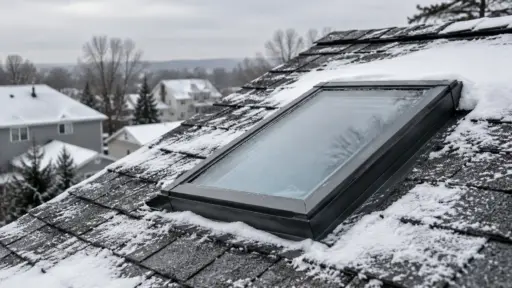
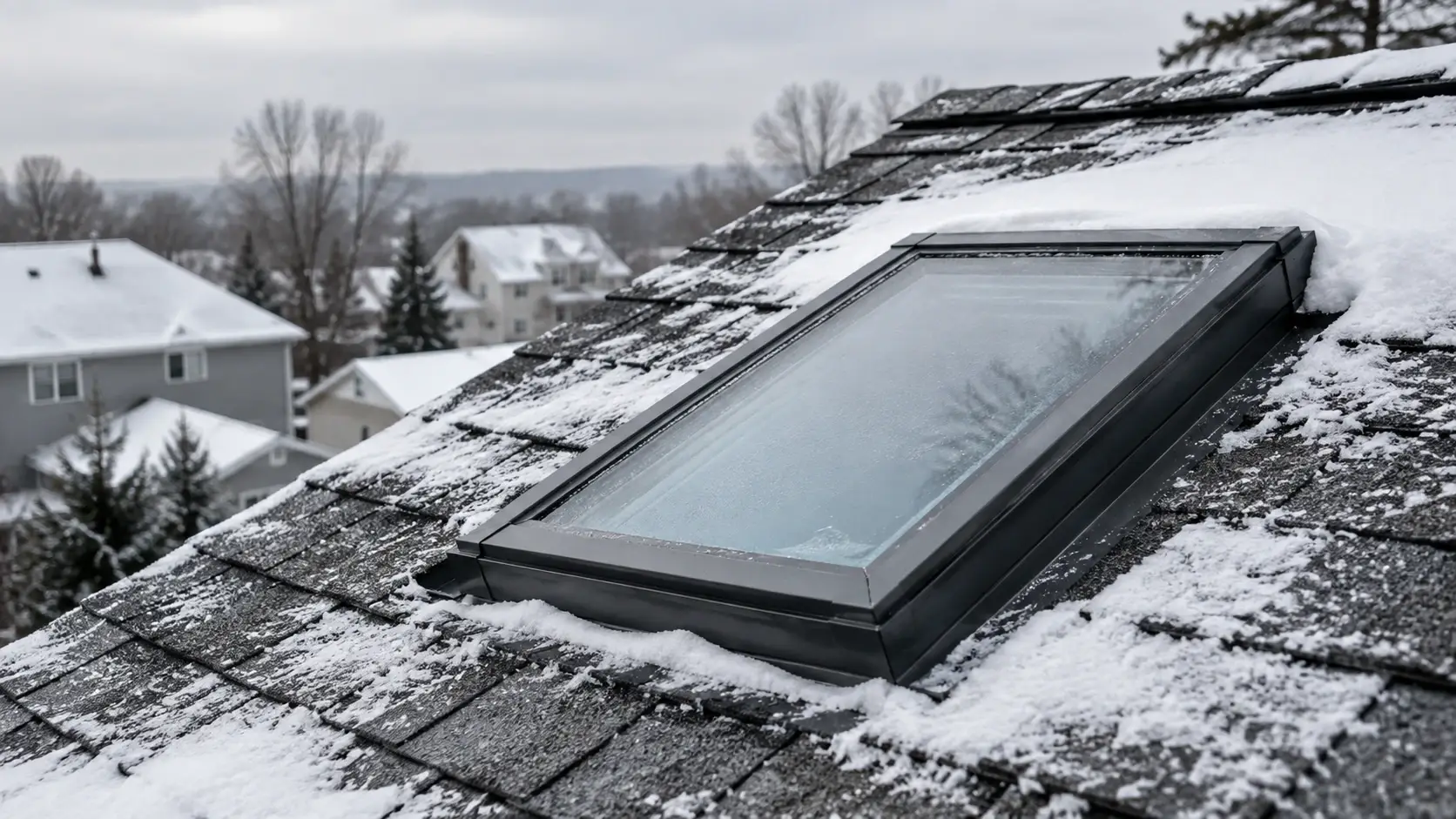
Every skylight interrupts the attic insulation, so the roof right around it runs warmer than the rest. Snow melts there first, trickles down, and refreezes when it reaches colder shingles or the lower edge of the unit. Drifts also build against the uphill side of the curb. Put those together, and you get a shallow pool sitting against the flashing for days, and standing water gets through seams that shed ordinary rain without any trouble.
Where Skylights Actually Leak
Almost every skylight leak traces back to one of three spots. Flashing, the metal collar tying the unit into the shingles, loosens or corrodes after years of movement. The seals and gaskets holding the glass dry out and split. And the glass or acrylic dome can crack from hail, a falling branch, or somebody walking on the roof where they shouldn’t. All three let water in, though each needs a different fix at a very different price.
Age matters more than most people assume. Manufacturers typically warranty their units for around 10 years, and a skylight from the early 2000s that nobody has ever resealed is living on borrowed time. Tubular skylights, those small round ones over hallways and bathrooms, fail less often, but they still rely on the same flashing and seal at the roofline.
Leak or Condensation? Try This Free Test First
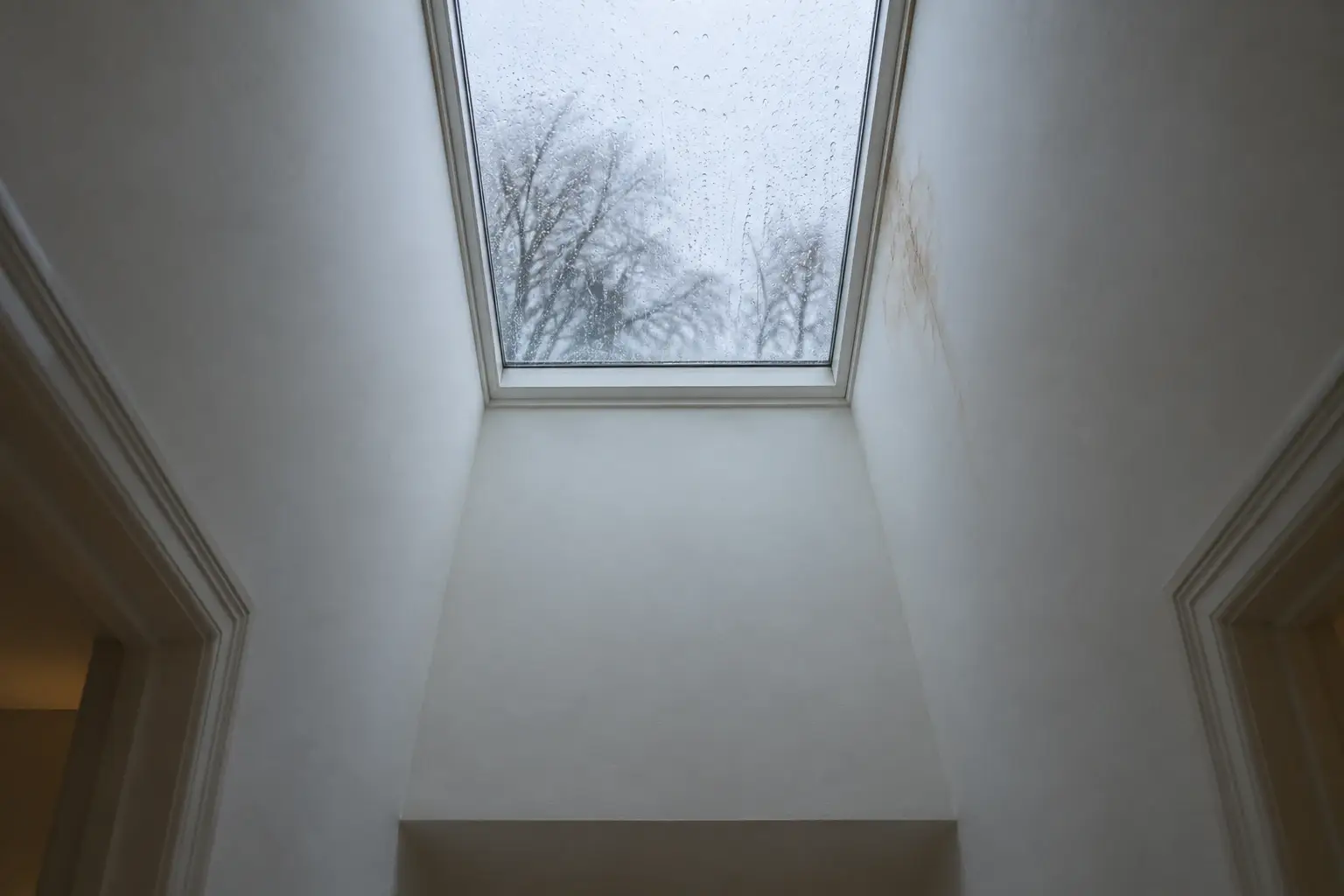
A lot of winter “leaks” turn out to be condensation. Warm, humid air from showers and cooking drifts up into the shaft, hits cold glass, and drips, and from below it looks exactly like a roof problem. The test costs nothing: pay attention to when the water shows up. Drips on a cold, dry, sunny morning point to indoor moisture. Water that arrives with rain, or during a thaw after snow, points to a real breach.
If it’s condensation, the fixes are cheap. Run the bathroom fan for 20 minutes after each shower, keep humidity between 30 and 40 percent through the cold months, and reverse the ceiling fan so warm air gets pushed back down across the glass. Honestly, a $15 hygrometer from the hardware store settles more of these mysteries than a roofer’s visit.
What Skylight Repairs Cost in 2026
The ranges below are typical US prices for professional work on a standard fixed skylight. Vented and electric models add 20 to 40 percent. Labor around Philadelphia runs above the national average, so expect local quotes to land in the upper half.
| Problem | Typical Fix | Cost Range |
|---|---|---|
| Loose or corroded flashing | New flashing kit | $300 to $600 |
| Failed seals or gaskets | Reseal the glass perimeter | $150 to $400 |
| Cracked glass or dome | Replace the glazing | $300 to $800 |
| Leaks in several places, unit over 15 years old | Full unit replacement | $900 to $2,500 installed |
| Interior water damage | Drywall, insulation, and paint after the repair | $300 to $1,200 extra |
That last row explains why timing matters. A $350 flashing job in October and the same job in February, after two nor’easters and a thaw, differ by every soaked ceiling panel and insulation batt in between.
A 20-Minute Fall Inspection
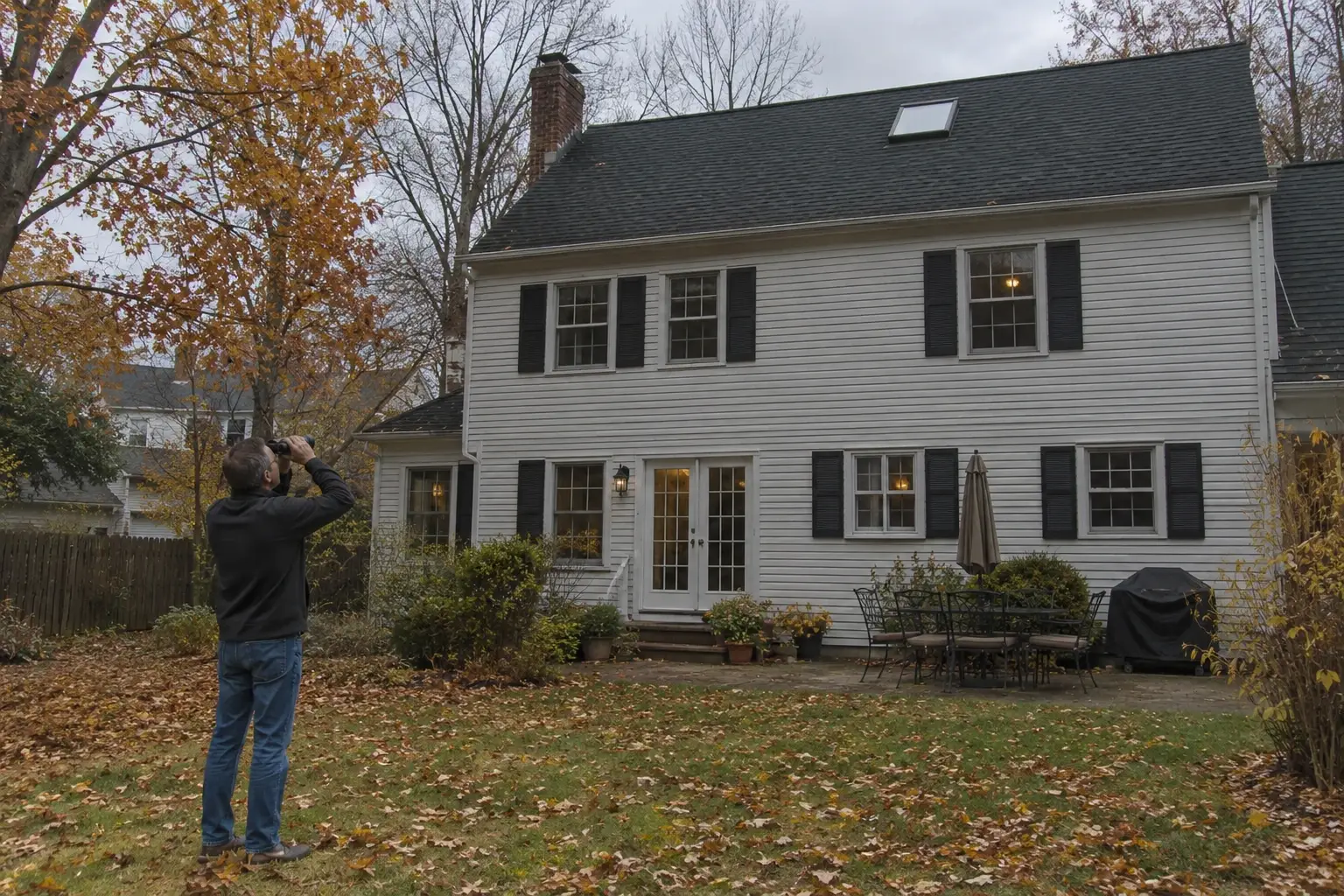
You can catch most developing problems from inside the house or from the yard with binoculars. Skip the ladder, and please stay off a wet roof. Walk through this list on a dry afternoon before Thanksgiving:
- Drywall around the skylight shaft: brown rings, bubbling paint, or soft spots
- Corners where the frame meets the shaft: gaps or a sliver of daylight
- The glass itself: chips, cracks, or fog trapped between the panes
- Outside, through the binoculars: lifted shingles, rusty or bent metal, dried-out caulk around the unit
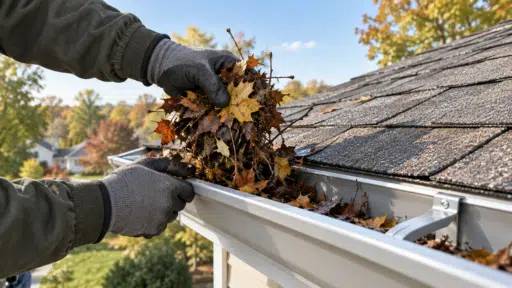
- The high side of the unit: leaves and pine needles packed against the curb, which hold water on the flashing and should come off before snow arrives
- After the next rain, the interior trim: run a hand along it and feel for dampness
Fogging inside the double glazing deserves its own mention. It means the seal on the insulated glass has failed. The unit will probably keep rain out for another season or two, but it’s already losing heat, and in a cold climate that also means more drips falling into the room below.
Ice Dams Around Skylights: What Helps and What Makes Things Worse
Once a dam forms, the goal is keeping the water outside. A roof rake with a long aluminum pole lets you pull fresh snow off the lower roof and away from the skylight while standing on the ground. Clearing snow above the skylight after a heavy storm removes the drift that traps meltwater against the frame. Some people fill an old nylon stocking with calcium chloride ice melt and lay it across the ridge of ice to open a drainage channel. Rock salt works poorly for this, corrodes metal flashing and gutters, and kills whatever is planted below.
Two habits make things worse. Chipping at ice with a hammer or hatchet cracks shingles and punctures flashing, and climbing onto an icy roof is how people end up in the emergency room. The lasting fix happens in the attic. Insulating and air-sealing the walls of the skylight shaft keeps the surrounding roof cold, so the snow stops melting there to begin with. It’s usually a small job, and it costs less than a single ceiling repair.
Insurance in New Jersey and Pennsylvania
Standard homeowner policies in both states treat a skylight as part of the roof. Sudden damage from wind, hail, or a falling limb is usually covered. A seal that dried out slowly over a decade and a half typically isn’t, because insurers classify that as wear and tear, and adjusters look for it the moment they see an old unit. Ceiling damage caused by ice buildup is often covered, while removing the ice and fixing the worn part usually falls on you.
Documentation decides most disputes. Photograph your skylights now, inside and out, while they’re intact, and keep the files with their original dates. After a storm, take pictures of any damage before patching anything, save receipts for tarps or emergency work, and get the adjuster and your contractor looking at the same evidence. Check your deductible as well. Most run $1,000 to $2,500, and some New Jersey policies, especially closer to the shore, carry a separate percentage deductible for named storms. Hail-cracked glazing might clear the bar. Resealing almost never does.
Repair or Replace the Whole Unit
A skylight past 15 years with one problem usually has a second one on the way. Most contractors suggest replacement once repair quotes pass half the price of a new installed unit. Comfort counts here too. Modern double-pane skylights with low-E coatings and argon fill lose far less heat than the acrylic bubbles of the 1990s, so the room under them stays warmer through winter while the glass fogs up less often.
If a roof replacement is already on the calendar, swap the skylight during that job. The crew is up there with the old shingles off anyway, which saves $200 to $500 in labor and gets you fresh flashing tied into new roofing. And if your current unit is fogged, drafty, and older than 20 years… I wouldn’t pay to reseal it.
Frequently Asked Questions
Short answers to the questions homeowners ask most once the weather turns cold.
How Often Should a Skylight Be Inspected?
Once a year covers most homes, ideally in fall before nor’easter season, plus a quick look after any storm with high wind or hail. Units older than 10 years deserve a closer look at seals and flashing each time.
Can I Reseal a Skylight Myself?
Touching up interior caulk along the inside trim takes about an hour and a tube of paintable sealant. Exterior sealing and flashing work means standing on a sloped roof and matching materials to the shingles, and a sloppy caulk job often traps water instead of stopping it, so that part belongs with a roofer.
Why Does My Skylight Leak Only When It Snows?
The usual cause is an ice dam or a drift piled above the unit. Meltwater pools there, backs up under the flashing, and drips inside, even though the same unit stays dry during a normal rainstorm.
How Long Does a Skylight Repair Take?
Most resealing and flashing jobs wrap up in an afternoon. Glass replacement can stretch longer if the part has to be ordered, and swapping a full unit on an ordinary shingle roof is typically a one-day job.

Tommy Hardy, an alumnus of the Georgia Institute of Technology with a degree in Mechanical Engineering, has been a go-to figure in residential upkeep and innovation for over 18 years. His career commenced in a leading home appliance manufacturing company, where he mastered the intricacies of household systems. Joining our platform in 2020, Tommy quickly became a reader favorite for his practical and easy-to-follow guides. He took the helm of our DIY section in 2019, consistently delivering content that empowers homeowners. Beyond his professional pursuits, Tommy is a passionate gardener and enjoys woodworking, skills enhancing his hands-on approach to home care.