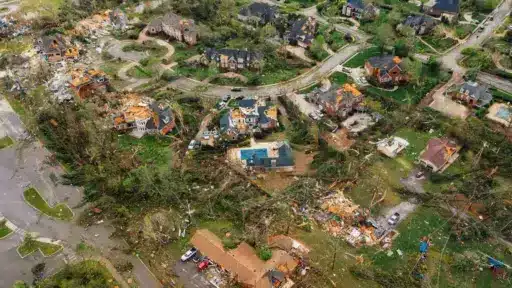
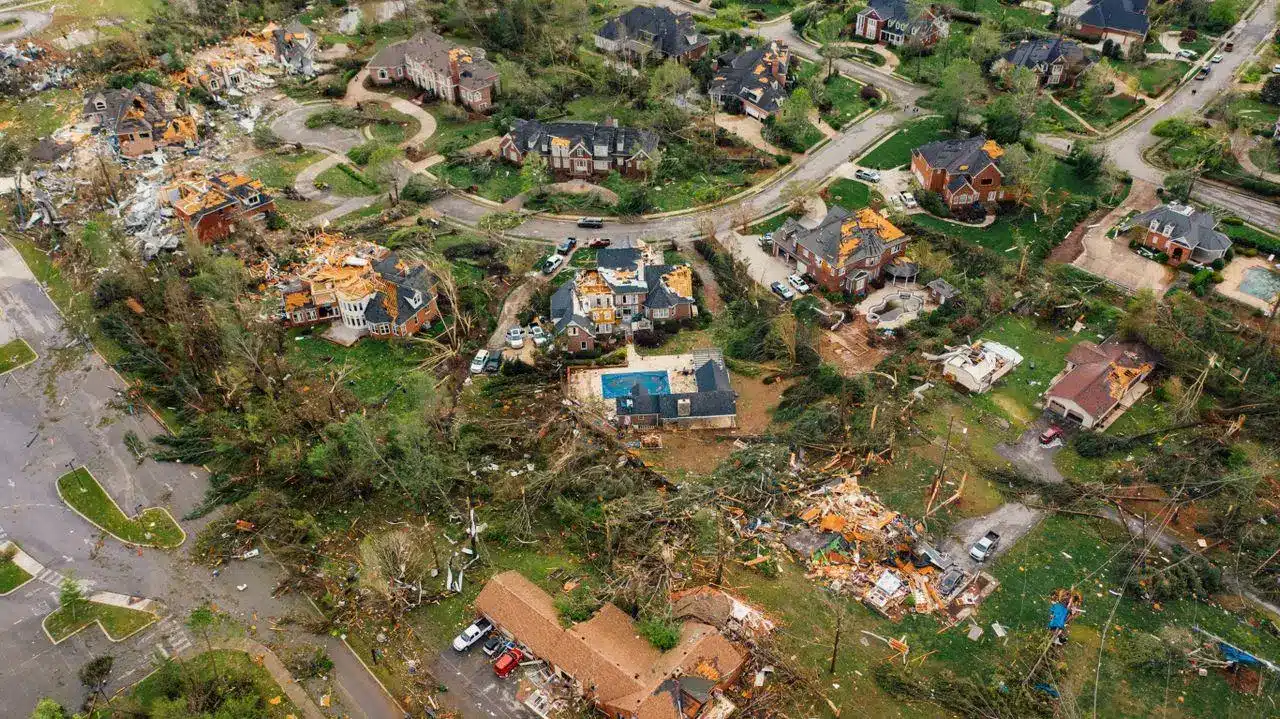

When hurricane season begins, all those loose exterior items in your yard become potential missiles that could damage your tenant’s window(s). The first step to defend against that risk as a Landlord is to create defensible space around your rental properties.
This article will walk you through the process for landlords: pre-season planning, a disaster checklist so your tenants know their part in preparing personally, and post-storm recovery.
Defensible Space for Hurricane Preparedness
Defensive space is basically a protective zone you create around your rental home. This helps protect your tenants from flying debris, such as roofing materials, caused by high winds during storms.
What is important is that all loose landscaping debris is addressed before the first day of hurricane season; this is especially true for any loose landscaping items that could be tossed at their windows.
To develop a defensive space program, follow the steps listed below:
- Remove all dead plant material and trim all low-hanging branches. Remove all dead branches. Remove all dry brush within close proximity to the rental property. High winds will cause many small branches to break through windows.
- Store all loose outdoor items inside or attach securely. Move all patio furniture, grills, pots and pans, and other decorations inside the house. If you cannot bring everything inside, move it towards an inside wall. All lightweight outdoor items have the potential to become hazards.
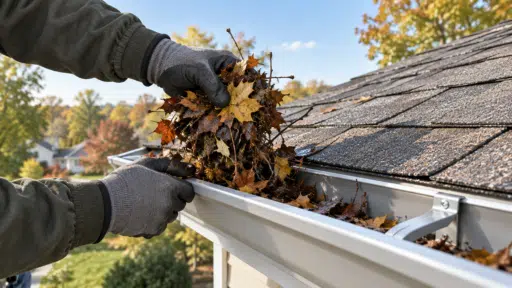
- Clean and inspect gutters and downspouts. Gutters clog with leaves and debris. When it rains heavily enough to fill the gutter system, it will spill over onto the ground. The water then runs into your rental property’s foundation.
- Inspect the fencing and gates. Make sure all loose sections of the fence are repaired. Repair loose post sections on fences. Check all fence gate hardware to make sure it is secure. Loose sections of a fence can crash into your tenant’s siding or obstruct emergency access routes.
Keep in mind that creating a defensible space is a proactive thing. You have to walk around your property at the start of every hurricane season, take photos, and repair any damage you spot. The goal is to protect your tenants and reduce the higher costs from neglect after the storm.
Tenant Collaboration Framework
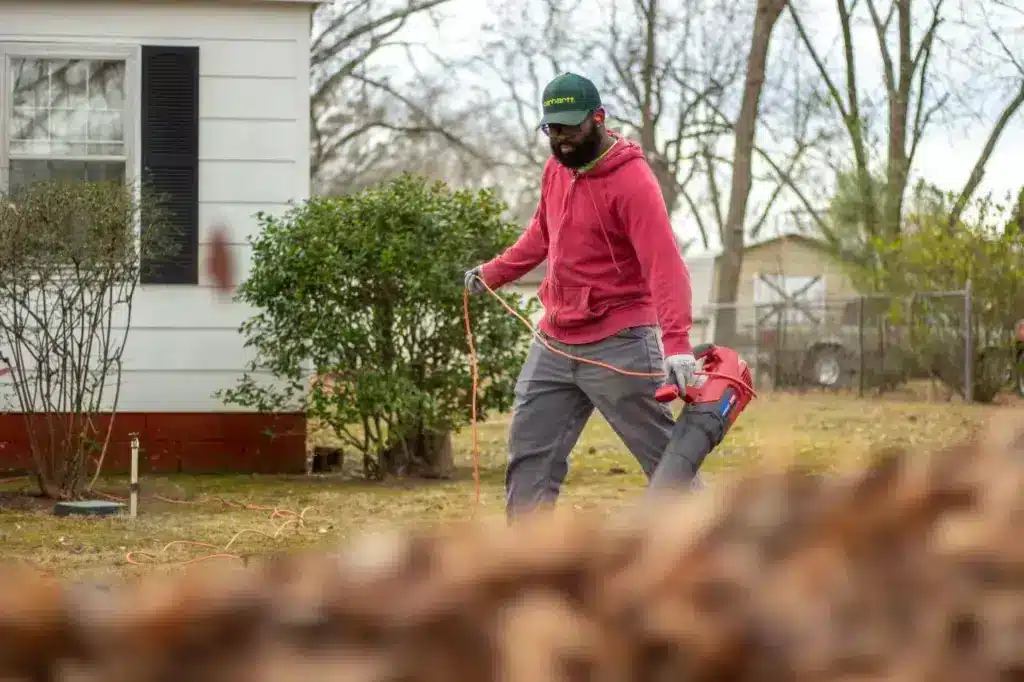
Working with your tenants before a storm removes panic & confusion. It ensures everyone knows their responsibilities, which protects lives, property, and the owner’s liability. Here’s how to create it.
Pre-Season Lease Addendums
Before hurricane season begins, send a one-page pre-signed lease addendum outlining tenant responsibilities in the event of an emergency. List a disaster checklist so tenants are aware of their individual steps, such as securing patio items, knowing where shutoff valves are, having essential supplies, etc.
Have them sign acknowledging they understand the plan. Although you can’t eliminate all potential disputes later on due to differing perceptions of responsibility, by agreeing on expectations up front about hurricane-specific property care responsibilities, you are also helping protect yourself from liability.
72-Hour Warning Communication
As soon as a storm watch is activated, send written notification to tenants immediately. Identify specifically what you want/expect them to do during the 72 hours (remove loose items from the balcony, park vehicles away from trees, charge devices, etc.).
Inform them that any loose landscaping materials left unaddressed when hurricane season begins are essential as potential projectiles targeting your tenants’ windows. Establish a timeline and include contact information so tenants know who to reach in case of questions or concerns. Reinforce the pre-storm planning.
Documentation Protocol
First, take time-stamped video walk-throughs documenting the condition of the exterior of the property before the storm (roof, windows, outdoor areas). Then have each tenant complete similar documentation inside the units. Organize all videos in a shared digital folder.
Once again, document the exact same exterior & interior areas right after the storm. Creating the “before” & “after” record proves what damage was caused by the hurricane vs. Existing issues prior to the storm. Helps streamline insurance claims processes and reduces both tenant & owner dispute possibilities.
Post-Storm Phase
After the storm clears, your immediate focus shifts to safety and systematic recovery. Rushing could cause additional damage. Protect everyone with a calm step-by-step plan, and you will get your property back on track for restoration.
Safety First
Inform your renters of when it will be safe to return by waiting for an official clearance. First, take a look at the area and see if there are any downed power lines, check if you smell gas, and make sure no structural parts have cracked due to the storm.
Tell them in advance: do NOT let them enter until you have checked for hazards. Take pictures of every damaged area with your camera, including wet electrical panels. Failing to communicate is one of the top mistakes property owners make after a disaster.
Disaster Recovery
Contact your insurance company as soon as possible. Send them photographs and videos of your home’s pre-storm condition. Arrange for emergency tarping, board-up services, and clean-up. Be certain to give your renters an update on the cleanup schedule. If you have a local property management firm, then they can manage this portion of your disaster plan. This way, once everything is complete, your repairs will begin promptly.
Conclusion
Hurricane preparedness is not simply about boarding up windows; it begins with establishing defensible space, working with your tenants in preparation for an event, and developing a recovery plan.
Having a disaster checklist ensures your tenants understand their personal steps to prepare for an emergency. In return, it helps reduce panic and property damage. The key to staying ahead of these events is being proactive with pre-season planning & documentation.

Tommy Hardy, an alumnus of the Georgia Institute of Technology with a degree in Mechanical Engineering, has been a go-to figure in residential upkeep and innovation for over 18 years. His career commenced in a leading home appliance manufacturing company, where he mastered the intricacies of household systems. Joining our platform in 2020, Tommy quickly became a reader favorite for his practical and easy-to-follow guides. He took the helm of our DIY section in 2019, consistently delivering content that empowers homeowners. Beyond his professional pursuits, Tommy is a passionate gardener and enjoys woodworking, skills enhancing his hands-on approach to home care.