
A home rarely begins showing its age because of one dramatic problem. More often‚ deterioration develops through dozens of small issues that seem too insignificant to deserve immediate attention.
A crack in the exterior caulking‚ a loose railing‚ peeling paint or a slightly uneven floor might appear harmless when first noticed. Over time‚ however‚ these minor defects can allow moisture to enter‚ accelerate wear and gradually diminish both the appearance and functionality of a property.
The challenge for homeowners is recognizing which small problems are simply cosmetic and which ones could become more expensive if ignored.
Seasonal weather makes this distinction particularly important‚ especially in regions where buildings experience freezing temperatures‚ heavy rainfall and significant changes in humidity.
Exterior openings‚ for example‚ may gradually develop alignment problems‚ deteriorated seals or hardware that no longer operates smoothly.
A homeowner arranging door repair in Toronto may be addressing one relatively small issue within a much broader maintenance routine that also includes checking window seals‚ roof flashing‚ drainage systems and exterior woodwork. What matters is identifying early warning signs before the surrounding materials begin to suffer additional damage.
The Hidden Cost of Small Defects
Minor household problems are easy to postpone because they rarely interfere with everyday life immediately. A small crack does not necessarily prevent a room from being used‚ and peeling paint may seem like little more than an aesthetic concern.
The problem is that deterioration often continues even when its effects remain difficult to see.
A small opening in an exterior joint can allow water to reach materials beneath the surface. A loose fitting may place additional stress on nearby components. A minor drainage obstruction can direct water toward areas that were never designed for prolonged exposure.
These conditions do not always lead to serious damage‚ but the possibility increases when defects remain unresolved through multiple seasons.
The financial consequences can also grow disproportionately. Replacing a small section of deteriorated sealant is generally much simpler than dealing with damaged insulation‚ stained interior finishes or decaying structural materials after prolonged moisture exposure.
Exterior Caulking and Weather Seals
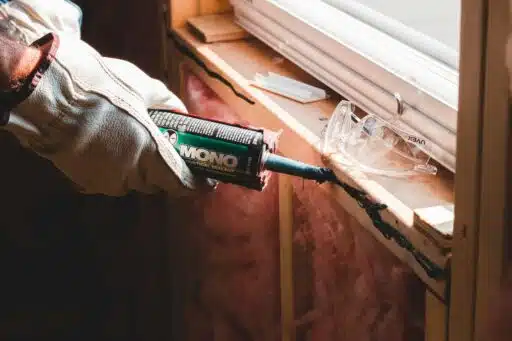
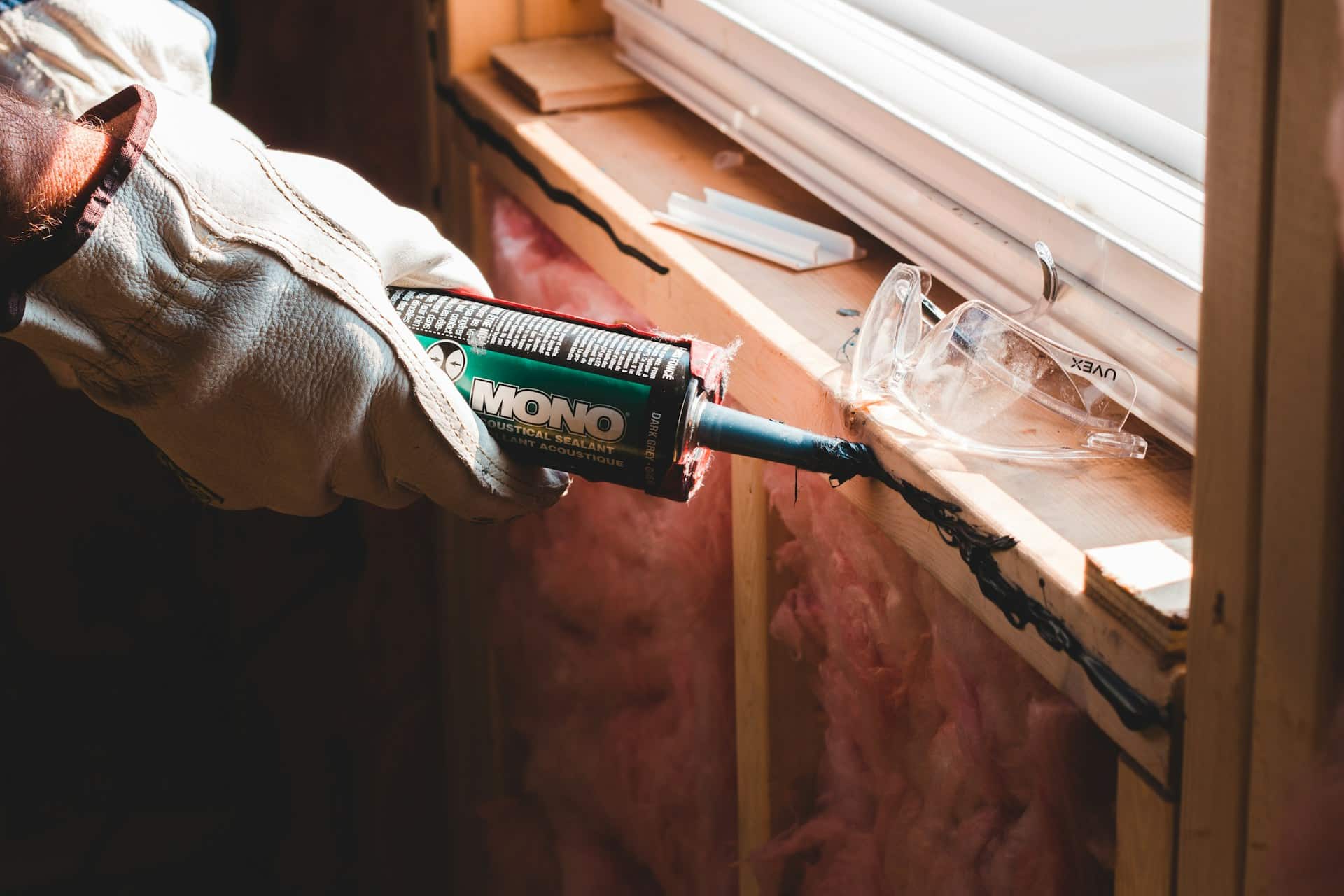
Caulking is one of the least noticeable parts of a home’s exterior‚ yet it plays an important role in protecting vulnerable joints.
Sealants are commonly found around windows‚ exterior fixtures‚ trim and transitions between different building materials. Their purpose is to help control unwanted air and moisture movement where properly detailed joints require sealing.
Over time‚ exposure to sunlight‚ rain and temperature fluctuations can cause caulking to crack‚ shrink or lose adhesion.
Once gaps develop‚ water may reach the materials behind the visible surface.
Homeowners should look for separated edges‚ missing sections‚ pronounced cracks and discoloration associated with moisture.
Not every joint should simply be sealed shut. Certain exterior wall and window assemblies require drainage and ventilation openings to function correctly. Blocking these areas can trap water rather than prevent it from entering.
For this reason‚ understanding the purpose of a joint is just as important as recognizing that its existing sealant has deteriorated.
Gutters and the Movement of Rainwater
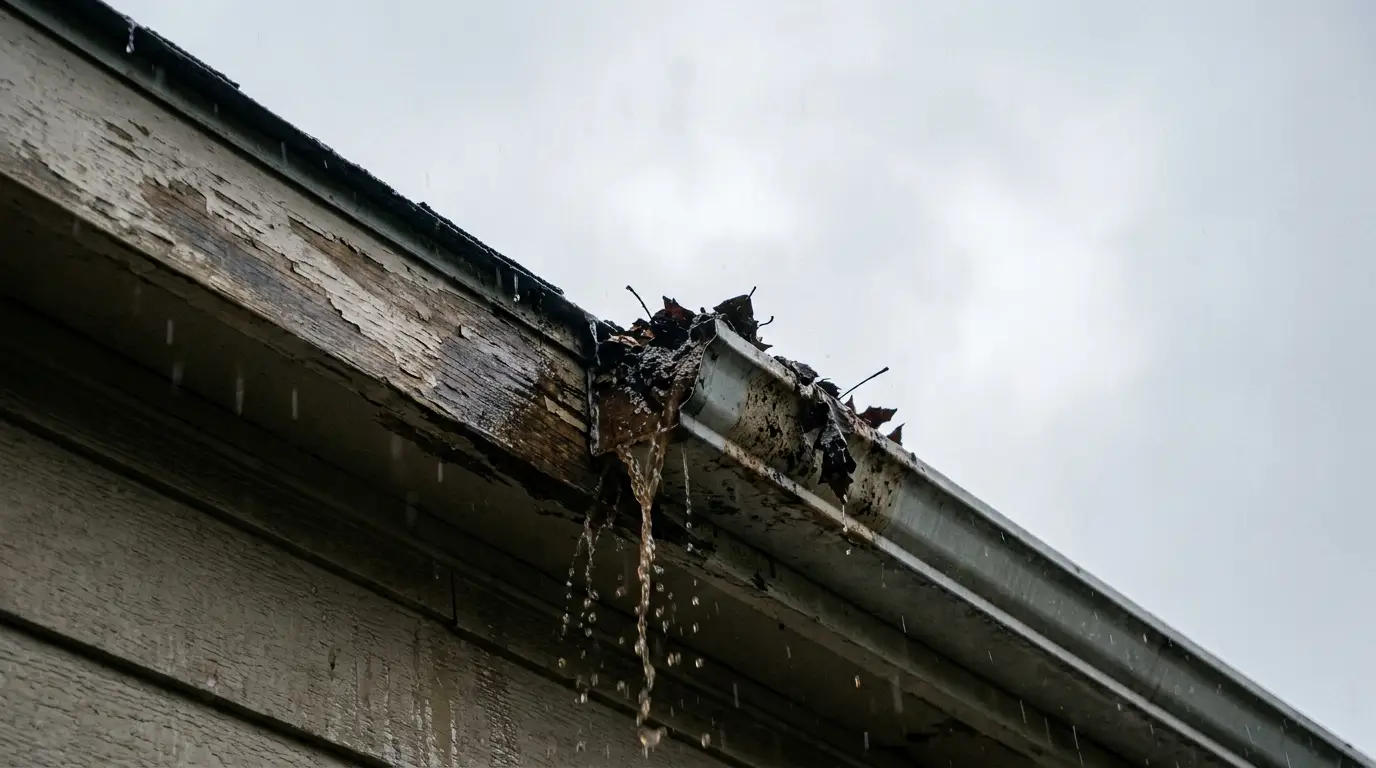
A home’s drainage system is another area where relatively small defects can create problems elsewhere.
Gutters collect rainwater from the roof and direct it toward downspouts‚ which should discharge water away from vulnerable parts of the building.
When gutters become blocked with leaves‚ sediment or other debris‚ water may overflow instead of following the intended drainage route.
This can contribute to staining‚ deterioration of exterior finishes and excessive moisture near foundation walls.
Loose downspout connections may produce similar consequences‚ particularly when water is repeatedly discharged close to the house.
A seasonal inspection should include checking visible gutter connections‚ observing drainage during rainfall and making sure downspout outlets are not obstructed.
Homes surrounded by mature trees may require more frequent cleaning than properties with relatively little vegetation.
Correcting a simple obstruction before a major storm can prevent unnecessary water exposure to other parts of the building.
Peeling Paint and Exposed Wood
Paint is often treated as a decorative element‚ but exterior coatings also help protect certain materials from weathering.
When paint begins to peel or crack‚ the underlying surface may become more vulnerable to moisture and sunlight.
Wooden trim‚ fascia boards‚ railings and other exposed components can gradually deteriorate when protective finishes are no longer effective.
A small area of peeling paint does not automatically indicate serious damage. However‚ it deserves closer attention when accompanied by soft wood‚ swelling‚ discoloration or recurring moisture.
Simply applying a fresh coat over an unstable surface rarely produces a durable result.
Proper preparation may involve removing loose coatings‚ addressing moisture sources‚ allowing materials to dry and replacing sections that are no longer sound.
An attractive finish is most valuable when the material beneath it remains in good condition.
Loose Hardware and Repeated Movement
Many household components experience thousands of small movements throughout the year.
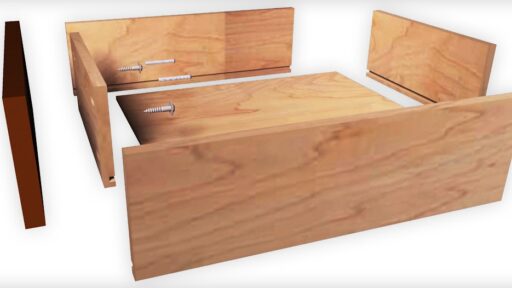
Cabinet hinges‚ drawer runners‚ railing connections‚ window mechanisms and various fixtures can gradually loosen as a result of regular use.
In some cases‚ tightening an accessible fastener is enough to restore proper function. In others‚ movement may indicate worn mounting points‚ damaged materials or components that have reached the end of their useful life.
Repeatedly adjusting a fitting without understanding why it keeps becoming loose can conceal an underlying problem.
Homeowners should pay attention to changes in how frequently an item needs attention.
A mechanism that suddenly requires much more force‚ a railing that begins moving under normal pressure or a fixture that repeatedly shifts out of position may need more than a routine adjustment.
Safety-critical components‚ particularly elevated railings and structural connections‚ require appropriate professional assessment when their integrity is uncertain.
Cracks Around Walls and Ceilings
Small interior cracks are common in many homes.
Temperature changes‚ humidity fluctuations‚ settlement and ordinary movement can affect finishes over time. Some hairline cracks remain stable for years without indicating a significant problem.
However‚ their location‚ pattern and rate of development are important.
Cracks that widen noticeably‚ appear alongside sticking windows‚ or coincide with changes in floors and walls may warrant closer investigation.
Water staining near a crack is another reason to look beyond the visible finish.
Covering every crack with filler and paint may improve appearance temporarily‚ but it does not explain why the material separated.
Photographs can help homeowners monitor changes. Taking pictures from the same position over several months provides a simple record of whether a defect is stable or progressing.
Rapid changes‚ substantial displacement or suspected structural movement should be evaluated by a qualified professional.
Exterior Steps and Walkways
Uneven paving stones‚ cracked concrete and loose stair components may initially seem like minor imperfections in the landscape.
Over time‚ these issues can become more noticeable as soil shifts‚ water enters gaps or materials experience additional freeze-thaw cycles.
The consequences go beyond appearance.
A slightly raised paving stone can create a tripping hazard‚ while an unstable step may become dangerous during wet or icy conditions.
Water that collects beside the foundation can also indicate a grading or drainage problem.
Homeowners should inspect walking surfaces after winter and following periods of heavy rainfall.
The appropriate response may involve resetting individual pavers‚ improving drainage or arranging more substantial work where underlying support has deteriorated.
Surface-level corrections are most effective when the cause of movement has also been addressed.
The Importance of Seasonal Inspections
Regular inspections make it easier to identify gradual changes that might otherwise go unnoticed.
Spring provides an opportunity to assess winter-related deterioration‚ including damaged exterior finishes‚ displaced materials and drainage issues.
Summer is useful for examining painted surfaces‚ exposed wood and outdoor structures under generally more accessible conditions.
Autumn offers a chance to clear drainage systems‚ check exterior seals and address weather-related vulnerabilities before temperatures fall.
Winter observations can reveal condensation‚ drafts‚ ice accumulation and other symptoms that may not be apparent during warmer months.
A seasonal routine does not need to become an elaborate technical exercise.
A careful walk around the property‚ combined with photographs and brief notes‚ can provide a useful record of changing conditions.
Small Actions and Long-Term Results
Homes age naturally‚ and no amount of maintenance can prevent every sign of wear. Materials weather‚ mechanical components deteriorate and building systems eventually require significant investment.
What homeowners can influence is how quickly ordinary wear develops into avoidable damage.
Checking drainage‚ addressing moisture‚ monitoring cracks and correcting loose or deteriorated components can make a meaningful difference over the years.
The greatest benefit often comes from consistency rather than expensive renovation projects.
A home that receives regular attention may still show its age‚ but it is less likely to suffer from the accumulation of preventable defects that make a property feel older than it really is.
Ultimately‚ good maintenance is not about eliminating every imperfection. It is about recognizing the small problems that matter and dealing with them before they become much larger ones.

Tommy Hardy, an alumnus of the Georgia Institute of Technology with a degree in Mechanical Engineering, has been a go-to figure in residential upkeep and innovation for over 18 years. His career commenced in a leading home appliance manufacturing company, where he mastered the intricacies of household systems. Joining our platform in 2020, Tommy quickly became a reader favorite for his practical and easy-to-follow guides. He took the helm of our DIY section in 2019, consistently delivering content that empowers homeowners. Beyond his professional pursuits, Tommy is a passionate gardener and enjoys woodworking, skills enhancing his hands-on approach to home care.