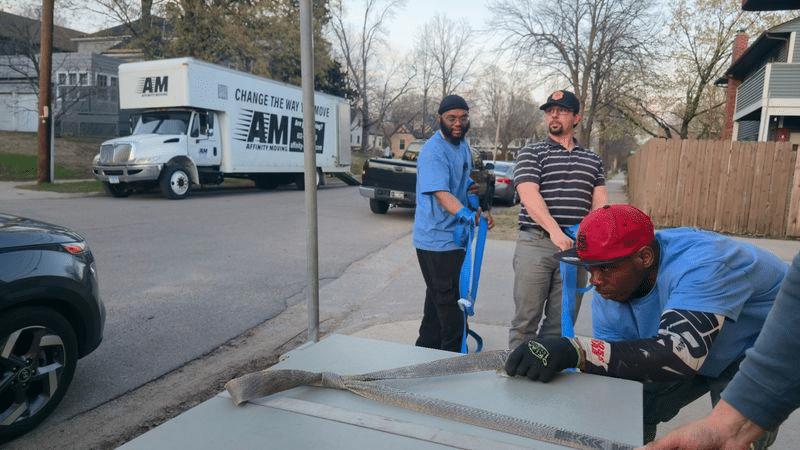
Moving into a new home sounds exciting until the boxes start multiplying, the couch refuses to fit through the doorway, and someone remembers the building elevator has to be reserved before moving day.
That is why moving to a new home in the Twin Cities is easier with a real plan. A move in Minneapolis, St. Paul, Bloomington, Edina, St. Louis Park, Hopkins, or a nearby suburb can look very different depending on the home, neighborhood, parking situation, weather, and building rules.
A move to a downtown Minneapolis apartment is not the same as moving from a single-family home in South Minneapolis. A North Loop condo is not the same as a house in Edina. A student move near Dinkytown is not the same as relocating a full household from St. Paul to Bloomington.
For many homeowners, renters, and families, professional Residential Moving Services can make the difference between a stressful moving day and one that feels organized from the beginning.
Why Residential Moves in The Twin Cities Need Local Planning
Hiring movers is not only about having people carry heavy furniture. The right local moving company understands the small details that can slow down a move or create problems.
In Minneapolis and St. Paul, those details often include apartment loading zones, narrow staircases, older homes, limited street parking, elevator reservations, condo association rules, and move-in time limits. In suburbs like Bloomington, Edina, Hopkins, Wayzata, and St. Louis Park, moves may involve larger homes, heavier furniture, basement storage, garage items, longer drive times, or specialty pieces that need extra care.
Minnesota weather can also affect a move more than people expect. Rain, snow, ice, slush, and muddy walkways can make it harder to protect floors and furniture. A crew that regularly handles local moves will usually be better prepared with the right equipment, padding, floor protection, and timing.
Nobody wants to discover halfway through moving day that the sectional sofa has become a permanent part of the stairwell.
Apartments, Condos, and Houses All Need Different Moving Plans

One reason residential moving can be tricky is that every type of home creates different challenges.
Apartment moves in places like Uptown, Dinkytown, North Loop, Northeast Minneapolis, and downtown Minneapolis often require coordination with building management. Elevators may need to be reserved. Loading areas may have time limits. Hallways and common areas may need to be protected. If the apartment is in an older building, narrow staircases can make it harder to move large furniture safely.
Condo moves in Minneapolis and St. Paul can bring similar issues. Some buildings ask for insurance information from the moving company. Others have rules about where crews can park, what entrances they can use, and which hours are allowed for moves.
House moves bring a different set of details. A home in Longfellow, South Minneapolis, Highland Park, Macalester Groveland, Bloomington, or Edina may involve heavier furniture, basement storage, fragile pieces, outdoor equipment, garage items, and multiple rooms that need to be packed and moved carefully.
This is where local experience becomes valuable. A moving crew that regularly handles apartments, condos, townhomes, and single-family homes across the Twin Cities can plan around these details before they turn into delays.
What Residential Movers Can Help With
A good residential moving company can do more than just load and unload a truck. Depending on the move, movers may help with packing, furniture wrapping, loading, transportation, unloading, unpacking, furniture placement, disassembly, reassembly, and careful handling of fragile or oversized items.
That support can be especially helpful when you are dealing with heavy dressers, large sectionals, mattresses, glass tables, artwork, antiques, stairs, narrow halls, or a short moving window.
For example, moving out of an Uptown apartment may require careful timing and coordination with the elevator. A move to a North Loop condo may involve protected hallway access and limited parking. A move in Northeast Minneapolis or Longfellow may involve older homes with narrow entries. A St. Paul move in Summit Hill or Highland Park may involve stairs, historic layouts, and heavier furniture.
These are not dramatic problems on their own, but they can quickly slow down the day when nobody has planned for them.
The Real Cost of Handling a Move Yourself
A do-it-yourself move can seem cheaper at first. You rent a truck, buy boxes, ask a few friends for help, and hope everyone shows up.
Sometimes that works. Other times, it turns into multiple truck trips, damaged furniture, sore backs, missing hardware, scratched walls, and a very quiet group chat the next time you ask for help.
Before deciding whether to move on your own or hire help, it is smart To Estimate Your Moving Costs based on the size of your home, the number of rooms, stairs, distance, packing needs, furniture weight, and whether you need help with specialty items.
That step is especially useful for Twin Cities moves because the price can change depending on the type of home and the level of help needed. A small Minneapolis apartment move may only require a short local crew. A full house move from Bloomington to St. Paul may involve more time, more furniture, more packing, and more planning. A move with a piano, heavy furniture, elevators, long carries, or multiple flights of stairs can also change the estimate.
A moving cost calculator can help compare different options before booking, including local moves, long-distance moves, labor-only help, full-service moving, packing support, stairs, and specialty items. It will not replace a confirmed quote, but it can give you a more realistic starting point than guessing.
A clear estimate helps you compare your options more realistically. It also helps you avoid surprise costs from truck rentals, extra supplies, fuel, equipment, damage, time away from work, or last-minute labor.
How to Prepare Before Moving Day

Even when you hire movers, preparation makes the day go more smoothly. The more organized you are before the crew arrives, the easier it is for them to work efficiently.
Start by removing anything you do not want to bring with you. Moving is a good excuse to donate, sell, recycle, or toss items that have been sitting untouched for years. This is especially helpful for basement storage, garage shelves, old furniture, seasonal items, and boxes that have survived several moves without being opened.
Next, label boxes by room and general contents. Kitchen plates are much more useful than miscellaneous items. Future you will appreciate the effort.
Pack a personal essentials bag with medications, chargers, keys, documents, toiletries, basic clothes, snacks, pet supplies, and anything you need during the first night in your new place.
If you live in an apartment or condo, ask about elevator reservations, loading dock access, parking rules, move hours, and insurance requirements. This matters a lot in buildings around downtown Minneapolis, North Loop, Uptown, Dinkytown, and parts of St. Paul.
For winter or rainy season moves, plan for clear walkways, floor protection, and easy access to the home. Minnesota weather does not care about your moving schedule, which is rude but consistent.
How to Choose the Right Residential Moving Company
The best moving company is not always the cheapest one. You want a team that communicates clearly, shows up prepared, protects your belongings, and understands the type of move you are planning.
Look for a company with strong local reviews, clear pricing, proper licensing and insurance, and experience with your specific move type. Apartment moves, house moves, condo moves, packing help, furniture assembly, long-distance moves, and specialty moves all require different planning.
It also helps to choose movers who are familiar with the areas involved in your relocation. A company that regularly works in Minneapolis, St. Paul, Bloomington, Edina, St. Louis Park, Hopkins, and nearby communities will usually be better prepared for local timing, routes, parking, and property layouts.
Good movers should explain what is included, what may cost extra, and how the moving day will work. If the estimate is vague or the company avoids basic questions, that is usually a sign to keep looking.
Common Moving Mistakes to Avoid
Most stressful moves have the same few problems. People start packing too late. They underestimate how much stuff they own. They forget to measure furniture. They do not check building rules. They hire movers without reading reviews. They assume parking will magically appear in front of the building.
That last one is bold. Minneapolis parking has humbled many dreamers.
Avoiding those mistakes can make the entire process easier. Measure large furniture before moving day. Confirm access details with your building. Pack fragile items properly. Keep important items with you. Ask about pricing before booking. Tell your movers about anything that needs extra care.
A little planning before moving day can save a lot of frustration once the truck arrives.
When Professional Moving Help Is Worth It
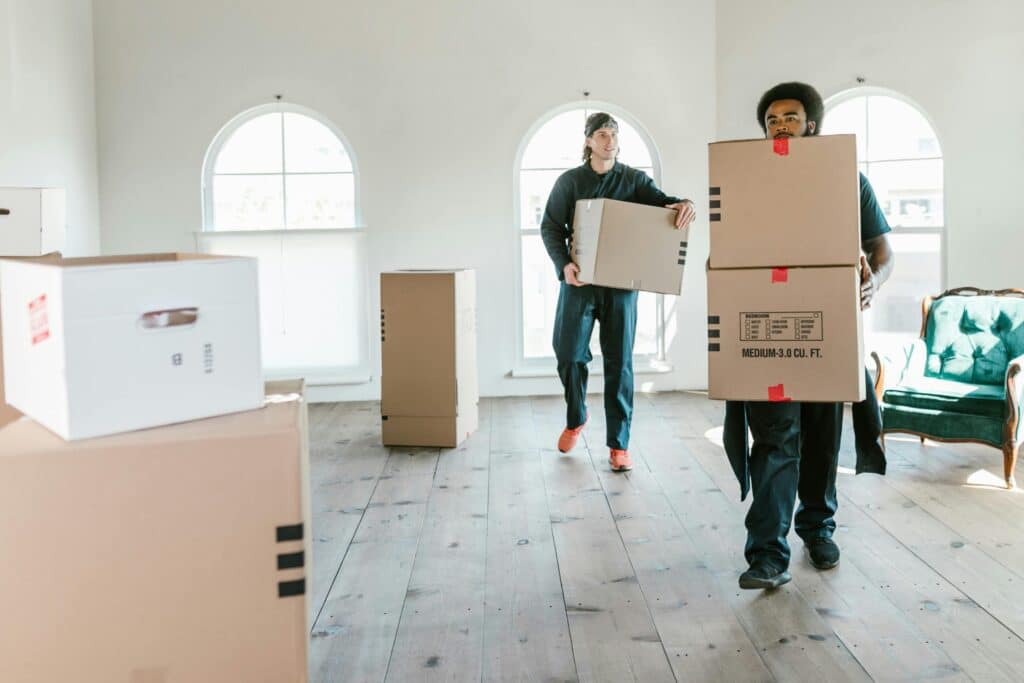
Hiring professional movers is worth considering if you have heavy furniture, fragile items, stairs, a large home, limited time, building restrictions, packing needs, or a move involving more than one city or suburb.
They are also worth it when you simply want to protect your time and energy. Moving is already a big transition. You do not need to make it harder by trying to carry every box, table, mattress, and dresser yourself.
For Twin Cities residents, working with a local moving team can make the process feel more predictable. Whether you are moving from a Minneapolis apartment, a St. Paul condo, a Bloomington home, an Edina townhouse, or a house in St. Louis Park, local movers understand the area’s challenges.
Final Thoughts
A successful residential move is not about luck. It comes from planning ahead, choosing the right help, and understanding the details of your specific location.
In the Twin Cities, those details matter. Neighborhoods, building rules, traffic, parking, weather, stairs, elevators, and home layouts can all affect the moving experience.
With the right preparation and a reliable local moving company like Affinity Moving, your move can feel less overwhelming and more organized from start to finish. Instead of spending the day stressed, exhausted, and wondering where the box with the coffee maker went, you can focus on settling into your new home and starting the next chapter with fewer headaches.

Journalist Chloe Rivera studied at the University of Missouri and has covered mindful, stylish living since 2013. She joined us in 2025 to curate realistic routines, budget-friendly décor, and community stories that help readers craft balance without perfection pressure. When offline, Chloe volunteers at urban farms, photographs street style, and hosts weekend swap parties for preloved clothes and books in her neighborhood.