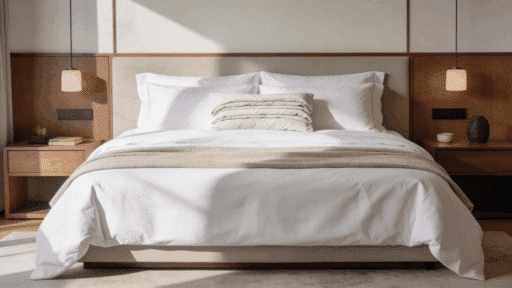


Unwanted noise can quickly turn a comfortable space into a frustrating one, such as traffic, neighbors, or everyday household sounds.
If you don’t need expensive renovations to fix it. There are smart, practical ways to reduce noise using simple adjustments and budget-friendly materials.
This blog walks you through easy, cost-effective methods to create a quieter space that shows how to soundproof a room cheaply, more peaceful environment without stretching your budget or making any permanent changes to your space.
What is Soundproofing and Why Does It Matter?
Soundproofing is the process of reducing or blocking unwanted noise from entering or leaving a space. It works in two ways: absorbing sound waves or preventing them from passing through walls, floors, doors, and windows.
Whether you live in a busy apartment, work from home, or get easily distracted by outside noise, soundproofing can make a real difference in your daily comfort.
The best part no expensive renovations are required. Once you understand how sound travels and where it sneaks in, simple and affordable techniques can:
- Significantly reduce unwanted noise
- Improve your privacy
- Create a quieter, more comfortable space tailored to your needs and budget
Budget-Friendly Soundproofing Material Options
Affordable soundproofing starts with choosing the right materials. Simple, budget-friendly options can make a noticeable difference in reducing noise and improving comfort.
| Type of Material | Description | Best Use Areas |
|---|---|---|
| Curtains, Rugs, and Carpets | Thick fabrics absorb sound waves and reduce echo, especially on windows and hard floors. | Windows, floors, and large open spaces |
| Acoustic Panels and Foam | Designed to control echo and improve sound clarity by absorbing reflections. | Walls, behind speakers, shared walls |
| Soft and Dense Materials | Materials that absorb sound instead of reflecting it help reduce noise and echo. | Walls, floors, ceilings, and general room treatment |
Best Cheap Soundproofing Methods
Small gaps, bare walls, and hard floors are often all it takes for noise to take over a room, but fixing them doesn’t have to cost a fortune.
1. Weatherstripping & Door Seals
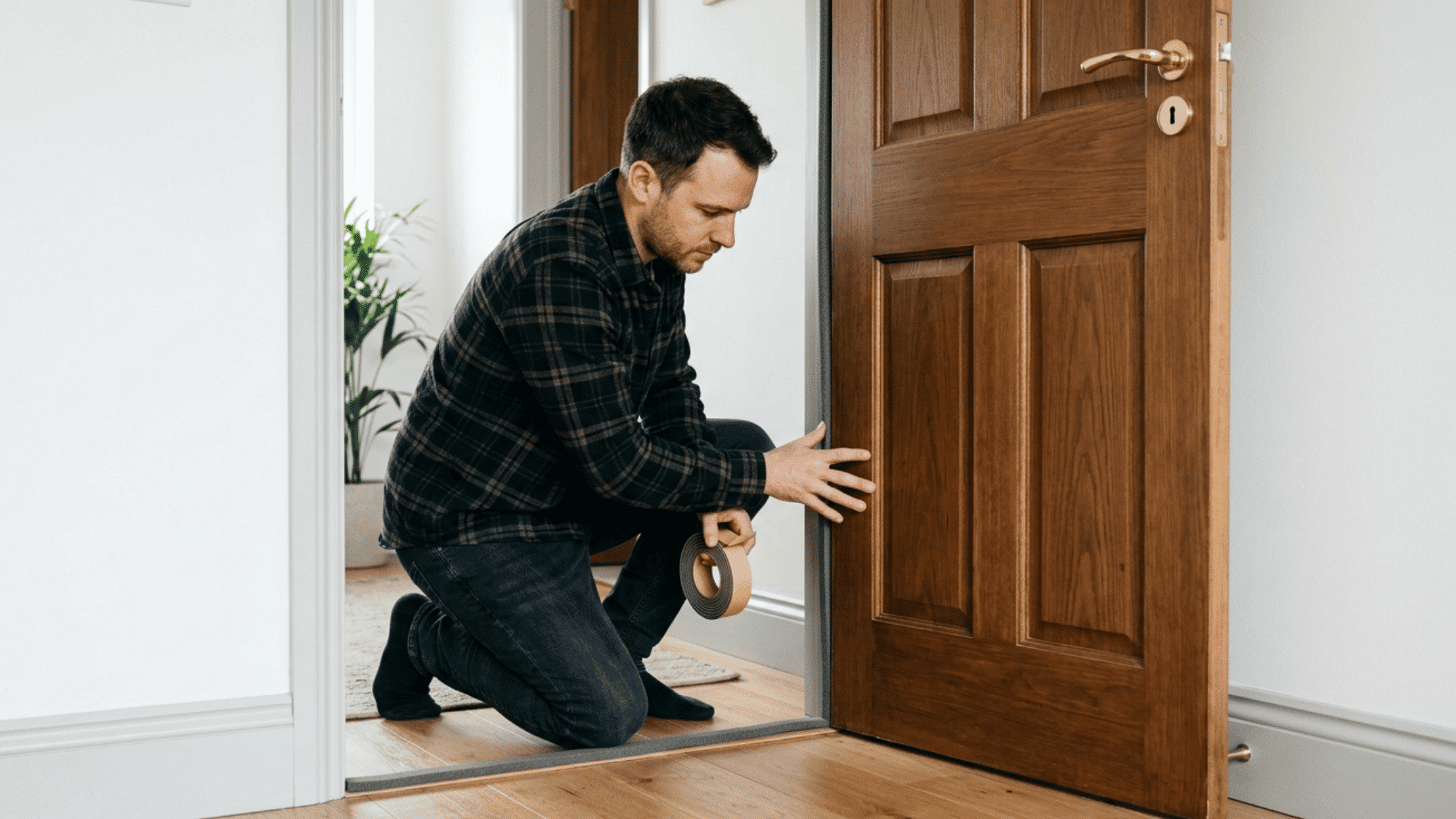
Small gaps around doors and windows are among the biggest culprits for noise entering or escaping a room.
Weatherstripping is a simple adhesive material that seals these gaps quickly and effectively. Priced at just $5–$20, it’s one of the most budget-friendly soundproofing fixes available.
It requires no special tools and can be applied in minutes by anyone. The results are immediate and noticeable, making a real difference from the very first use. If you’re new to soundproofing, this is hands down the best first step to take.
2. Door Sweeps
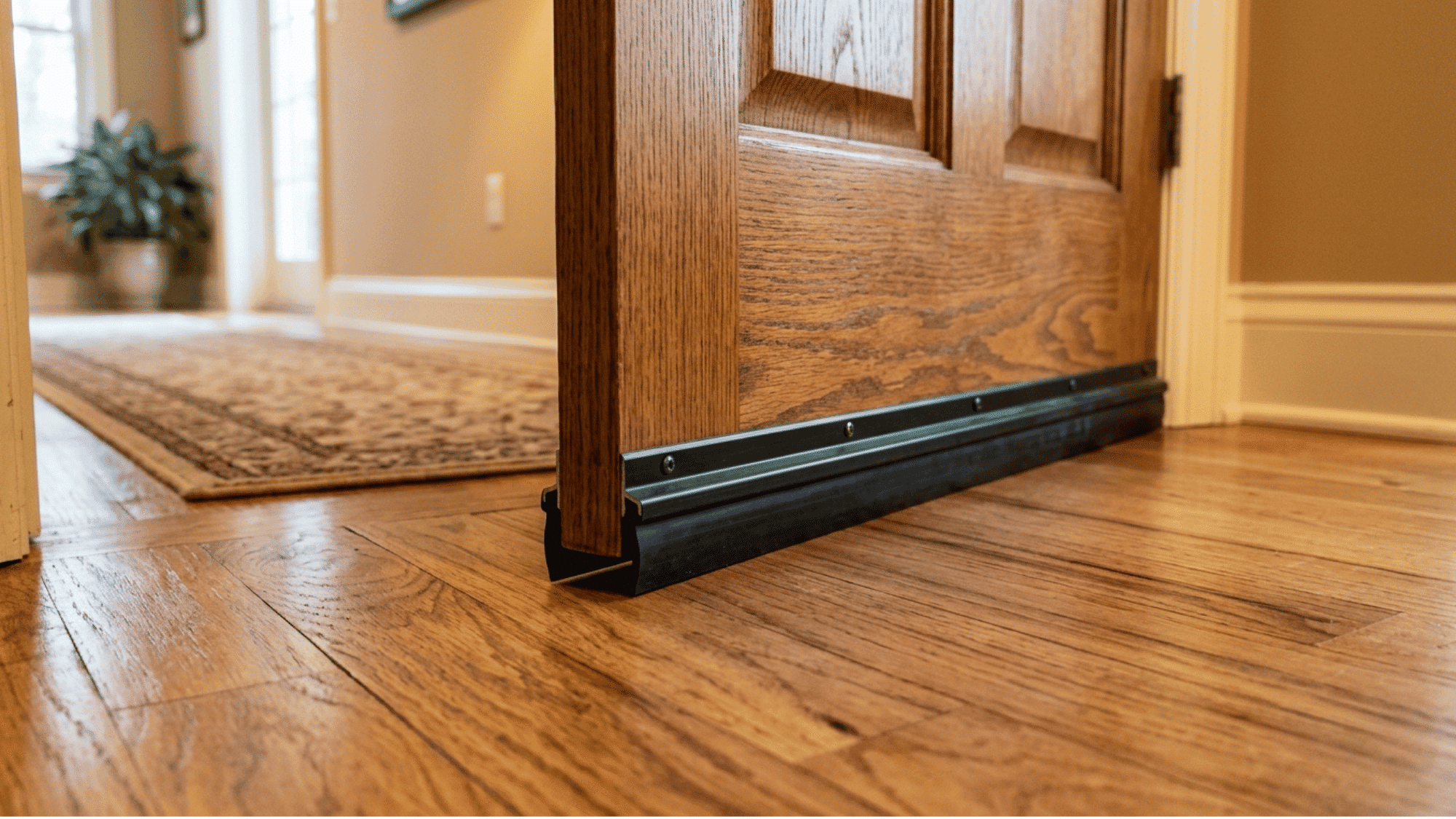
The gap beneath your door might seem minor, but it’s one of the most overlooked sources of noise leakage in any room.
Door sweeps attach neatly to the bottom of your door, sealing that space and blocking sound from passing through. Priced at just $10–$30, they’re an affordable and highly effective upgrade.
Installation is straightforward and requires no special tools, making it a hassle-free fix. They work even better when paired with weatherstripping, together forming a stronger sound barrier. For minimal cost, this simple addition can make a surprisingly noticeable difference.
3. Soundproof Curtains
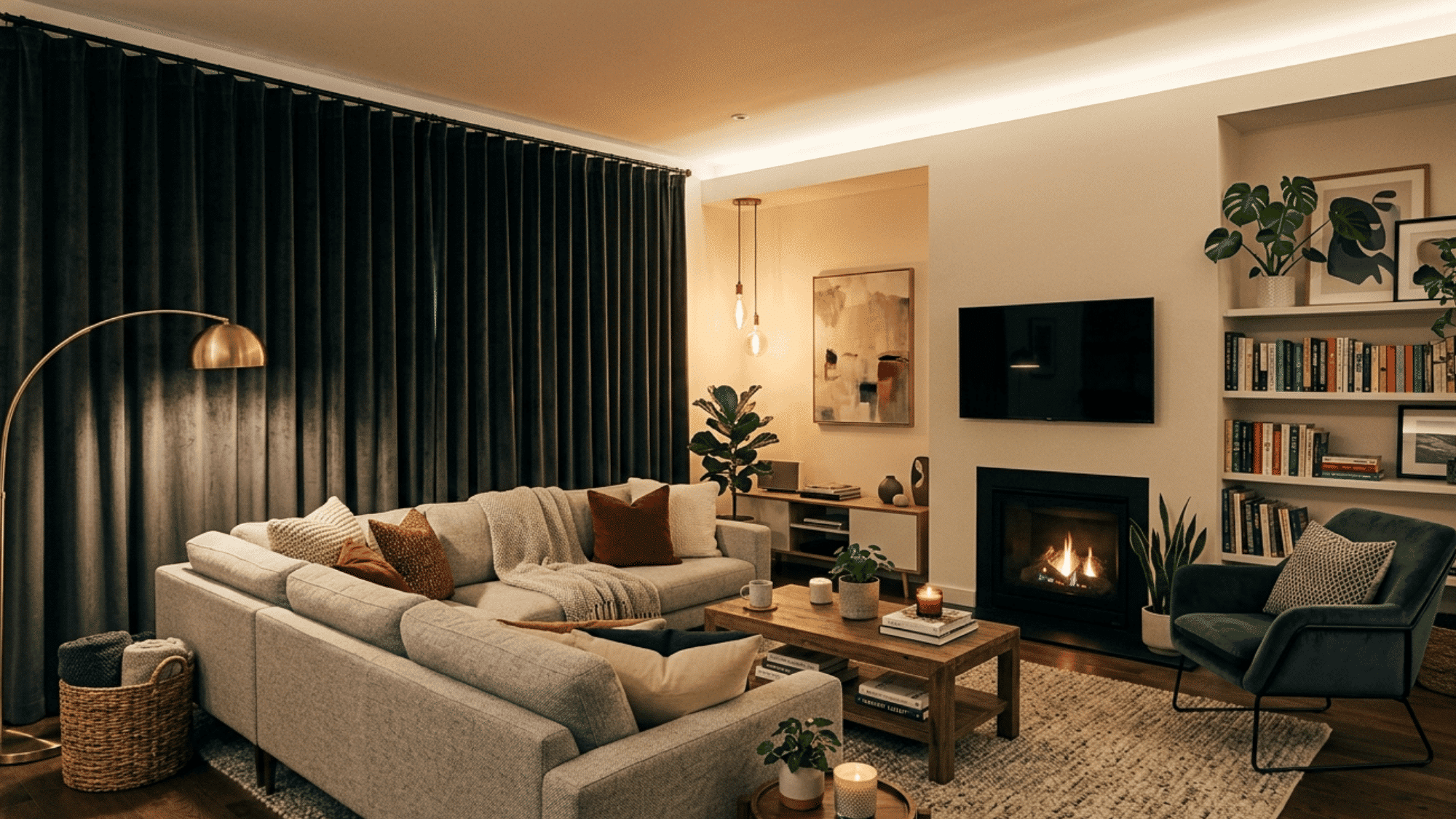
Windows are a major weak point when it comes to noise, and soundproof curtains are one of the easiest ways to address that. Thick, heavy curtains help reduce outside noise and absorb sound within the room as well. They’re versatile too, working just as effectively when hung against bare walls.
Priced between $30–$100, they’re a practical, multi-purpose investment worth every penny. Beyond sound, they also add privacy and improve insulation, covering multiple needs at once.
4. Placing Rugs or Carpets

Hard floors are one of the biggest contributors to echo and noise buildup in a room, but a thick rug or carpet is one of the simplest fixes. Dense, heavy materials absorb sound effectively, reducing both echo and overall noise levels underfoot.
Priced anywhere from $50–$300, there’s an option to suit virtually every budget and style. Beyond acoustics, they also add warmth and comfort, giving your space an instant refresh. It’s a straightforward, no-fuss solution that improves your room on multiple levels at once.
5. Soundproof Blankets
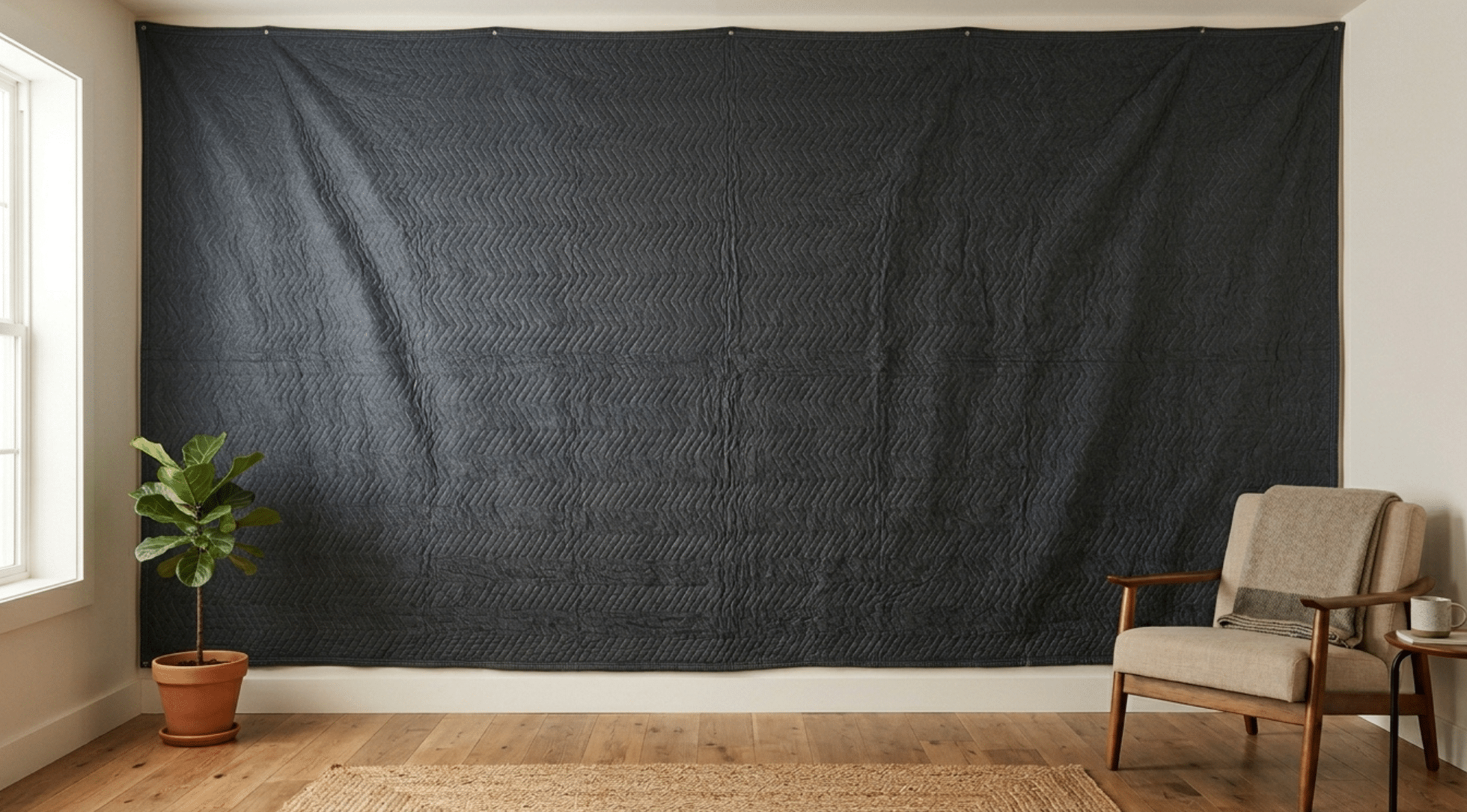
Soundproof blankets are one of the most flexible and affordable noise-reduction solutions available, priced between $20–$60. They can be hung over walls, doors, or windows to absorb sound quickly and effectively. No permanent installation is required, making them especially ideal for renters or temporary setups.
Reusable and easy to reposition, they adapt effortlessly to changing needs or spaces. There’s no long-term commitment involved, yet the results are surprisingly practical and effective. For anyone who needs a simple, no-fuss solution, soundproof blankets are hard to beat.
6. Upholstered Furniture

Soft, upholstered furniture like sofas, armchairs, and padded ottomans do more than just add comfort; they naturally absorb sound waves, helping reduce echo and background noise within a room.
Priced between $50–$300, these are purchases you’re likely already making for your home. Positioning them strategically against shared or exterior walls maximizes their sound-absorbing impact, making them an effortless and stylish acoustic solution for living rooms and bedrooms alike.
7. Interlocking Floor Mats
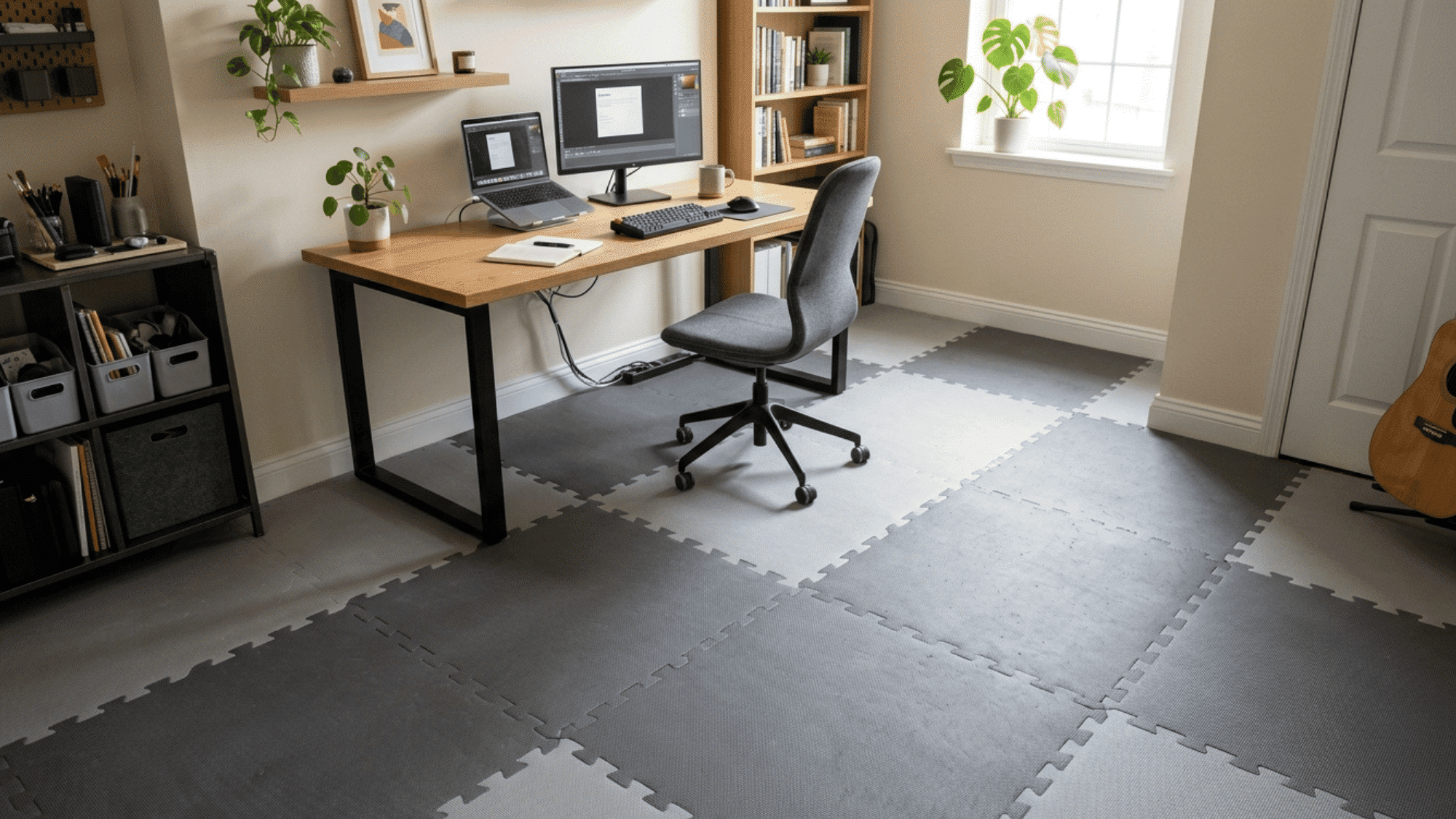
Commonly found in gyms and playrooms, interlocking floor mats are a surprisingly effective soundproofing solution priced between $20–$60. Lay them across high-traffic areas or beneath heavy furniture to dampen impact noise and vibrations through hard floors.
They’re particularly ideal for apartments and upper-floor rooms where footstep noise is a constant concern. Easy to install and simple to rearrange, they offer a hassle-free setup with no special tools required. Their flexibility makes them just as useful in home offices, studios, or any noise-sensitive space.
8. Fill Your Walls with Tall Bookshelves

Tall bookshelves are one of the most underrated soundproofing solutions available, priced between $50–$150. Placed against shared or thin walls, they add mass and density that naturally block and absorb incoming noise.
Beyond acoustics, they serve as a stylish and functional addition to any room. They pull double duty, improving both sound comfort and interior appeal without any extra effort. It’s a smart, practical investment that blends seamlessly into your space while quietly doing its job.
9. Bring in Large Indoor Plants

Large indoor plants are arguably the most natural and visually pleasing soundproofing solution on this list, priced between $30–$80. Their leaves, stems, and soil work together to absorb and diffuse sound waves with surprising effectiveness.
Positioning a few full, leafy plants near windows or along bare walls can make a noticeable difference. Beyond acoustics, they bring life, color, and a calming presence to any space. It’s a rare solution that improves your room’s sound, look, and feel all at once.
Choosing the Right Soundproof Insulation
Choosing the right soundproof insulation doesn’t have to be complicated or expensive. With the right approach, you can reduce noise effectively by focusing on simple, budget-friendly solutions.
- Identify the Noise Type: Know if it’s outside noise or echo – external noise needs dense materials, while echo needs soft ones.
- Start with Budget Options: Use affordable items like foam panels, blankets, or curtains that are easy to install and renter-friendly.
- Focus on Key Areas: Treat windows, shared walls, and ceilings first for better results with less effort.
- Choose the Right Material: Foam reduces echo, curtains absorb sound, and dense materials block noise more effectively.
- Think About Installation: Temporary options are easy and removable, while permanent solutions work better but cost more.
- Layer Materials: Combine rugs, curtains, and foam to improve sound control.
- Treat Walls and Ceilings: These areas carry most noise, so even partial coverage helps reduce sound.
Conclusion
Soundproofing doesn’t have to be expensive or complicated when you use the right approach. By focusing on affordable soundproof insulation, sealing gaps, and adding soft, dense materials, you can reduce noise effectively.
Simple changes like treating walls, floors, and openings can make a noticeable difference over time. The key is to start with budget-friendly solutions and improve step by step based on your needs.
While cheap methods may not block all sound, they can significantly improve comfort. With smart choices and gradual upgrades, you can create a quieter and more peaceful space without major renovations or high costs.

Stephanie Grace, a graduate with a degree in Fine Arts from the Savannah College of Art and Design, has been inspiring DIY enthusiasts with her creative and practical guidance for over 14 years. Her career in design and crafting began in a small artisan workshop, where she developed a passion for transforming everyday materials into beautiful and functional items. Stephanie joined our website in 2018, rapidly gaining popularity for her easy-to-follow DIY tutorials and innovative project ideas. Since then, she has been the creative mind behind our DIY section, helping readers bring their artistic visions to life. Outside her professional pursuits, Stephanie enjoys pottery and urban gardening, hobbies that showcase her love for hands-on creativity and nature.