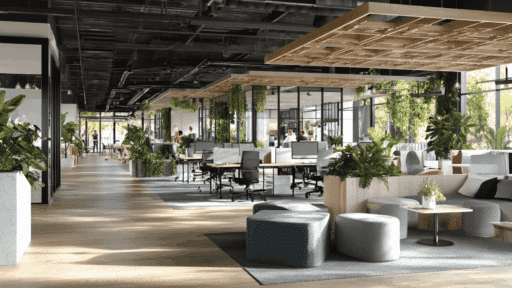
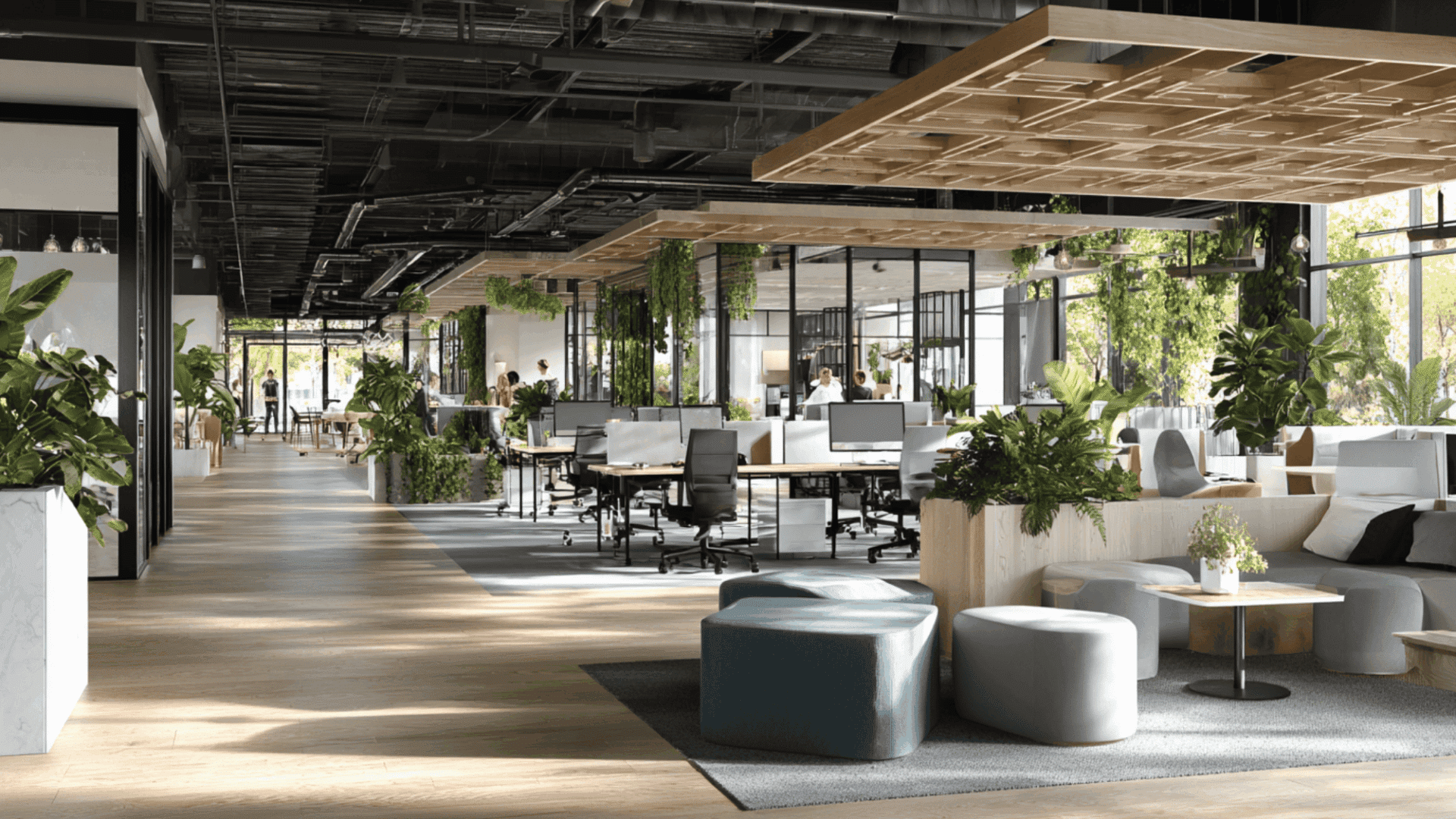

Ever walked into a café and instantly felt at ease or stepped into an office and felt oddly motivated? That’s not a coincidence. Someone designed it that way.
Commercial interior design shapes how we feel in the spaces where we work, shop, eat, and connect. And yet, most of us never stop to think about it. We feel it.
But behind every great space is a thoughtful blend of function, artistic, and purpose.
In this post, you’ll learn what commercial interior design actually involves, why it matters more than most people realize, and what makes a space go from just okay to genuinely unforgettable.
What is Commercial Interior Design?
It involves planning and designing indoor spaces for business or public use, with a focus on functionality, safety, and user experience.
Unlike residential design, it must support business goals, handle high foot traffic, and meet strict regulations while balancing branding, efficiency, and durability.
From offices and retail stores to hotels, restaurants, and clinics, the aim is to create spaces that are practical, visually appealing, and tailored to their purpose.
Core Principles of Commercial Interior Design
- Functionality Comes First: Focuses on efficient layouts, smooth movement, and clear pathways to ensure ease of use and navigation.
- Brand Expression Through Space: Uses colors, materials, and design elements to reflect brand identity and create a memorable experience.
- Comfort and Accessibility: Emphasizes ergonomic and inclusive design to improve comfort, usability, and accessibility for all users.
Categories of Commercial Interior Design
Different commercial spaces require unique design approaches based on their function, users, and overall experience goals.
1. Office Interior Design
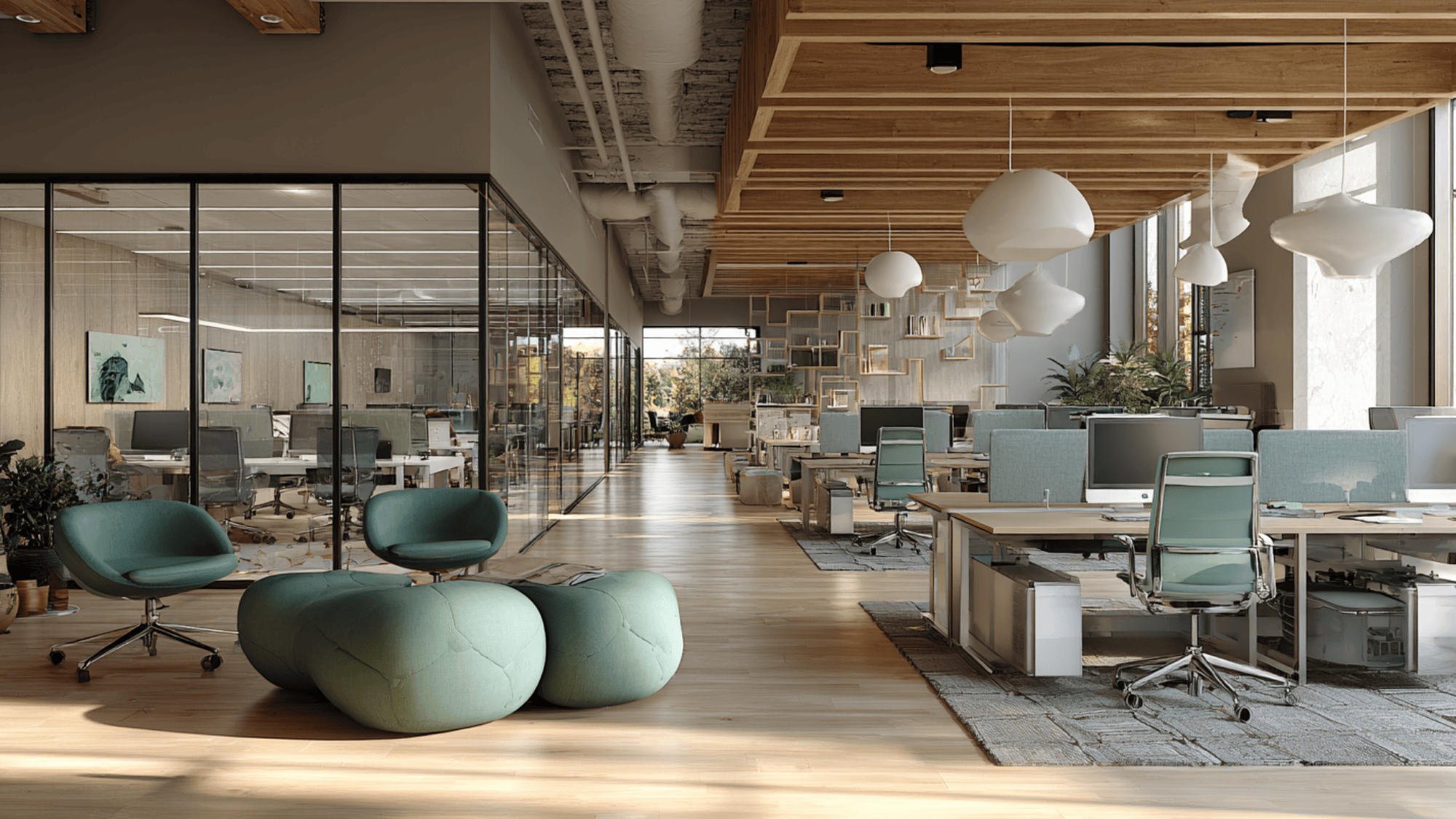
Office interior design focuses on boosting productivity, promoting collaboration, and ensuring comfort in everyday work environments.
Well-planned layouts combined with ergonomic features create a workspace that is both efficient and engaging. Incorporating natural light and flexible design elements also enhances employee well-being and adaptability.
2. Retail Store Design
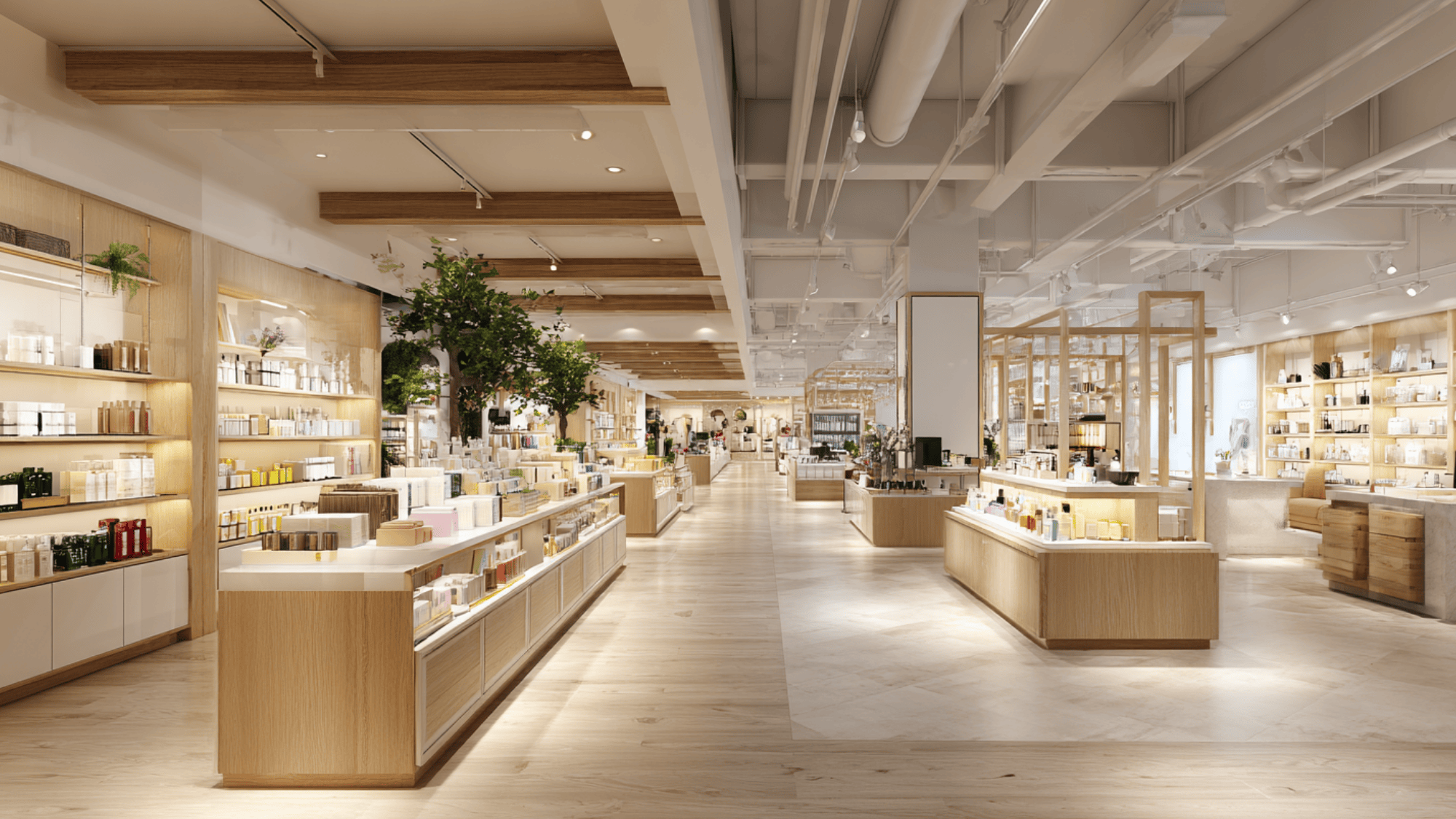
Retail interior design uses strategic layouts to guide customer movement and highlight key products.
Thoughtful placement of displays and pathways encourages browsing and increases engagement. Well-organized spaces make it easier for customers to explore and interact with products.
This approach helps influence purchasing behavior and ultimately boosts sales.
3. Restaurant Interior Design
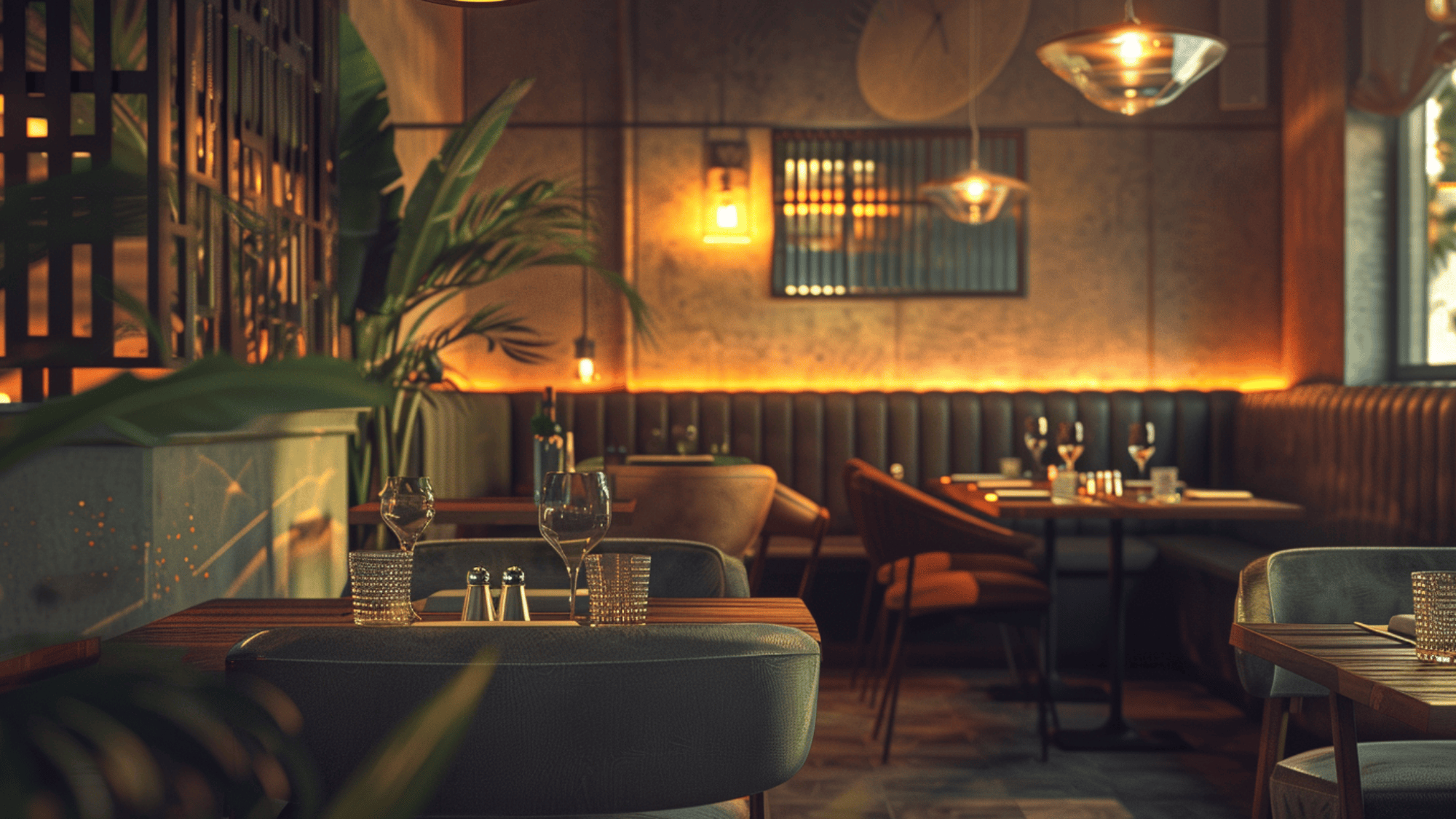
Restaurant interior design focuses on creating an inviting atmosphere, comfortable seating, and a positive overall customer experience.
The right lighting, layout, and décor help establish a warm and memorable environment. Comfortable seating and efficient spacing improve both customer satisfaction and service flow.
4. Hotel Interior Design
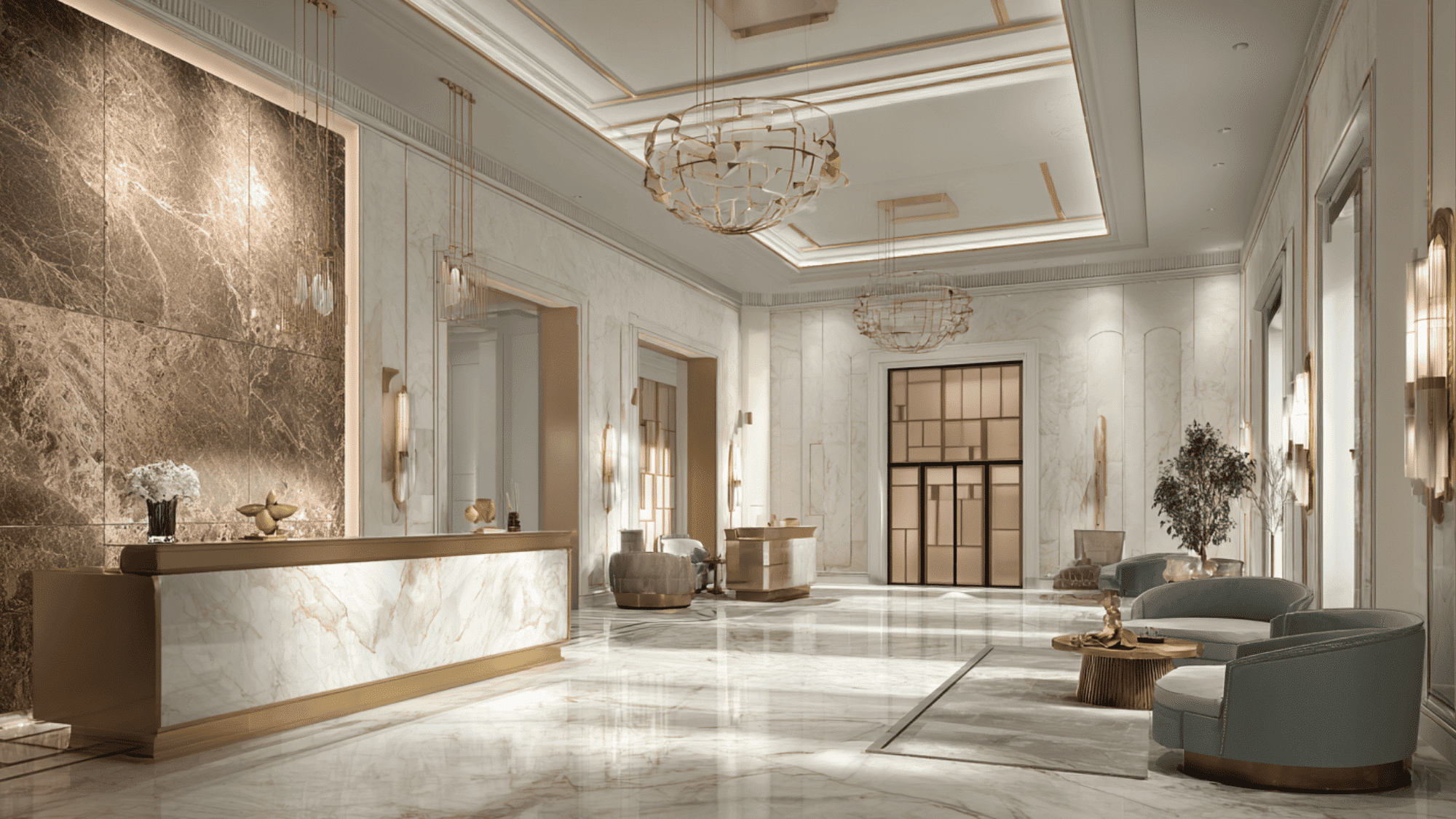
Hotel interior design focuses on luxury, comfort, and an exceptional guest experience.
Stylish décor, high-quality materials, and soothing color palettes create a welcoming atmosphere. Thoughtful layouts ensure convenience, privacy, and ease of movement for guests.
Together, these elements enhance satisfaction and leave a lasting impression.
5. Healthcare Interior Design
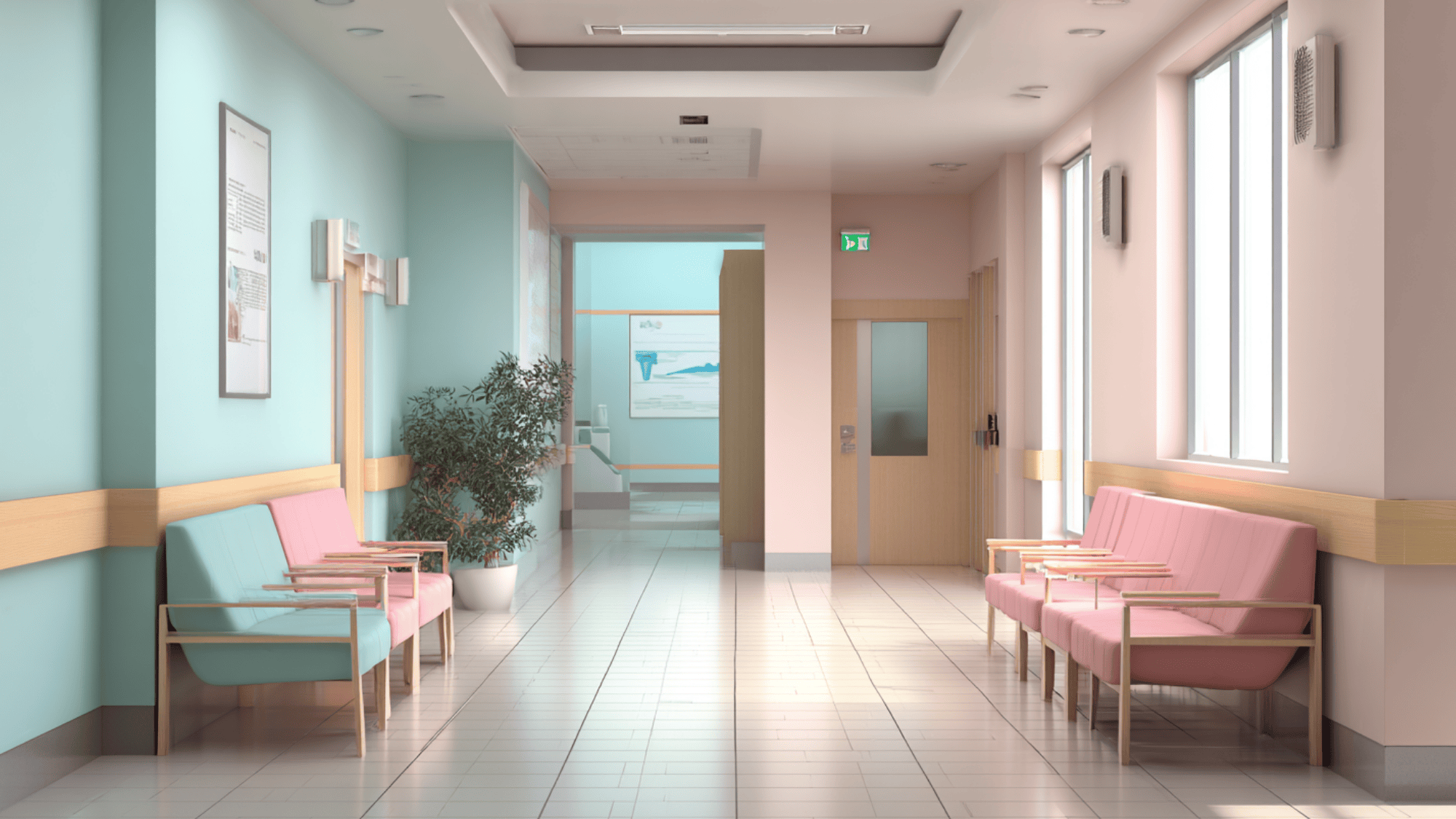
Healthcare interior design focuses on creating clean, safe, and calming environments for both patients and staff. Thoughtful layouts combined with soothing design elements help reduce stress and support overall well-being.
Efficient space planning also improves workflow for healthcare professionals. The use of durable, hygienic materials ensures long-term safety and easy maintenance.
6. Corporate Interior Design
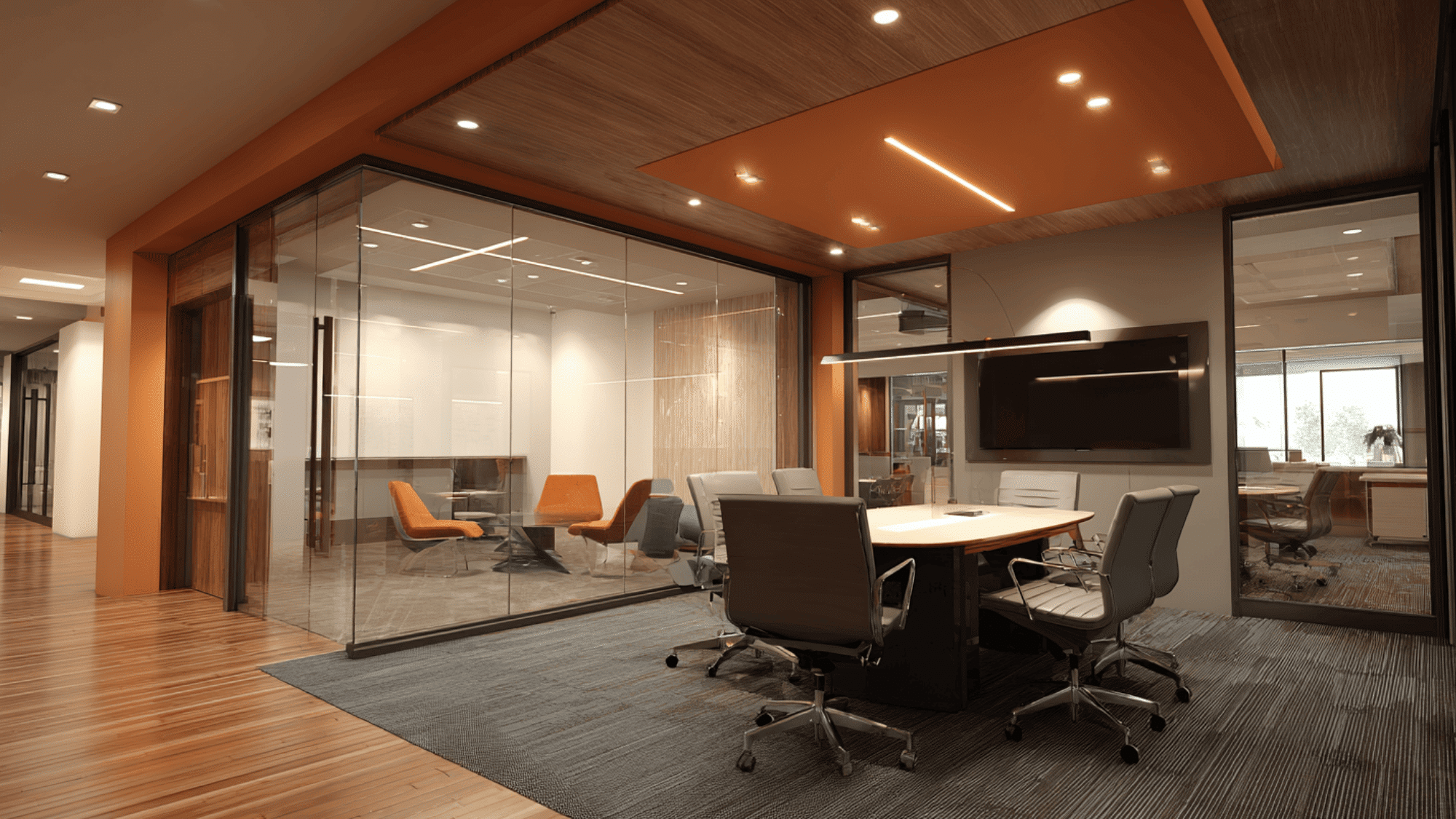
Corporate interior design focuses on professional branding and workspace efficiency.
The use of consistent colors, materials, and design elements reflects the company’s identity. Smart layouts and organized spaces improve workflow and productivity.
Together, these elements create a polished, functional, and brand-aligned environment.
7. Educational Interior Design
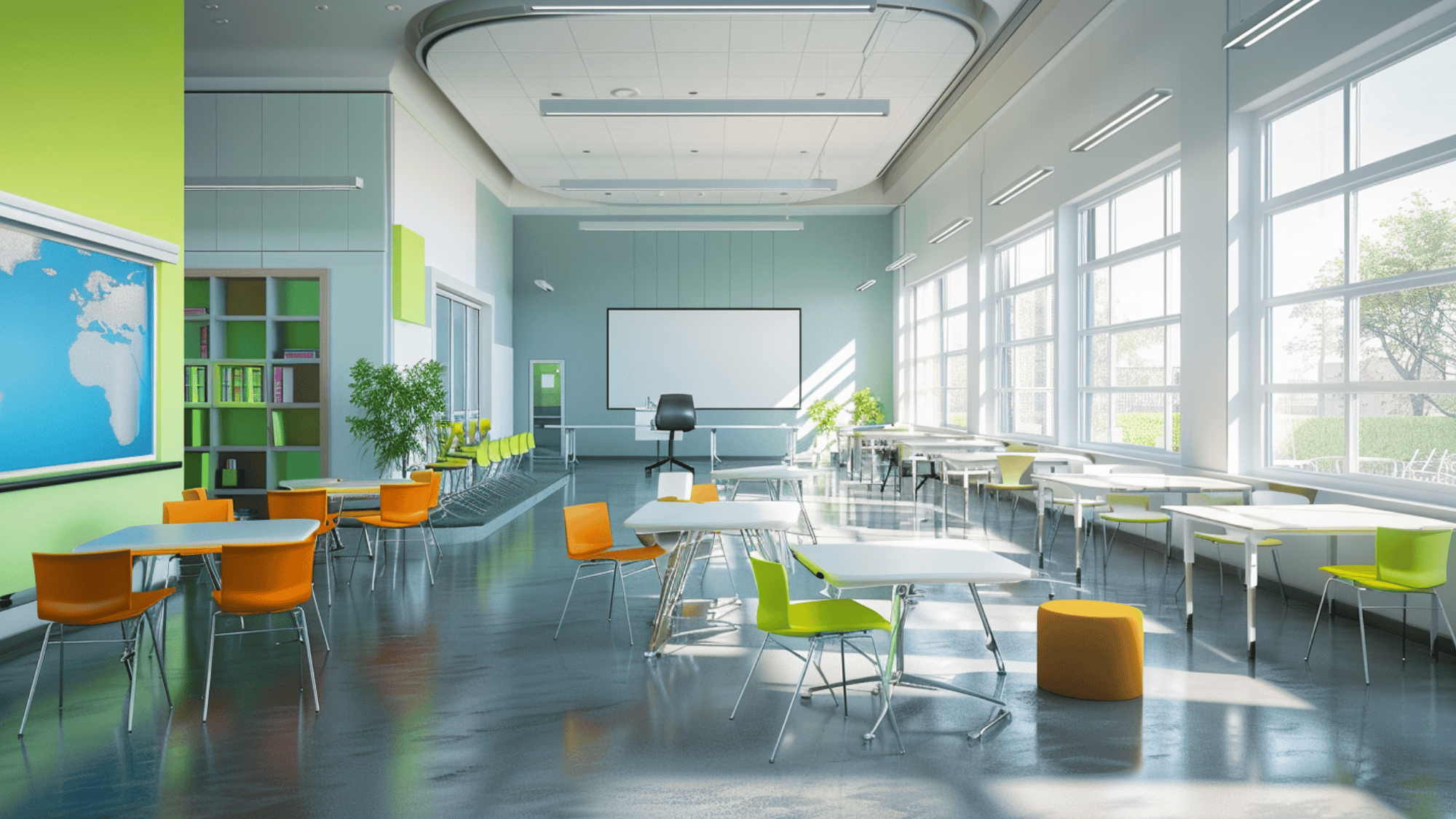
Educational interior design focuses on classrooms, libraries, and learning environments that encourage engagement and concentration.
Thoughtful layouts, proper lighting, and functional furniture create a comfortable and productive setting. These spaces are designed to support learning, foster collaboration, and improve the overall student experience.
8. Co-working Space Design
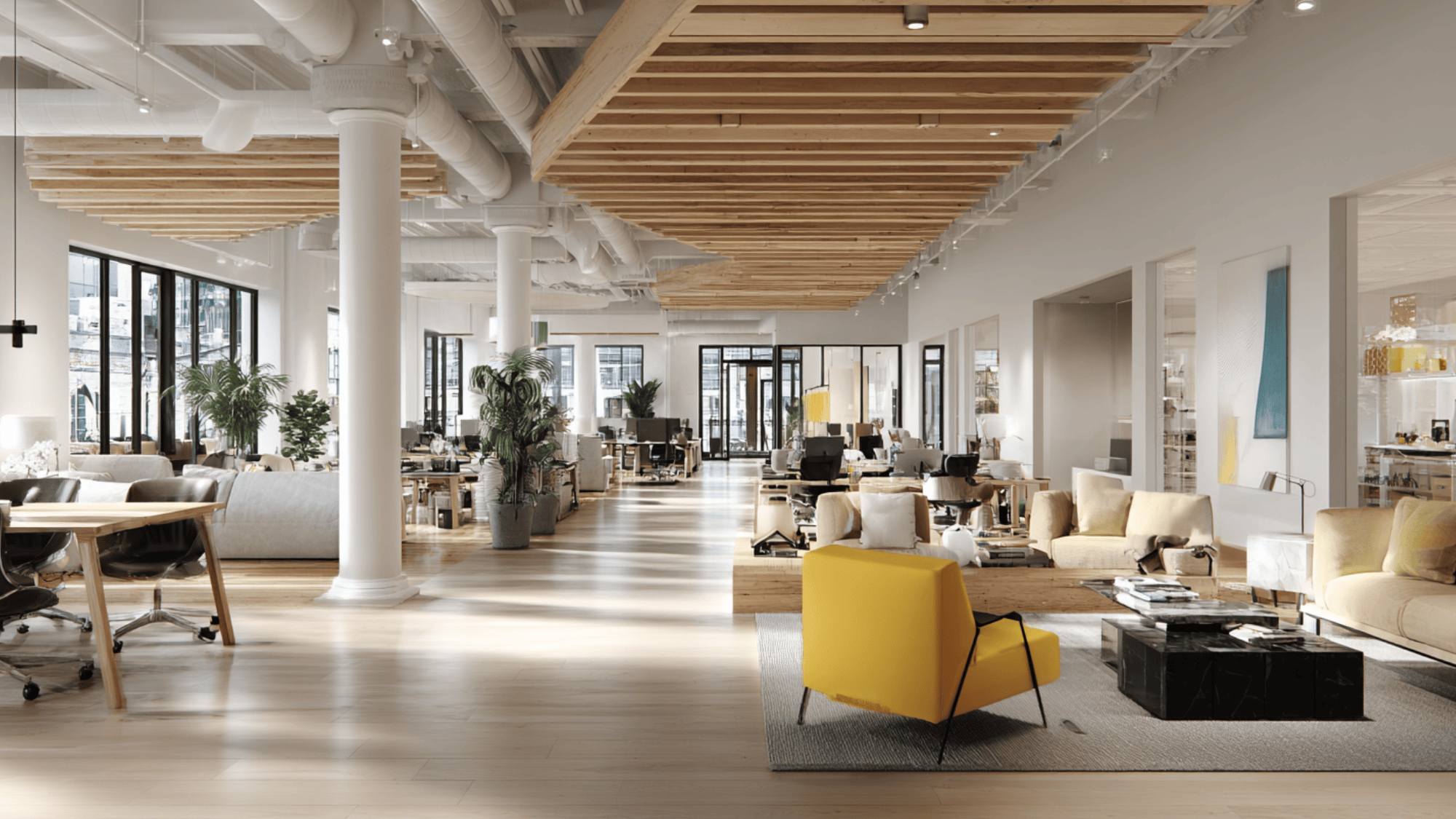
Co-working interior design focuses on creating flexible and collaborative environments for a diverse range of users.
Adaptable layouts and shared spaces encourage teamwork, creativity, and efficient use of space. Comfortable seating and well-designed common areas help foster interaction and community.
The integration of modern technology and quiet zones also supports both collaboration and focused work.
9. Industrial Interior Design
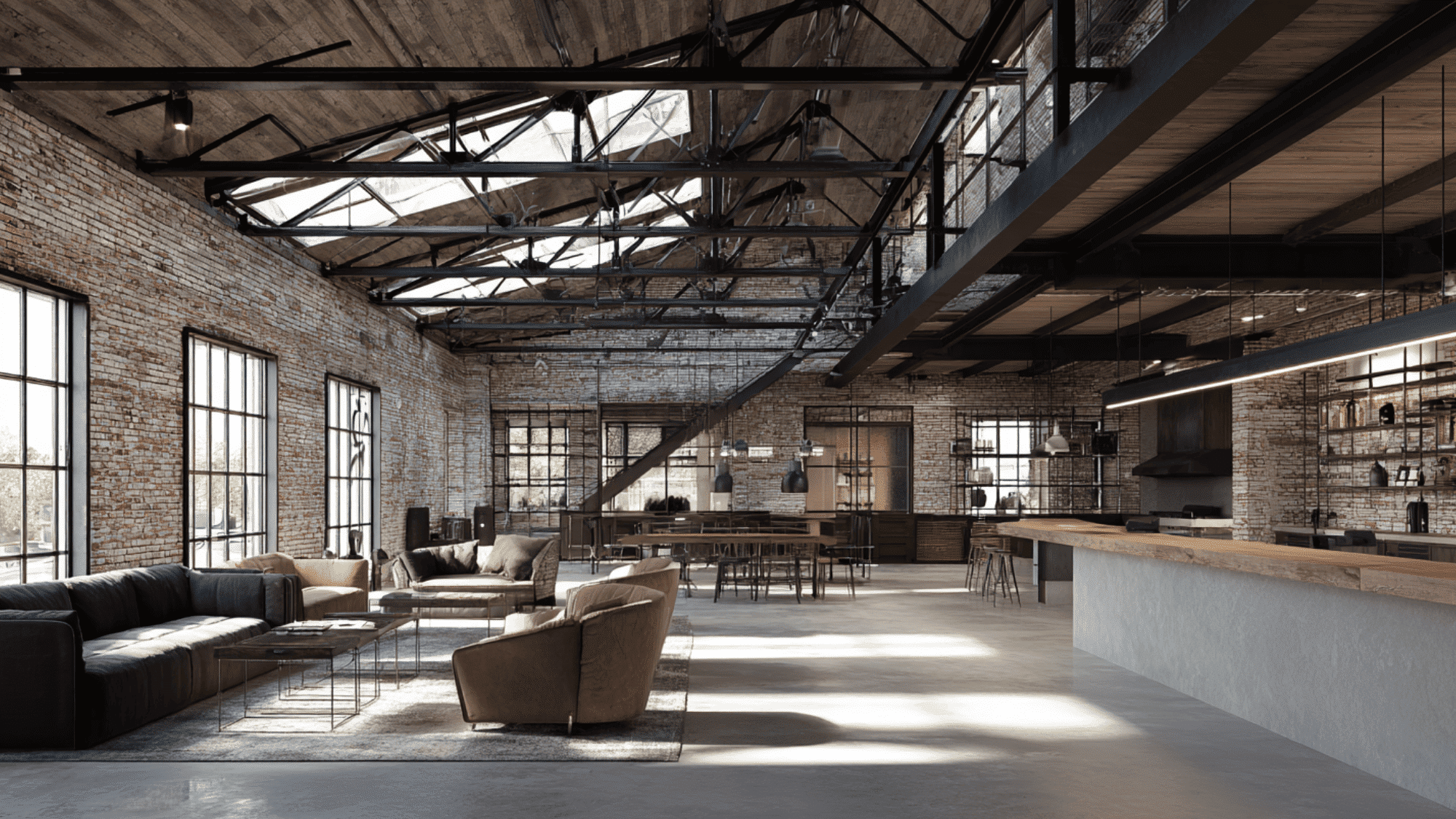
Industrial interior design focuses on creating functional, raw, and durable spaces. Exposed materials like brick, metal, and concrete give a rugged, unfinished look.
Open layouts and sturdy furnishings support heavy use and everyday practicality.
This style blends strength with a bold, modern artistic. Neutral color palettes and minimal décor further enhance the industrial appeal.
10. Hospitality Interior Design
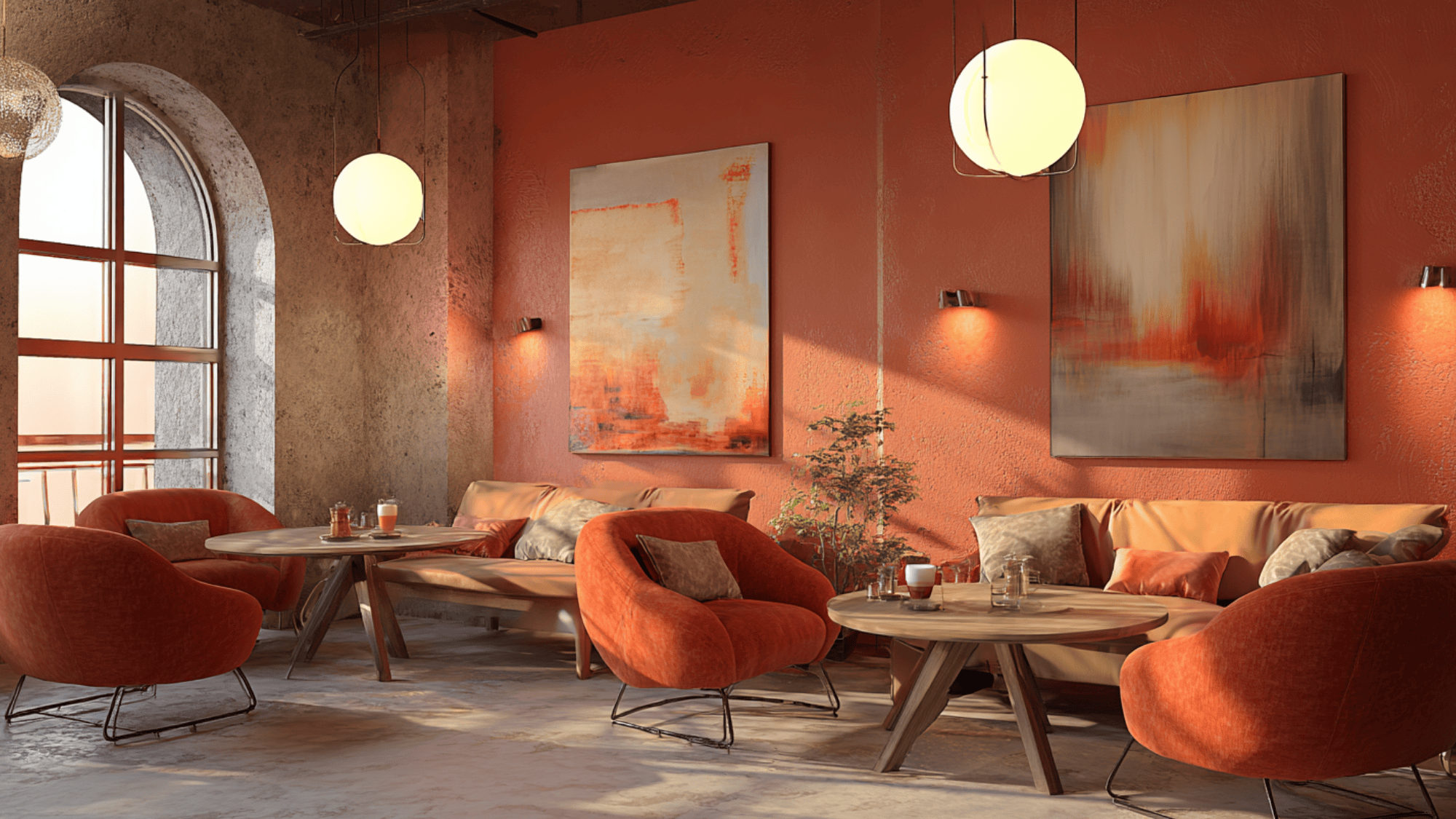
Hospitality interior design focuses on creating comfortable and inviting spaces in cafes, lounges, and resorts.
Thoughtfully designed seating, lighting, and ambiance help establish a relaxing and welcoming atmosphere. These environments are crafted to enhance the guest experience and encourage longer stays. Attention to detail in materials and décor adds to the overall appeal.
11. Showroom Interior Design
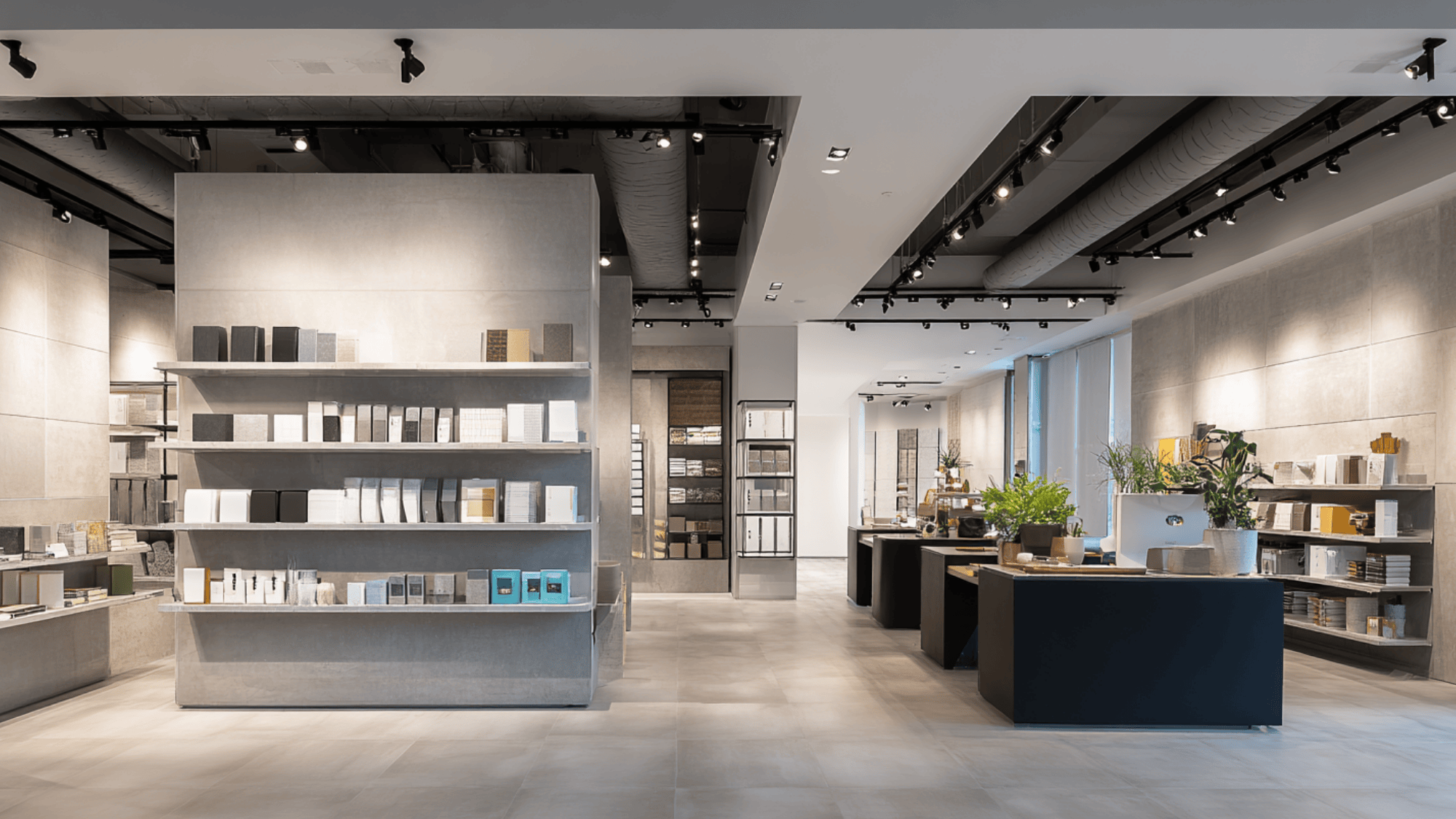
Showroom interior design focuses on product display and visual merchandising to highlight items effectively.
Strategic layouts and lighting draw attention to key products and create visual interest.
Clean, organized spaces make browsing easy and engaging for customers. This approach enhances product appeal and supports better sales outcomes.
12. Salon & Spa Interior Design
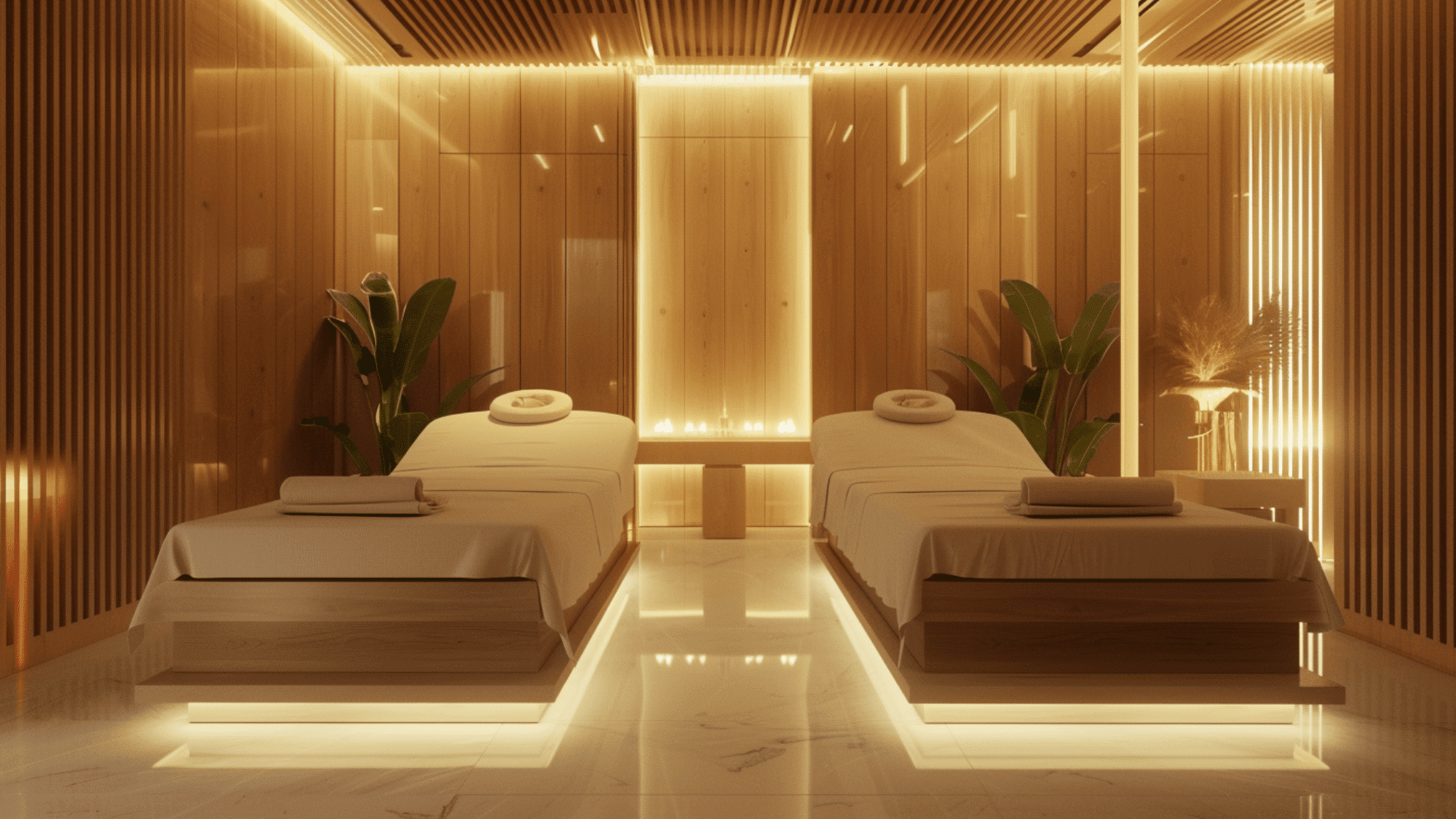
Salon and spa interior design focuses on creating relaxing, stylish, and customer-centred environments.
Calming colors, soft lighting, and comfortable layouts enhance the overall experience. Thoughtfully designed spaces help clients feel at ease from the moment they enter.
The use of high-quality materials and soothing décor adds to the sense of luxury. Efficient layouts also support smooth service flow for staff and a seamless experience for guests.
13. Gym & Fitness Interior Design
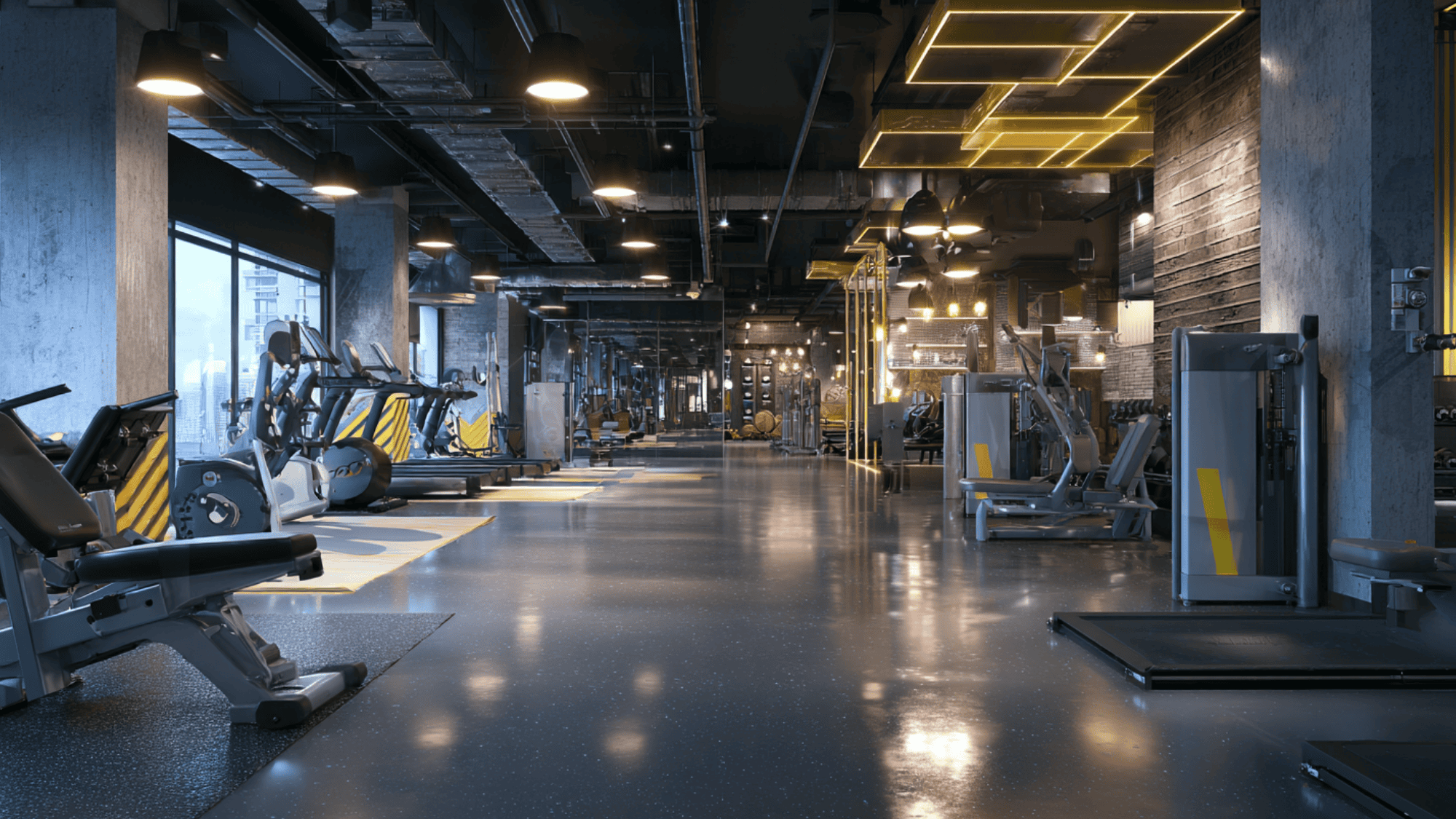
Gym and fitness interior design focuses on creating energetic, motivating, and space-efficient environments.
Open layouts, dynamic lighting, and bold design elements help build an active and engaging atmosphere. Efficient space planning allows for smooth movement and improved workout experiences.
14. Banking & Financial Space Design
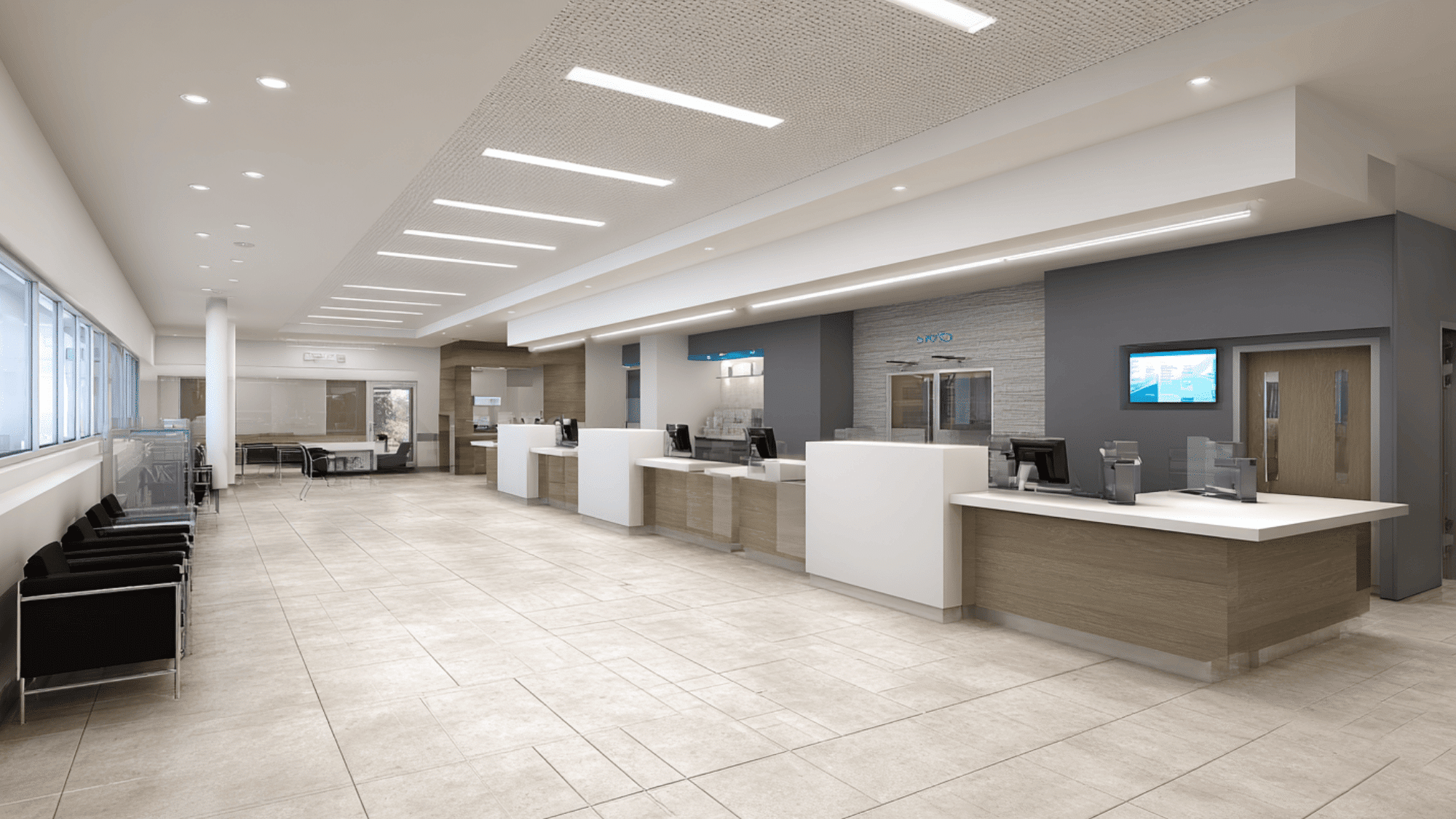
Banking and financial interior design focuses on security, trust, and well-structured environments. Organized layouts and clear zoning help create a safe, professional, and reliable atmosphere.
Thoughtful design elements also enhance customer confidence and privacy. The use of modern materials and technology supports both efficiency and security.
Well-planned spaces ensure smooth operations for staff and a seamless experience for clients.
15. Exhibition & Event Space Design
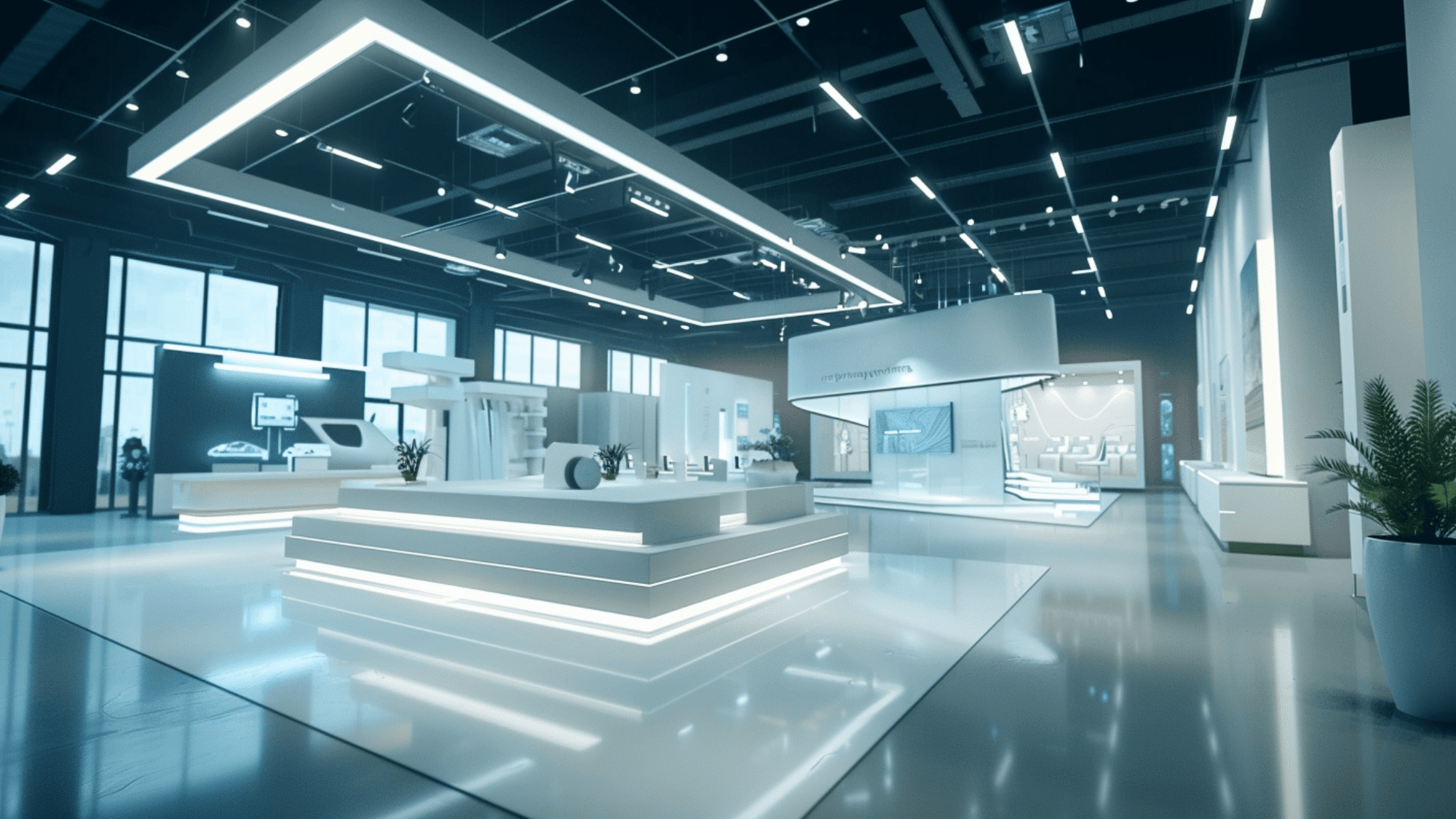
Exhibition and event space design focuses on creating temporary, flexible, and engaging environments.
Adaptable structures and interactive elements help deliver dynamic and memorable visitor experiences. Thoughtful spatial planning ensures smooth crowd flow and easy navigation.
Trends Shaping Commercial Interior Design Today
Modern workspace design today prioritizes flexibility, sustainability, and well-being.
- Use of recycled, renewable, and low-impact materials to reduce environmental footprint
- Incorporation of energy-efficient lighting, appliances, and natural ventilation systems
- Designing spaces that can easily change for work, leisure, and collaboration
- Emphasis on hybrid layouts that support both remote work and in-person interaction
- Integration of smart lighting and climate control systems for comfort and efficiency
- Adoption of automation technologies to increase convenience and optimize space usage
- Inclusion of digital interfaces and immersive experiences to create modern, connected interiors
Common Practices Behind Projects
The process starts with planning, progresses through design and selection, and concludes with final execution.
Understanding Client Needs
Defining goals, budget, and audience is key to a successful interior design project, as it sets the space’s purpose while keeping decisions practical and cost-effective.
Understanding If the users are employees, customers, or clients helps guide layout, style, and comfort, ensuring the design is both visually appealing and aligned with their needs.
Planning and Concept Development
Mood boards, layouts, and themes help turn ideas into a clear visual direction for a space.
Mood boards define the look and feel through colors and textures, while layouts plan functionality and flow. Themes ensure consistency, creating a cohesive and purposeful interior design.
Execution and Final Touches
Installation, styling, and handover finalize a commercial interior project by bringing the design to life.
Furniture and fixtures are set up, finishing touches are added, and the completed space is delivered ready for use with quality checks and guidance.
Final Thoughts
Commercial interior design isn’t just about looking good. It’s about working well. Every layout decision, material choice, and lighting detail quietly shapes how people feel and function inside a space.
If it’s a bustling café, a focused office, or a welcoming retail store, thoughtful design builds trust, drives productivity, and keeps people coming back.
The best spaces don’t happen by accident. They’re planned with purpose.
So if you’re ready to rethink your commercial space, start with the basics: your people, your purpose, and the experience you want to create. The rest will follow.

With a Master in Architectural Studies from University of Pennysylvania, Marwa Haydar has pioneered living spaces since 2005. Her expertise, initially honed in a prestigious architectural firm, is evident in her approach to creating environments. Marwa became part of our team in 2019 and has since been a driving force in our home improvement section, known for her practical yet stylish solutions. She’s been spearheading our design workshops since then, infusing her passion for teaching into her work. In her leisure time, Marwa enjoys exploring historic architecture and is an enthusiastic pottery hobbyist, further enriching her understanding of form and texture.