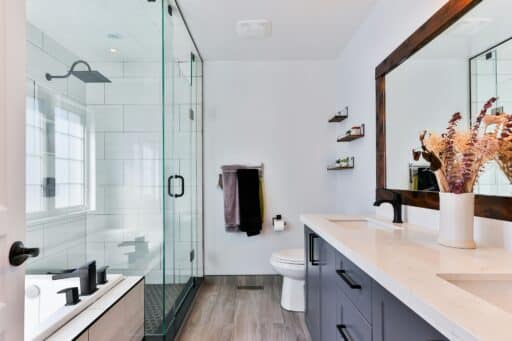
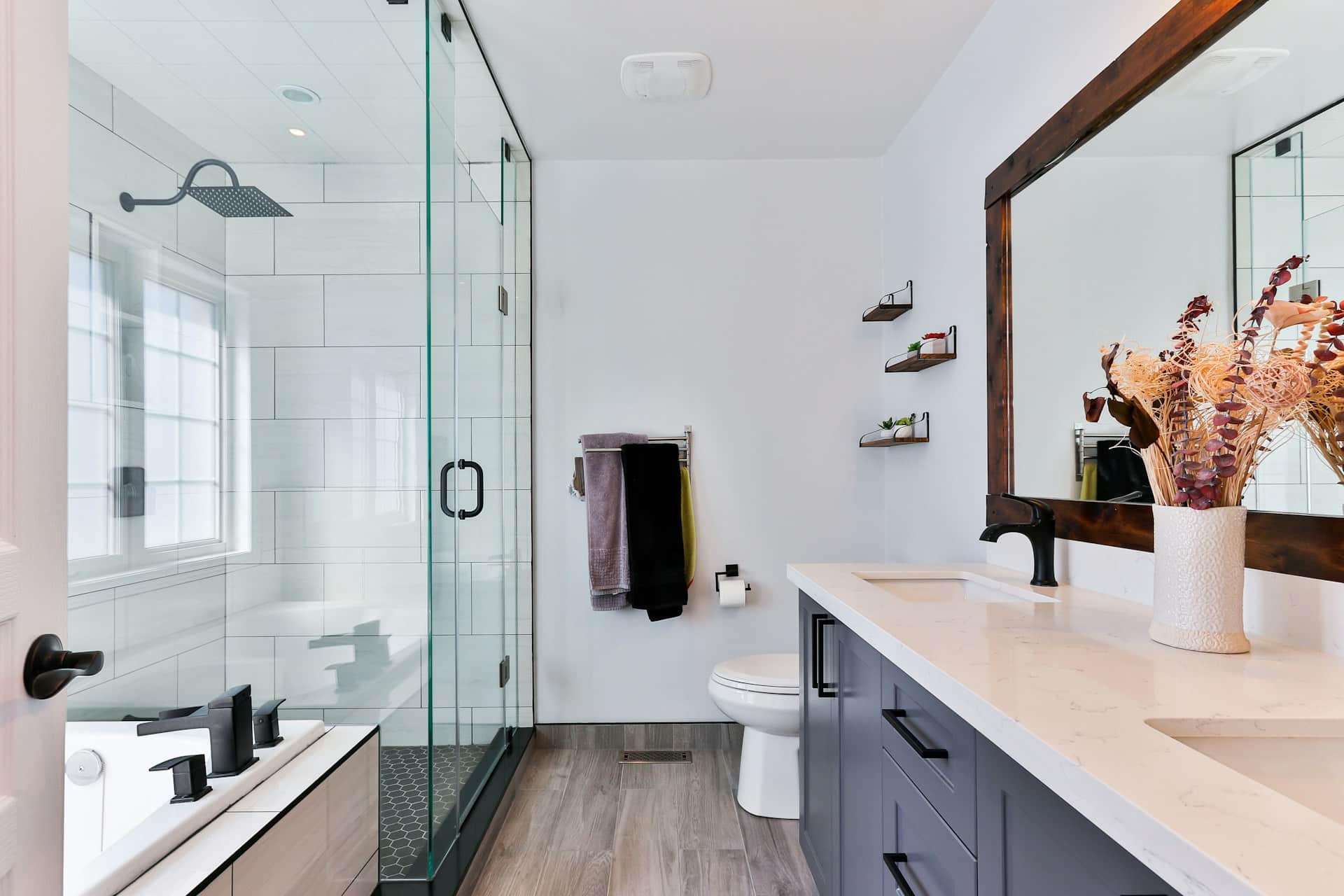

The bathroom is one of the most frequently used — and most hazardous — rooms in any home. Slippery floors, inadequate lighting, and cluttered surfaces account for a disproportionate share of household injuries, particularly among children, older adults, and anyone navigating a mobility challenge. A truly safe, accessible, and comfortable bathroom doesn’t necessarily demand a full renovation.
Targeted updates — better lighting, smarter storage, and well-chosen accessories for showers and bathrooms such as grab bars, non-slip mats, and shower caddies — can meaningfully cut risk and improve daily usability. The principles in this article are practical and timeless, whether you’re planning a complete remodel or working through gradual, budget-conscious improvements.
Understanding Your Users First
Good bathroom design starts with a clear picture of who actually uses the space. A typical household might include children who need temperature-safe water and reachable storage, adults juggling speed and practicality, and older adults or people with limited mobility who rely on stability support and easy-to-operate fixtures. A foundational principle of universal design — widely endorsed by occupational health and safety organizations — holds that designing for the least mobile user tends to improve the space for everyone. It’s a simple idea with far-reaching implications.
Safety First: Slip, Fall, and Water Risks
Non-slip surfaces are the logical starting point. Textured flooring in wet zones — showers, tub surrounds, and areas near sinks — can substantially reduce slip risk. Effective water management matters just as much: adequate drainage, bath mats positioned precisely where people step out, and a squeegee kept in the shower all work together to keep surfaces drier between uses.
Secure grab bars near the toilet, inside the shower, and beside the tub provide genuine stability where it counts. They perform best when anchored into wall studs; tension-mounted alternatives exist but are generally less dependable for load-bearing purposes. For structural or placement questions, a qualified installer is worth consulting.
Temperature and electrical safety round out the picture. Safety authorities generally recommend setting water heaters to a temperature that reduces scalding risk — a precaution that matters most in homes with young children or elderly residents. Electrical outlets and appliances should be kept well clear of splash zones, in line with local building codes.
Planning an Accessible Layout
Clear pathways between the door, sink, toilet, and shower reduce both congestion and the likelihood of injury. Keeping frequently used items within a comfortable reach zone — without requiring awkward bending or stretching — is especially important for anyone whose balance is less than certain. Curbless, zero-threshold showers eliminate a common trip hazard, while built-in seating and handheld showerheads add flexibility for users of all abilities. Thoughtfully placed shelves or recessed niches keep essentials at a safe height and off the floor, where they’d otherwise become obstacles.
Smart Storage and Clutter Control
Clutter is a safety issue as much as an aesthetic one. Items left on wet floors create slip hazards and slow down daily routines in equal measure. Store frequently used items where you naturally reach for them, and group products by function — daily essentials, cleaning supplies, and occasional items each deserve a dedicated spot. Vertical storage, under-sink organizers, and over-toilet shelving make good use of otherwise wasted space without encroaching on walkways. Keeping medications locked away and routinely clearing out expired products are straightforward habits with real safety payoffs.
Comfort, Lighting, and Ventilation
Layered lighting — bright and even for tasks like shaving or applying makeup, softer for a relaxing bath — supports both function and wellbeing. Motion-sensor night lighting is a small addition that can meaningfully reduce falls during nighttime trips. Proper ventilation, sized appropriately for the room and used consistently after bathing, keeps moisture and mold in check. Quieter exhaust fans and soft-close hardware are the kind of details that rarely get noticed — until they’re absent — and they make a bathroom noticeably more pleasant to use day after day.
Fixtures and Finishes Built to Last
Durability and easy maintenance should drive material choices. Surfaces that resist moisture and clean easily help prevent mold buildup, which is itself a health concern. Ergonomic fixtures — single-lever faucets, lever-style door handles, and comfort-height toilets where appropriate — make the bathroom more manageable for people with reduced grip strength or joint discomfort. Timeless, neutral finishes tend to age gracefully and reduce the need for costly updates down the road.
A Practical Starting Checklist
Rather than trying to address everything at once, use these questions to identify where to focus your efforts:
- Are wet zones as slip-resistant as reasonably possible?
- Can everyone who uses the bathroom reach daily items without overreaching or bending excessively?
- Is there sufficient light for tasks and safe nighttime navigation?
- Does the room stay reasonably dry and fresh after use?
Spend a week paying attention to how you actually use your bathroom — where clutter accumulates, where you feel momentarily off-balance, where the lighting lets you down. Small, well-targeted changes often deliver outsized improvements in both safety and comfort.
Key Takeaway: Thoughtful bathroom design is less about following trends and more about creating a space that is safe, accessible, and comfortable for the people who use it every day — a goal that’s achievable at almost any budget or scale.

Holding a Master’s in Architecture from the University of Texas at Austin, Emily Rodriguez has dedicated more than two decades to the art and science of building renovation. Starting her journey in historic preservation, she developed a profound respect for blending old with new in building design. Emily became a vital part of our team in 2019, renowned for her insightful and innovative renovation tips. She has been leading our DIY home improvement series since ever since, where she shares her wealth of knowledge in turning outdated spaces into modern havens. When not engaged in writing or consulting, Emily is a passionate advocate for heritage conservation and enjoys exploring vintage architecture, a hobby that complements her professional expertise.