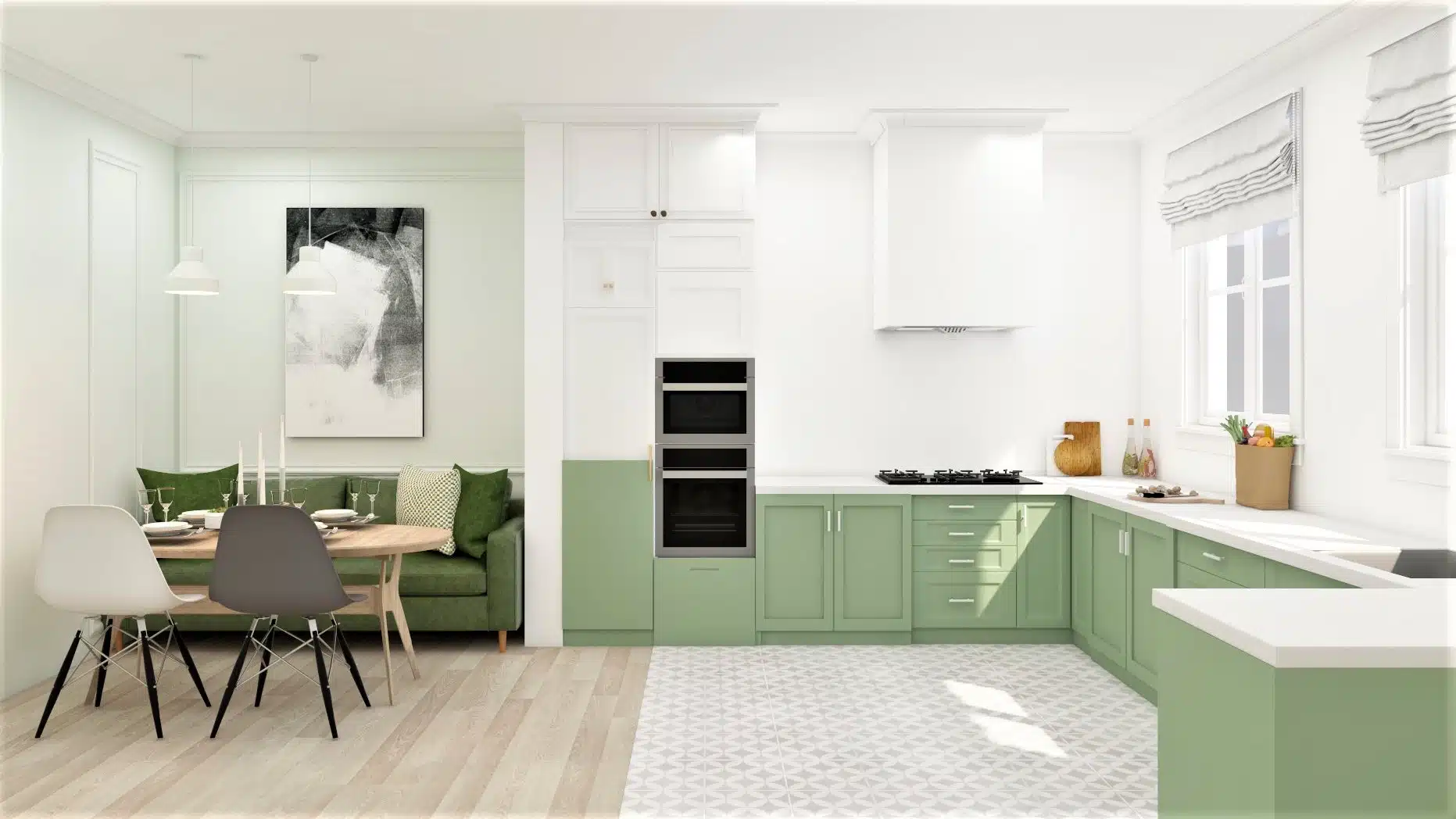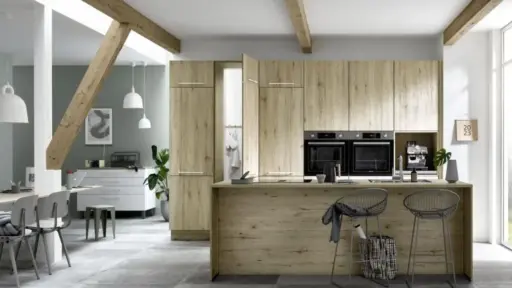


When choosing between custom and stock cabinets for a kitchen update, most homeowners weigh factors like budget, timeline, and how long they plan to stay in their home. Stock cabinets offer speed and affordability but come in fixed sizes and limited finishes.
Custom cabinets provide a precise fit, superior materials, and personalized storage solutions, making them ideal for unique layouts or long-term use. While stock options work well for quick refreshes, custom designs tend to deliver greater functionality and durability over time.
Introduction
Kitchens are more than just places to cook – they are the heart of the home, where meals, conversations, and memories unfold. As such, when it comes time to upgrade this essential space, decisions about cabinetry carry significant weight. The right choice affects not only daily convenience but also the overall value and character of your property.
For many Canadian homeowners exploring their options, understanding the real differences between off-the-shelf units and fully tailored solutions is key. Whether you are planning a modest refresh or a complete overhaul, experienced teams can help clarify what’s possible within your vision and budget for kitchen renovations.
This article breaks down the practical, financial, and design implications of each cabinet type – so you can make a confident, informed decision that aligns with your lifestyle and long-term goals.
Custom Cabinets vs. Stock: Breaking Down the Real Differences
When it comes to outfitting a kitchen, cabinetry is one of the most impactful choices you’ll make – both visually and functionally. While stock and custom cabinets may appear similar at first glance, they diverge significantly in terms of flexibility, craftsmanship, and long-term value.
What Exactly Sets Them Apart?
Stock cabinets are mass-produced in standard sizes – typically in 3-inch increments – and come with limited finish and hardware options. They’re designed for efficiency and broad appeal, not individual spaces. Custom cabinets, on the other hand, are built from scratch based on your kitchen’s exact dimensions, storage needs, and design preferences. This means every drawer depth, shelf height, and corner solution can be tailored to how you actually use your kitchen.
Cost and Timeline Comparison
Budget and scheduling often drive the initial decision. Below is a general comparison based on current Canadian market standards:
| Feature | Stock Cabinets | Custom Cabinets |
|---|---|---|
| Price per linear foot | $80 – $200 | $300 – $800+ |
| Lead time | Ready to install in days | 8–16 weeks (design to delivery) |
| Material options | Particleboard, MDF, laminate | Solid wood, plywood, premium finishes |
| Fit in irregular spaces | May leave gaps or require fillers | Seamless integration, no wasted space |
Stock units are ideal if you have a straightforward layout, a tight deadline, or a modest budget. But if your kitchen has unusual angles, sloped ceilings, or you simply crave features like pull-out spice racks or integrated appliance panels, custom cabinetry eliminates compromise.
Durability and Climate Considerations
In Canada’s variable climate – with dry winters and humid summers – cabinet construction matters. Many of the shelf lines use engineered boards that can swell or warp if not properly sealed. Reputable custom builders typically use plywood boxes and solid hardwood frames, which handle moisture fluctuations better and last longer with daily use.
Design Freedom and Future Proofing
With stock cabinets, you adapt your vision to what’s available. With custom, the reverse is true. Want deep drawers for sheet pans? A built-in recycling station? Soft close hinges in a specific finish? These aren’t upgrades – they’re baseline expectations in a custom project. Over time, this level of personalization not only improves daily convenience but also enhances resale appeal, as buyers increasingly seek move-in-ready kitchens with smart storage.
Ultimately, the choice isn’t just about aesthetics – it’s about how well your cabinetry supports your lifestyle now and in the years ahead.
Making the Right Choice for Your Home and Lifestyle
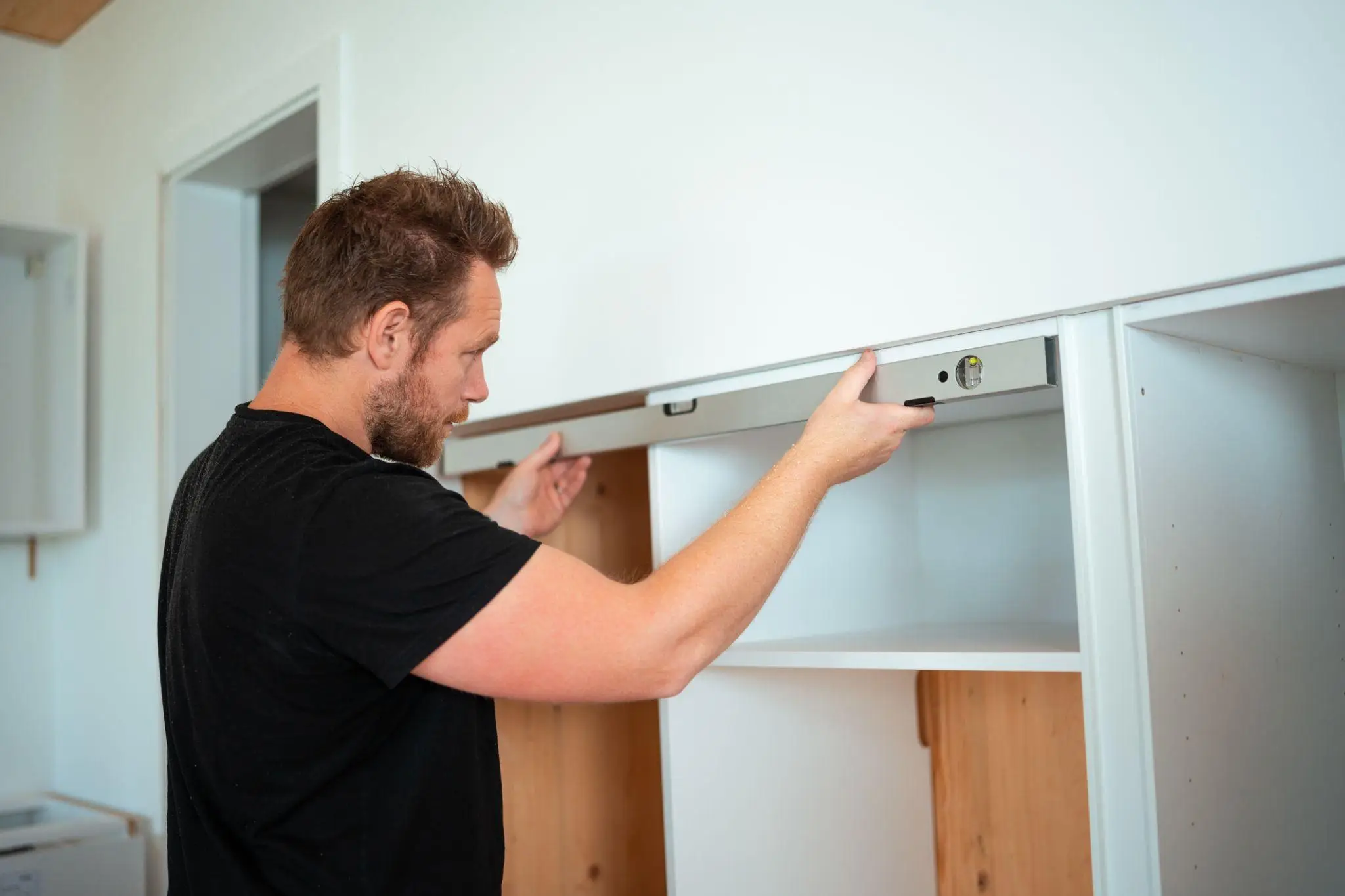
Once you understand the core differences between cabinet types, the next step is aligning that knowledge with your personal priorities. Most homeowners don’t just want a beautiful kitchen – they want one that works seamlessly for how they live, cook, and entertain.
Ask Yourself These Key Questions
Before committing, consider:
- How long do you plan to stay in your home? If it’s five years or less, stock cabinets may offer sufficient value. For longer stays, custom solutions often pay off through durability and daily convenience.
- What’s your kitchen’s layout like?
Galley kitchens, awkward corners, or spaces with beams and columns rarely accommodate standard sizes without wasted gaps or bulky fillers.
- Do you have specific storage needs?
Families with large cookware collections, bakers, or those who work from home might benefit from tailored inserts, appliance garages, or hidden pantries.
- Are you coordinating with other upgrades?
If your kitchen remodeling includes new plumbing, electrical, or flooring, integrating custom cabinetry during this phase ensures everything aligns perfectly.
When Stock Cabinets Make Sense
Stock options shine in straightforward scenarios:
- Rental properties or secondary homes where ROI matters more than personalization
- Budget-constrained projects that still want a clean, modern look
- Quick turnarounds, such as preparing a home for sale within weeks
Many big box retailers now offer semi-custom lines – allowing minor adjustments like height or finish – but these still fall short of true bespoke design.
The Hidden Value of Custom Kitchen Renovations
While the upfront cost is higher, custom kitchen renovations often reduce long-term expenses. High-quality materials resist wear, meaning fewer repairs or replacements. Thoughtful layouts minimize clutter and improve workflow, which many users say makes cooking more enjoyable – a subtle but real quality of life boost.
Moreover, working with experienced kitchen contractors like Reborn Renovations ensures precise measurements, proper installation, and coordination with other trades. This reduces the risk of costly mistakes or delays that can happen when DIYers or general handymen tackle complex cabinetry.
Real World Insight
In regions with older housing stock – common across many Canadian cities – custom cabinets frequently prove more economical than expected. Rather than reconfiguring walls to fit standard units, homeowners opt to build cabinets that fit the existing space, saving on structural changes.
Final Thoughts: Building a Kitchen That Stands the Test of Time
At the end of the day, your kitchen should reflect how you live – not how a factory template dictates you should. Whether you lean toward stock or custom cabinets, the goal remains the same: creating a space that’s functional, durable, and a pleasure to use for years to come.

NKBA-certified designer Harper Williams holds a degree in Interior Architecture from Auburn University and has specialized in high-function kitchens and spa-inspired baths since 2011. She joined us in 2024 to simplify layout planning, fixture selection, and budget tricks for remodelers. Away from CAD files, Harper restores vintage cookstoves and crafts small-batch soaps.