
Getting the dining table height right can make a bigger difference than most people expect. If the table feels too high or too low, even simple meals can feel uncomfortable.
That’s where understanding the dining table height standard helps. It gives a clear idea of what works best for everyday use, especially when pairing tables with chairs.
This blog explains standard dining table heights, common measurements, and practical sizing tips to help create a comfortable and functional dining setup.
From basic measurements to practical tips, everything here is meant to help you choose a setup that actually feels comfortable to use.
What is the Dining Table Height Standard?
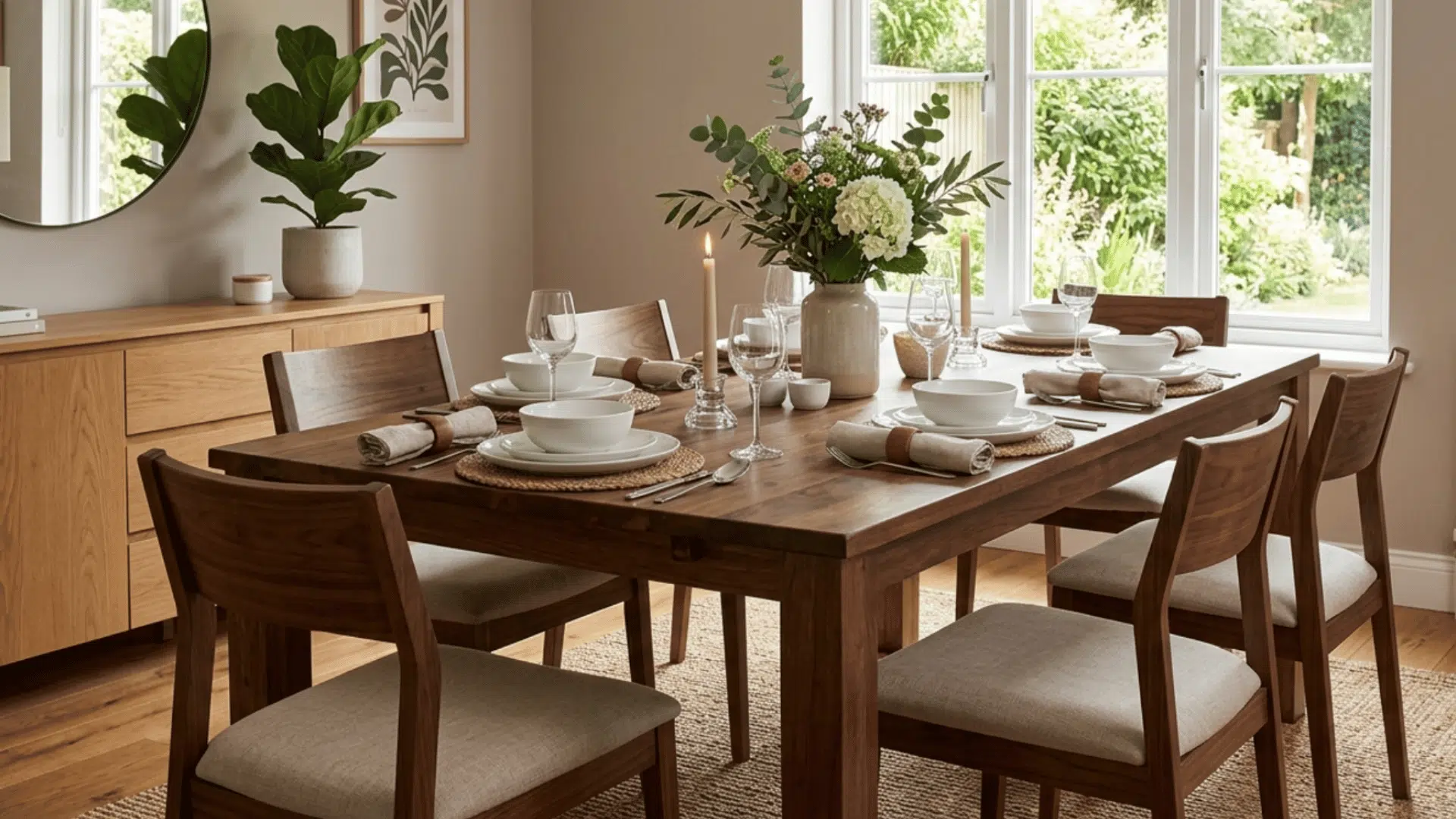
The dining table height standard usually falls between 28 and 30 inches (about 71 and 76 cm), with 29 inches being the most common choice in many homes.
This range is widely used because it allows enough legroom, so sitting doesn’t feel cramped. At the same time, it keeps your arms at a natural level while eating, which makes daily meals more relaxed.
Since this height suits most people, it has become the go-to option for everyday use. Overall, it creates a practical dining setup that feels easy and comfortable for both short meals and longer gatherings.
What’s the Perfect Chair Height For Dining Tables?
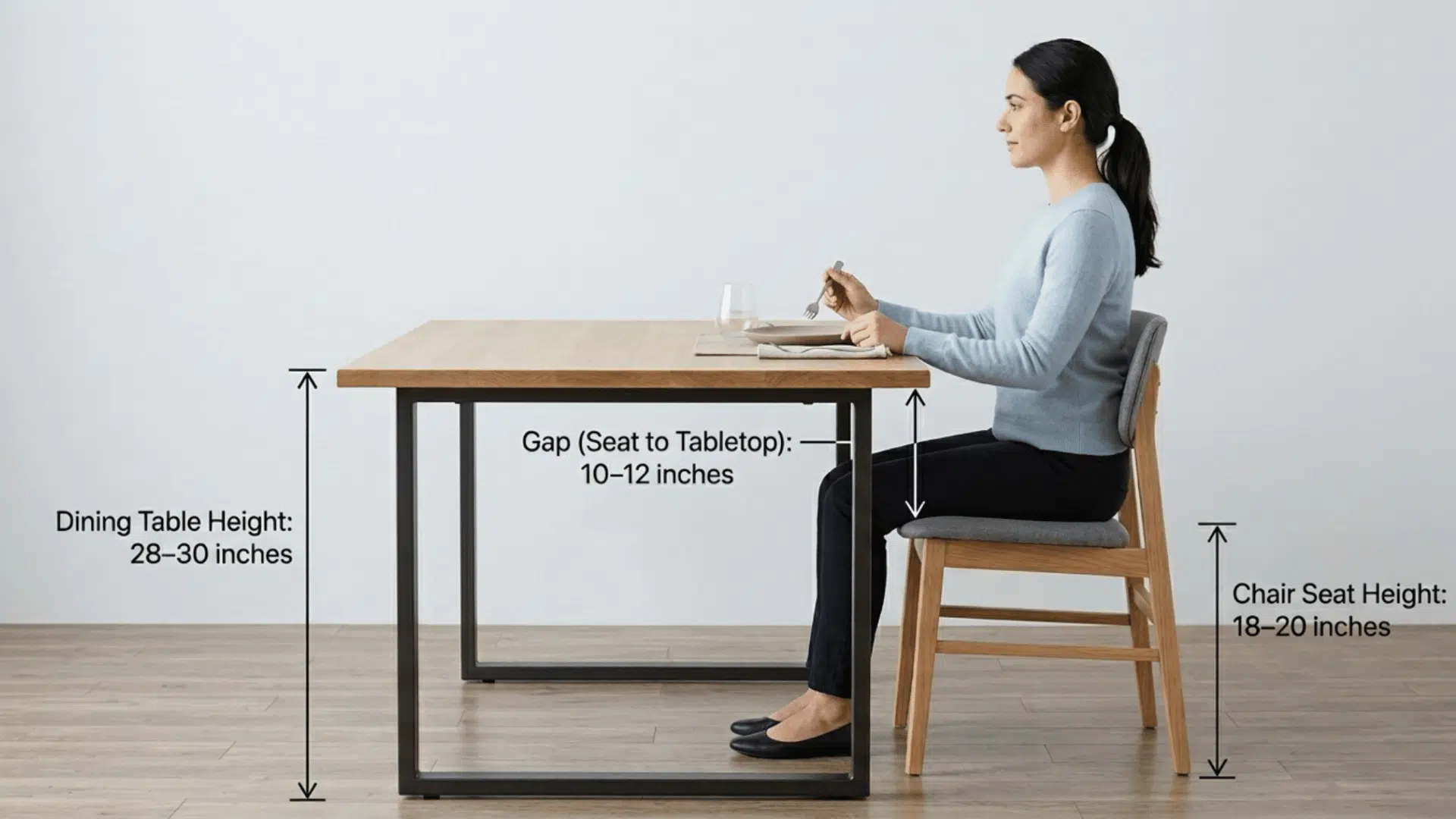
The standard dining table height is designed to keep your seating position comfortable. When sitting, your arms should rest naturally on the table without straining or slouching.
To match this, dining chairs typically have a seat height of 18–20 inches (46–51 cm), creating a comfortable, balanced setup.
The standard height difference between the chair seat and the tabletop is around 10 to 12 inches (25-30 cm). This gap is called the ‘golden ratio’ of dining comfort, providing:
- Ample Legroom: Enough space for your legs to move freely beneath the table.
- Proper Posture: The ability to sit with your back supported and your arms relaxed on the surface.
- Ease of Use: A height that feels natural when dining, reading, or working.
Dining Table Size Chart By Seating Capacity and Shape
Finding the right table size gets much easier if you are familiar with different dining table sizes, seating capacities, and shapes.
Seating Capacity | Rectangular (L × W) | Round (Diameter) | Square (Side Length) | Oval (L × W) |
2-Seater | 90–120 × 60–75 cm (35–47 × 24–30 in) | 75–90 cm (30–36 in) | 75–90 cm (30–36 in) | 100–120 × 60–75 cm (39–47 × 24–30 in) |
4-Seater | 120–150 × 75–90 cm (47–60 × 30–36 in) | 90–120 cm (36–48 in) | 90–120 cm (36–48 in) | 140–160 × 80–90 cm (55–63 × 31–36 in) |
6-Seater | 150–180 × 90–100 cm (60–72 × 36–40 in) | 120–150 cm (48–60 in) | 120–150 cm (48–60 in) | 150–180 × 90–100 cm (60–72 × 36–40 in) |
8-Seater | 180–240 × 100–110 cm (72–96 × 40–44 in) | 150–180 cm (60–72 in) | 150–180 cm (60–72 in) | 180–240 × 100–110 cm (72–96 × 40–44 in) |
How to Choose the Right Size Dining Table?
Selecting the right dining table size involves more than just measuring your dining space. It’s about finding a balance between comfort, style, and functionality. Here’s what you need to look for:
- Leave Enough Space Around the Table: Keep at least 3 feet of open space around the dining table so chairs can move easily and people can walk comfortably without feeling cramped.
- Measure the Room Before Buying: Measure the entire dining area, then subtract about 6 feet from both the length and width to estimate the ideal table size for the room.
- Consider the Visual Weight: Tables with slim legs or glass tops make smaller rooms feel more open, while bulky wood tables fit better in larger spaces.
- Choose the Right Table Height: Standard dining tables are usually 28–30 inches tall, while counter-height and bar-height tables work better for casual or compact spaces.
- Match the Table Shape to the Room: Round tables suit square rooms and smaller spaces, while rectangular or oval tables work better in long dining areas.
- Think About Seating Comfort: Make sure chairs fit properly under the table and leave enough legroom for comfortable everyday use.
- Pick Flexible Table Designs: Extendable or drop-leaf tables help save space and make it easier to seat extra guests when needed.
- Use Space-Saving Seating Options: Bench seating and stackable chairs are practical choices for smaller dining rooms because they are easier to store.
Different Types Of Dining Tables
Dining tables come in various heights, shapes, and seating styles. Below, you’ll find the most common table types, their standard measurements, chair height, best uses, and key pros and cons:
1. Standard Dining Table Height
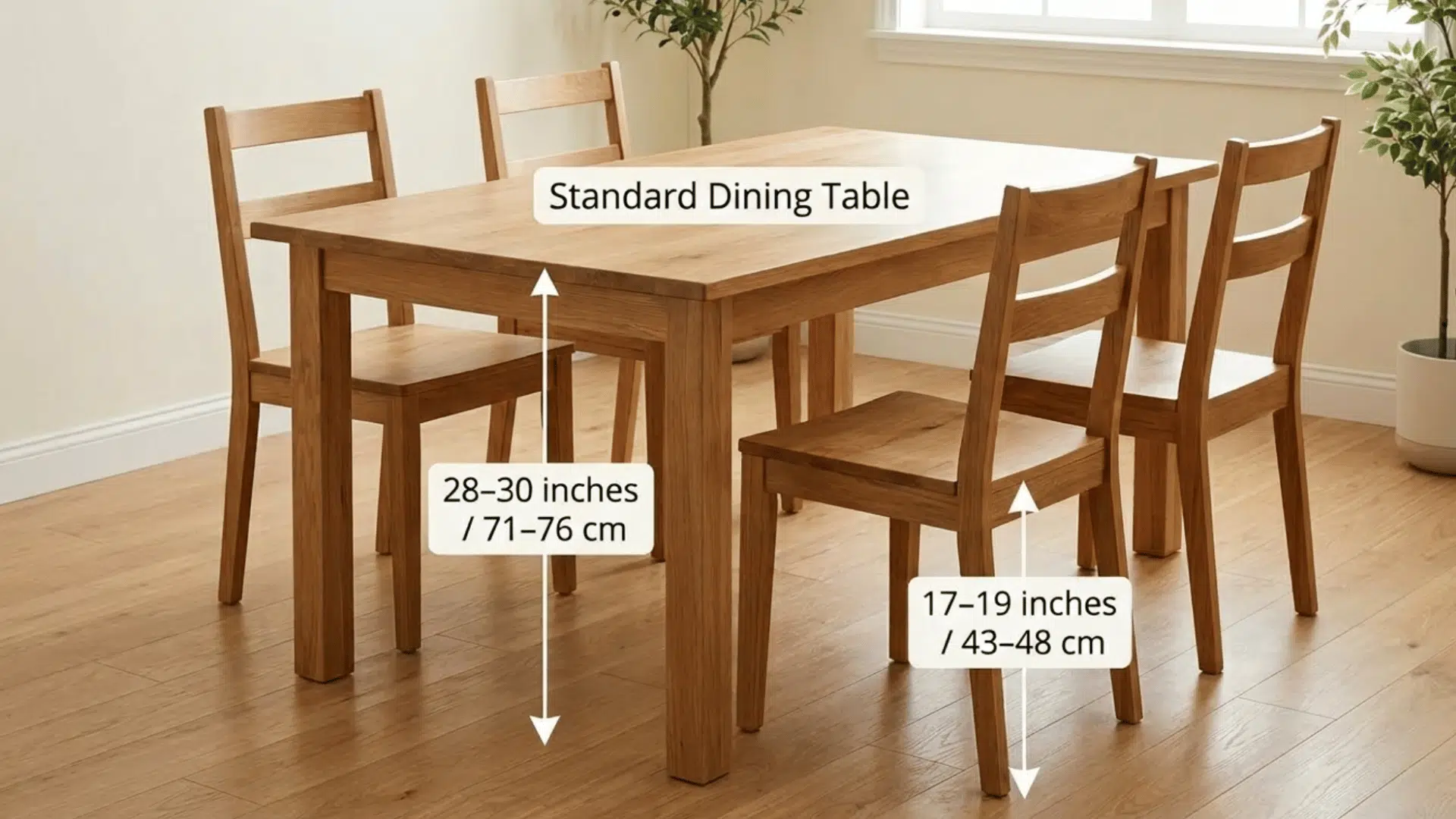
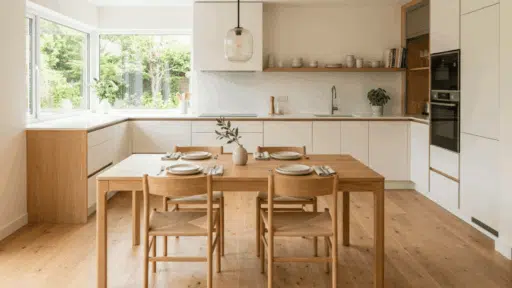
A standard dining table is usually 28–30 inches (71–76 cm) tall and works best with chairs that are 17–19 inches (43–48 cm) high.
This is the most common dining table height in homes because it feels comfortable for everyday meals, homework, conversations, and extended sitting.
Most dining chairs are designed to match this table height, making it the easiest option for seating. It works well in dining rooms, apartments, family kitchens, and both small and large homes.
2. Counter-Height Dining Table
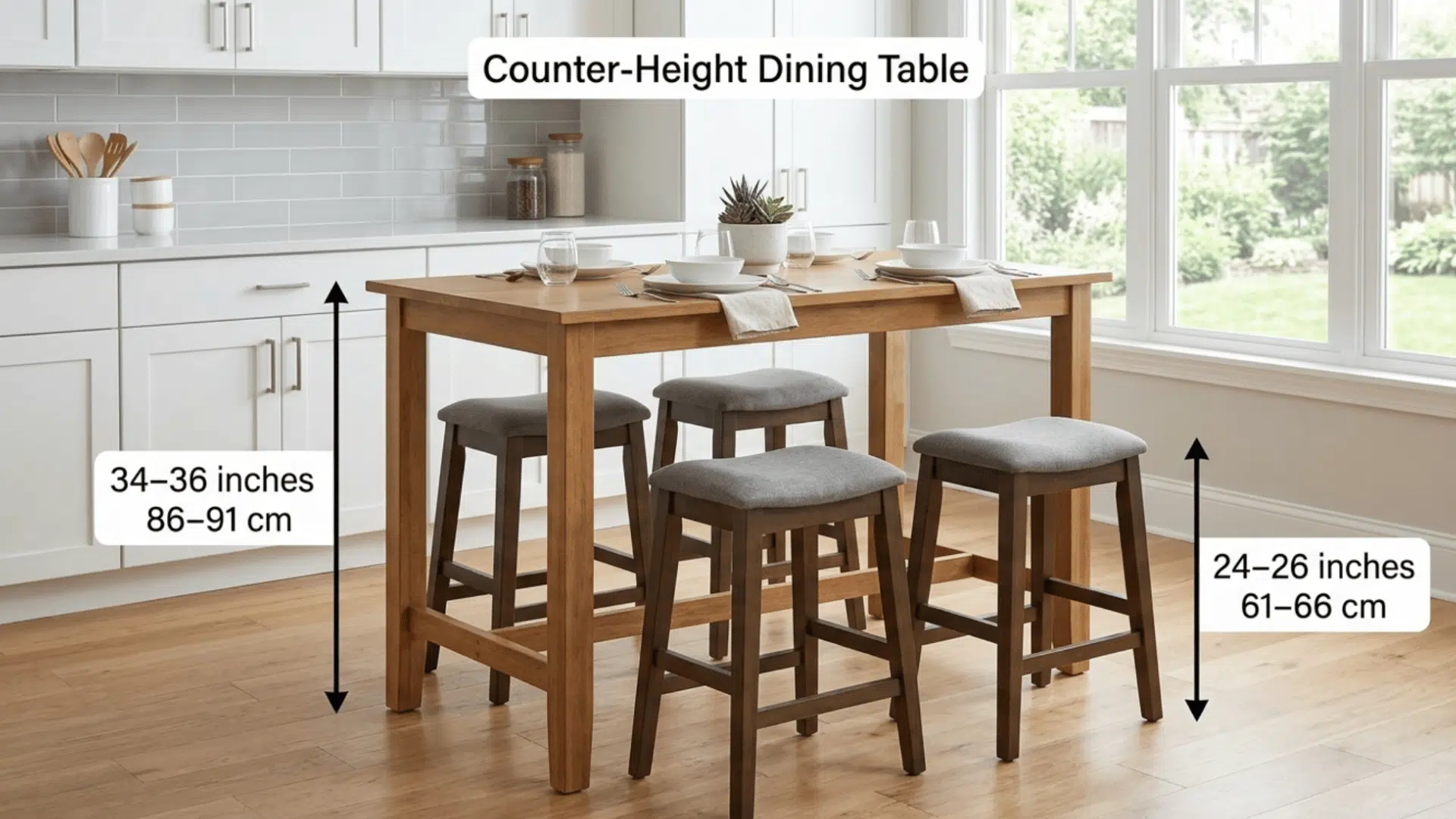
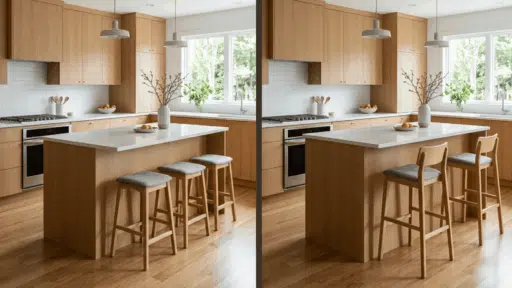
Counter-height tables are usually 34–36 inches (86–91 cm) tall and pair well with stools or chairs that are 24–26 inches (61–66 cm) high.
They sit higher than standard dining tables and are often used in modern kitchens, breakfast areas, and open layouts.
Their raised height creates a casual dining setup and blends well with kitchen counters or islands.
They can also make compact spaces feel less formal, but they may not be as comfortable for young kids, older adults, or shorter people.
3. Bar-Height Dining Table
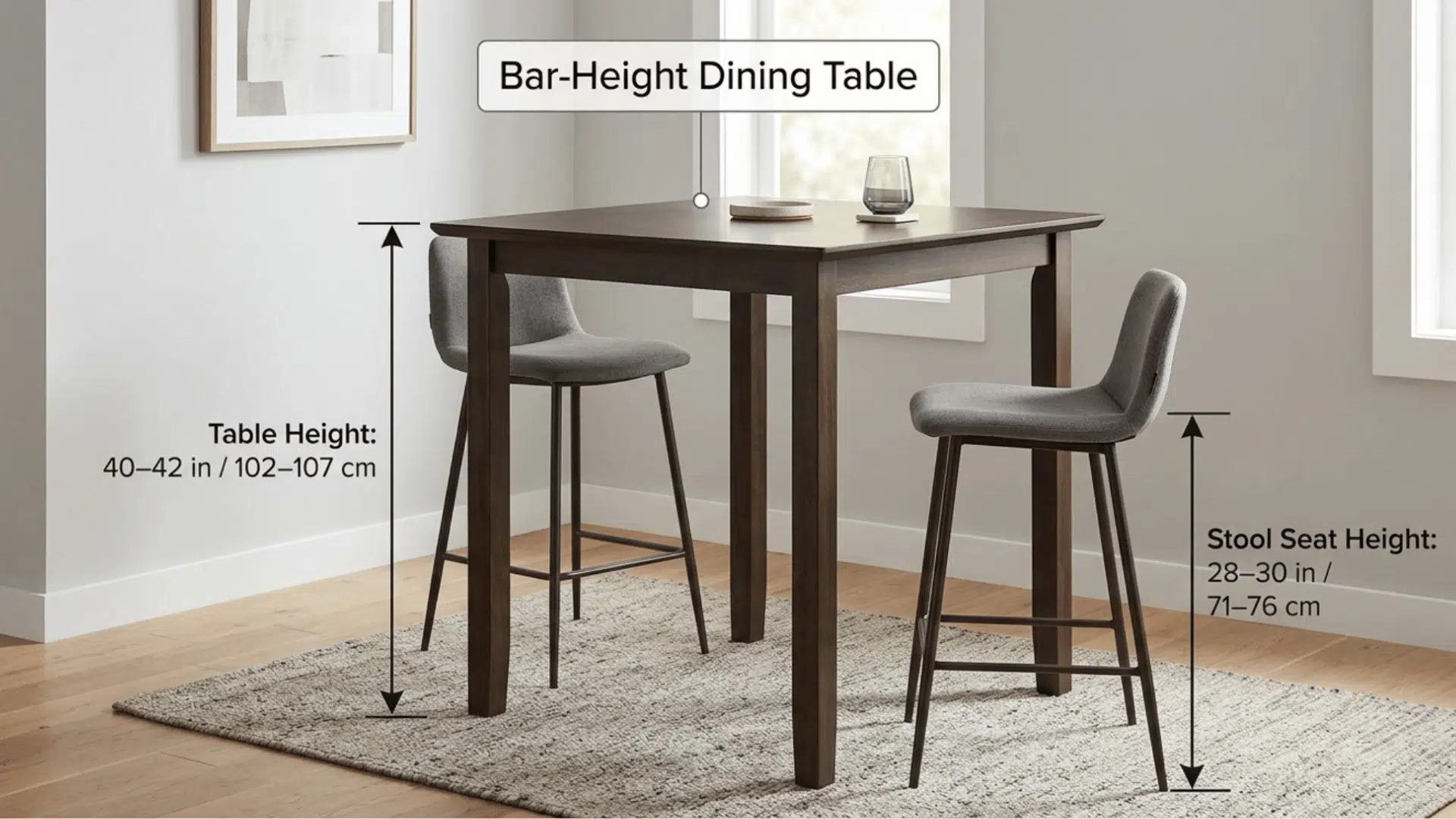
Bar-height tables are usually 40–42 inches (102–107 cm) tall and need stools around 28–30 inches (71–76 cm) high.
These tables are taller and are mostly used in entertainment spaces, compact apartments, or casual social settings. Since they take up less visual floor space, they can sometimes make smaller areas feel less crowded.
They are commonly used in Game rooms, Small apartments, Entertainment corners, and Adult dining areas.
Bar-height tables create a relaxed, social atmosphere, but they are not always comfortable for long meals because the seating is much higher than on a standard dining table.
4. Café or Restaurant Table Height
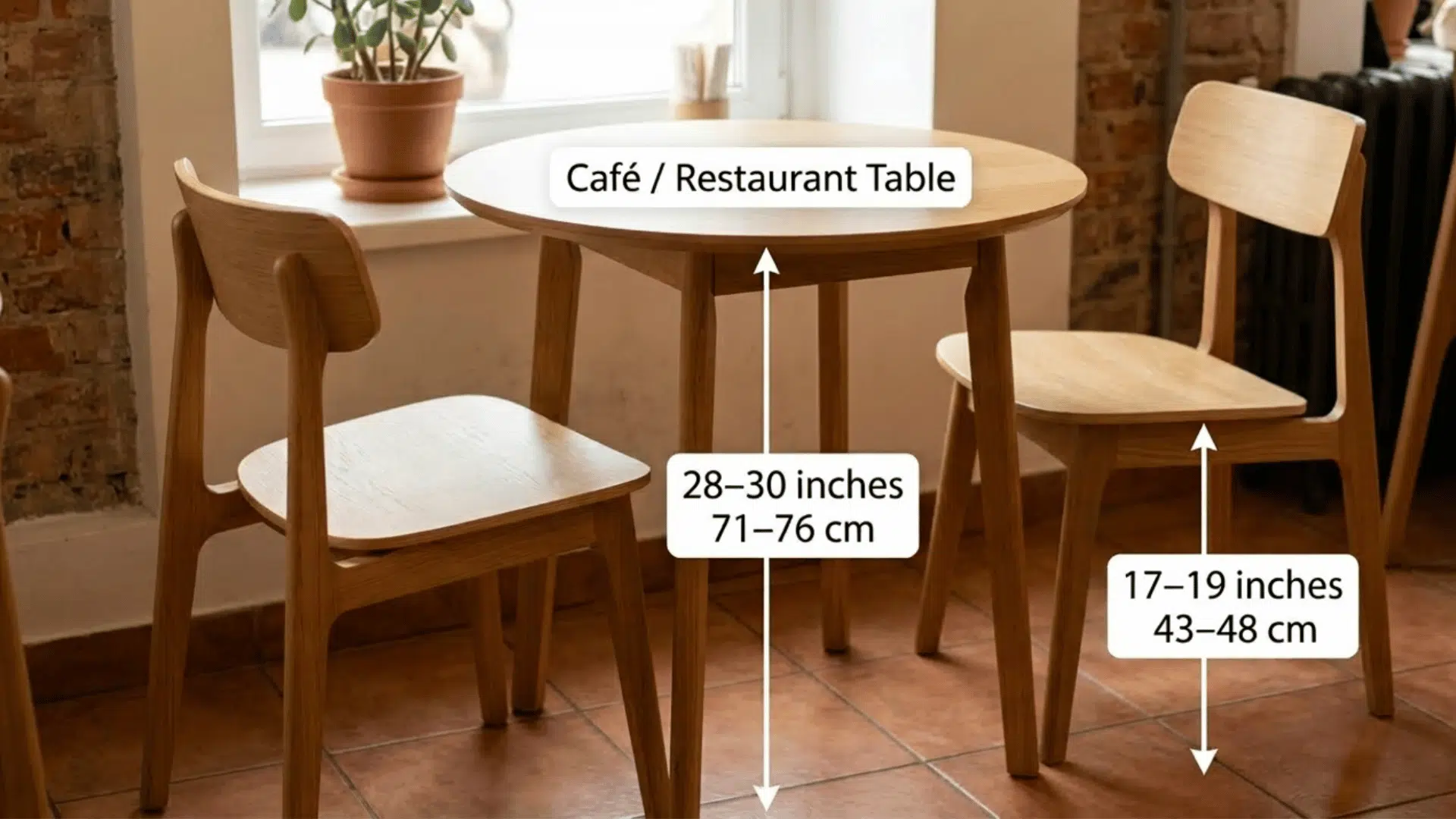
Most café and restaurant tables follow the same 28–30 inch (71–76 cm) standard dining height and pair with chairs around 17–19 inches (43–48 cm) high.
This height works well because it feels familiar and comfortable for most people during meals or short conversations. Smaller café tables are also easier to fit into compact dining corners or breakfast nooks.
These tables are useful for breakfast areas, coffee corners, small kitchens, and café-style dining setups.
While they save space and work well with standard chairs, smaller café tables may not provide enough surface area for larger meals or work setups.
5. Work or Study Table Height
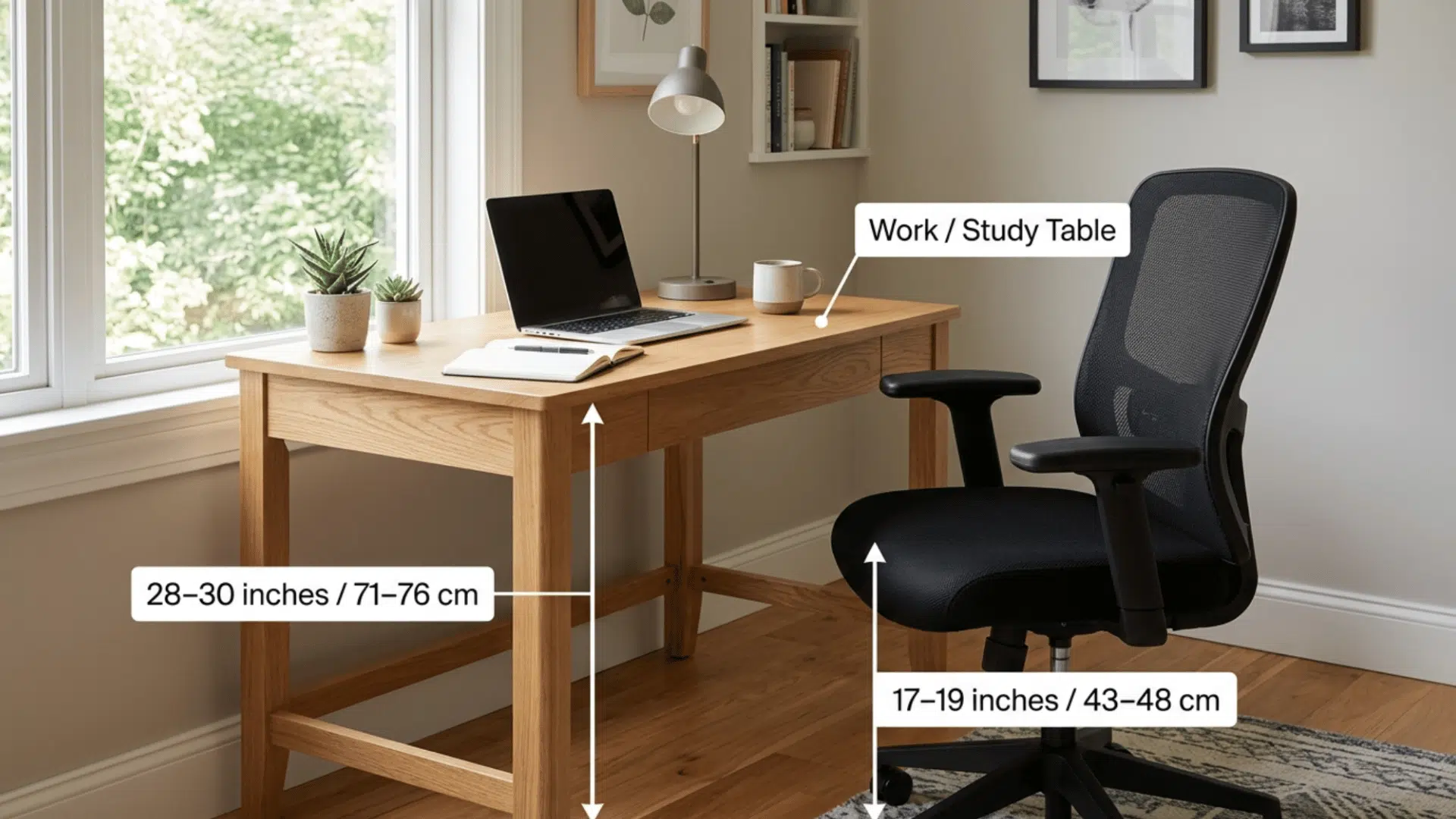
Work or study tables are also commonly made at 28–30 inches (71–76 cm) high and are paired with chairs around 17–19 inches (43–48 cm) tall.
This height supports a comfortable sitting posture during longer work sessions. Since people spend more time seated at work tables, proper chair support becomes especially important.
These tables are a good fit for reading, laptop work, studying, and home office setups.
The main benefit is long-term comfort, especially when paired with ergonomic chairs. However, poor chair support can still lead to discomfort even if the table height is standard.
Wrapping it Up
Now you know that learning about the right dining table height standard can make everyday meals feel far more comfortable and enjoyable.
Dining space is a daily used part of our lives, whether it’s family dinners, work sessions, or casual gatherings. Hence, your table should feel as practical as it looks stylish.
So all you need to do now is use these guidelines to create a dining setup that feels balanced, functional, and welcoming every day. By focusing on small details and factors, you can create your own personalized space.
Frequently Asked Questions
What Is the 4-Inch Rule for Dining Seating?
The 4-inch rule means there should be at least 4 inches of space between the chair seat (or thighs) and the underside of the table.
How Does Seating Cushion Thickness Affect Comfort at The Table?
Thicker cushions raise you higher, which can reduce the ideal gap between the seat and the tabletop, changing how the height feels.
Can Lighting Placement Make a Standard Table Height Feel Taller or Shorter?
Yes. Lights hung too low can make the table feel taller, and the space feel tight, while higher lighting creates a more open feeling.

With a Master’s in Architecture from the University of California, Berkeley, Mitchell Green has spent over two decades dedicated to the study and practical application of home fixture design. His career started in an architectural firm, providing him a strong foundation in the structural and aesthetic aspects of home interiors. Mitchell brought his comprehensive knowledge to our platform, where he has been an influential voice in our home fixtures and fittings section. Since 2018, he has been guiding our readers through the intricacies of selecting and installing fixtures, combining technical know-how with design flair. In his spare time, Mitchell is a keen photographer, capturing architectural details and design elements, an interest that complements his professional focus.