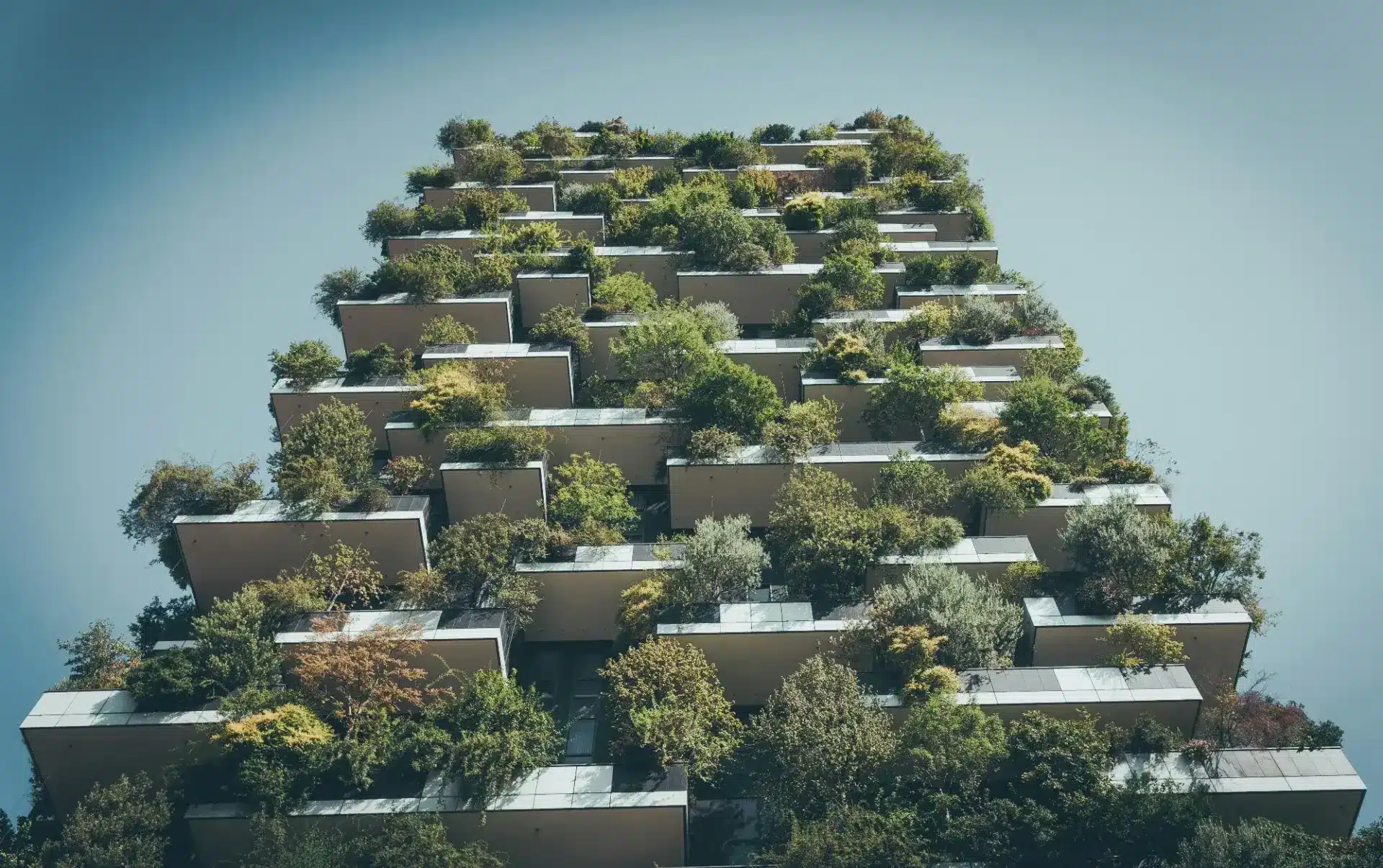
Sustainability in architecture is gaining momentum as a tangible solution to combat environmental issues. The push for greener buildings underscores a shift in priorities. Modern structures have evolved beyond mere aesthetics and functionality to embrace eco-friendliness, energy conservation, and resilience.
As resource availability becomes more pressing, architects are tasked with reimagining what’s possible and exploring sustainable practices. These practices are now being realized in projects worldwide where the strides in sustainable design showcase a dedication to our planet’s future.
Turning to Nature
Nature has long inspired architects, but today, biomimicry takes this relationship a step further. By emulating natural processes and designs, architects develop structures that can adapt naturally to their environments. The legendary architect Frank Lloyd Wright once said, “Study nature, love nature, stay close to nature.
It will never fail you.” Embracing nature’s logic is a powerful tool for minimizing energy consumption and enhancing sustainability. From buildings that imitate termite mounds for natural cooling to algae panels that can capture carbon dioxide, this approach merges biology with architecture innovatively.
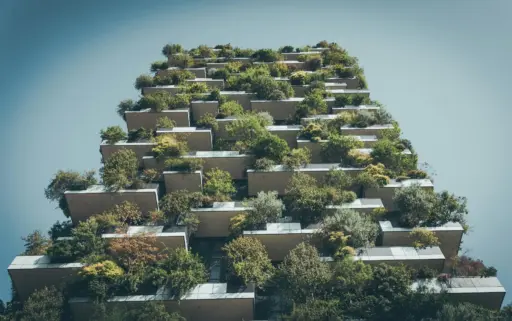
Urban planners and architects are increasingly looking towards green roofs and living walls as part of the biophilic design movement. These features not only provide insulation benefits but also offer habitats for local wildlife and improve air quality in urban settings. Integrating green spaces within concrete jungles enhances their aesthetic appeal and significantly impacts mental health and urban biodiversity.
Harnessing the Power of the Sun
Photovoltaic technology is rewriting the script on energy production. Modern buildings, covered with solar panels, are taking advantage of the sun’s boundless energy. Today, it’s common to see solar panels integrated into roofs and facades, effortlessly blending with building designs. Even in regions with sporadic sunshine, passive solar design optimizes energy usage.
By aligning windows for maximum sun exposure and utilizing thermal mass to retain heat, a building’s energy demands drop significantly. This self-sufficiency reduces reliance on the grid, positioning solar power as a cornerstone of sustainable architecture.
An often overlooked aspect of these innovations is the integration of tile roof systems that harmonize with solar installations. These roofing solutions not only enhance aesthetic appeal but also offer practicality and durability crucial for long-term sustainability.
Recent advancements have enabled solar glass and tiles, allowing solar energy to be harvested without compromising a building’s design aesthetic. Decorative facades that double as solar collectors illustrate that sustainability doesn’t come at the cost of style. This integration ensures that structures can generate electricity unintrusively, leading the way for cities to evolve into self-sustaining urban spaces.
Community-Driven Approaches
Sustainability extends beyond materials and design—it’s about people. Community-centric projects take residents’ needs into account, ensuring that developments are socially viable. In city suburbs and rural areas alike, architects are consulting with local communities to develop solutions that fit cultural and practical needs. Co-housing initiatives, community gardens, and public spaces where people gather and share resources demonstrate that sustainability can foster stronger, more connected communities.
Cities are experimenting with eco-neighborhoods, integrating walkability, green transportation systems, and mixed-use developments to create vibrant living spaces with minimal environmental impact. These areas promote a lifestyle rooted in environmental consciousness, setting standards for future urban planning projects globally.
The Emergence of Smart Materials
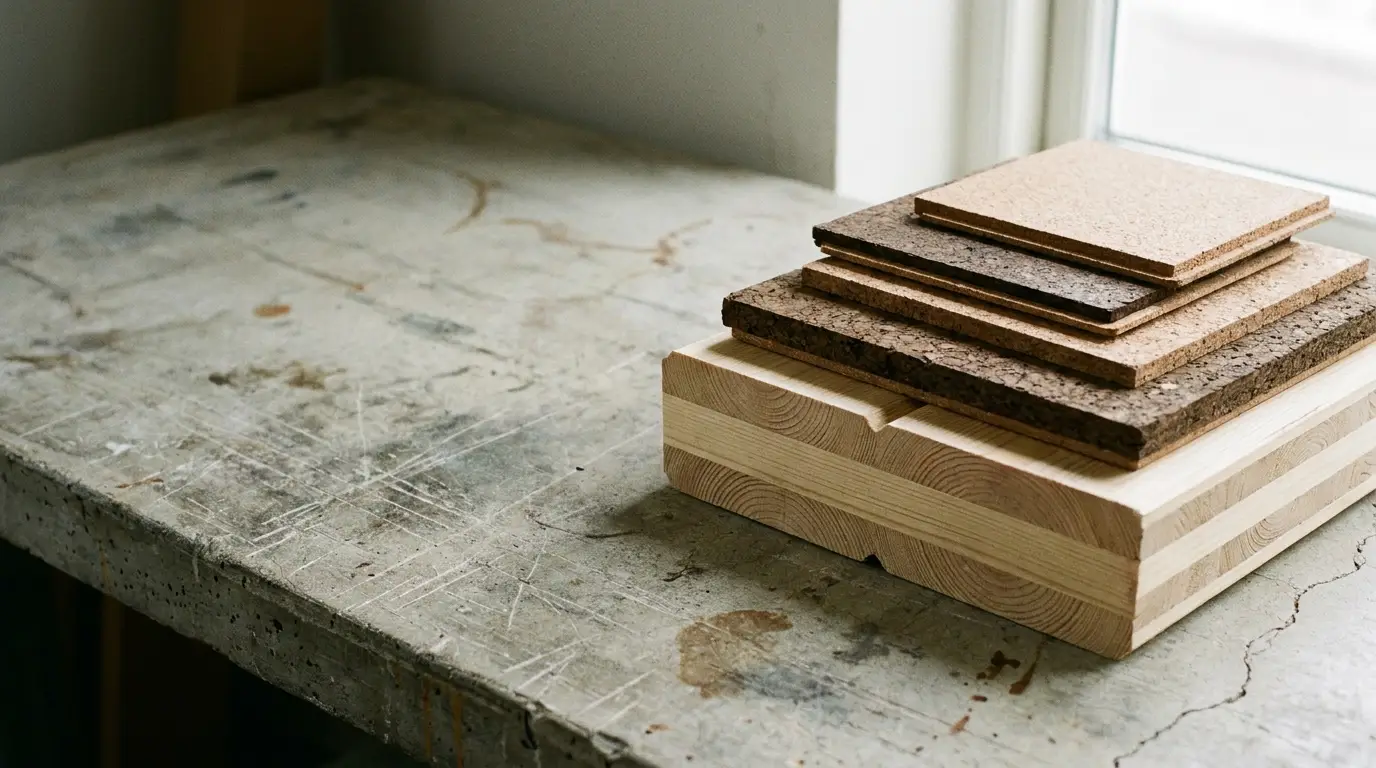
Materials make the structure, and smart materials are shaking up conventional construction norms. Imagine a window that adapts its transparency based on sunlight or concrete that repairs itself when damaged. The innovation potential is boundless.
These materials extend the lifespan of structures while curtailing repair costs and environmental impact. From cork flooring that’s both renewable and insulative to cross-laminated timber offering strength with reduced carbon footprint, smart materials redefine what is meant by sustainability in architecture.
The introduction of 3D-printed materials has opened new avenues for customized construction solutions. By producing components on-site and reducing transportation emissions, this technology holds promise for eco-friendly building practices. The precision offered by 3D printing cuts down on waste, thus aligning with global efforts to use materials more responsibly.
Adaptive and Resilient Design
With weather patterns becoming unpredictable, architects design buildings that stand the test of nature’s whims. Structures in flood-prone areas now incorporate elevated designs or floating elements to combat rising tides. Performative façades adjust in response to real-time weather analysis, cutting back on energy waste. Architects are also harnessing native materials to synchronize with local climates. Such projects ensure that future generations benefit from resilient buildings that resist nature’s challenges gracefully.
Urban resilience extends beyond structural design, requiring integrated solutions like bioretention systems to manage stormwater. With urban areas expanding and impermeable surfaces increasing, these developments aid in lessening the pressure on municipal drainage systems while providing additional green space.
Conclusion
The pursuit of sustainability in architecture is a catalyst for creativity and innovation. The connection between architectural design and environmental impact grows ever tighter, challenging architects to devise solutions that are both groundbreaking and responsible. To rethink the building of tomorrow is to reimagine how humanity interacts with the world. As we stand at this juncture, sustainable design emerges not just as an option but as an imperative for enduring architectural progress.

Natalie Zhou, AIA, holds an MIT Master of Architecture and has designed civic and residential projects for 12 years. She joined us in 2025 to translate green-building theory into practical home ideas, spotlighting passive-solar layouts and space-saving details. Natalie’s articles blend on-site anecdotes with sketchbook tips. Away from the desk, she restores mid-century chairs and volunteers with Habitat for Humanity.